Belek Market Guide: What's Sold and How to Get There
Belek's weekly market is held on Saturdays and combines a grocery market with textile stalls selling clothes, bags and souvenirs. Here's how to plan a visit.
On this page
Belek market is held on Saturdays in Belek town, and it is really two markets in one: a grocery market for fruit, vegetables and everyday food, and a textile market for clothes, bags and souvenirs spread over a large site. Give it a morning rather than a whole day, because the stalls thin out after lunch.
This guide covers the market day, where it sits in town, the split between groceries and textiles, the best time to arrive, how to reach it from the resort strip, and how haggling works for British and Irish shoppers. It finishes with an honest comparison against the bigger bazaars at Side and Manavgat.
What day is Belek market held?
Belek's weekly market day is Saturday. Locals describe it as both a grocery market and a textile market on one site of several kilometres, so you are not choosing between a food market and a souvenir market: the two run side by side on the same day.
Plan the rest of the week around it. If your itinerary is built on boat trips, ruins and beach afternoons, move those to other days and keep Saturday morning free for the market, then build the afternoon around something quieter in the things to do in Belek list.
Where the market is held and how big it is
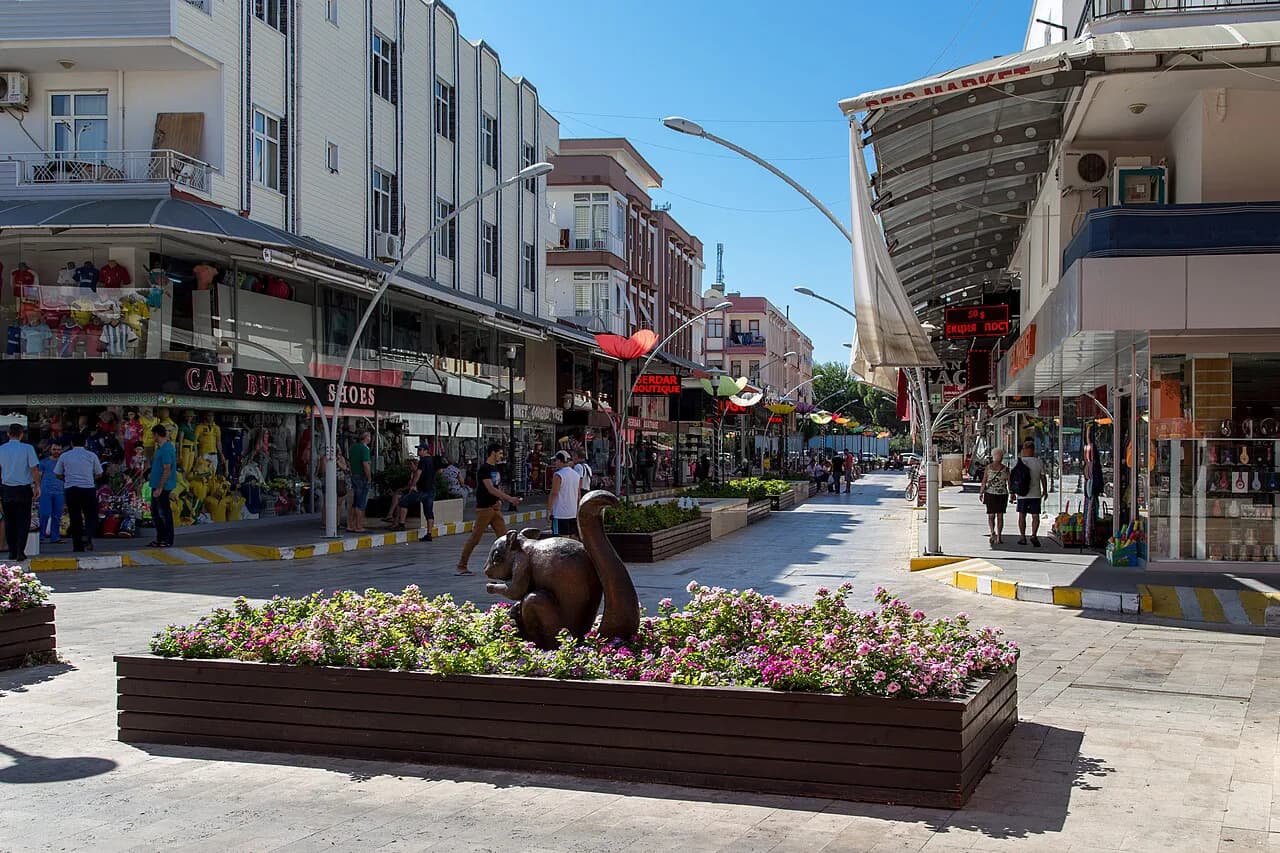
The market is held in Belek itself, in the Serik district of Antalya Province, rather than out on the coastal hotel strip. That distinction matters because the resorts are spread out and some guests assume the market comes to them; it does not.
Size is part of the experience. It is described as a grocery market plus a textile market across a site of several kilometres, which means comfortable shoes and a willingness to walk rather than a quick in-and-out stop.
Wear what you would wear to a lively street market: light clothing, a hat, water and cash in small notes. The stalls and the crowd are the draw here, so treat the visit as a morning out rather than a shopping errand.
What is sold: groceries, textiles, bags, clothes and souvenirs
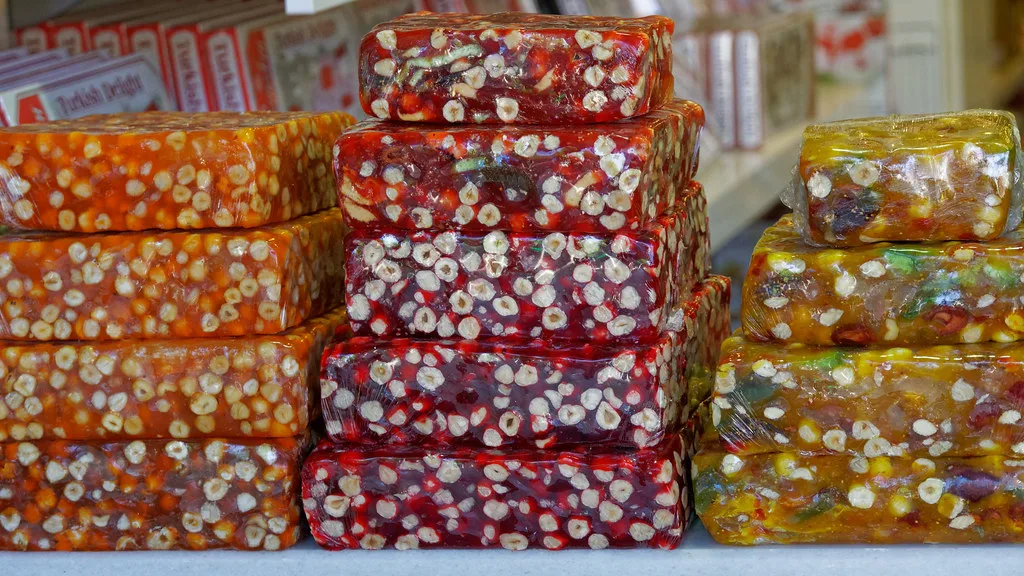
The grocery side is the everyday food market: fruit, vegetables and household provisions of the kind local families buy weekly, and the sort of fresh produce that makes a self-catering lunch easy. Go here first if you want food, because the best of it moves early.
The textile side is where holidaymakers spend their money: clothes, bags and souvenirs on colourful stalls, from T-shirts and beachwear to bags and small gifts. The stalls are varied, so walk the full length before buying; the same item often appears several times at different prices.
If the market is only part of your shopping plan, pair it with the fixed-price shops and boutiques covered in shopping in Belek, where you can compare the market's flexible pricing with ordinary retail prices.
What time to go and when stalls start packing up
Arrive in the morning. A forum post from 2011 described the market starting to wind down around 2-3pm, with some stalls still open afterwards, and that pattern of an early-afternoon decline is the reason not to leave it until late in the day.
Treat any specific hour as something to confirm locally on the day rather than a fixed opening time, since none is officially published for the market. Ask at your hotel reception or check with a taxi driver on the morning itself.
How to get to Belek market from the resort strip
From the hotels east and west of town, the dolmuş is the simplest way in and the way most visitors arrive. Ask your hotel reception which dolmuş passes the market and where the nearest stop is, because routes and stops along the strip vary by hotel.
Taxis are the alternative if you are shopping for heavier items or travelling as a group, and the return trip is easier to arrange if you agree a pick-up point in town beforehand. For orientation before you go, use the Belek map to see where the town centre sits relative to the coastal hotels.
Shopping and prices at Belek market
Haggle on the textile side, not the grocery side. Prices for clothes, bags and souvenirs are starting points, and a friendly counter-offer is normal market practice; fresh produce and food are sold at the price asked, so pay those as quoted.
Set a walk-away price in your head before you start and keep small notes and coins ready, since a seller is more likely to meet you halfway when you can pay the agreed amount on the spot. Buy from the stall that offers the fairest starting price rather than spending an hour trying to knock down the most expensive one.
Belek market and the bazaars near Side and Manavgat
Manavgat runs the largest bazaar in Antalya Province, according to the Antalya bazaar guide, on Mondays and Thursdays from 08:00 until 17:00, selling clothing, souvenirs, groceries, fresh fruit, household goods, tea and spices. That makes it a bigger and more varied outing than Belek's Saturday market if you are happy to travel.
From Side, Kumköy and Evrenseki the dolmuş is the easiest way to reach the Manavgat bazaar, while visitors based further out, in Belek or Alanya, are advised to take an organised tour or a rental car instead, according to the same guide.
The trade-off is straightforward: Belek's market is on your doorstep and fits a lazy Saturday, while Side and Manavgat require a half-day and a bus ride. If you are staying in Belek for a week, do both, but do not expect the town market to match the scale of the Manavgat bazaar.
Is the Saturday market worth planning around?
Yes, if you want a local morning out rather than a full day of sightseeing. Go early, bring cash, walk the whole site before buying and treat the textile stalls as somewhere to negotiate and the grocery stalls as fixed-price food shopping.
If your week also includes a trip towards Manavgat or Side, keep the bigger bazaar for that day and use Belek's Saturday market for whatever you can carry back to the hotel. Either way, confirm the day's timing with your hotel before you set off.
Explore more Belek guides
Frequently Asked Questions
What day is Belek market held?
Belek's weekly market is held on Saturdays. It combines a grocery market and a textile market on the same large site, so both food and souvenir shopping happen on the same day.
What can you buy at Belek market?
The grocery side sells fruit, vegetables and everyday provisions; the textile side sells clothes, bags and souvenirs on colourful stalls, so you can combine food shopping with holiday gifts in one visit.
What time should you arrive at Belek market?
Go in the morning. A 2011 forum post described stalls beginning to wind down around 2-3pm, with some still open afterwards, so aim to arrive well before early afternoon and confirm timing locally on the day.
Is Belek market bigger than the Manavgat bazaar?
No. The Manavgat bazaar, held on Mondays and Thursdays from 08:00 until 17:00, is larger and more varied, while Belek's Saturday market is a local town market that fits a morning rather than a half-day trip.
Sources
Notes for your next Turkey trip
Optional updates when we add or correct a town guide.
You might also like
Continue reading
More guides you'll find useful