Kaş Old Town: Streets, Harbour and Sights to Walk
Walk Kaş old town from the harbour up to the Hellenistic theatre, taking in Uzun Çarşı, the King's Tomb and the bazaar lanes, with a clear layout and route.
On this page
Kaş old town is small enough to walk end to end in a morning, and that is the best way to see it: start at the harbour, work up through Uzun Çarşı and the bazaar lanes, then climb to the ancient theatre above town. The town sits on the Turquoise Coast between Fethiye and Antalya, with whitewashed houses, wooden shutters and bougainvillea-covered walls tumbling down to a working fishing harbour.
This guide explains how the old town is arranged around its harbour and hillside, names the streets and sights on a walking route, and shows how to squeeze the lanes around a Kekova boat day or a trip out to Patara and Xanthos. It sticks to what you can see on foot rather than the resort business at the edges of town.
What Kaş old town is and where it sits
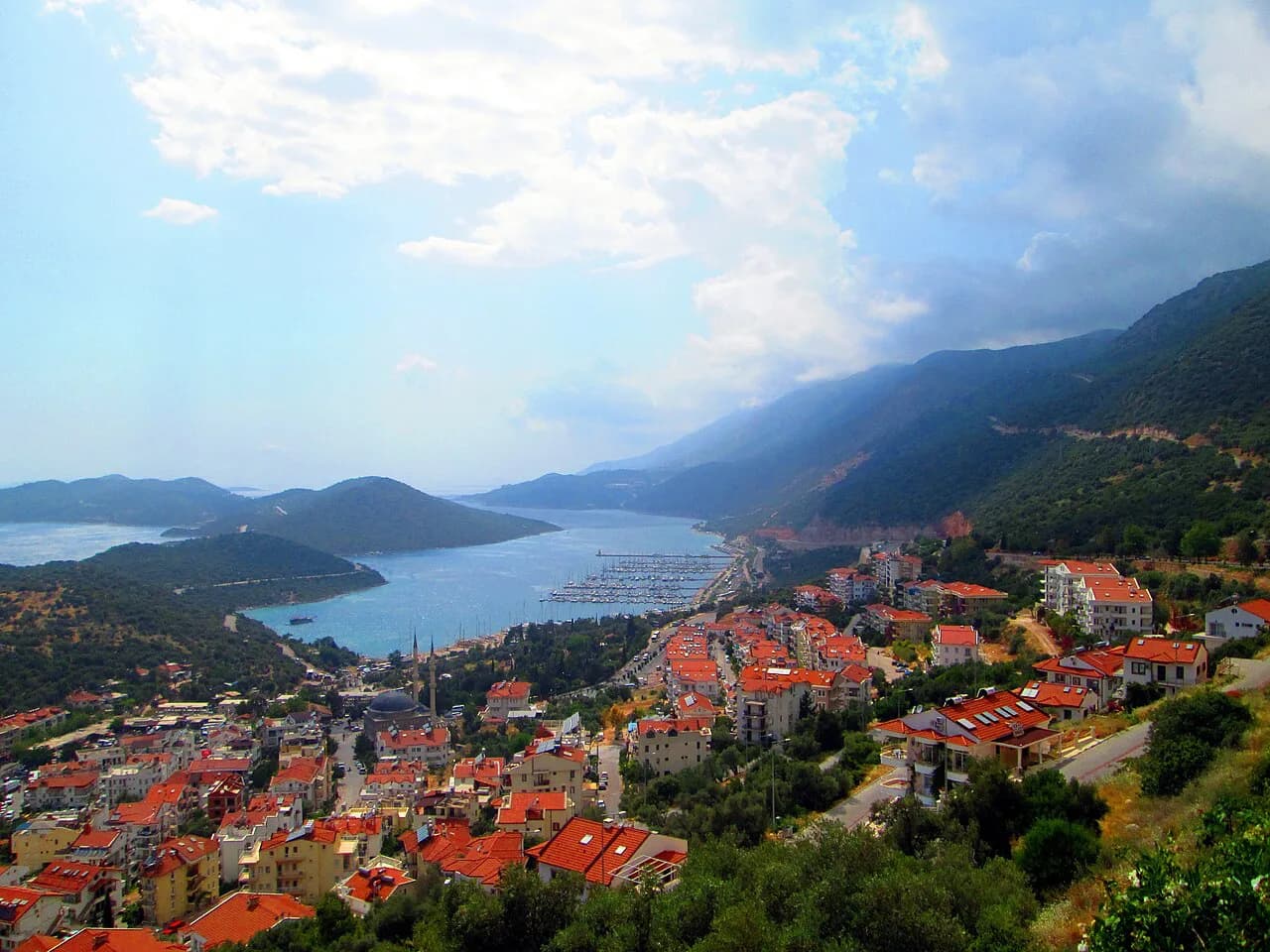
Kaş is a Mediterranean resort wrapped around a tiny old centre. The waterfront holds a small harbour crowded with fishing boats, and narrow streets of old Greek-style houses with wooden shutters and wide terraces climb the slope behind it.
The old town is not a walled district like Antalya Old Town (Kaleiçi); it is the whole walkable core, where you can cross the centre on foot in minutes and the town's own amphitheatre and Lycian rock tomb sit within the built-up area. If you enjoy comparing harbour towns, our Alanya old town guide shows the same harbour-and-castle arrangement on a much larger scale. The nearest major airport is Dalaman, about a 2.5 hour drive away, which is why many visitors arrive by road along the coast rather than on a short transfer.
How the old town is laid out
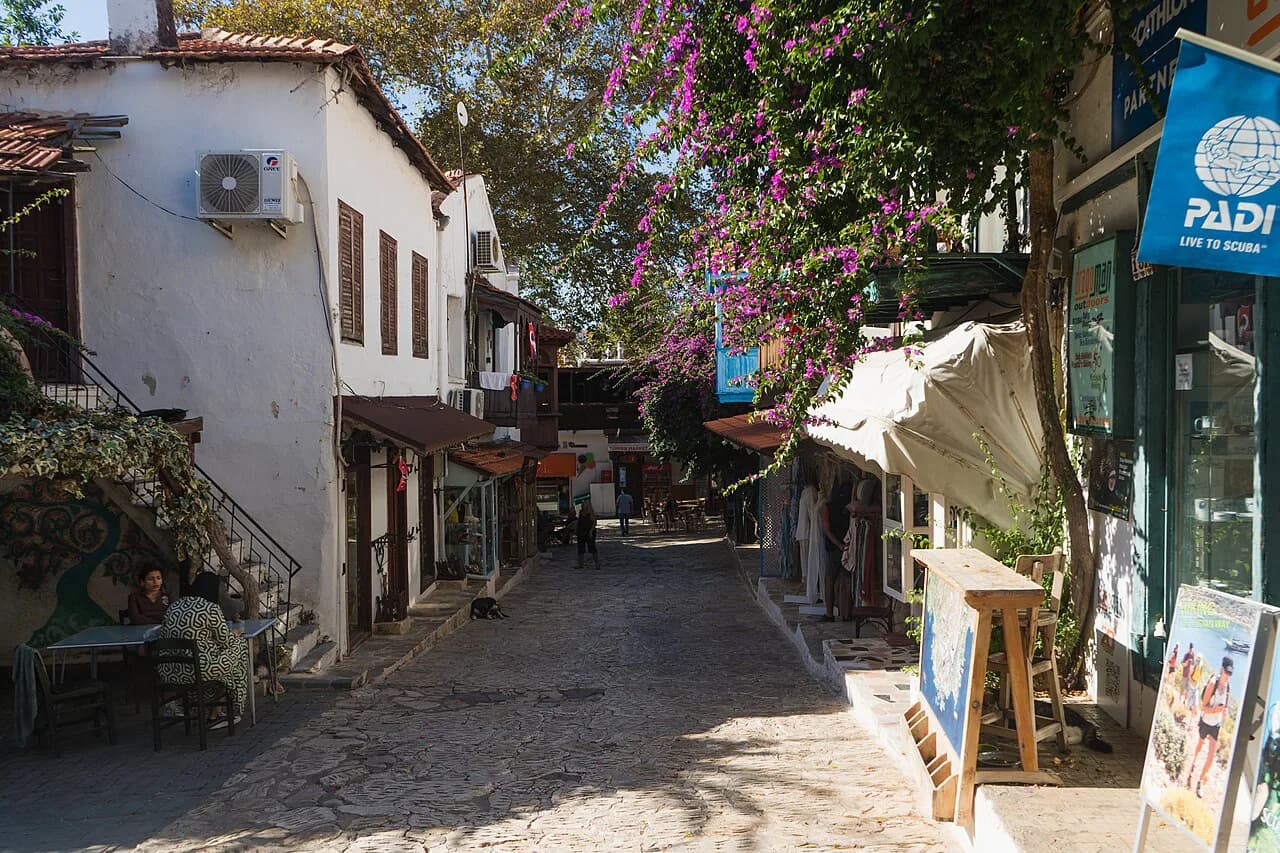
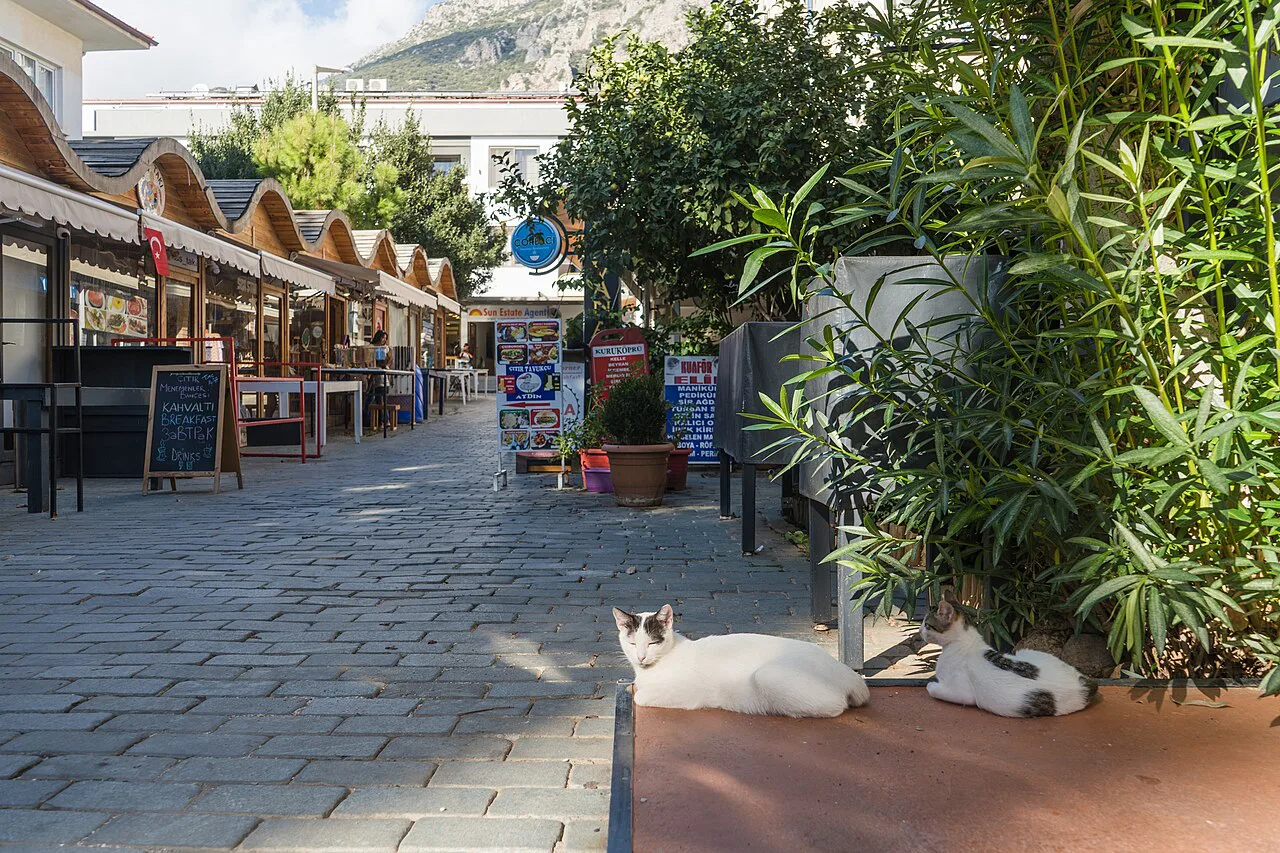
Think of the centre as three bands stacked up the hill. At the bottom is the harbour and seafront promenade, with restaurants around the fishing boats. Above that runs the bazaar quarter, anchored by Uzun Çarşı Street, with wooden balconies, hand-lettered signs and small shops.
The top band is the residential hillside, where cobbled lanes and whitewashed facades twist between houses. Because the whole town drops towards the sea, the simplest way to orientate yourself without a map is to walk downhill: any lane that loses height will bring you back to the water.
The harbour and seafront walk
Start at the harbour, where the fishing boats land their catch and the surrounding restaurants build their menus around it, with fish and seafood the local speciality. It is the busiest, most photographed part of town, and the natural place to get your bearings before climbing into the lanes.
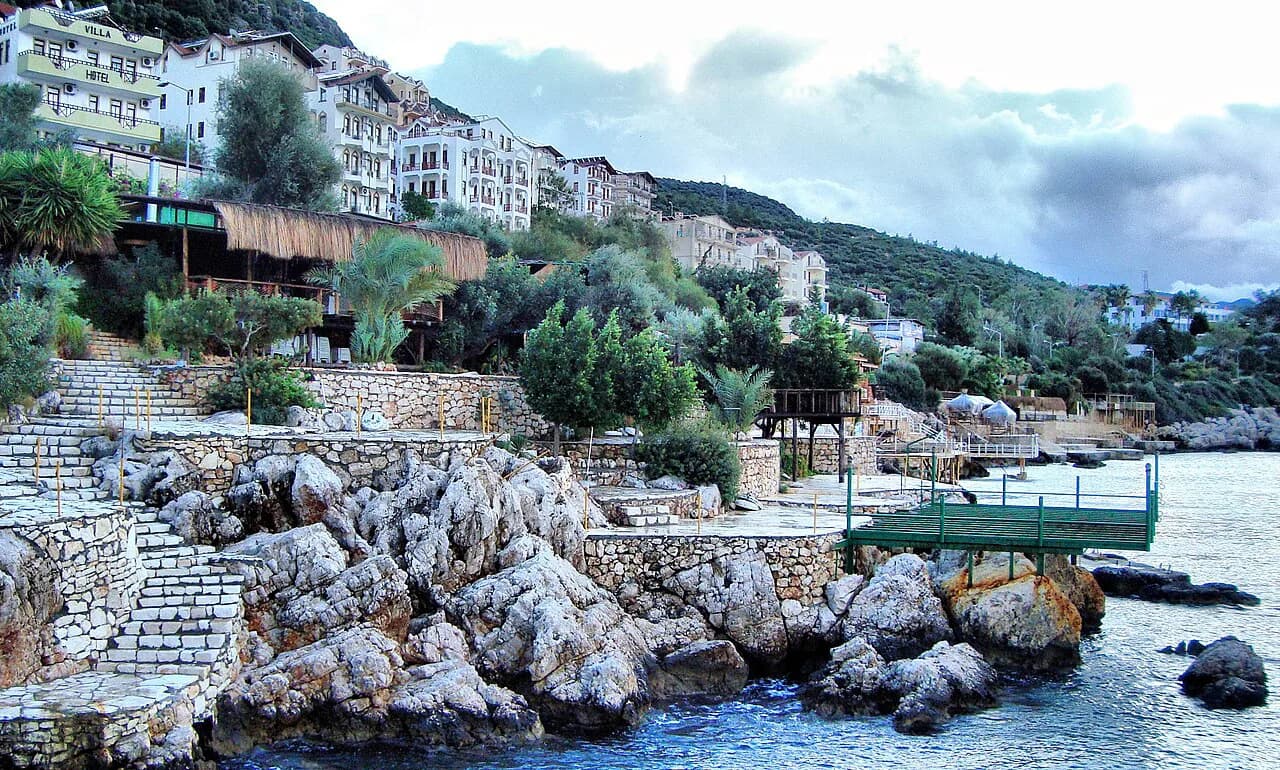
From the harbour, follow the seafront west towards Küçük Çakıl Plajı, the little pebble beach where locals slip into the water. Along the coast to the right of the main harbour area you also pass the beach clubs, decks built over the sea with ladders into the water and sunbeds; some ask for a minimum spend to use a sunbed, while at others ordering a drink is enough to sit or swim.
Kaş in a morning: Uzun Çarşı and the King's Tomb
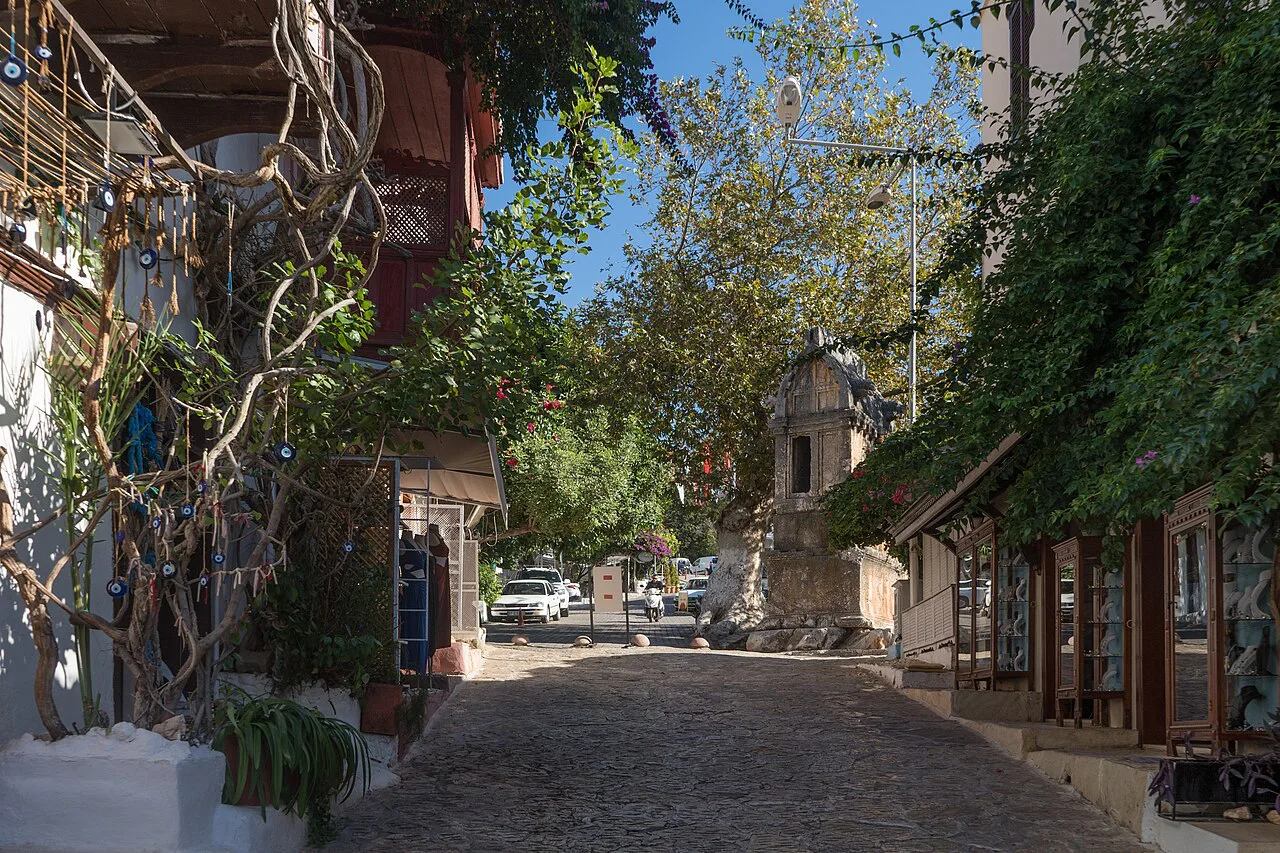
Leave the seafront and climb into the bazaar. Uzun Çarşı Street is the spine of this quarter, lined with wooden balconies and shops, and the surrounding lanes hold old wooden houses, cafes, boutiques and galleries selling handmade pieces. The bazaar feels different from the big covered markets elsewhere in Turkey, so treat it as a place to wander rather than to tick off stalls.
In the same quarter you will find the King's Tomb, a single block dating from the 4th century BC with an eight-line inscription and a carving of a man, two women and two lions. It is a quick look rather than a destination, but it sits right beside the lanes you are already walking. For the town's wider collection of finds, the Museums in Kaş are worth an hour of the same morning.
The Antiphellos theatre above town
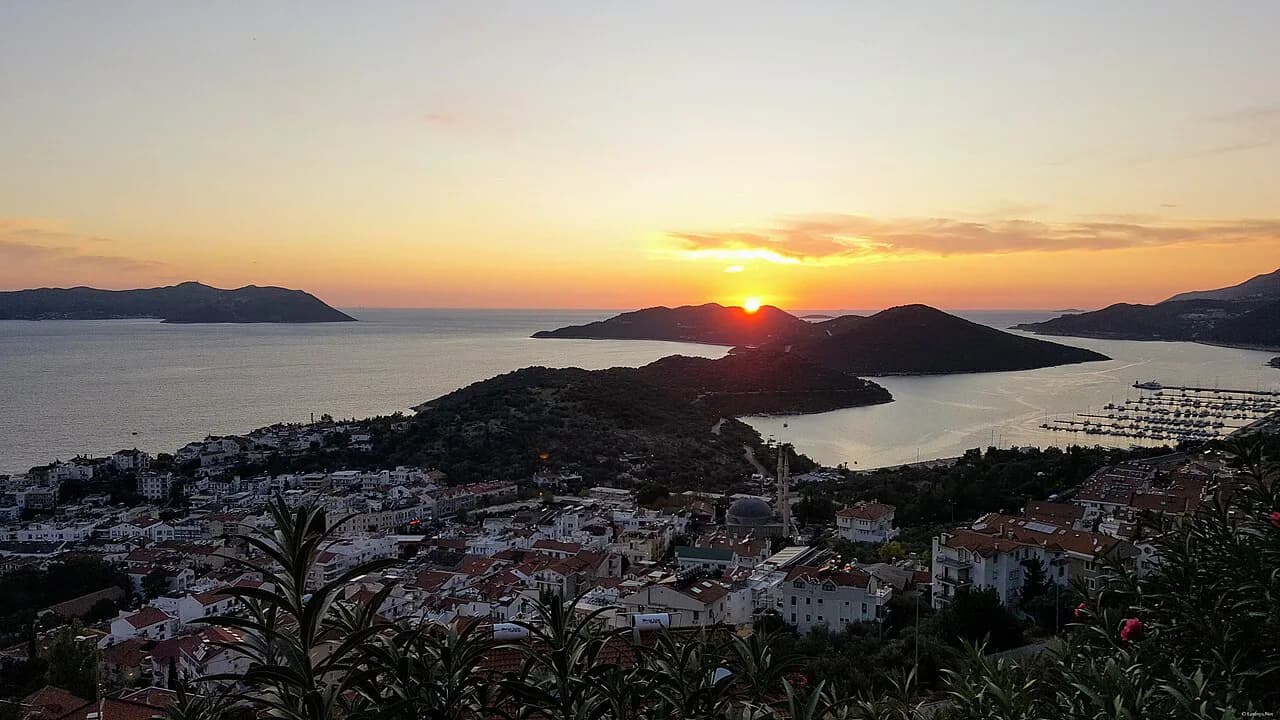
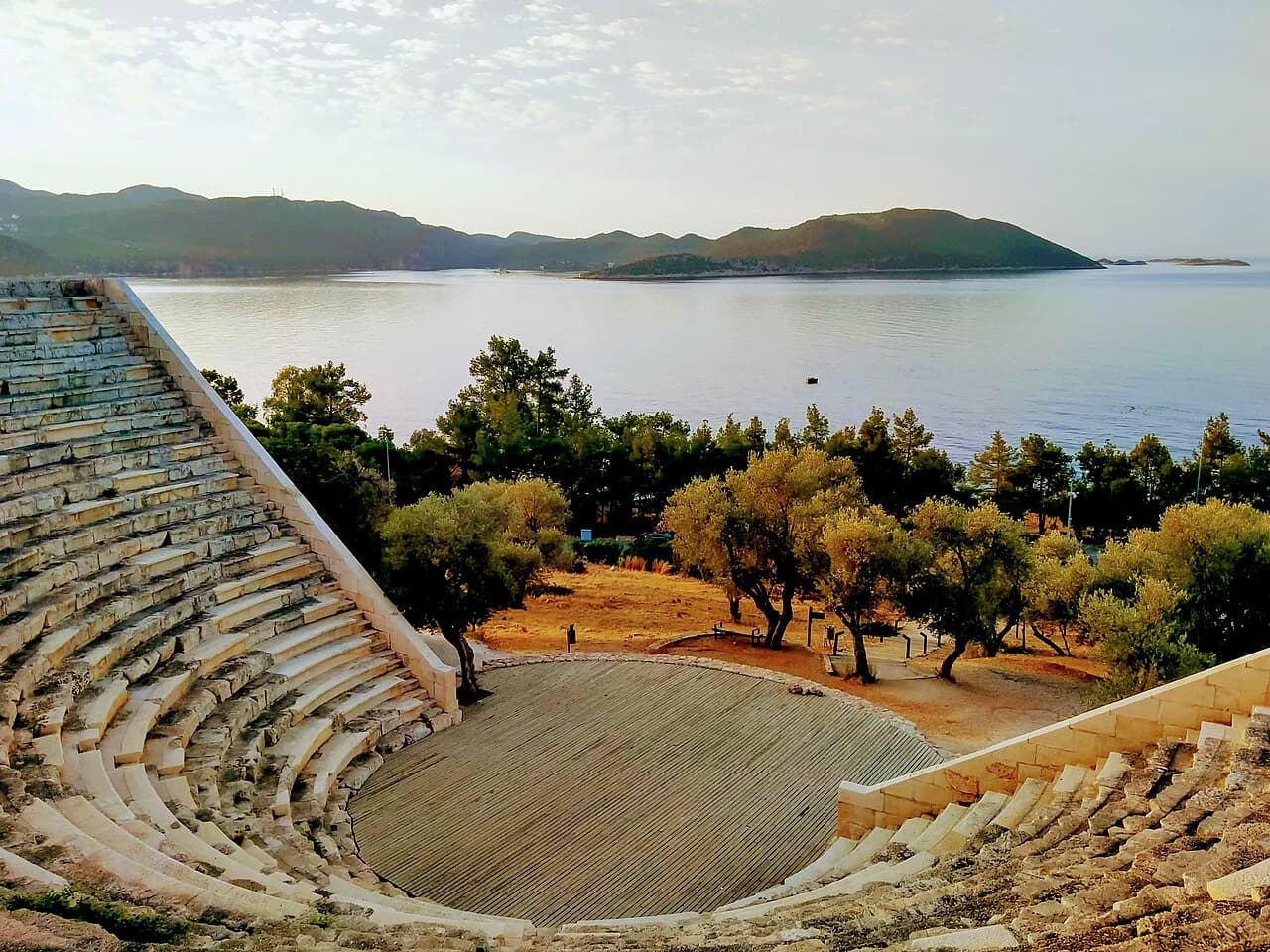
The Hellenistic theatre, the surviving heart of ancient Antiphellos, sits above the streets facing the sea. Little else of the ancient city remains, so the theatre is the one substantial ruin in the centre, and its seating is the best place in town to watch the light go down.
Reach it by continuing uphill through the backstreets from the bazaar rather than following the road. The climb is short but steady, and because it faces the sea, the natural time to arrive is late afternoon. If you want more detail on the site itself, the Kaş Amphitheatre page covers it; for the wider spread of Lycian remains around town, see Ruins in Kaş.
Old Greek houses, shutters and climbing lanes
The houses are the reason to slow down on the climb. Whitewashed walls, pink bougainvillea and wooden shutters show the Greek influence in the older properties, and the lanes are built on a scale that keeps them cool and shaded in the middle of the day.
This is a residential quarter as much as a sightseeing one, so the quiet is part of the experience. Walk the lanes before mid-morning or in the late afternoon rather than at the hottest hour, and use the steepness as your route-finder: lanes that lose height return you to the harbour.
Beach clubs and swimming without leaving town
You do not need to leave the centre to swim. The swimming coves and beach clubs sit just to the right of the main harbour area, with decks, sunbeds and ladders straight into clear water, and some have diving platforms as well. Elsewhere, the town's beaches are pebble rather than sand, so pack accordingly and expect to swim from platforms and ladders rather than walk out.
For a change from the clubs, Pebble Beach is a short stroll from the central streets and makes an easy swim before lunch. Swimming here is a daytime activity, and the waterfront fills up fastest on hot afternoons.
Getting there and arriving on foot
Most travellers reach Kaş by road. Buses run from Fethiye and Antalya several times a day, and they are inexpensive; arrive early if you want a guaranteed seat in summer. Once you are in the centre, everything in this walk is on foot, and the central bus station is a short walk from the harbour side of town.
Driving yourself along the D400 gives you the freedom to stop at coves on the way in, but parking in the centre is tight, so it pays to arrive early or to leave the car at your base and walk in. The harbour is the natural place to orientate yourself when you arrive: from there, every lane leads uphill into the old town.
How long the old town needs
Half a day covers the old town properly: the harbour and seafront, Uzun Çarşı and the bazaar lanes, the King's Tomb and the climb to the theatre. Add an hour for a swim at a beach club or Pebble Beach, and the same day fills comfortably without rushing.
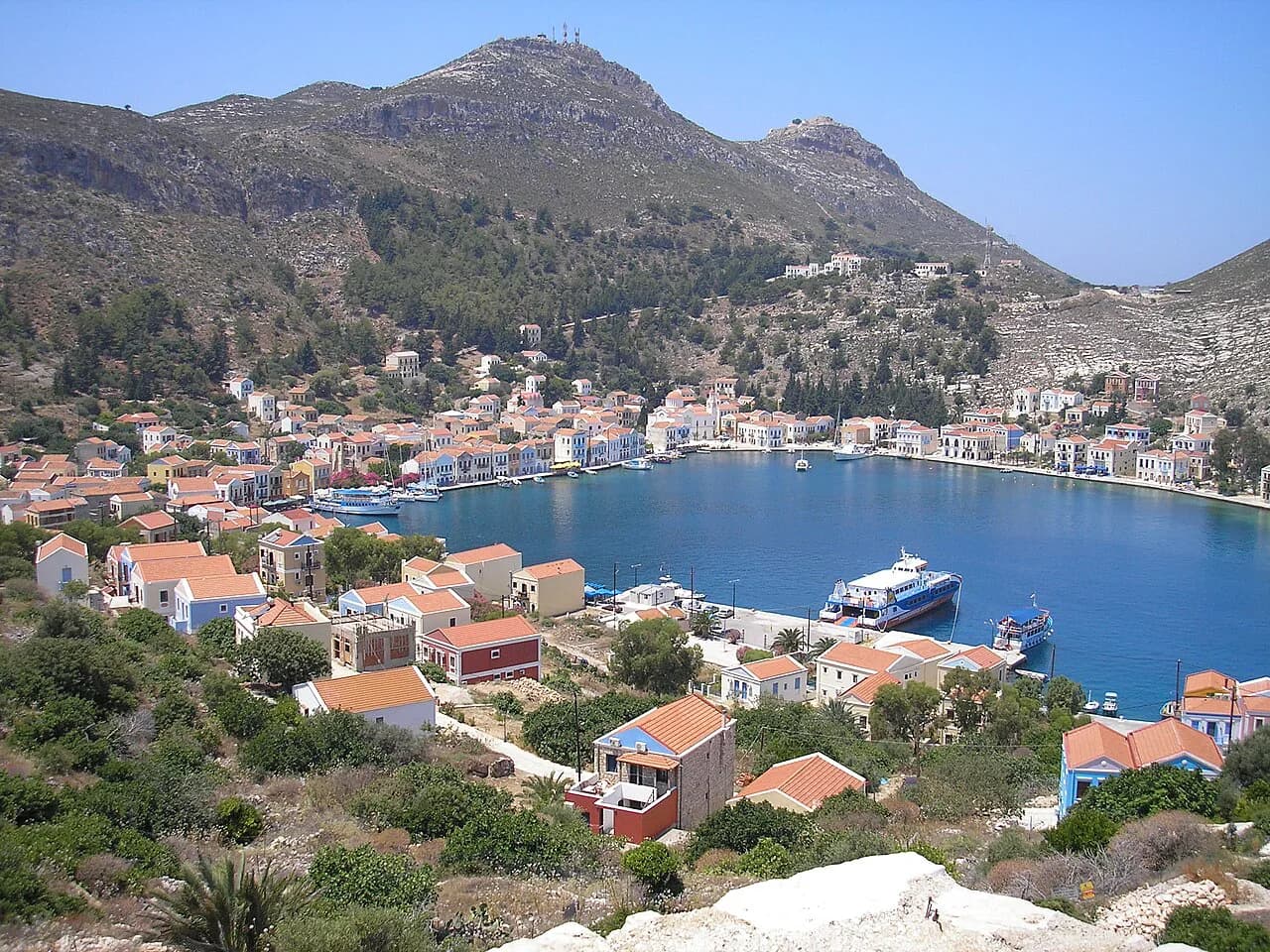
The old town also competes with the days out around it. Boat trips to the Kekova sunken ruins leave from the harbour and are sold by local agents, and Patara, roughly 40 km away, and Xanthos, roughly 50 km away, are both day trips in their own right. Meis (Kastellorizo) is visible offshore and reachable by ferry from the harbour, so a short crossing can sit alongside a morning in the lanes rather than instead of it.
Trade-offs: crowds, heat, harbour or hillside
The harbour front is the life of the town and also its busiest, noisiest strip, especially in high summer when the centre fills up. The hillside lanes above it are quieter, shadier and more residential, but you pay for that calm with a steep walk back up.
This is a small, low-key town rather than a resort with big clubs, and travellers wanting late-night venues tend to head to Bodrum, Kemer, Antalya or Marmaris instead. Midday heat is the other constraint: plan the theatre and the backstreet climb for early or late, and keep the harbour and bazaar for the middle of the day.
If you want somewhere to sit rather than walk, the town's mosques make quiet stopping points on the hillside, and the Mosques in Kaş page names them. For the town's mood as a whole, the old town rewards slower walking: cafe terraces, rooftop views and a harbour that empties and refills with boats through the day.
How to shape your day in the old town
Walk the old town in this order: harbour first, seafront to Küçük Çakıl, then uphill into Uzun Çarşı and the bazaar lanes, past the King's Tomb, and finish at the Antiphellos theatre for late light. That route uses the town's shape rather than fighting it, and it keeps the steepest climbing for the coolest part of the day.
Keep one other day free for a boat trip to Kekova or a road day to Patara and Xanthos, then use the remaining afternoons for the beach clubs and the lanes. Boat schedules, ferry times and swimming-platform arrangements change by season, so confirm the day before you go.
Explore more Kas guides
Frequently Asked Questions
Is Kaş old town worth visiting?
Yes, if you want a compact seaside town you can explore entirely on foot. The harbour, the Uzun Çarşı bazaar lanes, the King's Tomb and the Antiphellos theatre all sit within a short climb of each other, and half a day covers them without rushing. It suits travellers who prefer lanes, cafes and swimming coves to big-club resorts.
What is Kaş famous for?
Kaş is known for its small fishing harbour, seafood restaurants, pebble coves and beach clubs, and the Lycian and ancient remains in and around town, principally the Antiphellos theatre. It is also a base for boat trips to the Kekova sunken ruins and for trips to Patara, Xanthos and the Greek island of Meis.
Where do you enter the old town?
Most people arrive into the centre by bus or car and reach the harbour first, which is the natural place to start. From the harbour, the lanes climb inland into the bazaar quarter and up to the theatre. The central bus station is a short walk from the harbour side of town.
Sources
Notes for your next Turkey trip
Optional updates when we add or correct a town guide.
You might also like
Continue reading
More guides you'll find useful