Things to Do in Antalya: Old Town, Ancient Ruins & Boats
Plan your Antalya things-to-do list around Kaleiçi, Hadrian's Gate, the old harbour, the museum and ancient sites such as Perge, Aspendos and Termessos.
On this page
Antalya works best as three days: one on foot in Kaleiçi, one for the Roman sites outside the city, and one on the water or up the mountain. The old town packs Hadrian's Gate, the harbour and the cliff-top parks into a compact car-free area, while Perge, Aspendos and Termessos sit far enough out that they need a car, a tour or a dolmuş ride. This guide groups the city by area, adds boat trips and the two Düden waterfalls, and sets out which stops are free and how to move between them.
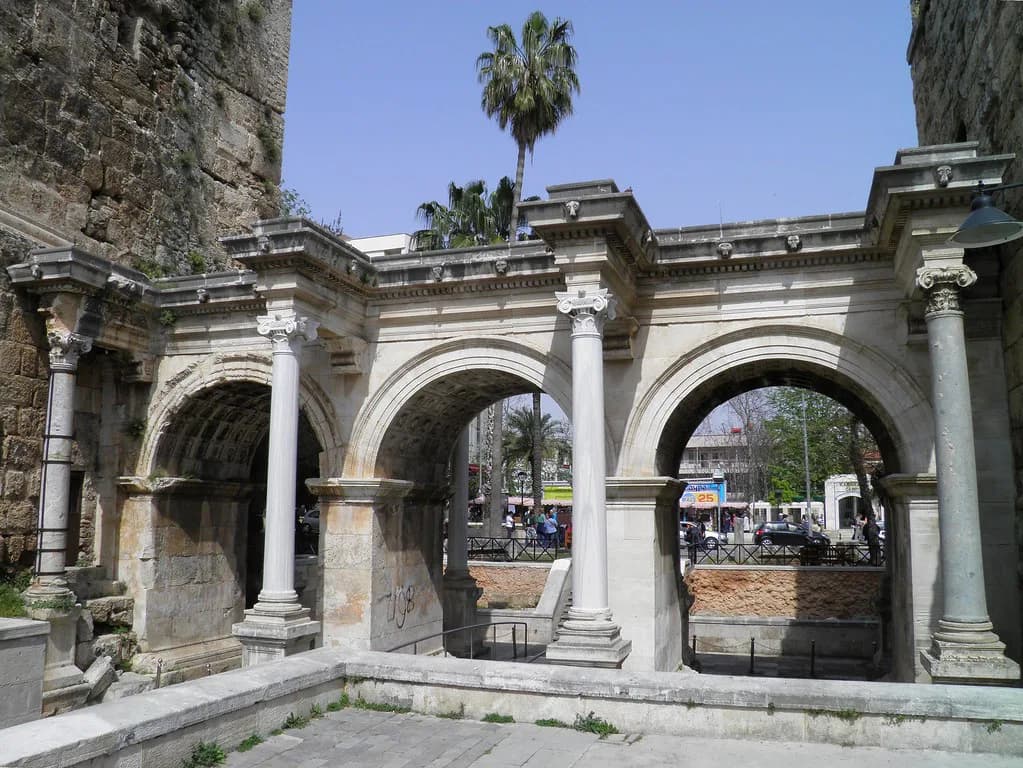
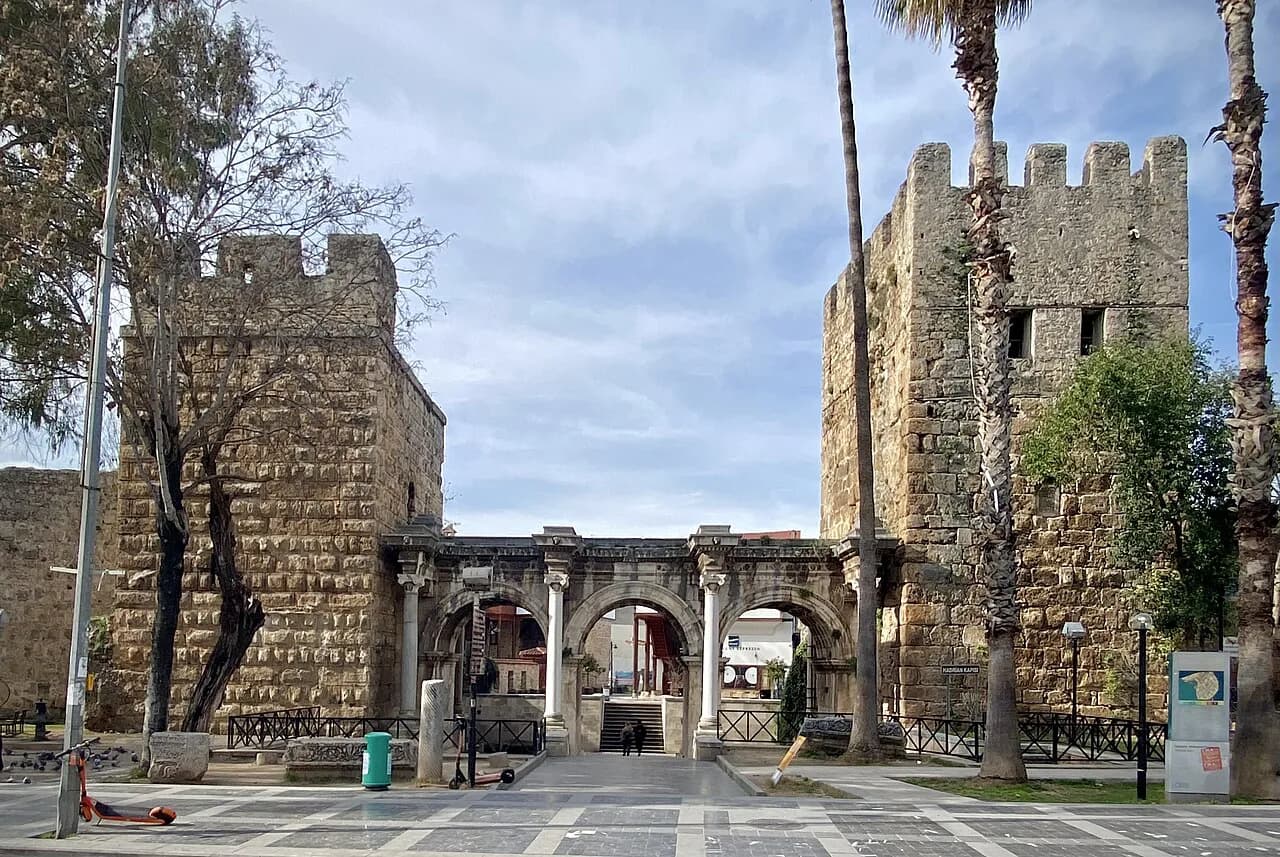
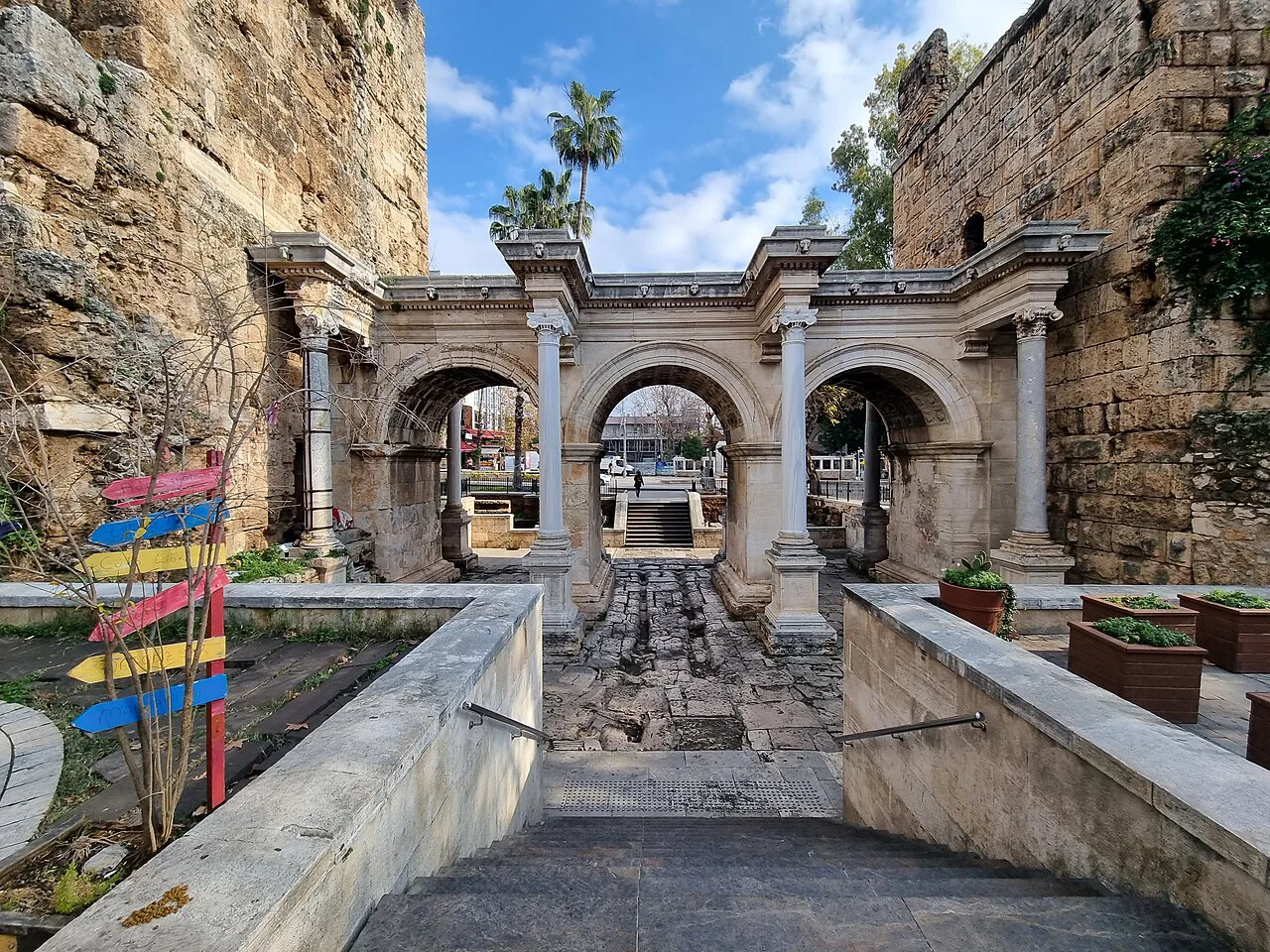
Start at Hadrian's Gate, the Roman arch built in 130 AD to honour Emperor Hadrian, which stands at the entrance to the old town and is free to visit. Beyond it, cobbled lanes run downhill past whitewashed Ottoman houses with wooden balconies, and you reach the harbour without crossing traffic. The trade-off is that Kaleiçi rewards slow wandering rather than a tick-list, so leave at least half a day rather than rushing the gate and leaving.
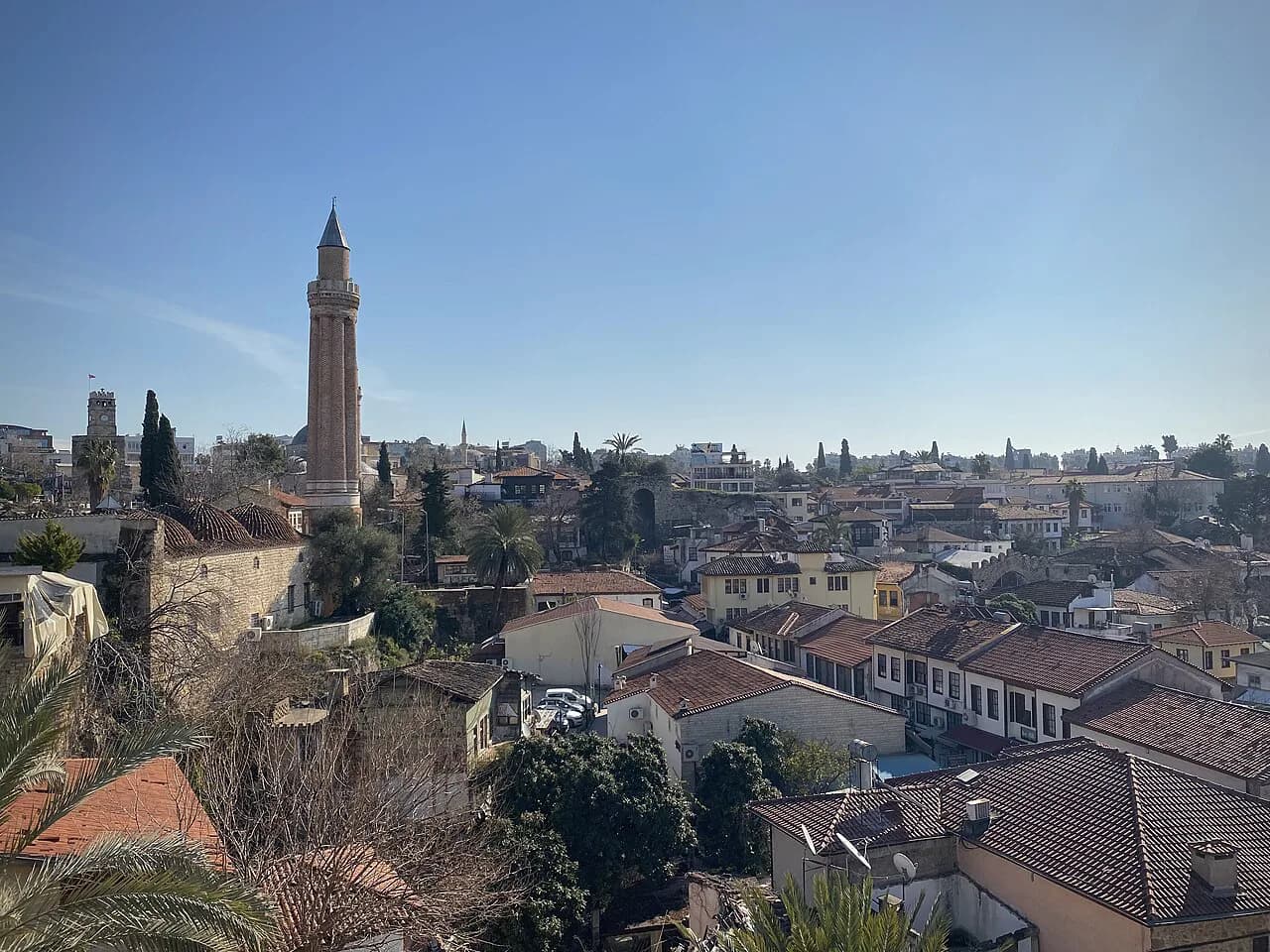
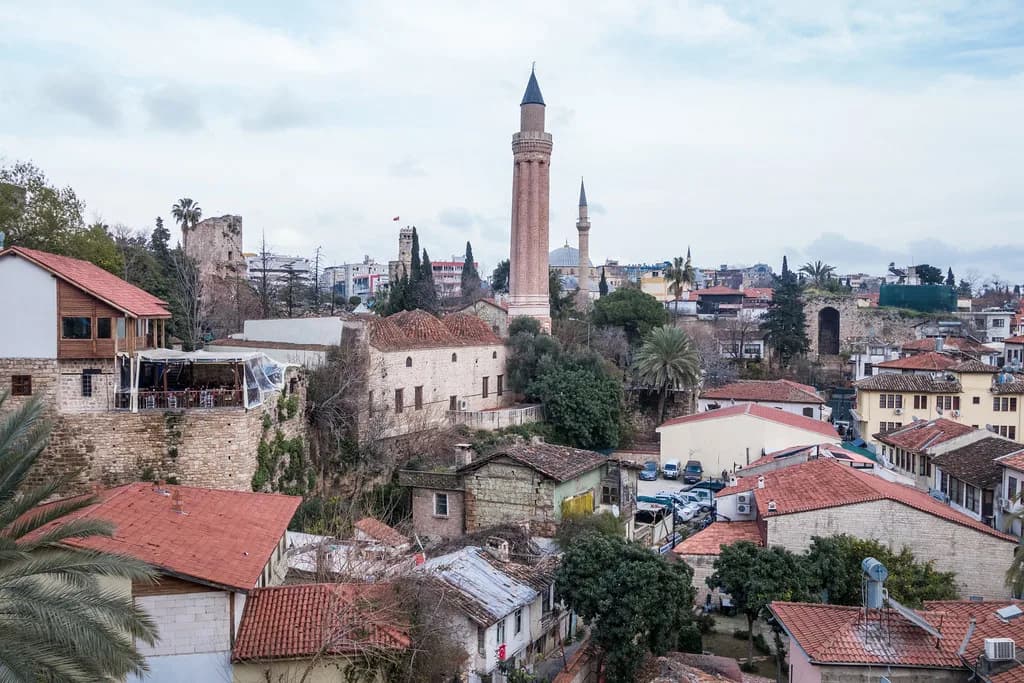
Kaleiçi old town on foot: Hadrian's Gate, the Clock Tower and Ottoman houses
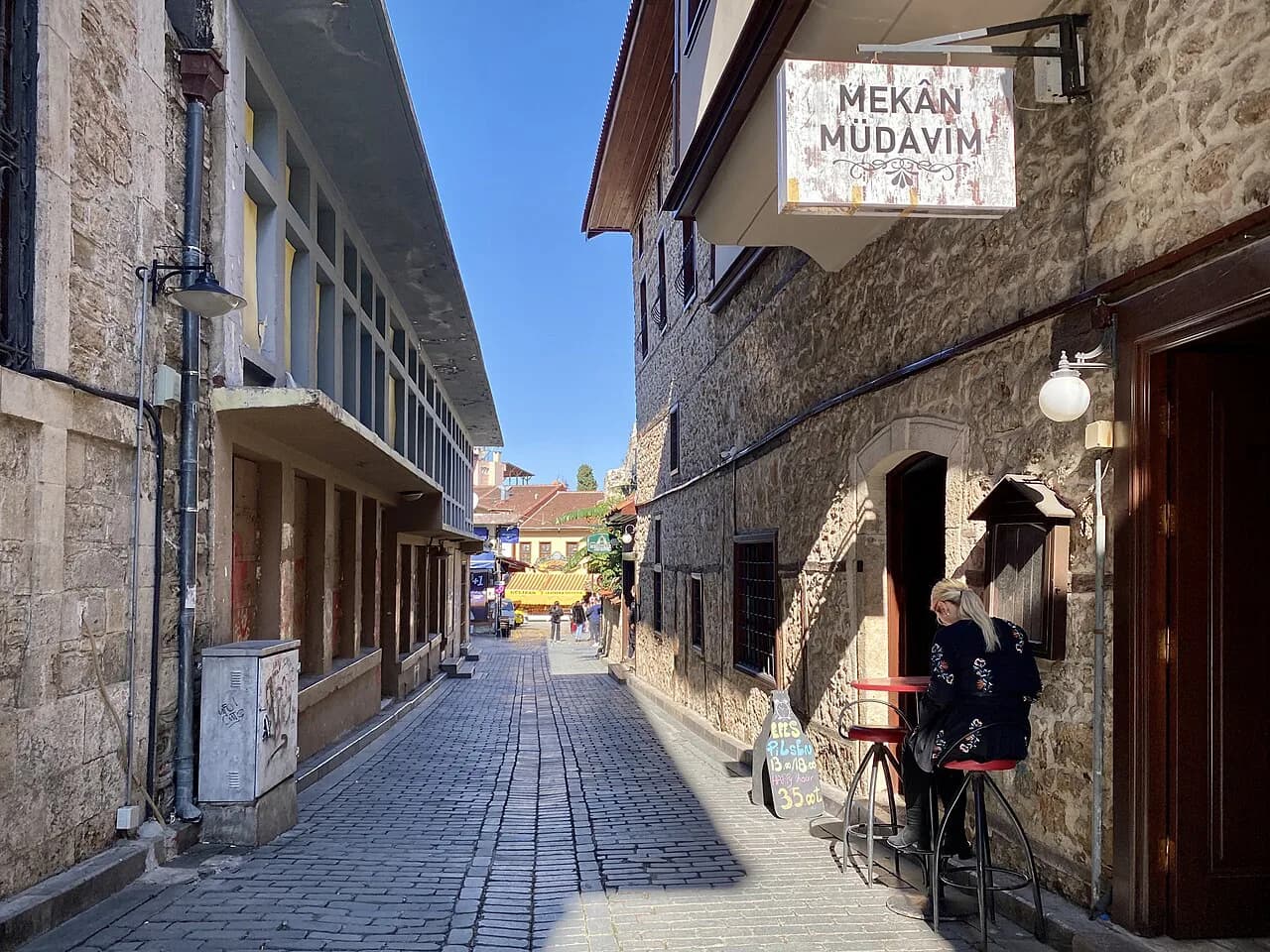
Walk Kaleiçi on foot, because the core of the old town is car-free and the distances between its sights are minutes apart. Hadrian's Gate makes the natural start, with three arches and surviving carvings, and the Clock Tower sits among the cafés and restaurants nearby. From there, lanes of Ottoman-era konaks lead down towards the water, with shops selling handmade goods along the way.
Other stops inside the walls include the former town hall, now used for photography exhibitions, the statue of King Attalos II of Pergamon, the Culture and Arts Centre, the Mawlawi Lodge Museum, and the mosques Tekeli Mehmet Paşa Camii and Sultan Alaaddin Camii. Because these sit close together, a single loop covers them without a plan. Go early in the morning for the softest light at the gate and the quietest streets.
If your trip includes shopping, the old town is where handmade textiles and souvenirs cluster alongside the tourist stalls. Treat it as browsing rather than a single destination, since the lanes themselves are the attraction.
The old harbour: the 40 Steps, the glass lift and Kılıçarslan Park
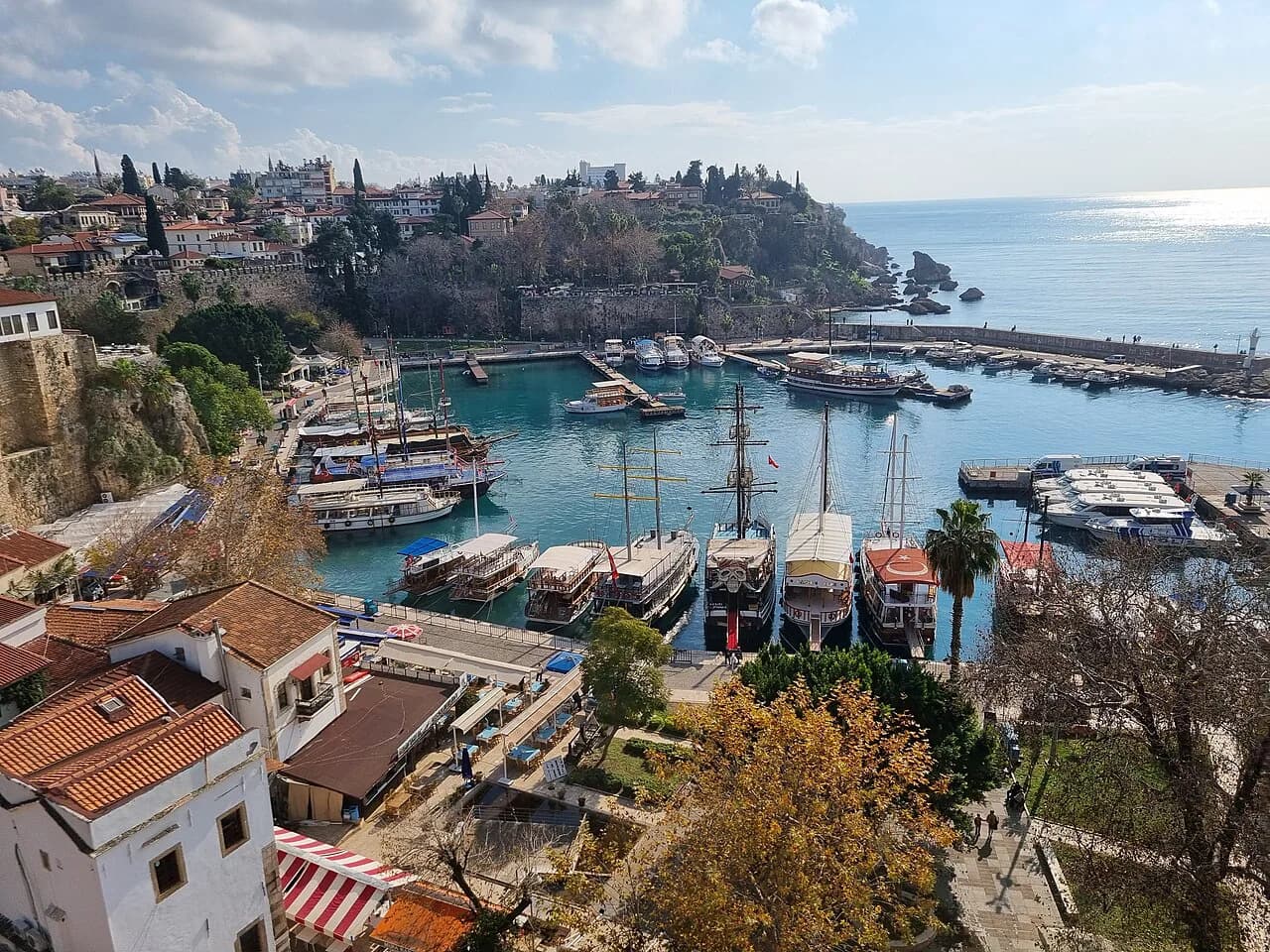
The old harbour is the calmest part of the city, a basin of fishing boats, yachts and day-trip boats ringed by cafés. Reach it from Kaleiçi on foot down the 40 Steps or by the glass lift, then sit at a bar overlooking the water before or after the boat crowds arrive. It is the obvious place to start a harbour walk and to work out which boats are running.
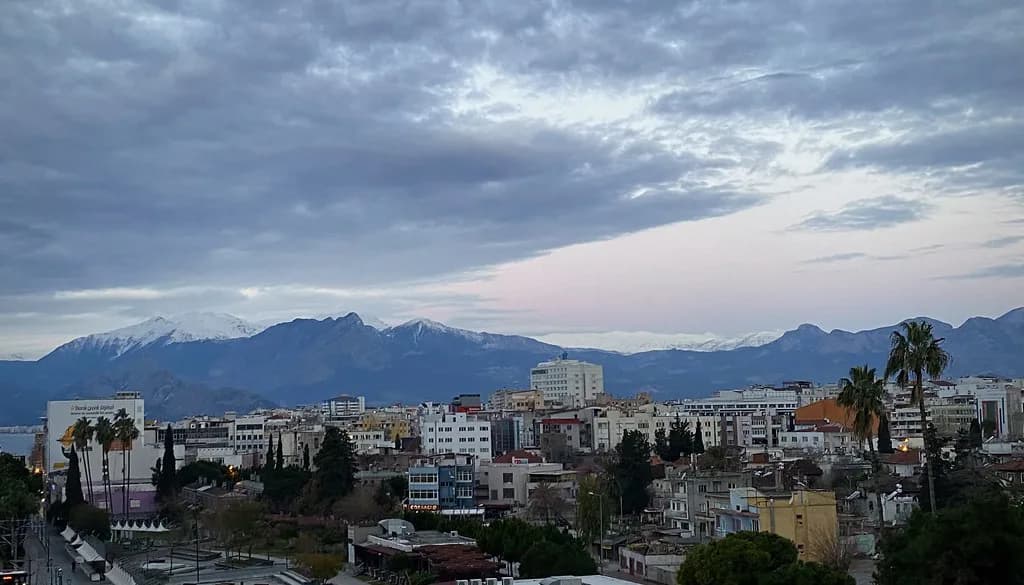
For the classic view back over the water, climb to Keçili Park and its glass balcony, which looks across the harbour towards the Taurus Mountains. Sunset is the busiest time there, so arrive a little ahead if you want the railing. Hıdırlık Tower stands near the harbour and has a Roman bath beneath it that is still being excavated.
Antalya Museum: the Roman finds that make sense of the sites
Visit the Antalya Archaeological Museum before Perge or Aspendos if you can, because the sculpture and finds on display give context to the ruins you will walk through outdoors. It is an indoor stop, which makes it a sensible choice on a hot afternoon or a wet day. Allow a couple of hours rather than a quick pass.
Ancient sites within reach: Perge, Aspendos, Termessos and the theatre still used for concerts
Perge lies around 30 minutes from the city and spreads out along wide Roman streets, gates, baths and a stadium, so it takes a proper morning. Aspendos is roughly 45 minutes away and is known above all for its Roman theatre, which still hosts concerts. Some operators run a combined Perge and Aspendos day.
Termessos is a different kind of day: the ruins sit high in the Taurus Mountains, about 45 minutes on foot from the car park, on a rocky and uneven path. Wear proper shoes and carry water. The reward is the ruined theatre perched above the valley, with far thinner crowds than Perge gets.
For something more active, Köprülü Canyon is around 90 minutes from the city and is usually visited on an organised rafting trip with hotel pick-up, safety gear and lunch. Whether those inclusions apply depends on the rafting company you book with, so read the booking details before you pay.
Boat trips from the old marina: the Lower Düden Falls, Suluada and Kekova
Boats leave from the old marina for a range of trips, so the choice matters more than the departure point. A short cruise takes you out to see the Lower Düden Falls from below where the water drops off the cliff into the sea. Longer days head to Suluada Island for swimming, or west to the Kekova sunken city; some routes combine the water with a stop at the mud baths. Decide which one you want before you reach the harbour, because touts sell several versions at once.
Trips are seasonal and weather-dependent, so confirm at the harbour which services are actually sailing during your stay. Take a light jacket for the splash zone if you sit near the front on the waterfall run.
The two Düden waterfalls on land: the cave walk and the cliff-top platform
The Upper and Lower Düden waterfalls are different days out, and picking the right one saves a wasted trip. The Upper falls sit in a leafy park outside the centre, where you can walk behind the water through a natural cave; paths can be slippery, so wear shoes with grip. Benches, snack stalls and shade make it an easy picnic stop.
The Lower falls are the dramatic one, dropping straight off a cliff into the sea. You see them from the viewing platform above or from a boat below, not up close on foot. Afternoon light on the water is the better time for the boat view.
The Tahtalı (Olympos) cable car and what the summit gives you
The Tahtalı cable car climbs Mount Tahtalı to 2,365 metres above sea level, with panoramic views over the mountains and the coast from the top. There is a café at the summit where you can sit with a drink and take in the view. It can be windy and chilly up there even in summer, so bring a jumper.
Hammam: what an Ottoman-style bath in Kaleiçi involves
A hammam is routine self-care in Turkey rather than a novelty, and a session involves a steam room, a scrub with a bath mitt and soap, and usually a foamy massage to finish. Expect the scrub to be brisk and the whole thing to feel communal rather than private. Sefa Hammam in Kaleiçi offers the Ottoman-style bathhouse version, while the Sanitas Spa at Mardan Palace is the indulgent end of the scale.
Book and pay through the bathhouse itself, and ask what the session includes before you commit, since treatments and extras vary between venues.
Crafts, markets and food: textiles, the bazaar and dishes to try
Beyond Turkish delight and nazar boncuğu jewellery, the old town is where you find real Turkish textiles, from towels to woven cloth. Browse the lanes around Kaleiçi rather than a single shop. Our guide to Shopping in Antalya covers where visitors usually head, and the Antalya Markets page covers the street stalls.
For street food, look for midye dolma, the stuffed mussels sold by vendors, and İrmik helvası, a fragrant semolina dessert made with nuts, ideally with dondurma ice cream. Eating well in Antalya is largely a matter of following the locals rather than the hotel strip.
Rainy day or with children: the aquarium and the Land of Legends
The Antalya Aquarium is the obvious indoor fallback when the weather turns. The Land of Legends is the bigger family draw, a complex with a theme park, water park, shopping avenue and a programme of shows; day passes cover unlimited rides, slides and the 5D cinema. Some resorts bundle tickets, so check what your accommodation includes before buying separately.
Getting between the old town, the beaches and the ruins
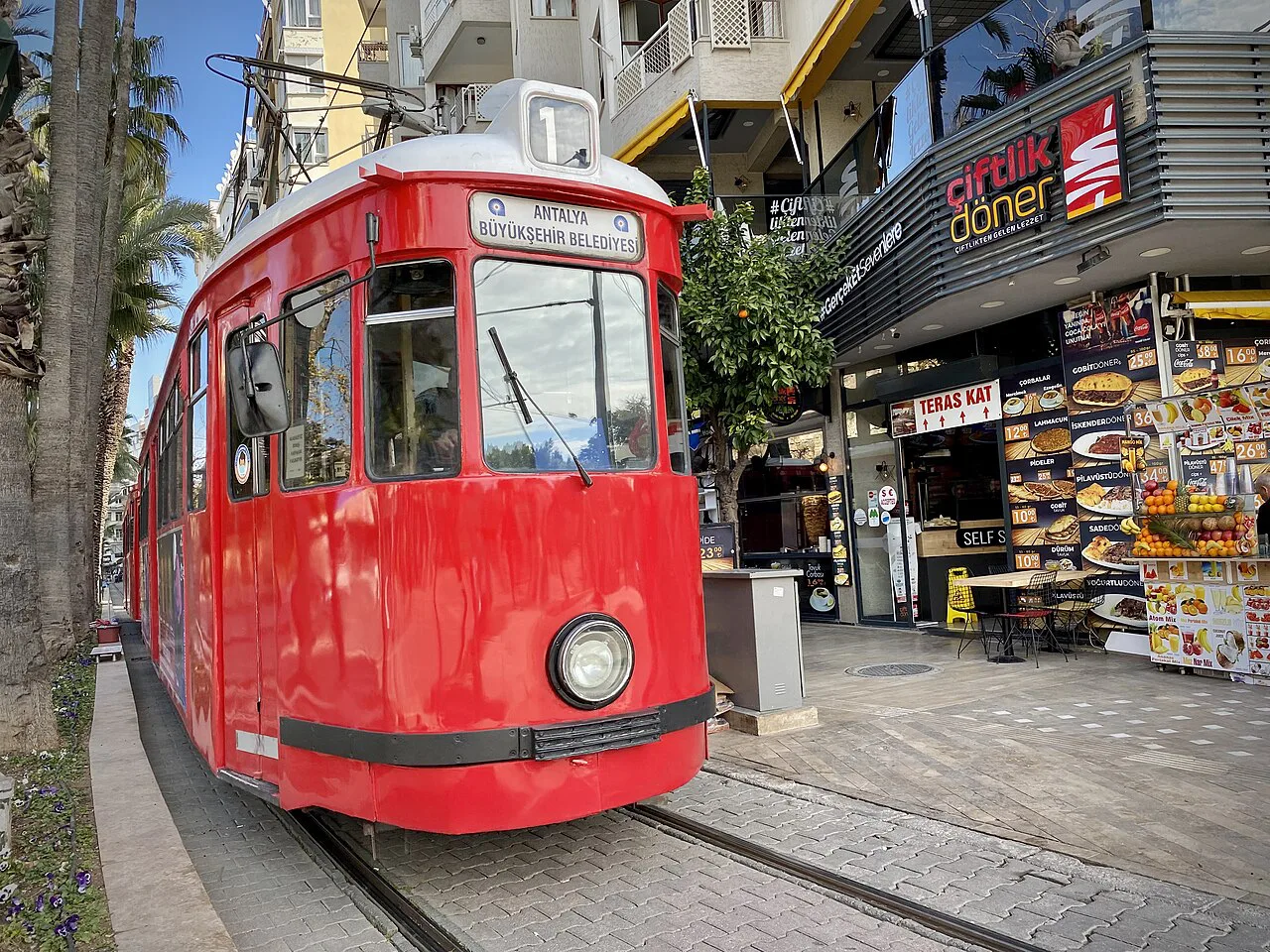
Kaleiçi and the harbour are a walking zone, so park the car or leave the bus at the edge and cover the old town on foot. For the beaches and the museum, the tram and local buses do the work; our Antalya Tram Guide explains the lines. For Perge, Aspendos, Termessos and Köprülü Canyon, hire a car or join a tour, because the sites are spread out well beyond the city.
If you are weighing up whether the city suits you at all, our honest take on whether Antalya is worth visiting sets out what you get and what you do not. For orientation before you arrive, the Antalya map for visitors marks the old town, harbour and main roads.
What costs money and what does not
Hadrian's Gate is free and sits right at the old town entrance, and the Kaleiçi lanes, the harbour and the cliff-top parks are free to walk. Boat trips, hammam sessions, cable car tickets, museum entry and site tickets all carry a charge, and the sources used here do not give current figures, so check current prices with the ticket office on the day. Mermerli Beach inside the old town is a paid lounger arrangement run by a restaurant, while public sections of Lara Beach are free to use.
Budget for the ruins as a separate line: a combined Perge and Aspendos ticket saves money if you visit both, but it only makes sense if you have the time. Ask at the ticket office what the combination covers before buying.
How many days does Antalya need?
Give Antalya three full days if you want the old town, one Roman site day and a boat or cable car trip. Two days works if you cut Termessos or the waterfalls, and four lets you add Köprülü Canyon or a second ancient site without rushing. Group each day by area so you are not crossing the city twice.
If you are extending the trip along the coast, our guides to things to do in Alanya and things to do in Ankara show what the next stops offer.
Explore more Antalya guides
Frequently Asked Questions
What is Antalya famous for?
Antalya is known for its Roman remains, above all Hadrian's Gate, built in 130 AD, and the old town of Kaleiçi around it. The wider province adds Perge, Aspendos and Termessos, the two Düden waterfalls and the Taurus Mountains behind the city.
What can you do in Antalya for free?
Hadrian's Gate is free to visit. Other free options include walking the car-free lanes of Kaleiçi and the old harbour. Boats, hammams, the cable car, the museum and the ancient sites charge, so check prices at the ticket office.
What are the best things to do in Antalya with children?
The Land of Legends combines a theme park, water park and shows, and day passes cover the rides, slides and 5D cinema. The Antalya Aquarium is the indoor option, and a boat trip from the old harbour works well for families. Confirm what each ticket includes before booking.
Do you need a car in Antalya?
Not for Kaleiçi and the harbour, which are best on foot, and the tram and buses reach the beaches and museum. You do need a car, a dolmuş or a tour for Perge, Aspendos, Termessos and Köprülü Canyon, because they sit well outside the city.
Sources
Notes for your next Turkey trip
Optional updates when we add or correct a town guide.
You might also like
Continue reading
More guides you'll find useful