Things to Do in Fethiye: Old Town, Harbour & Ruins
Plan days in Fethiye with the harbour and old town, the Amyntas rock tombs, Ölüdeniz and the Blue Lagoon, Kayaköy, Saklıkent, Tlos and boat trips.
On this page
Fethiye works best as a two- or three-day base: one day for the harbour, old town and rock tombs on foot, one for Ölüdeniz and the lagoon, and one for a boat trip or an inland ruin. Ölüdeniz is a neighbourhood of Fethiye rather than a separate town, ten kilometres south of the old town, so you can treat the beach and the town as one trip. The pages below sort the sights by how far they sit from the harbour and by whether you can reach them on foot, by dolmuş or with a car.
Fethiye at a glance: harbour, old town and hillside tombs
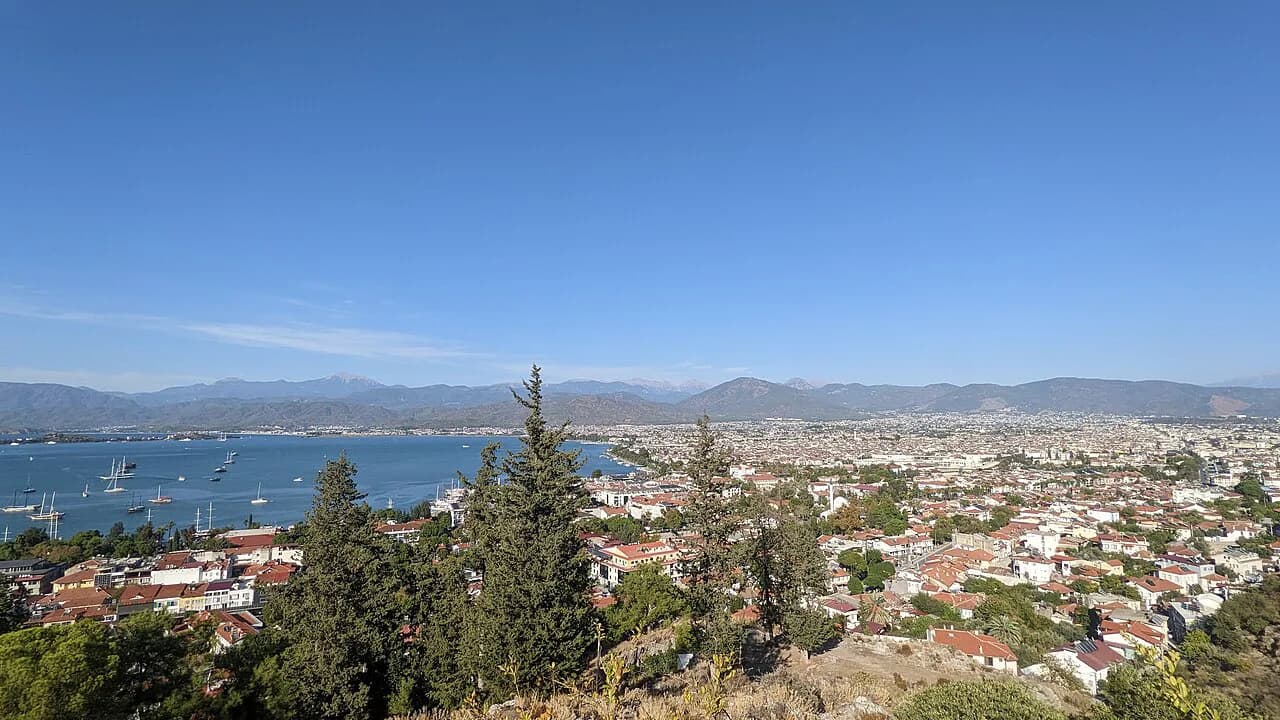
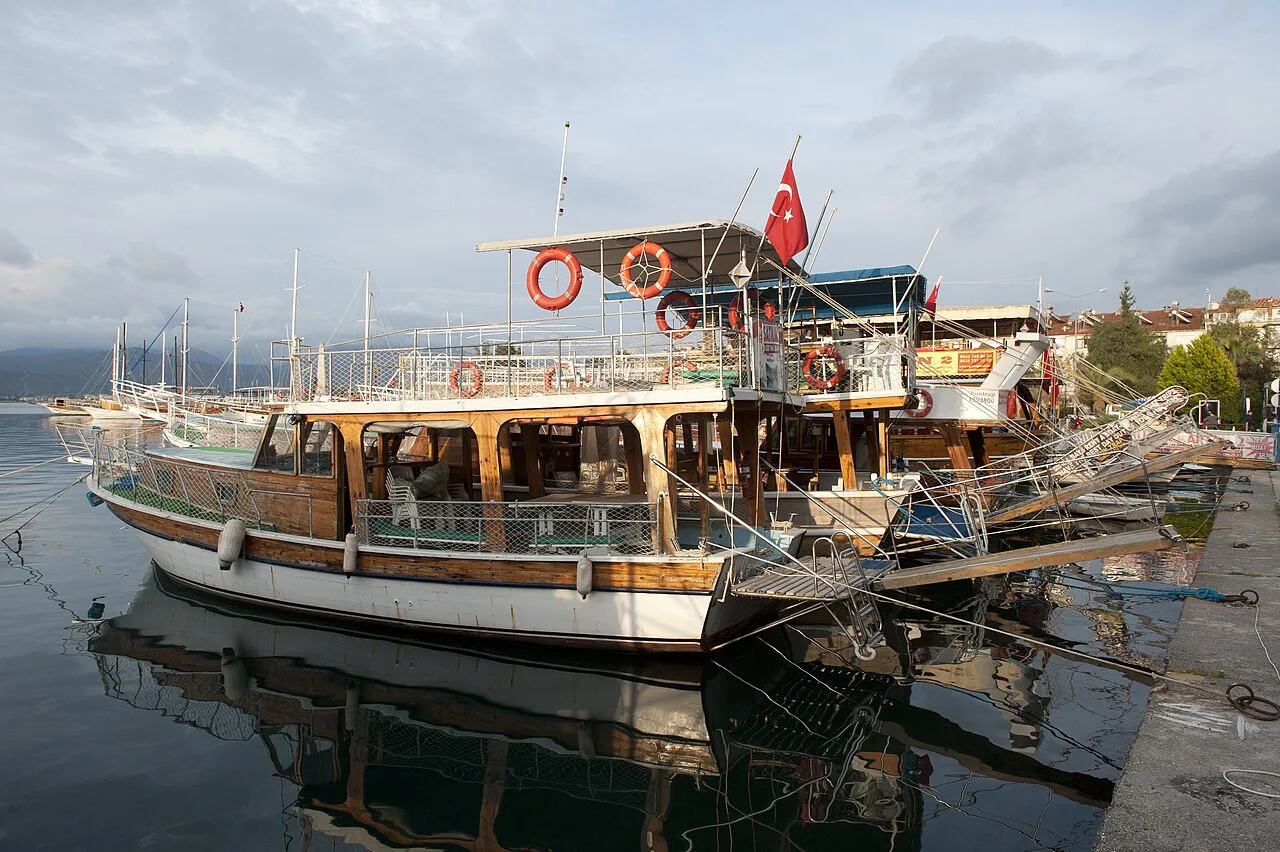
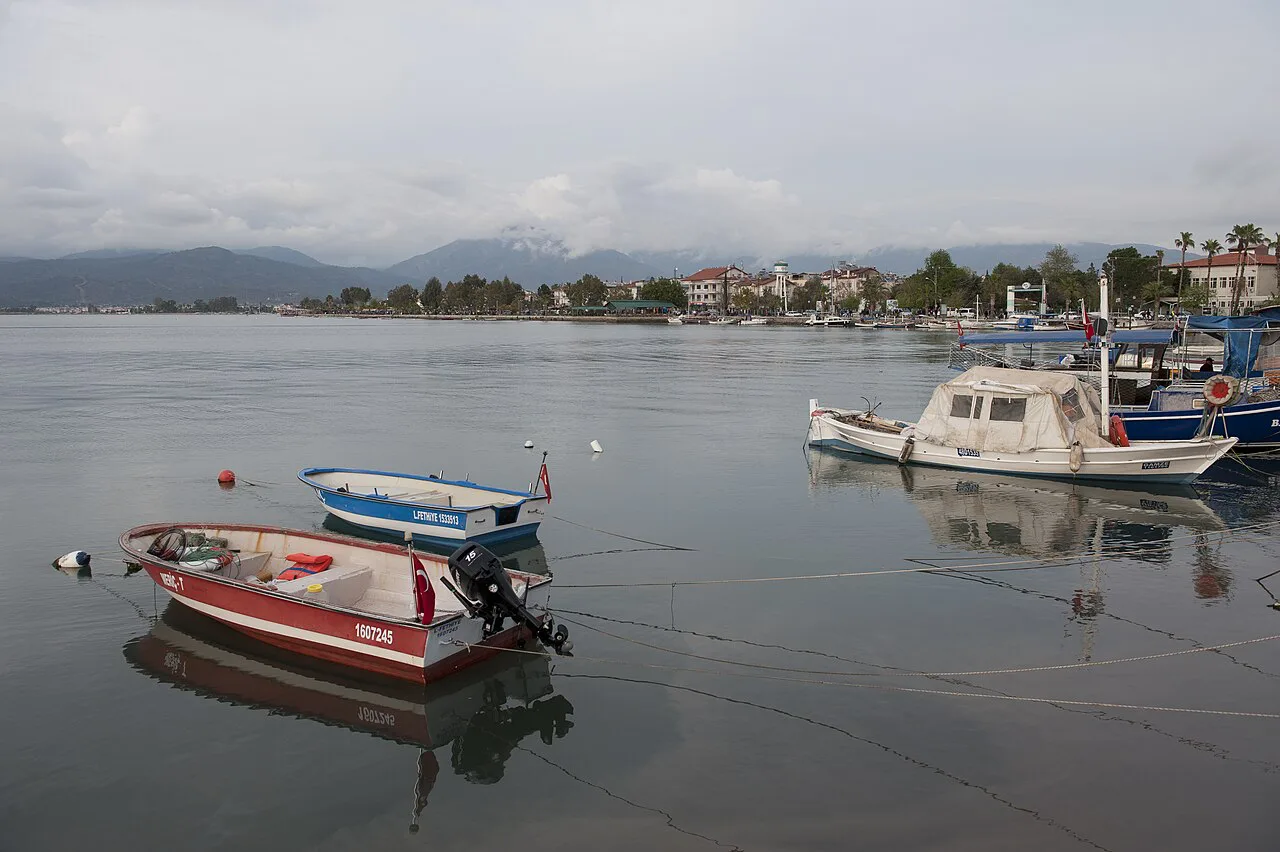
The centre stacks three layers within a short walk: the working harbour and promenade, the lanes of the old town behind it, and the Lycian rock tombs cut into the cliffs to the south. The town stands on the site of ancient Telmessos, and Lycian sarcophagi still sit in the streets, including by the town hall. Allow a half-day for the centre on foot and keep a second half-day for the climb to the Tomb of Amyntas. Our Fethiye map lays out the harbour, the old-town lanes and the tomb path so you can join them without backtracking.
Fethiye is smaller than Antalya in must-see monuments, but it has enough between relaxing and swimming to fill your time, and it makes a convenient entry point for the ruins of other Lycian cities, the Saklıkent Canyon and Ölüdeniz. The practical split is simple: sights in town need no transport, the lagoon and Kayaköy need a dolmuş or car, and Saklıkent and Tlos reward a full day out.
The old town, harbour and sarcophagi in the streets
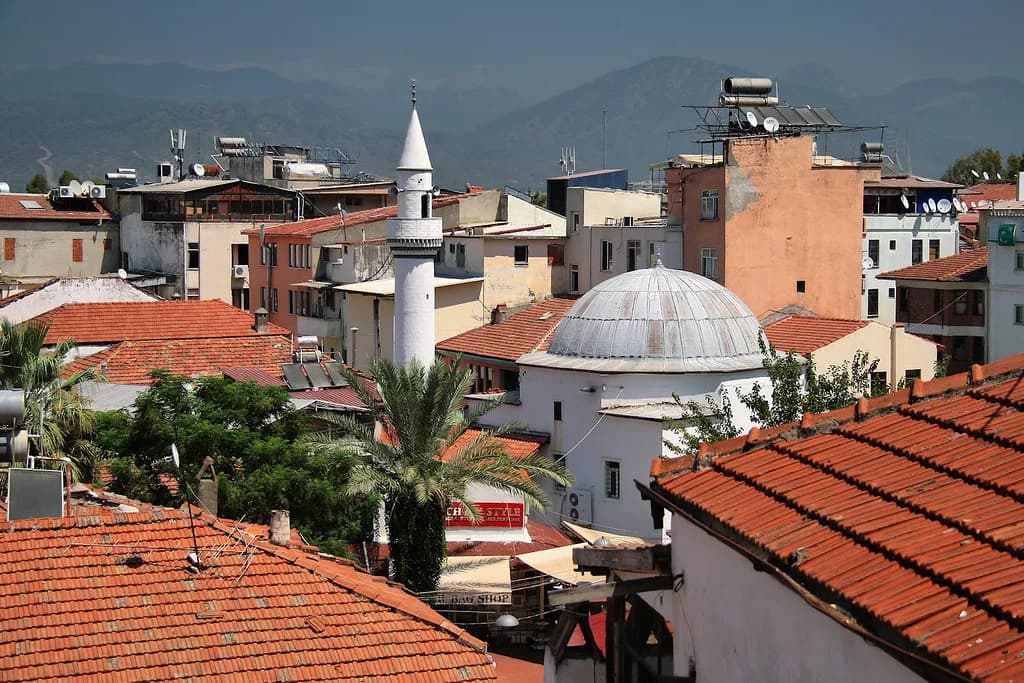
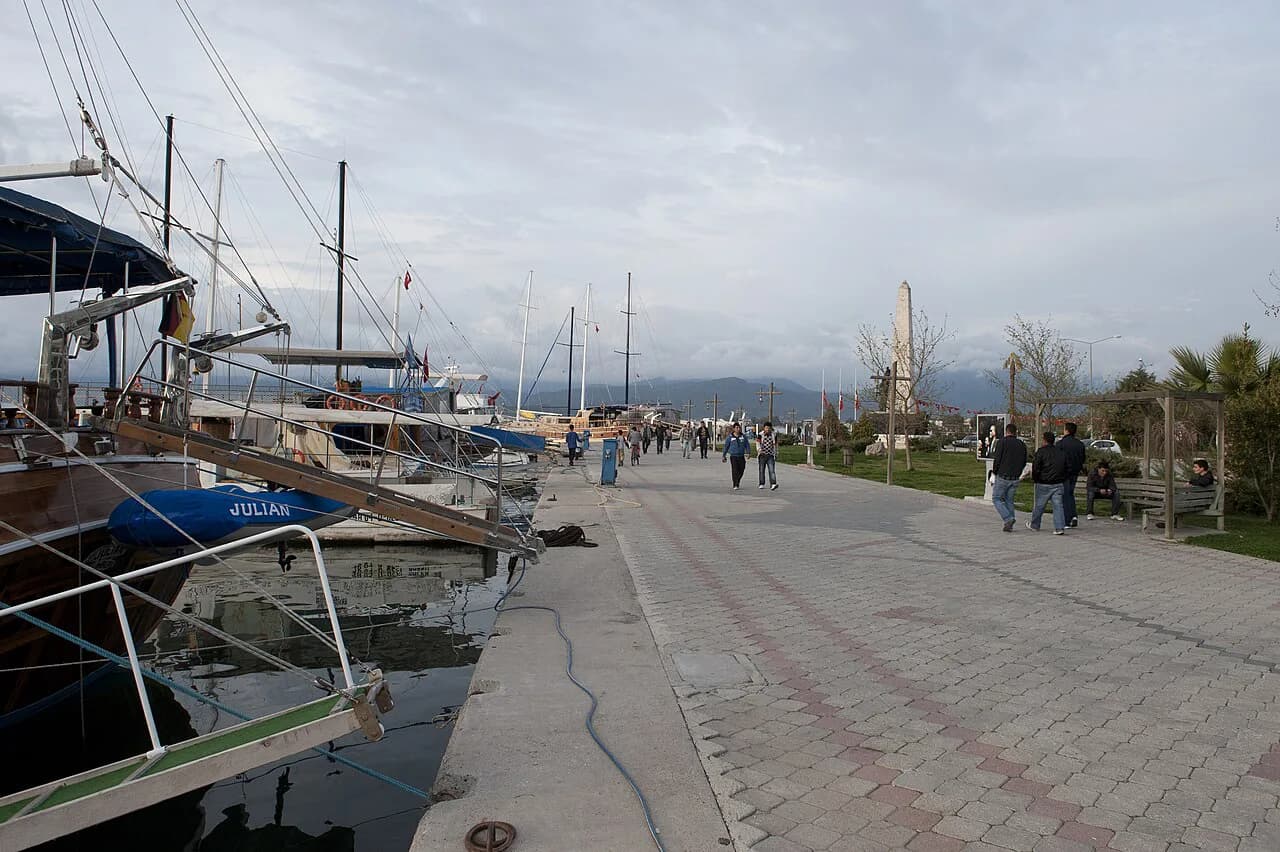
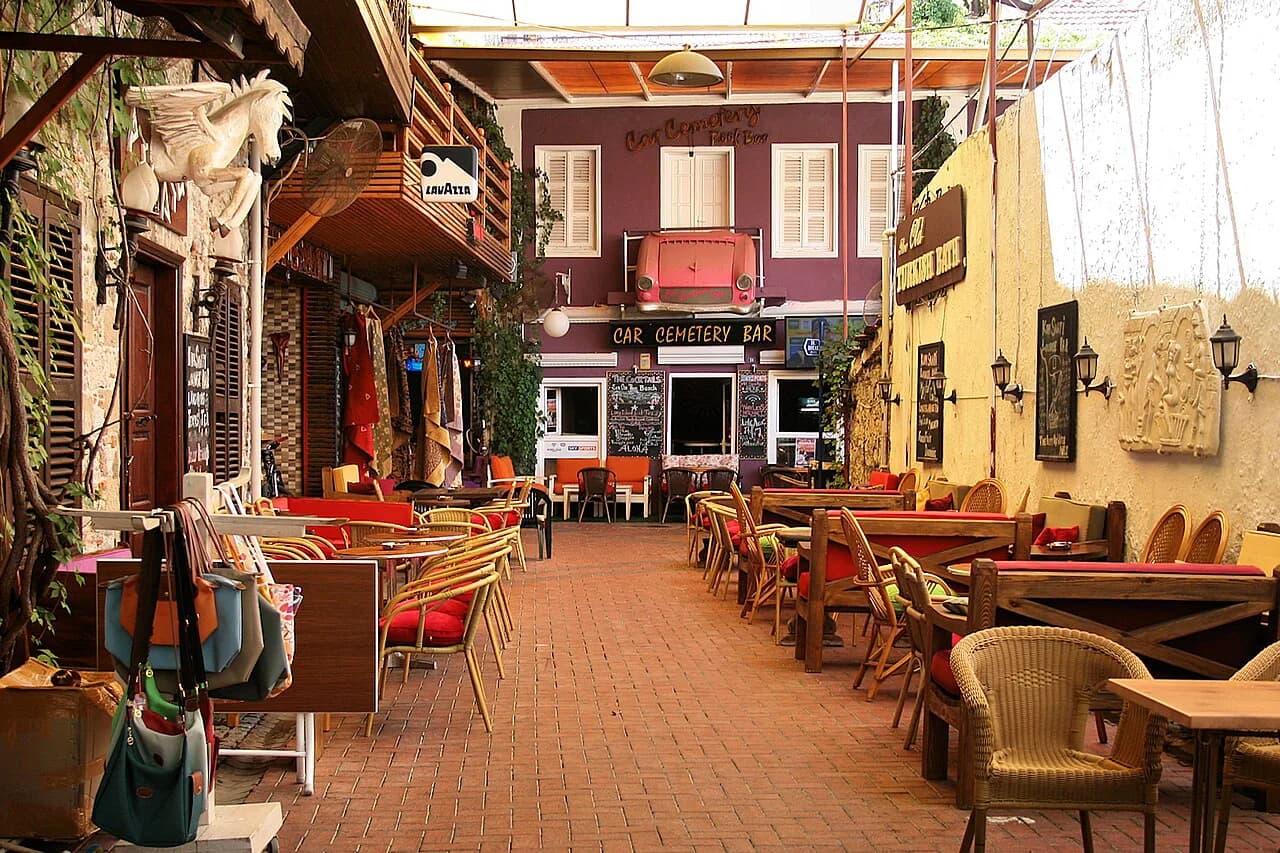
Start at the harbour and walk the promenade, then turn into the shaded alleys of the old town, where cafés and small shops sit in low stone buildings. The town's weekly market and the bazaar lanes give the centre its everyday character, and the cool, shaded alleys are worth an hour even if you are not buying. Our guide to shopping in Fethiye covers the bazaar lanes and what each stretch sells, so you can tell the souvenir stalls from the produce sellers before you set out.
Lycian sarcophagi stand in the middle of town, with more by the town hall, according to a Fethiye attractions guide. They take minutes to see, so fold them into the harbour walk rather than making a separate trip. The bazaar and market area is described in more detail on the Fethiye bazaar page, which helps if you want to time a browse around the stalls.
The Tomb of Amyntas and the climb up Kaya Caddesi
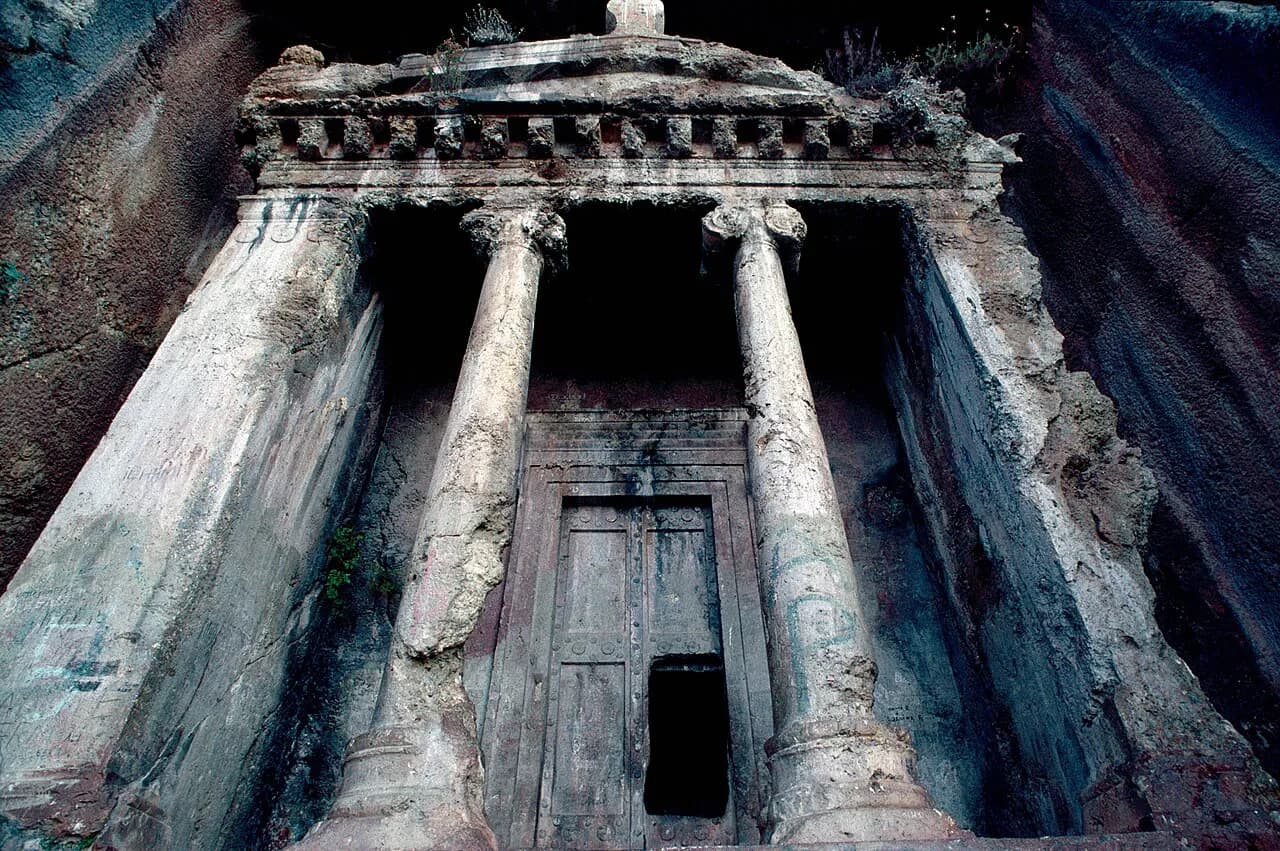
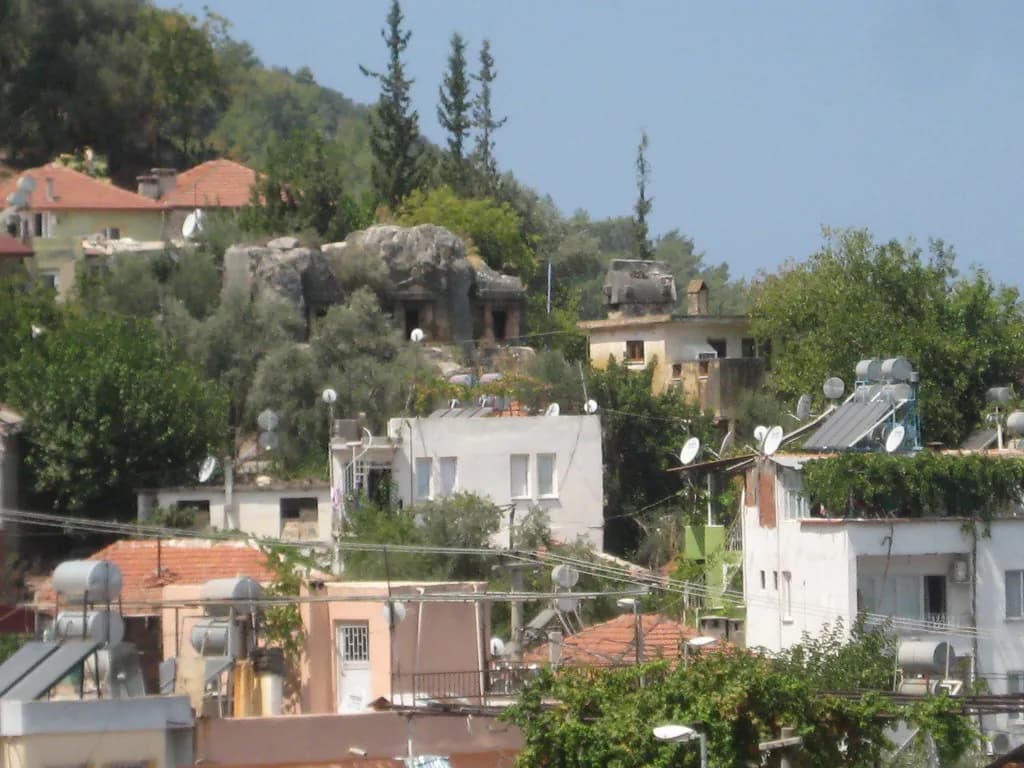
The Tomb of Amyntas is the most famous of Fethiye's rock-cut tombs, set in the cliffs south of the centre. Walk up Kaya Caddesi towards it and you pass Lycian sarcophagi along the way, so the climb doubles as a small archaeological trail. Go early or late in the day, because the path is exposed and the summer heat makes the ascent harder than the distance suggests. Our page on the Amyntas Rock Tombs gives the route and what you see on the way up.
The tombs are a rock-cut monument rather than a museum, so there is no collection to read through; the reward is the facade and the view back over the town and harbour. Pair the climb with the old town below, since you finish close to the lanes and can drop straight into a café. If you want the wider Lycian context, the same cliffs are the reason Fethiye is a useful base for the region's other ruins.
Ölüdeniz and the Blue Lagoon
Ölüdeniz sits around the headland, ten kilometres south of the old town, and its Blue Flag beach is a crescent of white pebbles with clear turquoise water. Behind the north end of the beach is the lagoon, a darker blue and protected as a nature reserve, with beach clubs on its shores where sun loungers let you slip into the shallow water. Babadağ rises just short of 2,000 metres about five kilometres inland, which is what gives the beach its backdrop.
Treat Ölüdeniz as a half-day or full-day outing from Fethiye rather than a separate stop on your itinerary. The pebble beach means water shoes help, and the lagoon nature reserve has its own access arrangements, so check the entrance rules at the gate when you arrive rather than expecting the beach and lagoon to be one continuous strip. Buses and dolmuş run the ten kilometres from the town, and a taxi is the quicker option if you are carrying beach gear.
Babadağ: cable car and tandem paragliding
A cable car now runs from Ölüdeniz up Babadağ, and tandem paragliding launches from close to 2,000 metres for flights over the lagoon and the coast. Ölüdeniz is the best place to paraglide in Turkey and among the best in the world, according to Shipped Away, so book a tandem flight if adrenaline is the point of your trip. The cable car also works as a viewpoint trip for non-flyers, with the same mountain scenery without the leap.
Flight and cable-car prices are not published in the sources here, so compare rates on the operators' own boards in Ölüdeniz or ask at your accommodation before you commit. Weather decides the day: wind and cloud can ground flights, so keep a flexible morning rather than booking the last day of your trip. If you only want the view, the cable car is the cheaper and calmer option of the two.
Boat trips from Fethiye: Butterfly Valley, Gemiler Island and the Blue Cave
Boat trips from the harbour cover the coast's big set pieces: Butterfly Valley, Gemiler Island (St Nicholas Island), the Blue Cave and Camel Beach, with several stops for swimming on the Fethiye excursions listed by GetYourGuide. Boats leave from the harbour, and pickups are sometimes offered from Ölüdeniz accommodation, so check the meeting point when you book. A full-day cruise is the simplest way to see several coves in one go without a car.
Butterfly Valley is a steep-sided cove reached by boat, and Gemiler Island is also known as St Nicholas Island and holds ruins to explore, so the day mixes swimming with a short walk ashore. Prices vary by operator and route, so compare what each trip includes, such as lunch and entrance fees, rather than the headline fare alone. Book a day or two ahead in high summer, when the popular routes fill.
Kayaköy: the abandoned hillside village
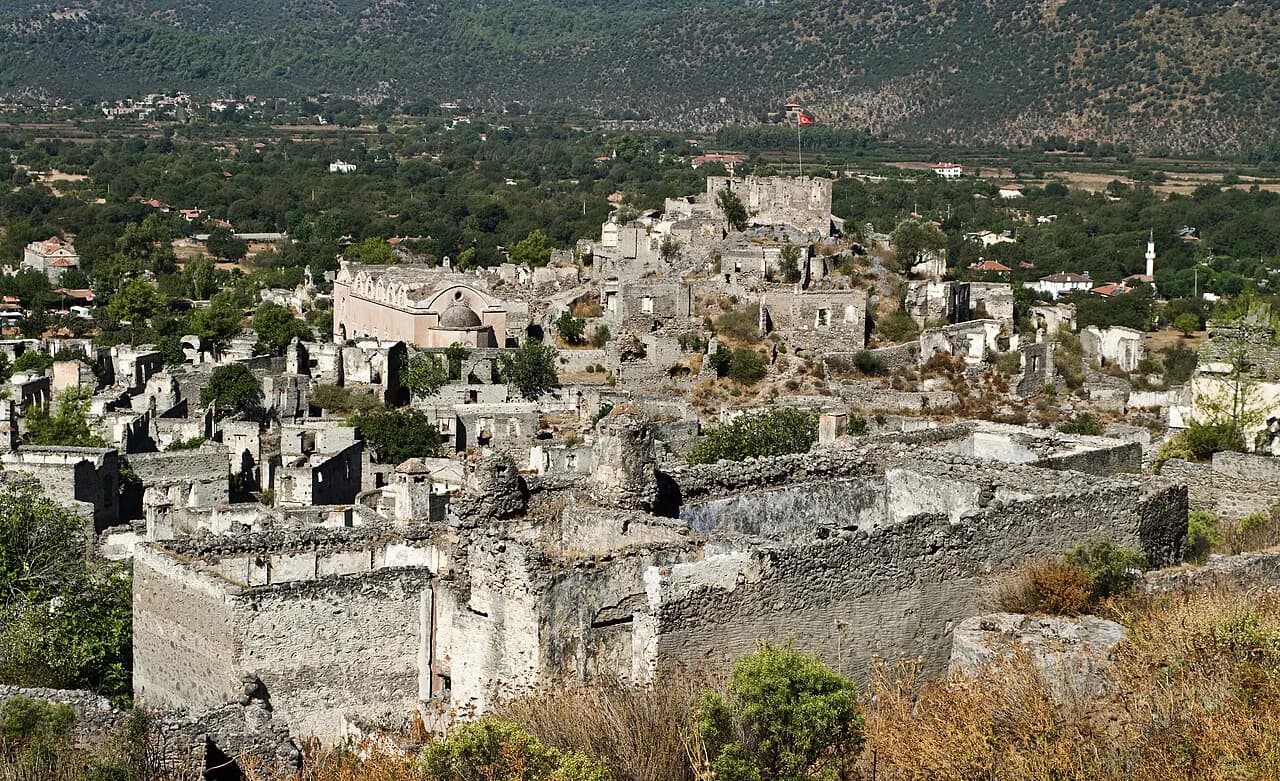
Kayaköy, ancient Karmylassos, is eight kilometres from Fethiye, and its ruined stone houses snake across the hillside. The village had a mixed Greek and Turkish population until the 1923 Population Exchange, and the empty houses have been left to decay since; among the ruins are the Katapongagia Church and Taxiarchis Church, which both retain some interior decoration. Walk slowly and look for the church frescoes rather than treating the village as a quick photo stop.
Kayaköy pairs naturally with Ölüdeniz, since both sit south of town and can be strung together with a car or a dolmuş. There is a small entrance arrangement for the village that you pay on arrival, and no source here gives the current figure, so carry cash. Wear shoes with grip, as the paths between the ruins are rough and uneven.
Saklıkent Canyon and Tlos
Saklıkent Canyon lies about 40 kilometres east of Fethiye inside a national park created in 1996, and it runs 18 kilometres long, up to 300 metres deep and narrows to two metres across. Wooden walkways carry you about four kilometres of the gorge, past waterfalls and caves, and cold springs from the Bey Mountains keep it shady when the coast is baking. Bring water shoes for the slippery rocks and expect to get wet to the waist if you take the full experience.
Tlos, a ruined Lycian city on a rocky plateau, combines well with Saklıkent as one day out, and it is unusual among Lycian settlements for being inhabited by Romans, Byzantines and Ottoman Turks up to the 19th century. The Ottoman fortress at the top reuses Lycian and Roman stonework, the grandest tomb is the temple-like Tomb of Bellerophon with a relief of the hero on Pegasus, and there is a Roman theatre. Both sites need a car or a tour, and the gorge is busiest in the middle of the day, so go early or late to dodge the coach groups.
The Lycian Way and other ruins within reach
The Lycian Way long-distance path passes through the Fethiye area, and short stretches give a taste of the coast without committing to the full route. Use the town as a base for the ruins you can reach in a day, including Tlos, Kayaköy and the sarcophagi in the centre, and take a tour or hire a car for the sites beyond the dolmuş network. The Lycian Rock Tombs page helps you place the tombs above town in the wider Lycian picture.
Beyond Fethiye, the region has enough variety that comparisons help: if you are weighing this coast against other Turkish resorts, our things to do in Alanya and things to do in Ankara guides show how those bases differ. Ankara is inland and reached by coach or air, while Alanya is a beach resort on the eastern Riviera, so neither is a day trip from Fethiye. Keep them for another leg of the trip rather than trying to fold them in.
Food and markets in Fethiye
The weekly market is part of the town's identity, and a Fethiye attractions guide calls it an authentic market rather than a tourist set-up. It sits in the town centre, and our Fethiye market page explains what is sold and where the stalls sit relative to the Fethiyespor football stadium. Go early for produce and expect to pay in cash, since not every stall takes cards.
Market days can change with the season and local practice, so confirm the day when you arrive rather than planning your trip around a guess. For eating, the old-town lanes and the harbour promenade have the densest cluster of cafés and restaurants, and the fish restaurants around the market are the obvious choice for a long lunch. If you want to plan meals around the beach instead, our guide to the best restaurants in Ölüdeniz covers where to eat and what to order there.
Getting to Fethiye
Dalaman Airport is about 45 minutes away and Antalya Airport about three hours, and there is also a two-hour ferry from Rhodes in Greece, according to Shipped Away. Driving from Izmir takes about five hours and from Pamukkale about three, which makes Fethiye a natural stop on a longer Turkish Riviera road trip. Buses and car rental cover the last leg from the airports, and the harbour is the transport hub for boats.
Within the region, buses and dolmuş connect Fethiye to Ölüdeniz and the surrounding villages, and a car makes Kayaköy, Saklıkent and Tlos much easier. If you are arriving by ferry from Rhodes, check the timetable before booking. Use our one-day Fethiye itinerary if you only have 24 hours.
Fethiye versus Ölüdeniz as a base
Fethiye gives you the harbour, the old town, the market and the tombs on foot, while Ölüdeniz gives you the beach, the lagoon and the cable car at the door. Since Ölüdeniz is a neighbourhood of Fethiye, you are not choosing between two towns but between a working centre and a beach strip. A town break with evenings in the lanes suits Fethiye; a beach-and-activities trip suits Ölüdeniz.
The trade-off is transport: from Ölüdeniz you need a dolmuş or car for the town's market and restaurants, and from Fethiye you need one for the beach. Many travellers split the stay or base in Fethiye and day-trip south, which keeps the harbour and ruins close. Both work, but pick based on how many evenings you want in the old town versus on the beach.
Costs, heat and how to structure two or three days
The harbour walk and the old-town lanes cost nothing, while the tombs, the lagoon nature reserve, Saklıkent and Kayaköy have their own entrance arrangements set by the site or park authority. Prices for paragliding, the cable car, boat trips and the sites are set by operators and the park authority and change with the season, so check at the ticket office or with your accommodation rather than budgeting from an old figure. Turkish lira prices move fast, so carry cash for small entrances and market stalls.
In summer the heat and the coach crowds are the main trade-offs: Saklıkent is busiest in the middle of the day, Ölüdeniz beach fills by mid-morning, and the Kaya Caddesi climb is hardest in the afternoon. Build your day around an early start, a shaded lunch and a late-afternoon boat or beach, and keep one flexible day for weather. Two days covers the centre plus Ölüdeniz; three adds Kayaköy or a Saklıkent and Tlos day.
Which Fethiye day trip to book
If you have one free day beyond the town, choose between a boat trip and an inland ruin day: the boat gives you Butterfly Valley, Gemiler Island and the Blue Cave with no driving, while Saklıkent and Tlos give you the gorge and a Lycian city in one loop. Book the boat a day ahead in summer and take a car or tour for the inland day, since Saklıkent and Tlos both need private transport or an organised trip. For the town itself, keep one morning for the harbour, market and Kaya Caddesi climb, then use Ölüdeniz for the afternoon.
Explore more Fethiye guides
Frequently Asked Questions
Is Fethiye worth visiting?
Yes, if you want a working harbour and old town with Lycian tombs on the doorstep and Ölüdeniz ten kilometres away. The centre is walkable, the market and lanes give it everyday life, and Saklıkent and Tlos are within a day's drive or tour. It suits travellers who want a base for both town time and coast time rather than a pure beach strip.
How expensive is Fethiye?
The harbour walk and the old-town lanes cost nothing, while the tombs, the lagoon reserve, Saklıkent and Kayaköy have their own entrance arrangements and boat trips, paragliding and the cable car are priced by their operators. No current prices are published here, so check at the ticket office or with your accommodation, and carry cash in Turkish lira for small entrances and market stalls.
How many days do you need in Fethiye?
Two days covers the harbour, old town and tombs on foot plus an afternoon at Ölüdeniz. Three days adds either Kayaköy or a full day at Saklıkent and Tlos, and gives you room to move the boat trip if the weather turns. If you are only passing through, the centre fits into a single day.
Sources
Notes for your next Turkey trip
Optional updates when we add or correct a town guide.
You might also like
Continue reading
More guides you'll find useful