Bodrum Food: What to Eat and How to Order It
A practical guide to eating in Bodrum: Aegean meze, grilled fish priced by weight, lokantas, pide salons and meyhanes, plus how the bazaar and Yalıkavak differ.
On this page
Bodrum food is Aegean cooking built around meze, grilled fish and seafood, eaten in lokantas, pide salons and meyhanes, with the heaviest concentration of places in the bazaar and around the harbour. This guide explains what to order, how a meze table adds up and which part of the peninsula suits which kind of meal.
Set your budget expectations early: Bodrum has a well-known upscale side, with Mayfair restaurant names opening in the Yalıkavak area and superyachts berthing at the marina. That reputation sits alongside everyday lokantas and pide shops, so a holiday can be as cheap or as expensive as the tables you choose.
The food of an Aegean peninsula
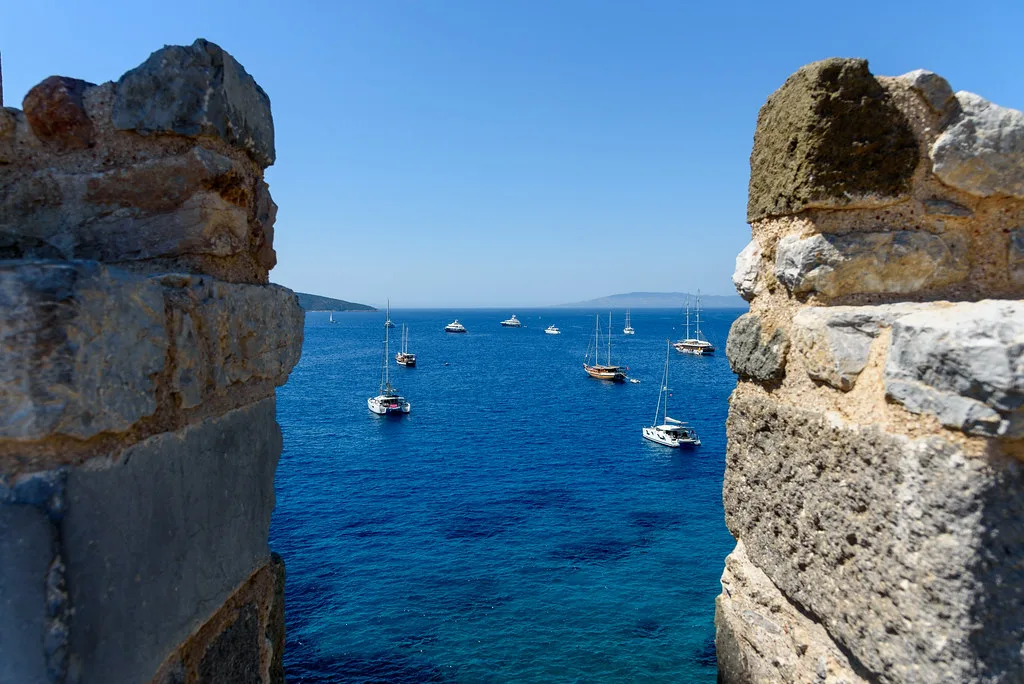
Bodrum sits where the Aegean meets the Mediterranean at the end of long evergreen peninsulas, and the cooking follows that geography: olive oil, vegetables, herbs and fish rather than the meat-heavy grills of inland Turkey. Menus lean on cold meze served first, warm meze next and a main course of fish or seafood.
Expect Turkish appetisers and sea dishes to dominate, with döner kebab available from street food counters as a cheap, quick alternative to a seated meze meal. That split between a slow meze table and a fast counter lunch is the single most useful thing to understand before you sit down.
The dishes to look for
Cold meze is where a Bodrum meal begins: small bowls of vegetable dishes, yoghurt-based plates, olive oil specialities and pulses, brought to the table in numbers. Warm meze follows, often fried or grilled, and then the main event of fish or seafood. Ask what is cold and what is hot if the menu does not separate them.
Beyond meze, look for pide, the boat-shaped flatbread baked with cheese, minced meat or vegetables, sold in dedicated pide salons and eaten as a full meal rather than a starter. Turkish classics such as kebab, köfte and salads fill out the rest of the menu in lokantas, which is where everyday eating happens.
If you want to try the street side of Bodrum's eating, kokoreç — seasoned offal grilled and chopped into a sandwich — is the kind of thing sold from counters and carts rather than meyhane tables. It divides opinion, so order one to share before committing to a full portion.
Bodrum Bazaar, the harbour and Yalıkavak Marina
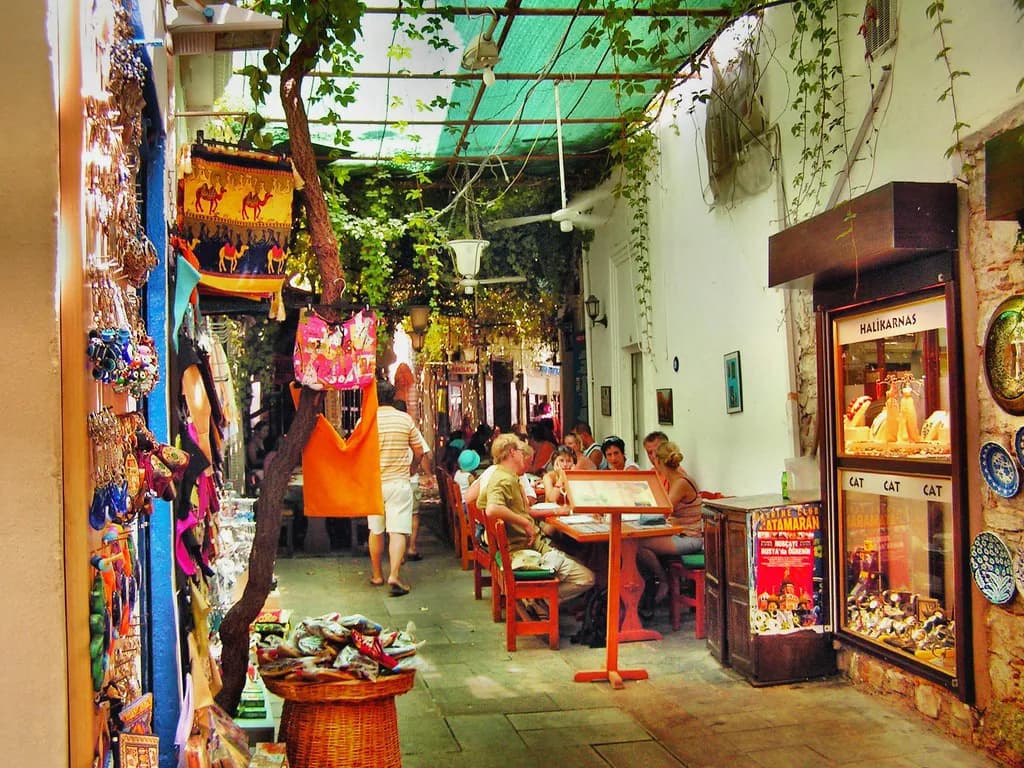
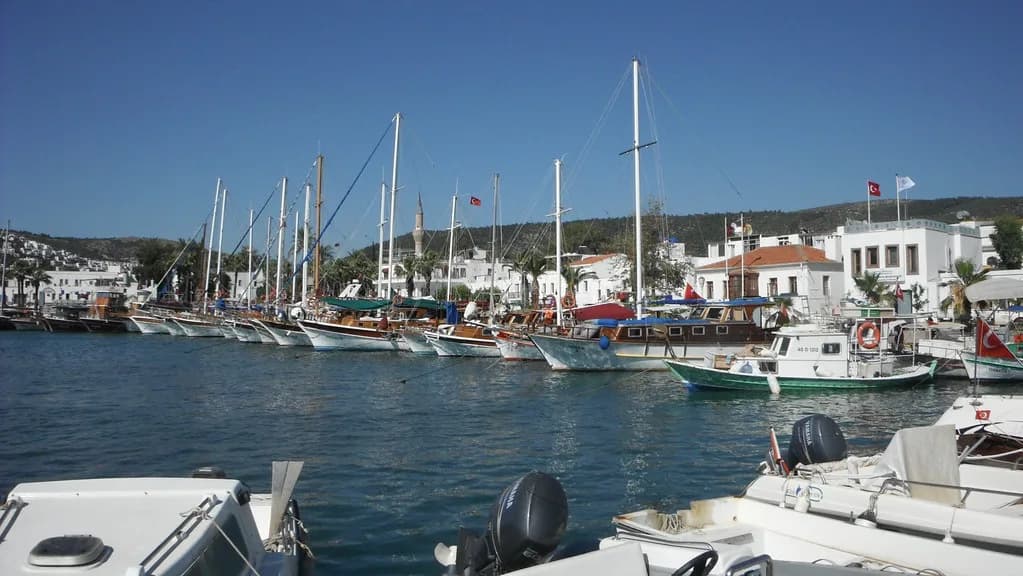
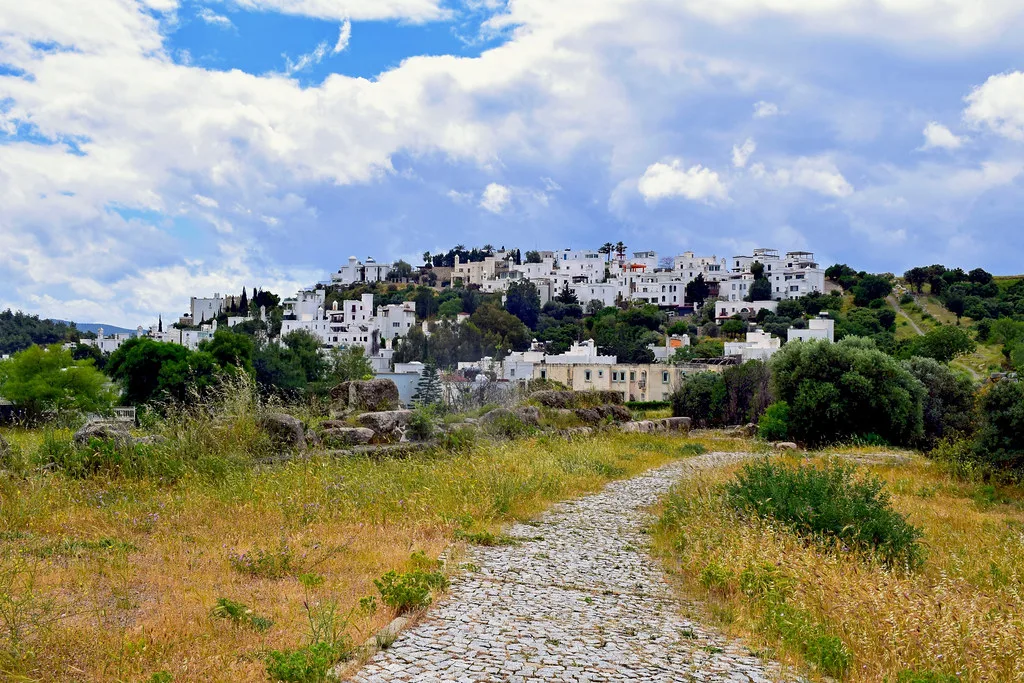
The eating geography of Bodrum divides into three areas. The bazaar in the town centre is the place to browse and snack between shopping, the harbour is where you sit for a long meze and fish lunch with a view of the water, and Yalıkavak Marina, which reopened in 2017, anchors the upscale end of the peninsula.
Around Yalıkavak you find the international names: The Maine at Maxx Royal Bodrum, Scorpios Bodrum and Bobo by The Stay, the last described as an exclusive guest-list atmosphere without an actual membership. These are polished, entertainment-led venues, and they set the tone for the marina's restaurant cluster.
The trade-off is straightforward: bazaar and harbour give you town life, walking distance and simpler bills, while Yalıkavak Marina gives you the glossy version of the peninsula at a correspondingly glossier price. Pick by mood rather than by reputation, and do not assume the marina is the only place worth eating.
Lokantas, meyhanes and pide salons: what each is for
A lokanta is an everyday cooked-food restaurant, often with dishes displayed behind glass, where you point at what you want and eat quickly and cheaply. A meyhane is a drinking-and-meze house where the table fills with small plates over a long evening, and the pace is deliberately slow. A pide salon specialises in the flatbread and is the best bet for a fast, filling lunch.
For a proper meyhane evening, go with at least three or four people so you can order widely without waste, and agree before you start whether you are ordering rounds of meze or moving straight to fish. Groups that mix both tend to overspend without noticing.
How a meze table is built and how much to take
Meze arrives as many small plates shared by the table, and the bill grows with the number of plates rather than the size of any one. The practical rule is to order two or three cold plates per person, eat them, then decide whether warm meze and a main are still wanted. Ordering everything at once is the most common way visitors over-commit.
If the server brings a tray of cold meze to the table for you to choose from, you are selecting individual plates, not a set menu, and each one is charged. Ask for the price of a plate before pointing if you are watching the budget, and ask for the tray to be taken away once you have chosen so you are not topped up by accident.
Fish and seafood: how it is served and priced by weight
Fish in a Turkish seafood restaurant is usually chosen whole from a display and priced by weight, so the final cost depends on the size of the fish rather than a menu figure. Ask for the weight and the total before it goes to the grill, and specify whether it is to be shared. This single habit keeps a seafood lunch predictable.
Grilled fish is typically served simply with lemon, olive oil and a salad rather than in a sauce, which is why the freshness of the fish matters more than the kitchen's technique. Shellfish, calamari and octopus usually appear as warm meze at a set plate price, so they are easier to budget than whole fish.
Reading a Turkish menu
A few terms take you a long way: meze for the small plates, çorba for soup, salata for salad, ekmek for bread and hesap for the bill. Balık means fish, karides shrimp, kalamar squid and ahtapot octopus, so you can identify the seafood section without a translation app. Izgara means grilled, and kızartma means fried.
Bread usually arrives without being ordered, so ask whether it is charged if you are counting. Tap water is not always brought automatically; bottled water is the norm, and asking for şişe suyu keeps the order clear.
Cost: why Bodrum carries an expensive reputation
Bodrum's expensive reputation comes from its upscale end: international restaurant brands, a marina full of superyachts and a summer crowd that includes visitors from the US and UK. That market pushes prices up in the polished venues, particularly around Yalıkavak, and it colours how the whole peninsula is perceived.
Away from that circuit, lokantas, pide salons and street counters feed locals and visitors at everyday prices, and a meze lunch in the bazaar costs a fraction of a marina dinner. Restaurant prices in Turkish lira move quickly, so treat any figure you hear as a rough guide and confirm on the menu before ordering.
Food and drink tours sold through international booking platforms are a separate cost from restaurant meals. Check the inclusions on the listing before booking so you know whether food, drinks and transport are covered.
Timings, reservations and summer crowds
Bodrum summers are hot, with temperatures around 38 degrees reported as the season gets going, so a long meze lunch in the shade beats a midday sit in full sun. Eat your main meal in the evening when it cools, and keep lunch light.
The upscale venues around Yalıkavak operate on guest-list and reservation models, so book ahead if a particular table matters to your trip. For lokantas and pide salons, turn up and expect a short wait at peak times rather than planning weeks in advance.
Where to go next
Once you know the dishes, the next decision is which table to book. The full guide to the best restaurants in Bodrum covers specific venues and what each is good for, so use it alongside this page rather than instead of it.
For the wider trip, the guide to Bodrum covers what to see, how long to stay and how to get around the town and peninsula. Pair it with this page to plan meals around the castle, the harbour and the bazaar.
What to order on your first night
For a first evening, choose a meyhane in the bazaar or harbour, order two or three cold meze per person, add one warm plate and share a single grilled fish priced by weight. That sequence gives you the range of the kitchen without an unpredictable bill.
Leave the marina and the international names for a night when you want the polished version, and book ahead for those. Confirm prices on the menu as you go, since Turkish lira figures shift quickly.
Explore more Bodrum guides
Frequently Asked Questions
What food is Bodrum known for?
Bodrum is known for Aegean cooking: cold and warm meze, grilled fish and seafood, with Turkish classics such as kebab, köfte and pide filling out menus. The town's eating is concentrated around the bazaar and harbour, with a glossier restaurant cluster at Yalıkavak Marina.
Is Bodrum expensive for food?
It can be, particularly in the upscale venues around Yalıkavak Marina, where international restaurant brands and a wealthy summer crowd set the tone. Everyday lokantas, pide salons and street counters are much cheaper, so your bill depends on which tables you choose. Check current menu prices.
How does ordering fish by weight work?
You choose a whole fish from the display, it is weighed, and the price is calculated from that weight rather than a fixed menu price. Ask for the weight and the total before it is grilled, and say whether it is to be shared, so the bill holds no surprises.
Sources
Notes for your next Turkey trip
Optional updates when we add or correct a town guide.
You might also like
Continue reading
More guides you'll find useful