Alanya History: The Timeline Behind the Castle and Red Tower
Alanya's history in a short timeline, from Hellenistic walls and the Roman harbour to the Seljuk rebuild, the Red Tower and today's old town.
On this page
Alanya's history reads best as a walk across one peninsula: Hellenistic wall lines, a Roman harbour, a Byzantine fortress, a Seljuk rebuild in the 13th century and an Ottoman town inside the walls. Almost every period left something you can stand in front of, from the 33-metre Red Tower at the foot of the rock to the Süleymaniye Mosque up in the castle. This guide ties each phase to a structure, a name and a rough walking order, so the timeline makes sense on the ground rather than only on paper; the lanes of Alanya Old Town make the natural finish to the walk.
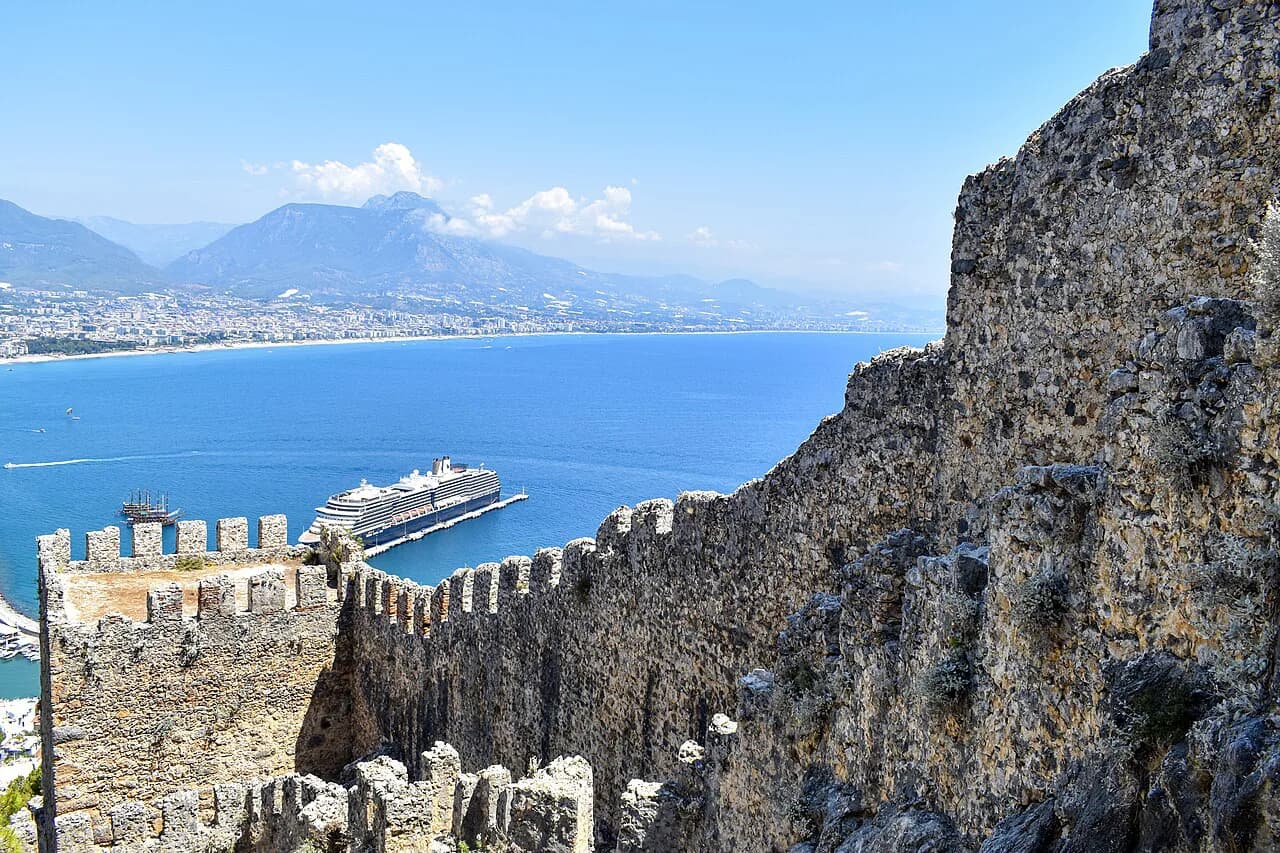
The town sits on a rocky peninsula on Turkey's Mediterranean coast, about 120 km from Antalya Airport and roughly two hours by road, and the same headland that made it a sheltered harbour also made it easy to wall off. The recorded figures give the castle 6.5 km of walls, 83 towers and 140 bastions across a 10-hectare site 250 metres above the sea, which explains why the defences dominate any first visit. Treat distances and heights here as orientation, then read the detail in the individual guides.
Why the peninsula shaped everything
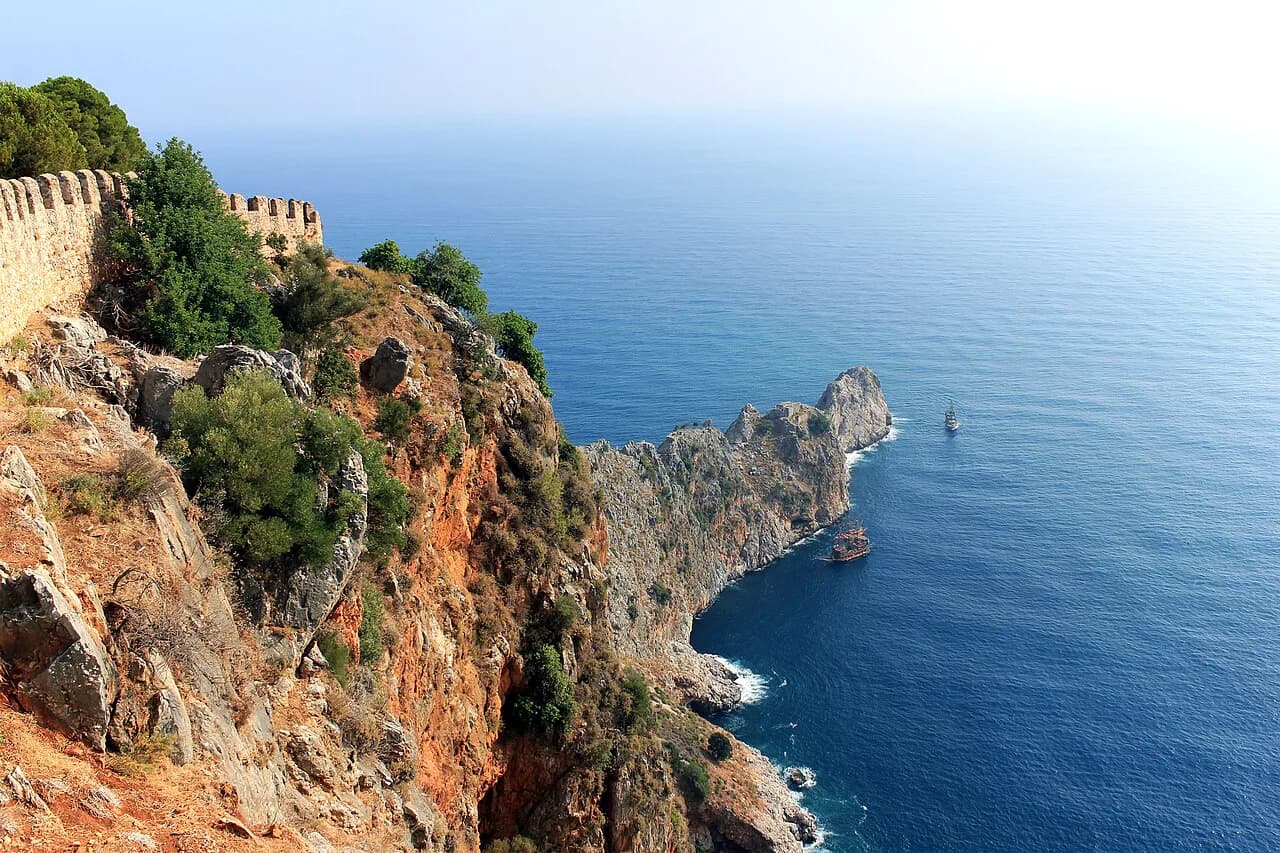
A peninsula with a deep bay gave Alanya two advantages at once: a harbour that ships could use in most weather, and a cliff-top that could be fortified cheaply because the rock did half the work. The sources describe the castle as running along the peninsula, which is why the walls follow the coastline rather than forming a neat circle. When you look up from the harbour, the line of defences you see is the shape of the town's whole history.
That geography also explains the layers. Each incoming power strengthened the same walls instead of starting again somewhere else, so Hellenistic, Roman, Byzantine, Seljuk and Ottoman work sits within metres of each other. Walking the circuit is therefore faster than visiting separate sites, but you need to know what you are looking at.
Earliest settlement and the name Coracesium
The earliest known name of the settlement was Coracesium, and exploration at Kadıini Cave, about 12 km from the centre, suggests human activity in the area reaching back to the Palaeolithic period. As early as the 4th century BC the town was under Persian control and exporting honey and wine to Egypt. These are the facts worth carrying with you: the site is old, but the visible fortress you climb to is a much later construction.
In 197 BC the city resisted an attack by King Antiochus III thanks to its defensive walls, which tells you fortifications mattered here long before the Seljuks arrived. The Kadıini Cave itself lies outside the centre and is not part of the old-town circuit, so plan it as a separate outing.
Hellenistic walls and the pirate years
The thick stone Hellenistic walls on the inside of the castle are credited to Diototos Tryphon in the 2nd century BC, and by 137 BC the same figure was using Alanya as a safe harbour for Cilician sea-raiders. The town became a hub for piracy until the Roman commander Pompeius ended it with a naval victory, which one account dates to 65 BC. For a visitor, the practical point is that the oldest masonry sits on the inner, higher part of the circuit.
Look for the heaviest, least regular stonework on the upper walls and compare it with the neat Seljuk courses lower down; the difference in technique is the clearest physical clue to the timeline. The upper sections are also where the views open out, so the history and the panorama come together.
Roman Alanya and the gift to Cleopatra
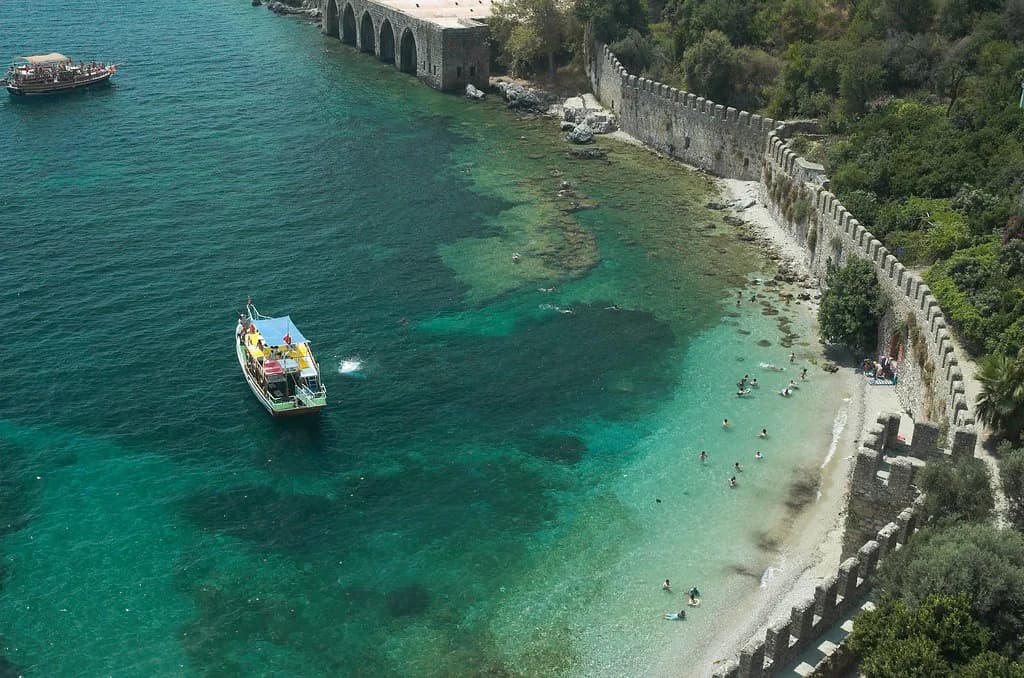
After the pirates were cleared, the region was absorbed into the Roman Empire, and Mark Antony later gave the area to Cleopatra, Queen of Egypt. That grant is recorded history, distinct from the local legend that Cleopatra entered the castle through a secret passage, which is better treated as storytelling than as an event you can trace on the ground. The beach below the castle carries her name today.
Mark Antony's gift and the fortress phases leave the castle and harbour as the main places to read this period on the ground; there is no separate Roman monument listed in the centre within these accounts.
Byzantine rebuilding and the 6th-century fortress
The castle began to be built in the 6th century under the Byzantine Empire, and during the reign of Justinian I, from 527 to 565, the walls and structures were largely renovated. This is the phase that turned a fortified headland into the recognisable fortress layout you climb through today. Another account puts the first Byzantine construction in the 6th century as well, so the broad date is consistent even where the detail varies.
Byzantine Alanya was a defence and naval base, and successive wars in the 7th and 8th centuries shrank the town. Walk the middle band of the castle and you are mostly reading this period: solid, functional masonry built to hold a garrison.
The Seljuk turning point
In 1221 the Seljuk Sultan Alaeddin Keykubat I made Alanya his winter residence and rebuilt the city, which became the main base of the Seljuk navy. The 13th-century programme renewed the existing walls and added the structures most visitors come to see. If you remember one date from Alanya's history, make it this one.
A second account dates the castle's expansion by the Seljuks to the 13th century without fixing the year, so treat 1221 as the start of the sultan's residence rather than the completion of every building. The Seljuk work is the layer that gives the castle its present silhouette.
What the Seljuks added: Kızılkule, Tersane and the walls
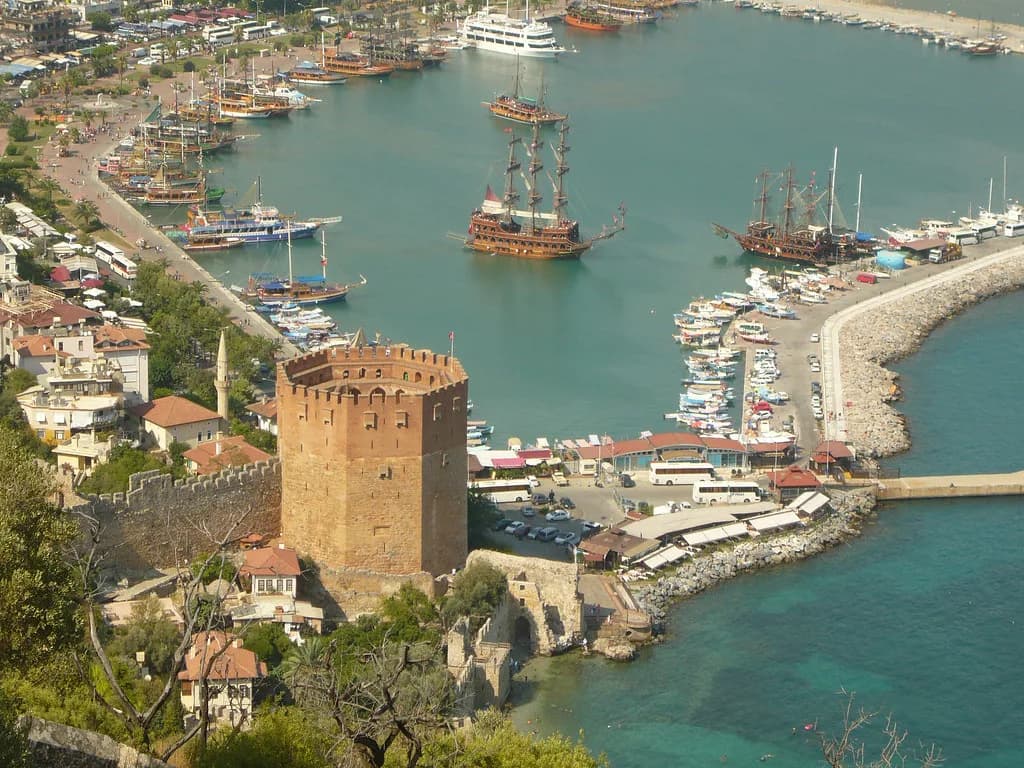
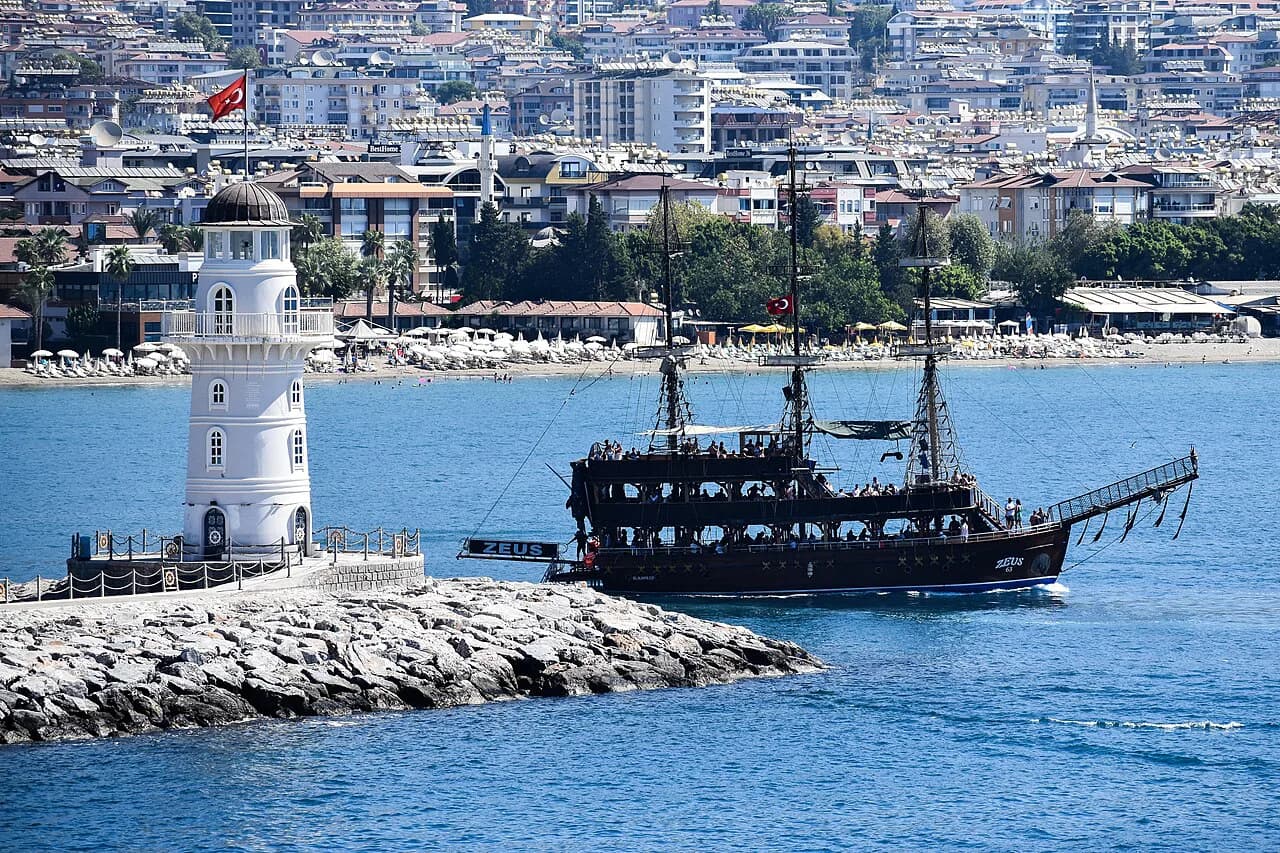
Kızılkule, the Red Tower, was built by Alaeddin Keykubat I to protect the shipyard and the harbour, and it stands 33 metres high with a diameter of 29 metres. Its red stone and brick courses give it the name, and the tower reads most clearly in late light when the colour deepens. It is the single best place to start the timeline because it belongs to one period and one purpose.
The Tersane, or dockyard, was built in the same campaign and sits at the water's edge below the tower, so tower and yard together explain how Seljuk Alanya worked as a naval base. The castle's recorded figures, 6.5 km of walls with 83 towers and 140 bastions, describe the full circuit rather than the tower alone.
Ottoman Alanya: mosque, bazaar and port trade
Alanya was incorporated into the Ottoman Empire in 1471 under Sultan Mehmet the Conqueror, and between the 13th and 18th centuries it prospered as a port trading with Egypt, Syria and Cyprus. The Süleymaniye Mosque and the bedesten, or covered bazaar, inside the castle are Ottoman additions. Both are still part of the walk through the upper town.
If you want one stop that shows the Ottoman layer plainly, this is it, and it sits naturally on the route between the upper walls and the descent to the harbour.
How the castle is laid out today
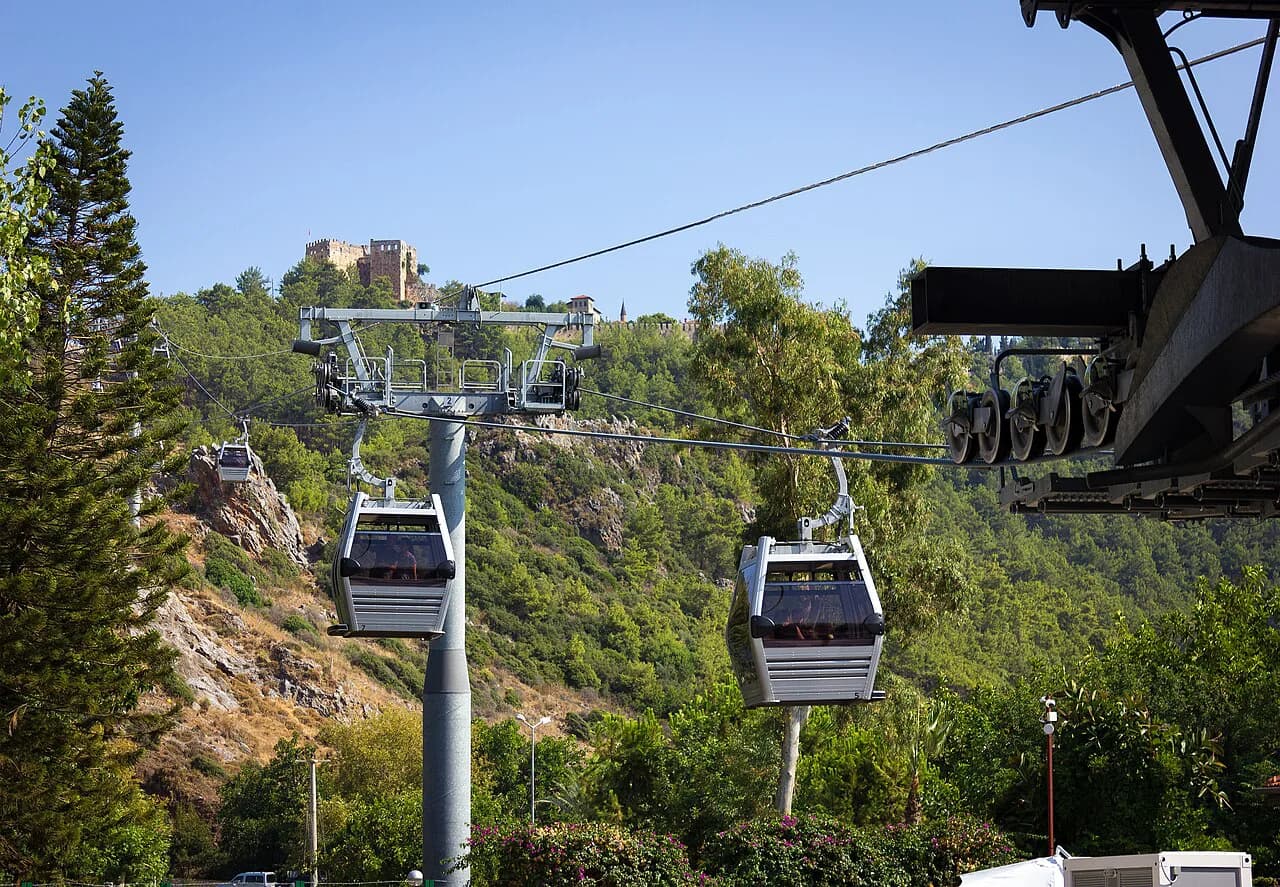
The castle runs along the peninsula in bands, with the harbour and Red Tower at the bottom, the walled residential area above, and the highest defences at the top. Ehmedek is one of the inner parts of the castle and is the arrival point for the cable car, which puts you straight into the middle of the circuit. Knowing this saves a lot of uphill walking in the wrong direction.
Because the walls stretch for kilometres, most visitors see a fraction of the circuit on foot. Plan your route around the tower and harbour first, then climb for the upper town, rather than trying to cover the full wall line.
Seeing the history on foot from the harbour
Start at Kızılkule and the harbour, where the Seljuk naval story is easiest to follow, then walk up through the old Alanya houses inside the walls; the castle also holds a traditional old Alanya house where silk and cashmere goods are sold. The lanes between the houses are part of the visit, not just a way through.
Allow for heat and gradient. The climb from sea level to the upper castle is steady, and the recorded height of 250 metres above the sea tells you how much of it is vertical. Morning starts are easier on the legs and the light.
Finish at the harbour, where the boats and the tower frame the same view the Seljuks were defending. It is the most compact way to see the whole story in one afternoon.
Taking the Alanya Teleferik up to the castle
The Alanya Teleferik runs about 900 metres and climbs around 300 metres, delivering passengers to the Ehmedek area of the castle. Its main draw is the view over the bays and the peninsula, including Cleopatra Beach, so it doubles as sightseeing and transport. Ride up and walk down if you want both the panorama and the lanes.
A public bus also runs from the centre up to the castle, and taxis cover the same trip, so the cable car is one option among several.
Where the museum collections fill in the gaps
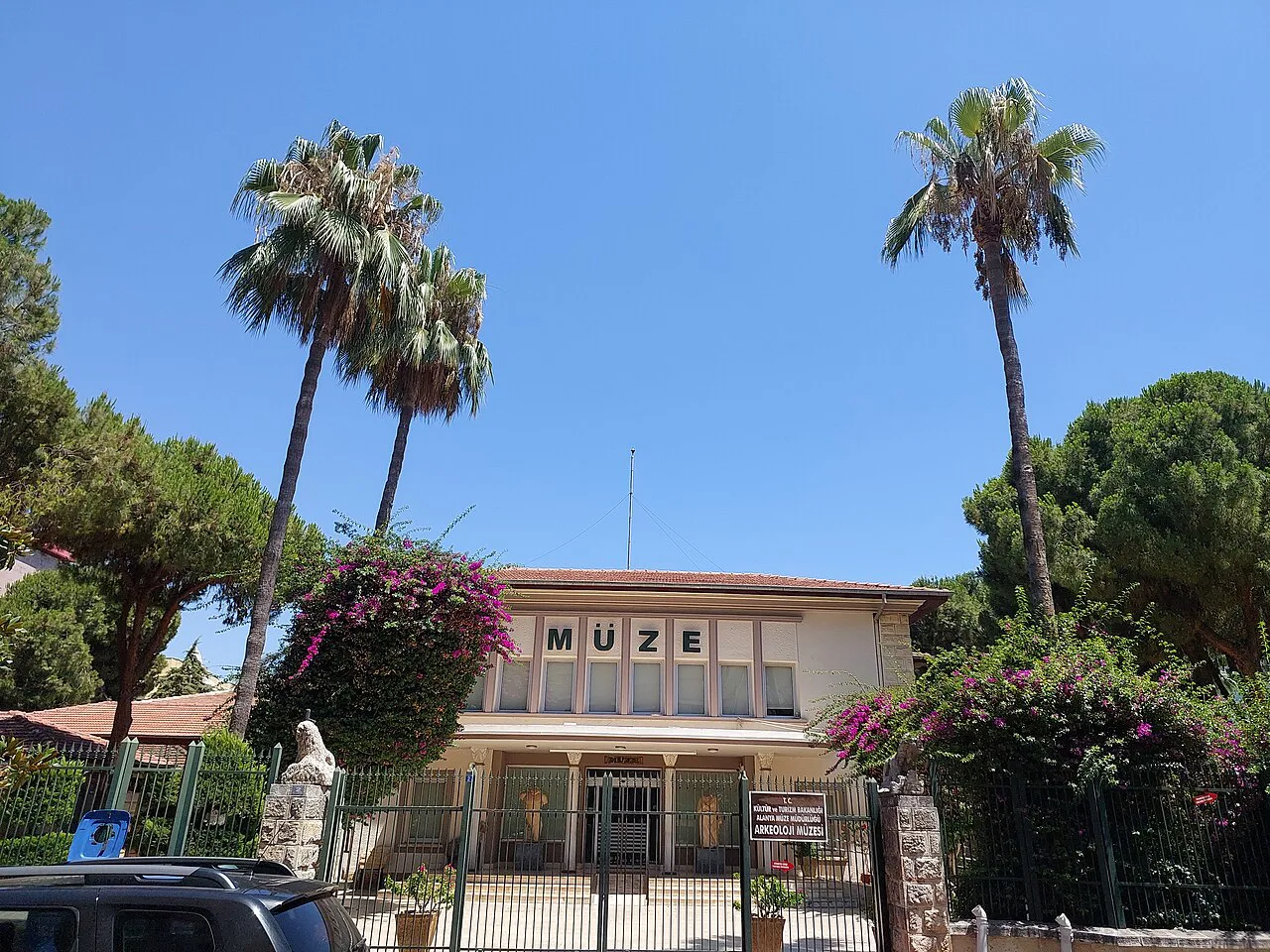
The finds that give the timeline its detail are held in museum collections rather than left on the sites, and the Alanya Archaeological Museum is the place to look for material from the surrounding area. The museum is credited with material extending to the 7th century, which makes it a useful complement to the castle walk. Pair the two on the same day if you want the objects behind the walls.
Further afield, Syedra is about 20 km from Alanya and is entered through a monumental gate still standing on the west side, and it is reached most easily by car. Treat it as a half-day trip rather than an addition to the castle morning.
Mosque etiquette and how long the castle takes
The Süleymaniye Mosque inside the castle has been renovated and is still used for prayer; when it is not occupied it is open to visitors, and women should cover their hair on entering. Dress and timing matter more than any ticket here, so avoid prayer times and keep voices low.
Allow half a day for the castle and old town together if you climb on foot, and rather less if you take the cable car up and concentrate on the upper town. Entry arrangements and opening times are not fixed in published sources, so confirm them locally before you set out.
Which period should you chase first?
Start with the Seljuks. Kızılkule, Tersane and the 1221 rebuild are the clearest, best-documented layer and they sit at the foot of the rock, so you get the story before the climb. Work upward to the Byzantine and Hellenistic walls, then finish in the Ottoman upper town around the Süleymaniye Mosque and the bedesten.
If you only have an afternoon, do the tower and harbour on foot and skip the upper circuit. With a full day, add the museum and ride the cable car one way.
Explore more Alanya guides
Frequently Asked Questions
Was Alanya Castle built by the Seljuks?
The castle's walls began well before the Seljuks, with Hellenistic work credited to Diototos Tryphon in the 2nd century BC and a Byzantine fortress phase in the 6th century. The Seljuks under Alaeddin Keykubat I rebuilt and expanded the defences in the 13th century and added Kızılkule and the Tersane dockyard.
Where can you see the Red Tower and dockyard?
Both sit at the foot of the castle by the harbour. Kızılkule stands 33 metres high with a diameter of 29 metres, and the Tersane is the Seljuk dockyard at the water's edge nearby, so the two are easily seen together on a harbour walk.
Is Cleopatra's secret passage in the castle real?
A local legend says Cleopatra entered the city through a secret passage in the castle. What the historical record supports is that Mark Antony gave the area to Cleopatra; the passage itself is storytelling rather than a route you can follow.
Sources
Notes for your next Turkey trip
Optional updates when we add or correct a town guide.
You might also like
Continue reading
More guides you'll find useful