Alanya Museum: Guide to the Alanya Archaeological Museum
Plan the Alanya Archaeological Museum: the bronze Heracles, the maritime hall, Damlataş Caddesi access, seasonal hours and ticket prices for foreign visitors.
On this page
The Alanya Archaeological Museum is a one-hour to ninety-minute stop that earns its place on any Alanya itinerary: a compact city museum with a celebrated bronze Heracles, a maritime hall and finds lifted from the castle above. It sits in Saray Mahallesi at the bottom of the road up to the castle, so it slots neatly into a half-day that also takes in the Red Tower and the harbour walls. This guide covers the route through the displays, the seasonal hours, the two separate ticket structures and the free museum that makes a sensible add-on.
Where the museum sits and how to reach it
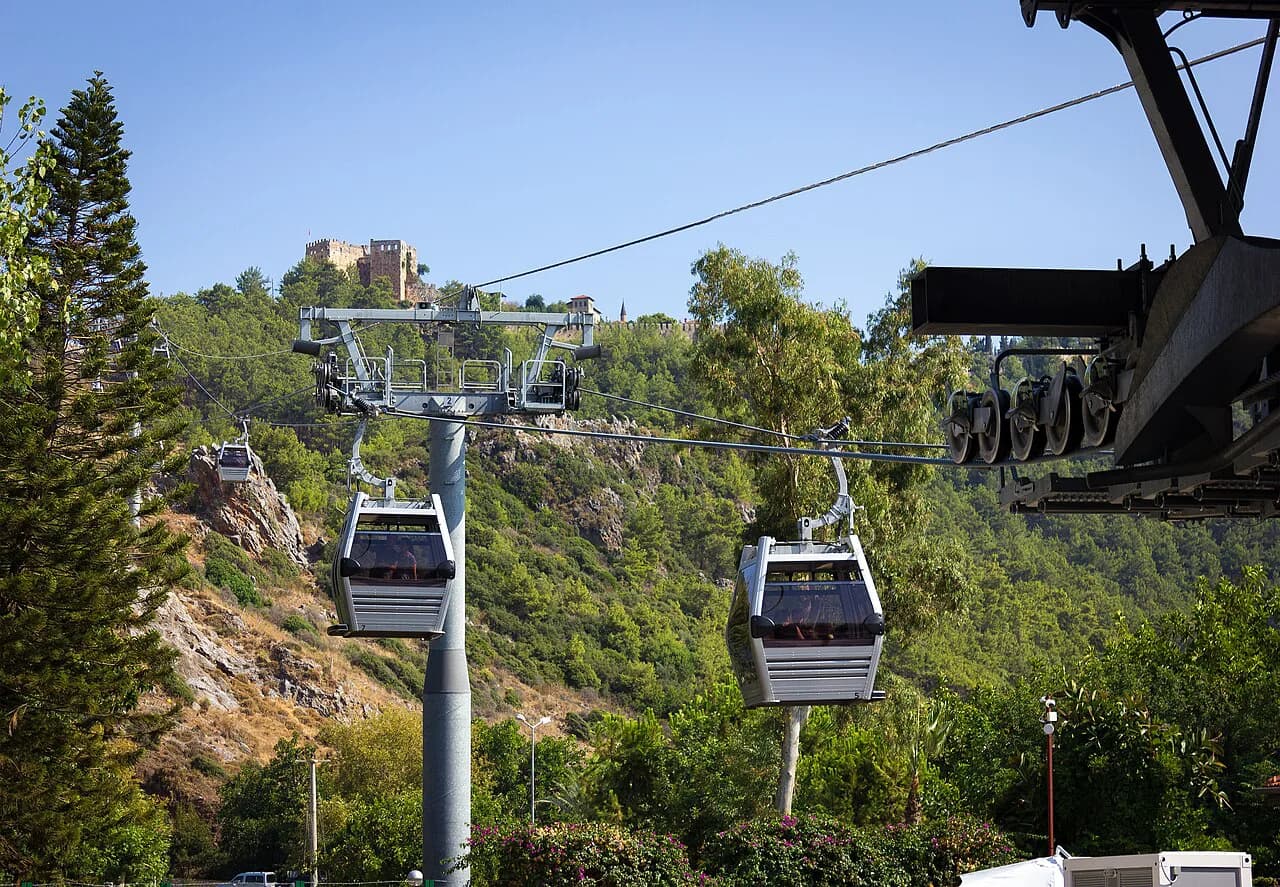
The museum stands at the starting point of the climb to Alanya Castle, in Saray Mahallesi, with its garden entrance on Damlataş Caddesi and its postal address on İ. Hilmi Balcı Caddesi. That puts it within a short walk of Damlataş Cave and the lower edge of the old town, so arriving on foot from the centre is straightforward. City buses serve the museum, and it is regularly paired with the cable car up to the castle as a single outing.
The museum is a single building, so most visitors combine it with the castle above and the Red Tower below. City buses serve the museum, and the compact historic centre makes walking between the museum, Damlataş Cave and the harbour realistic.
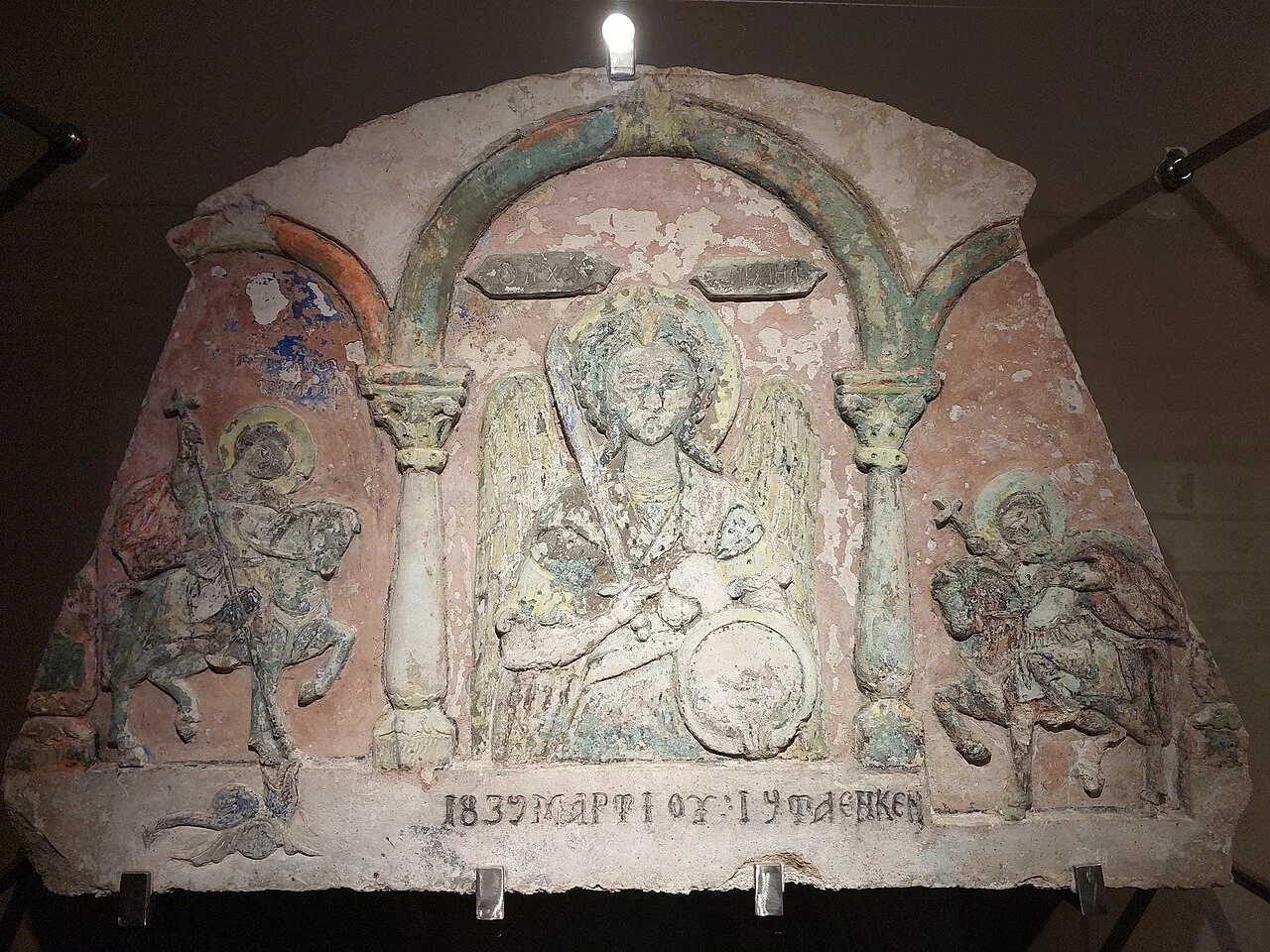
The route through the museum
The museum opened in 1967 and was redesigned in a renovation completed in 2012 to tell the story of Alanya and its surroundings. Start in the entrance corridor, where finds from Anatolia, Alanya and the surrounding region are laid out chronologically in four cases, alongside a Phoenician-language stone inscription dated to 625 BC and Roman bronze diplomas. Walking it in this order gives the themed halls that follow a timeline to hang on.
Beyond the corridor, the main hall arranges cases by theme rather than date: mythology, trade in antiquity, sport and health, figurines, glass and jewellery. The route is short enough to complete without much backtracking.
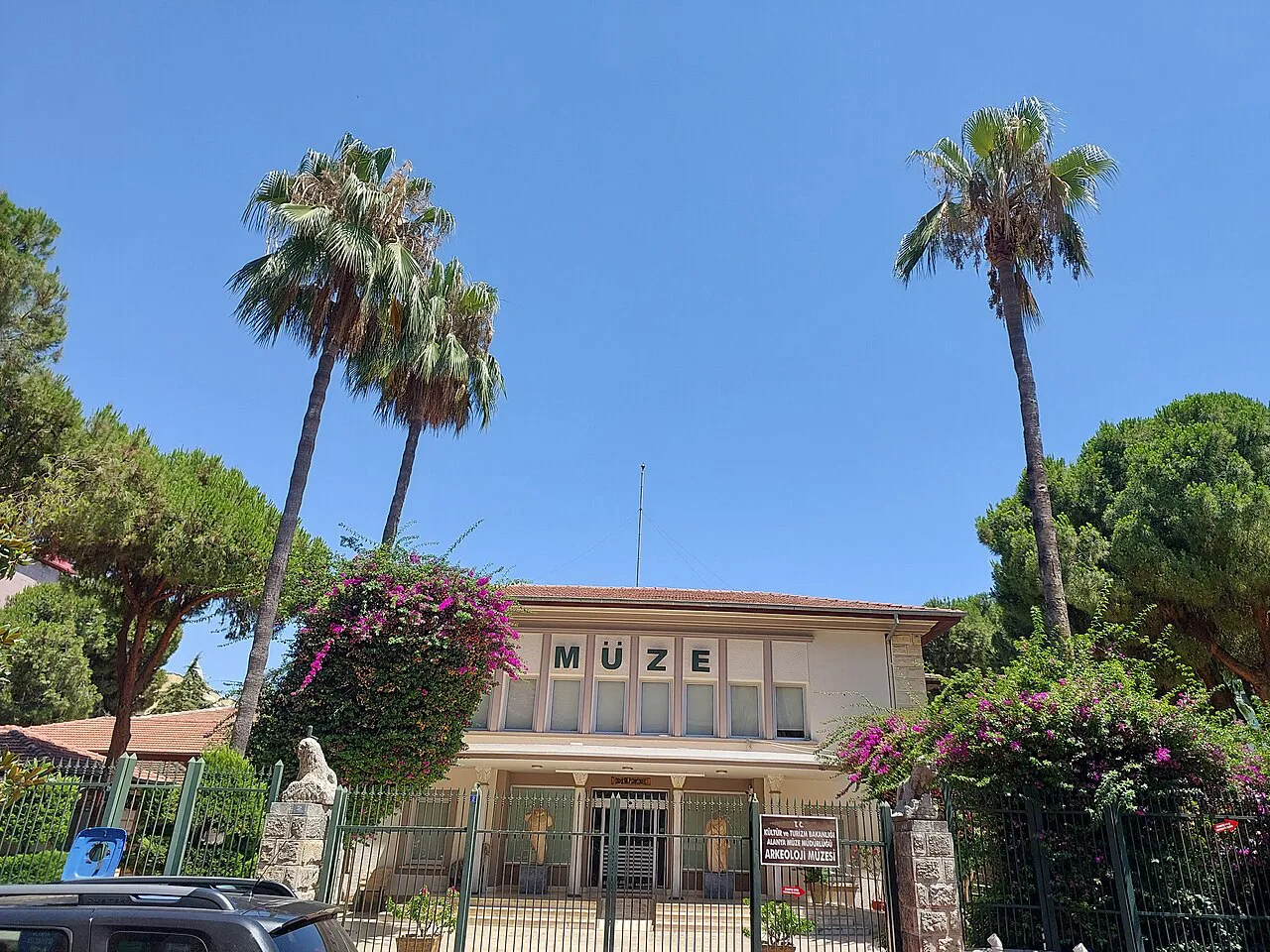
The bronze Heracles
The museum's emblem is a bronze Heracles 52 centimetres tall, dated to the 2nd century AD and displayed in a hall of its own. The hollow-cast figure holds a staff in one hand and a lion skin in the other, and it shares the room with a stage mosaic showing Hylas seized by water nymphs. This is the piece to see first if your time is short.
Ship and Maritime hall and the Castle hall
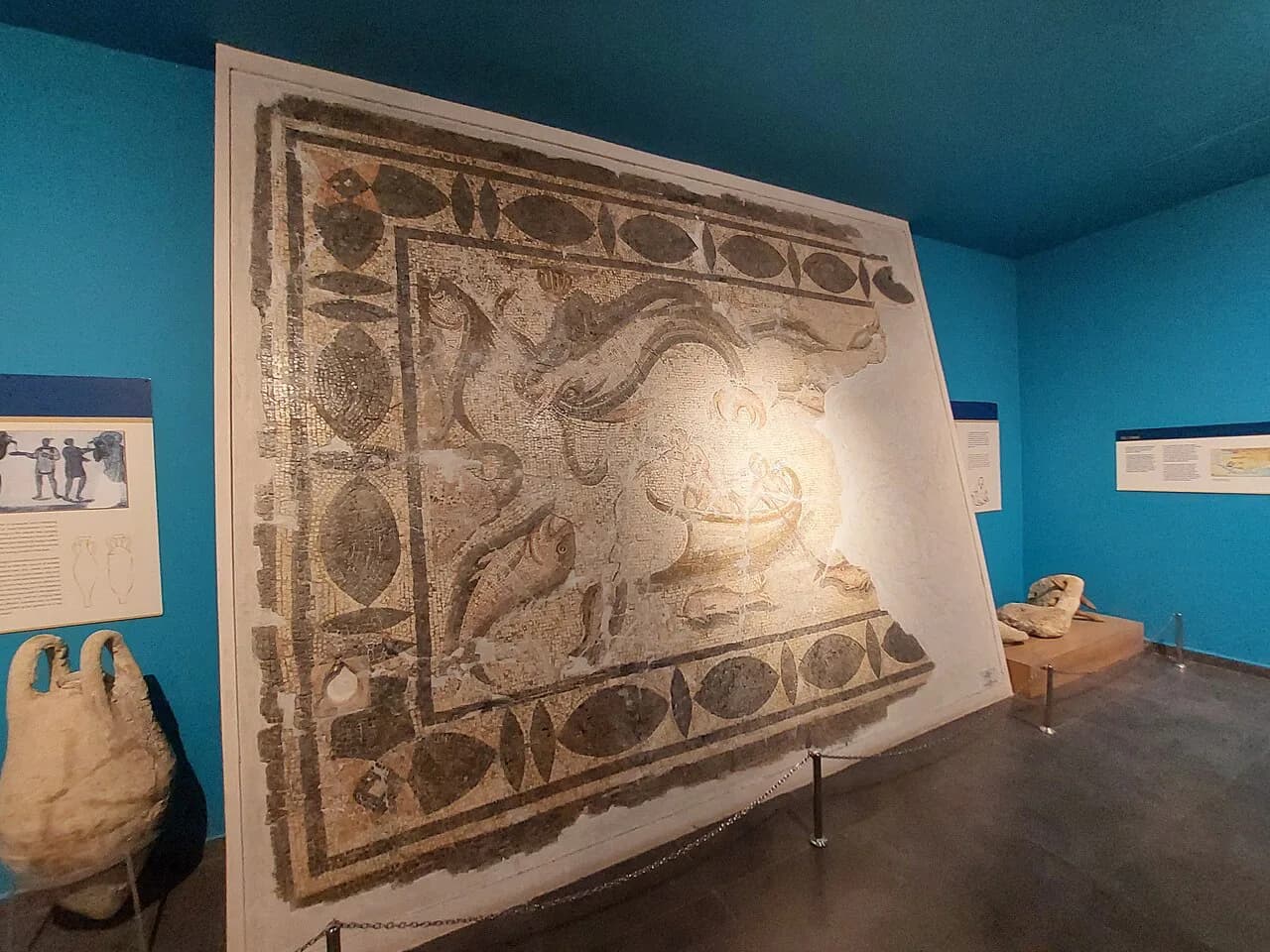
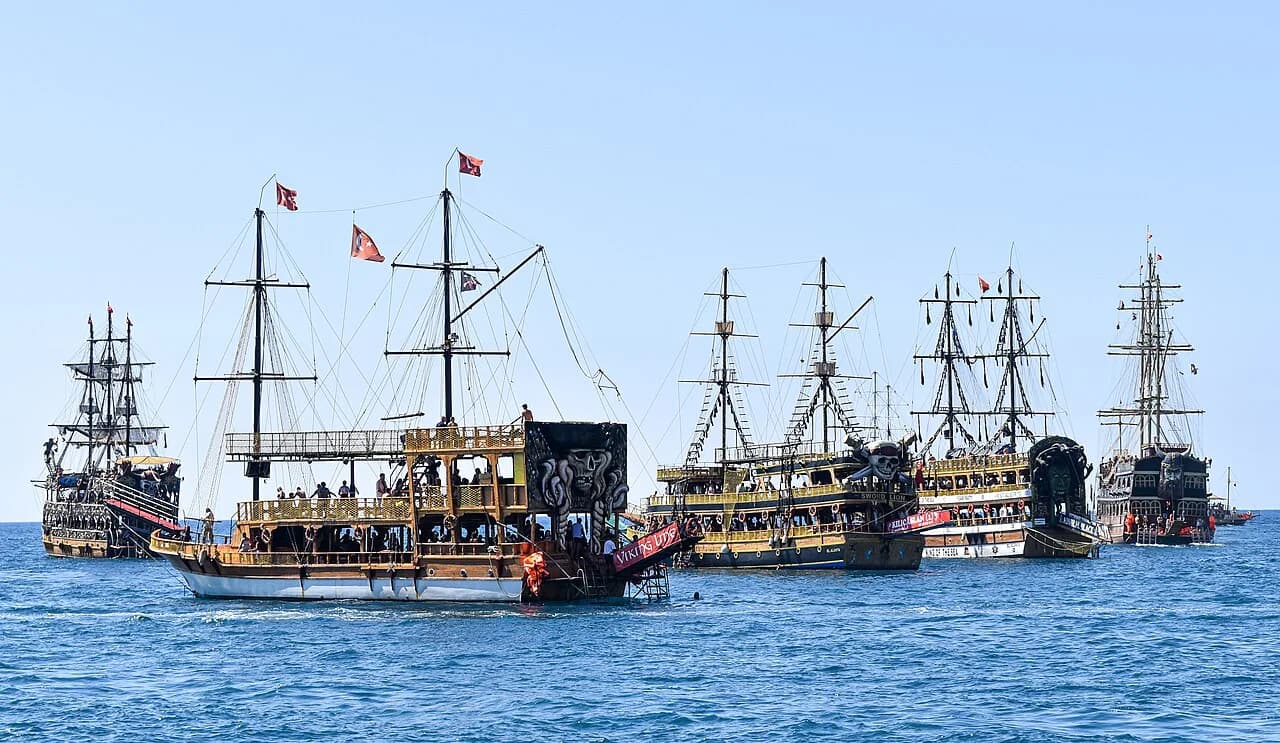
The maritime hall traces ship development and Alanya's seafaring, with a wall coating bearing ship graffiti brought from a house in the castle, a bronze Pegasus from a ship, a fishing Eros mosaic from the port settlement at Syedra, amphorae raised from the sea and a naval cannonball from the Abdul Hamid period. A moving shipyard and sea image lets you take the wheel and make an interactive pass through Alanya's port.
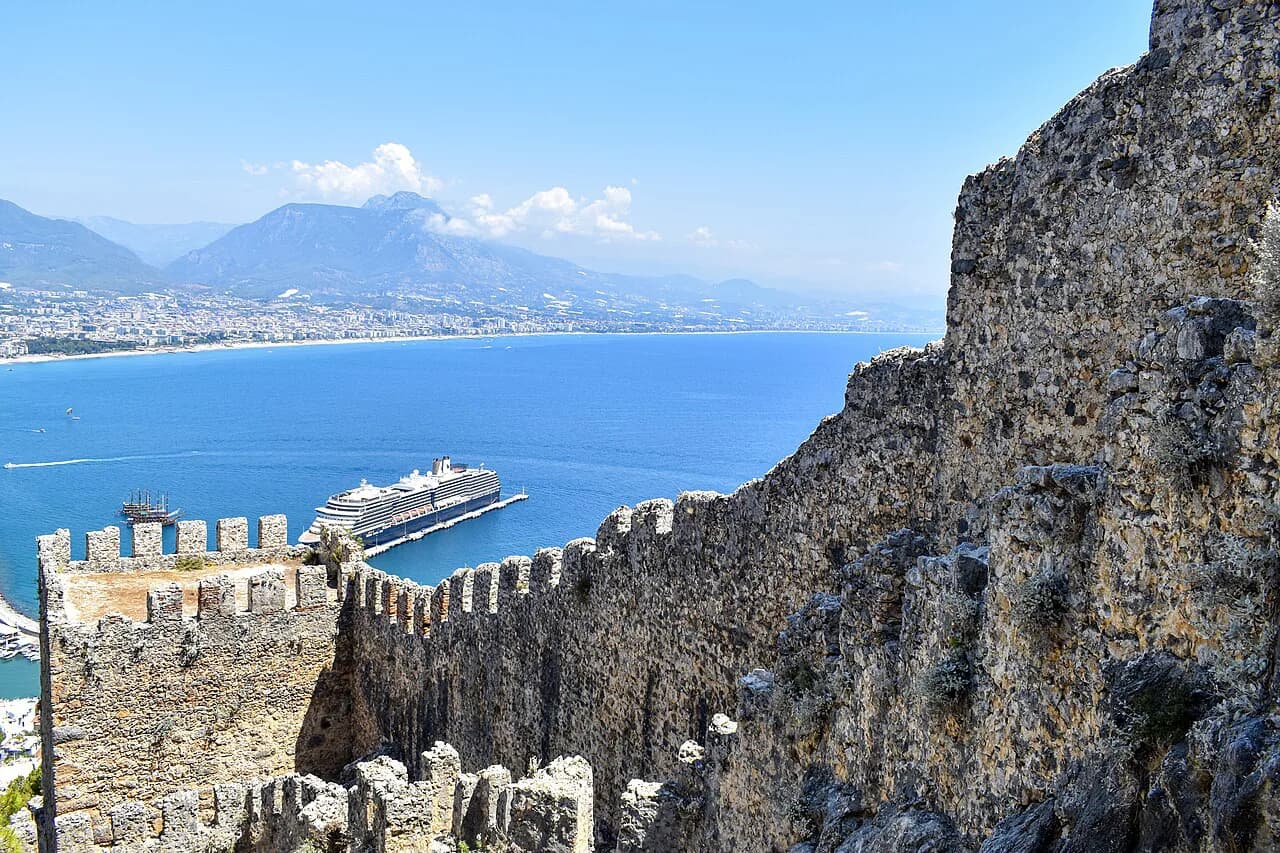
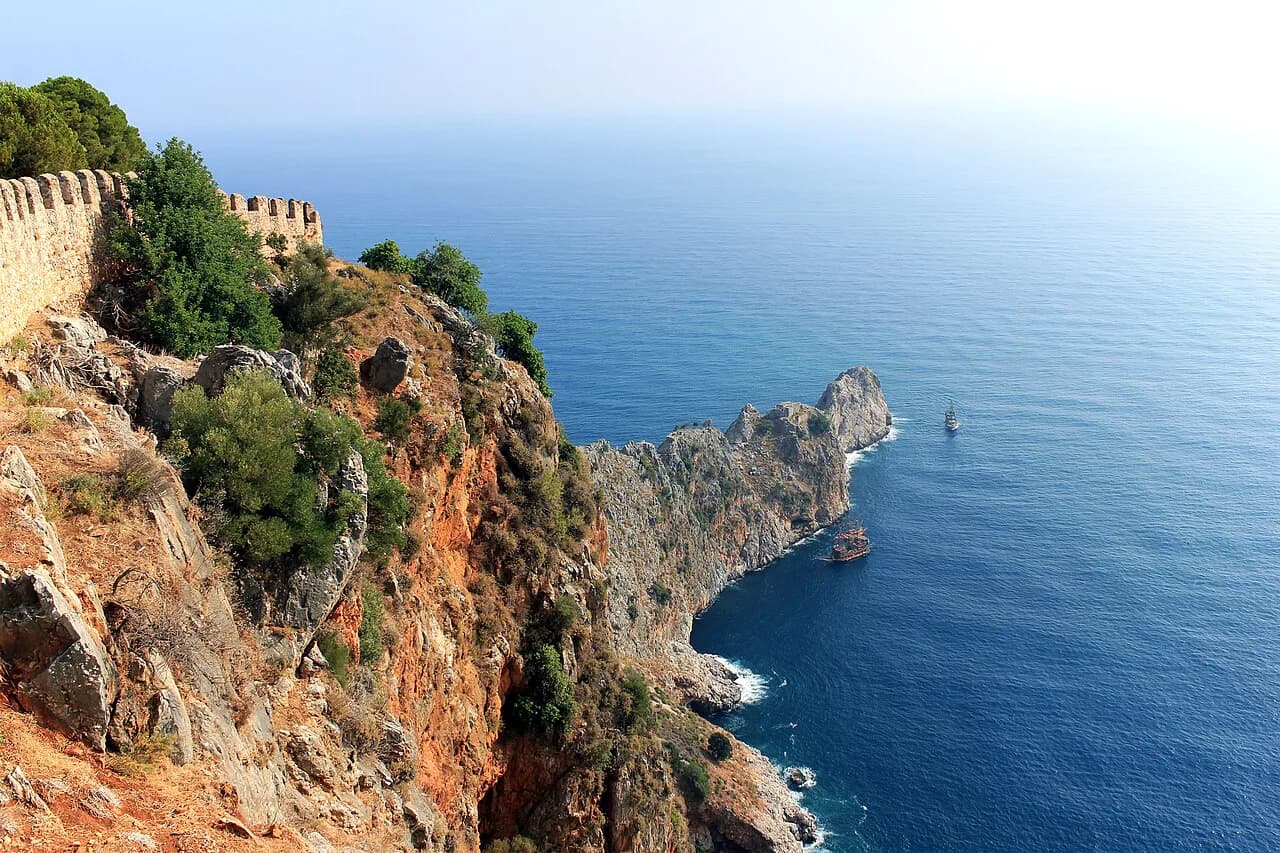
The castle hall gathers material from excavations in the İçkale, the inner keep of Alanya Castle and described as the most protected example of an Anatolian Seljuk fortress. Look for the star-shaped tile carrying Alaeddin Keykubad's titles together and a lead seal found at Karaköy Castle bearing his portrait. The Coin section finishes the circuit with coins from different periods and cities of the region.
The garden and open display
Outside, the open display holds decorated Roman column heads, grave steles, sculptures, ostotheks and sarcophagi, plus Islamic inscriptions and gravestones. One corner explains how oil was pressed and which tools were used in Roman-era farming, which makes a useful counterpoint to the display cases indoors. The marble sarcophagus with a garland and Eros was recovered from the sea off Okurcalar.
Children's activity room
A children's activity room at the museum entrance runs puzzles and other activities, so families can break up the display halls. The building also has toilets, step-free access, a playground and an educational area. Budget a little extra time if you are travelling with younger children.
Opening hours and the ticket office cut-off
Opening times run to two seasonal schedules. In summer (2 June to 1 October) the museum is open daily from 08:30 to 21:30; in winter (2 October to 30 April) it opens daily from 08:30 to 17:30, with the ticket office closing at the same time. In other words, a late-afternoon arrival in winter needs planning: the cut-off is the closing time, not an hour before it.
Ticket prices and who enters free
There are two ticket lines. Turkish citizen adults pay 200.00 TL, while non-Turkish visitors aged 8 and above pay 4.00 euros, and non-Turkish visitors aged 8 to 18 pay the same 4.00 euro rate. So British, Irish and US travellers should expect the euro line rather than the lira one; confirm the current rate before you travel, since these figures come from the museum listing.
Several groups enter without paying: children aged 0 to 8 of any nationality, Turkish citizens aged 8 to 18, Turkish citizens aged 65 and over, and university students of art history, archaeology or museum departments. So British, Irish and US children under 8 go free as well. Bring proof of status for the student and age categories, and simply show your document at the ticket desk.
Museum Pass The Mediterranean
If you plan to see several Ministry of Culture and Tourism sites across the region, Museum Pass The Mediterranean covers more than 40 museums and sites in Antalya, Mersin, Adana and Denizli over seven days for 90 euros. It is not valid for Night Museum visits, so an evening opening needs a separate ticket. For a single museum stop in Alanya, the standard ticket is the simpler choice.
Alanya Atatürk House Museum
In Şekerhane Mahallesi, the three-storey house where Atatürk stayed on 18 February 1935 now displays his personal belongings and traditional Alanya domestic life. Upper floors show clothing, embroidery, jewellery and weapons, with displays on an Alanya wedding and local cuisine. Entry is free, which makes it the natural low-cost add-on to the archaeological museum.
Which museum suits which visitor
The Archaeological Museum is the pick for sculpture, maritime finds and a single well-labelled circuit, while the Atatürk House suits anyone interested in the republic era and domestic life, and costs nothing. Azakoğlu Mansion, another traditional Alanya house in Şekerhane Mahallesi, is planned to become a city museum rather than opening as one now, so check before setting out for it.
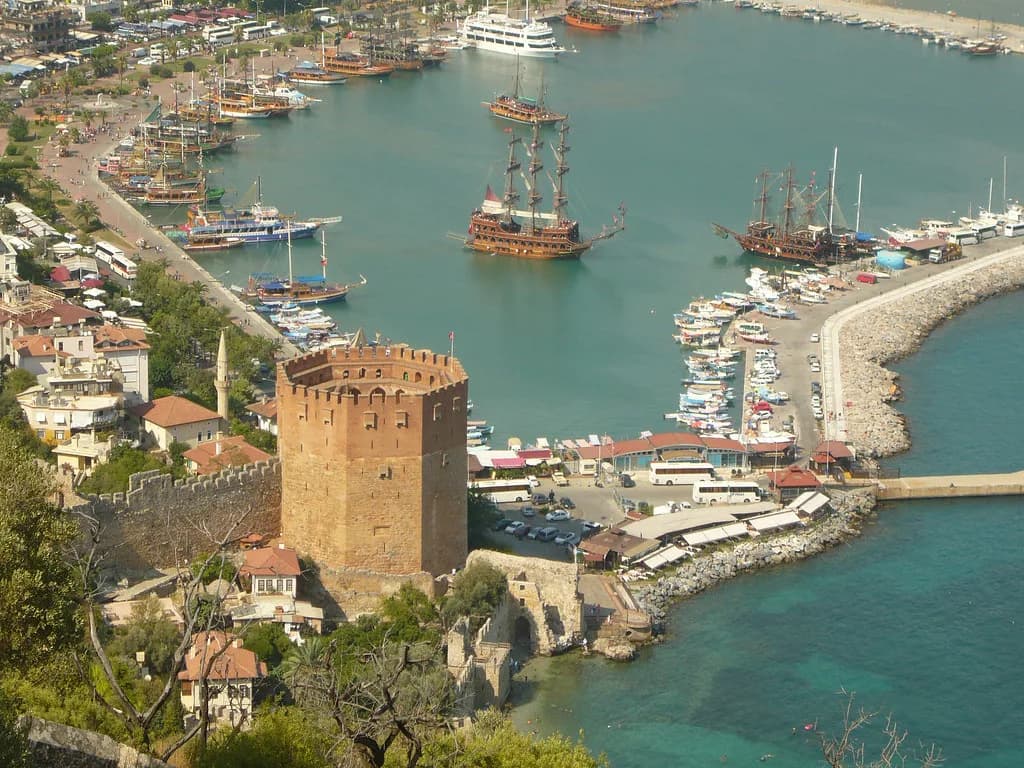
Pair the Archaeological Museum with the castle ruins at İçkale and the Red Tower for a full day on the peninsula. Walk up through the old town, or take the cable car from near Damlataş Cave, and finish at the harbour. Allow the museum a morning and the castle the afternoon, since the castle climb is exposed.
Is the archaeological museum worth your morning?
Yes, if you want a manageable, well-signposted collection with one standout bronze and a maritime hall that explains the town's relationship with the sea. Skip it only if you have a single day and would rather spend it entirely on the castle and harbour.
Explore more Alanya guides
Frequently Asked Questions
Do I need to book Alanya Archaeological Museum tickets in advance?
The museum listing shows an online buy option, but it is small and most visitors simply turn up at the ticket desk on Damlataş Caddesi. Advance booking is worth considering in high summer, when a late arrival can run into the closing time.
How long does a visit to the Alanya Archaeological Museum take?
Most visitors see the whole circuit in an hour to ninety minutes, including the garden and open display. Add extra time if you use the children's activity room or read the coin and castle sections closely.
Sources
Notes for your next Turkey trip
Optional updates when we add or correct a town guide.
You might also like
Continue reading
More guides you'll find useful