Anzac Cove, Gallipoli: Visiting the Site and Getting There
Anzac Cove on the Gallipoli peninsula marks the 25 April 1915 landing. What you will see, how to reach it, and how guided tours differ from going alone.
On this page
Anzac Cove is a small cove on the Gallipoli peninsula in Çanakkale Province, Türkiye, and the place where the Australian and New Zealand Army Corps landed on 25 April 1915. It is a war memorial and pilgrimage site rather than an attraction with a gate, so the visit is about the beach, the surrounding cemeteries and the landscape. This guide covers what you see there, the difference between turning up alone and joining a guided tour, how to reach the peninsula, and how much time to set aside.
Where Anzac Cove is and what it is
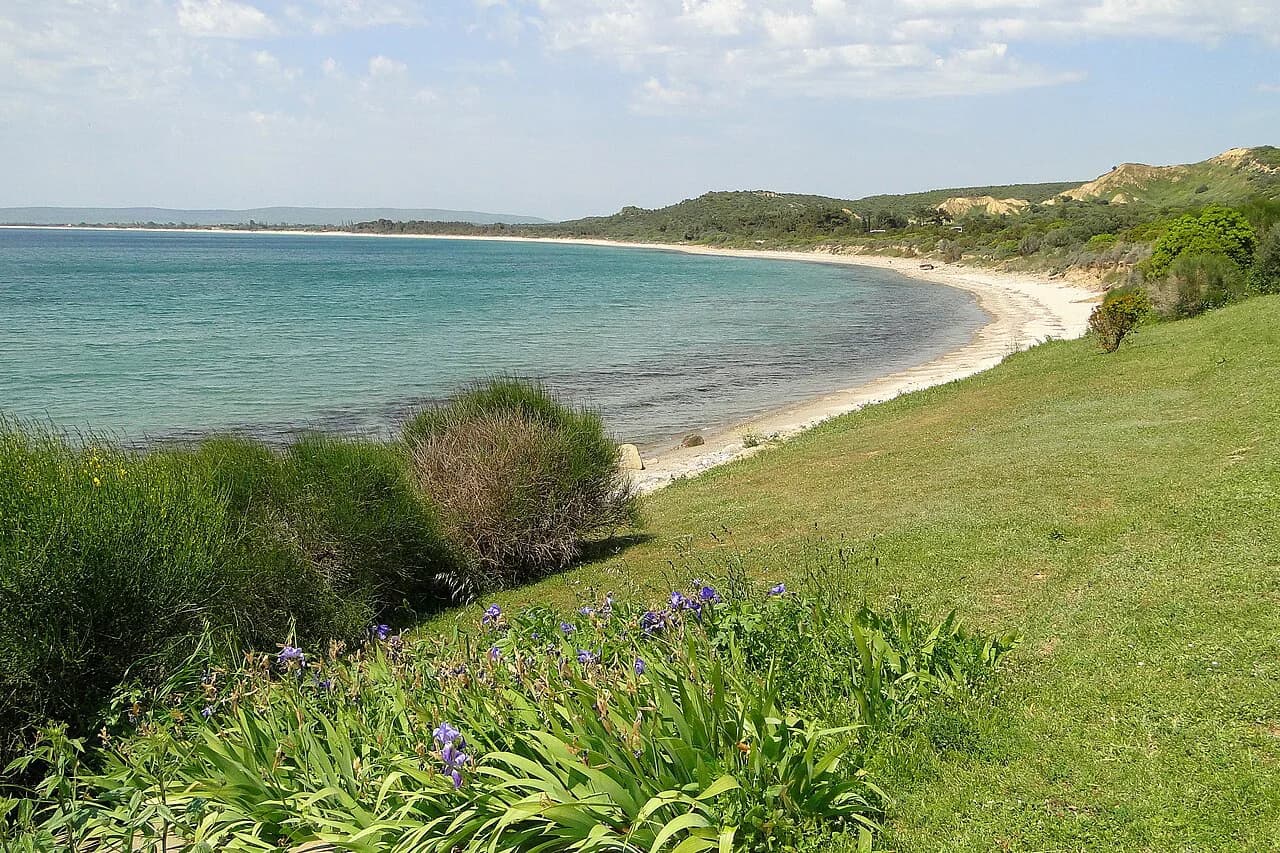
The cove sits on the Aegean coast of the Gallipoli peninsula, in Çanakkale Province in north-west Türkiye, facing the water the landing craft came in from. It is a historic coastal memorial area within the peninsula rather than a walled site, and it forms part of a wider landscape of cemeteries and memorials dedicated to soldiers who died in the campaign. Visitors come to walk the shoreline, read the memorials and see the ground the campaign was fought over.
The Anzac area covers ground held from April to December 1915, and a map of that sector helps make sense of how small the beachhead was relative to the ridges behind it. If you are building a day around the peninsula, treat the cove as one stop on a loop rather than a destination in itself. The nearest sizeable town for ferries and services is Çanakkale, across the water from the peninsula.
What happened at Anzac Cove on 25 April 1915
Anzac troops landed at the cove on 25 April 1915, the start of the Gallipoli Campaign of the First World War. The landing began a long and difficult campaign in which Allied forces fought Ottoman troops on the peninsula. Every year on 25 April, commemorative services are held at the site for Anzac Day.
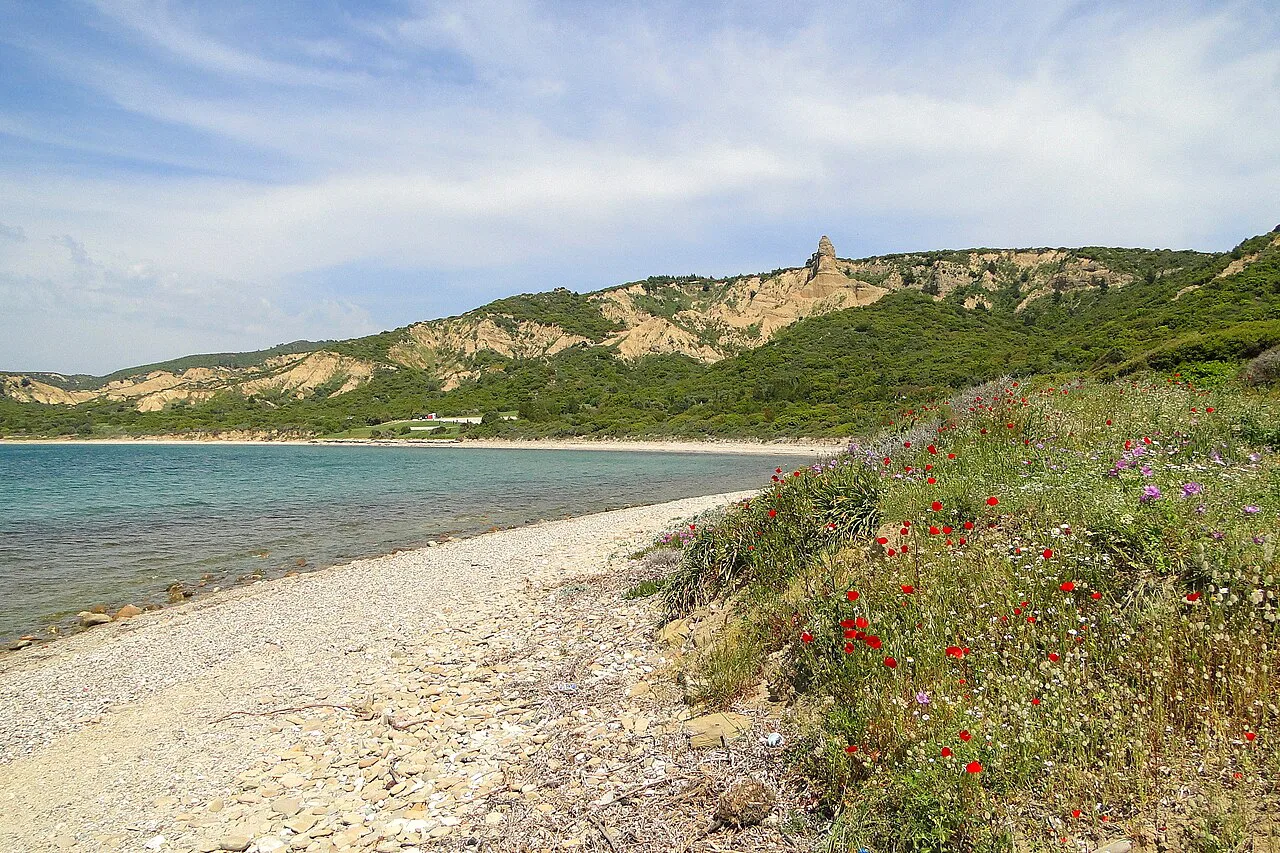
The ground itself is the point: the beach is short, the slope behind it steep, and walking between the cove and the ridge-top memorials gives a clearer sense of the terrain than reading any panel. Allow time to move between stops on foot rather than expecting to see everything from the car park.
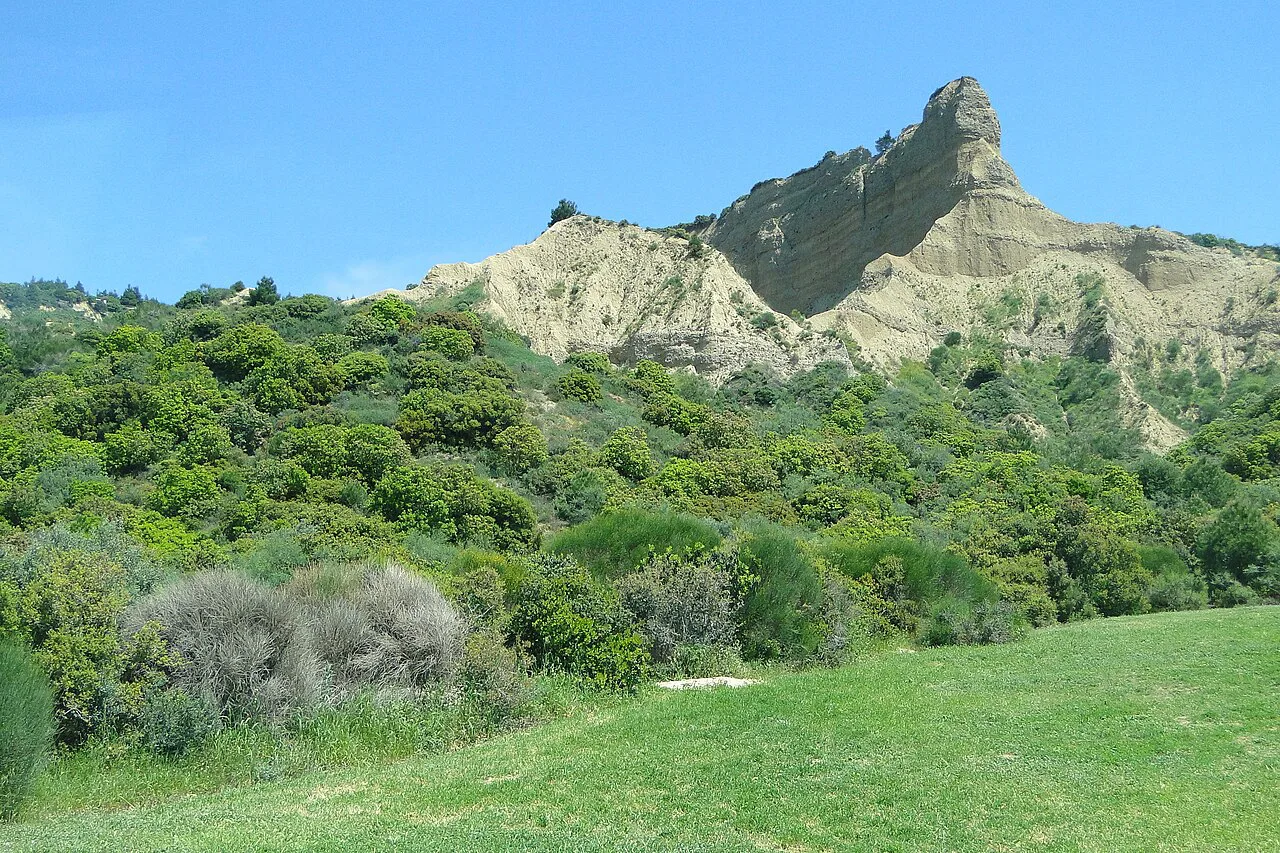
What you'll see at the cove and on the surrounding peninsula
At the cove you get the beach, the water and a memorial setting, with cemeteries and memorials spread across the surrounding peninsula. The wider area includes the Allied and Ottoman memorials that make the peninsula a place of commemoration for several nations, not only Australia and New Zealand. Plan your stops around the coastline and the high ground so you are not driving back and forth along the same road.
If the Gallipoli battlefields are your main reason for being in the region, give them a full day and use the cove as one anchor point among several. The ancient site of Troy lies near Çanakkale on the other side of the water, which makes a two-day pairing practical if you are already this far west.
Tickets and opening hours: what applies to an independent visit
Anzac Cove generally does not require an entrance ticket for viewing the cove, and no advance booking is needed for an independent visit. The outdoor memorial area generally has no fixed visitor opening hours, although nearby museums and memorial facilities may keep separate schedules. Guided Gallipoli tours, by contrast, may need advance reservation.
That split matters when you are deciding what you are paying for: a tour buys transport, a guide and an itinerary, not admission to the cove. Photography and video for personal use are generally permitted, provided visitors respect the memorial character of the area, while commercial filming or organised photo shoots may need prior permission.
Getting there: ferries, driving and guided tours
Most visitors approach the peninsula by road from Çanakkale or by ferry across the strait, with both car and pedestrian services running on the crossing. Having your own vehicle gives you the freedom to stop at the cove and the ridge memorials on your own timing, while a guided tour removes the navigation and the driving.
Guided tours can change their itinerary because of weather, road conditions, official ceremonies, security measures or other unforeseen circumstances, so check current details before paying if the cove is the only reason you are booking. Read the inclusions and cancellation terms carefully, since the tour company's policy applies to any package that includes the cove.
How long to allow at the cove and nearby memorials
The cove itself takes little time; the peninsula takes most of a day once you add the cemeteries, the ridge memorials and the driving between them. Build in slack for slow walking on slopes and for reading the panels at each stop. A half-day works only if you concentrate on the immediate Anzac sector.
Independent visitors can spread the visit according to their own itinerary, which suits anyone who wants to linger at one memorial rather than follow a coach schedule. If you are short of time, pick the cove plus the nearest ridge viewpoints and leave the rest of the peninsula for another trip.
Behaviour and conditions at a memorial site: uneven ground, weather and respect
Some parts of the peninsula have uneven terrain, slopes and natural surfaces, so accessibility is limited and sturdy footwear helps. Outdoor access can also be affected by strong winds, rain or heat, and the coastal sections call for care near the water. Stay within designated visitor areas and follow local signs and safety instructions.
This is a cemetery landscape as much as a battlefield, so quiet, respectful behaviour around the graves and memorials is expected. Do not climb on memorials, monuments or protected structures, and keep children supervised. Dress and behave as you would at any war cemetery.
Anzac Day services at the cove and what that means for other dates
Commemorative services are held at the site each year on 25 April for Anzac Day, which changes the character of the cove on that date. Expect formal ceremonies, restricted movement around the memorial areas and a very different atmosphere from an ordinary visit. If you want a quiet look at the beach and the panels, choose another day.
Official ceremonies and security measures can also affect guided itineraries at short notice, so check what your tour includes before booking around the date. For the rest of the year the cove functions as an open memorial area that you can visit on your own schedule.
Independent visit or guided Gallipoli tour?
Go independently if you have a car and want to move between the cove and the ridge memorials at your own pace, since the cove needs no ticket or booking. Book a guided tour if you would rather not drive the peninsula or want the campaign explained as you go, and read the inclusions and cancellation terms first. Either way, give the peninsula most of a day rather than treating the cove as a quick photo stop.
Anzac Cove fits naturally into a wider Gallipoli itinerary, and the crossing from Çanakkale makes it easy to combine with the ancient site of Troy on the same trip. Check service times and any ceremony arrangements close to your travel date, as these are the details most likely to shift.
Explore more Canakkale guides
Frequently Asked Questions
Where in Turkey is Anzac Cove?
Anzac Cove is on the Gallipoli peninsula in Çanakkale Province, north-west Türkiye, on the coast facing the Aegean. The nearest town of any size for ferries and services is Çanakkale, across the strait from the peninsula.
On what date did the Anzac troops land at Gallipoli?
The landing took place on 25 April 1915, at the start of the Gallipoli Campaign of the First World War. Commemorative services are held at the site each year on 25 April for Anzac Day.
Do I need a ticket for Anzac Cove?
No. Anzac Cove is an open memorial area and generally does not require an entrance ticket or advance booking for an independent visit, and it has no fixed visitor opening hours. Nearby museums and memorial facilities may keep their own schedules, and guided tours may need advance reservation.
Sources
Notes for your next Turkey trip
Optional updates when we add or correct a town guide.
You might also like
Continue reading
More guides you'll find useful