
Roman Baths of Ankara: What to See at the Roma Hamamı Ruins

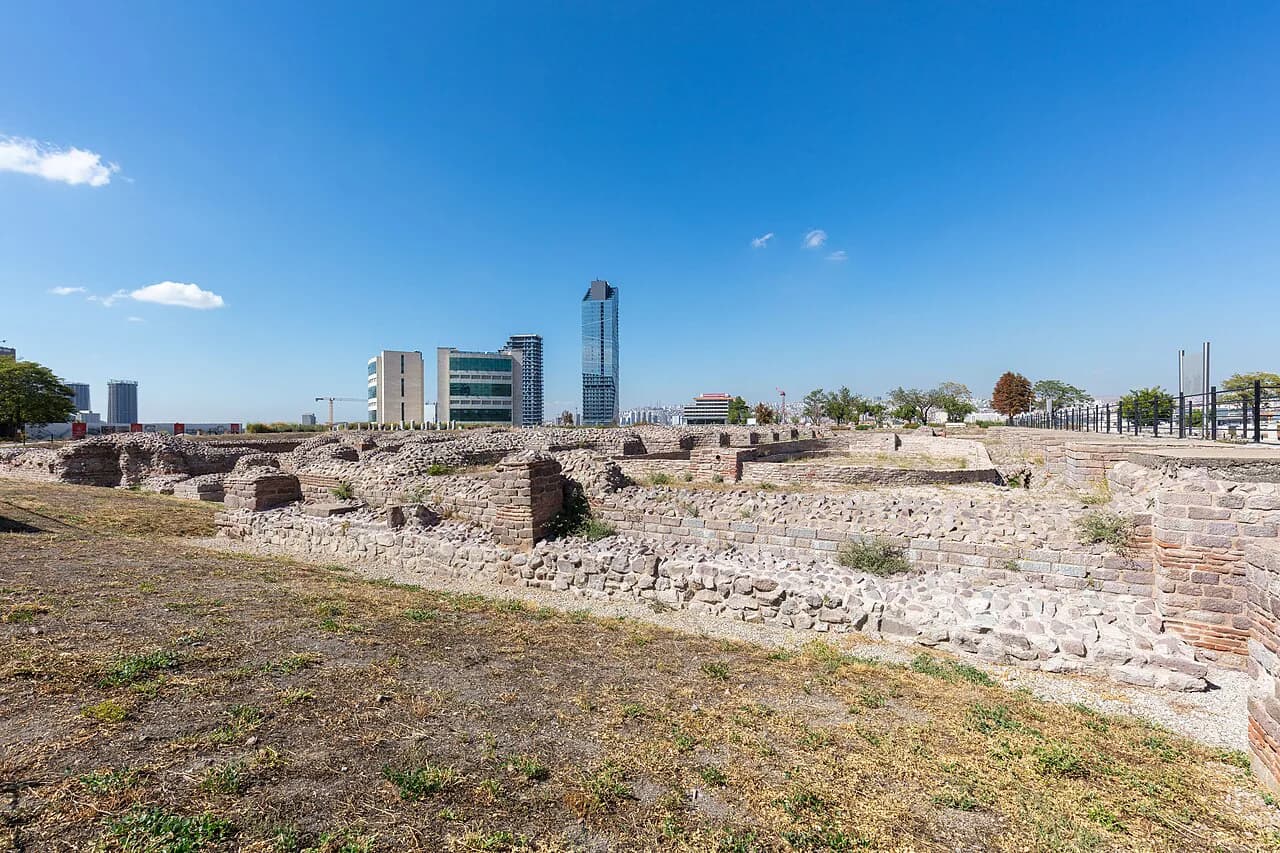
The Roman Baths of Ankara are an open-air ruin in Altındağ, not a working bath: you walk among excavated stone foundations, with no water and no roofed museum hall over the main complex. The site suits a one to two hour stop that slots into a morning around Hacı Bayram and Çankırı Caddesi, and this page covers where it is, what survives, how long to allow and what to see nearby.
What the Roman Baths of Ankara are
The ruins are the remains of a Roman bath complex, laid out on a mound in the Altındağ district of central Ankara. The listing for the site records an open-air museum over bath ruins dated to the 3rd century, and notes that the lowest layer of the mound reaches back to the Phrygian period. Read it as an archaeological display rather than a visitor attraction with fittings and fixtures, and the modest scale will make sense.

Where it is: Çankırı Caddesi and Hacı Bayram
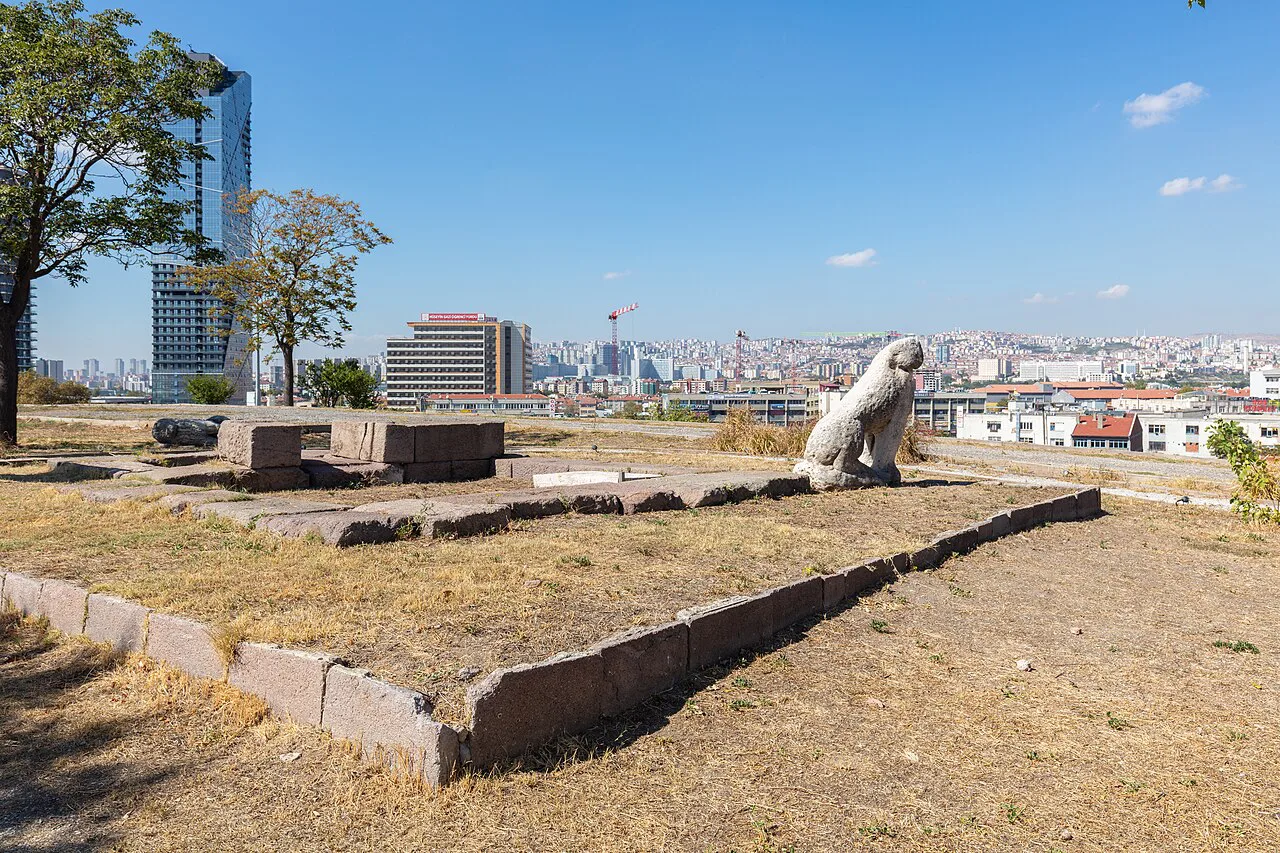
The address is Hacı Bayram, Çankırı Caddesi No:43, 06050 Altındağ, Ankara, with a listed telephone number of (0312) 310 72 80. That puts it on the Çankırı Caddesi axis beside the Hacı Bayram neighbourhood, a short walk from the Hacı Bayram mosque and its surrounding square. If you are navigating by landmark rather than street number, aim for Hacı Bayram first and walk from there. For the wider picture of what else is in this quarter, see Ankara Attractions: 4 Visitor Guides.
How to get there and how it fits a walk
Altındağ sits in the old heart of the city, and the baths work best as part of a walking circuit rather than a separate taxi trip. Ankara's older monuments cluster together, which makes a route sensible: the baths, the Temple of Augustus and Rome, and the citadel on its hill are all in this quarter. Plan the baths as the low, flat stop at the start of the walk and leave the climb to the citadel walls for later.
Buses and minibuses run along the main roads into Altındağ, but services and stops change, so confirm your route on arrival rather than relying on a fixed plan. If you are building a wider day across the city, seeing the full spread of things to do in Ankara helps you decide how much time to give each district.
What you actually see: the excavated complex
Expect low walls, floor plans and stone fragments across an open site, with the layout of the bath complex readable in the ground. The ruins are presented as an exposed open-air archaeological site rather than a roofed museum display. Plan for sun exposure across the excavated area, which is the main trade-off of a midday visit.
The layers beneath the bath
The mound under the ruins carries earlier material, and the listing describes the site as built on a höyük whose lowest layer reaches the Phrygian period. That layered sequence is the reason the site repays a slower look: you are reading a bath complex built on top of an older settlement, not a single-period monument. The visible remains are exposed foundations rather than a reconstructed interior.
How long to allow
Give the baths one to two hours, which the listing describes as typical for a place of this kind. Walkers with a casual interest will be through the visible ruins faster; anyone reading the plan and the surviving masonry will want the upper end. Build the stop into a longer Altındağ morning rather than making it the purpose of a trip across the city.
Opening hours and the ticket desk
A current listing records daily opening hours of 08:30 to 17:00 and an entry fee without stating an amount. Hours and ticket arrangements can change seasonally, so confirm them before you set out, along with any weekly closing day and whether Müzekart applies.
Weekday mornings are the quieter choice according to the listing, which notes that weekend afternoons are busiest. If your plans are fixed to a weekend, arrive at opening rather than mid-afternoon.
Nearby: the Temple of Augustus, the citadel and the museum
The Temple of Augustus and Rome lies close by on the Hacı Bayram side, and its surviving Latin inscription is the anchor of any Roman walk in the city. The walls of the citadel above are made partly from recycled classical stone, and one reused inscription still carries the readable Greek letters POMA, for Rome.
Allow time for the Museum of Anatolian Civilizations, which holds an inscribed column celebrating the emperor Septimius Severus along with its better known prehistoric collections. Its Roman holdings make it a natural companion to the baths rather than a substitute for them.
Other city landmarks fit around this quarter: Kocatepe Mosque (Kocatepe Camii), Ankara is a short modern-era counterweight to the old walls, and Anıtkabir sits on its own hill outside the old quarter and needs separate transport. Both are worth their own half-day rather than being squeezed in after the baths.
What people get wrong
The most common confusion is with the Roman Baths in Bath, England, a museum site with a Great Bath and a Pump Room and ticketed entry sold through its own official website. The Ankara ruins are an open-air archaeological display with no bathing water. Expect open ground and stone foundations, and you will judge the site on its own terms.
The second error is assuming that a modest ruin takes five minutes. Read the plan and the pieces of reused stone, and the one to two hour allowance is realistic rather than generous.

Should the baths be on your Altındağ walk?
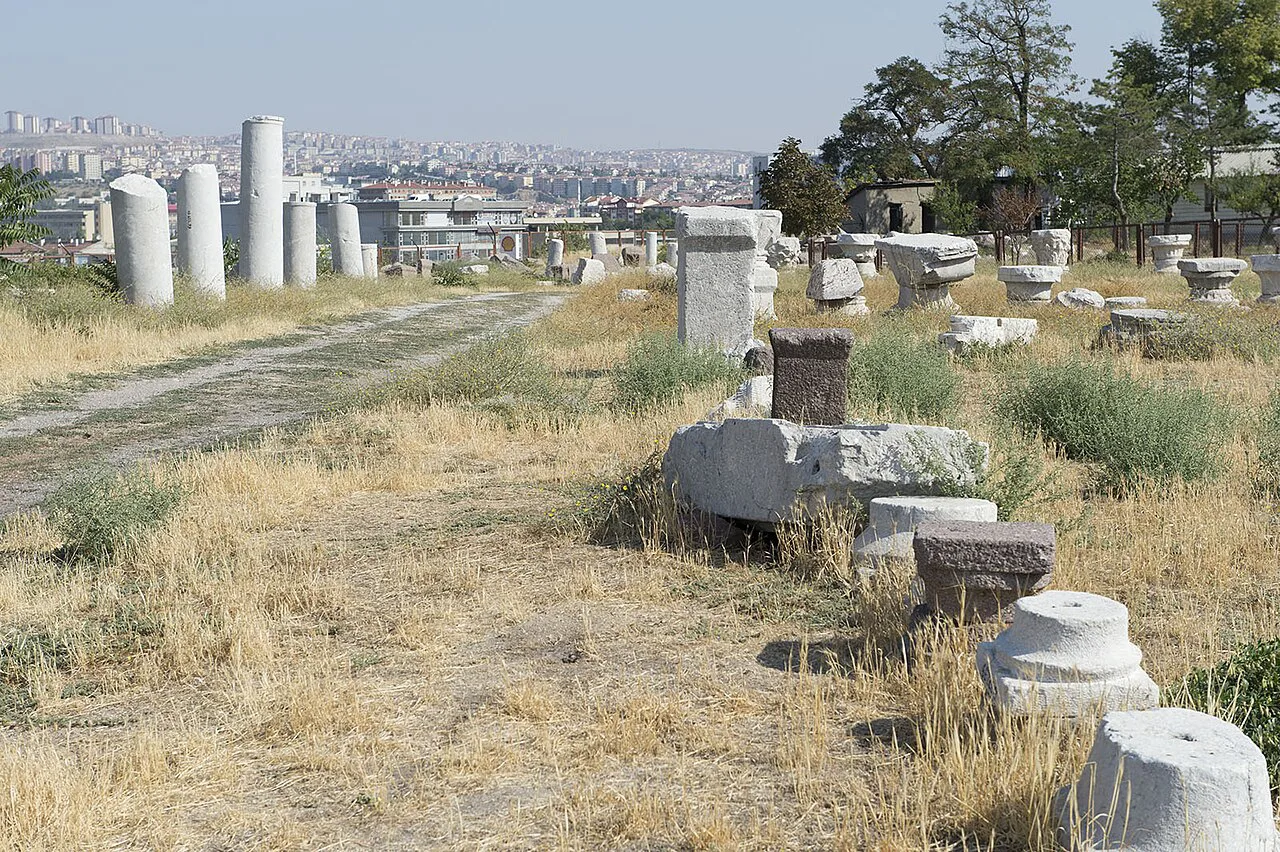
Yes, if you are already heading to Hacı Bayram, the Temple of Augustus and the citadel: the baths are a short add-on that explains the Roman city underneath the modern capital. Come in the morning, allow an hour or two, and bundle it with the temple and the walls. If you want a single heavyweight museum instead, spend the time in the Museum of Anatolian Civilizations and treat Roma Hamamı as a passing look.
Frequently Asked Questions
Can you still bathe in the Roman Baths in Ankara?
No. The site is preserved as excavated ruins in an open-air setting, with the layout of the complex visible in the ground rather than water basins in use. Visitors walk around the remains; there is nothing to bathe in.
Are the Roman Baths in Ankara free to enter?
The listing records an entry fee without stating an amount. It advises confirming ticket desk arrangements and museum-pass validity, which can change seasonally.
How do I tell the Ankara baths apart from the Roman Baths in Bath?
They are different sites in different countries. Bath's Roman Baths in England are a ticketed museum with a Great Bath and a Pump Room, sold through its own official website. Ankara's Roma Hamamı is an open-air ruin in Altındağ, close to Hacı Bayram and Çankırı Caddesi.