Things to Do in Ankara: Old Town, Museums and Anıtkabir
Plan Ankara sightseeing by district: the castle and old quarter, Ulus Roman sites, the Museum of Anatolian Civilisations and Anıtkabir, with hours from the guides.
On this page
Ankara suits one tight day built by district rather than one long list: castle first, old quarter next, Ulus after that, and Anıtkabir last with at least 90 minutes set aside. That order keeps you on foot for the historic core and saves the capital's biggest monument for when the castle crowds have thinned. This guide covers the walls and towers of Ankara Castle, the Roman remains and mosque in Ulus, the Museum of Anatolian Civilisations, Anıtkabir, Hamamönü, Kızılay and the transport decisions a short stay actually involves.
The city is the seat of government rather than a resort, and it spreads over a large area of central Anatolia, so hop-on-hop-off wandering between districts wastes the day. Group the castle, Kaleiçi and the museum into one block, treat Ulus as the next, and ride the metro or a dolmuş between the two rather than walking the long gaps. If you are still weighing up whether the capital deserves a slot in your Turkey itinerary, our candid guide to whether Ankara is worth visiting sets out the trade-offs.
What to see in Ankara in a day
A realistic single day covers the castle and its surroundings in the morning, Ulus at midday, and Anıtkabir in the afternoon, with Hamamönü or Kızılay filling whatever is left. That sequencing puts the walking uphill first and the long indoor museum or mausoleum visit later, when legs are tired and the light is flat. Cafés and small shops line the old quarter streets, so lunch slots in without a detour.
Cut something rather than rush: if you want depth at the Museum of Anatolian Civilisations, drop Atakule Tower or Gençlik Park from the same day. Both are pleasant but peripheral to the historic core, and the museum's chronological galleries from the Palaeolithic to the Ottoman period reward unhurried attention. Keep the castle and Anıtkabir as fixed points and move the rest around them.
Start at Ankara Castle (Ankara Kalesi): walls, towers and city views
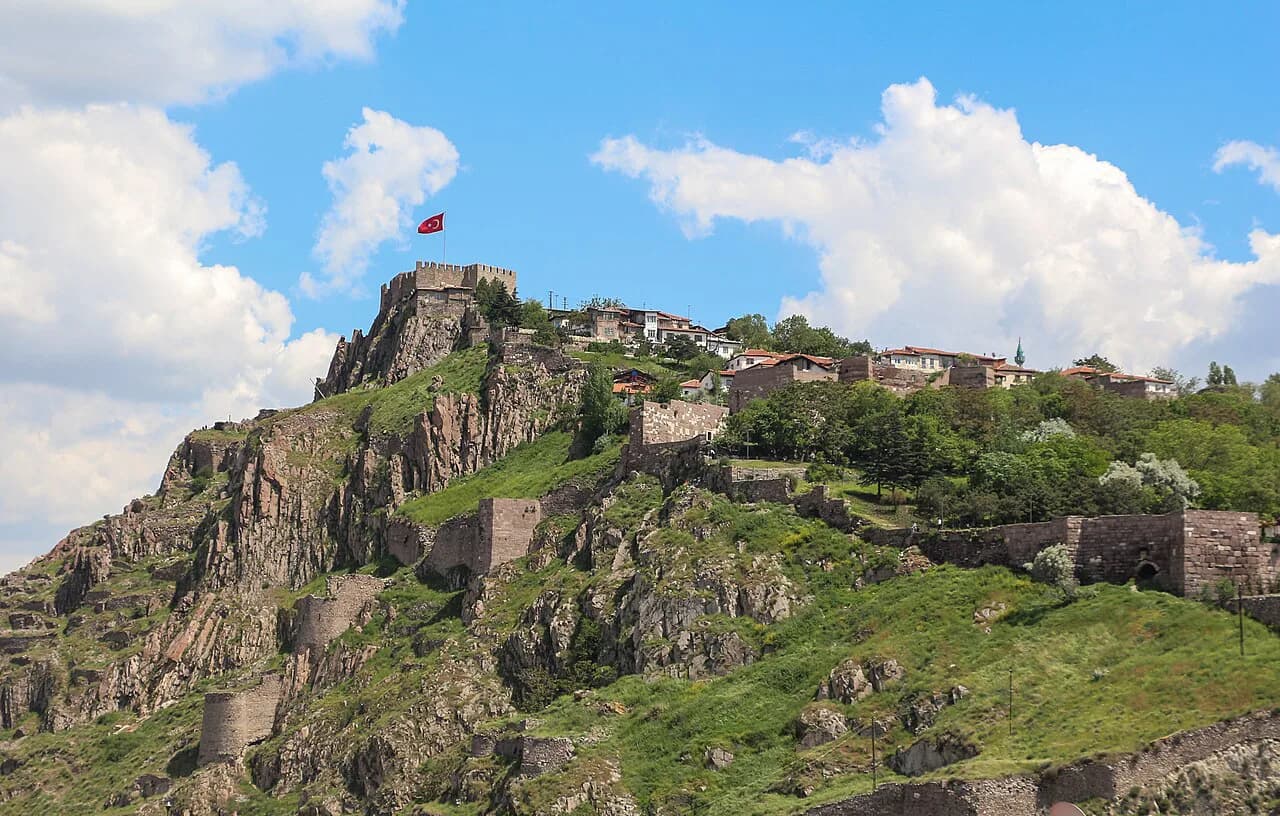
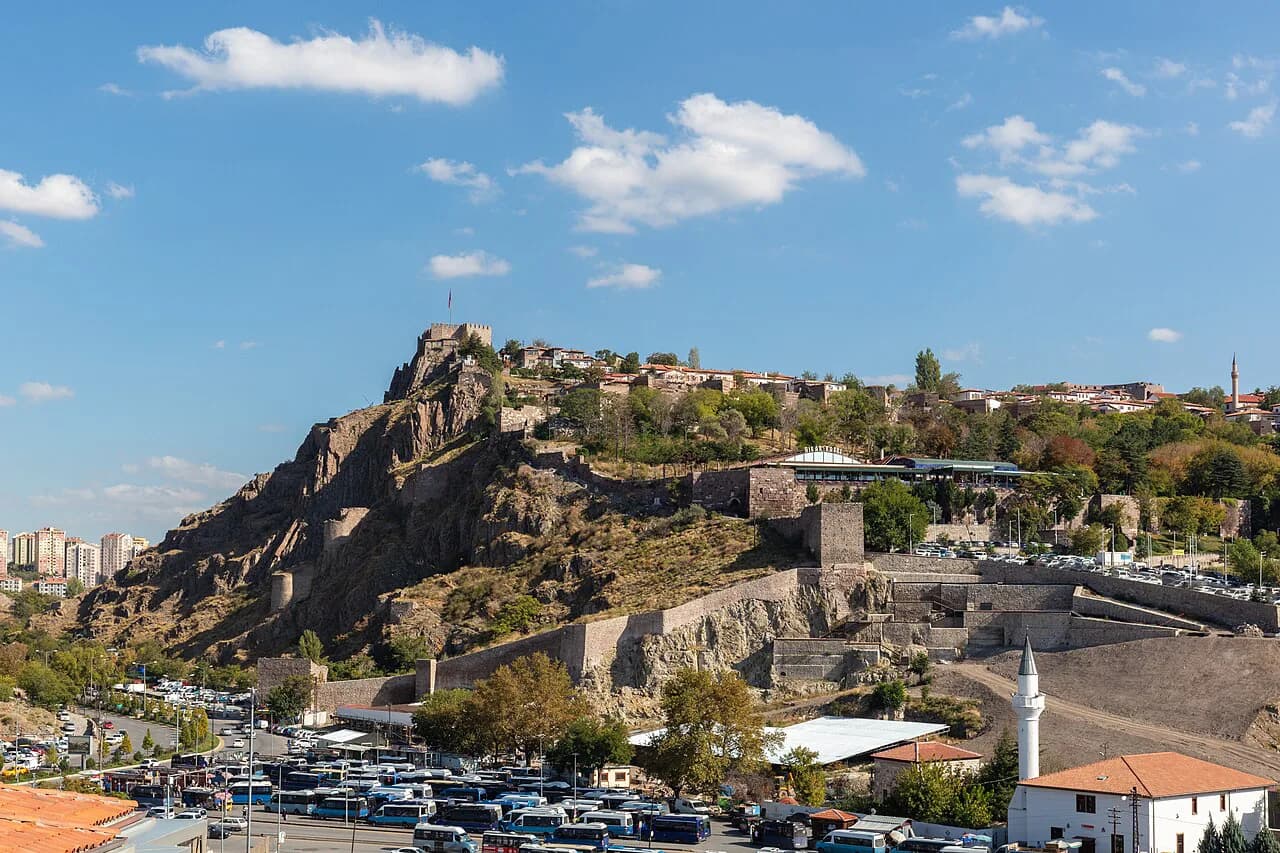
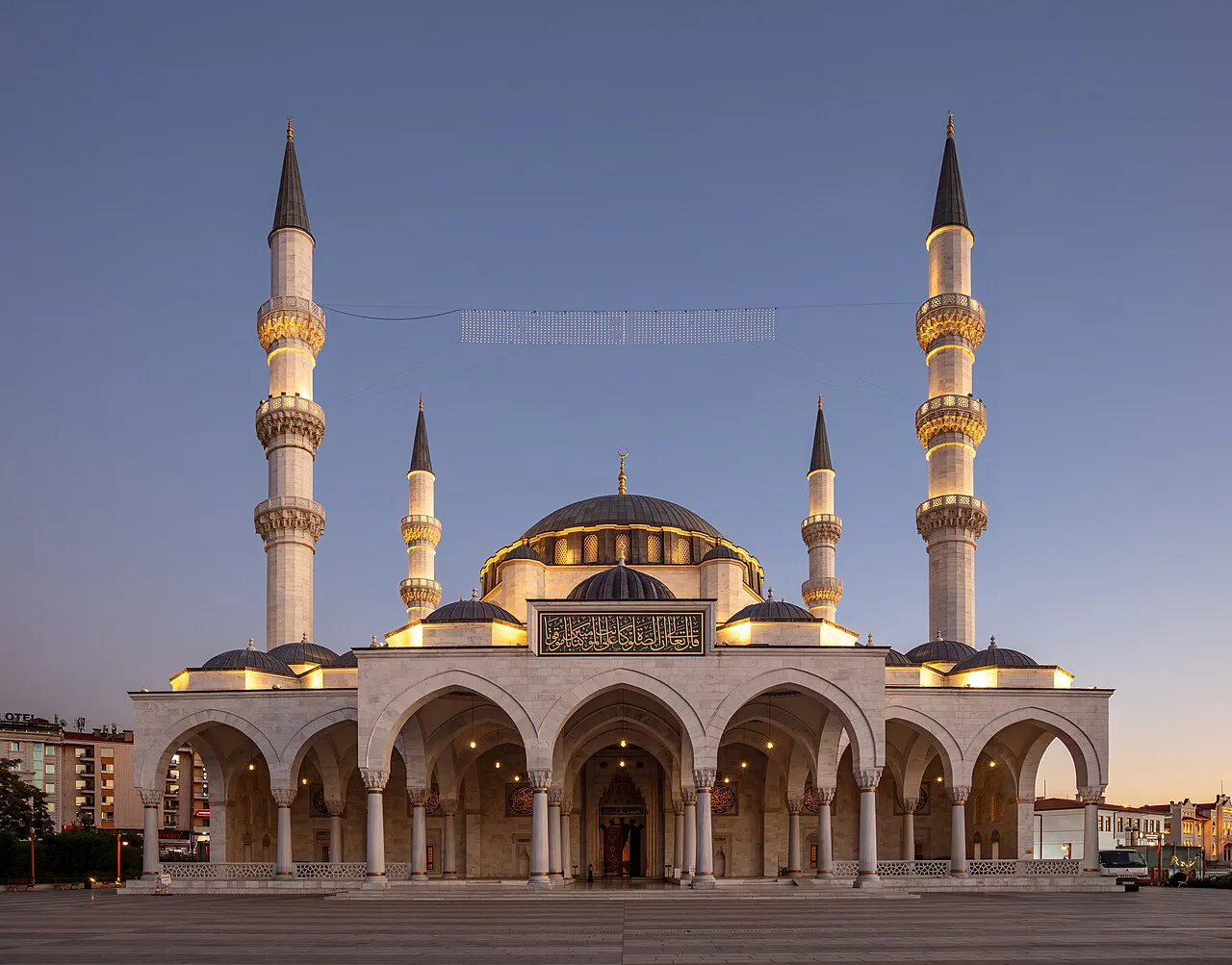
Climb to the citadel first thing. The fortified complex on its rocky hill carries Roman, Byzantine, Seljuk and Ottoman traces, and the walk up through the streets is what makes the size of the city plain, with panoramic views from the top. The circuit is compact: four massive walls and dozens of pentagonal towers, with the İçkale or Inner Castle holding the Alaaddin Mosque and the remains of the first museum of the Republic.
The castle is given hours of 9:00 to 18:00, so check the gate on the day in case of seasonal changes. Outside the walls, the historic squares of Atpazarı, Samanpazarı and Koyunpazarı still work as markets, which is the reason to linger on the slope rather than photograph the towers and leave. Our guide to the Ankara bazaar explains what those squares sell and how to handle prices.
Walk down through Kaleiçi and the old quarter streets
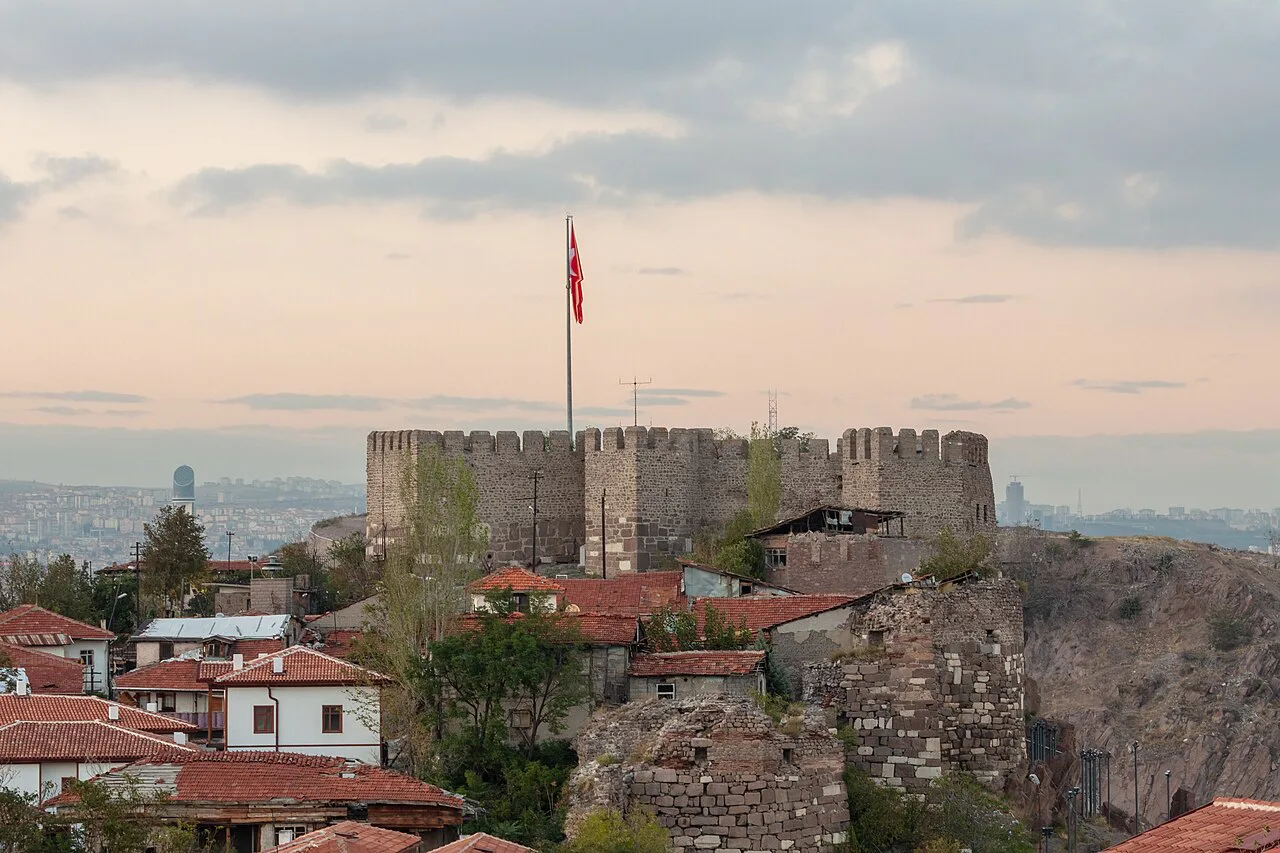
Below the castle, the Kaleiçi neighbourhood keeps two- and three-storey Ottoman houses with bay windows and traditional interiors, set among cobbled alleys and small workshops. This is the part of Ankara that feels least like a capital, and it is the natural descent route from the citadel towards the museum. Walk it slowly; the gradient is the point.
Tourism in the old quarter is light, so you will often have the lanes to yourself, which is a genuine reason to give Ankara a day when Istanbul feels too crowded. Bring cash for the small shops and expect steep, uneven paving rather than a polished pedestrian zone.
Ulus: the Roman Baths, the Temple of Augustus and Rome, and Hacı Bayram Mosque
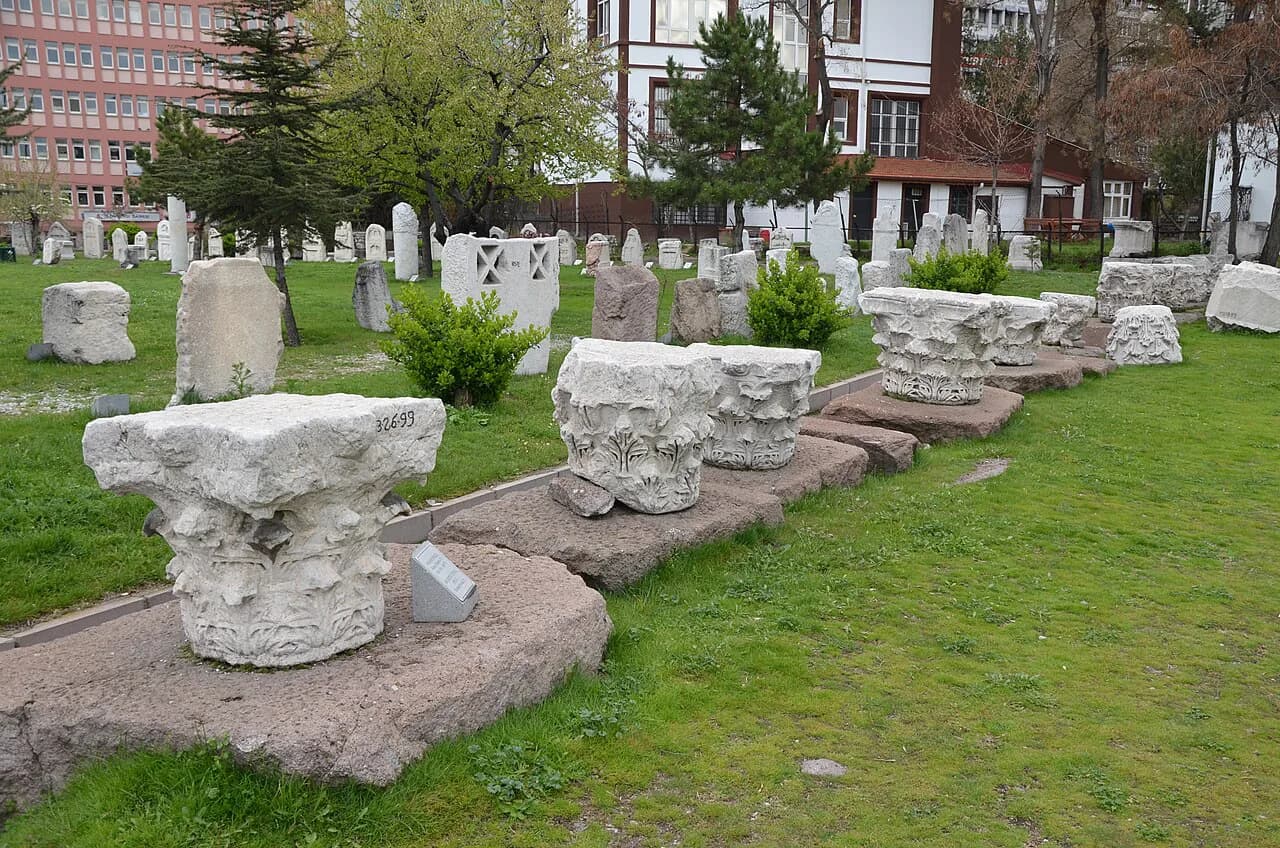
Ulus packs three sights into a short radius. The Roman Baths, among the largest in the Roman Empire, are viewed from a walkway above the ruins rather than entered, and you can pick out the caldarium, tepidarium, frigidarium, dressing room and pool. A small field on the way in holds broken Corinthian columns, carved gravestones and loose architectural pieces. One guide states daily hours of 8:30 to 18:45 and a €3 admission fee, so treat those as stated figures rather than guaranteed current prices.
Next door, the Temple of Augustus and Rome holds the Monumentum Ancyranum, the most complete surviving copy of the Res gestae divi Augusti, and its Corinthian columns are still legible. The building later served as a Byzantine church and then a madrasah, so you are reading several layers at once. It stands alongside the 15th-century Hacı Bayram Mosque, whose present Ottoman fabric reflects later 17th- and 18th-century work, with Arabic calligraphy inscriptions, Kütahya tiles and carved wooden ceilings making it the more decorative stop of the three.
For the mosque, dress conservatively and carry a headscarf as a woman; a visitor found women on the plaza all covered and put hers on to match. Shoes come off outside, and the small mausoleum of Hacı Bayram-ı Veli under the minaret fills quickly with people praying, so keep cameras down there. The plaza gets busy around Friday prayers, when guards check everyone at the entrances and mats are rolled out for overflow.
The Museum of Anatolian Civilisations near the castle
The Museum of Anatolian Civilisations occupies the restored Mahmut Paşa Bedesteni and the Kurşunlu Han caravanserai below the castle, and it is the strongest single reason to spend a day in Ankara. Exhibits run chronologically from the Palaeolithic to the Ottoman period, with Hittite, Phrygian, Urartian and Neolithic material, including a wall painting from Çatalhöyük, the bronze tablet of Tudhaliya IV and statues of Kybele and King Mutallu. Allow a solid block of time here rather than squeezing it between the castle and lunch.
Pair it with the Ethnography Museum if you have a second day, or swap in the Rahmi M. Koç Museum for industrial and transport collections. Both are separate stops from the castle- Ulus axis, so they cost you a taxi or a metro ride. For travellers watching the budget, our list of free things to do in Ankara covers the sights that need no ticket at all.
Anıtkabir: the Road of Lions, Ceremonial Square and the Hall of Honour
Anıtkabir is the mausoleum of Mustafa Kemal Atatürk, and it is vast: the ceremonial road is lined with twelve pairs of neo-Hittite lions representing 24 Oghuz Turkic tribes, the Ceremonial Plaza floor is patterned with 373 kilim motifs, and the Hall of Honour holds the symbolic 40-ton sarcophagus, with the tomb itself beneath. The site splits into the Road of Lions, Ceremonial Square, Hall of Honour and Peace Park, plus a museum of Atatürk's personal items, letters and photographs. Set aside at least 90 minutes, closer to two hours if you read the museum galleries.
Hours are seasonal, not fixed: 1 February to 14 May runs 9:00 to 16:30, 15 May to 31 October 9:00 to 17:00, and 1 November to 31 January 9:00 to 16:00. Plan the visit around a light jacket and a long walk rather than a quick stop, and note that military parades and ceremonies can draw crowds on the ceremonial road. Anıtkabir is listed as available with Museum Pass Turkey, so check the pass against your other stops before buying separate tickets.
Hamamönü: Ottoman houses, cafés and the Karacabey Hamam
Hamamönü is the restored late-Ottoman neighbourhood of white houses, cobbled streets and cafés, rebuilt from about 2011 into one of the city's most photogenic quarters. The 15th-century Karacabey Hamam here still operates as a bathhouse, which makes it the rare heritage building you can use rather than just look at. It is a lived-in quarter with cafés and residents, so come ready to share the streets with locals rather than treating it as a museum.
It sits between the castle hill and the modern city, so it works as the bridge between the two halves of a day. If you are plotting routes on foot, keep our Ankara map to hand so you can see which lanes lead back towards Kızılay. Do not expect a museum-like silence; this is a lived-in quarter with cafés and residents.
Kızılay, Kocatepe Mosque and Atakule Tower
Kızılay is the modern centre, the place to switch from archaeology to coffee and shopping. From there, Kocatepe Mosque is the largest in Ankara, built between 1967 and 1987 on a 4,500-square-metre footprint, with four 88-metre minarets and a gold-covered dome. It is a working mosque, so the same dress code applies: covered shoulders and a headscarf for women, shoes off at the door.
Atakule Tower rises 125 metres in Çankaya and has an open terrace that gives you the whole city at once, including a clear line down to the castle. The guides give its hours as 11:00 to 19:00, so it fills the late afternoon slot better than the morning. Pair it with Gençlik Park if you need to escape the traffic and heat, which is what that park is for.
How to get around Ankara: metro, buses and dolmuş
Ankara has a metro, buses and dolmuş minibuses, and the gaps between the castle, Anıtkabir and Kızılay are big enough that you will use them. Buy the rechargeable transport card, the Ankara Card, from metro stations rather than single tickets; it covers buses and metro. Load whatever you need, since the card is not sold as a fixed day or hour pass.
From Esenboğa Airport, about 30 km out, the HavAş airport bus runs into the centre. Fares change, so confirm the bus fare at the machine or desk when you arrive. Inside the city, taxis are cheap for short hops such as the Roman Baths to Hacı Bayram, where a construction project has cut the direct walking route.
How much time Ankara needs: one day versus two or three
One day gives you the castle, the old quarter, Ulus and Anıtkabir, with the museum shortened or dropped. Two days add the Museum of Anatolian Civilisations at proper length and either Hamamönü or Kızılay in the evening, and three days make room for CerModern, the Rahmi M. Koç Museum, Atakule and Gençlik Park without rushing. The honest trade-off is that Anıtkabir alone takes a chunk of an afternoon.
If your time is short and you want the free options, our guide to free things to do in Ankara can replace a paid afternoon without leaving the centre. The capital is a government city rather than a tourist one, so the sights are spread and the days are quiet by Istanbul standards.
Adding a day trip: Hattuşa, Alacahöyük and Yazılıkaya, or Gordion
With a spare day, the Hittite sites of Hattuşa, Alacahöyük and Yazılıkaya make the strongest trip from Ankara, and Gordion, the Phrygian ancient city, is the shorter alternative. Both need a full day and a car or organised tour, so they work best as an extension rather than an addition to a packed city itinerary. Check departure points and vehicle arrangements when you book.
Where to eat in Ankara and what to order
Ankara has its own culinary identity alongside the standard Turkish menu, and the old quarter and Hamamönü are where to eat it: small cafés in restored houses, kiosks around Gençlik Park selling ice cream and corn, and grill houses in Kızılay. Look instead to the city's own restaurants and kiosks for a sense of how the capital eats, distinct from a coastal resort menu. Prices are best read off the menu at the door.
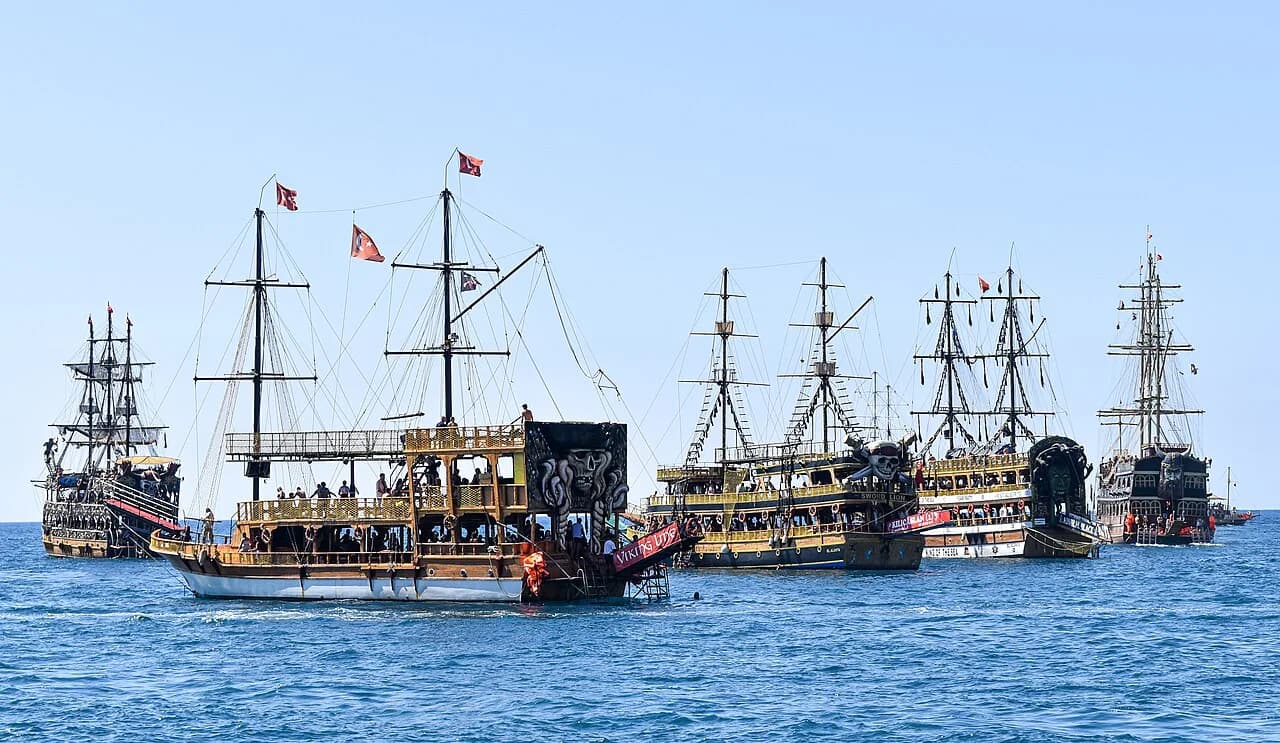
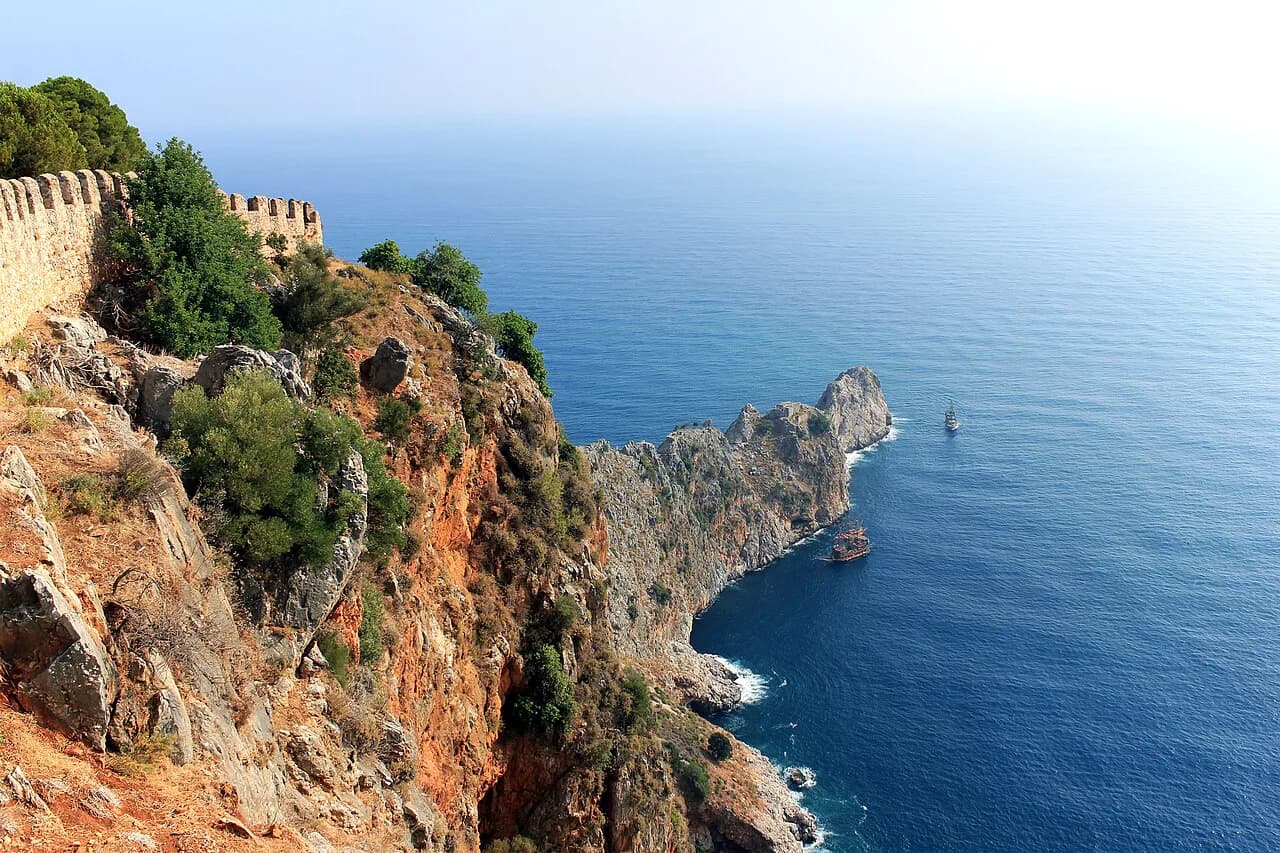
If you are coming from a beach resort, the contrast in food is part of the reason to include the capital: our things to do in Antalya and things to do in Alanya pages show what the coast does well, from Hadrian's Gate to Kleopatra Plajı, so you can see what Ankara offers that the resorts do not.
Practical points: tickets, card payment and mosque etiquette
Budget separately for the Roman Baths, which carries its own admission fee, while Anıtkabir is listed as available with Museum Pass Turkey. Check what the pass covers before you buy, and confirm opening hours and any admission charge on the day. Carry cash for small shops and hammam fees in the old quarter.
Mosque visits follow the same pattern everywhere in the city: remove your shoes, cover shoulders and knees, and women should wear a headscarf. Hacı Bayram is especially busy around Friday prayers, when the plaza fills and security checks everyone at the entrances. Photograph the architecture, not people at prayer.
Is Ankara worth the day it costs you?
Yes, if you want the Museum of Anatolian Civilisations and Anıtkabir done properly and can give the city a full day plus a night. The capital is quieter and less polished than Istanbul, and the spread-out layout means you spend time on the metro, but the castle- Ulus-Hamamönü core is compact enough to walk. For a fuller picture of how the sights fit together, our Ankara attractions hub links the individual attraction guides.
Explore more Ankara guides
Frequently Asked Questions
Is Ankara worth a visit for a short Turkey trip?
If you care about Hittite and Ottoman collections and want to see Atatürk's mausoleum, yes: a single well-planned day covers Ankara Castle, the old quarter, the Roman remains in Ulus and Anıtkabir. If your trip is a beach holiday, Ankara is a long detour inland, so weigh the travel time against the sights you would miss on the coast.
What is Ankara best known for?
Ankara is the capital and seat of government rather than a resort, and it is known for Anıtkabir, the Museum of Anatolian Civilisations in its restored bedesten and caravanserai, the Byzantine-to-Ottoman layers at Ankara Castle and the Roman remains around Ulus. The old quarter and Hamamönü add Ottoman houses and cafés within walking distance.
What can you do in Ankara for free?
The castle walls, towers and city views cost nothing to walk, and the old quarter streets and Hamamönü are free to wander. Anıtkabir is listed as available with Museum Pass Turkey, so check the pass before paying separately for the paid sites, and note that the Roman Baths charge their own admission fee.
Sources
Notes for your next Turkey trip
Optional updates when we add or correct a town guide.
You might also like
Continue reading
More guides you'll find useful