Bodrum Castle: What to See Inside the Castle of St Peter
Bodrum Castle and the Museum of Underwater Archaeology share one ticket. Plan the towers, courtyards, shipwreck halls and views with this practical guide.
On this page
Bodrum Castle is one visit, not two: the Castle of St Peter and the Bodrum Underwater Archaeology Museum share an entrance, and the courtyards and buildings inside the walls double as exhibition halls, so no separate museum ticket is needed. Allow around two hours to walk the towers, courtyards and galleries at an unhurried pace, and longer if you read the museum labels properly. This guide covers the layout, the masonry, the towers, the Ottoman additions, opening hours, tickets and the view from above.
One site, one ticket: castle and museum together
Many visitors arrive expecting two attractions and find one gate. The castle itself is the museum, and once you have your pass you can explore both the medieval architecture and the galleries within the same walls. Plan your morning or afternoon around a single entry rather than splitting the day between two sites.
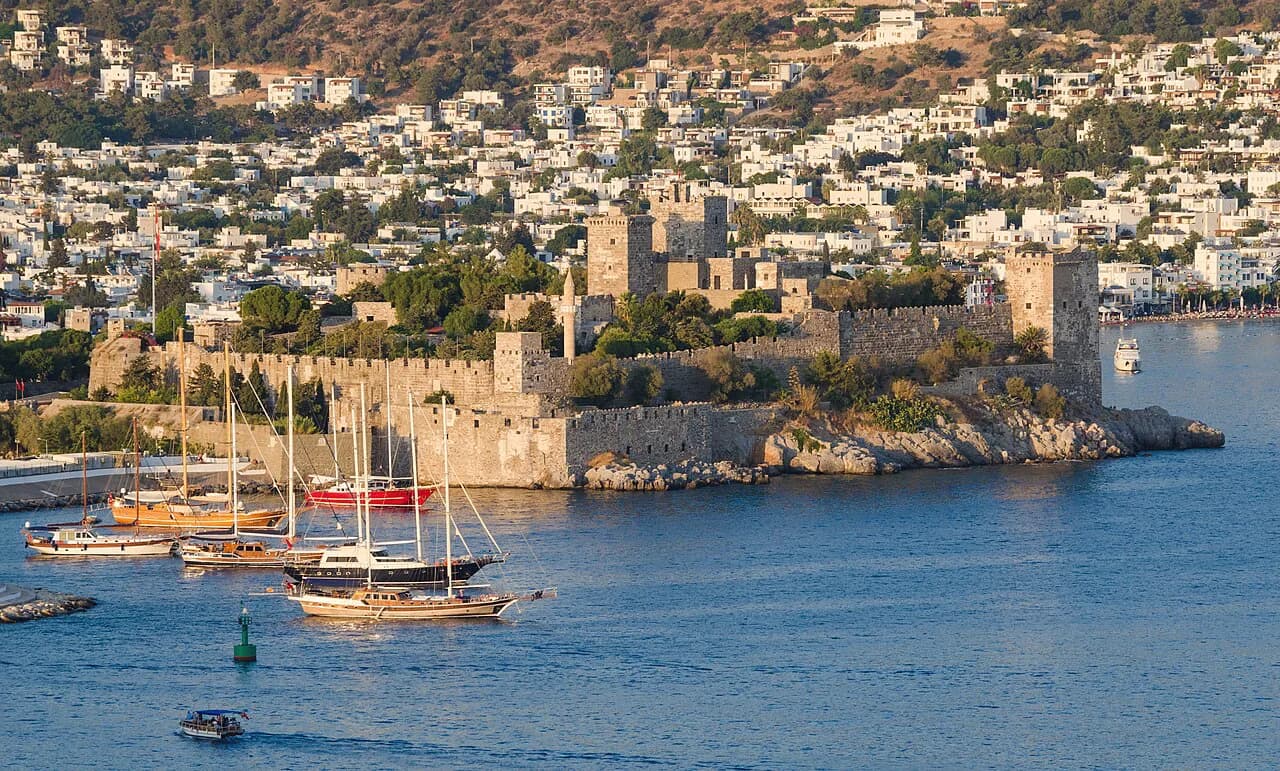
The fortress was built by the Knights of St John at the start of the fifteenth century and passed to Ottoman rule in 1522, after Suleiman the Magnificent took Rhodes. It served as a small garrison, became a prison in 1895, was damaged by French naval fire in the First World War and has been a museum since 1964. The castle sits on Turkey's UNESCO World Heritage Tentative List.
Where the castle sits between the two bays
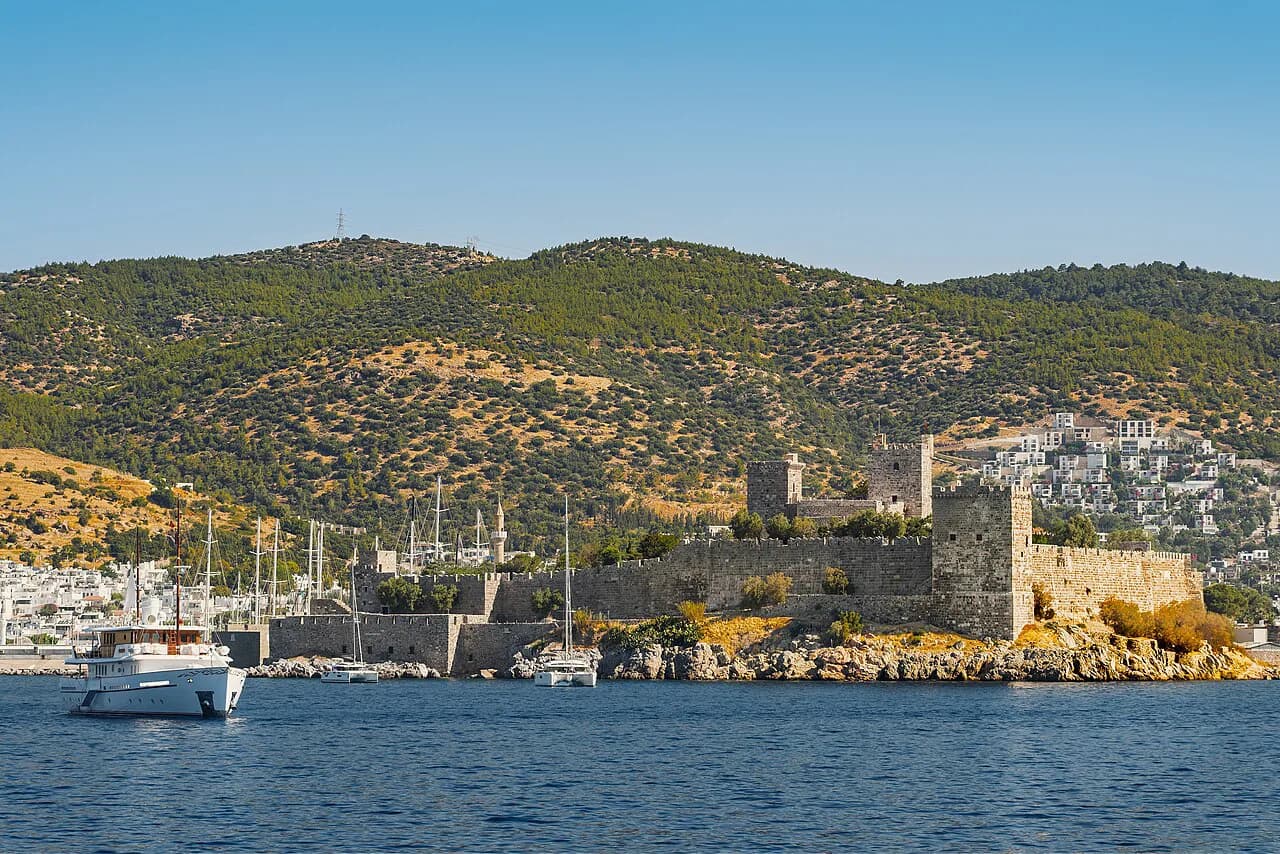
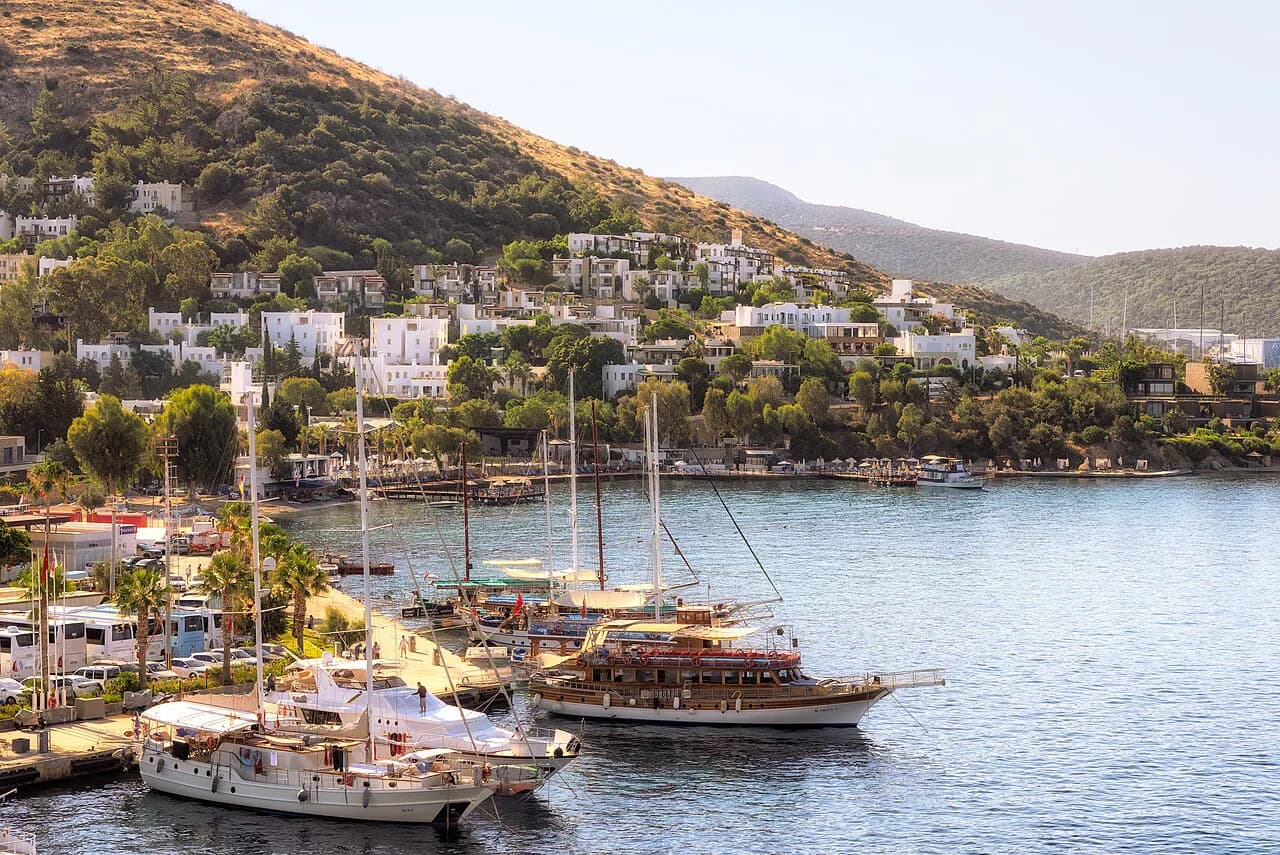
Bodrum spreads across two east-to-west bays divided by a small peninsula, and the castle has watched over the town from that point for more than 600 years. Locals call the western bay the Turkish neighbourhood, the longer-settled side, and the eastern bay the Greek neighbourhood, named for Cretan arrivals of Turkish origin resettled there in 1923. Understanding that split makes the view from the battlements far easier to read.
The address is Carsi Mahallesi, Kale Caddesi, No: 36, in the old town above the harbour, so the approach is on foot through the lanes rather than by car to the gate. Give yourself a slow climb in summer heat; the lanes are narrow, paved and often stepped, and the castle's position above the harbour means the walk back down is easier.
Stones from the Mausoleum at Halicarnassus in the walls
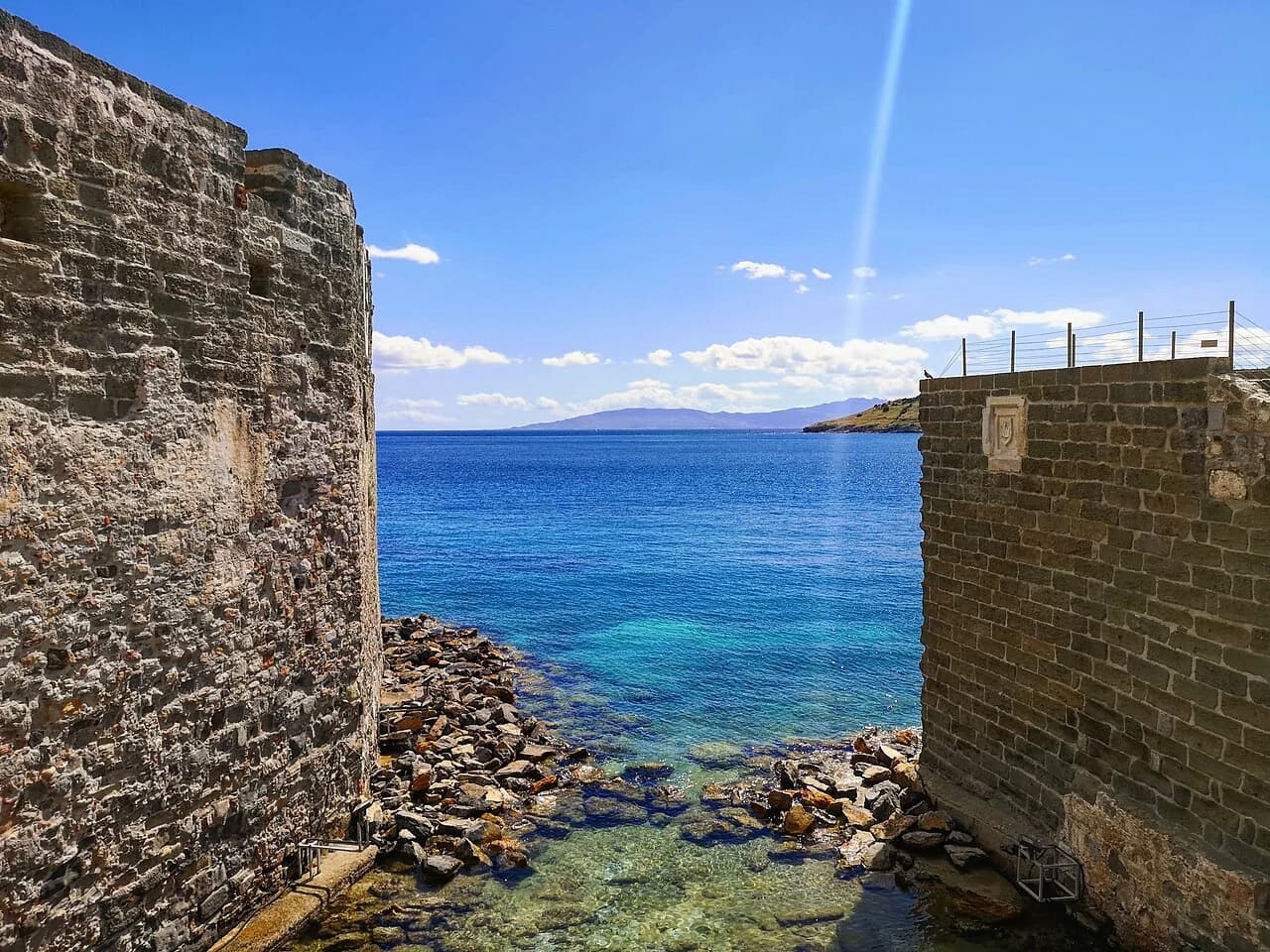
Look closely at the masonry rather than straight through it. The Knights used ruins of the Mausoleum at Halicarnassus, one of the seven wonders of the ancient world, as building material, so pieces of the ancient monument sit inside the castle walls. Some of that stone was later taken to Malta to finish the Grand Harbour.
The castle architect, Heinrich Schlegelholt, drew on the mausoleum after centuries of earthquake and invasion damage had left its stone available. Spotting the carved blocks among the rougher rubble is the single best reason to slow down along the outer walls.
The towers and courtyards
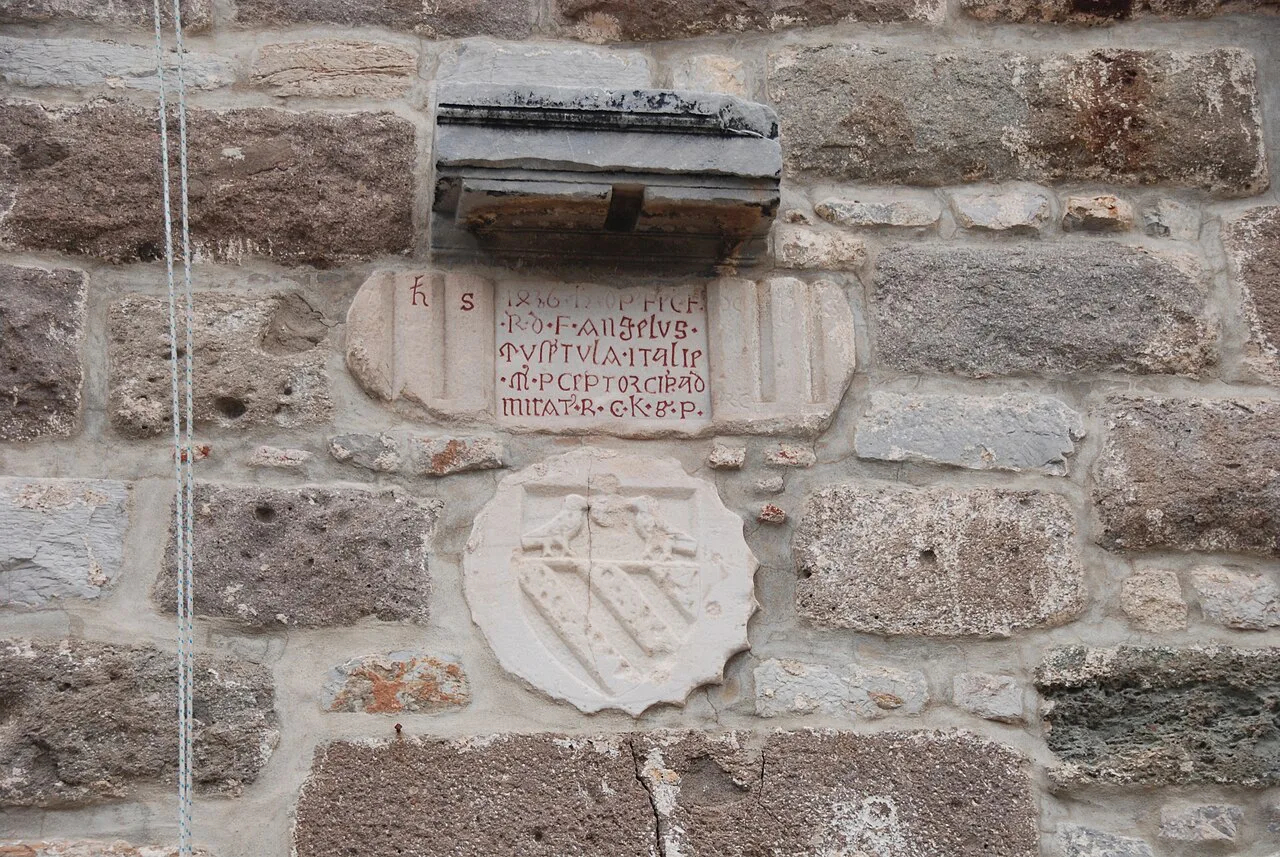
Each division of the Knights Hospitaller, known as a tongue, built and badged its own tower, which is why the skyline is a cluster rather than a single keep. One detailed guide counts five towers, putting the French Tower tallest at 47.50 metres, with the English, Italian, German and Spanish towers around it. Hundreds of coats of arms and reliefs sit above the entrances and on the walls.
The plan is roughly square, about 185 by 180 metres, and divides into a lower section of service buildings such as the bath and chapel, an upper section holding all the towers, and the entrance area. Other structures to look for include the north moat, battlements, harbour armoury, harbour tower, forecourt, inner gatehouse and inner courtyard. Work from the entrance up to the towers rather than zigzagging.
The Museum of Underwater Archaeology
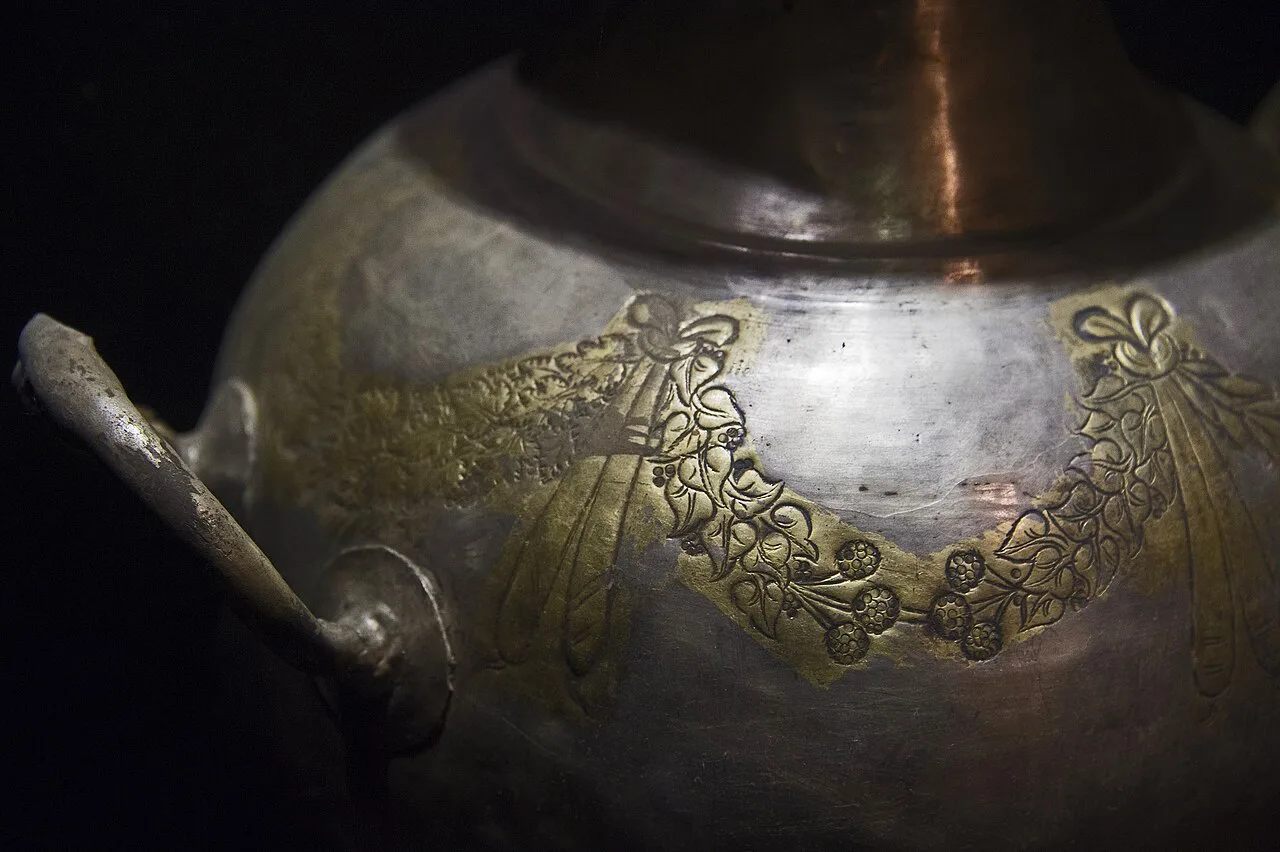
The galleries inside the walls hold the finds that made the castle a museum, and the amphorae are the thread running through it. Divers recovered thousands of these storage jars, once used to carry goods, and the Knights' Hall was the first space opened for them. The Carian Princess exhibit sits alongside that early display.
The museum's divers included Peter Throckmorton, Mustafa Kapkin and Honor Frost, working on expeditions in 1958 to gather material for the collection. The museum was a finalist for European Museum of the Year in 1995 and received a Certificate of Special Commendation that year. Treat the shipwreck and glass halls as the indoor core of the visit, useful when the courtyard sun gets too much.
The Ottoman layer: mosque, minaret and bathhouse
The castle is not purely crusader stone. The chapel was converted into the Castle Mosque, and a minaret and bathhouse were added beside it in the Ottoman period, so a courtyard shows the crusader and Ottoman phases side by side. Cisterns cut into the natural rock inside the inner castle collected rainwater for the garrison.
For the town's working mosques, dress and visiting conventions are worth reading up on before you go, starting with our guide to the Bodrum Mosque (Bodrum Camii).
Opening hours and what a ticket covers
The castle opens every day between 08:30 and 17:30, with the ticket office closing at 17:00, and the hours can shift with the season or sunset time. Check the museum's official site or ring the ticket office before a late-afternoon visit.
Ticket prices change per season and per seller, so the gate rate should be confirmed on the day rather than assumed from a tour listing. A Viator listing has quoted admission at around €23 with an audio guide included; treat that as the reseller's figure and confirm what the ticket covers at the ticket office.
How long the castle needs and the best order
Two hours covers the walls, the main towers and the museum halls without rushing; three hours suits anyone who reads the shipwreck displays in detail. Go early, take the lower section first while the courtyards are shaded, then climb to the towers, and finish indoors in the museum galleries when the heat peaks.
The site is open-air, with steps between levels and uneven ancient surfaces underfoot, so sturdy shoes matter more than a map. Expect steady walking through the towers and courtyards rather than a single level route.
The view over the harbour and the two bays
The reward for the climb is the panorama: the Aegean, the harbour and both bays of Bodrum laid out below, with the peninsula of ancient Zephyrion separating them. From the battlements you can trace the old town lanes you walked up through and pick out the boat traffic in the harbour.
Pair the castle with a slow walk down to the water afterwards.
Practical points: heat, steps and the castle's animals
Summer visits mean strong sun on stone with little shade in the upper courtyards, so carry water and wear a hat. The site is a working open-air museum with resident animals wandering the grounds, including peacocks and a turtle, which children tend to enjoy. Keep bags closed and food out of reach.
Allow extra time if anyone in your party finds steps difficult, and plan the visit for the cooler end of the day. The castle's position above the harbour means the walk back down is easier than the climb up.
Is the castle worth half a day?
Yes, if you treat it as one combined visit to the fortress and the underwater archaeology museum, and go early enough to climb the towers before the courtyards heat up. Two hours gives you the walls, the towers, the Castle Mosque (the former chapel) and the main galleries; add an hour if shipwrecks and amphorae are your reason for coming.
Check the official museum page or ticket office for the day's hours and gate price before setting out, since both shift with the season, and build the rest of your old-town walk around the harbour below.
Explore more Bodrum guides
Sources
Notes for your next Turkey trip
Optional updates when we add or correct a town guide.
You might also like
Continue reading
More guides you'll find useful