Dalyan Market: Saturday Market Days and What to Buy
Dalyan's market fills the town centre on Saturday mornings. Here is when to arrive, what is sold, how to pay and where nearby towns hold markets.
On this page
Dalyan's market runs on Saturday, in the centre of town, and it is a working market rather than a souvenir strip: the people behind the tables mostly grew what is on them. Plan to be there between 8 and 10am, when the produce is at its freshest and the morning is still cool enough to enjoy. This guide covers what is sold, how to pay and bargain, and the market days in nearby towns for the rest of the week.
It slots easily into a wider trip: the stalls sit a short walk from the river, so you can shop first and be on the water later the same morning. If you are still shaping your days, our guide to the things to do in Dalyan covers the river, the rock tombs and the boat trips that fill the afternoons.
What day the Dalyan market is on and where it is held
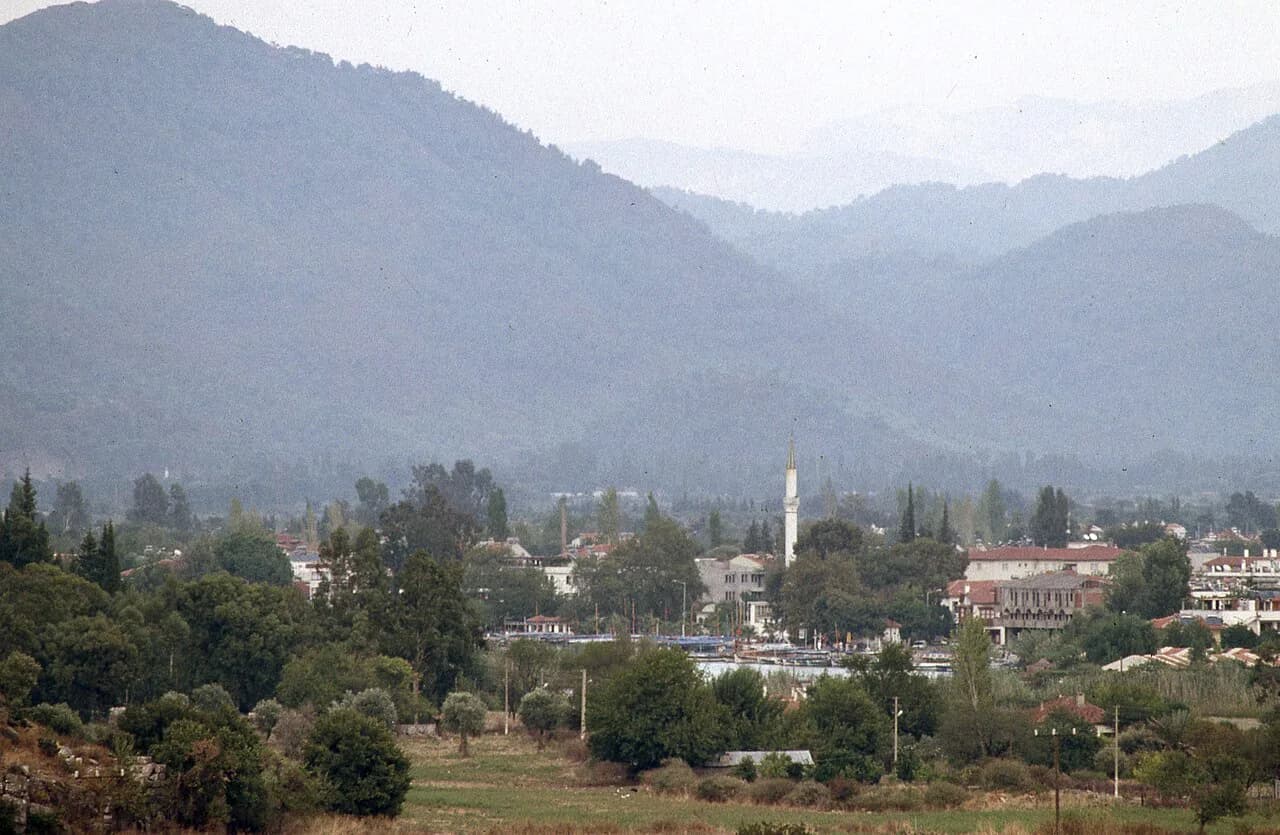
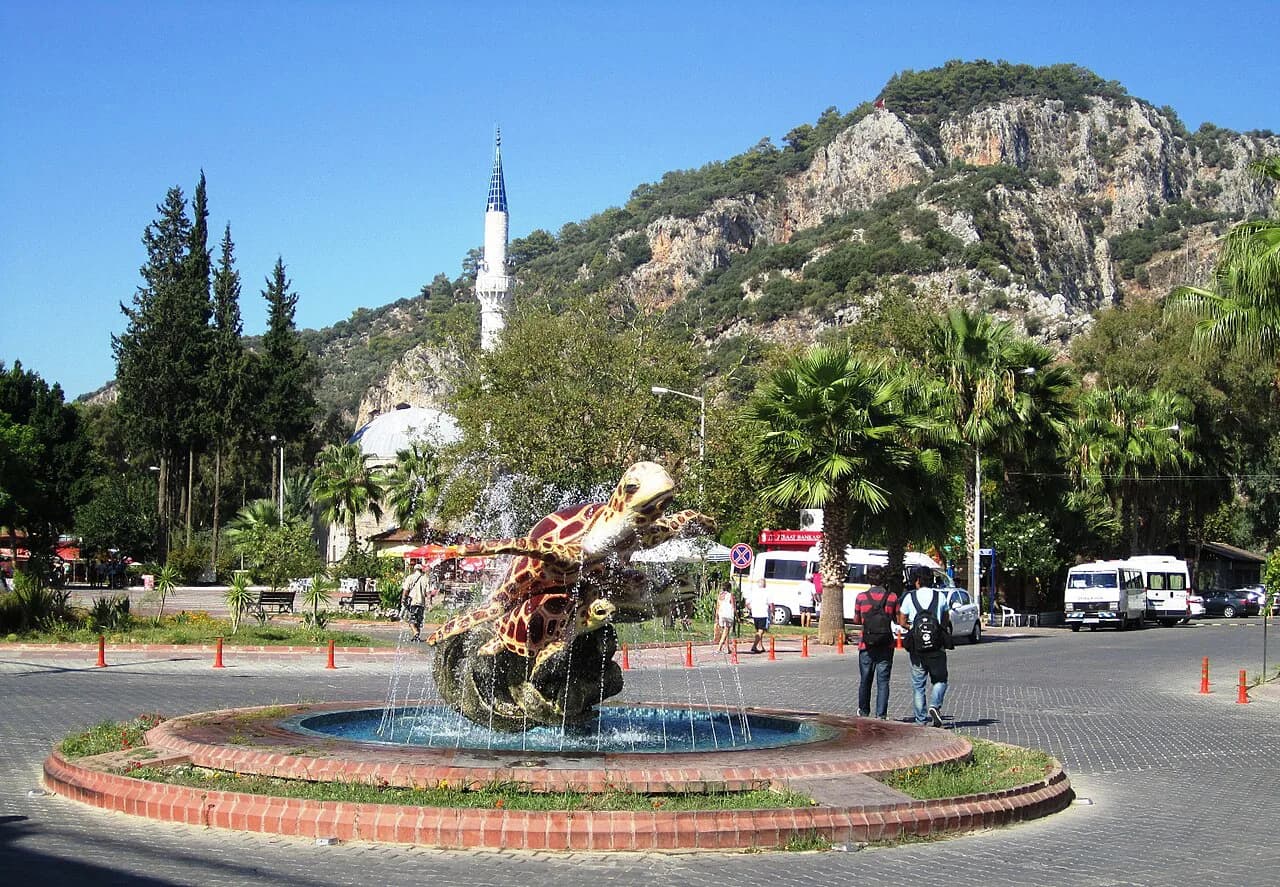
The market takes over the centre of Dalyan every Saturday, and the town fills up around it from early morning. It is the weekly shop for local people, with fruit and vegetables from the surrounding villages alongside textiles, ceramics, jewellery, spices and souvenirs. Because it is held in the middle of town rather than on a field at the edge, you can combine it with errands, a riverside lunch or a walk along the waterfront.
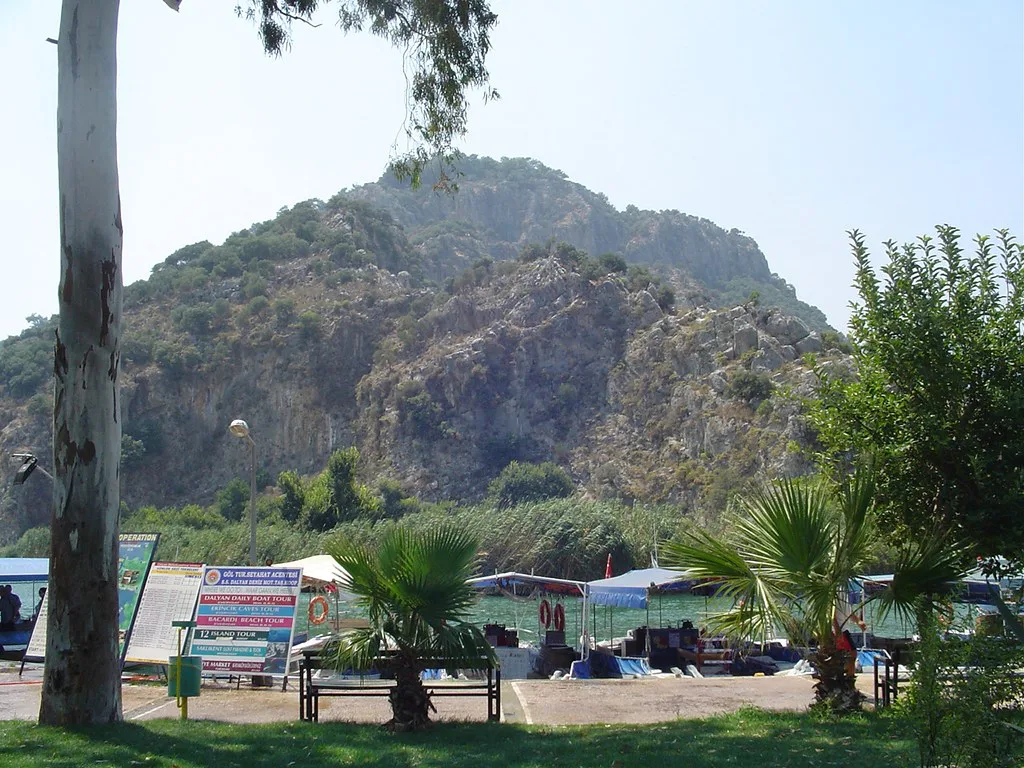
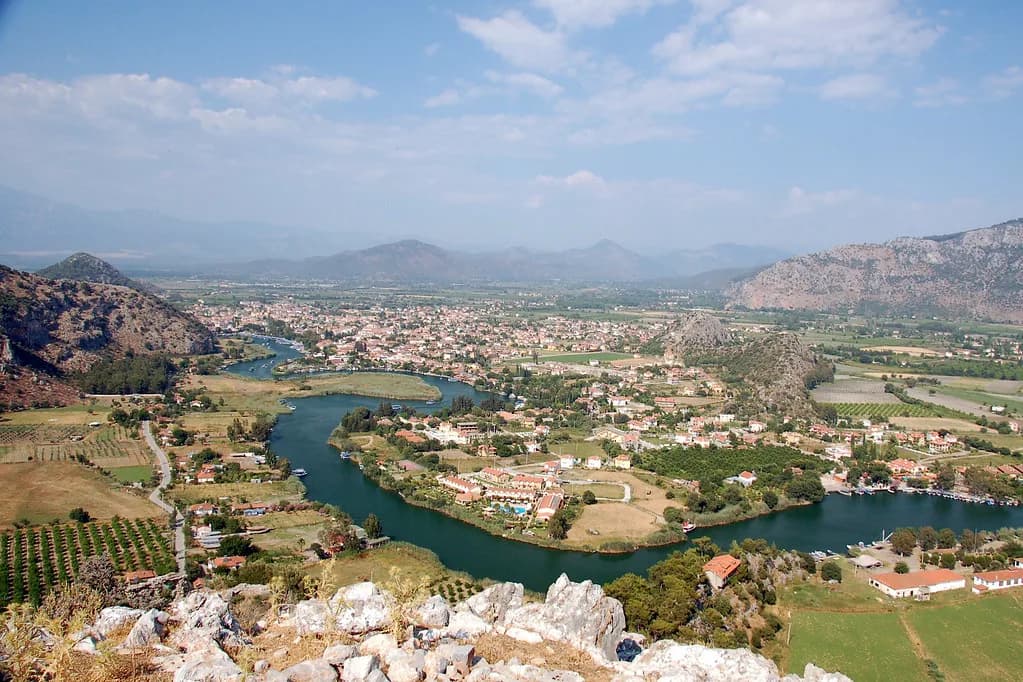
The setting matters when you plan the morning. Dalyan sits at the top of a delta where the Dalyan River runs down from Lake Köyceğiz to the sea, and the market is within walking distance of the riverside restaurants and the boat jetties. If you are staying on the edge of town, allow a little longer on foot in the heat of July and August, when the walk itself is sweaty work even before ten in the morning.
When to arrive: 8-10am, 10am to midday, or later
Early is the honest answer. Between 8 and 10am you get the first pick of the produce and the coolest hour for wandering the stalls; in high summer the difference between nine and eleven in the morning is the difference between a pleasant hour and a hot one. Between 10am and midday it is at its busiest and liveliest, which suits you if you want atmosphere more than vegetables.
After midday the stalls start packing up and prices soften, but the best of what was on the tables has gone. Treat the afternoon as a browsing window rather than a shopping one, and do not count on finding the specific thing you came for. If you are arriving on a Saturday afternoon, plan the market for the following weekend instead.

What is sold: produce, olives, cheese, honey and dried goods
Buy whatever is in season: peppers, tomatoes, grapes, figs and pomegranates depending on the month, picked that week rather than shipped in. Olives and olive oil are sold loose from tubs, and asking to taste before you commit is completely normal. Local cheese and honey are on the same tables and tend to be better than the supermarket version back home.
Dried herbs, peppers, pulses and noodles travel well and make the easiest presents to carry home. Textiles and soap are the variable category: some are genuinely handmade and usually sit on the smaller tables at the edges, while others are ordinary stock. Browse the fixed shops in town first to get a sense of prices before you start on the stalls.
Gözleme at the market and the order-first trick
Gözleme is the best thing at the market: thin dough rolled out in front of you, filled with spinach and cheese or potato, and cooked on a domed griddle. It also takes time to make, which is where most people go wrong. Order it as you walk in, do your shopping, and collect it on the way out, or you will stand waiting while everyone who thought of it earlier gets served first.
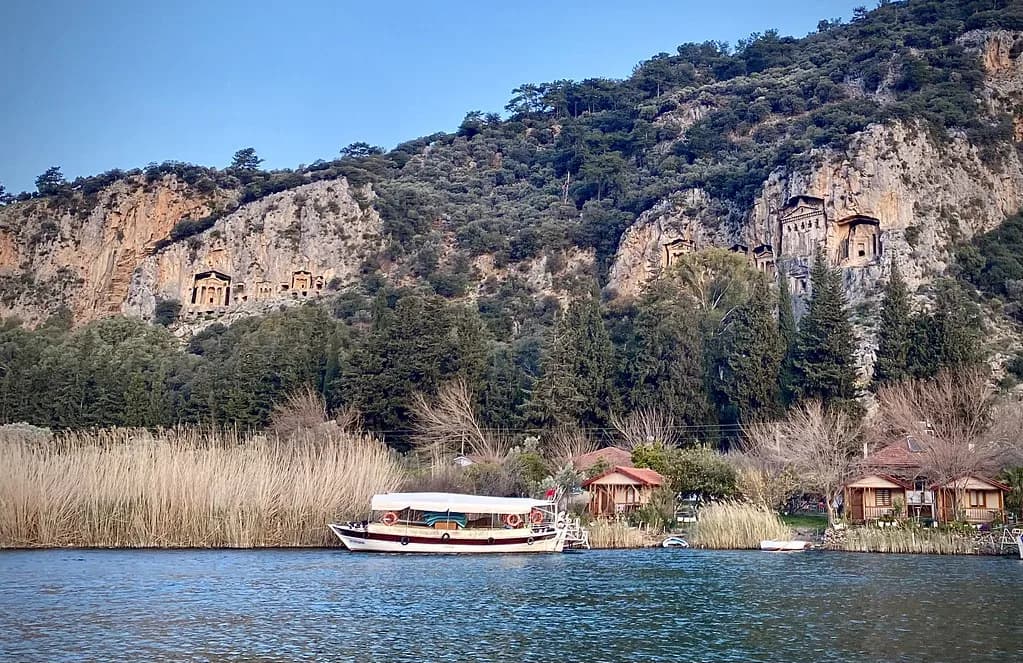
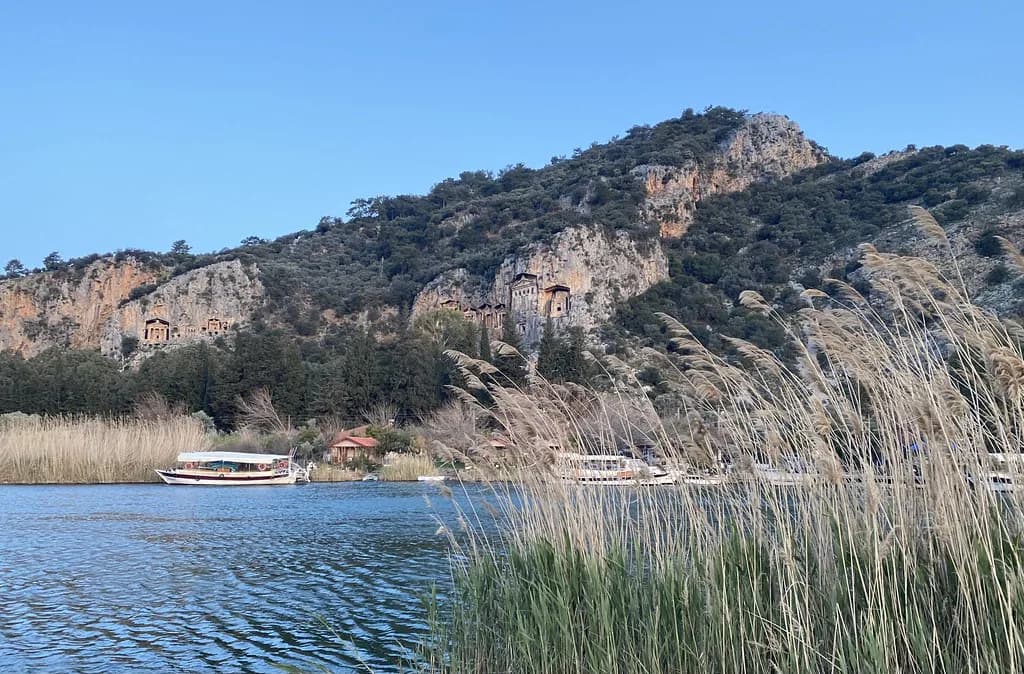
The same advice applies to timing your whole morning. If you want to eat it by the water, carry it the short distance to the riverside and sit with a view across to the tombs, where the town's pace slows down and the boats work up and down the channel below the cliff face.
How to pay and haggle: cash, bags and gentle bargaining
Bring cash, and bring it in small notes. Almost nobody at the Saturday market takes cards, and trying to break a large note at eight in the morning slows everything down. Bring your own bags too, ideally two, because what you buy is heavier than you expect and thin plastic does not survive a kilo of tomatoes.
Haggling is normal, but the tone differs by stall. On produce the price is the price and bargaining barely happens; on textiles and souvenirs there is room, and it is meant to be friendly rather than a contest. Asking about how something was made is a better opener than a low counter-offer.
Ortaca market: bigger and less pretty, and how to get there
Ortaca, the next town along, holds a considerably larger market with less charm and more choice: clothing, household goods, tools and a much wider spread of produce. It is the better stop if you are staying a while and actually shopping rather than browsing. It runs more than once a week, so it is worth asking locally which morning suits your stay before you go.
Getting there is straightforward by dolmuş from the centre, a journey of roughly twenty minutes, or by car in about twelve. Treat both figures as rough rather than as a timetable, since traffic and stopping points change the trip. If you are weighing up whether the larger market is worth the journey, the answer depends on whether you want to buy or just to wander.
Other market days within reach: Köyceğiz, Fethiye and Muğla
Köyceğiz, the lakeside town at the head of the waterway, holds its market on a Monday, and you can travel there by boat to combine shopping with a swim in the lake. Fethiye, about an hour away on a bay, has a very large Tuesday market aimed at both visitors and local people, and it pairs naturally with a day out towards Ölüdeniz.
Muğla, inland and uphill through villages and forest, holds the largest and most authentic of the local markets on a Thursday. The drive is part of the outing, with almond trees and, in March, a fair chance of snow on the mountain tops. Check the current day with your accommodation before travelling, since market schedules can shift.
Fitting the market around a boat trip or a river lunch
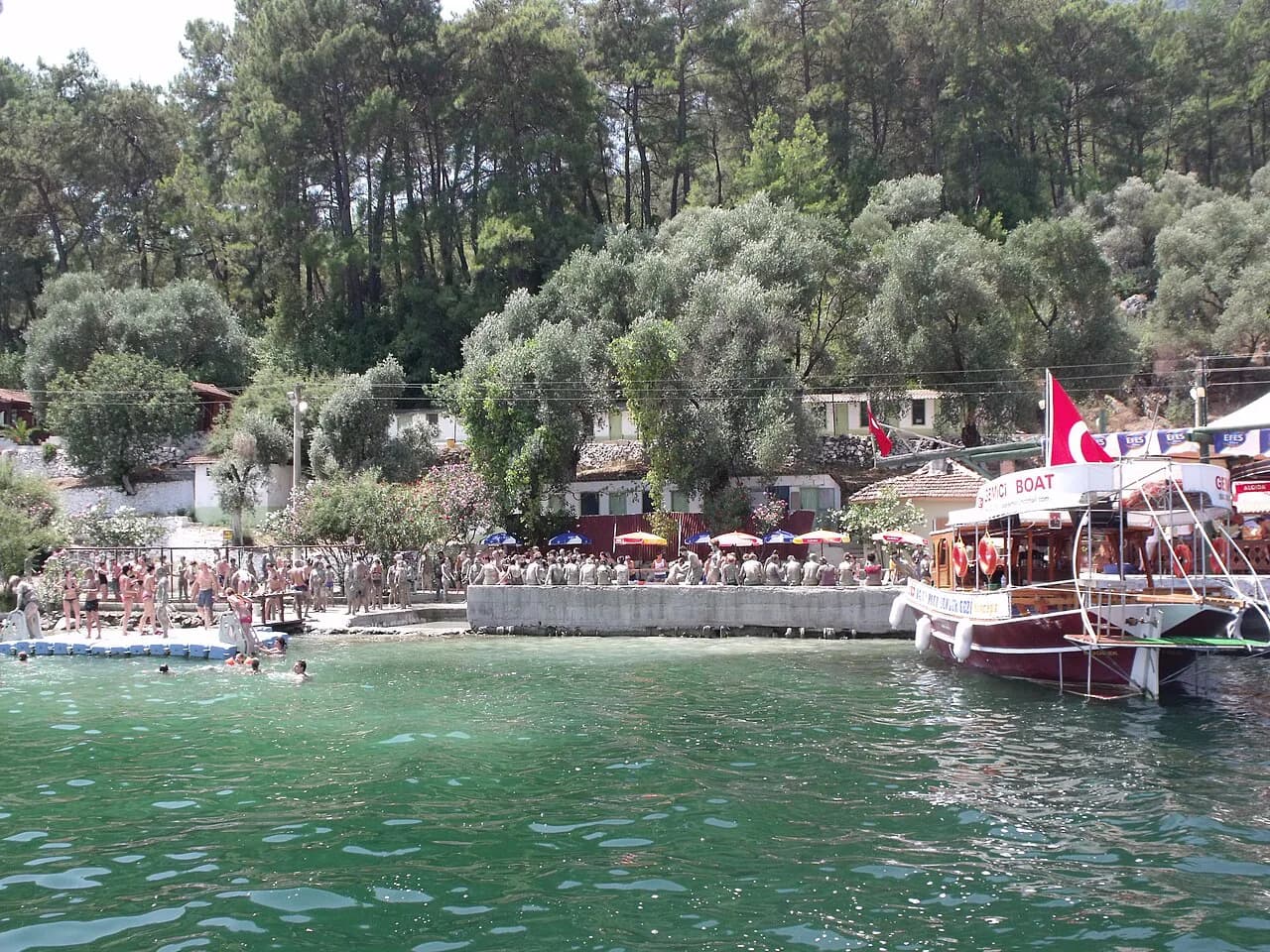
Most boat trips leave mid-morning, which fits neatly after an early market run: shop between eight and ten, collect your gözleme, and be at the jetty in good time. A short boat ride across to Iztuzu Beach, known as Turtle Beach, works the same way, with boats leaving when they are full.
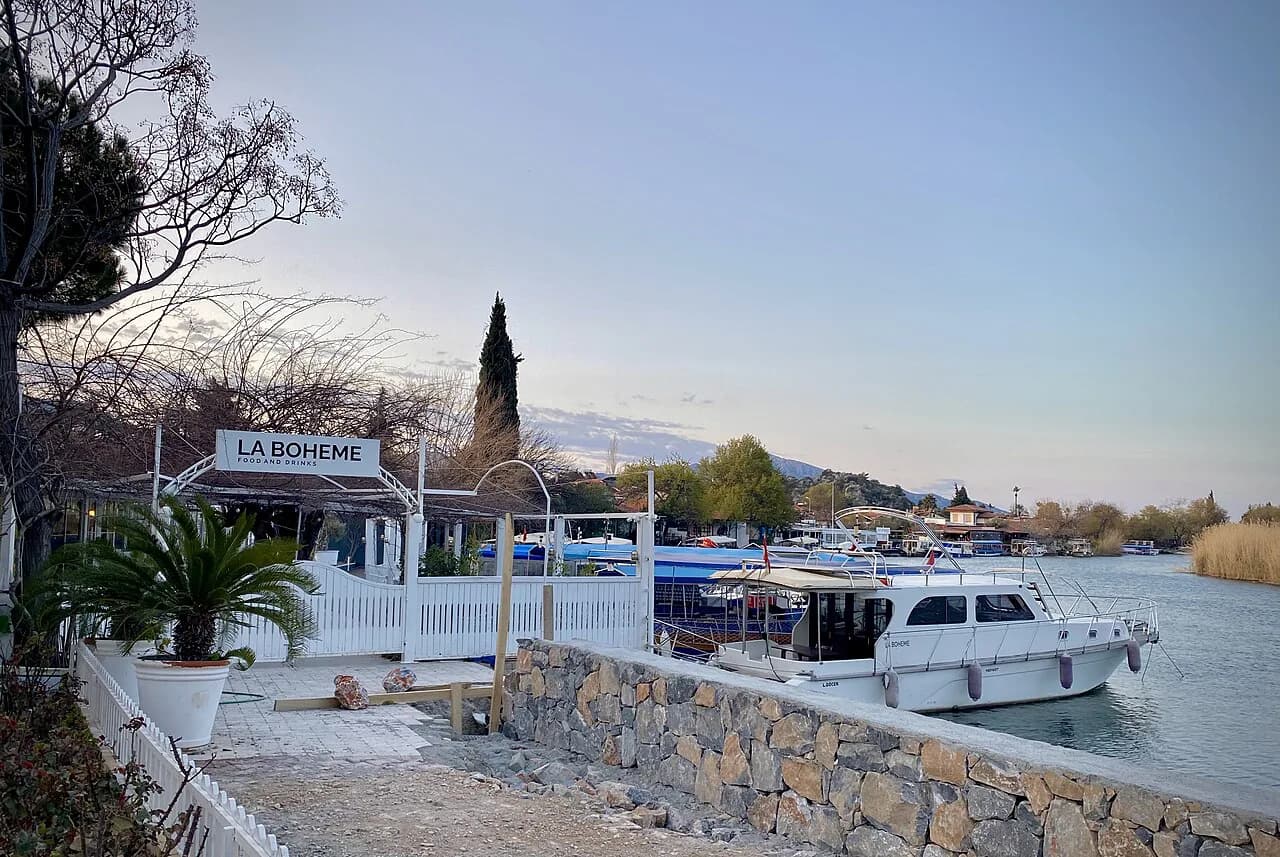
For a slower day, stay in town and eat by the river. The riverside restaurants serve meze from fridges and look across the water to the rock tombs cut into the cliff, and the light at sunset is the reason many people linger. Book nothing and simply turn up after the market has wound down.
Should you build your Saturday around the market?
Yes, if you are in Dalyan on a Saturday: go early, take small notes and bags, and order gözleme on the way in. If your visit falls on another day, use Köyceğiz, Ortaca, Fethiye or Muğla instead rather than waiting a week.
For meals after shopping, our pick of the best restaurants in Dalyan covers riverside dining and meze. One last reminder: confirm the market day and any boat departure with your accommodation when you arrive, as both can vary with the season.
Frequently Asked Questions
Is there much to do in Dalyan besides the market?
Plenty. The town sits on a river delta with rock tombs cut into the cliff above the water, riverside restaurants, boat trips to Iztuzu Beach and the sea turtle research centre at the far end of the beach. A market morning fits easily alongside a river lunch or an afternoon on the water.
What is Dalyan like for a holiday?
It is a small riverside town rather than a resort strip, with the market, boats and restaurants within walking distance of each other. The pace is slow, the heat in July and August is real, and the main draw is the water, the delta and the surrounding ancient sites.
Sources
Notes for your next Turkey trip
Optional updates when we add or correct a town guide.
You might also like
Continue reading
More guides you'll find useful