Dalyan Rock Tombs: What to See and How to Reach Them
The Dalyan rock tombs are Lycian-style cliff tombs above the river at Kaunos. Here is what you are looking at, where to see them and how to get there.
On this page
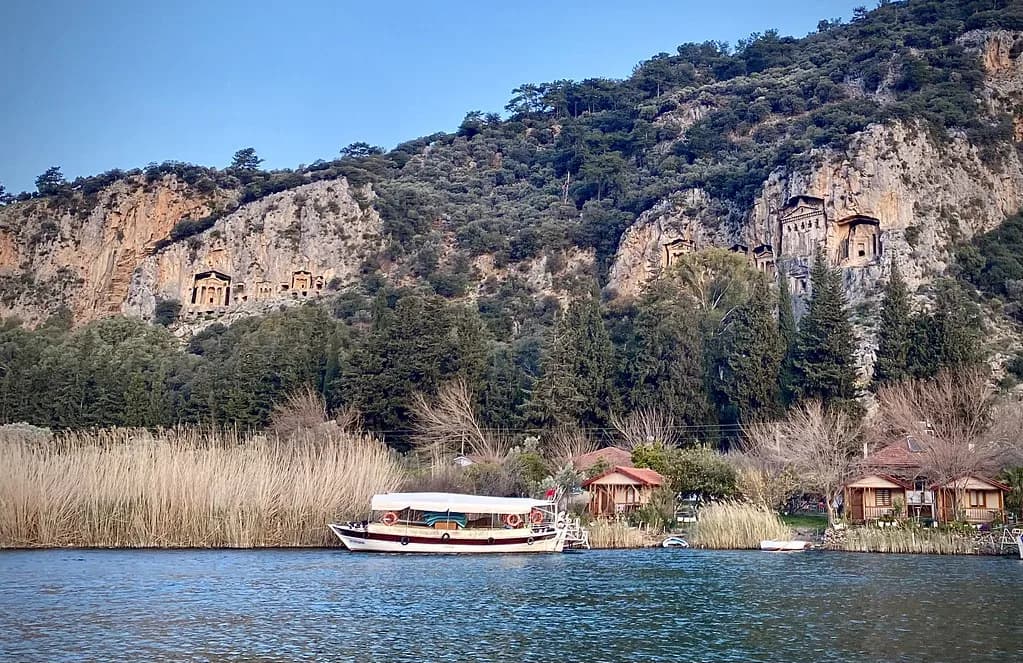
The Dalyan rock tombs are a group of tombs cut into the cliffs above the Dalyan River, facing the town from the opposite bank at the ancient city of Kaunos. Most visitors see the carved façades from the river or the waterfront rather than standing beside them. This guide covers what the tombs are, how old they are, and the practical ways to view them, whether you cross for Kaunos or take a boat; use our Dalyan Map to place the river, the town and the Kaunos bank.
Where the Dalyan rock tombs are
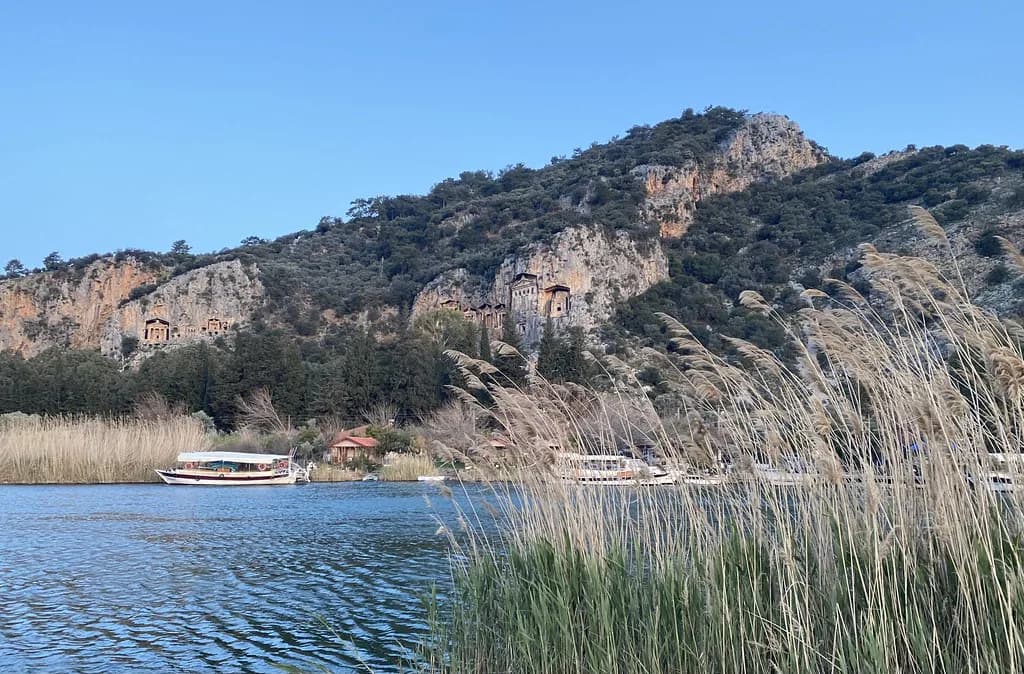
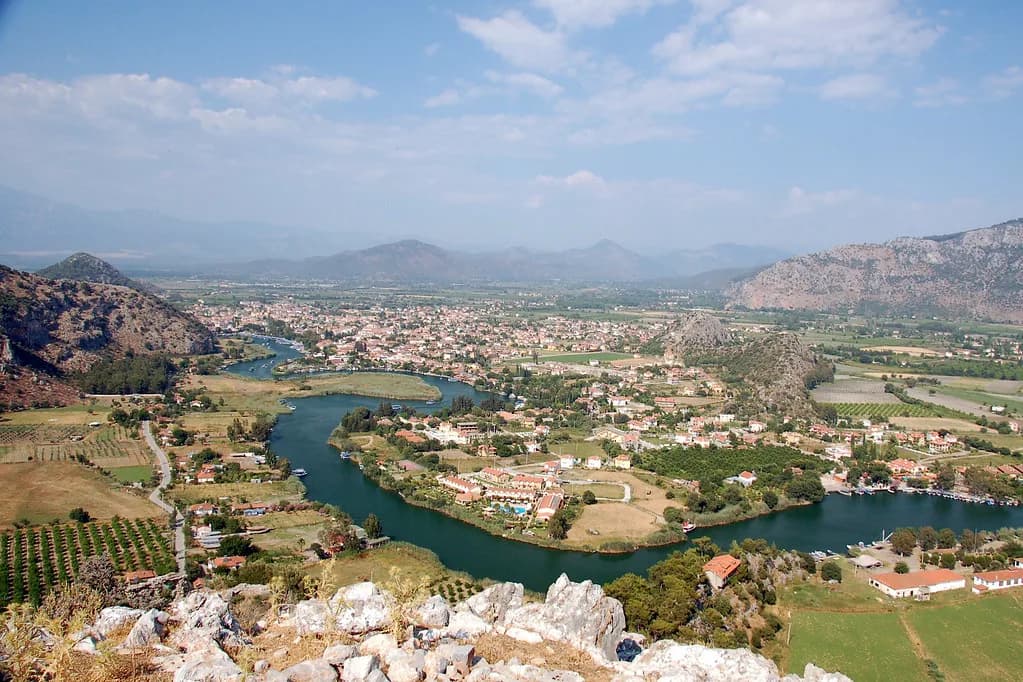
The tombs sit in the cliffs above the Dalyan River, which runs through the town and connects Köyceğiz Lake to the Mediterranean Sea. The principal façades are cut into the cliff face on the opposite bank of the river from the town, so your first view is usually across the river rather than up close.
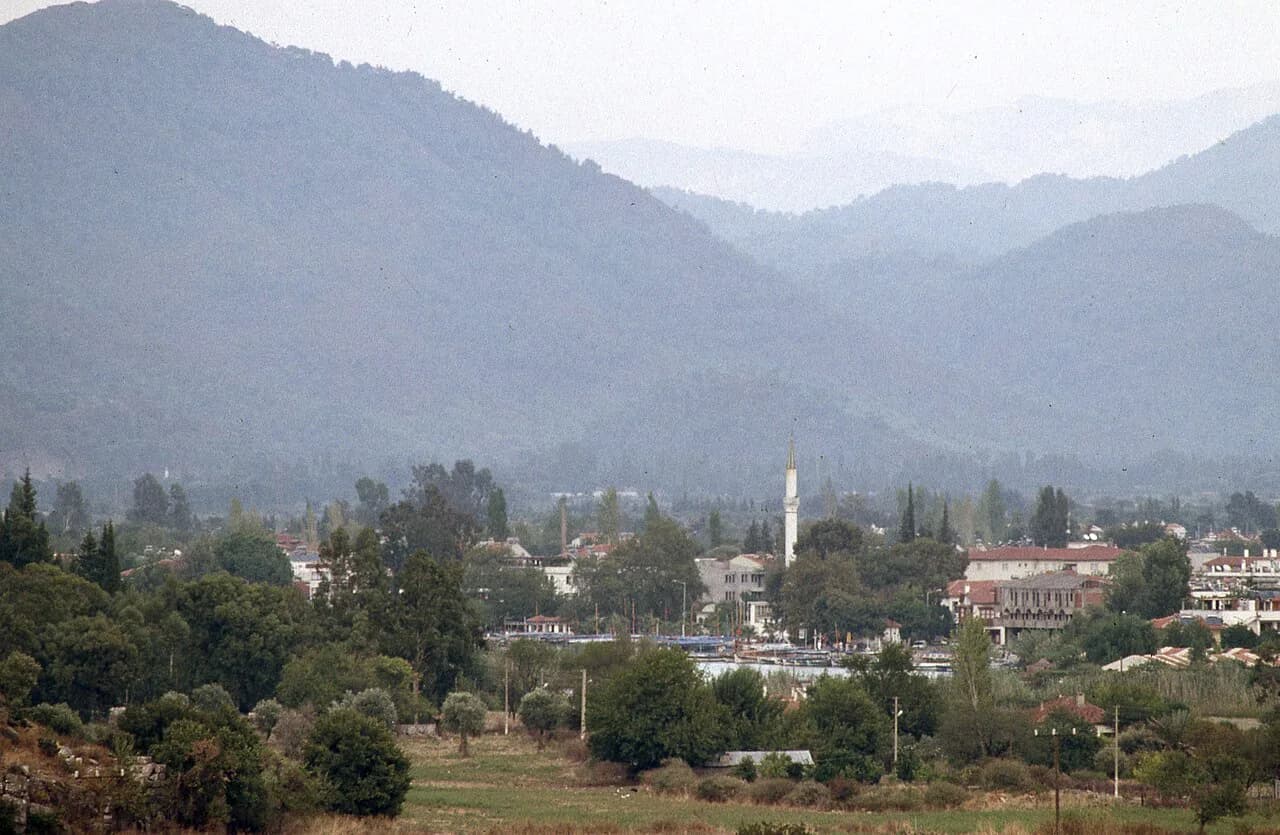
Dalyan is a small town on Turkey's south-west coast, in Muğla Province, set on the river between Köyceğiz Lake and the sea. If you are basing yourself in Fethiye, Marmaris or Ölüdeniz, Dalyan is a straightforward day out by road. The tombs are the reason most people look up as soon as they reach the waterfront.
What the tombs are
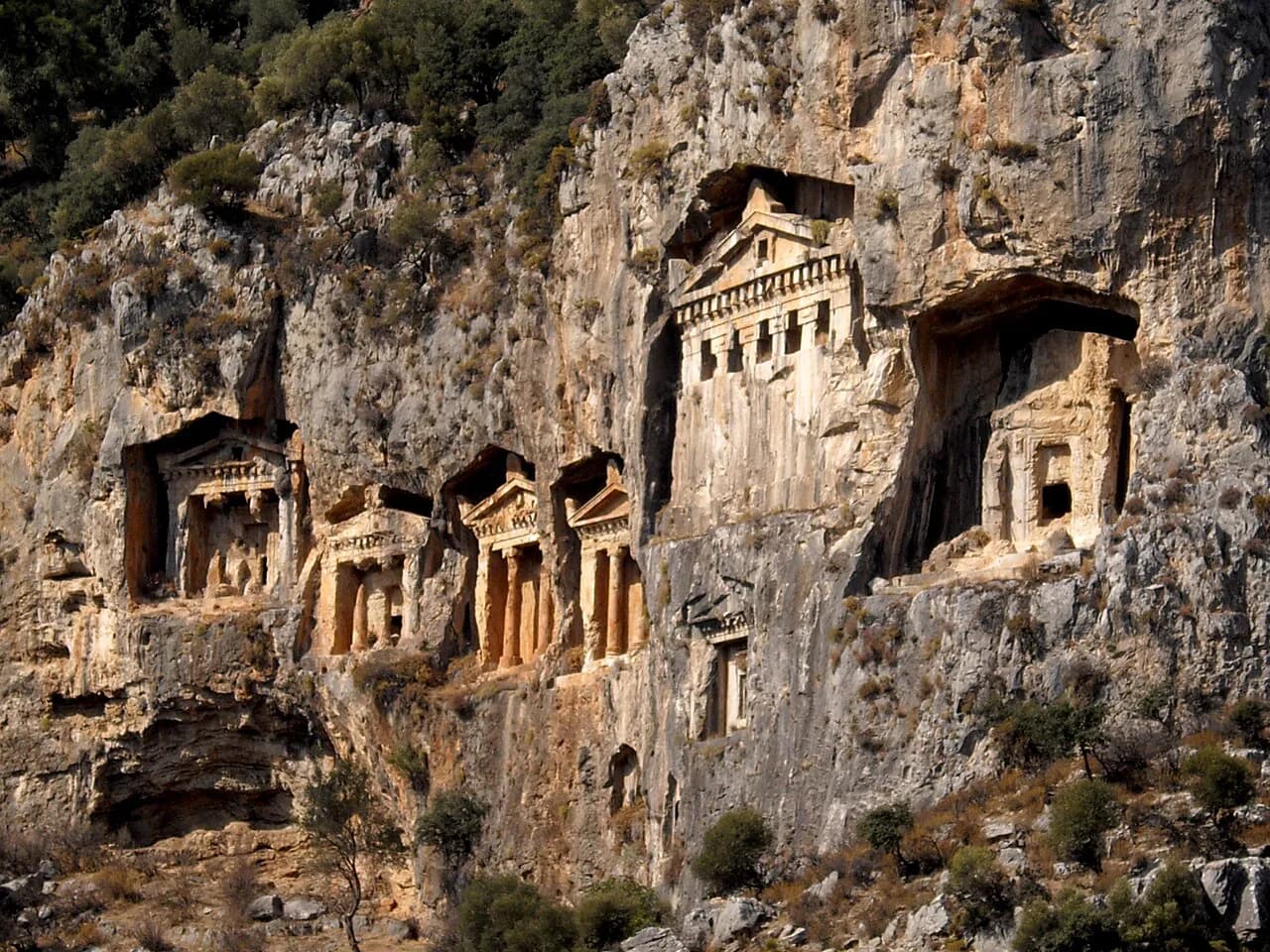
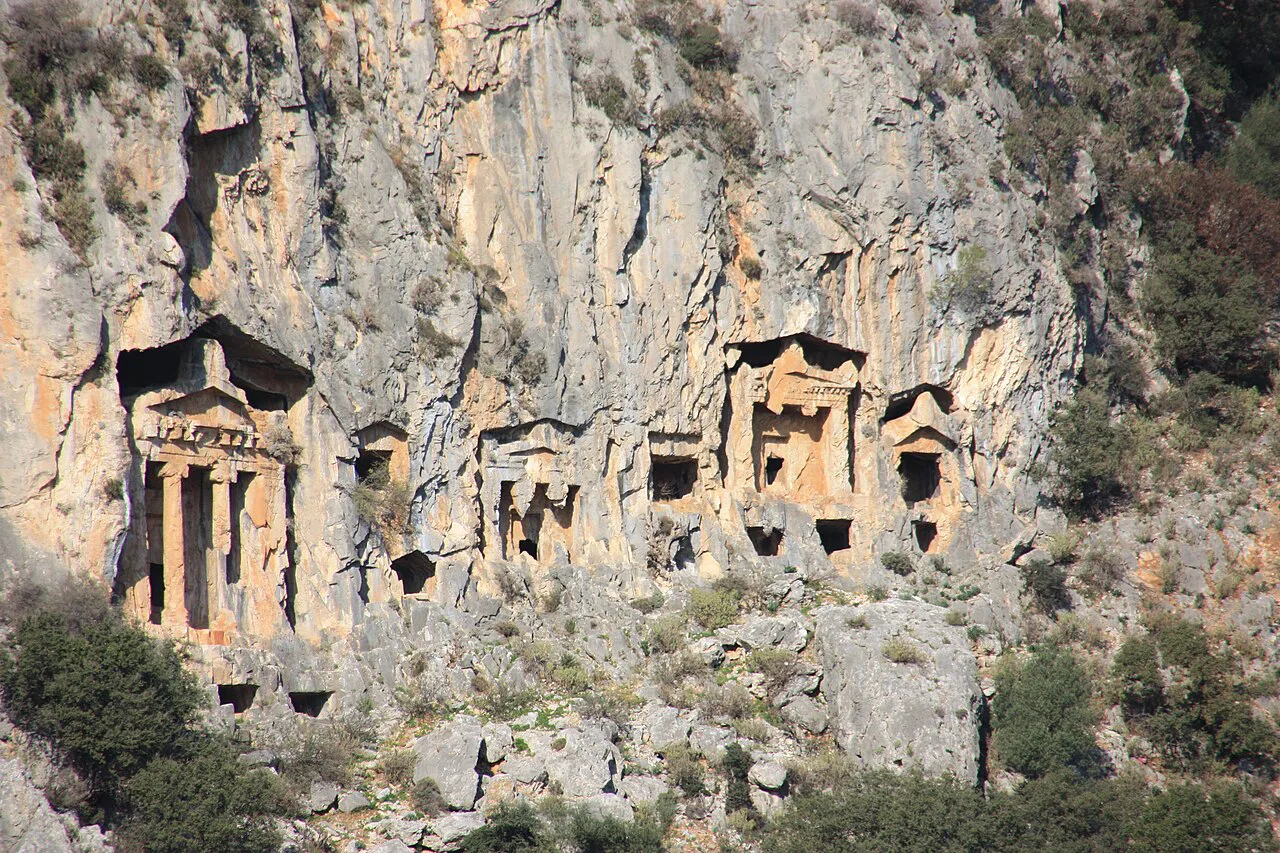
These are rock-cut funerary monuments in the Lycian style, cut directly into the cliff. The Lycians inhabited the region from the 6th to 3rd centuries BCE and carved elaborate tombs from natural rock, and the Dalyan group is a significant example of that architecture in the region. You are looking at temple-like façades cut back into the rock.
The façades above the river are the highlight because of where they sit: high on the cliff, looking down over the town and the river. Carvings decorate them, and the source describes reliefs and carvings rather than any specific scene. From the far side you see the architecture; the detail is best appreciated from a position closer to the cliff, though you cannot climb into the tombs.
How old they are and who carved them
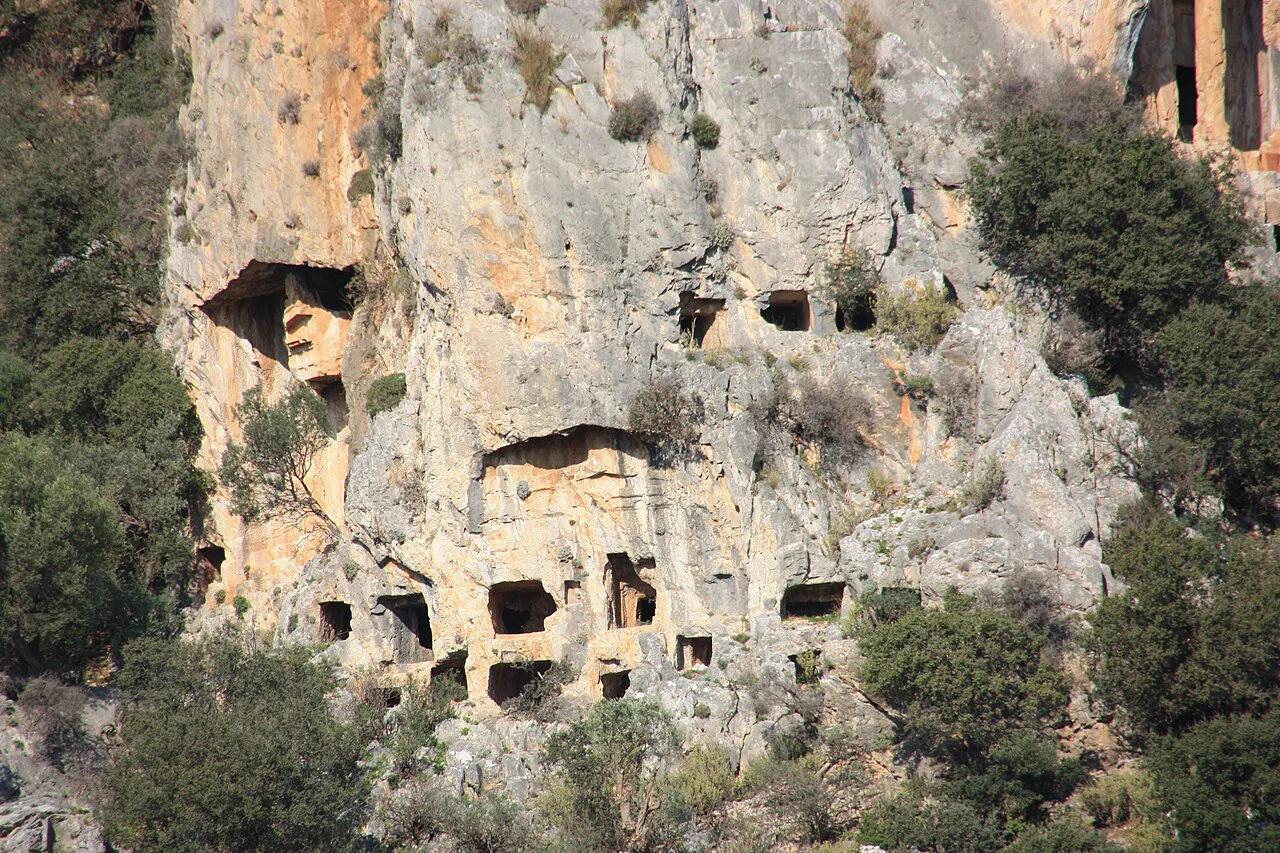
The dates to keep in mind are around 400 BC for the weathered façades cut from rock above the river. The tombs at the ancient city of Kaunos near Dalyan are also described as mid-4th to 2nd century BC cliff tombs. Treat those as broad ranges rather than a single construction date for the whole group.
The group is often called the Caunos Tombs of the Kings, and the tombs are carved in the Lycian style. Kaunos was the ancient city below, and the tombs belong to that site rather than to Dalyan town. Over 170 rock-cut tombs are recorded in the wider group, which is why the cliff face is pitted with openings when you look closely.
The Lycians believed the souls of their dead reached the afterworld, which is why these monuments were cut into the sides of cliffs along the coast. That belief explains the effort behind the façades but not the identity of any individual buried inside. The carved designs are described as well preserved, though the rock above the river is visibly weathered.
The monumental façades and the wider group
There are two things to look at, and they are easy to confuse. What people photograph from the river is the row of large carved façades high above the water; that is the dramatic view. The wider archaeological picture is the full group of rock-cut tombs around Kaunos, which you will not see in one sweep from the boat.
In town, the Roman bathhouse known as Cleopatra's Bath sits on the riverbank and is built into the cliff face, so it is often seen on the same walk as the tomb views. Keep it separate in your mind from the tombs themselves. It is a waterfront stop rather than part of the carved necropolis above.
Seeing them from the river: boat trips along the Dalyan River
The classic way to see the tombs is a boat trip along the Dalyan River and through the delta, where the channel twists between the shores. The boat gives you the straight-on view of the cliff face that photographs well and the angle changes as you move. Note that the tombs themselves are not visited on foot during the trip; you are looking up from the water.
Boat trips can also be timed at dusk, when the cliff face and the tombs take on a golden glow from the setting sun. If you want that light on the rock, ask about departure times when you book, because river services are seasonal and vary through the year.
Seeing them from the town side
You do not need a boat to see the tombs. The town side has riverfront viewpoints on the bank opposite the cliffs, so a walk along the waterfront gives you the main view without booking anything. This is the simplest option if you have a few hours in Dalyan.
From the town side you are reading the façades from below and across the water, so the reliefs are small and the scale of the individual openings is hard to judge. That is the honest trade-off: no boat trip, but less detail. A short zoom lens on a phone or camera closes part of the gap.
Combining the tombs with Kaunos
The tombs and the ancient city of Kaunos are best treated as one outing, not two. Kaunos is the site on the opposite bank, so a visit that takes in the ruins should also give you the tomb façades from below and, in some places, closer up. Build the day around the crossing rather than around a list of separate sights, and see our Things to Do in Dalyan guide for the rest of the day.
The delta can be added to the same outing by boat, finishing with the river channel and the wider scenery of the delta. This suits travellers who would rather do one long half-day than several short trips. Dalyan sits on the south-west coast within easy reach of Fethiye, Göcek and Marmaris, so it fits neatly into a beach-based itinerary.
How to get to Dalyan and around it
Dalyan is a small town on the river, and the tombs sit just across it, so getting around is largely on foot plus a short boat crossing or a road link. If you are coming from Dalaman Airport or the Fethiye coast, a hire car makes the arrival flexible; there is also the option of a boat trip arranged from town. Hire firms serving Dalaman Airport, Fethiye, Göcek and Marmaris advertise pick-ups in those places, which gives you a sense of the region you are travelling within.
Plan the crossing and the boat around the same part of the day. Boat services and river levels vary through the season, so confirm the day's schedule with the boat company you book, or at the harbour, rather than relying on a fixed timetable. Mornings are calmer on the water and give clearer light on the cliffs.
What a visit involves: heat, river and reading the façades
The tombs face you across the water, which means no climbing, no stairs and no long walk in. It also means you cannot get among them, so the visit is about looking rather than exploring. Allow for a short stop at the waterfront and a longer one if you are taking the boat or crossing for Kaunos.
River level and the heat shape the experience more than anything else. Boats need enough water to run their channels, and the cliffs give little shade, so a mid-summer visit works better early or late. If the light on the tombs matters to you, the setting sun is the moment to plan around, and it comes earlier in spring and autumn.
Bring water and a hat for the waterfront, and shoes that cope with the uneven path to the boat if you are taking a trip. Check what the day's boat or the Kaunos site asks for at the time, along with whether the riverfront itself has any ticket in force. The Dalyan waterfront restaurants are worth a stop after a morning on the water if you want to stay in town for lunch, and our guide to the best restaurants in Dalyan covers the options.
Should you book the boat or walk the waterfront?
If you have only an hour or two, walk the town waterfront and read the façades from the opposite bank. If you want the cliff face at full scale and the delta in the same trip, take the boat. The two views are complementary, and doing both takes half a day rather than two separate outings.
Confirm boat times, river conditions and the Kaunos ticket at the harbour on the day, since none is fixed through the season. Once those are settled, the rest of the day is straightforward: the tombs and the waterfront are the core, and everything else in Dalyan follows from there.
Explore more Dalyan guides
Sources
Notes for your next Turkey trip
Optional updates when we add or correct a town guide.
You might also like
Continue reading
More guides you'll find useful