Things to Do in İzmir: Old Town, Harbour and Ancient Sites
Plan İzmir by area: the Kemeraltı bazaar, Konak Square and the Kordon waterfront, the Agora and Asansör, plus Ephesus and Pamukkale day trips.
On this page
Give İzmir one full day on foot around Konak and Alsancak, and add a second day for Ephesus if you want ancient ruins. The city's sightseeing core is compact and low-key: a covered bazaar, a square with a clock tower, a long seafront promenade and a hilltop lift, all within walking distance of each other. This guide arranges those stops into a workable route, then covers the museums, mosques and day trips that need more time.
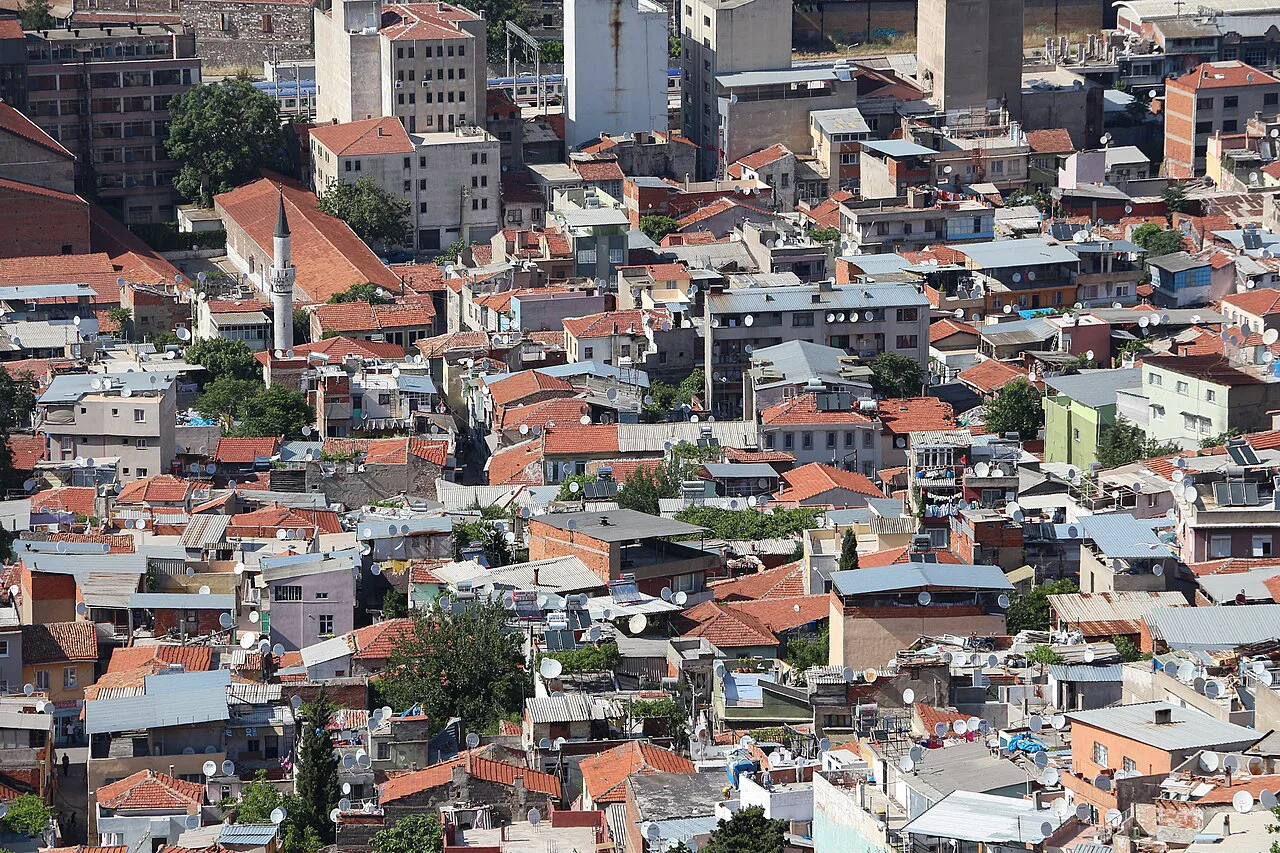
İzmir sits on the Aegean coast and is generally described as the country's third largest city, which explains why it feels like a working place rather than a resort. The old bazaar district and the harbour front carry most of the visitor interest, while the surrounding region holds the big archaeological draws. A map helps before you arrive, because the sights spread between several neighbourhoods rather than clustering at one address.
What İzmir is like for a short break
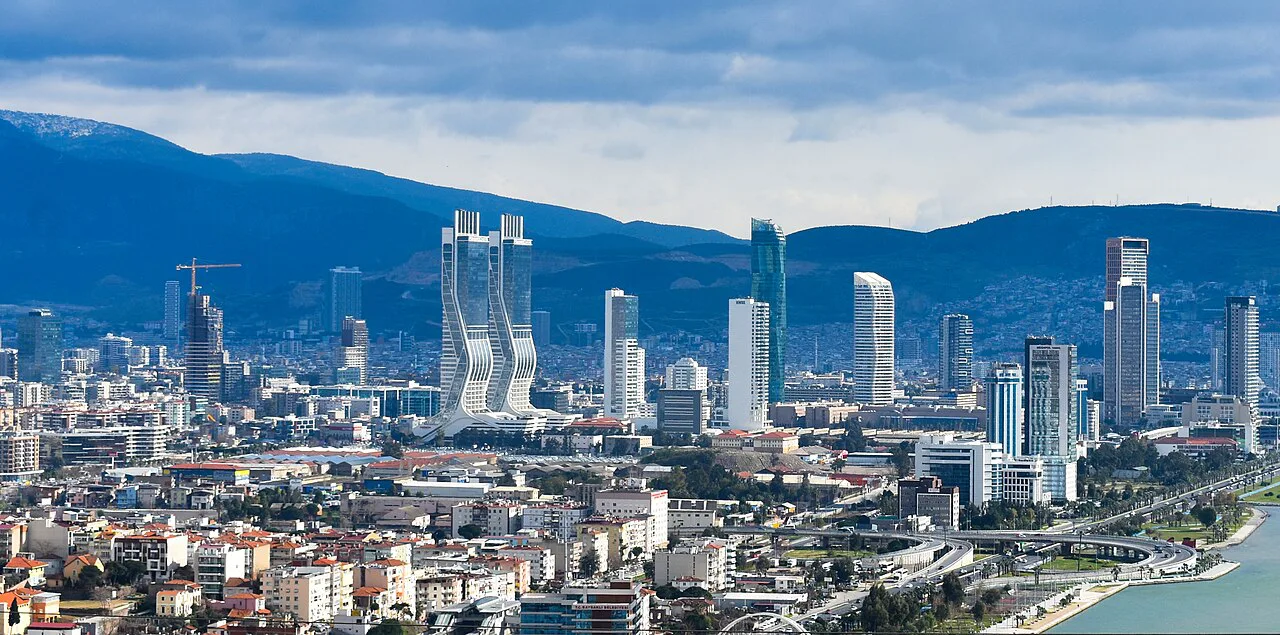
İzmir is a big Aegean city with a modest, walkable sightseeing core, so a short break here feels relaxed rather than packed. The main cluster runs from the Kemeraltı bazaar through Konak Square to the Kordon waterfront and up to the historic elevator building. Locals use the seafront for strolling and snacking, and the bazaar for everyday shopping, which keeps the centre busy without feeling staged for visitors.
Newcomers often find the city less obvious than Istanbul or Antalya, yet it is the country's third largest, with close to three million residents in the city itself. That size matters for planning: you will use public transport, taxis or a car to link the centre with outlying sights. If you are weighing up whether the stop is worth your itinerary, there is a separate case for why the answer is usually yes.
How İzmir fits together
Think of the centre in four pieces: Kemeraltı Çarşısı, Konak Square, the Kordon and the Asansör hill. Kemeraltı is the pedestrian bazaar heart, Konak Square sits at its southern edge with the clock tower, and the Kordon runs north along the water through Alsancak. The Asansör stands inland above the dense streets, reached on foot or by taxi from the bazaar side.
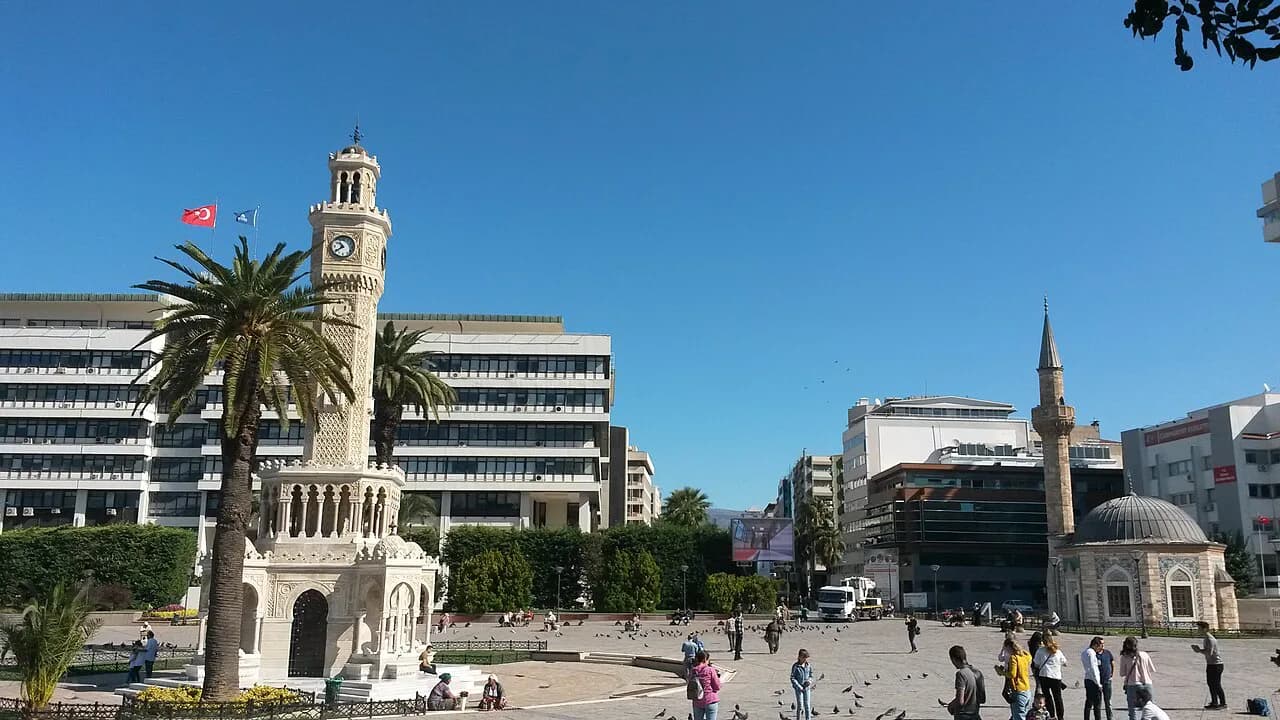
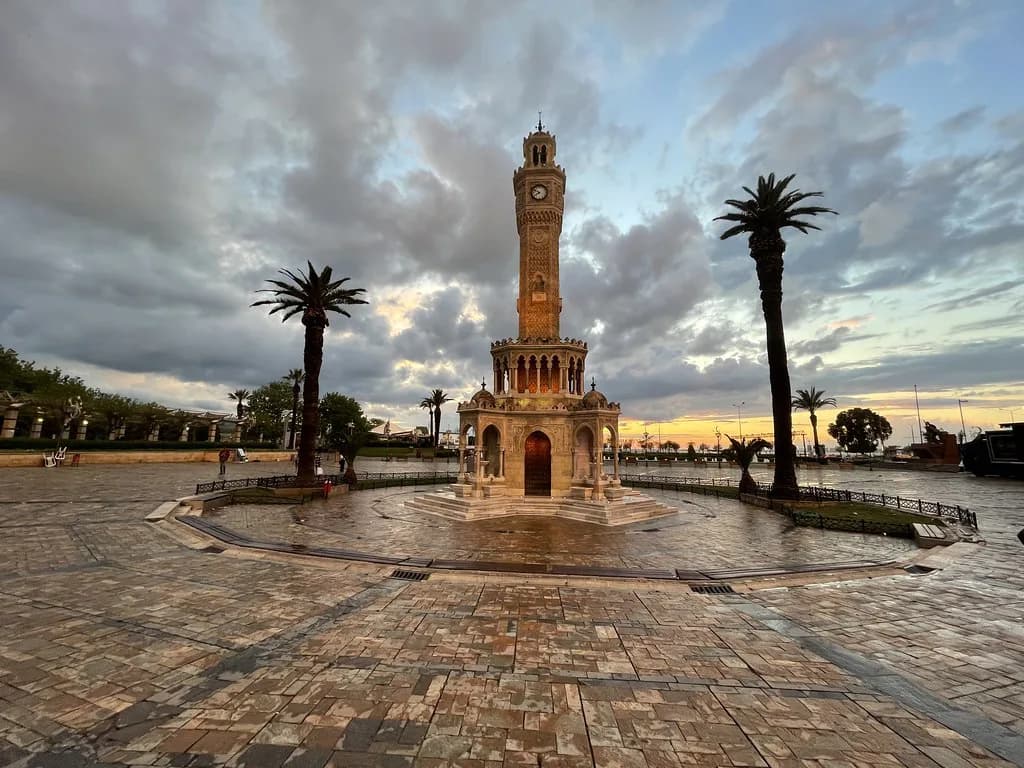
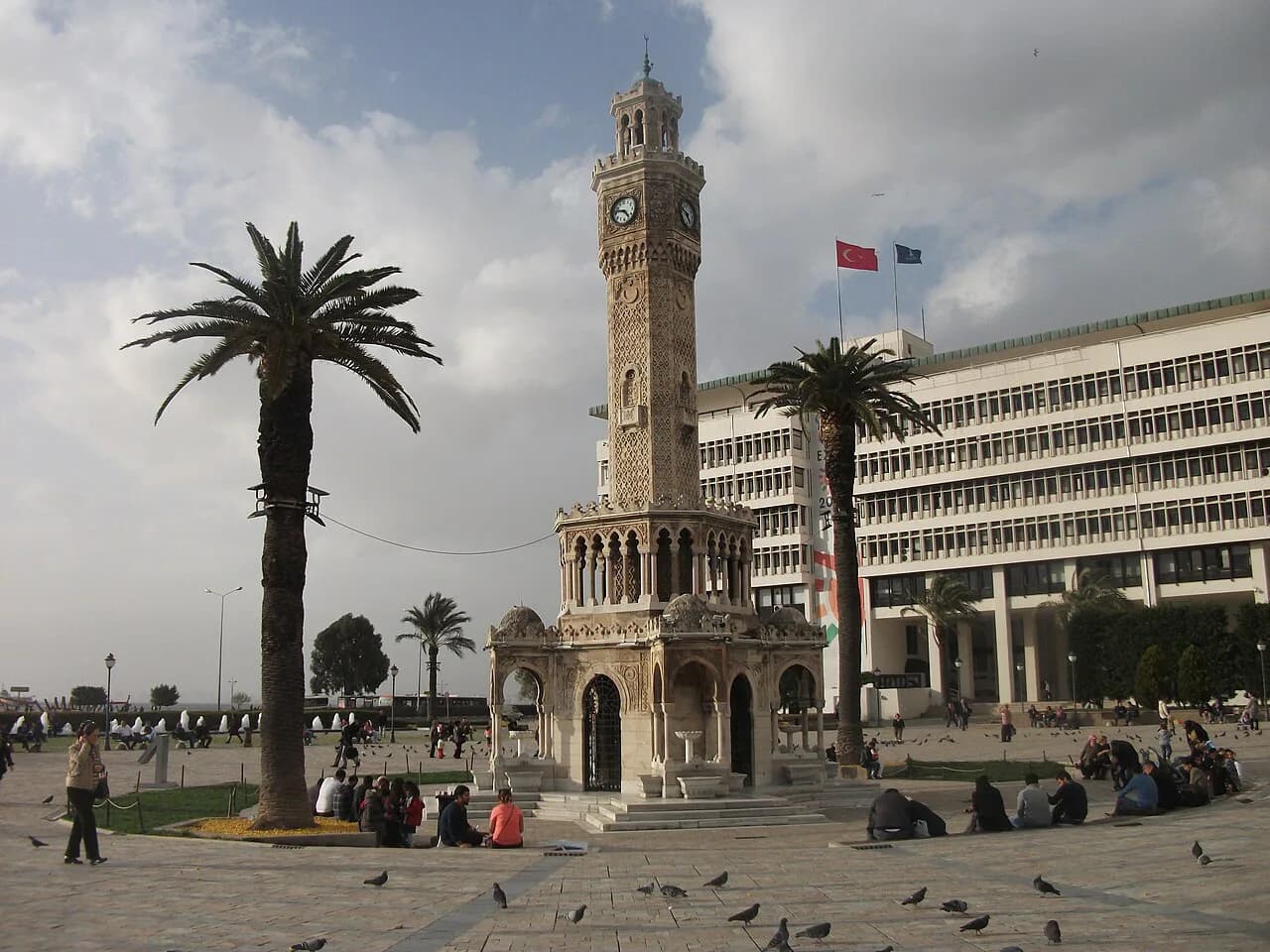
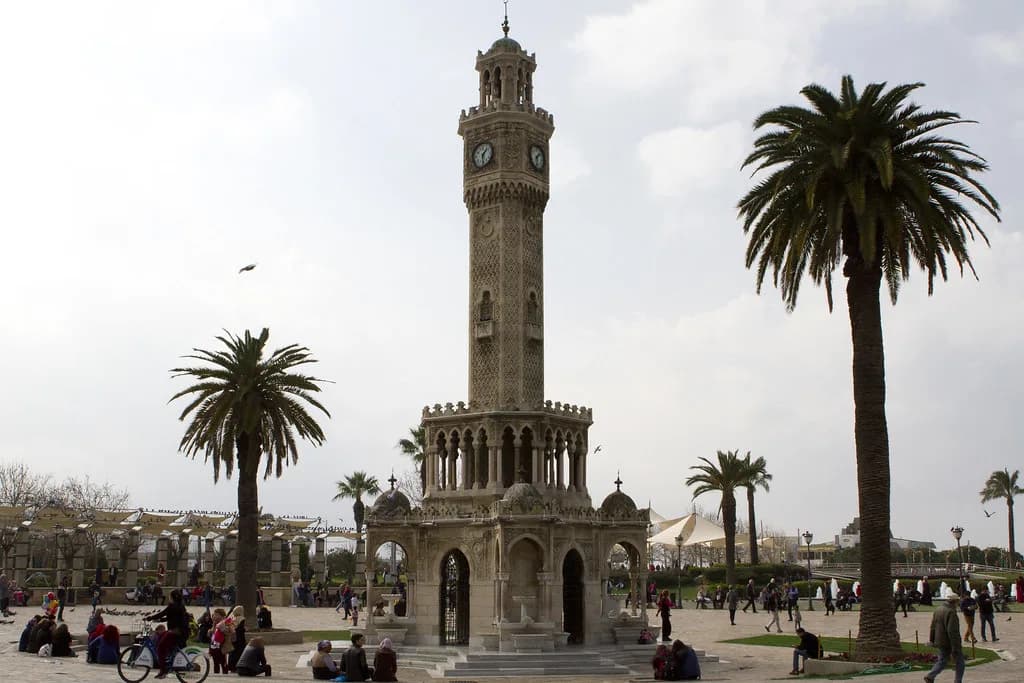
The Clock Tower on Konak Square is the simplest orientation point, built in 1901 and perennially ringed by people taking photographs. Sitting here with a coffee among the street food vendors is one of the city's simple free pleasures. From Konak, the bazaar entrance is a short walk and the waterfront is downhill, so you can chain the stops without a taxi.
Kemeraltı Çarşısı: wandering the covered bazaar
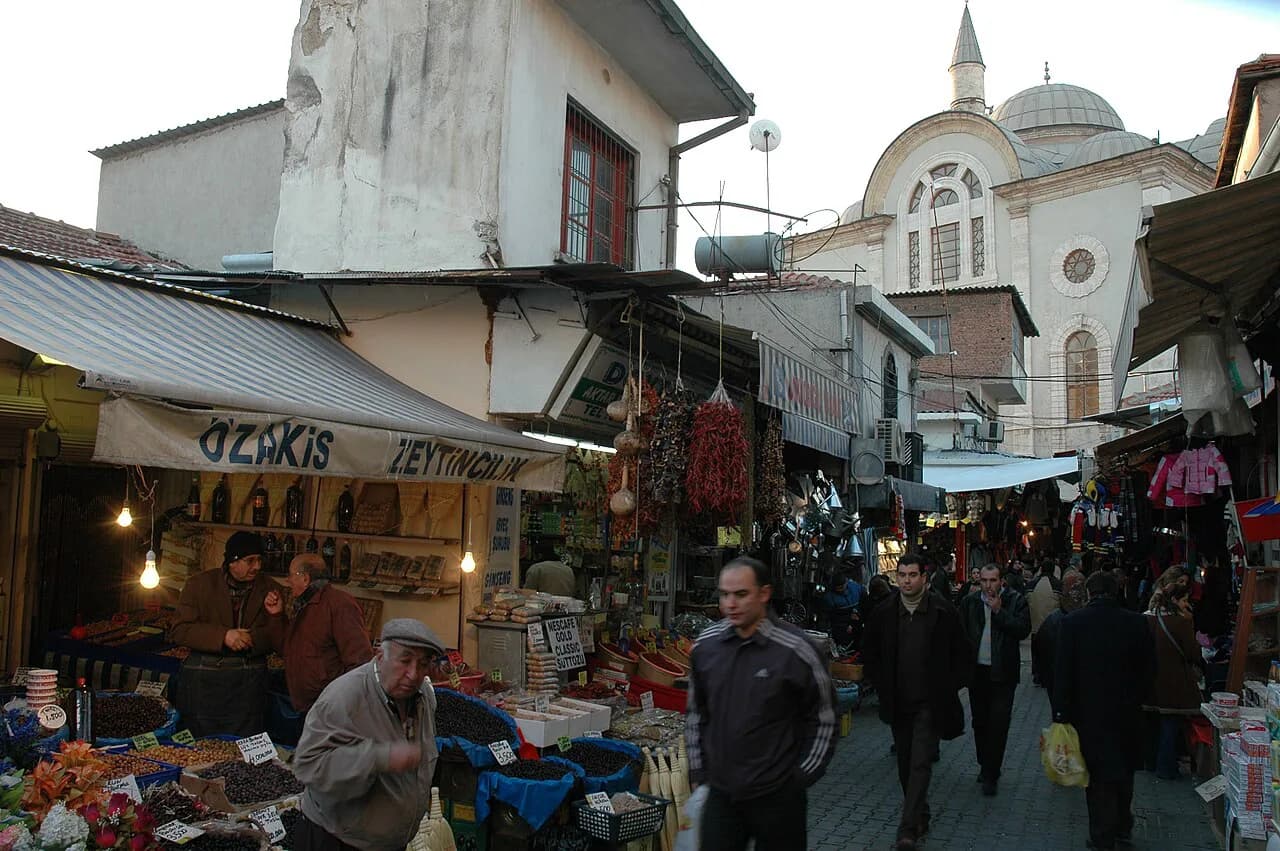
Kemeraltı Çarşısı is the city's pedestrian shopping district, a honeycomb of stalls and small cafés where crowds and food smells arrive from every direction. Treat it as a wander rather than a checklist, and sit down when a café looks good, because retracing your steps is genuinely difficult. The bazaar is also where haggling belongs, and a dedicated guide covers the etiquette and the stall-by-stall picture.
Shopping here is everyday rather than souvenir-driven, which makes it useful for leather, textiles, coffee and household goods. Bring small notes, keep an eye on your bag in the crush, and expect the busiest hours to be the middle of the day. Our separate piece on shopping in Izmir goes into the practical side of buying.
Kızlarağası Hanı: the restored 1744 inn inside the bazaar
Kızlarağası Hanı is a covered market building inside the bazaar district, dating from 1744 and since restored. Come for the architecture and the courtyard atmosphere rather than for discounted souvenirs, and use it as a calm pause in the middle of the market. Haggling is part of the ritual at the stalls around the bazaar, and the inn is an easy place to practise it.
Beyond the inn, the city runs weekly produce markets where locals shop for fruit, cheese and household goods. Days and locations vary by neighbourhood, so ask around locally to find out when each one runs. Our overview of Izmir Markets sets out what to expect from each type of market.
Konak Square and the Clock Tower: the city's meeting point
Konak Square is the city's open-air meeting point, with the ornate Clock Tower at its centre and street food vendors around the edges. Sitting on a bench with a coffee and watching the city go by costs nothing and gives you the rhythm of the place in ten minutes. The square is also a convenient start and finish for a walking loop through Kemeraltı and down to the water.
The wider Konak area holds Hisar Mosque, one of the city's older places of worship, a short walk from the tower. Dress modestly and time your visit outside prayer times, as you would at any working mosque. Several of the better-known stops, including the clock tower, the Kordon and the Agora, appear together in round-ups of the city's attractions.
The Kordon: İzmir's waterfront promenade
The Kordon is a 1.5 km waterside promenade running from Alsancak past the city centre, with origins in the 1850s. It has grassed areas for picnics, cycle lanes and an old-fashioned tram, so you can walk one way and ride the other. This is where locals gather by the sea in the evening, and it is a fine way to spend a free hour in the city.
Bring a coffee or a snack and walk the whole length rather than turning back early; the character shifts as you head south towards Pasaport. Pasaport quay is a good sunset stop, and the harbour side near Konak Pier is made for a slow stroll. There is a separate site with İzmir seaside sections if you want to plan the waterfront more precisely.
The Agora Open Air Museum and the archaeology museum
The Agora Ören Yeri is an excavated Roman-era market site in the middle of the modern city, close to the bazaar and Konak. It is the sort of place where a short detour pays off, and it pairs naturally with a bazaar morning. The İzmir Archaeology and Ethnography Museum is the indoor counterpart, useful when you want context for the region's Greek and Roman remains.
The two are separate sites, so treat them as individual stops rather than one combined ticket. Opening hours can change, so check at the ticket office or the museum's own notice before committing a morning. Round-ups of the city list both as standard stops.
The historic elevator building (Asansör)
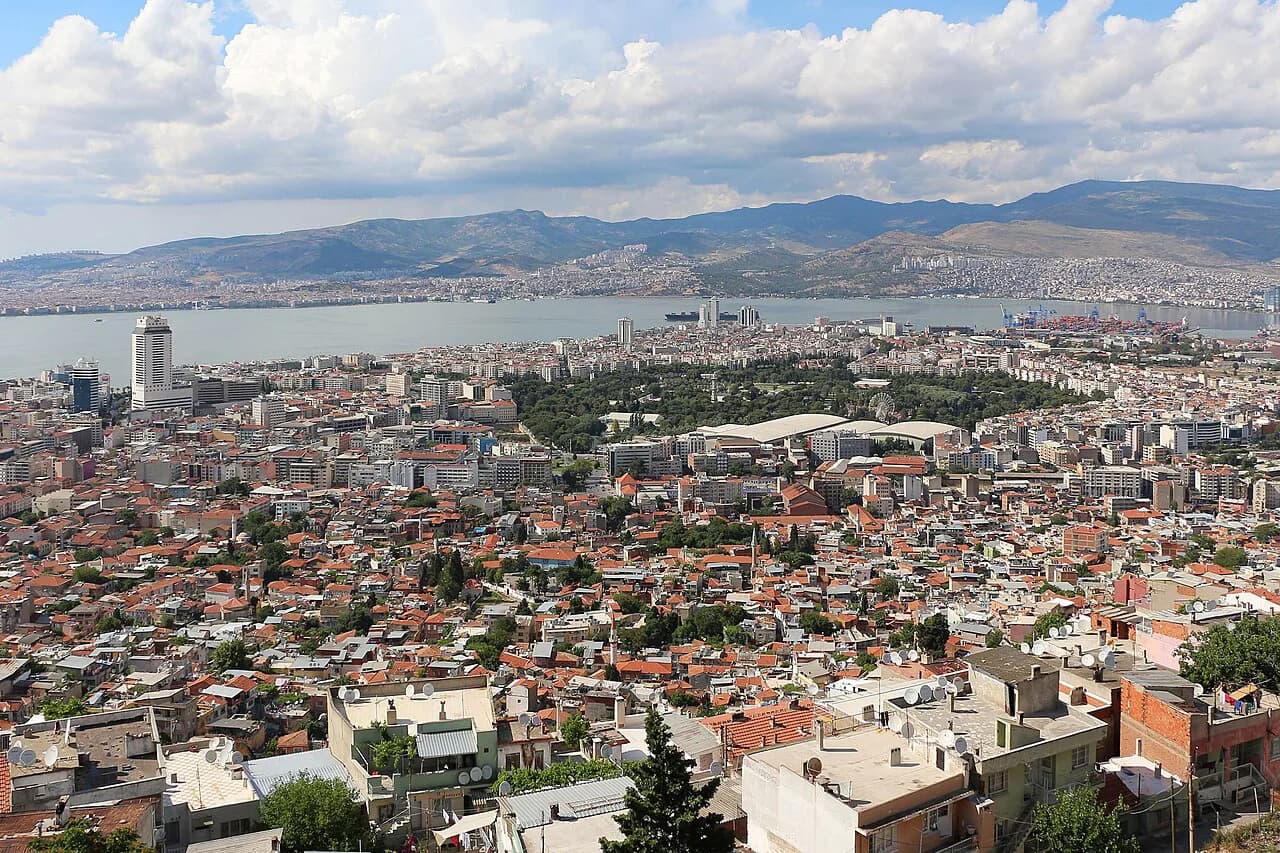
The Tarihi Asansör is a historic lift building on the hillside that gives a view back over the city and the water. It is a short taxi ride or a stiff walk uphill from the bazaar, and the reward is a panorama rather than a long visit.
The streets below the lift are steep and residential, so wear proper shoes if you walk up. Combine the Asansör with a wander back down towards the seafront rather than returning the way you came. Locals and visitors alike treat the lift as one of the city's signature viewpoints.
Mosques and the Atatürk Museum
Hisar Mosque near Konak and the Blue Mosque, known locally as Fatih Camii, are working places of worship rather than monuments. Cover shoulders and knees, remove shoes at the entrance, and avoid visiting during prayer. Both are quick stops that fit between the bazaar and the waterfront.
The Atatürk Museum occupies a house associated with the founder of the republic and displays period rooms and documents. It suits anyone interested in modern Turkish history, and it is a practical indoor option in poor weather. Opening days can shift at short notice, so ask at the door, as state museums adjust their schedules.
Konak Pier and Pasaport for sunset
Pasaport is the quay where people gather at sunset, and it makes a natural end to a walking day along the water. Walk the stretch through the Konak area rather than treating it as a separate destination. This is also where a waterfront drink makes sense at the end of a sightseeing day.
The promenade here links naturally to the Kordon, so a single evening covers both. Arrive before the sun drops to get a spot on the water side. The city's own guides treat sunset at Pasaport as one of the easy pleasures of İzmir.
Food stops: boyoz and Alsancak street food
Boyoz is the city's breakfast pastry, a flaky roll eaten with tea and often a boiled egg. Bakeries around Konak and the bazaar sell it in the morning, and eating one standing up is part of the experience. Lonely Planet singles out boyoz as the local breakfast to try.
Alsancak has the densest concentration of street food and casual eating in the centre, from stuffed mussels sold on the waterfront to grilled sandwiches and sweets. Prices at street stalls are low, but they change with the lira, so read the board rather than rely on any figure quoted in a guidebook. Evening drinks in Alsancak are a local habit, though this guide leaves nightlife to others.
Day trips: Ephesus, Pamukkale, Bergama, Çeşme and Sığacık
Ephesus is the most popular day trip from İzmir, a major Roman city and open-air site. It needs a full day with travel, and the site is exposed, so start early and take water. Pamukkale, the white travertine terraces at Hierapolis, is a longer journey inland and better done as a dedicated day or an overnight stop.
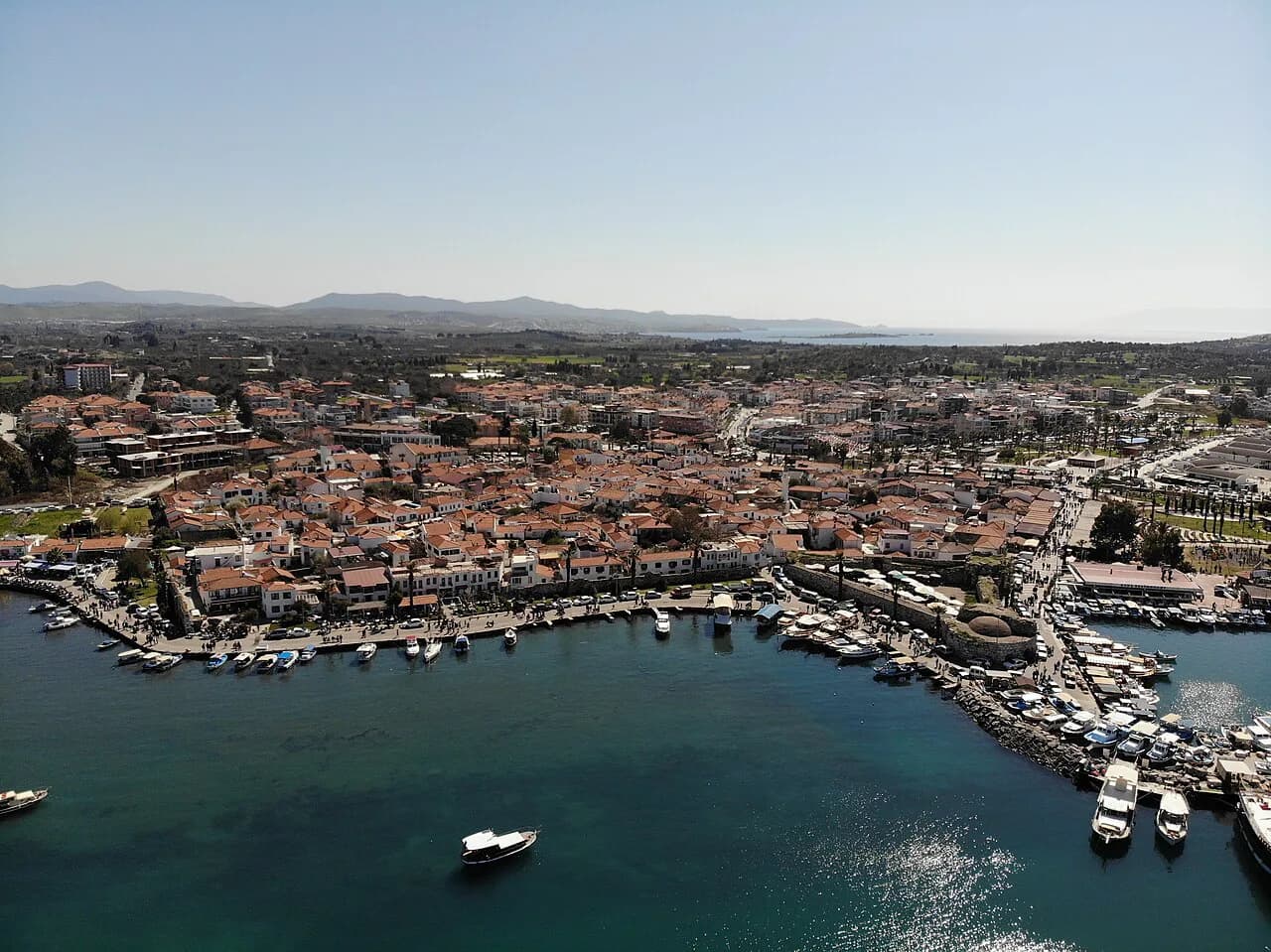
Bergama, ancient Pergamon, has a hillside theatre and an acropolis that rewards a full day. Çeşme and Sığacık sit south and west along the coast, with Sığacık's old streets and harbour making a gentle alternative to ruins. If you prefer city sightseeing outside İzmir, there are comparable options elsewhere in Turkey, and the things to do in Alanya make a useful point of comparison for a coastal city break.
Regional guides group these excursions as the natural add-ons to a city stay, and they are worth planning before you arrive because transport eats into the day. Lonely Planet's city list runs through the coastal and inland options.
How long İzmir needs
One full day covers the centre: bazaar, Konak Square, the Agora, the Kordon and the Asansör. Two days let you add a museum and a slow waterfront evening without rushing. Three days or more is the point at which a day trip to Ephesus or Pamukkale makes sense without sacrificing the city itself.
If you are choosing between a city break and a base for ruins, be honest about travel time: Ephesus and Pamukkale each consume most of a day with transfers. İzmir is a comfortable base but not a doorstep location for either.
Getting around: tram, public transport and bikes
The centre is walkable, but İzmir is a big city, so expect to use public transport, taxis or a car for the outer sights. The old-fashioned tram along the Kordon is the pleasant exception, and the cycle lanes make a bike a realistic option on the seafront. Buses, taxis and the tram cover the stretches you would not walk.
For the bazaar and Konak, walking beats any vehicle because the streets are pedestrianised and traffic is heavy around the edges. A map is more useful than a taxi app in the old centre. Practical guides to the city's layout help you avoid criss-crossing unnecessarily.
City day first, or Ephesus first?
Give İzmir its own day before booking any excursion. The bazaar, Konak Square, the Agora, the Kordon and the Asansör form a coherent walk, and seeing them first makes the day trips feel like additions rather than the whole point of the stop.
If your time is tight, choose between Ephesus and Pamukkale rather than attempting both, and keep the city evening free for the waterfront. Book transport for the chosen day trip before you arrive, and leave the rest of the itinerary loose enough to absorb a slow bazaar morning.
Explore more Izmir guides
Frequently Asked Questions
Does İzmir have a beach?
The city centre is a harbour and promenade rather than a beach destination, and the swimming spots lie outside the centre along the coast. For sand and swimming, plan a coastal day rather than expecting a beach within walking distance of Konak.
Is İzmir worth visiting?
Yes, if you want a working Turkish city with a compact historic core rather than a resort. The bazaar, the Clock Tower square, the Kordon and the Asansör fill a satisfying day, and Ephesus and Pamukkale are within reach for a second.
What are the best things to do in İzmir with kids?
The Kordon promenade works well, with space to run, cycle lanes and the old-fashioned tram. Konak Square is another easy stop, with the clock tower to look at and street food nearby. Museums suit older children more than toddlers.
How many days in İzmir is enough?
One full day covers the central sights on foot, and two days allow a museum and a relaxed waterfront evening. Add a third day only if you want a day trip to Ephesus or Pamukkale without cutting the city short.
Sources
Notes for your next Turkey trip
Optional updates when we add or correct a town guide.
You might also like
Continue reading
More guides you'll find useful