Kalkan Ruins Guide: Patara, Xanthos and Tlos Sites
The Lycian ruins around Kalkan include Patara, Xanthos, Letoon, Tlos and Pinara. Here is what survives at each site and how to reach them from town.
On this page
Patara is the ruin to see first from Kalkan: the Lycian capital sits about 20 minutes from town behind its long beach, and it holds the Lycian Parliament building, a Roman theatre built for more than 6,000 spectators and the Arch of Modestus. Beyond Patara, the Xanthos valley adds Xanthos and Letoon, with Tlos and Pinara in the hills, while Myra and Kekova need a full day east. This guide covers what stands at each site, realistic time budgets and the two-site combinations that work, and it starts and ends in the harbour-side streets of Kalkan Old Town where most days out begin.
What Lycian ruins you can see from Kalkan
Kalkan works as a base because the sites are close and spread in different directions. Patara lies west along the coast, Xanthos and Letoon sit inland in the Xanthos valley, Tlos and Pinara climb into the hills above that valley, and Myra with Kekova lies further east towards Demre. That spread matters when you plan: Patara fits a half-day, the valley sites make a loop, and the eastern sites are a full day out.
Independent travellers tend to get these sites at a leisurely pace, and the smaller sites rarely attract coach groups. Patara is the exception in scale, since it combines ruins, dunes and a protected beach in one national park. Build your days around that difference rather than trying to tick off every site in a single sweep.
Patara: the parliament building, theatre and Arch of Modestus
Patara was the naval and commercial port of Lycia at the mouth of the Xanthos River, and the excavated core carries a remarkable density of structures. Look for the Bouleuterion, the parliament building used by elected officials, the monumental Roman theatre, the Arch of Modestus that forms the site's entrance, Roman baths and temples, and a lighthouse from Nero's era. A road sign ordered by Emperor Claudius is also on site.
The ruins sit near Gelemiş village, and entry to the beach is included with the Patara ruins ticket. That single ticket makes the site easy to combine with a swim or a walk on the sand, but plan the order: the ruins are exposed and hot, so take them first and save the beach for later. Ongoing excavations mean parts of the city remain under the dunes.
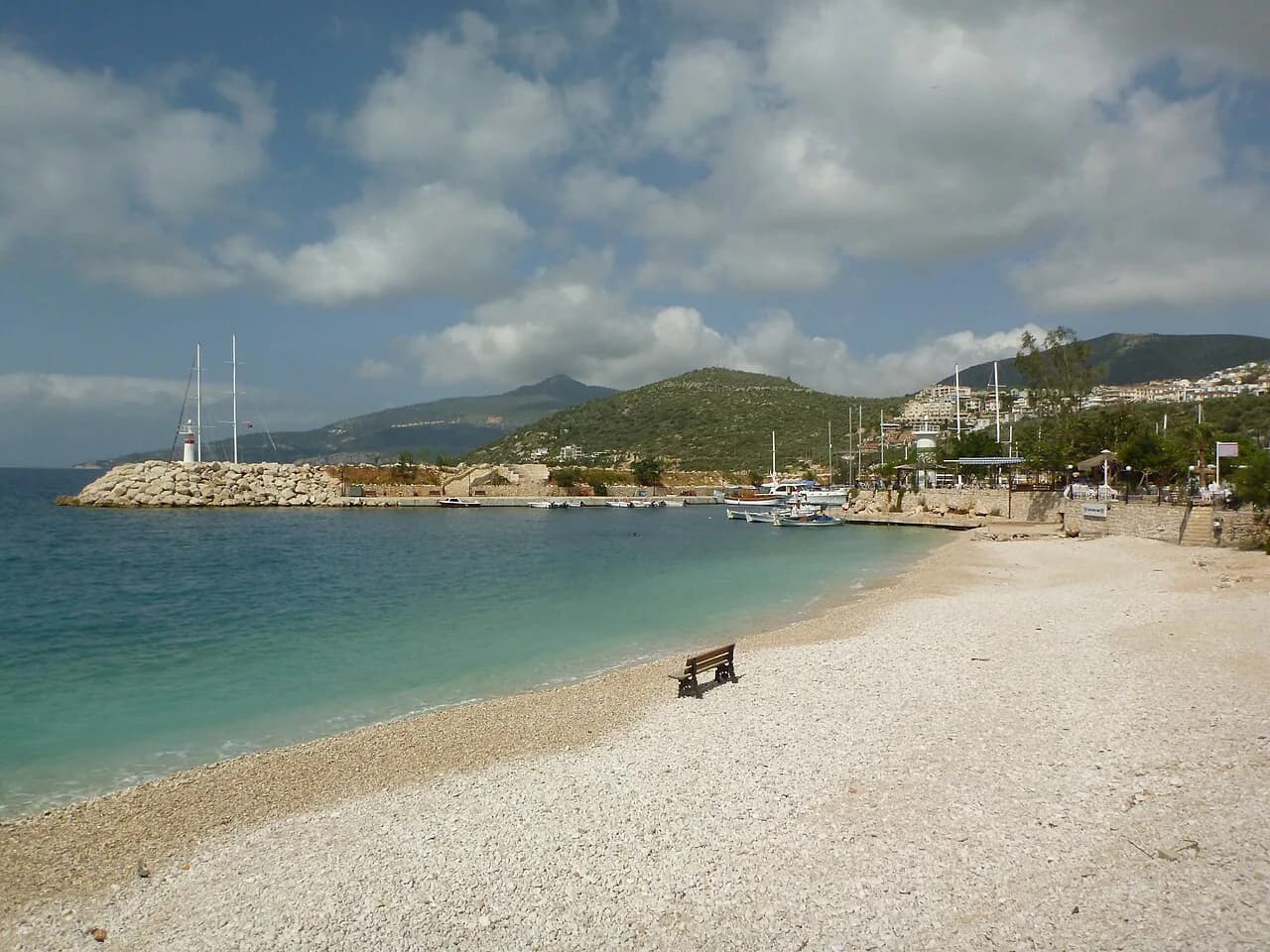
Patara Beach runs up to 18 kilometres and is a loggerhead turtle nesting ground, so marked nesting zones are off limits and conservation rules apply across the sand. In May 2024 the beach recorded 53 nests, its highest count, which shows how actively the zone is managed. Keep to the paths and keep off the roped sections.
Xanthos and Letoon: the UNESCO pair in the Xanthos valley
Xanthos was Lycia's capital, set on a plateau above the Xanthos valley, and Letoon was the sanctuary of Leto with her children Apollo and Artemis a few kilometres away. Both are UNESCO World Heritage Sites, and together they give you the political and religious halves of Lycian life in one inland run. Expect Lycian tombs, sarcophagi, temple remains and a Byzantine church at Letoon, with wide views over the Taurus Mountains.
Treat the pair as one outing rather than two separate trips, since they share a valley and a road. Xanthos takes the longer look, with its plateau and standing monuments, while Letoon is a quieter walk among foundations and groves. The setting among olive groves is part of the appeal, so leave time to slow down.
Tlos: acropolis, Lycian tombs and the Tomb of Bellerophon
Tlos sits on a ridge above the Xanthos valley and layers Lycian rock tombs, Roman baths and a large acropolis crowned by a castle. It was one of Lycia's original six city-states and remained inhabited into the 19th century, which is why the site reads as a stack of periods rather than a single ruin. The climb to the top rewards you with views over fields, orchards and distant peaks.
Look for the Tomb of Bellerophon carved into the cliffs, which depicts the hero with his winged horse, Pegasus. It is the detail that makes Tlos worth the climb for most visitors, and it is easy to miss if you head straight for the acropolis. Check the rock face on the way up.
Pinara: the quiet site in its mountain bowl
Pinara lies in a lush mountain bowl carpeted with thyme and wildflowers, and few travellers make it there. What you get is near solitude among honeycombed burial chambers, temples and a theatre half-swallowed by forest. It was one of Lycia's six great cities, and its silence is now the main reason to come.
Pinara suits a slower day rather than a rushed circuit. The burial chambers cut into the rock face are the highlight, so walk the hillside before settling at the theatre. Because it is quieter, it pairs badly with a tight schedule and well with a picnic and an unhurried afternoon.
Myra and Kekova: rock-cut tombs and the sunken city further east
Myra, near Demre, holds some of Lycia's finest rock-cut tombs and a well-preserved Roman theatre, and the church of St Nicholas is in the same town. Further along the coast, Kekova hides the remains of an ancient city beneath clear water, with half-visible staircases and stone foundations. The nearest village to the sunken city is Simena, and both are reached by boat or kayak rather than on foot.
Plan this as a full day east from Kalkan. Myra is a land site with tombs and a theatre, while Kekova is a water site, so the day needs both a road leg and a boat or kayak leg. A traditional gulet cruise or a sea kayak gives you the view over the submerged walls.
How to reach each site from Kalkan
Patara is about 20 minutes from Kalkan by road, Xanthos and Letoon sit inland in the Xanthos valley beyond it, and Tlos and Pinara lie higher in the same valley system. Myra and Kekova are the long haul east, closer to Demre and Kaş's opposite direction. Use those relative positions to group your days rather than driving back and forth along the coast.
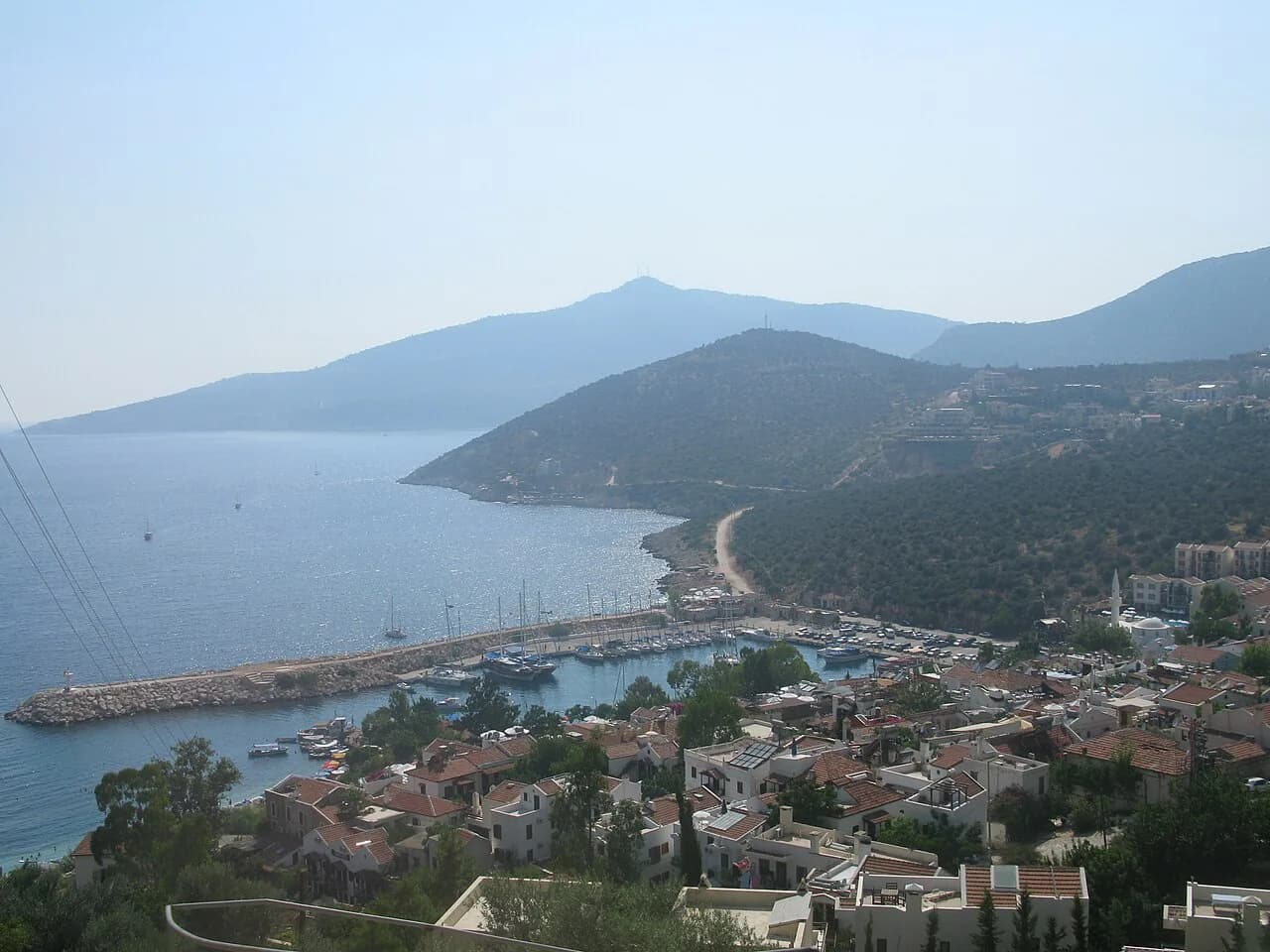
Kalkan's harbour sits at the centre of town, and the coastal road west towards Patara and Kaş is the one you will use most. Kaş is around 30 minutes away, which makes it a useful fuel and lunch stop on the way to the eastern sites. Confirm current dolmuş timetables and any tour pick-up points locally, since services change with the season.
How long each site needs and how to combine two in a day
Give Patara a half-day: the ruins need a steady walk and the beach deserves separate time, so a morning start keeps you ahead of the heat. Xanthos and Letoon work as one inland half-day or a relaxed full day, with Xanthos taking the longer stop. Tlos is a half-day with the climb, and Pinara is best with an unhurried afternoon.
A sensible two-site day is Xanthos with Letoon, or Patara with the beach rather than a second ruin. Pairing Tlos with Pinara works if you start early, since both sit in the hills and the drive between them is short. Do not try to add Myra or Kekova to any of these; they belong on their own day east.
Tickets and opening hours: what to confirm before setting out
Patara's beach access is included with the ruins ticket, but ticket prices, opening hours and closing days change, so check the official museum or national parks page for the day you plan to visit. Buy nothing on the strength of an old blog post. The same applies to Xanthos, Letoon, Tlos, Pinara and Myra, where hours shift with the season.
Etiquette and site rules, including Patara's turtle nesting zones
At Patara, avoid the marked nesting zones and follow the conservation rules across the dune and beach area. The turtles nest on the sand, and the beach's protected status is what keeps the numbers up. Stay on the paths, keep noise down near roped sections, and leave nothing behind.
At the ruins themselves, treat carved tombs and inscriptions as fragile: do not climb on them or touch the surfaces. Dress for walking on rough stone, and carry water, since shade is scarce at Patara and Myra. At the Kalkan mosque, which began as a Greek Orthodox church, visitors should follow the usual dress and quiet conventions.
Kalkan's own old town and harbour
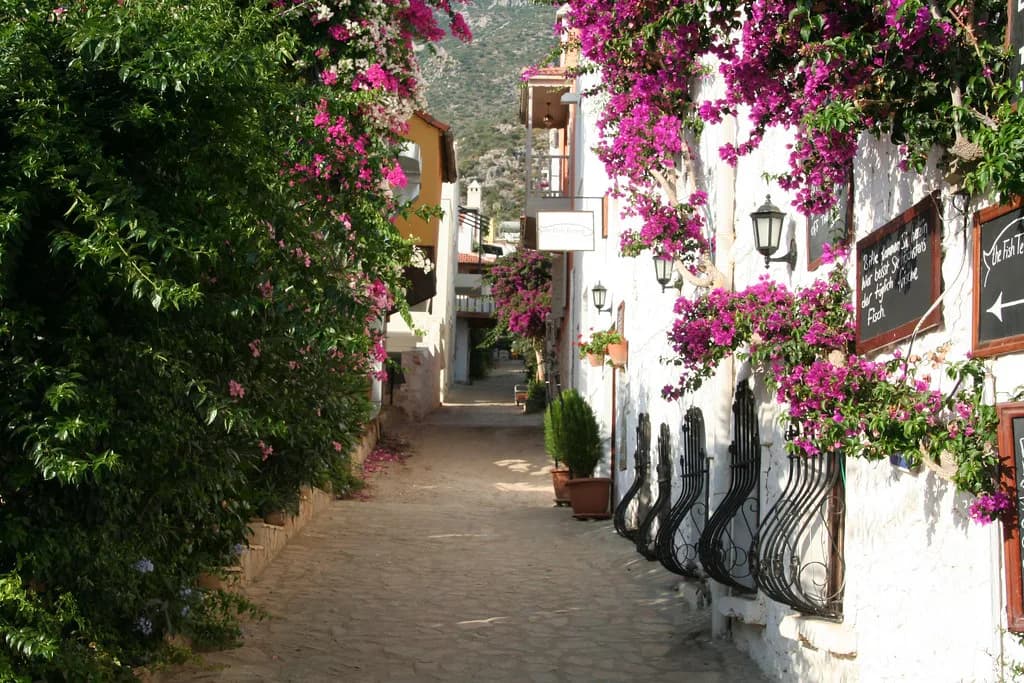
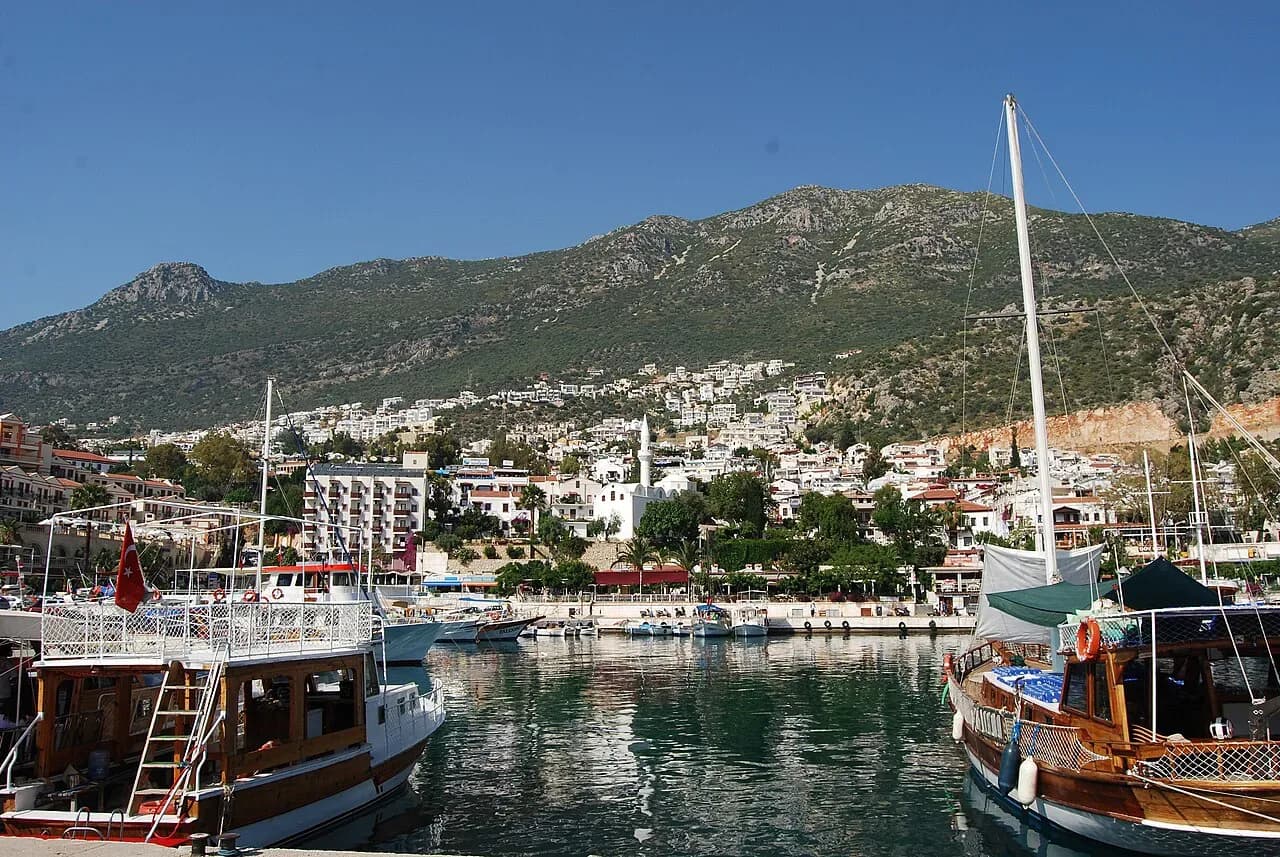
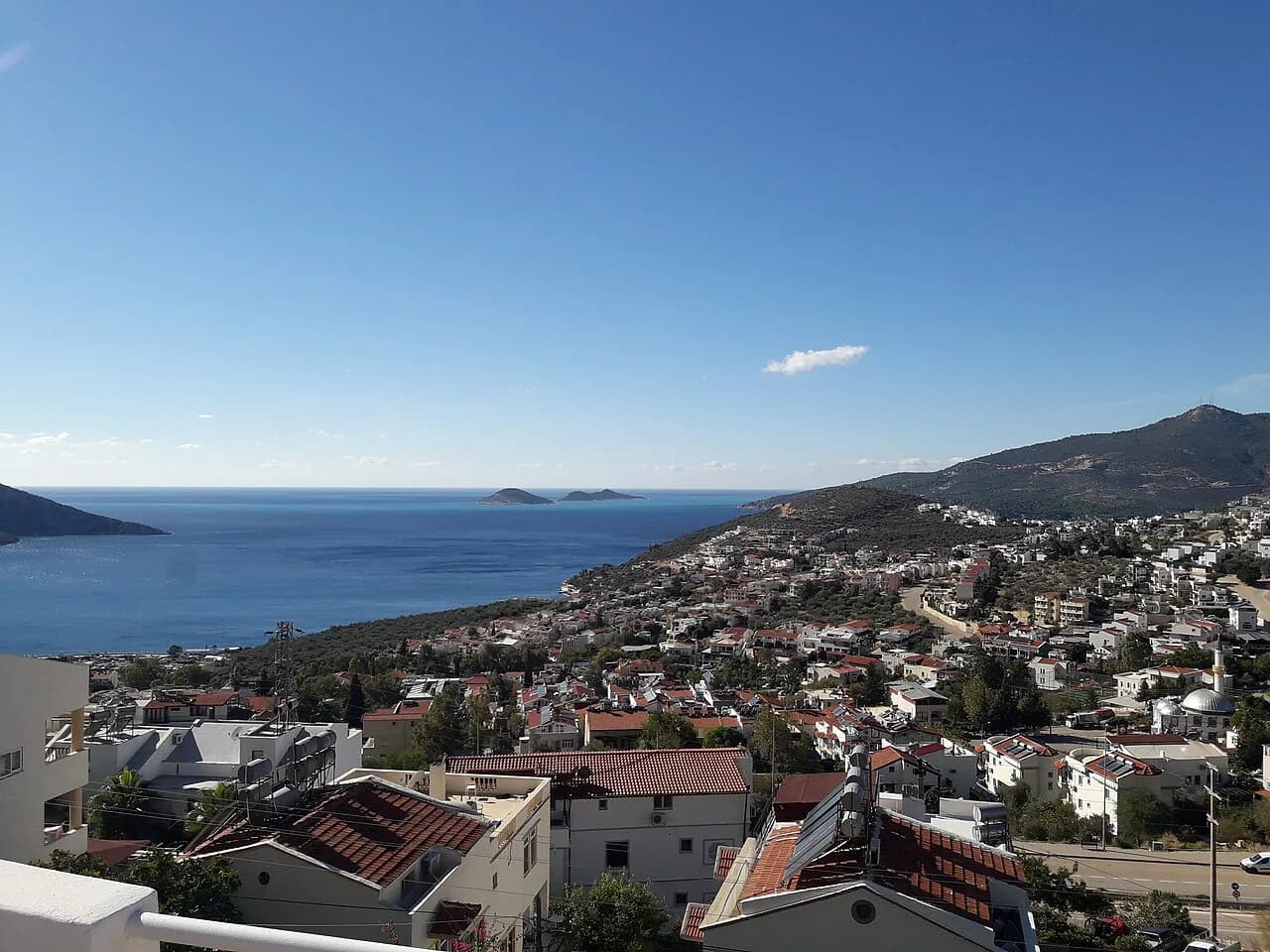
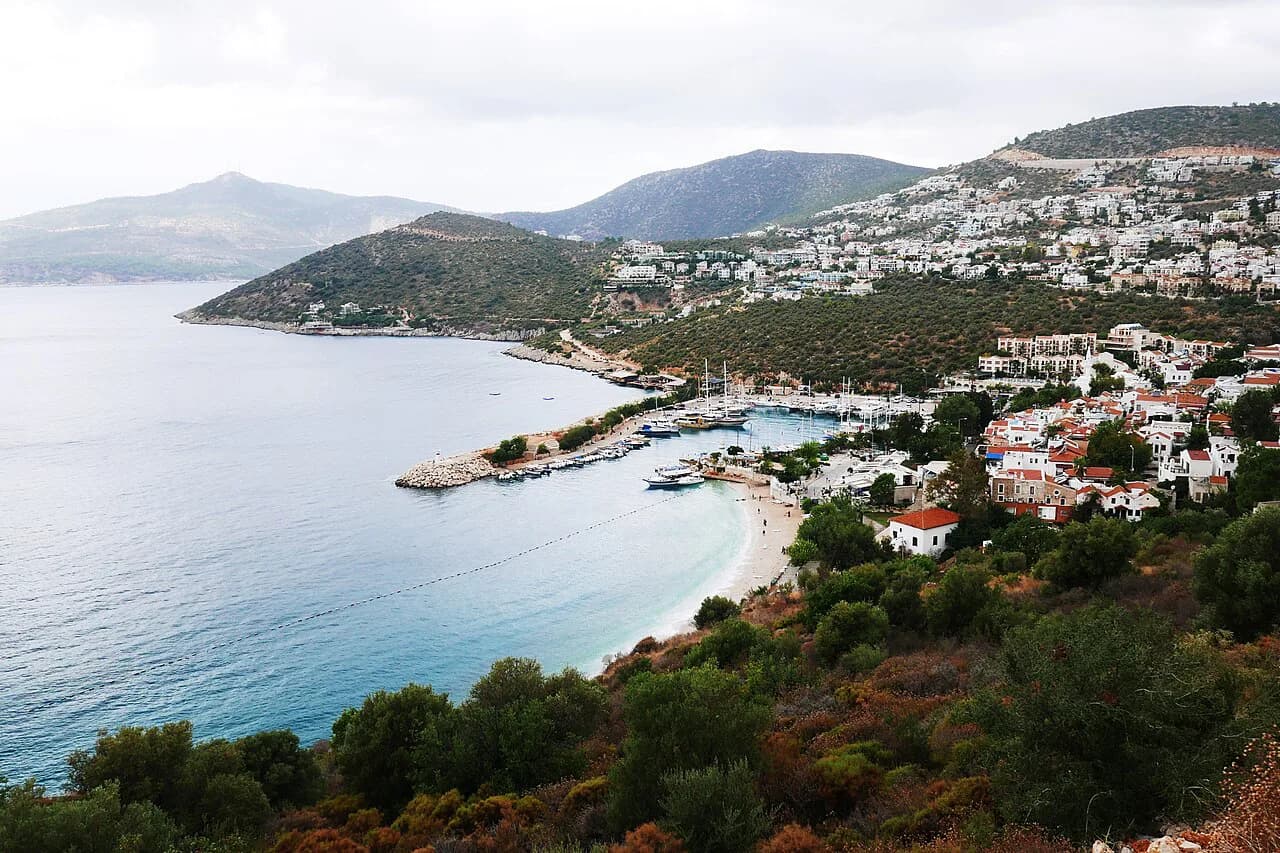
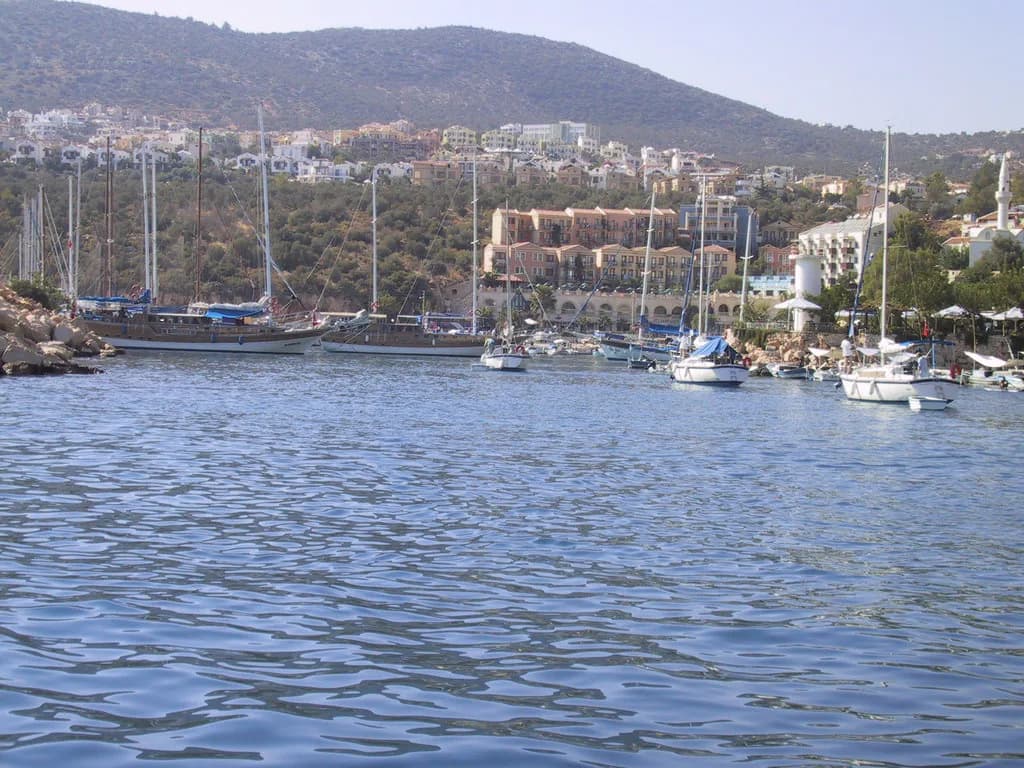
Back in town, the old town climbs the hillside above the harbour in a warren of whitewashed houses, bougainvillea and small shops. The harbour is the natural anchor for an evening walk, with boats along the quay and cafés set back from the water. It is a good counterpoint to a day of ruins, and it needs no ticket or planning.
Common mistakes on a ruins day from Kalkan
The first mistake is cramming the east and the valley into one day. Myra and Kekova need a full day on their own, and adding Xanthos or Tlos leaves no time at any of them. The second is arriving at Patara in the middle of the afternoon, when the ruins are at their hottest and the beach is busiest.
The third is assuming one set of hours fits all: hours shift with the season, so check each site separately before you set out. The fourth is forgetting that the small sites, Pinara especially, reward a slower pace and are the ones most often rushed. Leave slack in the schedule and the day works better.
Which ruins day should you book first?
Start with Patara, because it combines the strongest set of standing structures with a beach on the same ticket and sits closest to Kalkan. Then give Xanthos and Letoon their own inland day, and save Tlos with Pinara for a hill day when you want a quieter pace. Myra and Kekova belong on a full day east, and are worth the drive.
Explore more Kalkan guides
Sources
Notes for your next Turkey trip
Optional updates when we add or correct a town guide.
You might also like
Continue reading
More guides you'll find useful