Mosques in Kalkan: What Visitors Should Know Before They Go
Kalkan's mosques sit above the harbour and among the old-town lanes. Here's what visitors can see, how to dress and behave, and how to time a visit around prayers.
On this page
Kalkan's most useful mosque stop for visitors is Mustafa Özgen Cami, the working neighbourhood mosque a short walk from the harbour and old-town lanes. Plan around prayer times rather than a fixed opening schedule, dress modestly, and leave your shoes at the entrance. This guide covers what you actually see inside a small Turkish town mosque, the harbour-side and old-town buildings worth a look on the same walk, and how Friday prayers and Kurban Bayramı affect timing.
What and where the mosques are in Kalkan
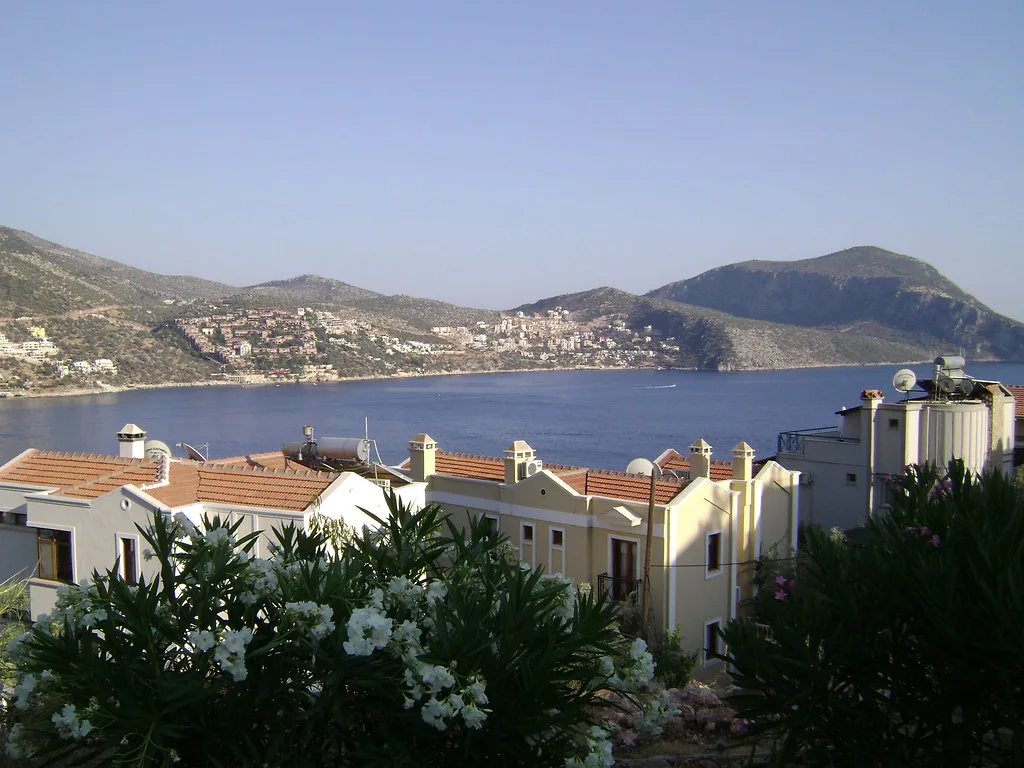
Kalkan is a neighbourhood of the Kaş district in Antalya Province, and its mosques are small, local and scattered through the hillside streets rather than gathered on one square. One sits above the quayside at the harbour, and another stands among the old-town lanes. Neither is a monument you queue for; they are places of worship that happen to sit on the route between the harbour and the upper streets.
Because everything in central Kalkan is close, the practical approach is to fold the mosques into a walk rather than make them a separate outing. Start at the water, climb through the lanes, and treat each mosque as a pause rather than a destination. If you want the wider street-by-street picture first, the guide to Kalkan old town covers the layout of the hillside and where the lanes lead.
Mustafa Özgen Cami: the working neighbourhood mosque
Mustafa Özgen Cami is the mosque to aim for if you want to see a working neighbourhood mosque in use. Reviewers place it close to the town centre, and describe a clean, well-kept interior with air conditioning and a courtyard shaded by a vine where you can sit on a warm day. The address given is in Kalkan, Kaş, Antalya Province.
That combination of shade outside and cooled air inside makes it a sensible midday stop in high summer, when the hillside lanes offer little relief. Reviewers single out the sermons and the calm atmosphere rather than any architectural spectacle, which tells you what to expect: a modest, active building rather than a sightseeing set piece.
Friday prayers are the busiest time, with sermons delivered by the imam, and Eid prayers at Kurban Bayramı draw a full congregation. If you want to look inside quietly, choose a time outside those services and stay at the back. The interior is worth a few minutes of attention, but the visit is short by design.
The harbour-side mosque above the quayside
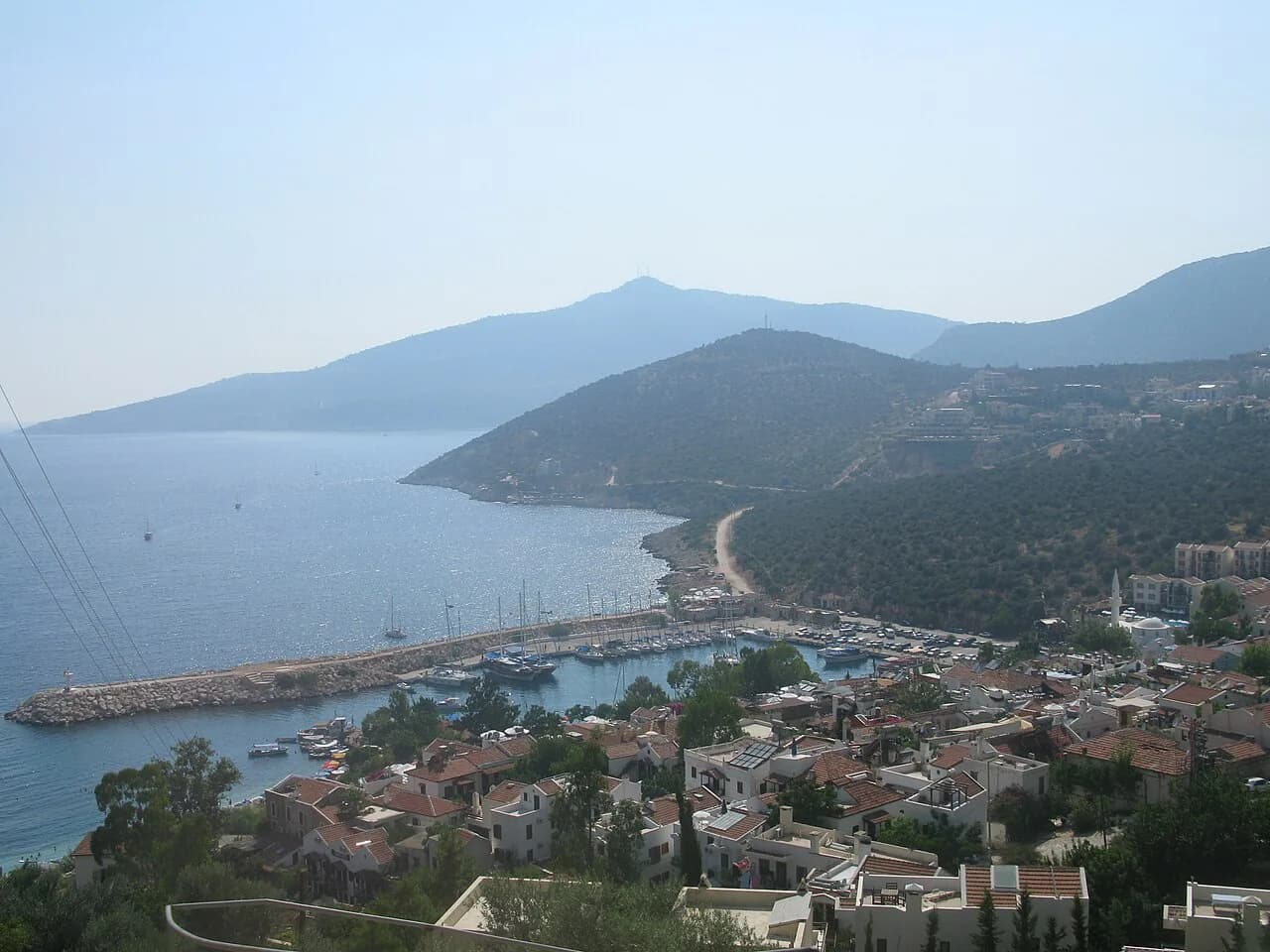
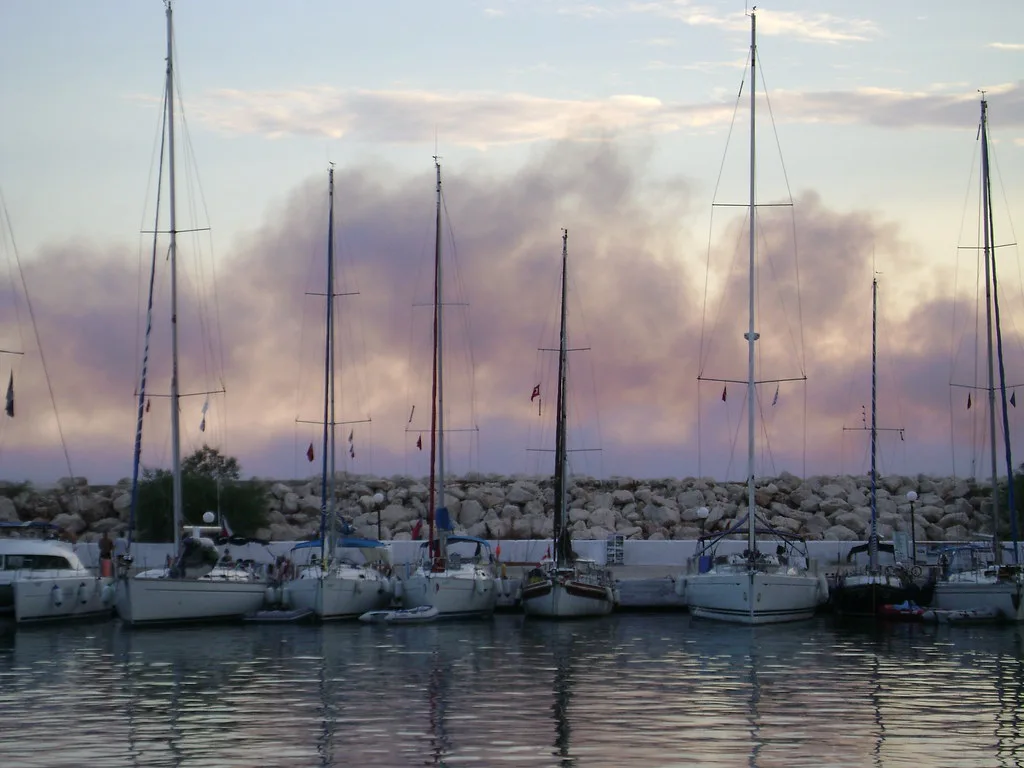
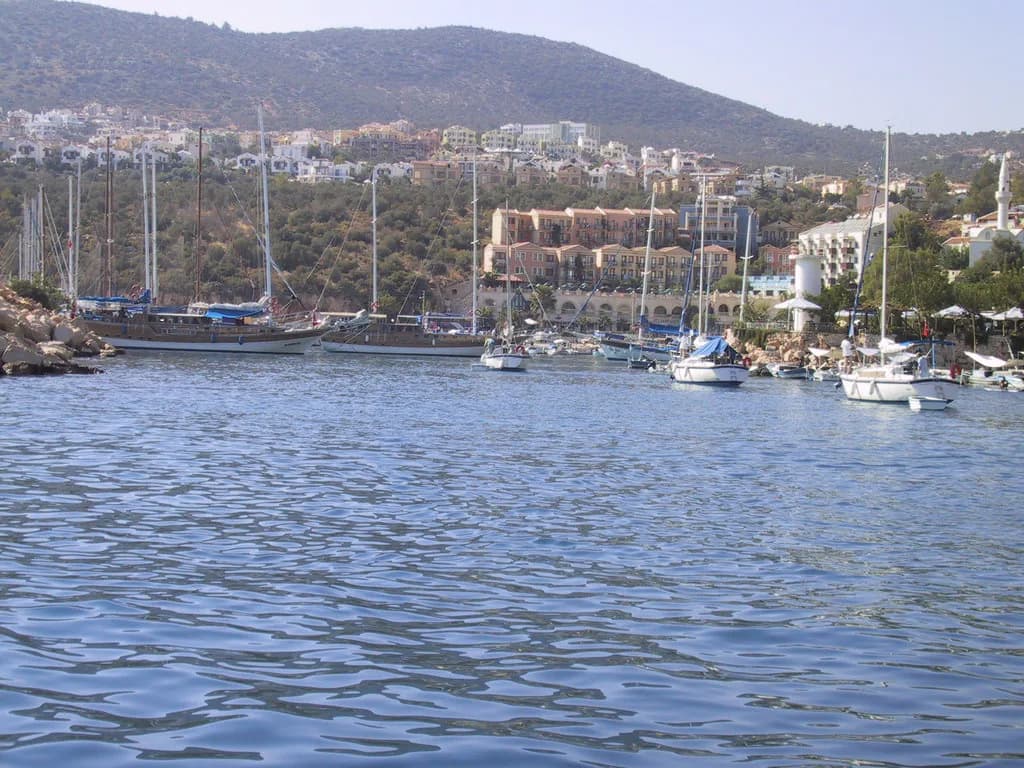
One of the town's mosques stands above the quayside at Kalkan harbour, visible from the water and from the boat trips that leave the quay. It is a landmark on the harbour skyline rather than a formal attraction, and most visitors see it while walking the waterfront or waiting for a boat.
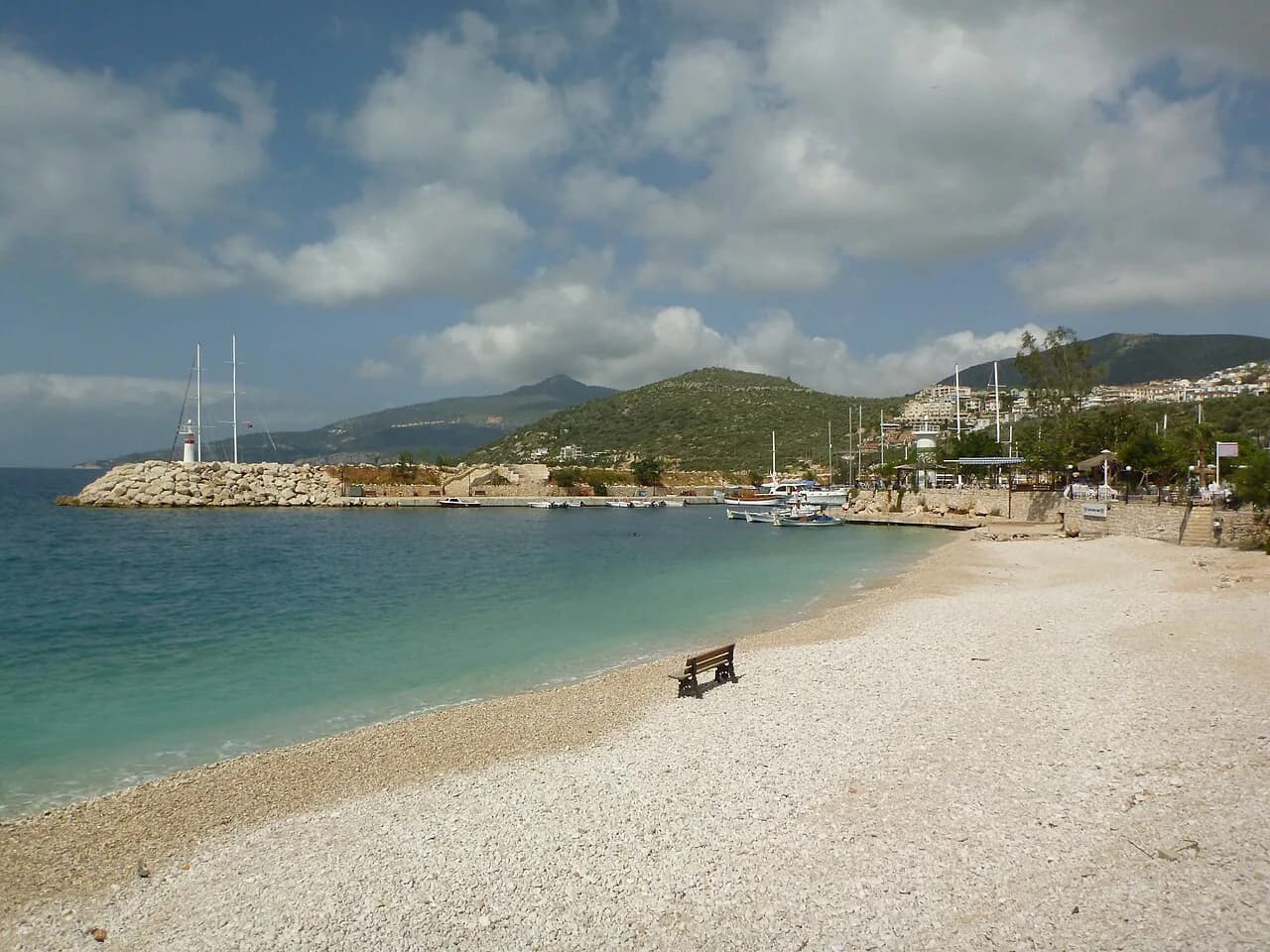
Pair it with the harbour itself: the protected bay is the reason Kalkan grew as a port, and the quayside is where the town's boat life still concentrates. The walk up from the waterfront to the lanes is short but steep, so allow for steps and heat. For the rest of the waterfront, the guide to Kalkan harbour covers the quay, the bay and how the boats operate, and Kalkan History sets out how the town grew as a port.
The old-town mosque and its Greek Orthodox church history
A tour page for Kalkan states that the town mosque was originally consecrated as a Greek Orthodox church in the late 1800s, before the town's Greek community left in the 1923 population exchange and the building took on its present use. That earlier life, if confirmed locally, would explain why the building looks different from a purpose-built Ottoman mosque. Treat it as background to check on site rather than an established fact.
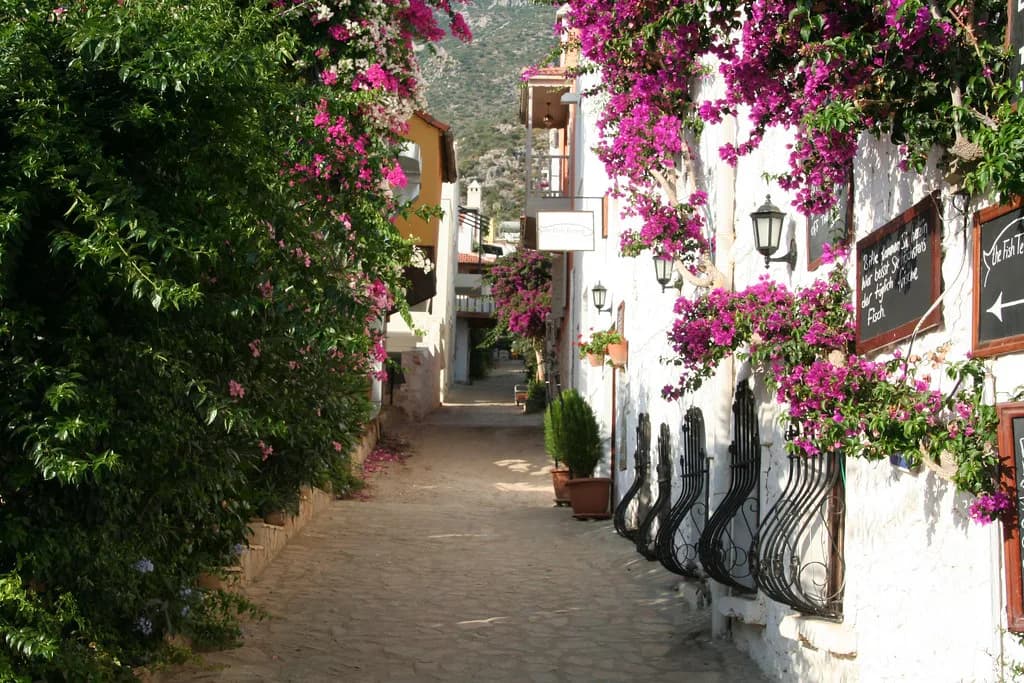
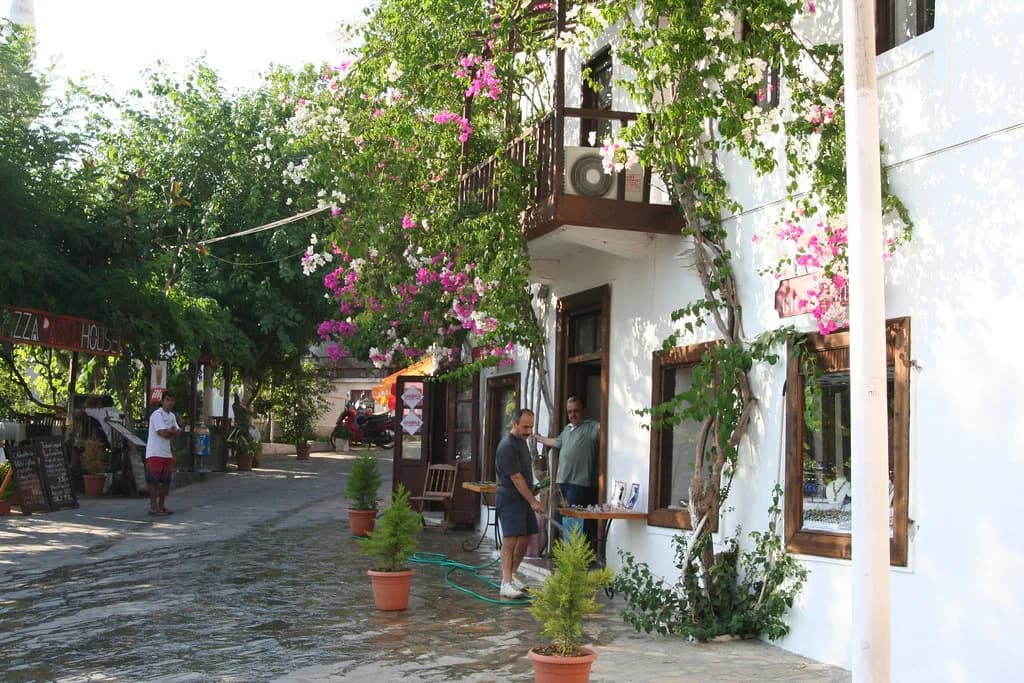
Kalkan was known as Kalamaki before the exchange, and the streets around the mosque still carry the marks of that mixed heritage in whitewashed walls, wooden balconies and shuttered windows. Walk the lanes slowly rather than looking only at the mosque door; the surrounding houses are part of the same story. The fuller background is set out in the guide to Kalkan History.
What you see inside a small Turkish town mosque
Inside these mosques you find a plain prayer hall with a carpeted floor marked in rows, a mihrab indicating the direction of prayer, and a minaret outside from which the call to prayer is given. Visitors describe Mustafa Özgen Cami as clean and calm, with air conditioning that makes the interior noticeably cooler than the street.
Expect worshippers to be praying, and do not walk in front of anyone mid-prayer or cross the hall while a service is underway. Keep voices low, keep phones silent, and keep the visit brief. Photography inside is best avoided unless you see others doing it and there is no service in progress.
Dress and etiquette: headscarves, shoes and prayer times
Take your shoes off at the entrance and leave them on the rack or shelf provided; carry a bag for them if you are unsure where to leave them. Women should cover their hair, shoulders and knees, and men should wear trousers rather than shorts. A light scarf in your day bag covers the head-covering requirement without planning ahead.
Prayer times shift through the year with the sun, so there is no fixed hour at which a mosque is reliably empty for visitors. The dependable rule is to avoid the few minutes around each call to prayer, and to avoid Friday midday entirely. Five daily prayers are short, so a ten-minute wait on a bench outside usually clears the hall.
Visiting around Friday prayers and Kurban Bayramı
Friday prayers are the main weekly service and the one time a small mosque genuinely fills. The sermon is the centrepiece, and reviewers highlight the preaching at Mustafa Özgen Cami as drawing the congregation. Plan your look inside for another day of the week, or come after the service has ended.
Kurban Bayramı, the Islamic festival of sacrifice, brings Eid prayers that visitors describe as a special experience at this mosque, with a full and early congregation. The festival follows the Islamic lunar calendar, so its dates move each year; check a current Turkish calendar before you travel if you want to attend or avoid the crowds. Outside these peaks the mosque is quiet enough for a short visit at almost any time of day.
How to reach the mosques on foot from the harbour
The town-centre mosque is reached through narrow lanes, and the lanes are stepped and steep in places, so wear shoes with grip rather than smooth soles and carry water in summer. The harbour-side mosque is on the waterfront route instead and needs no separate detour.
Allow an hour for the loop: harbour mosque, quayside, then the walk to the neighbourhood mosque and back through the shopping lanes. If you are combining the mosques with the wider old town, the walk through Kalkan Old Town covers the streets, steps and viewpoints in the same area.
Should the mosque be part of your Kalkan day?
Yes, as a short and genuinely local stop rather than a headline sight. Pair Mustafa Özgen Cami with the harbour-side mosque and the surrounding lanes, dress modestly, and time the visit away from Friday prayers and Eid. The whole thing fits into an hour between the quay and the upper streets.
For the rest of the day, the old town and the ruins beyond it do the heavy lifting; the mosques are the quiet interval in between. The guide to Kalkan ruins covers what else in the area is worth the walk, including the Lycian remains in the surrounding countryside.
Sources
Notes for your next Turkey trip
Optional updates when we add or correct a town guide.
You might also like
Continue reading
More guides you'll find useful