Kekova: The Sunken City, Kaleköy and Boat Tours Explained
Plan a boat day at Kekova's Sunken City, Kaleköy and Üçağız, with what each stop offers, how long tours run and why the ruins are seen from the water.
On this page
Kekova is worth a full day, and you see it from a boat. The ruins of the Sunken City lie off Kekova Island between Kaş and Demre, and swimming there has been banned since 1990, so the day is built around viewing the submerged walls from the deck and swimming in nearby coves instead. This guide separates the three parts of a Kekova trip — the island ruins, the car-free village of Kaleköy and the harbour at Üçağız — and explains how tour lengths differ.
What Kekova is and why people go
Kekova is a stretch of Lycian coast where earthquakes during the Lycian period sank much of Kekova Island, leaving walls, an old pier cut into the rock and building fragments below sea level. The result is the area's best-known sight: clear water over ancient masonry, with the island's northern shore holding the highest concentration of ruins, including those of the ancient city of Dolkisthe.
People go for the combination rather than the ruins alone: calm coves reachable only by sea, pine-covered hills, Lycian tombs scattered along the shore and two villages, Kaleköy and Üçağız, that keep a fishing-village feel. Several coves on the mainland are difficult or impossible to reach by land, so a boat is not optional for the best of it.
Where Kekova sits: island, Kaleköy and Üçağız
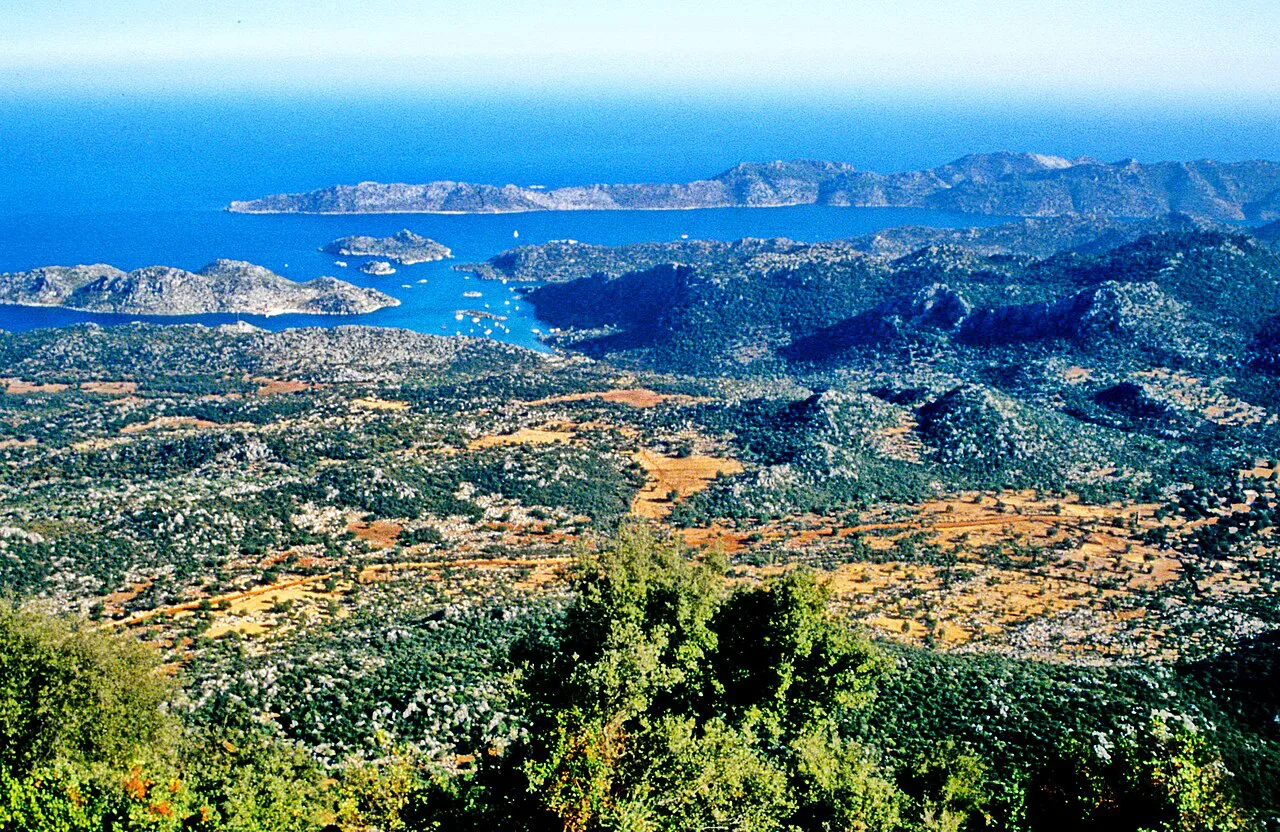
The three names you will hear most are Kekova Island, Kaleköy and Üçağız. Kekova Island is uninhabited, covered in wild thyme and rough rock, and lies just off the coast; its name is thought to come from Kekikli Ova, meaning thyme plain. Kaleköy, also called Simena, sits on a rocky peninsula across from the island, and Üçağız, known in antiquity as Theimussa, is the quieter harbour village nearby.
The relationship matters for planning: boats run around the island to show you the Sunken City, then stop at Kaleköy or Üçağız for lunch and walkabouts. Kaleköy has no cars, and though it sits across the water from the island and is most easily reached by boat, it is not exclusively a boat-only village.
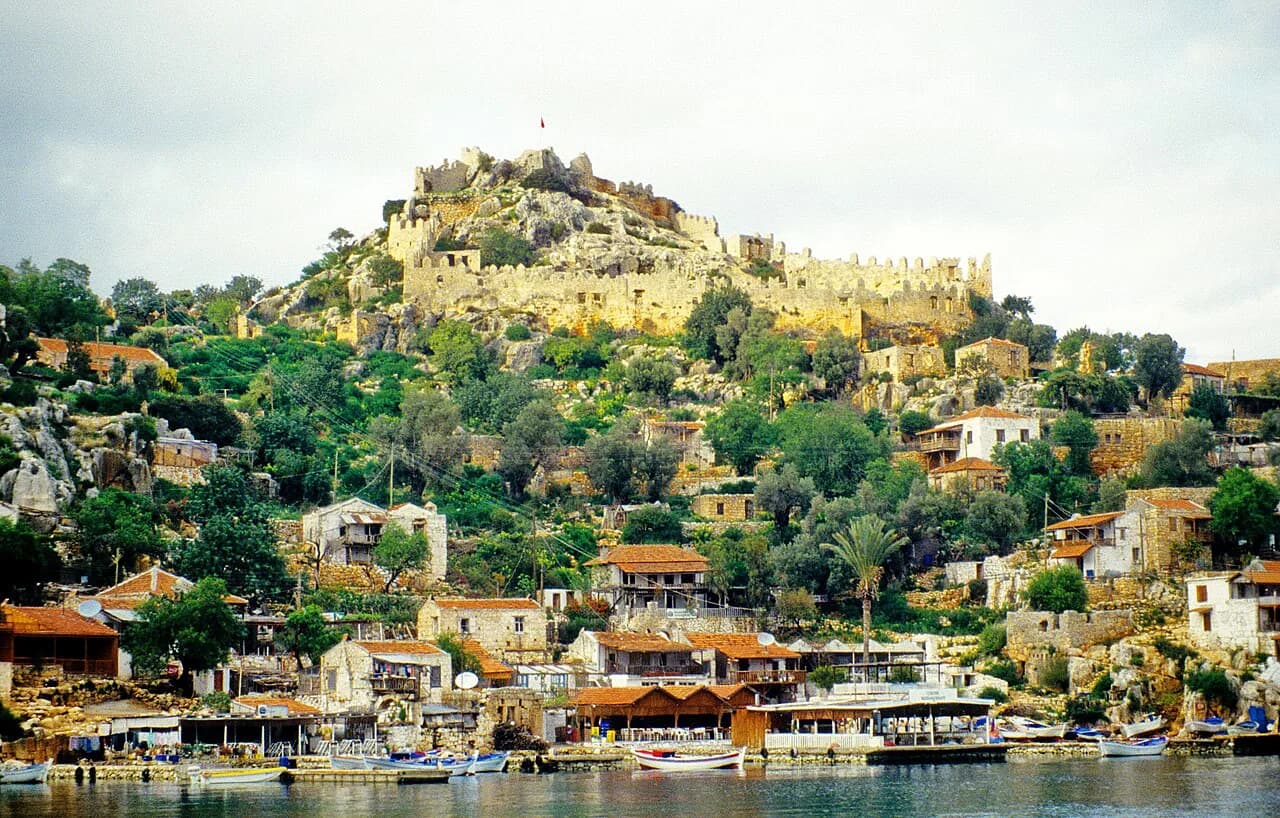
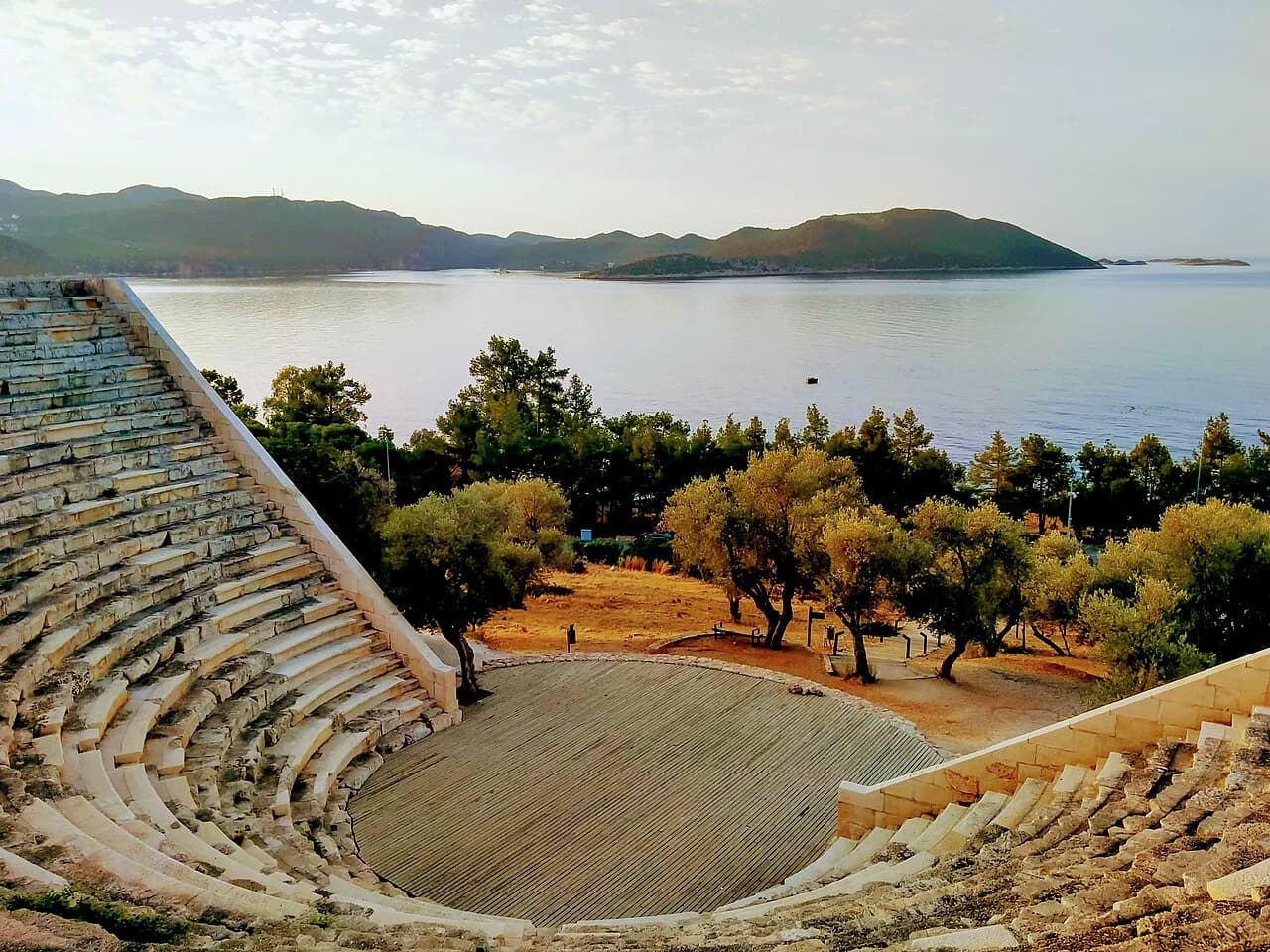
Kaleköy repays an hour on foot: houses climb from the coast to a hilltop castle built by the Knights of Rhodes, with narrow stone streets, flower-filled paths and views back over Kekova. Beneath the castle sits a theatre carved into the rock with around 300 seats, and you can swim among ancient sarcophagi just off the coast.
How to get to Kekova
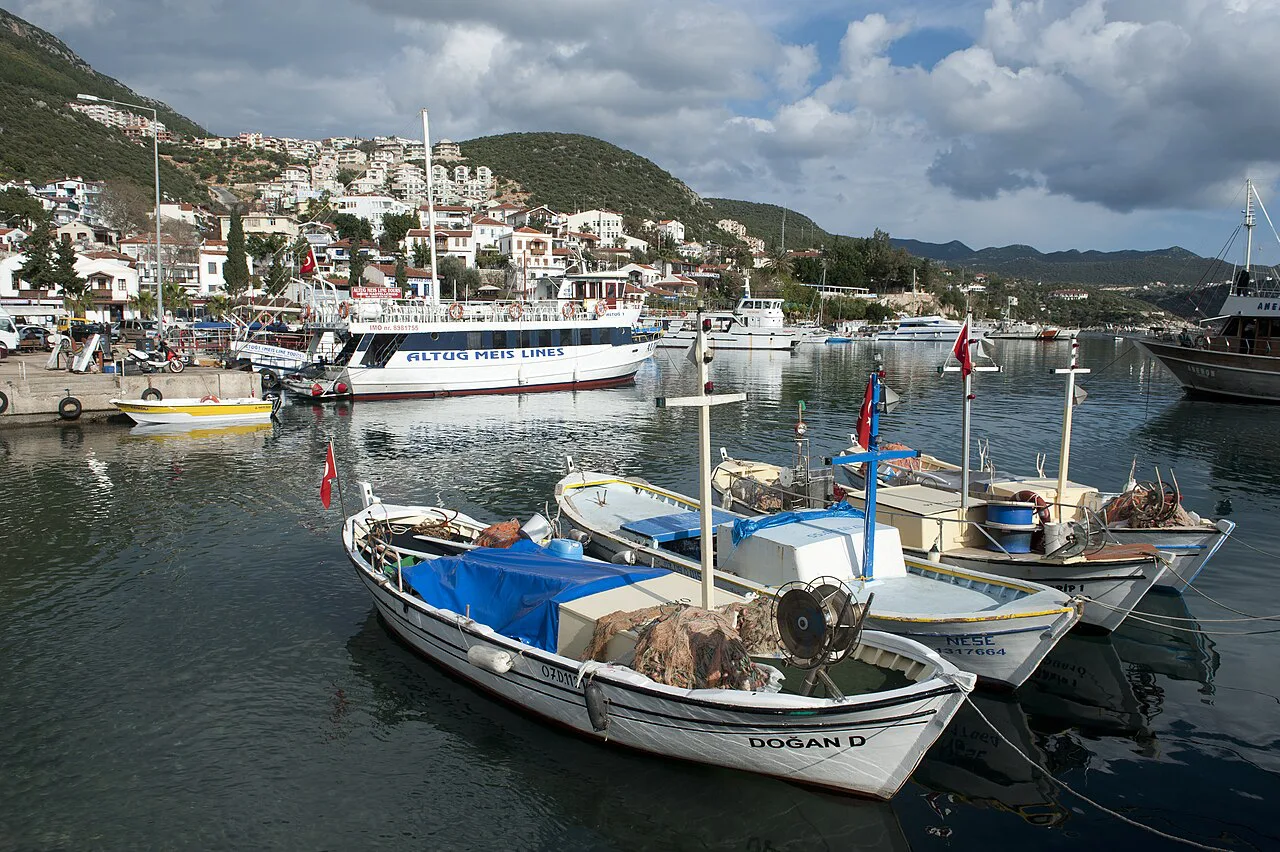
Most visitors reach Kekova by joining a boat tour from Kaş or Demre, or by driving to Üçağız and picking up a boat from the harbour there. The road journey to Üçağız is straightforward, but the ruins and the best coves are still out on the water, so the drive only replaces the first leg of the tour, not the boat itself. If you are staying in Kaş, it is worth comparing Kaş Old Town as a base against the harbour villages before fixing your departure point.
If you are based in Kaş, the boat day is the simplest option; from Demre, the drive to Üçağız harbour is shorter, which suits an early start. Kekova Sailing, which runs daily, half-day, hourly and private departures from Üçağız harbour, is one company to ask where the boat actually departs from, because a tour advertised as Kekova can leave from Kaş, from Demre or from Üçağız harbour, and that changes your transfer time.
Boat services here are seasonal and weather-dependent, so confirm the departure point and sailing time directly with Kekova Sailing — which runs daily, shared, half-day, hourly and overnight tours from Üçağız harbour — a day or two ahead of your trip.
What a boat tour covers
A typical Kekova tour combines three things: a slow pass along the Sunken City so you can see the submerged walls and the old pier carved into the rock, one or more swim stops in coves, and time ashore at Kaleköy or Üçağız. Group tours, private yacht charters and overnight blue cruises all run in the region, and the shape of the day changes considerably between them.
Expect shade to be limited on smaller boats and the afternoon sun strong on the water; a hat and a shirt for swimming make more difference than anything you buy on board. Most itineraries stop for lunch, often fresh fish at Kaleköy or Üçağız, and restaurants in Kaleköy will accommodate requests other than fish.
Kekova Island and the Sunken City
The Sunken City is the reason most people come. Boat tours around the island reveal the ruins of Dolkisthe, partially submerged after earthquakes in the first century CE, with the densest remains on the island's northern side. Since 1990 the area has been protected and swimming is not allowed at the ruins themselves, a rule worth knowing before you picture yourself snorkelling over them.
The compensation is that your captain will anchor in one of the neighbouring coves for swimming, so the day still includes plenty of time in the water. Keep a camera ready on the island pass: the ruins sit just below the surface and are easiest to make out in calm, bright conditions.
Kaleköy and Üçağız on foot
Üçağız is the quieter of the two villages, set around a natural harbour with Lycian tombs clustered near the water and a fourth-century BCE Lycian inscription nearby. Swimming among the sarcophagi is possible here, and the water stays clear despite the anchored boats. Sea kayaking tours from Üçağız are popular for combining gentle exercise with a close look at submerged ruins.
Kaleköy is small, quiet and best reached by boat, so it suits people who want to stay in near silence rather than day-trippers needing a bed with a wide choice of hotels nearby. If you would rather keep a bigger choice of places to stay and eat, base yourself in Kaş and treat Kekova as the day out, and if you are weighing up where to stay, compare Kas old town with the harbour villages before you decide.
At both villages, local women often sell traditional handicrafts at the cafés and along the paths. It is a sensible place to buy something small and locally made; agree the price before anything is wrapped.
The bays that make the day
Gökkaya Bay is the classic swim stop, with calm, lake-like water fed by freshwater springs and pine-covered hills around it. Hamidiye Bay, east of Kaleköy and west of Koyun Island, takes its name from the cruiser Hamidiye, which hid there during the Balkan Wars, and holds old stone tombs, archways and a Turkish flag painted on the rocks.
Pirate's Cave, on Asırlı Island north of Kekova Island, is a popular stop that large boats cannot enter; smaller boats and kayaks get close, and the cave is home to many bats. Aperlai, on the Sahilkılınçlı Peninsula, is another sunken city reachable only by boat, with no road in, and its underwater amphorae and Lycian tombs reward snorkellers.
The Bronze Age shipwreck off Kekova Island
Separate from the Lycian ruins, a shipwreck between 4,400 and 4,700 years old, dated to the Early Bronze Age, was found close to the shore of Kekova Island. It was located by a Mediterranean Archaeology Association expedition led by Prof Hakan Öniz of Akdeniz University, lying on an underwater slope about 30 metres down.
No wood survived, so the dating rests on the shape of the cargo: more than 30 ceramic storage jars, or amphorae, with two handles, a middle ridge and a flat base, matching pottery known from Egypt and the Middle East to be that age. Three large stone anchors were also found, and some jars still held a viscous residue. The report says the Kekova find tops the list of the world's oldest shipwrecks, ahead of a wreck off Dokos in Greece dated to about 4,200 years ago.
This is an archaeological discovery, not a visitor attraction, and no source describes it as viewable on a tour. Ask your operator whether their route passes the site if it interests you, and expect to hear about it as context rather than as a stop.
Choosing a tour length
One operator running out of Üçağız harbour lists an hourly tour of about one hour, a half-day tour of about 3.5 hours and daily or shared tours of around 8 hours, alongside private boats, overnight yacht cruises and diving trips. Treat those as that operator's own product shapes rather than fixed island-wide timings, and match the length to what you want: a half-day gets you the island pass and a swim, while a full day adds villages and more bays.
For most holidaymakers based in Kaş, the eight-hour day is the better use of the journey, because the transfer time is the same either way. A half-day makes sense if you are staying near Üçağız or combining Kekova with a stop at Demre on the same outing.
Pairing Kekova with Kaş or Demre
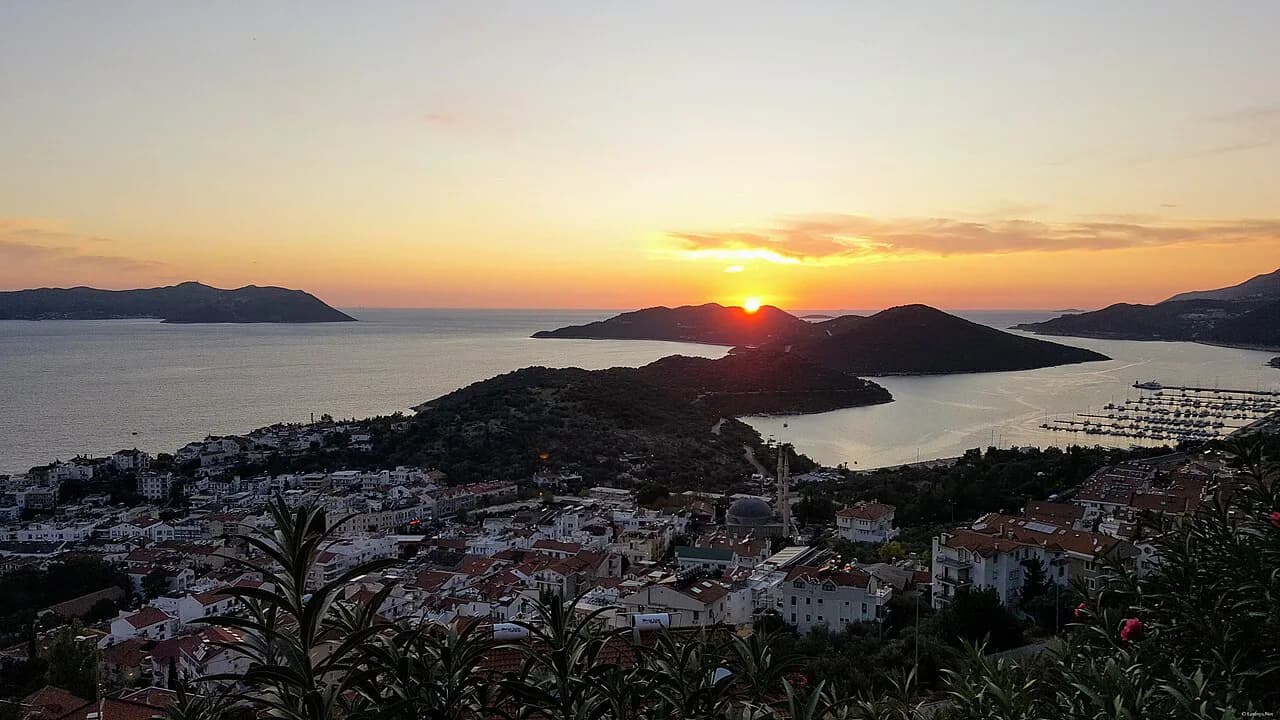
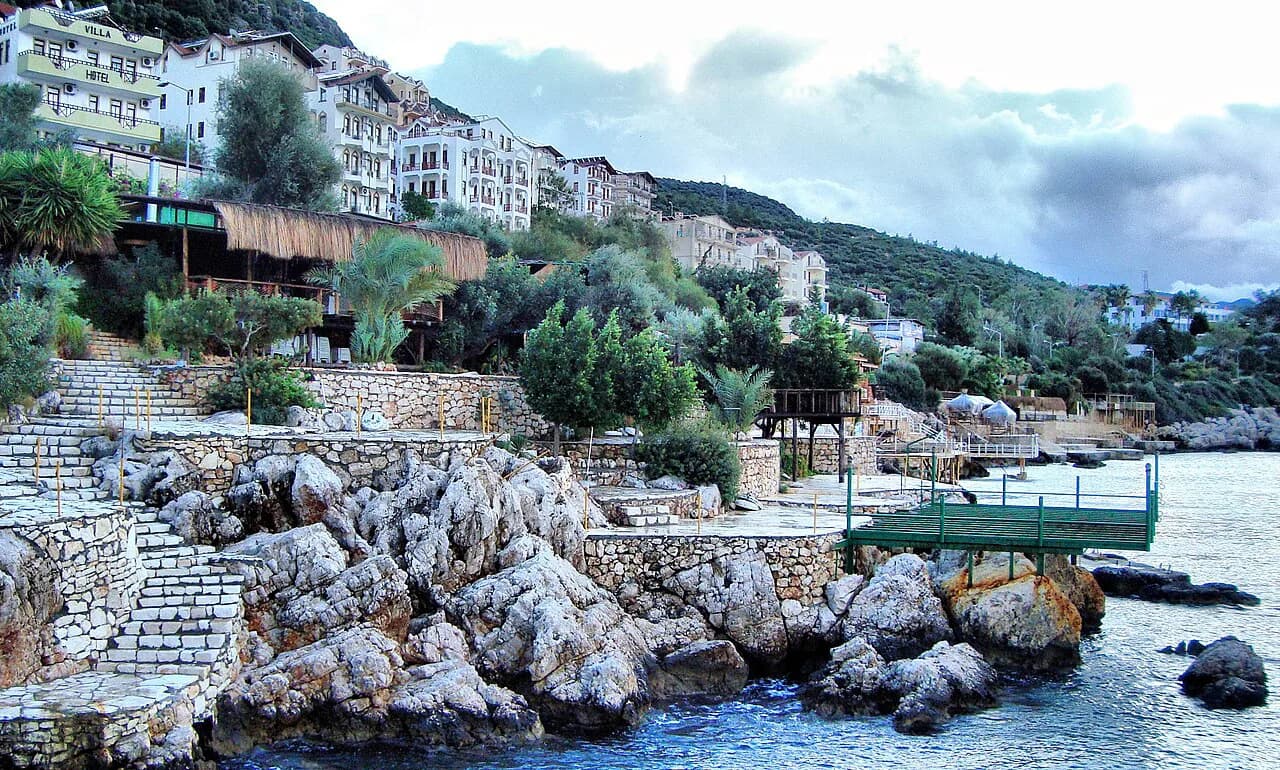
Kaş works well as a base: it has the widest choice of places to eat and sleep, and boats leave from the town for Kekova. Demre, closer to Üçağız, is the better choice if you also want to see the rock-cut tombs and Roman theatre at Myra, which sit in the same district. Wherever you bed down, a wander through Kaş Old Town the evening before your boat day makes the early departure easier to plan.
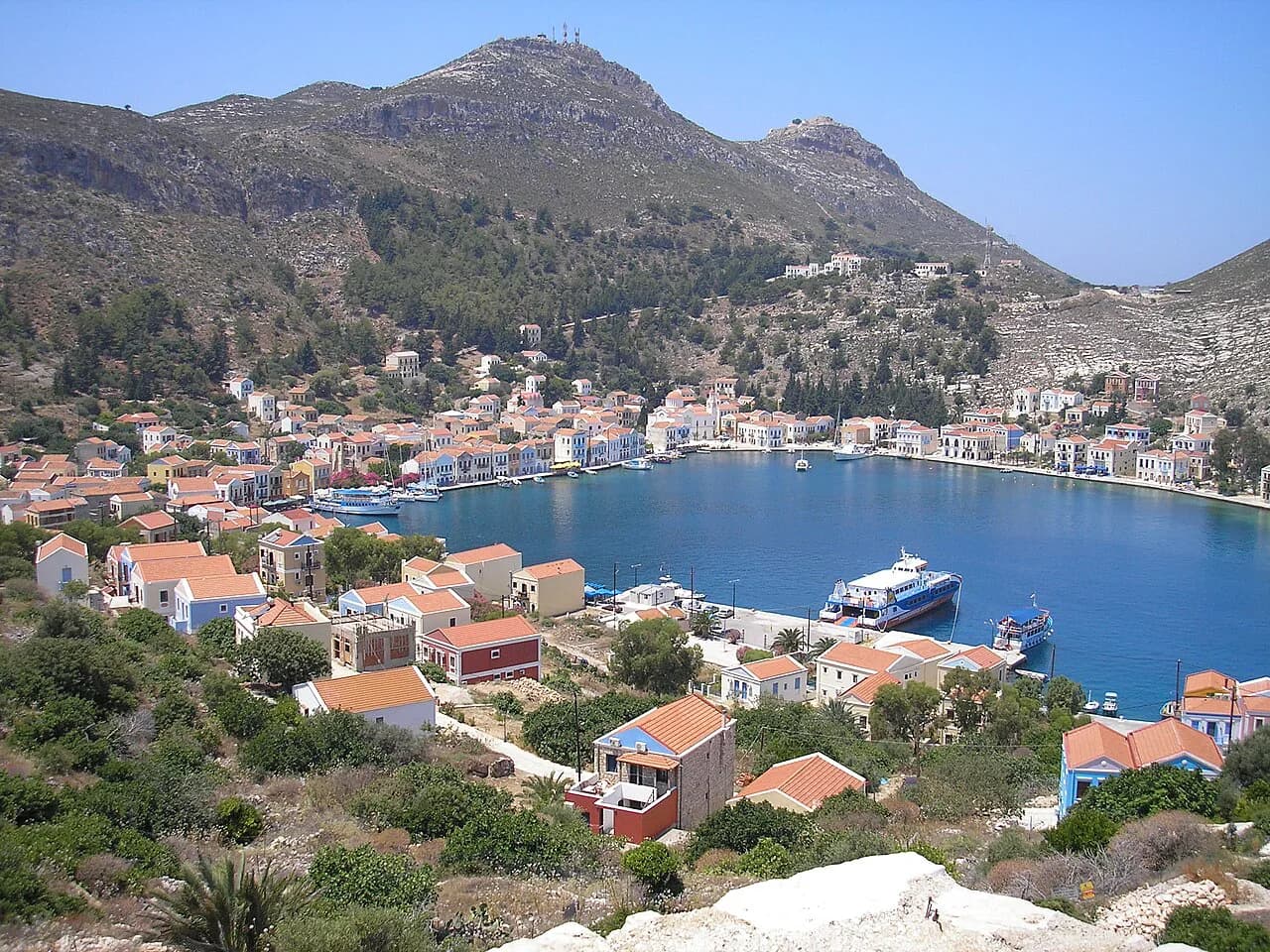
Allow a full day for Kekova itself and keep the boat day separate from long inland sightseeing; the heat on the water is deceptive and a packed schedule makes the afternoon drag. If you have a spare day in Kaş, the short crossing to Kastellorizo (Meis) is a different kind of day out altogether, and for the town itself, wandering Kaş Old Town is an easy way to fill an evening, while the Lycian sites further west reward their own excursion.
Practicalities on board and in the villages
Boat trips here are seasonal and routes change with the weather, so check the departure point, sailing time and whether lunch is included before you pay. No source gives a standard ticket price for Kekova tours, so compare quotes from a couple of companies, such as Kekova Sailing in Kaş or the boats at Üçağız harbour, and check what each one includes.
In Kaleköy and Üçağız, dress as you would in any Turkish village: shoulders and knees covered away from the water, and shoes suited to stone lanes rather than flip-flops. Neither village is a resort strip, and the appeal is the quiet — keep voices low near houses and don't wander into private gardens for a photograph.
Is a Kekova boat day worth it?
Yes, if you accept that the Sunken City is a sight to be viewed from the deck rather than swum over. The day earns its place through the combination: the ruins on the island's northern shore, the car-free climb to the castle and theatre at Kaleköy, and a swim stop in a bay you could not reach on foot.
Book a tour that states its departure harbour plainly, pick a length that matches where you are staying, and take a hat. If you have more time on this coast, add Myra and Xanthos to see the Lycian world inland.
Explore more Kas guides
Sources
Notes for your next Turkey trip
Optional updates when we add or correct a town guide.
You might also like
Continue reading
More guides you'll find useful