Kas Ruins: Ancient Sites in Town and Along the Lycian Coast
Ruins in Kaş range from Lycian rock tombs and a Roman theatre in town to Kekova's sunken city and the Lycian cities of the Xanthos valley.
On this page
Kaş has two ruins you can walk to: a pair of Lycian rock tombs and a small Roman theatre, both close to the centre and both quick to see. Everything grander, including the sunken city of Kekova and the Lycian cities of the Xanthos valley, needs a boat, a dolmuş or a car. This guide separates the town sites from the day trips so you can plan by transport rather than by name.
Ruins in Kaş at a glance: what is in the old town and what needs a boat or a drive
Most of Kaş's ancient fabric has gone, and the modern town was built around the fragments that survived. What remains within walking distance is modest: two Lycian box tombs from the 4th century BCE, which stand out among the surrounding buildings, and a restored Roman theatre.
The headline sites sit outside town. Kekova and its sunken city lie east along the coast and are reached by boat; Myra and Demre are further east again by road; Patara, Xanthos, Letoon, Tlos and Pinara lie north and west in the Lycian heartland. Plan at least one boat day and one driving day if you want both coasts of the story.
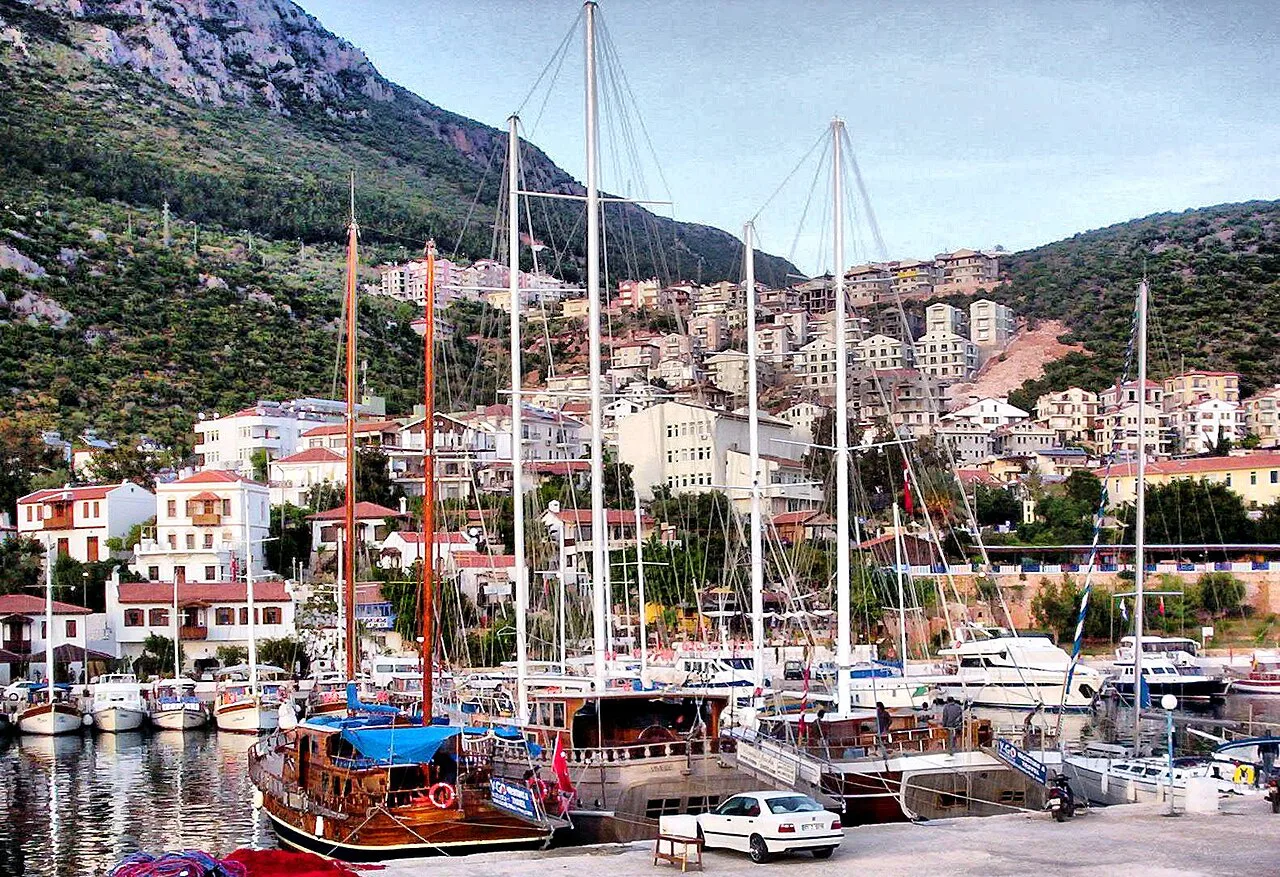
The Lycian rock tombs in Kaş: where they sit above the old town
The tombs are small stone boxes carved in Lycian style, and the town has grown around them rather than the other way about. They date to the 4th century BCE.
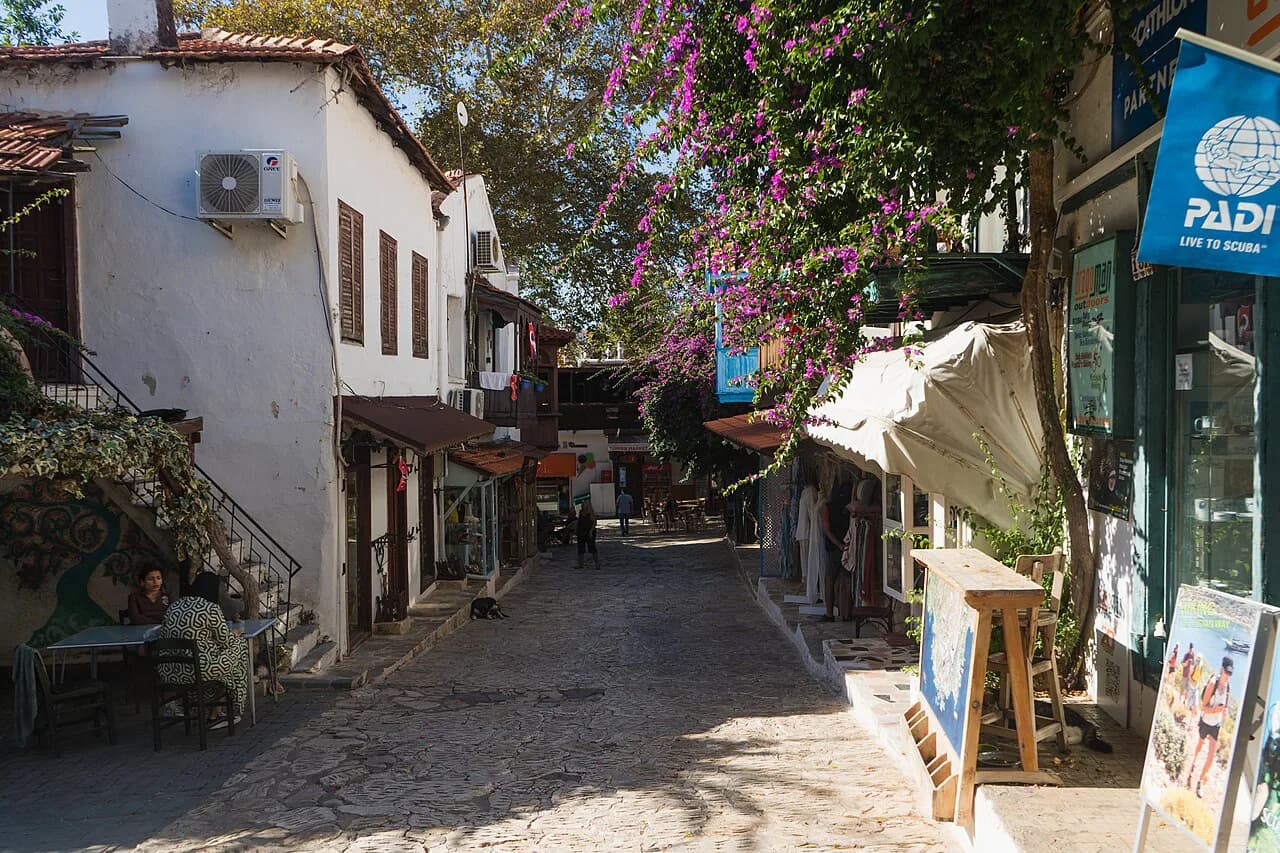
Because they sit within the built-up streets, seeing them takes minutes rather than hours. Pair them with a wander through the cobbled lanes of Kaş Old Town, where Ottoman-era houses now hold cafés and small shops.
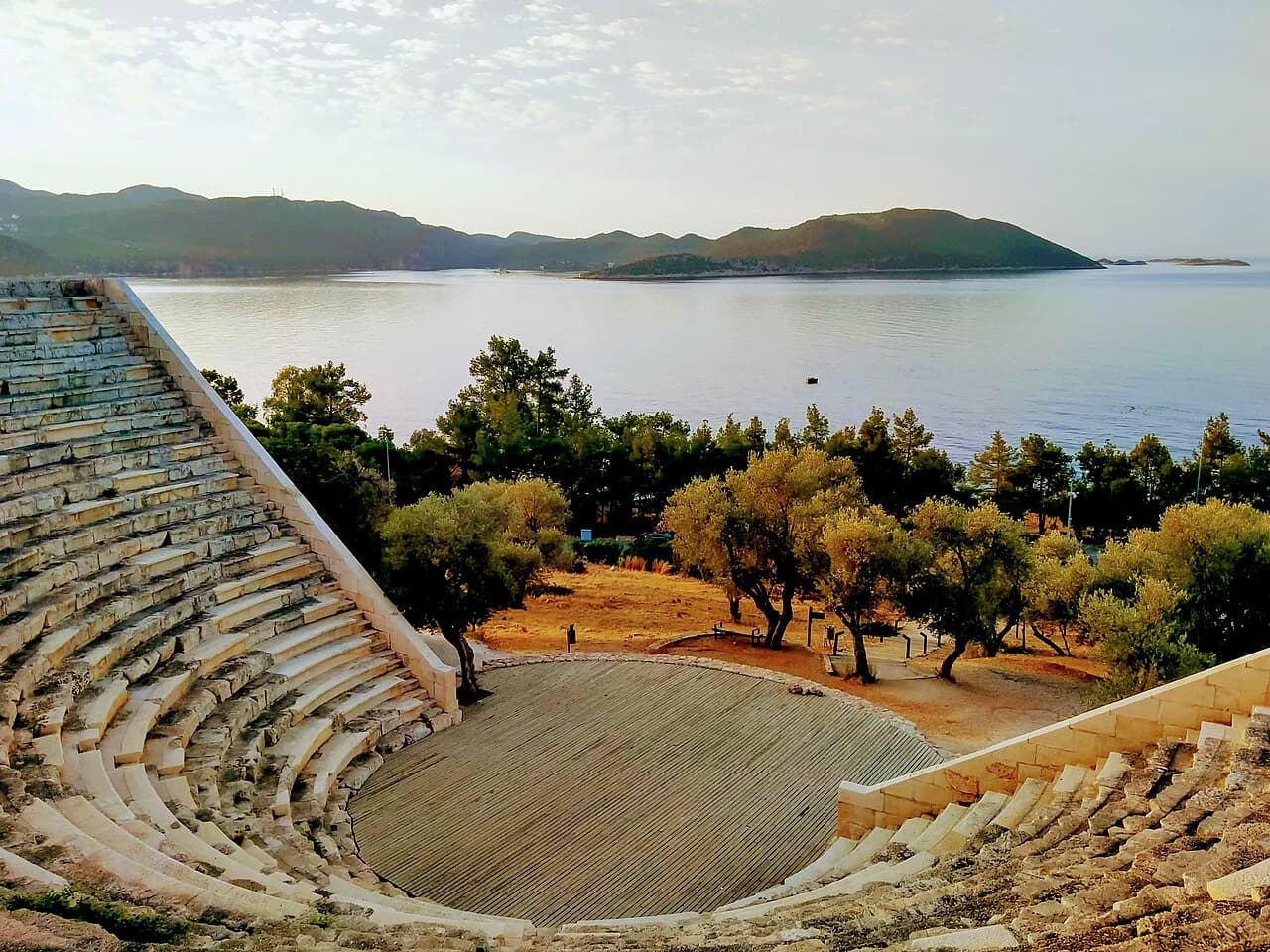
The Antiphellos theatre: the short walk from the centre and the sea view
The restored Roman theatre, known as Antiphellos, is roughly a ten-minute walk from the centre of Kaş. The reward is the view from the top rows, looking out over the water towards Greece.
It is a small site with no shade and little interpretation, so treat it as a twenty-minute stop rather than a morning out. Go early or late in the day when the stone is not radiating heat.
Kekova and the sunken city of Dolichiste: what the boat trip delivers
Kekova is both the name of a region and of its most famous island, which holds the sunken city of Dolichiste. Boats leave from the rocky bay at Üçağız, and the shoreline is dotted with small rocky islands from the outset.
The boat slows along the island edge so you can pick out the submerged seawall, walls, floors, doorways and staircases that appear to lead down into the water. At some swim stops the boat anchors beside an island with ancient ruins, so you can swim next to them but not over them.
Walking on Kekova island and swimming over the ruins have been banned since the 1990s, so the trip is a viewing exercise rather than a landing. That rule protects the site but means you see everything from deck level, so bring polarised sunglasses or a camera that handles glare.
Kaleköy (Simena): the boat-only village and its Lycian necropolis
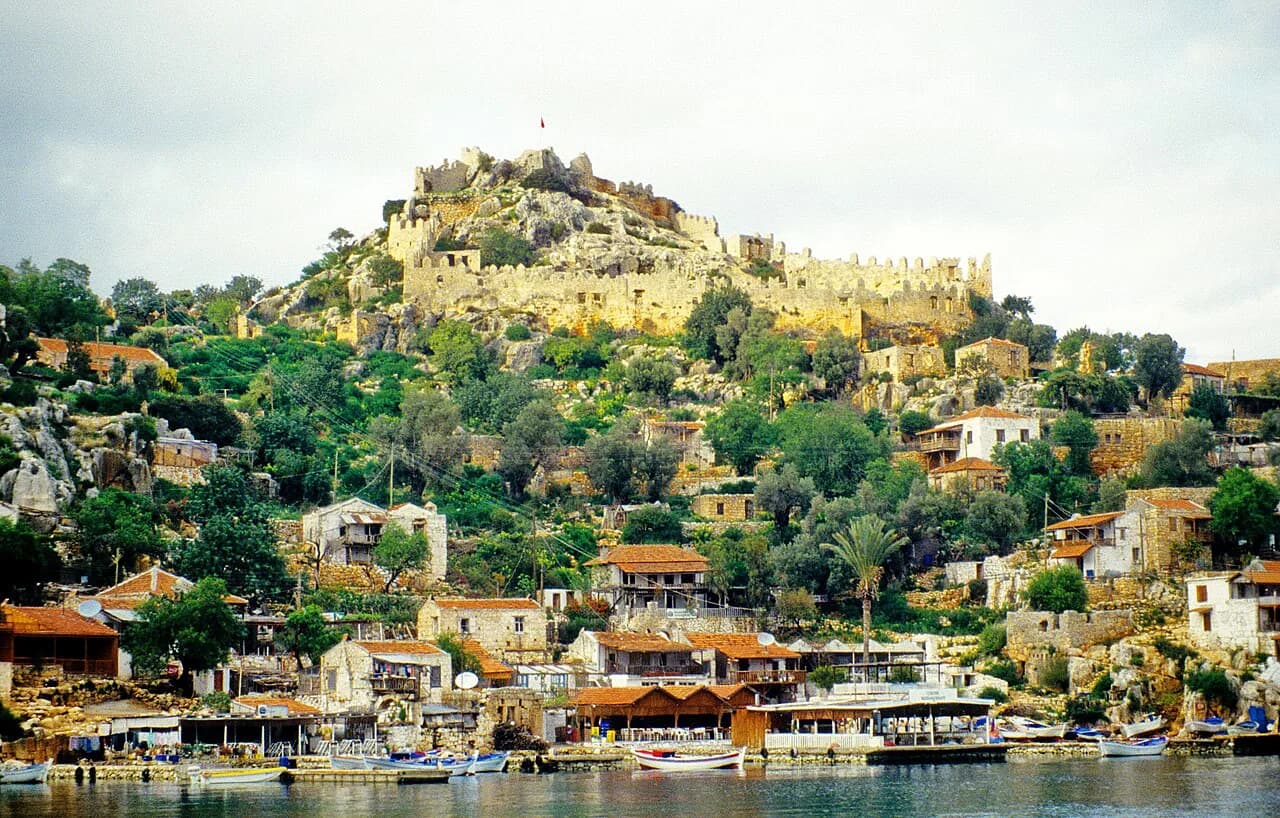
Kaleköy, the Lycian Simena, has no road access and is reached on the same boat circuit as Kekova. Approaching it, you see a Lycian necropolis on the hill above and, sitting in the water in front of the shore houses, a single Lycian tomb.
The waterfront holds 19th-century houses once lived in by Greeks until 1923; many are now restaurants and small shops. Allow time to climb towards the hilltop if your boat gives you a stop here, since the necropolis sits above the village.
Myra and Demre: the rock-cut tombs and Roman theatre
Myra, near Demre, holds some of Lycia's finest rock-cut tombs together with a well-preserved Roman theatre. On a boat itinerary it comes as the eastern counterweight to Kekova, and the two are often worked into the same long day out from Kaş.
Ask the boat operator or tour desk in Kaş which stops are included before booking, because itineraries along this stretch vary in how much time they allow ashore. That single question tells you more about the day than the brochure photographs.
Patara: the amphitheatre and sarcophagi behind the dunes
Patara lies beyond a belt of dunes and a long national-park beach, about twenty minutes' drive from Kalkan and a longer run from Kaş. Behind the sand you find a vast amphitheatre, ceremonial archways, basilicas and sarcophagi still lying where they fell.
The site is exposed and largely without shade, so early morning or late afternoon is the sensible slot for the ruins themselves. Mud and standing water can linger after rain, so footwear matters more here than at the town sites.
Xanthos and Letoon: the Lycian capital and its sanctuary
Xanthos was the Lycian capital, set on a plateau above the Xanthos valley and, like Letoon a few kilometres away, a UNESCO World Heritage Site. Expect temples, a theatre and a Byzantine church at Letoon, and far-reaching views over the Taurus Mountains from both.
These two suit travellers with a car who want to escape the coach route to Myra and Kekova. The valley sites are far quieter, and you can combine them in one loop from Kaş without needing a boat.
Tlos and Pinara: the hillside Lycian cities
Tlos sits on a rugged ridge over the Xanthos valley, with Lycian tombs, Roman baths and an acropolis crowned by a castle. Keep an eye out for the Tomb of Bellerophon, carved into the cliffs and showing the hero with his winged horse.
Pinara lies tucked into a lush mountain bowl of thyme and wildflowers, with honeycombed burial chambers, temples and a theatre half-swallowed by forest. Few travellers make the detour, which is precisely the appeal if you have your own transport and a head for hill roads.
How much time the ruins around Kaş need
Allow one morning for the town sites: the Lycian tombs and the Antiphellos theatre are both quick stops, and the walk between them plus a wander through the old streets will comfortably fill a few hours. Four to five full days is enough to enjoy Kaş and its surroundings at a relaxed pace with a day trip or two included.
Kekova, Kaleköy and the swim stops make a full day on the water, and Myra pushes it longer if your boat goes east. Treat the Xanthos valley, taking in Xanthos, Letoon, Tlos and Pinara, as a separate driving day rather than trying to bolt it onto a boat trip.
Getting around without a car
Boats for Kekova leave from Üçağız, and day cruises can be booked from Kaş harbour, which is also the hub for tours out of town. If you would rather not drive, ask at the harbour which itineraries include Kekova, Kaleköy and Myra before you commit.
Coastal transport runs south to Kalkan and Patara, but the valley sites need either a car or an organised day trip. Ferries also run from Kaş harbour to the Greek island of Kastellorizo in about twenty minutes, which is a different sort of crossing but uses the same port.
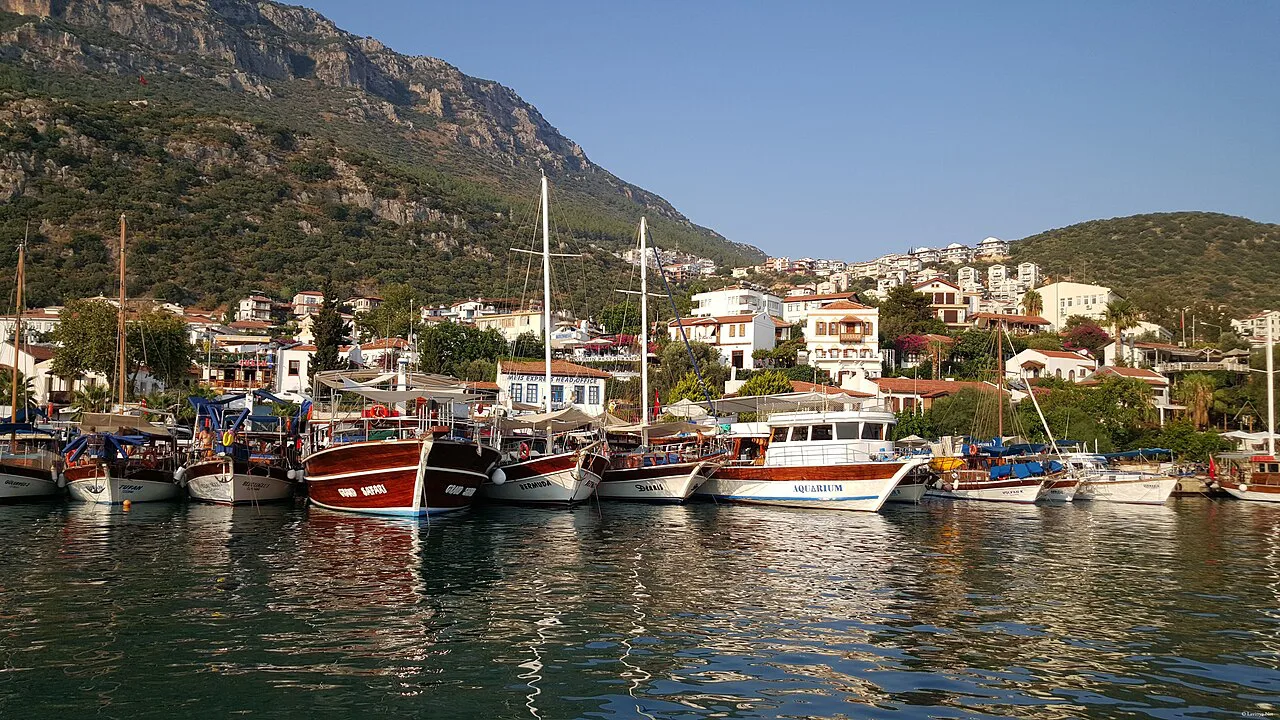
Between sites, Kaş itself is compact and best covered on foot: the old town sits on the waterfront and doubles as the departure point for tours.
Practical points: tickets, heat and shade at exposed sites
The town tombs stand among the surrounding streets, and the only out-of-town sites covered here that clearly need planning are the ruins reached by boat or car. Ticket arrangements at those sites can change, so confirm current entry terms and prices at each site, or with whichever boat or car operator you book through, before you set out.
Patara and the Xanthos valley sites are open and shadeless, so hat, water and a mid-morning start matter. Kekova offers shade under the boat canopy but no shelter on the island stop, and Kaleköy's slope is hot by midday.
For rainy hours or an afternoon off the water, the museums in Kaş give context to the Lycian coast's finds.
The harbour area and the lanes around the tombs also hold Kaş's small mosque, worth a look if you are passing through so you can see how the modern town sits over the ancient one.
Should you build your Kaş trip around the ruins?
Build your trip around the coast rather than the town ruins. The Lycian tombs and the Antiphellos theatre are a pleasant morning's walk, but the sites that justify the trip are Kekova's sunken city and the Lycian cities inland, each needing a boat or a car.
Book one boat day for Kekova, Kaleköy and, if the itinerary runs east, Myra, then keep a separate day for the Xanthos valley with your own transport. That split leaves you time for the harbour and the old streets without squeezing the ruins into odd hours.
Explore more Kas guides
Frequently Asked Questions
Can I see Lycian ruins on a day trip from Kaş?
Yes. Kekova, Kaleköy and Myra are reachable on boat trips from the harbour, and Patara, Xanthos, Letoon, Tlos and Pinara sit within driving distance. Boats for Kekova leave from Üçağız, so confirm whether your chosen trip departs from Kaş harbour or needs road transport to the boat.
What is Kaş best known for?
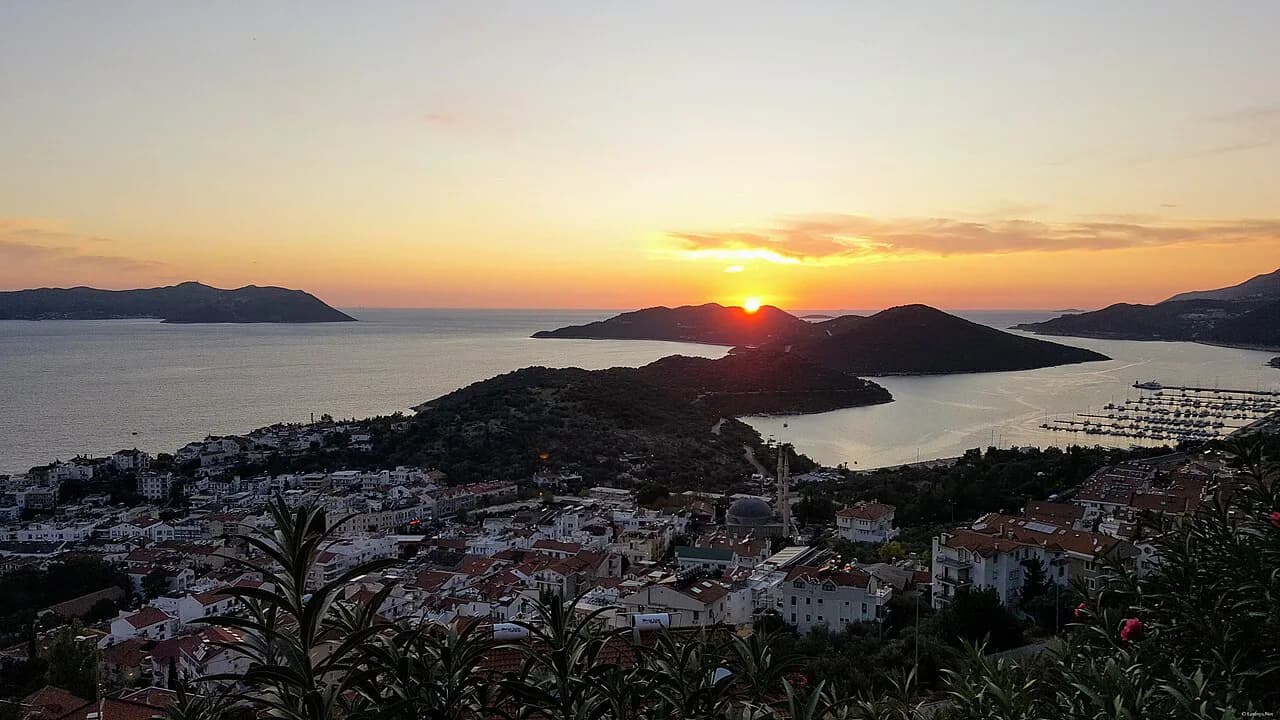
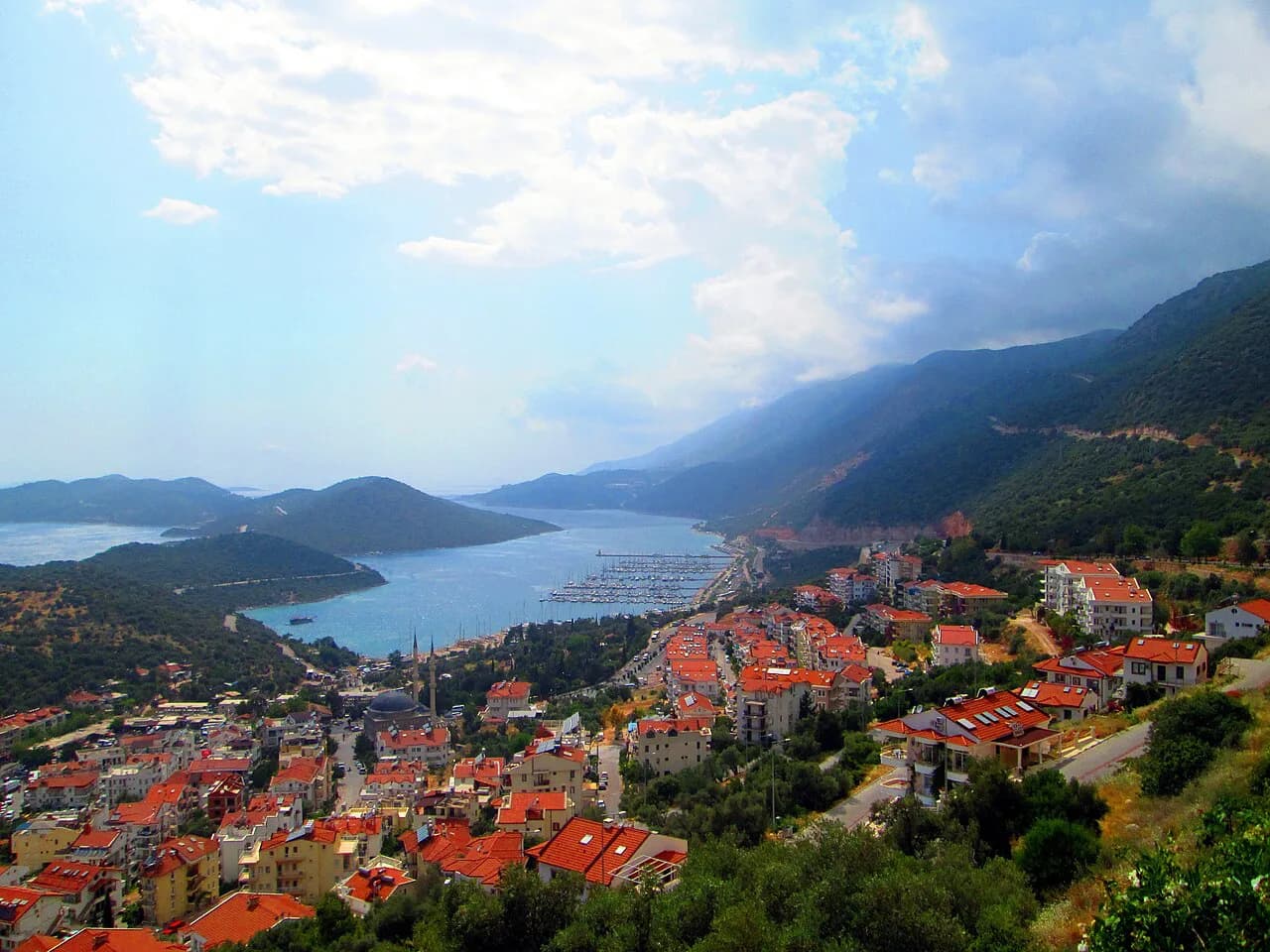
Kaş is known for its hilly old town of Ottoman-era houses, its small harbour with fishing and dive boats, and its setting on the Turquoise Coast. The surviving ancient remains in town are modest, so most people use the town as a base for Kekova and the Lycian cities nearby.
Are the town ruins in Kaş worth stopping for?
Yes, if you keep expectations modest. The two Lycian box tombs and the restored Roman theatre take well under an hour between them, and the theatre's top rows give a fine view over the water towards Greece. Treat them as a walk rather than a sightseeing day.
Sources
Notes for your next Turkey trip
Optional updates when we add or correct a town guide.
You might also like
Continue reading
More guides you'll find useful