Kuşadası Bazaar: What to Buy, Where It Is and How to Haggle
Kuşadası Bazaar sits by the harbour and old town, with sections for clothing, crafts and souvenirs. Here is what is sold, opening patterns and how to haggle.
On this page
The Kuşadası Bazaar is a market quarter of narrow lanes close to the harbour and the old town, not a single hall, and it is divided into sections for clothing, local crafts, traditional products and everyday goods. Shoppers come for ceramics, textiles, handmade jewellery and leather, and for Turkish delight, baklava and spices. This guide covers how the streets are laid out, what to look for, when the stalls trade and how to haggle politely.
Treat it as a stroll rather than an errand: the bazaar sits within easy walking distance of the waterfront, so it slots naturally into a harbour day. For the wider picture of what else fills your time here, our guide to things to do in Kusadasi sets out the rest of the town and its ancient sites.
Where the Kuşadası Bazaar sits
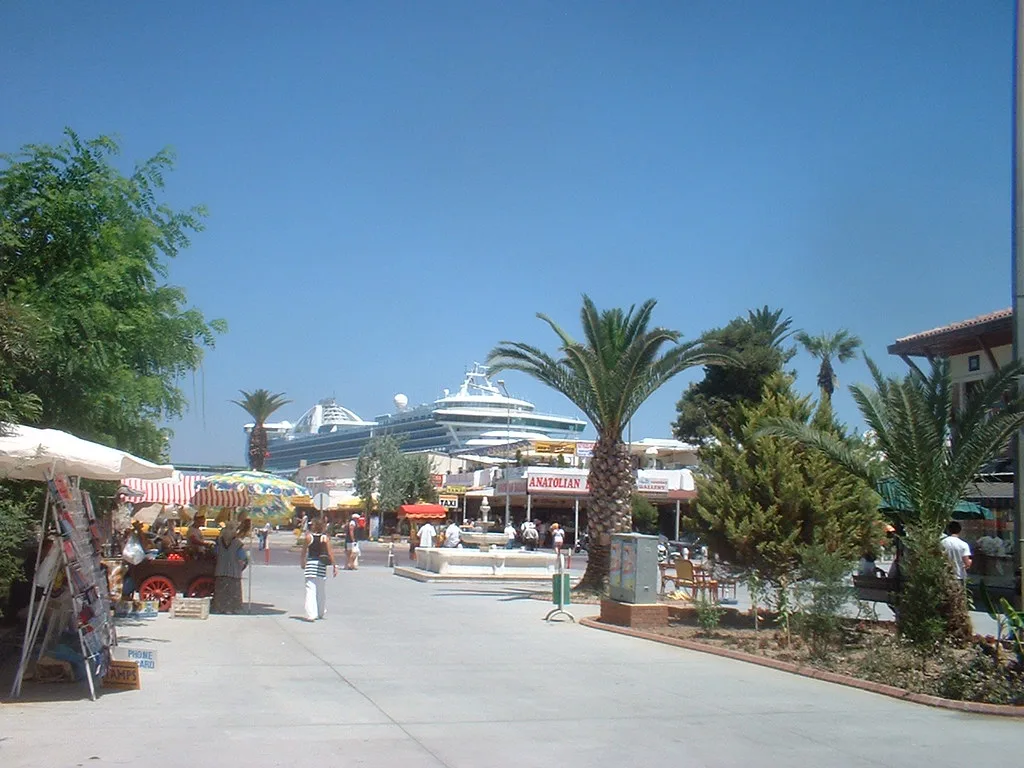
The bazaar lies close to the harbour and the old town, which makes it the obvious first stop after stepping off a boat or arriving on foot from the seafront. The lanes are given over to local handicrafts, textiles and souvenirs, and the atmosphere comes from the displays, the spice stalls and the back-and-forth of bargaining rather than any single landmark. Use the Kuşadası Map to fix your position before you dive in, since the alleys bend and double back.
Kuşadası is a coastal town on the Aegean Sea, and the market streets sit close to the harbour and old town. If you want to compare it with the covered bazaars of other Turkish cities, treat this as a local market quarter rather than a single covered hall, and approach it as part of a harbour-and-old-town walk.
How the market streets are laid out
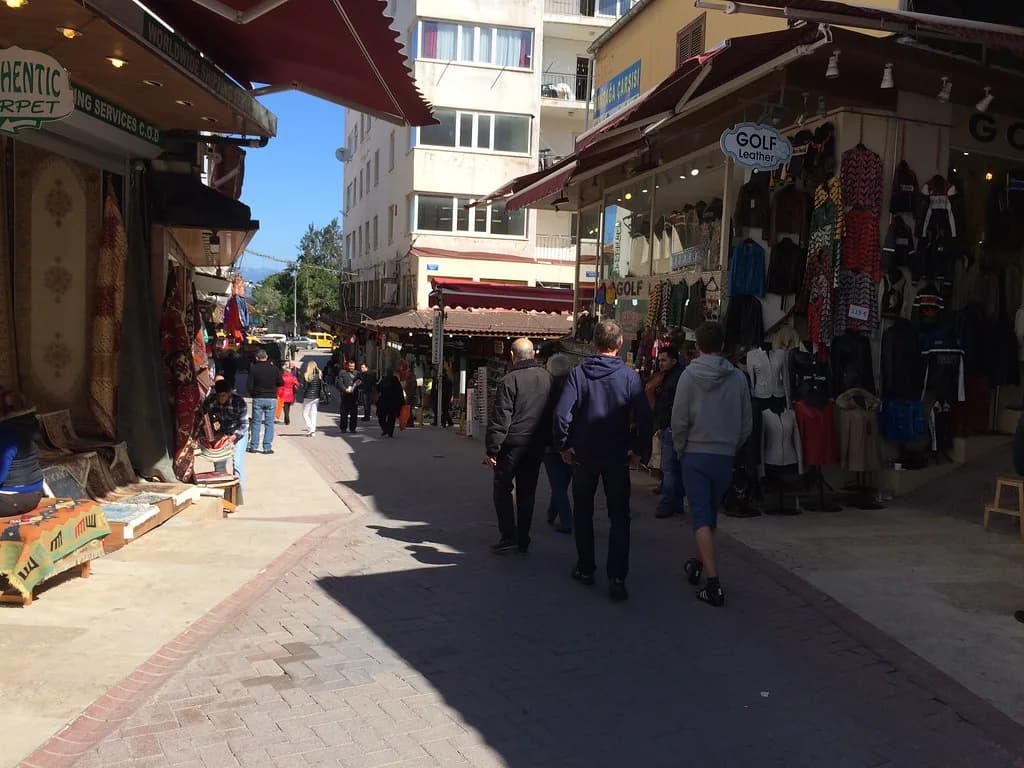
The bazaar is organised by type of goods, with separate stretches given over to clothing, local crafts, traditional products and everyday items. Knowing this saves time: head for the craft side if you want ceramics or handmade jewellery, and the clothing stretches if you are after textiles and leather. Everyday goods sit alongside the tourist-facing stalls, which is part of what gives the place its local texture.
Because the displays spill out into the lanes, the busiest stretches can feel tight, and stalls in each section cluster together so that comparison is easy on foot. Plan a loop rather than a straight line: walk the craft and clothing lanes first, then circle back through the food and everyday-goods sections on your way to the waterfront. If you want the broader context of where these streets sit within the town, our guide to shopping in Kuşadası covers the neighbouring retail areas.
What to buy: ceramics, textiles and handmade jewellery
Ceramics, textiles, handmade jewellery and leather goods are the core of the craft trade here, and many stalls specialise in one of these rather than spreading across all of them. Look closely at the finish on ceramics and the stitching on leather before you commit, and ask whether a piece is made locally if that matters to you. The stalls are run by vendors who will happily explain the work, which is part of the experience rather than just a sales pitch.
Handicrafts are the strongest reason to shop here, and the range runs across ceramics, textiles and jewellery rather than novelty souvenirs alone. If you are buying gifts, buy the things that are awkward to post home first and leave the flat, light items for the end of the walk. Carry cash in small notes and keep purchases in a single bag so you are not juggling parcels in the narrow lanes.
Bargaining is a common practice in the bazaar, and vendors often expect customers to negotiate rather than accept the first figure. Compare two or three stalls selling the same category before you decide, and decide your own ceiling before you start talking.
Turkish delight, baklava and spices
Turkish delight, baklava and spices are sold at the market, so the bazaar doubles as a food stop rather than a purely decorative visit. Pick up edible gifts towards the end of your walk so they are not crushed under ceramics, and ask for a box if you are carrying them onward.
The aromas from the spice and sweet stalls are part of the bazaar's atmosphere, and the food sellers sit alongside the craft stalls rather than in a separate food hall. If you are travelling with hand luggage only, plan your purchases around airport restrictions on what you can carry. Baklava travels better than soft sweets, which is worth weighing up on a hot day.
Opening patterns: mornings to early evening
The bazaar generally opens in the morning around 9am and closes in the evening around 8pm, with hours varying by season. Treat those as a pattern rather than a timetable: on an out-of-season visit the lanes may be quieter and some stalls shuttered earlier. Aim for the middle of the day if you want every section trading, and go early if you prefer to browse without crowds.
Because the schedule shifts with the season, confirm the day's rhythm with your hotel or the local tourist information point rather than relying on any fixed opening time. If you are also planning to visit the town's wider markets, our guide to Kuşadası markets covers what is known and what to check locally.
How to haggle in the bazaar
Bargaining is a common and expected practice here, and vendors often anticipate that customers will negotiate rather than accept the first figure. The etiquette is simple: stay friendly, ask for a better price with a smile, and be willing to walk away if the number does not suit you. Never open with an offer you would be unhappy to pay, because a vendor may accept it.
Buying more than one item from the same stall gives you a reasonable basis for asking for a combined price, and paying in cash keeps the conversation simple. If you are not seriously interested, say so politely rather than starting a negotiation you intend to abandon. There is no published benchmark for what any item should cost, so decide what a piece is worth to you before the haggling begins.
Accessibility and walking conditions
The bazaar is generally accessible, but some areas have uneven surfaces, so travellers with mobility concerns should check specific routes in advance rather than assume a smooth path throughout. The narrow lanes and spill-out displays make a wheelchair or pushchair awkward in the busiest stretches. Go earlier in the day, when there is more room to manoeuvre.
Wear shoes with a bit of grip, since paving in older market lanes is rarely uniform, and take care where the bazaar meets the surrounding streets. The bazaar is generally accessible, but some areas have uneven surfaces, so check specific routes if mobility is a concern. A short loop through the craft and clothing sections is easier going than trying to cover every alley.
Getting there from the harbour and old town
The bazaar is close to both the harbour and the old town, so the simplest approach is on foot from the waterfront rather than by vehicle. Walk inland from the seafront and you will reach the market lanes in a few minutes, which makes it easy to combine with a harbour stroll. Dolmuş minibuses and taxis serve the wider town, but for this short hop walking is the practical choice.
Kuşadası sits on the Aegean coast of Turkey, and the town centre is compact enough that most visitors reach the bazaar from the waterfront without any onward transport. Build the walk into a loop that takes in the old town streets on the way back to the water. That way the market becomes part of a half-day wander rather than a separate outing.
Combining the bazaar with a hammam and Ephesus
A bazaar morning pairs naturally with a stop at the harbour or the old town, and you can round the day off with a hammam in town. If you want to add Ephesus, plan it as a separate half or full day and check tour options and inclusions before booking. Book ahead if you want a specific date, especially in peak season.
A hammam works well as a late-afternoon finish after a morning of browsing, and it is a gentler way to round off a hot day than more walking. Keep the two activities in the same part of town so you are not crossing Kuşadası twice in the heat. Check what each booking includes before you pay, since entry to ancient sites and hammam entry are often handled separately.
Should the bazaar be your first stop in Kuşadası?
Yes, if you are arriving at the harbour or staying in the old town. The bazaar needs no planning beyond a morning or afternoon, sits within a few minutes' walk of the waterfront, and gives you crafts, textiles, sweets and spices in one compact area. Go early in the day for calmer lanes, keep an eye on uneven paving, and treat the first price as an invitation to talk.
Leave the Ephesus tour and the hammam for separate slots, and check seasonal opening patterns and any market day locally before you set out, since these shift through the year.
Frequently Asked Questions
Is the Kuşadası Bazaar the same as the Grand Bazaar?
No. Kuşadası Bazaar is a market quarter beside the harbour and old town of Kuşadası on the Aegean coast. Istanbul's Grand Bazaar is a separate covered market in a different city and is not covered here.
Do I need cash for the Kuşadası Bazaar?
Bargaining is common and vendors expect you to negotiate, so bring cash in small notes for ease of haggling. Ask the vendor what payment methods they accept before you settle on a price, since card acceptance varies from stall to stall.
How long does a visit to the bazaar take?
Most visitors see the main craft, clothing and food lanes in an hour or two, and the compact layout means you can combine it with a harbour walk or a stop in the old town without a full day out. Allow extra time if you plan to negotiate on larger pieces.
Sources
Notes for your next Turkey trip
Optional updates when we add or correct a town guide.
You might also like

Continue reading
More guides you'll find useful