Kuşadası Castle: Pigeon Island Fortress Guide
Kuşadası Castle sits on Pigeon Island, a short walk from the town centre. See the walls, gardens and Aegean views, plus how to reach it on foot or by dolmuş.
On this page
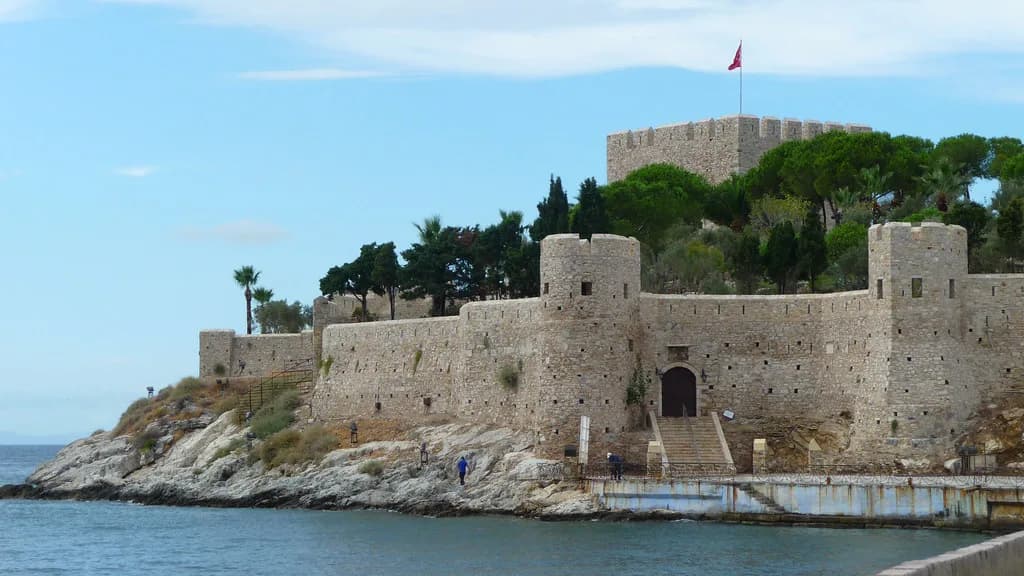
Kuşadası Castle is the Ottoman-era fortress on Pigeon Island, known in Turkish as Güvercinada, set just off the town and looking out over the Aegean and Kuşadası Bay. It is a short walk from the centre, and the reward is a walled circuit of ramparts, watchtowers, landscaped gardens and wide sea views. This guide covers what stands inside the walls, how the approach from town works, and how to time your visit around heat, crowds and light.
What Kuşadası Castle is
The castle occupies Pigeon Island, a small island tied to the Kuşadası shoreline and looking back across the bay. Its surviving walls, watchtowers and military structures were built in the Ottoman period, and the fortress was intended to help defend the town from pirates. That defensive purpose explains the shape of the place: thick stonework facing the water, with the sea as the main outlook on nearly every side.
Treat it as a single compact site rather than a museum you work through room by room. The pleasure is in walking the walls, looking out over the water and reading the fortifications against the harbour below. If you want a wider sense of the town's museums and collections, the Museums in Kuşadası guide covers the options elsewhere in town.
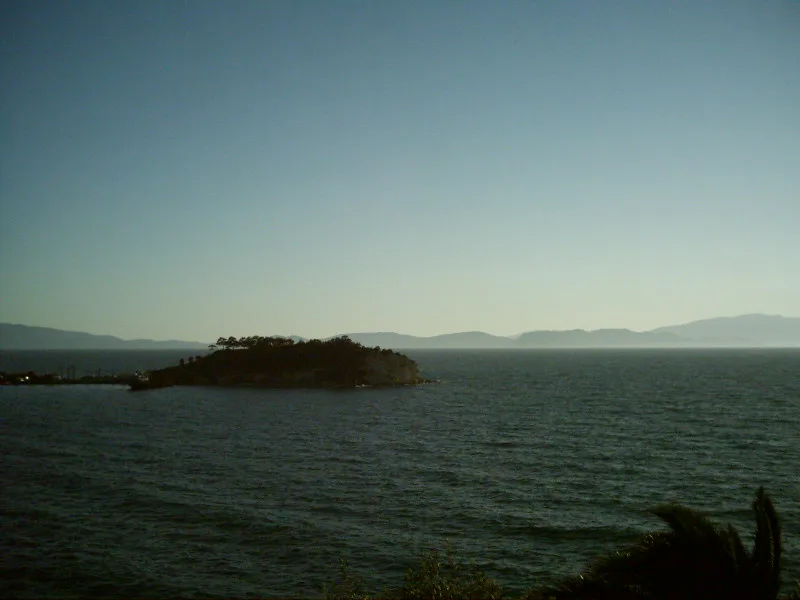
The causeway walk from the town centre
You reach Pigeon Island on foot from central Kuşadası, and the walk out is part of the visit: the town and the harbour recede as the island comes closer. The approach is short rather than a hike, so it suits a spare hour or an early-evening stroll. Keep the walk in mind when you plan the rest of the day, because the return leg is straightforward and needs no transport.
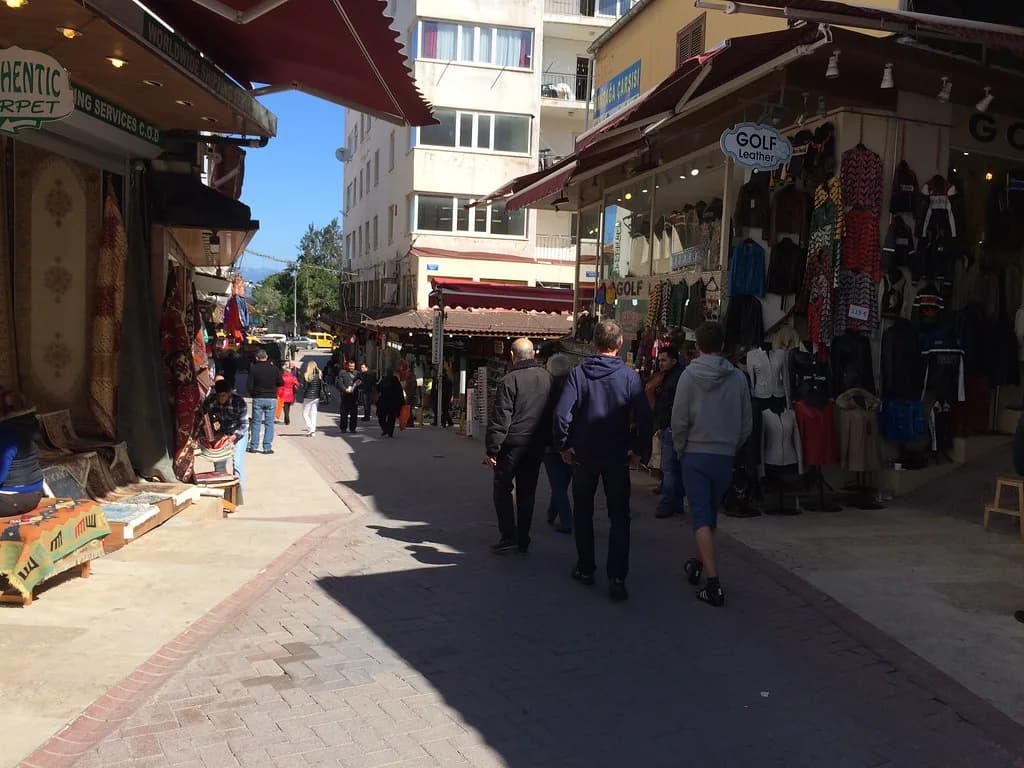
If you are already exploring the lanes, shops and cafés behind the waterfront, the castle makes a natural end point to a circuit of the Kusadasi old town. Plan the castle for the cooler end of that loop rather than the middle of the afternoon.
Walls and watchtowers: the Ottoman military architecture
Inside the walls you see the stone ramparts and watchtowers that once guarded the approach to Kuşadası. The military architecture is the main event here, and the walls are best read slowly, looking at how the openings and towers face out to sea. Walking the circuit gives you a clear sense of how the fortress watched the water rather than the town.
Footing on and around the old stonework is uneven, so wear shoes with a proper sole rather than sandals with no grip. That single decision makes the wall circuit far more comfortable and lets you look up at the towers instead of down at your feet.
The gardens and paths inside the grounds
The castle grounds are laid out with landscaped gardens and paths, which gives the visit a gentler character than the bare stone suggests. The greenery makes a shaded place to pause between stretches of wall, and the walkways are easy to follow. Camera in hand, the gardens and the walls together give you more to look at than fortifications alone.
Exhibits on the castle's past and maritime role
Displays inside the grounds cover the castle's history and its maritime significance, giving context to the walls you have just walked. Read them before or after the ramparts rather than skipping them, because they explain what the fortress was defending and why the site mattered to shipping in the bay. The exhibits are the place to slow down if you want more than a viewpoint.
Views over the bay, the coast and the islands
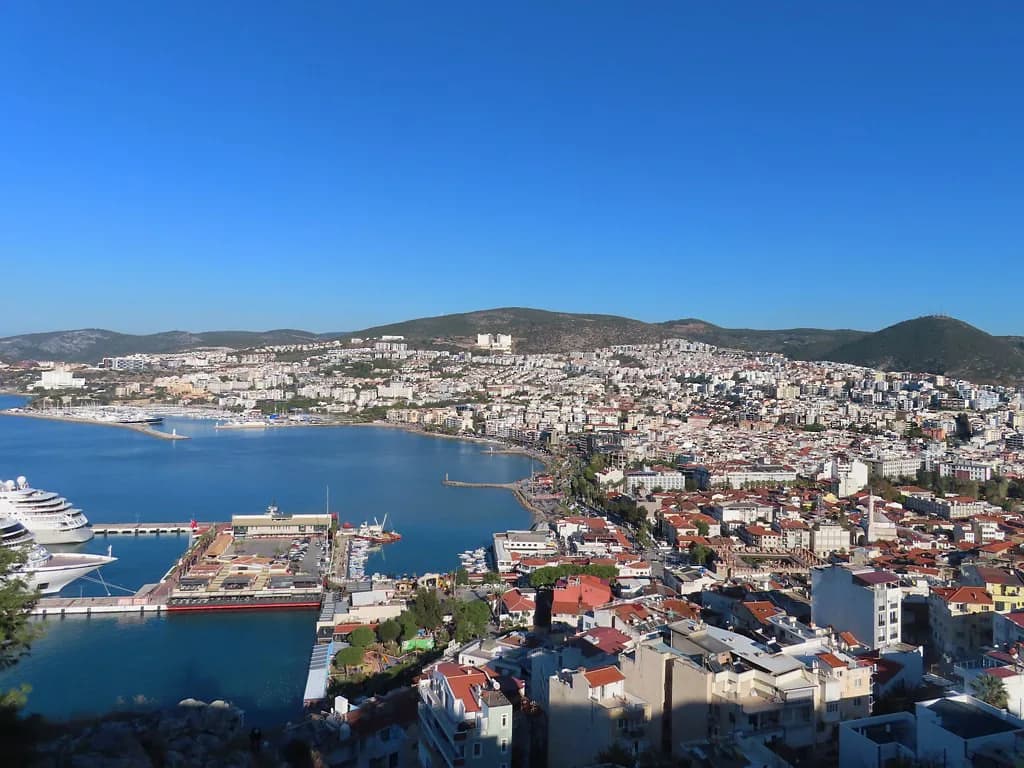
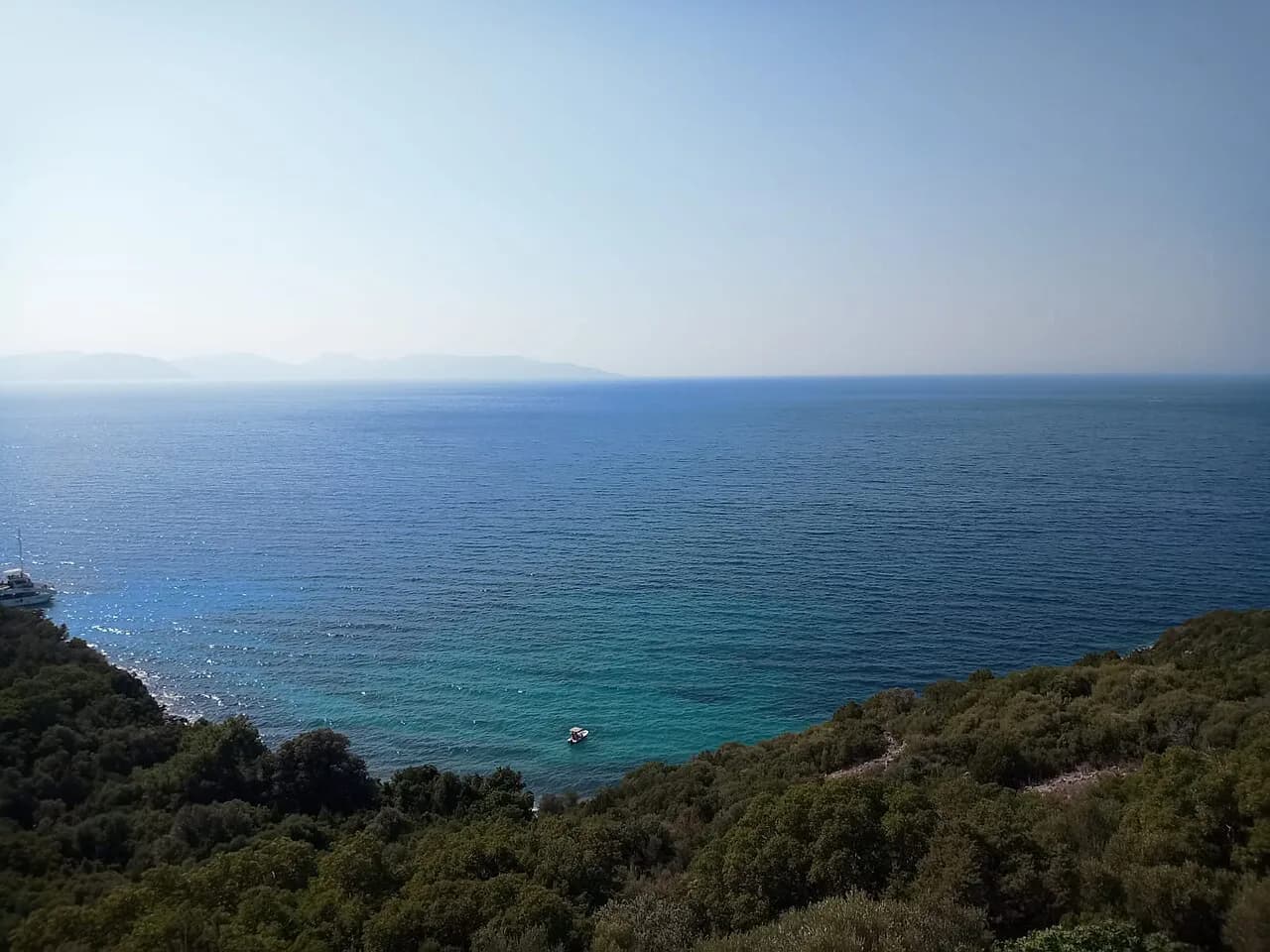
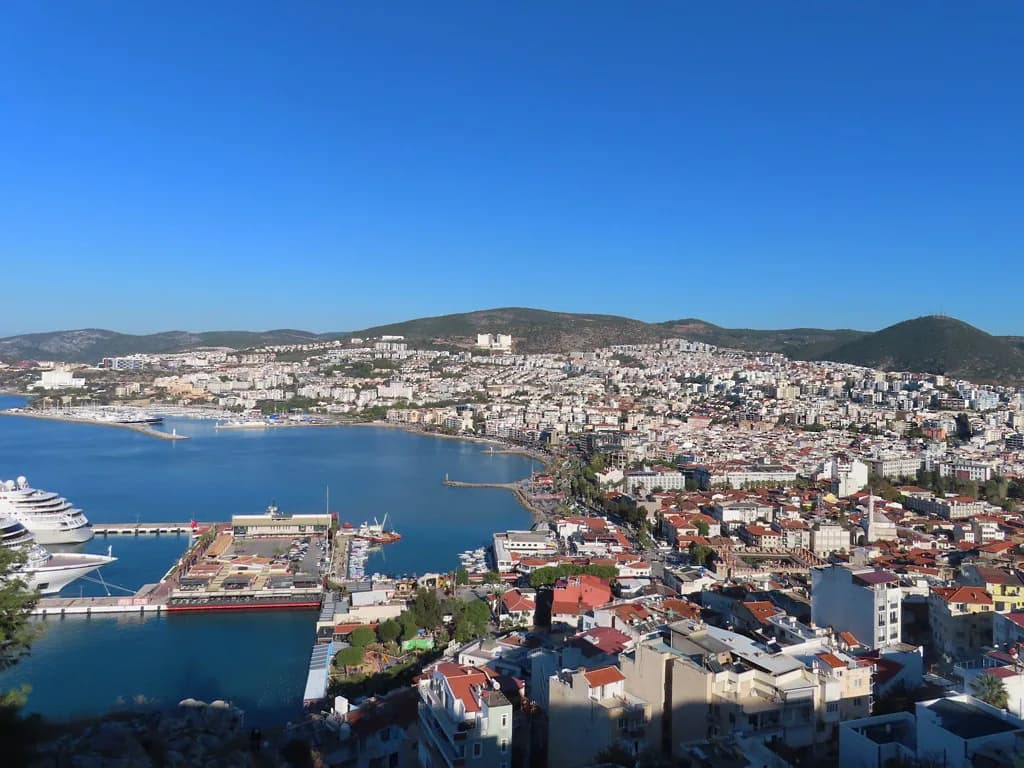
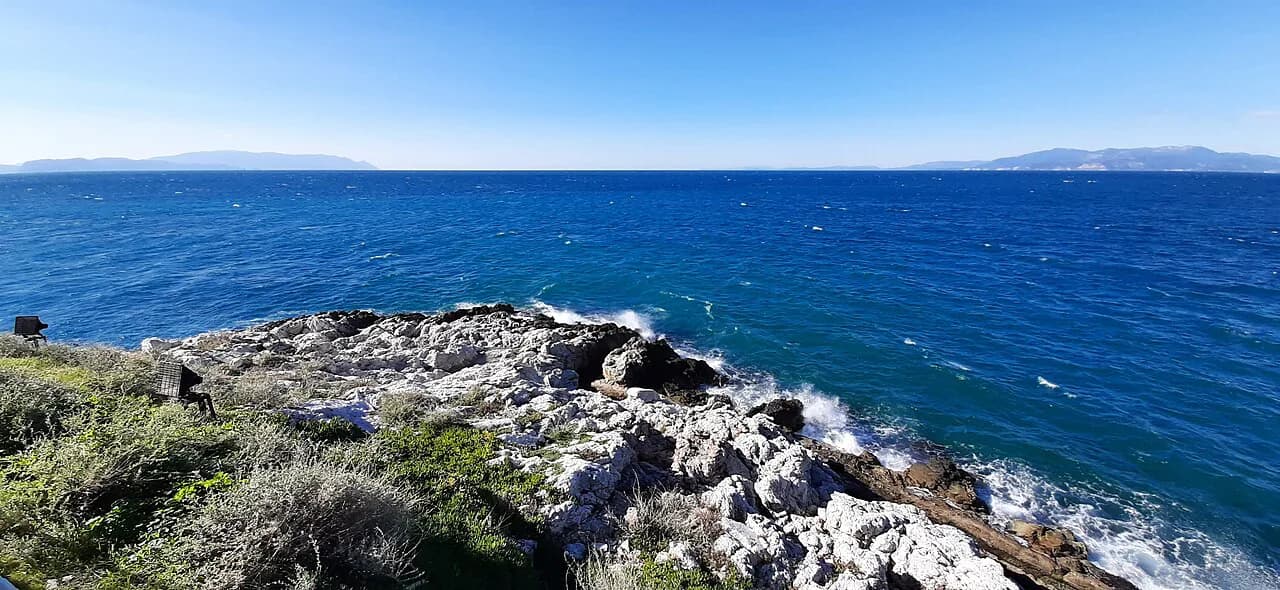
From the walls you get panoramic views across Kuşadası Bay and the Aegean, taking in the coastline, the cruise ships in port and the islands offshore. It is the reason many visitors rate the castle as much for the outlook as for the masonry. Give yourself time at the top rather than treating the view as a quick photo stop.
The view changes with the light, which is why the same walls can feel like two different places on a morning and an evening visit. Look back towards town as well as out to sea; the harbour side shows you how the island sits against Kuşadası.
When to go: morning quiet or sunset light
Mornings are the calmest and coolest stretch, so an early visit keeps you out of the midday heat and gives you the walls with fewer people around. Evenings bring the sunset over the Aegean, which is the castle at its most photogenic and also its busiest. Choose between a quiet circuit and a golden view, and build the rest of the day around that choice.
Spring and autumn give the most comfortable weather for walking the walls and gardens, while high summer makes the morning or late slot the sensible pick. Opening hours can change with the season, so confirm them locally before you set out for a specific slot.
Getting there: on foot, by dolmuş, by car or by boat
Walking from the centre is the simplest approach, and local dolmuş minibuses serve the area if you are coming from further out. Parking is available near the Pigeon Island entrance if you arrive by car, and some guided boat trips include the castle in their route, giving you the island from the water as well as from the walls.
If boats and harbour life appeal, the Kuşadası Marina page covers the waterfront setting the castle looks out on. Combining the two gives you a harbour walk and the island in one outing.
Practical points before you set out
Wear comfortable shoes for the uneven paths, bring a camera for the views and the stonework, and plan the visit around the light you want. Check opening hours before you set out, as they can change with the season.
Kuşadası's other historic sights sit within easy reach of the waterfront, so the castle can anchor a half-day that pairs walls with older stonework elsewhere. The Kuşadası Ruins guide covers what else survives in and around town.
Is the castle worth the walk out?
Yes, if you want the best sea view in town and a compact dose of Ottoman military architecture without a long excursion. Go early for quiet and cool air, or late for the sunset, and give the walls, gardens and exhibits a proper hour rather than a dash. Pair it with a wander through the old town and the harbour for a complete half-day in Kuşadası.
Explore more Kusadasi guides
Sources
Notes for your next Turkey trip
Optional updates when we add or correct a town guide.
You might also like
Continue reading
More guides you'll find useful