Kurşunlu Waterfall, Antalya: Access and What to Expect
Kurşunlu Waterfall is a forest canyon waterfall roughly 19–20 km from Antalya, with an 18-metre drop. How to reach it, what to see and how long to allow.
On this page
Kurşunlu Waterfall is a forest canyon fall about 19–20 km from central Antalya, where water drops roughly 18 metres into pools among pines and cedars. Allow around half a day from Kaleiçi once you count the drive, the walk in and the stop itself. This guide covers the route, the walk through the park, seasonal flow and how the visit compares with Düden.
What Kurşunlu Waterfall is
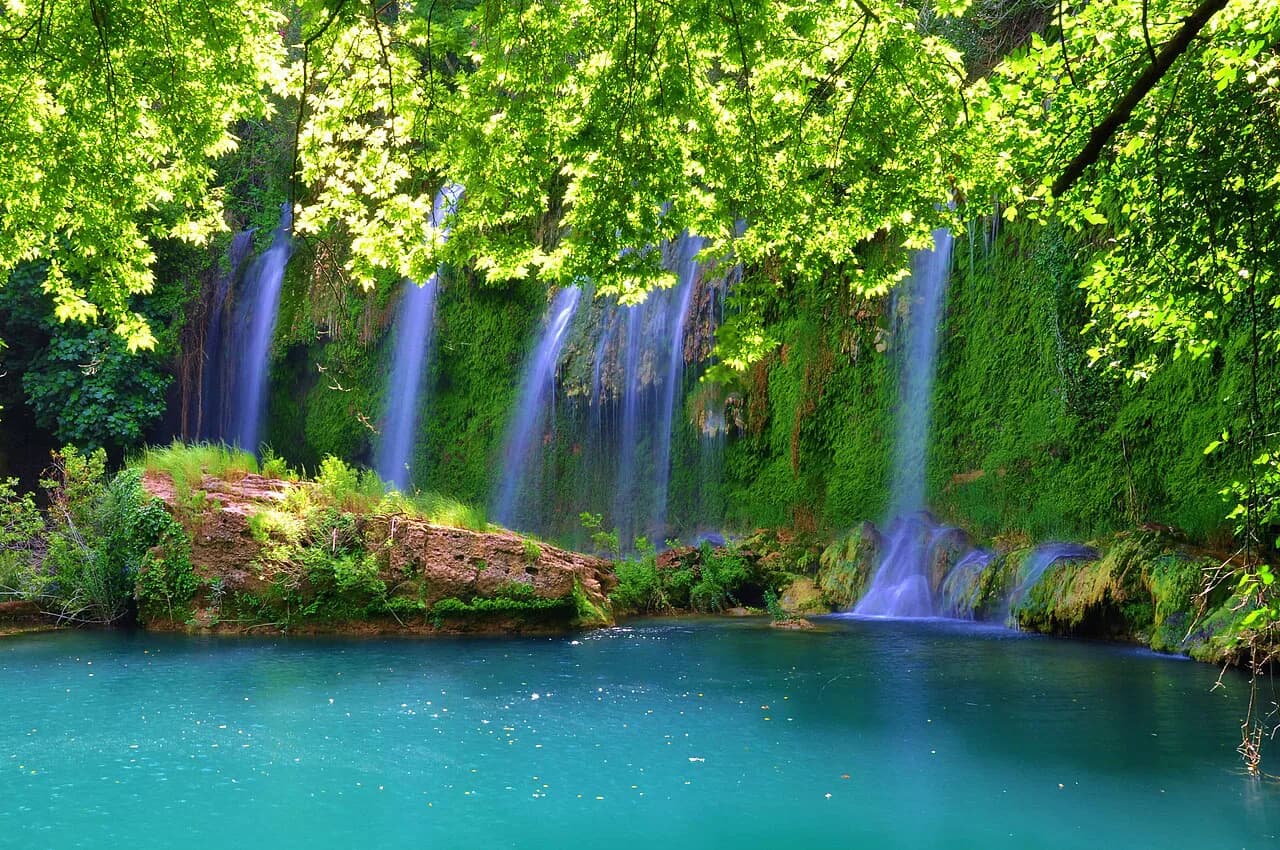
The fall sits in a canyon surrounded by forest, dropping freely from a height of about 18 metres into pools it has carved below. Smaller cascades and ponds collect under the main drop, so the visit is as much about the green setting as the water itself. It is a contained natural park rather than a long trail destination.
The site lies about 19 km from Antalya, which places it comfortably within a morning or afternoon from the city. The landscape is a wooded canyon rather than open countryside, and the walk between the entrance and the falls is short enough to suit most visitors.
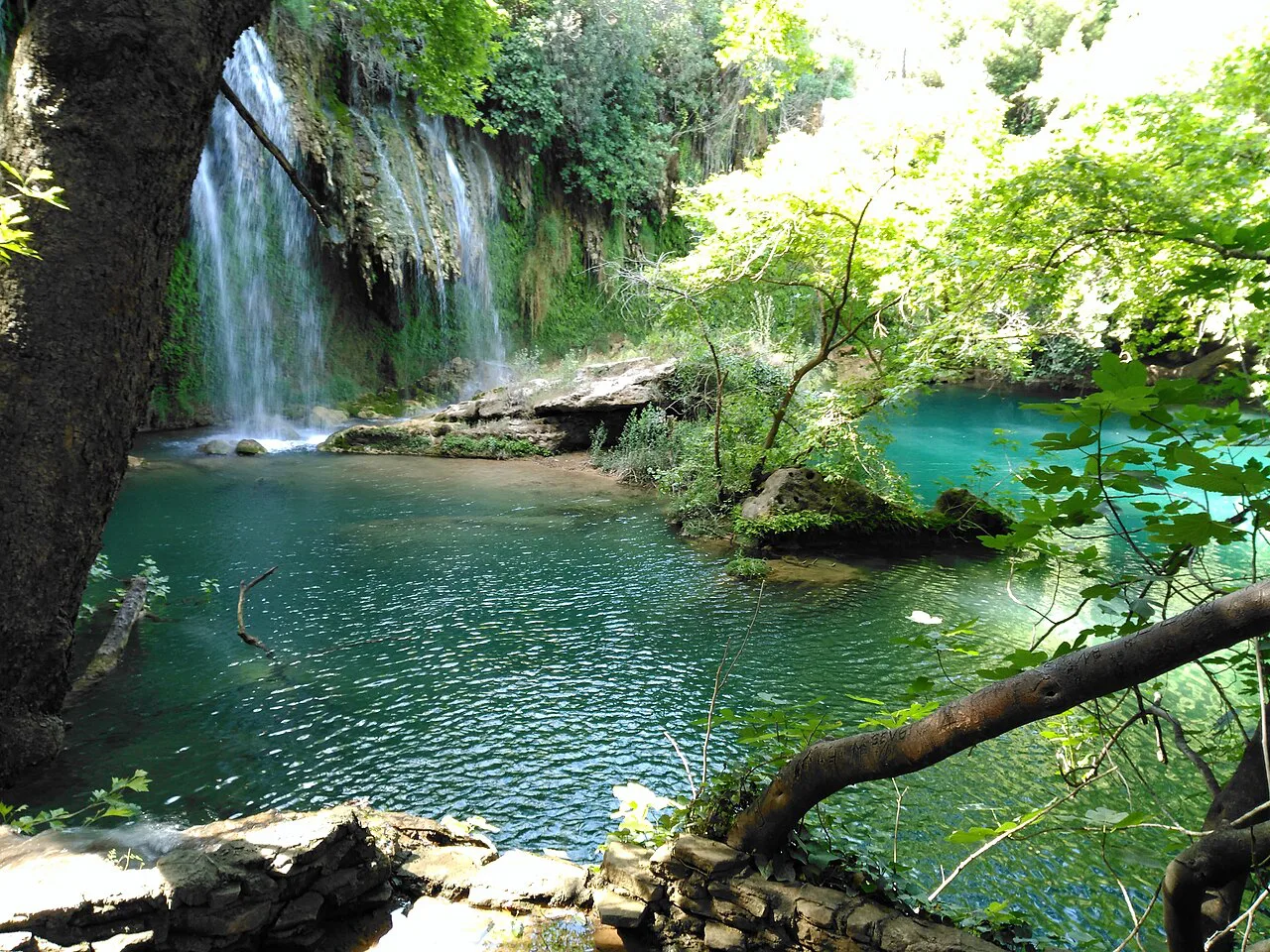
Where it is and how to get there
By road, the park sits roughly 20 km north-east of Antalya. The route runs along the Antalya–Aksu highway, then turns north at Soğucaksu Bridge onto an 8 km road that leads to the falls. Naming that bridge turn matters: it is the point where you leave the highway, and the last stretch is a slower approach road rather than fast dual carriageway.
From Kaleiçi, the drive means leaving the old town through the city and joining the highway eastwards; a taxi or hired car is the straightforward option, and the trip is short enough to combine with other Antalya stops on the same day. If you are staying out towards Lara, the fall is about 22 km from the Lara Barut Collection. Organised tours also run from the city, and the entry gate is where you confirm the current ticket arrangement.
Public transport to the falls is not something to plan around without checking: the turn north at Soğucaksu Bridge and the 8 km approach road make a dolmuş-plus-walk combination impractical for most visitors. Ask your hotel or the Antalya bus information desk which dolmuş serves the Aksu road and where it drops you.
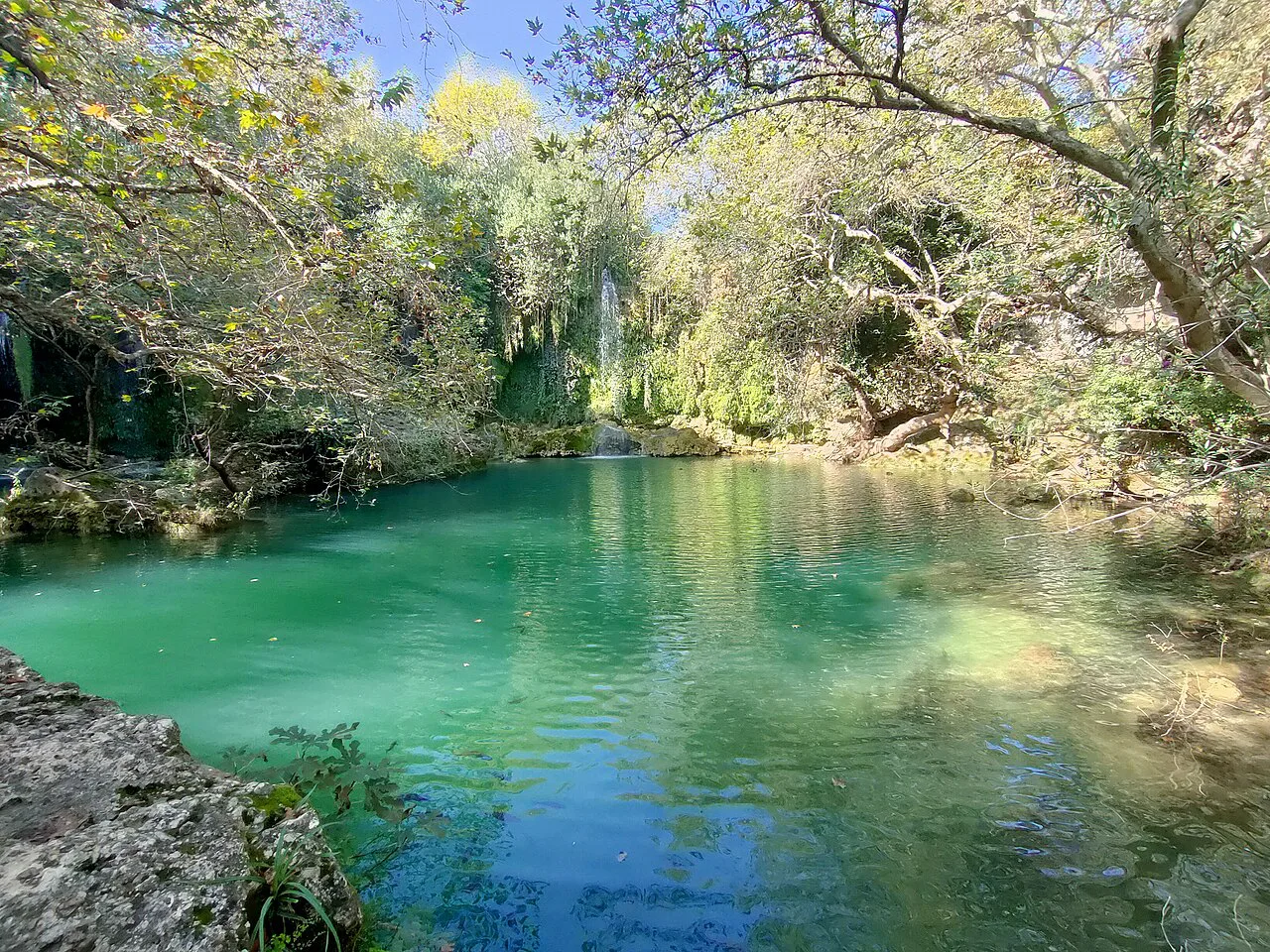
What you see on the walk in
The park is dominated by cluster pine, with smaller groups of eastern plane, laurel, carob, wild olive, mastic, willow, fig, myrtle and oleander among the trees. Closer to the water you pass clumps of water mint and bamboo. This is a place to walk slowly and look at the planting rather than to march to the fall and back.
Birdlife and small mammals are part of the visit: hoopoe, woodpecker and stock dove are recorded in the park, along with fox, rabbit, squirrel and water tortoise. Bring binoculars if you have them, and keep noise down along the shaded paths. The ponds under the main fall are the natural place to stop.
The park has been a protected natural area since 1991, which is why the forest and water formations are kept as they are. Paths are shaded by the pine canopy, so the walk is cooler than the exposed city streets in high summer.
When to go: spring flow versus the summer trickle
Flow changes with the season. In summer the fall can reduce to a mere trickle, so a July or August visit is about the canyon, the shade and the forest rather than a thundering cascade. Spring, after the winter rains, gives you the fall at its fullest.
April and May are named as the best months to visit by the Turkish Ministry of Culture and Tourism. Treat that as a strong reason to put the waterfall early in a spring trip rather than a rule for every year, and remember that a wet spring will look different from a dry one. Sturdy shoes help on damp paths in either case.
How long to allow and how to pace the visit
Plan on a half-day from Kaleiçi: the drive out, a relaxed hour or so around the fall and ponds, and the return. The park is compact, so there is no need to set aside a full day unless you want to pair it with something else nearby. Walking and trekking within the park are the main activities, and the paths suit an easy amble rather than a serious hike.
A sensible rhythm is to arrive earlier in the day, walk down to the main fall first while it is quiet, then take the shaded paths back at a slower pace. Shade from the pines makes midday bearable, but mornings are cooler and the light on the water is better.
Facilities on site
There are places inside the park serving food and drinks, so you do not need to carry a full picnic. That makes Kurşunlu an easy add-on to a day that already includes Kaleiçi or the harbour area, with a simple lunch on site rather than a detour back into the city.
Entry is ticketed. A visitor review quotes an adult and child gate price, but as an undated snapshot, so treat any figure you see as out of date and confirm the current fee at the ticket office or on the park's own notice before you travel.
Kurşunlu or Düden: which waterfall to choose
The two Antalya waterfalls give you different half-days. Kurşunlu is a forest canyon with an 18 metre fall and ponds under pine cover, and the walk in is part of the appeal. Düden is the other obvious comparison, and the choice comes down to whether you want shade and forest or a shorter, more urban stop.
If you are visiting in high summer, weigh the summer trickle at Kurşunlu against the setting you actually want. In spring, Kurşunlu is at its best and worth the drive on its own. Either way, leave time for the shaded paths rather than treating the fall as a quick photo stop.
Nearby Antalya sights worth pairing with it
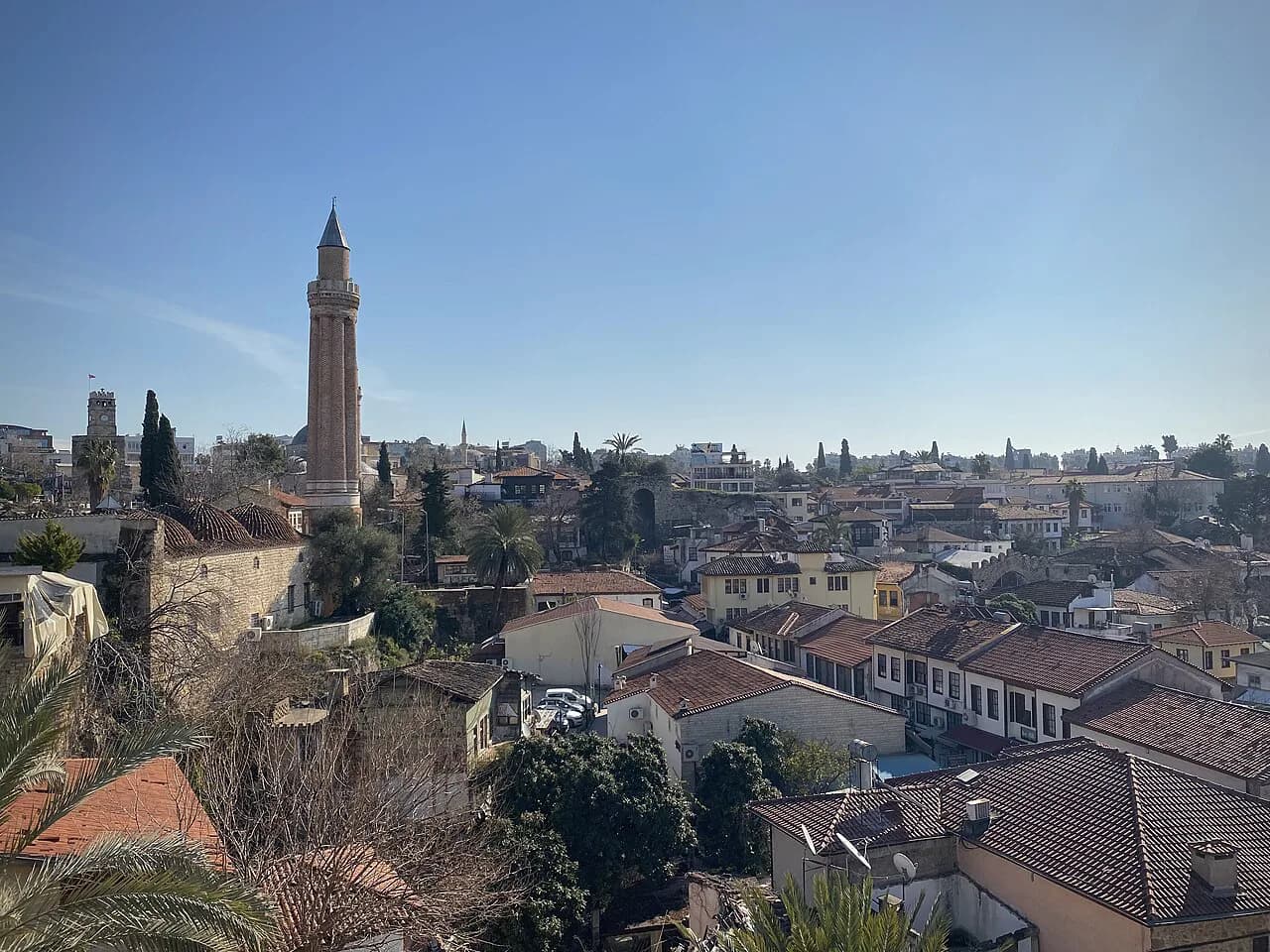
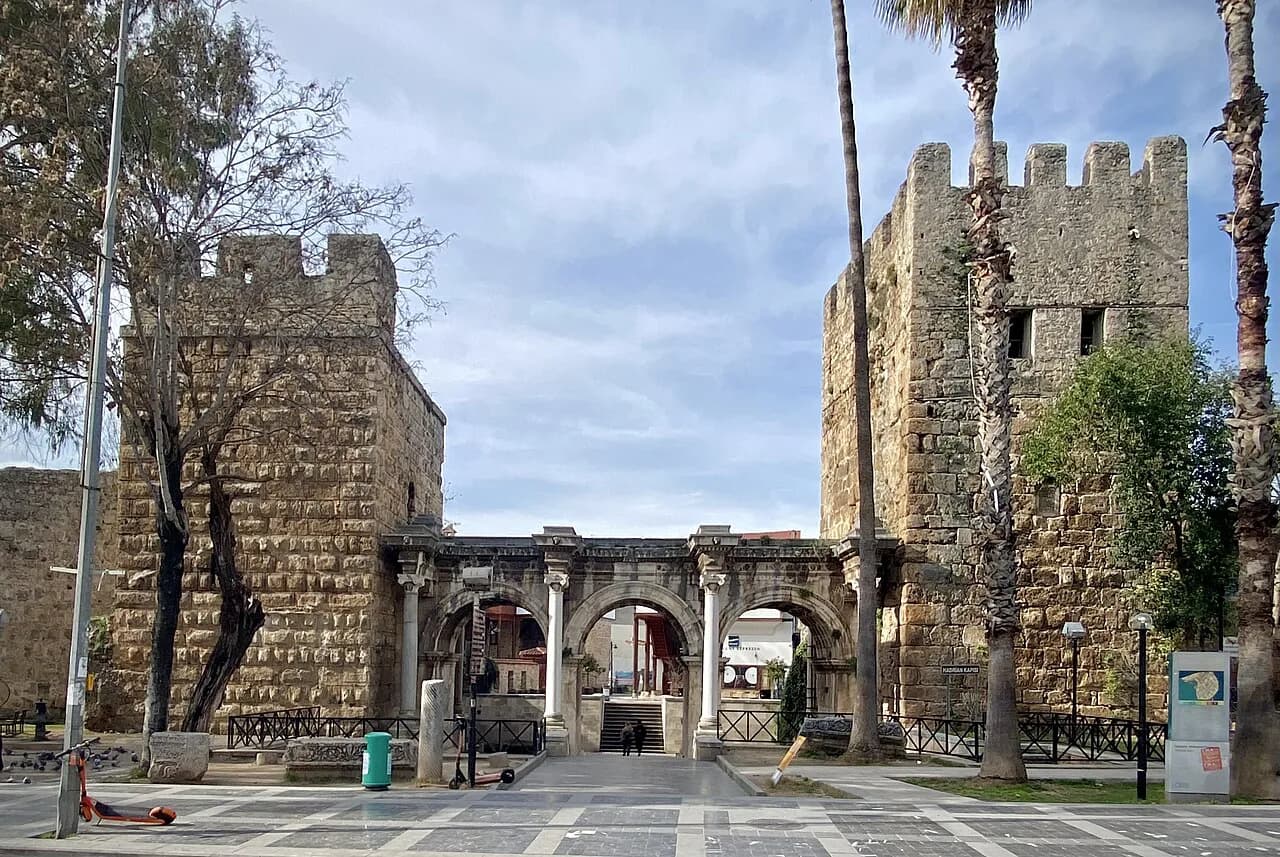
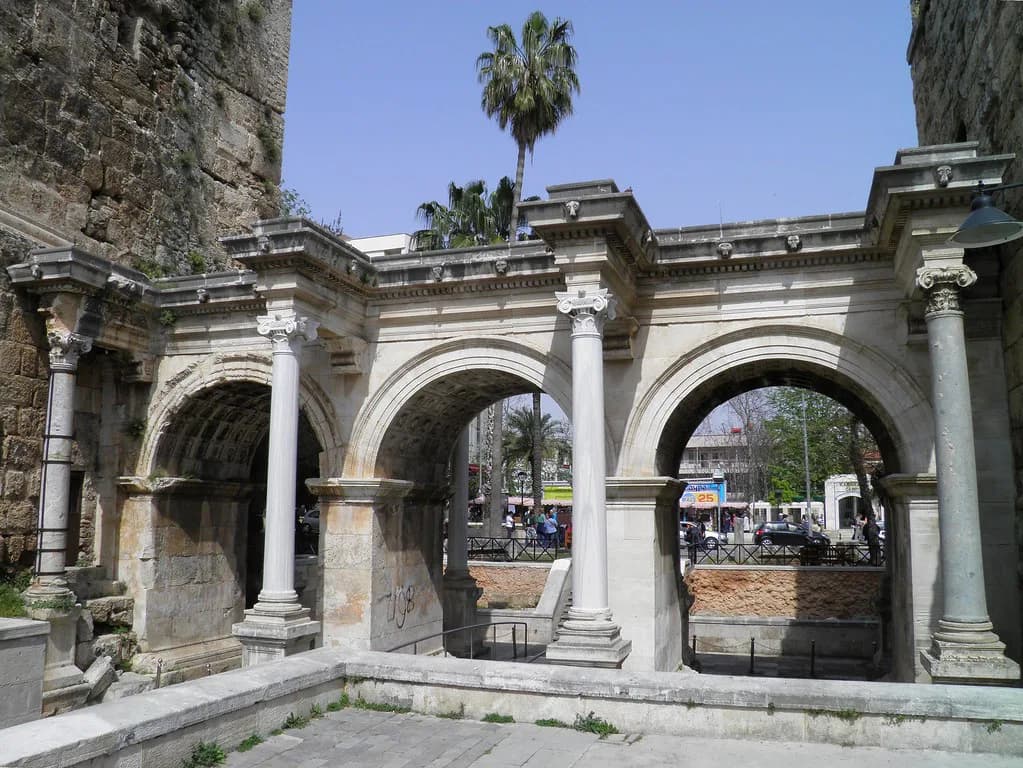
On the way back into the city, Hadrian's Gate is the natural place to start an old-town walk, with the harbour below it. Kaleiçi's lanes and the Roman gate frame a good contrast to the forest canyon in the morning.
Karaalioğlu Park gives you a sea-view pause above the cliffs, and Konyaaltı is the long beach stretch west of the centre if you want an evening by the water after the drive. Both work well as a late-afternoon finish rather than a full second outing.
Is Kurşunlu Worth the Drive from Kaleiçi?
Yes, in spring, when the fall runs full and the pines and cedars give you a cool, green half-day that the city cannot. In high summer, go for the canyon and the shade and set your expectations for a reduced flow. Either way, check the current ticket price at the gate before you set off, since any figure quoted online may be out of date.
Frequently Asked Questions
Can you swim at Kurşunlu waterfalls?
There is no confirmed swimming access at the falls. The water collects in small ponds below the main drop, and the park is set up around walking and viewing, so plan to keep to the paths.
Is Kurşunlu Waterfall free to enter?
No. Entry is ticketed, and any figure quoted online should be treated as out of date. Confirm the current fee at the ticket office when you arrive.
How strong is the waterfall in summer?
In summer the fall can reduce to a mere trickle, so a July or August visit is about the canyon, the shade and the forest rather than a thundering cascade. April and May are named as the best months to visit, when the fall runs fuller after the winter rains.
Sources
Notes for your next Turkey trip
Optional updates when we add or correct a town guide.
You might also like
Continue reading
More guides you'll find useful