Manavgat Bazaar: Market Days, What's Sold and How to Haggle
Plan a trip to the Manavgat bazaar: the Monday and Thursday street markets, the covered bazaar in the town centre, what's sold and how to haggle.
On this page
The Manavgat bazaar most visitors mean is the weekly street market on the east bank of the Manavgat River, held on Mondays and Thursdays. There is also a permanent covered bazaar, Kapalı Çarşı, around Aşağı Pazarcı in the town centre, which is a separate place with its own shops.
This guide explains the difference, sets out what each market sells, when the crowds peak and how the dolmuş approach works from the Side resorts. It finishes with bargaining, currency checks and where to eat afterwards, so you can plan a half-day rather than guess.
The covered bazaar and the weekly markets are two different things
Manavgat Covered Bazaar, also listed as Kapalı Çarşı or Grand Bazaar, is a shopping area around Aşağı Pazarcı in Manavgat town centre, with Atatürk Caddesi given as its address. Visitors come for clothing, bags, leather goods, jewellery and souvenirs across permanent shops rather than temporary stalls.
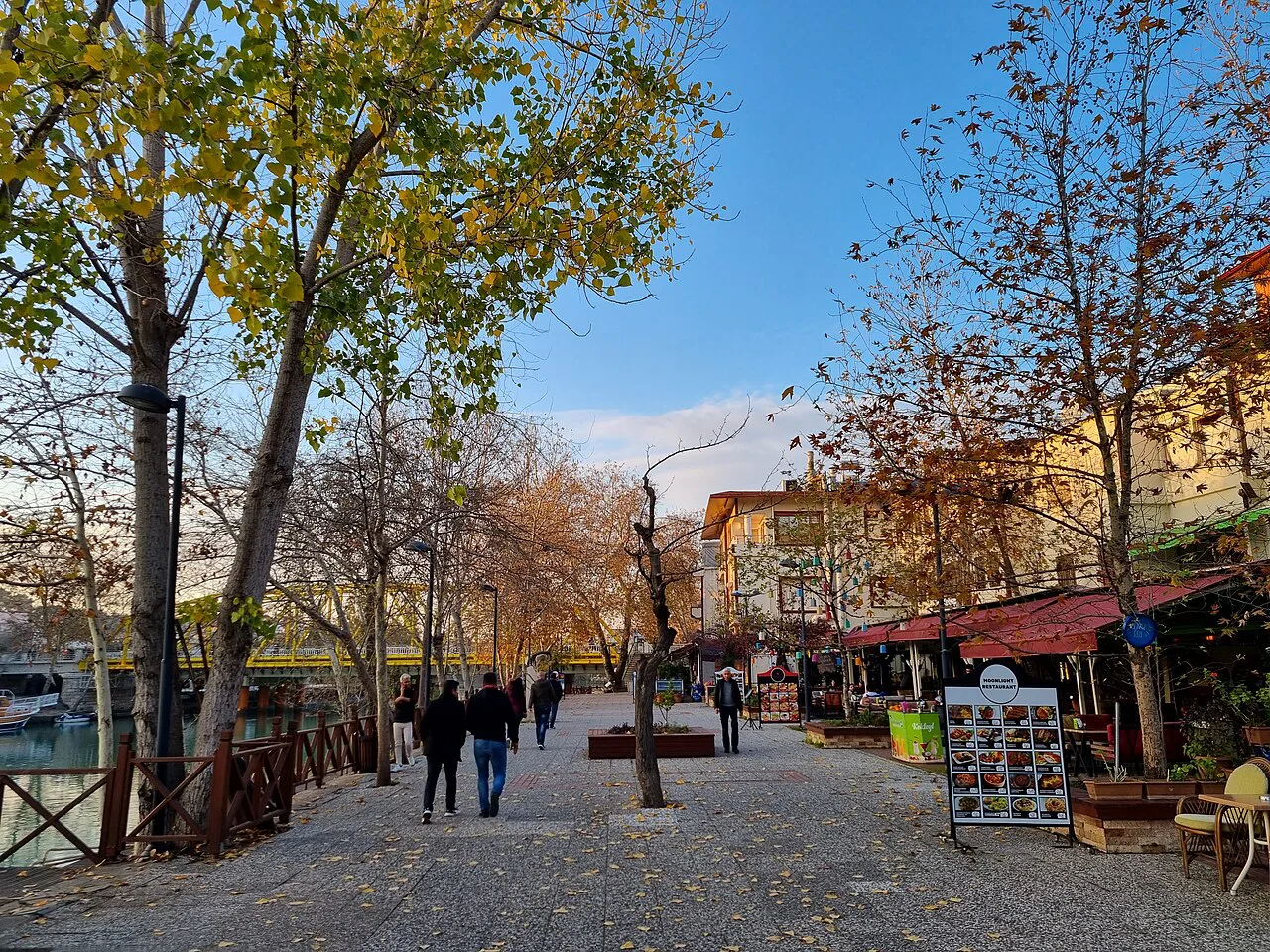
The weekly street market is a different operation, set up on the east side of the Manavgat River on flat residential streets a short walk inland from the main bridge, not on the riverfront itself. The covered bazaar, by contrast, sits around Aşağı Pazarcı in the town centre. Keep the two apart when you plan: a covered-bazaar morning is not a market-day outing.
Shop hours in the covered bazaar vary by business and season, so listings that give a single opening time are unreliable; check with the individual shop if you have one in mind. There is no standard visitor ticket for browsing it. Market days elsewhere in the resort area, including Side and Çolaklı, are separate events again.
Which days the weekly market runs
The two confirmed market days in Manavgat are Monday and Thursday. Monday is the Pazartesi Pazarı and Thursday the Perşembe Pazarı, and both are weekly rather than daily events, so time your visit to one of those days if the street market is the point of the trip.
Monday is the day for fresh produce, with local farmers and producers bringing seasonal fruit, vegetables, honey and cheeses into the covered section. Thursday is the day most visitors associate with textiles, clothing, souvenirs, leather goods, towels and replica-brand items. If you want food, go Monday; if you want clothes and gifts, Thursday usually fits better.
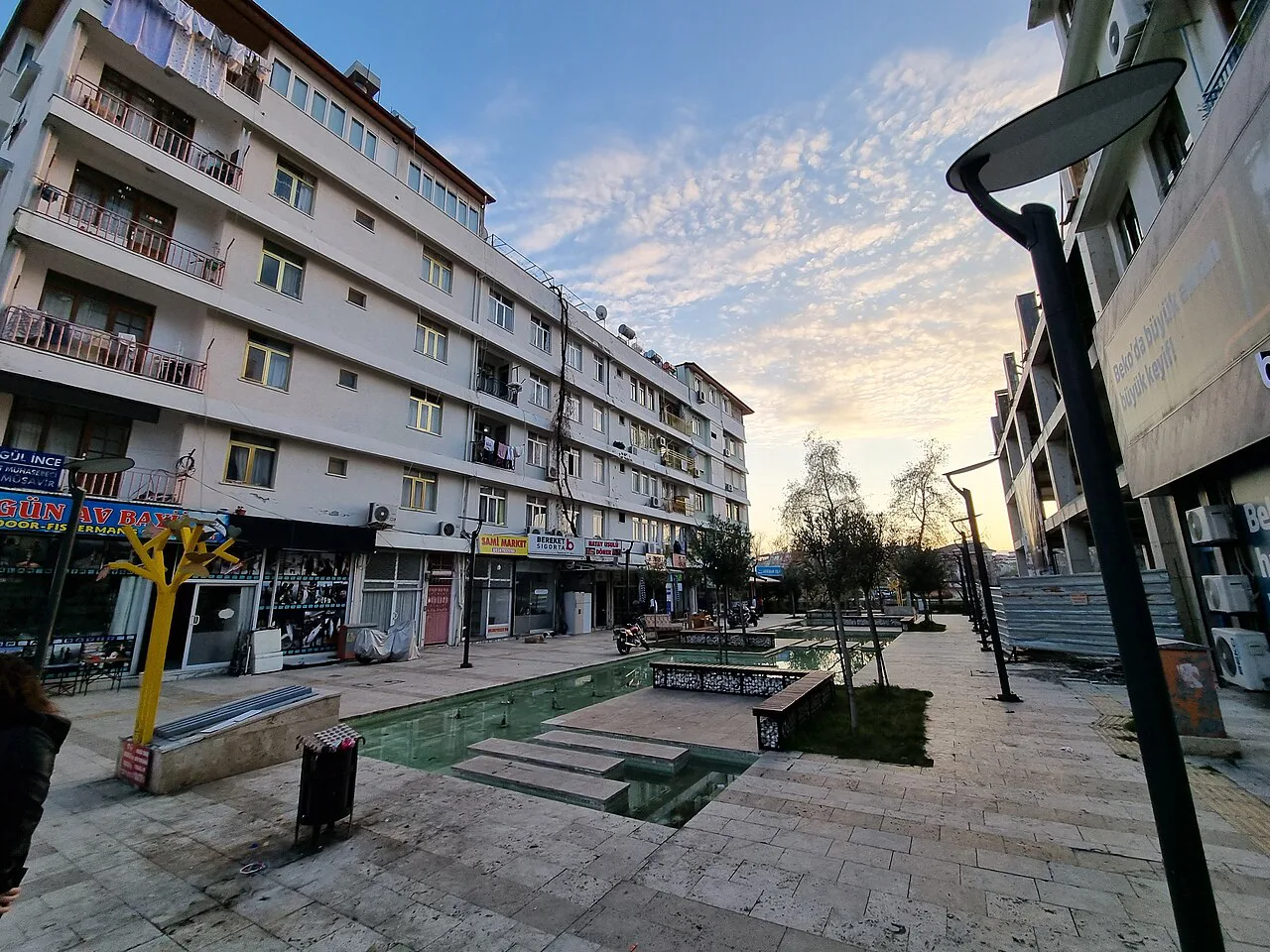
The two markets also sit differently in the town. Monday spreads across several streets on the east bank of the river, a short walk inland after crossing the main bridge. Thursday is closer to the town centre and more compact, beginning a short walk downhill after turning right from the main street where the banks are. Thursday's flat ground and clearer rows make it the easier walk of the two.
Rough timings and how the crowds move
The market starts early in the morning, with dolmuş services arriving from around 08:00, and winds down in the late afternoon. The busiest window is roughly 10:00 to 13:00, and the atmosphere calms considerably after about 15:30.
Arriving just after 09:00 gives you a better selection before the midday crush, and the covered food section is at its quietest early on. Late afternoon is calmer, though some stalls will already be winding down. A half-day plan built around either end of the day beats a midday arrival in summer.
The Thursday market keeps much the same rhythm, with a flatter layout that suits strollers and slower walkers. If you are coming from the resorts, leave time for the return dolmuş as well as the shopping.
What the Monday market sells
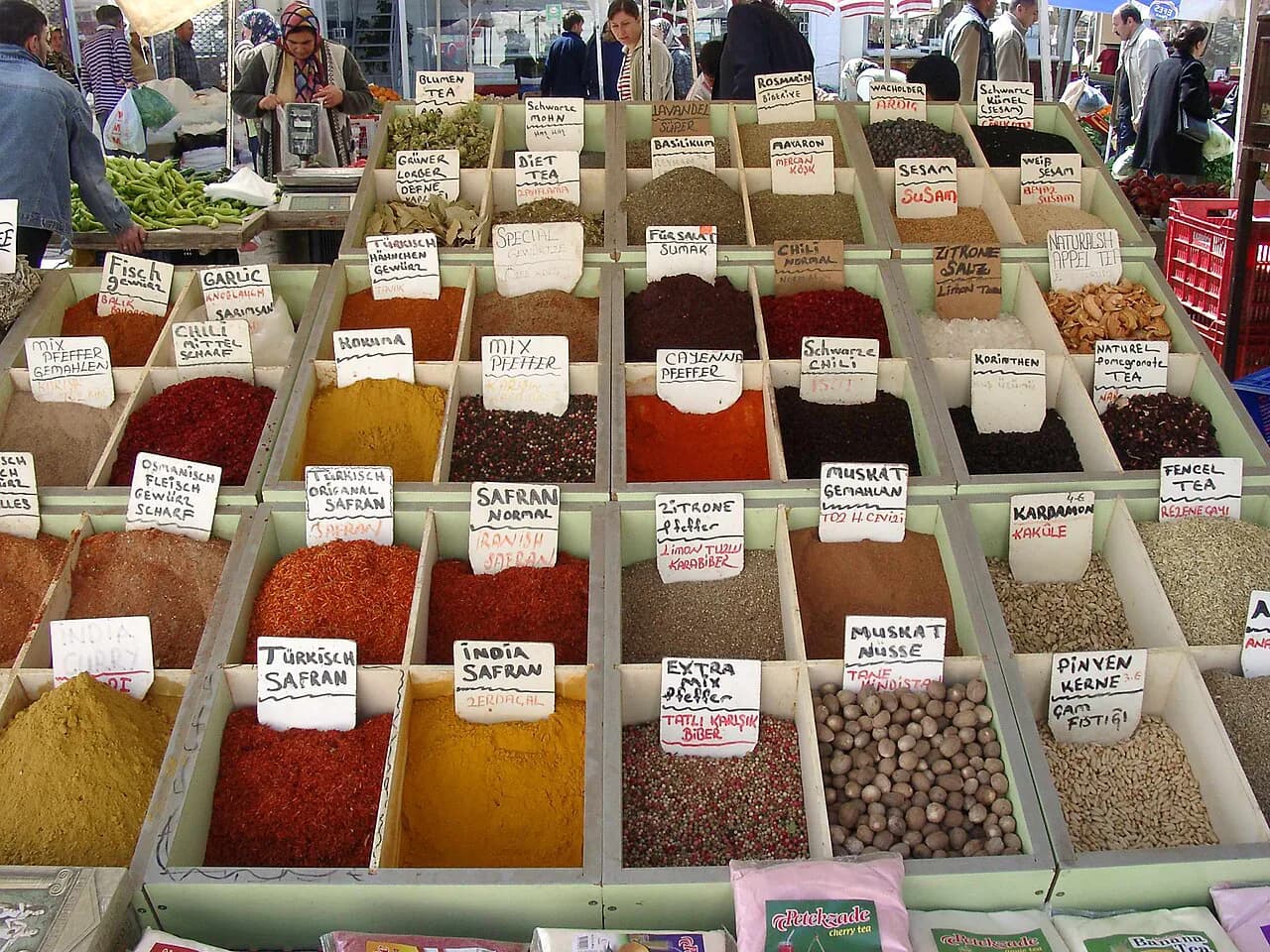
Monday splits into a covered section and an open-air section. Under cover you will find seasonal fruit and vegetables, fresh herbs and greens, olives, cheeses, honey, butter and jams, much of it brought in directly by village producers. This part feels quieter and more local, especially first thing in the morning.
The open-air rows are where most visitors end up: T-shirts, dresses, sportswear and children's clothing alongside beach bags, backpacks, belts, wallets, towels and bedding. Souvenirs, jewellery, magnets and evil-eye charms fill the gaps, and replica football shirts and branded-style items are common.
The covered bazaar in the town centre covers similar ground with clothing, bags, leather goods, jewellery and souvenirs. Stock varies between shops, so compare a few sellers before committing to a larger purchase.
What the Thursday market sells
Thursday follows the same covered-and-open-air split: food and village products under cover, clothing, bags and souvenirs in the open rows. Its reputation among visitors rests on the textile side, including Turkish towels and leather goods alongside the souvenirs.
Because the ground is flat and the rows are clear, Thursday is the easier market for anyone with a pushchair or a reluctant walker. Locals use it for their weekly shop, so the food section is functional rather than staged for tourists.
Getting there by dolmuş
Dolmuş minibuses run from Side, Kumköy, Çolaklı, Sorgun, Titreyengöl, Kızılağaç and Kızılot towards Manavgat, and on Mondays drivers often call out Pazartesi Pazarı as they near the market area. Pay in cash and have small notes ready.
From Belek the distance is roughly 45 to 55 kilometres, covered by the local bus network with a change or a direct dolmuş depending on the service running. Journey times vary by where you stay, so check the route from your own accommodation rather than relying on one figure for the whole resort strip.
Taxis will take you to the covered bazaar or the market streets if you show the driver the location, and drivers know the bazaar area by name. If you book an organised tour with a bazaar stop, ask which shopping area the programme actually covers, because the weekly street market and the covered bazaar are sometimes sold under the same word.
How to haggle without friction
Bargaining works differently in the two halves of the weekly market. In the food section prices are usually written and fair, with little room to negotiate beyond a small discount for buying in quantity. On the textile and souvenir rows bargaining is normal and friendly, and staying polite and relaxed keeps it enjoyable.
In the covered bazaar, compare similar products across shops before deciding rather than working from the first price quoted. Check clothing sizes, fabric and stitching, and inspect zips, linings and straps on bags. Agree the final total before buying and ask about payment methods in advance.
Ask whether a price is in Turkish lira or another currency before you agree to it, since resort-area sellers may quote in euros or pounds. Confirm the currency and the total together, then pay. That single question prevents most market-day misunderstandings.
Eating and the rest of the day
Many visitors turn a market morning into a half-day outing. Small local restaurants near the river serve pide and lahmacun, and gözleme stands and fresh juice stalls fill the gaps between the rows. Eating after the market rather than during it keeps your hands free for shopping.
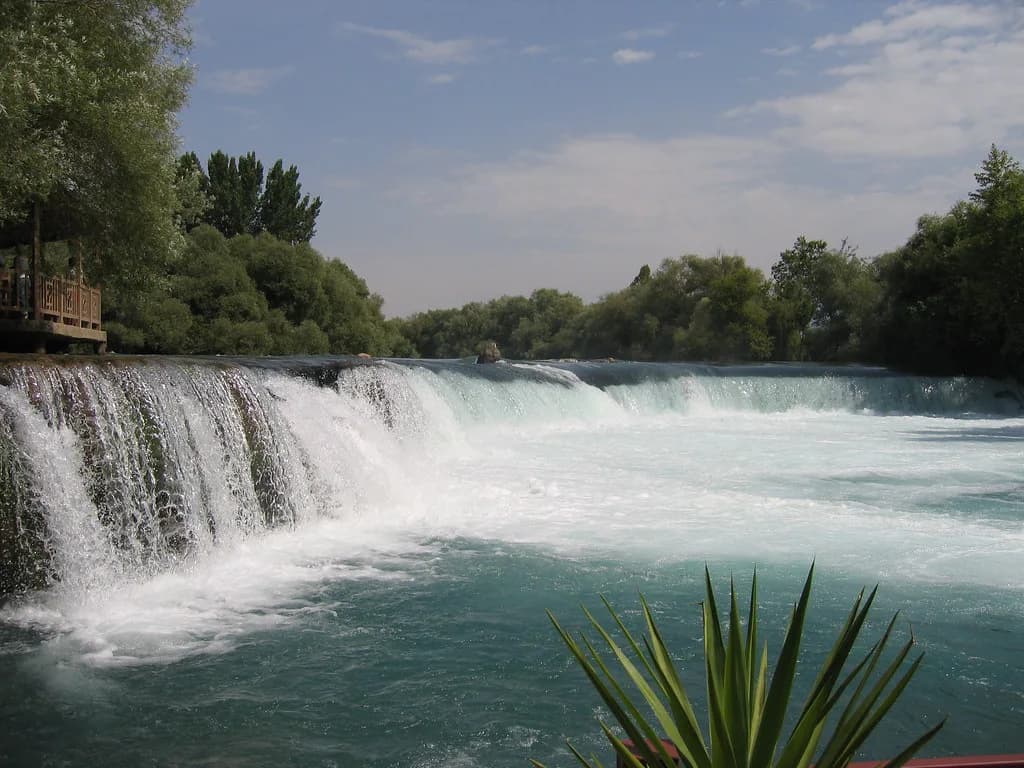
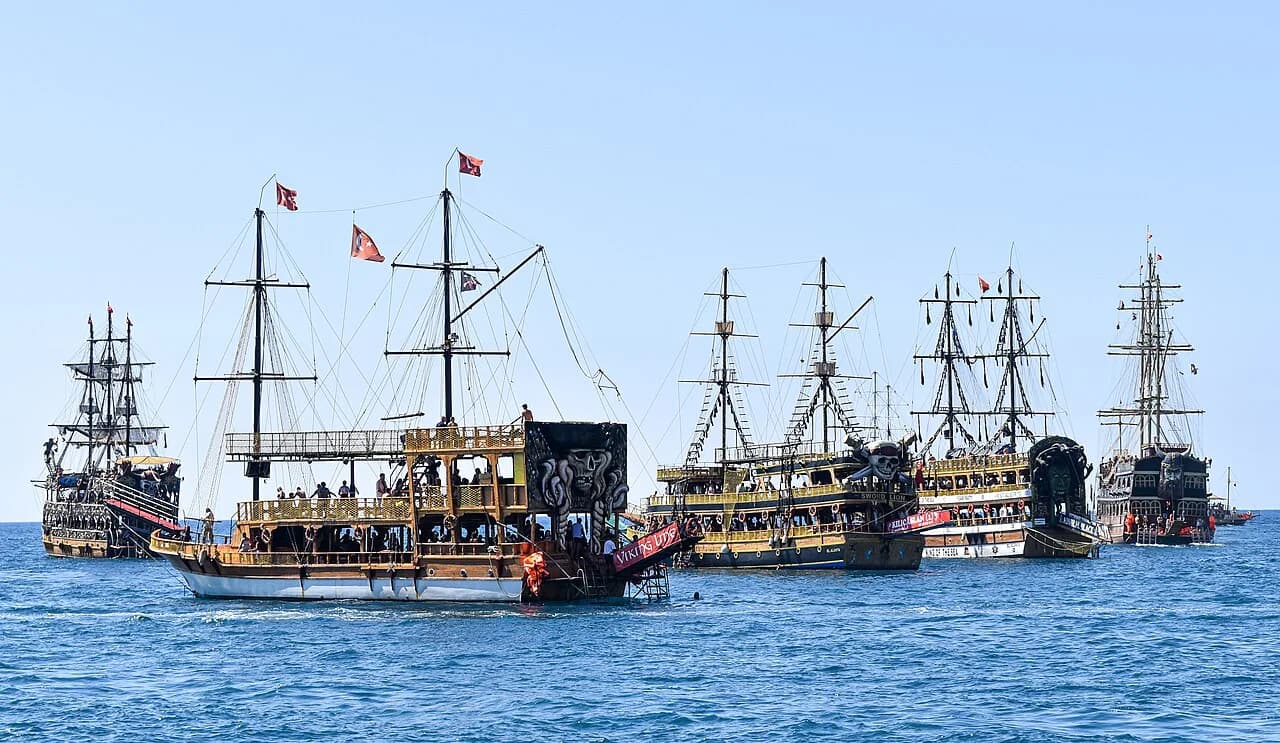
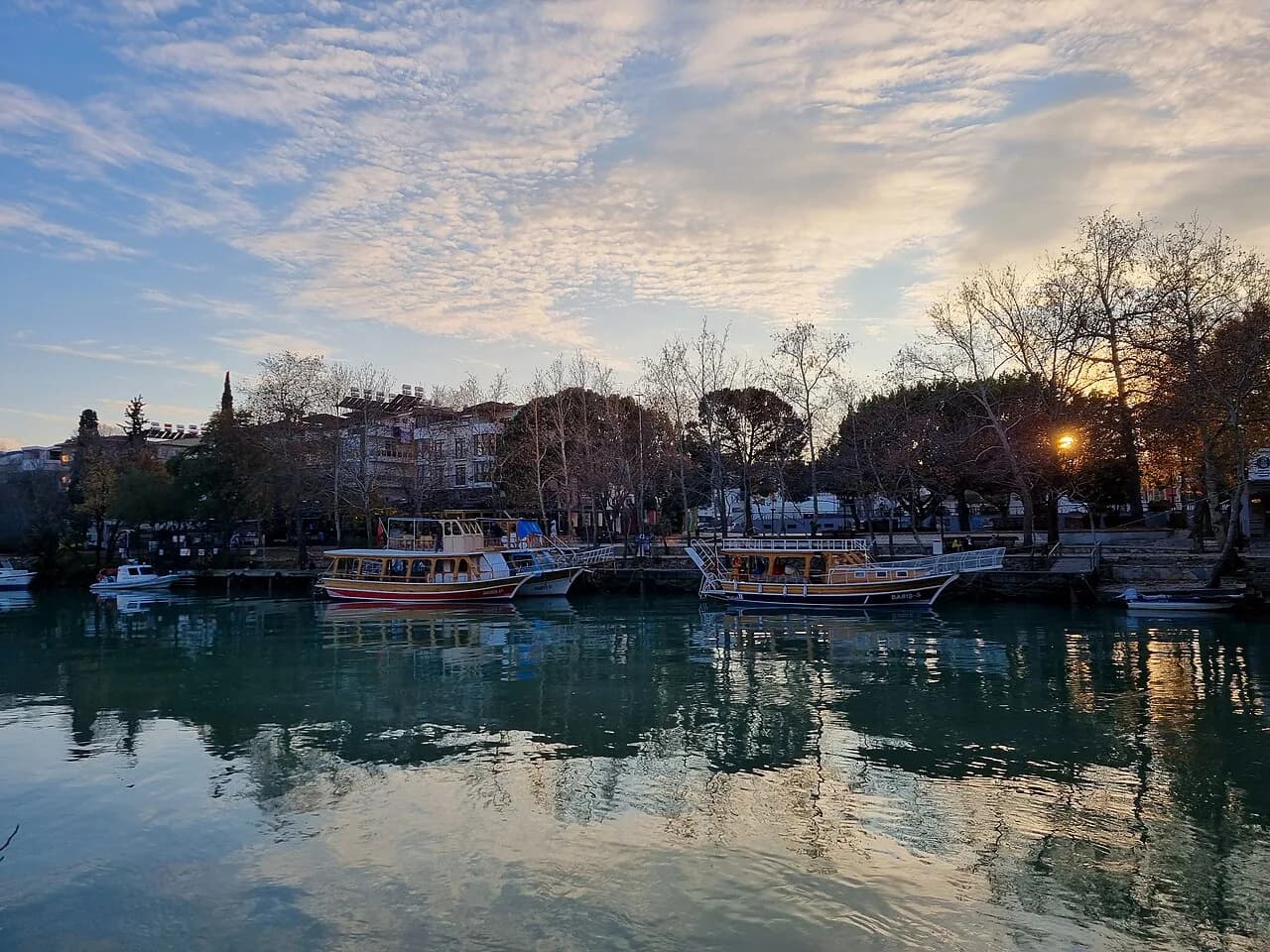
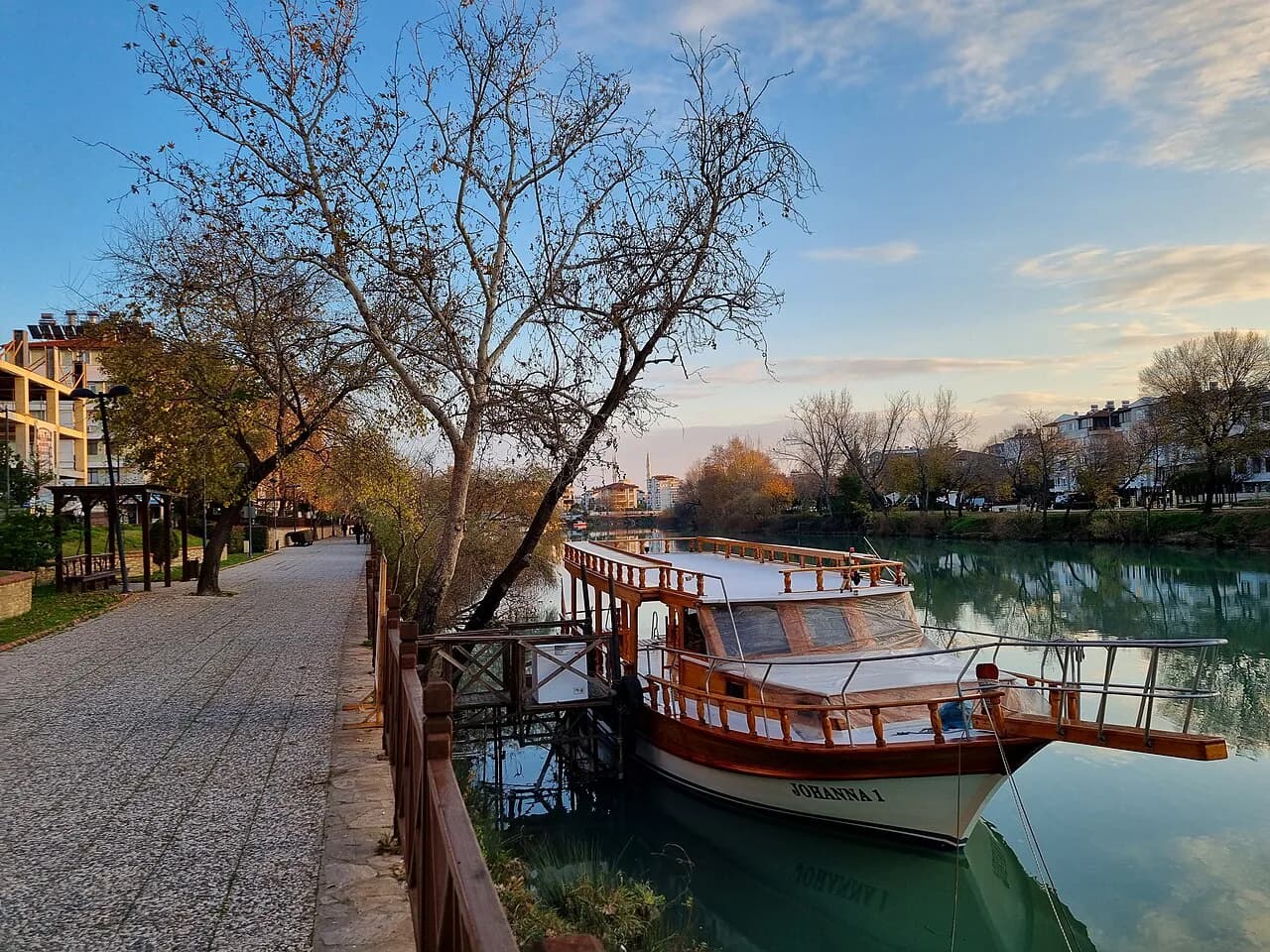
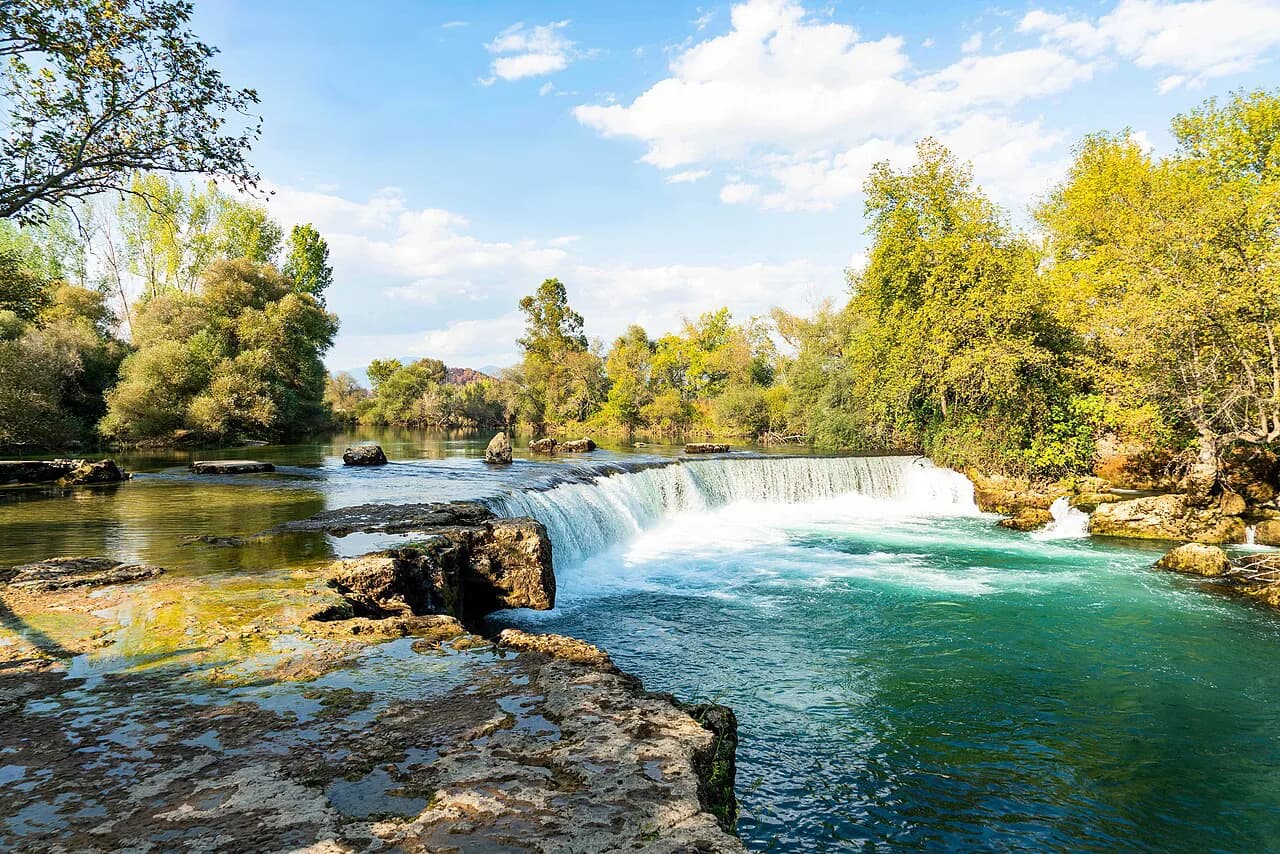
The Manavgat River runs alongside the town, and a riverside walk or a short boat trip fits naturally onto the end of a market visit. Boat trips that pair the river with the Manavgat waterfall and a bazaar stop are widely sold from Side and Alanya, though the bazaar element may mean the covered shopping area rather than the Monday or Thursday street market.
If you want more than the bazaar, the waterfall and river trips sit alongside the ancient sites around Side in the wider list of things to do in Manavgat. Build the market into a morning and keep the afternoon loose, because midday heat and crowds make a tight schedule uncomfortable in summer.
Practical trade-offs before you go
The main trade-off is timing. A 10:00 to 13:00 arrival gives you the fullest stalls and the worst crowds, while after 15:30 is calmer but with less choice as sellers pack away. For a first visit, a 09:00 start gives the best selection before the crush.
The second trade-off is which bazaar you actually want. The covered bazaar is a year-round shopping area with individual shop hours, while the street markets exist only on Mondays and Thursdays. If your holiday includes neither day, plan an outing to the covered bazaar and a riverside walk instead of a market morning.
Finally, pack for heat and carry cash in small notes for the dolmuş and the food stalls. Ask about card acceptance before assuming it, and keep your return transport in mind once bags start to fill.
Monday, Thursday or the covered bazaar?
Choose Monday if you want produce, honey, cheese and the most traditional atmosphere on the east bank. Choose Thursday for textiles and souvenirs on flatter, clearer ground closer to the town centre. Choose the covered bazaar if your dates miss both market days or you would rather shop in permanent stores.
Whichever you pick, arrive early, confirm the currency before agreeing a price, and leave the afternoon free for the river. That is a better market day than trying to fit everything into the midday peak.
Explore more Manavgat guides
Frequently Asked Questions
Is the Manavgat bazaar open every day?
The weekly street market runs on Mondays and Thursdays, not daily. The covered bazaar in the town centre is a permanent shopping area, but its individual shops keep their own hours, which vary by business and season, so check a specific shop's hours before making a special trip.
What else is there to visit in Manavgat besides the bazaar?
The Manavgat River and the Manavgat waterfall are the obvious pairings with a market visit, and boat trips combine the two. The ancient sites around Side, including the theatre and the Temple of Apollo, are a short dolmuş ride away and work well as an afternoon after a market morning.
Sources
Notes for your next Turkey trip
Optional updates when we add or correct a town guide.
You might also like
Continue reading
More guides you'll find useful