Marmaris Grand Bazaar: What's Sold and How to Shop
What the Marmaris Grand Bazaar sells, where it sits in the city centre, how haggling works and what to buy as a souvenir without overpaying.
On this page
The Marmaris Grand Bazaar is a shopping quarter in the middle of the city centre rather than a single building, and an hour or two of browsing is enough for most visitors. It is a different market from Istanbul's Grand Bazaar, and search results that mix the two will send you to the wrong city. This guide covers what is sold, how the stalls are arranged, how haggling works and what to see nearby.
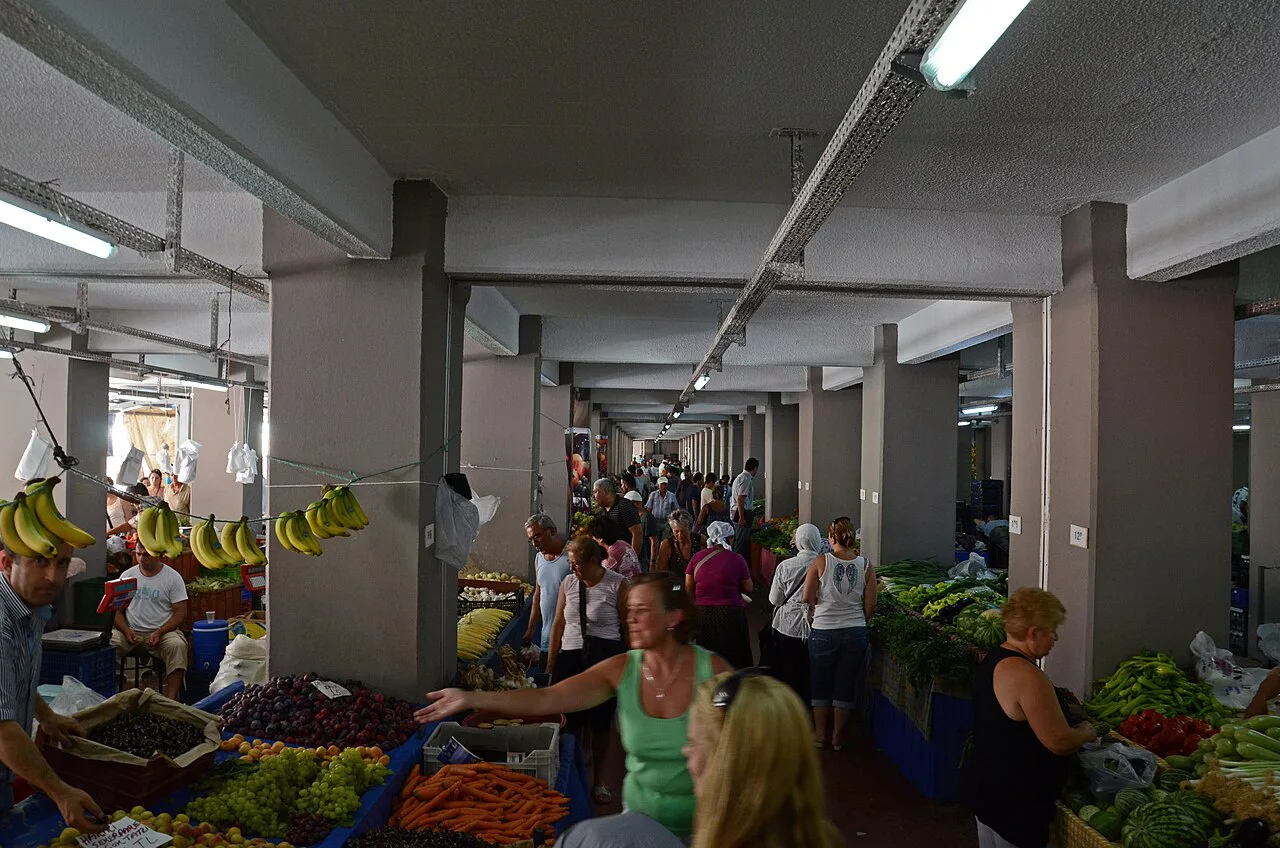
Expect a maze of shops and stalls under cover and along open streets, with vendors calling out and inviting you to look. The shopping is the main event; the atmosphere of noise, colour and spice smells is what most people remember. Bring cash in Turkish lira, keep an eye on your bag in the crowds and treat the first lap as research rather than a buying trip.
What the Marmaris Grand Bazaar is and what you'll find there
The bazaar is a dense collection of shops and stalls selling traditional Turkish handicrafts, carpets, ceramics, jewellery, textiles and spices, with cafés and eateries in between. It works as a browsing market: you walk the lanes, compare what different stalls offer and buy when something catches your eye. Set aside a couple of hours if you plan to buy, and less if you are only looking.
The lanes are a maze of shops and stalls, and it is worth walking the whole loop before committing to anything, comparing what similar stalls offer and buying when something catches your eye. Set aside a couple of hours if you plan to buy, and less if you are only looking.
Where it is in Marmaris city centre and how to reach it
The bazaar sits in the heart of Marmaris, within the central shopping streets rather than out on the resort strip. If you are staying along the seafront or in the old quarter, it is a walk rather than a bus ride, and the lanes connect naturally with the rest of the centre. Pin the location on an offline map before you set out, because the surrounding streets look similar once you are inside the market.
Dolmuş minibuses run along the main roads through Marmaris, so ask your driver for the city centre and walk in from there. Taxis will drop you at the edge of the pedestrian shopping area, which is usually quicker than trying to get closer. Orient yourself first with our Marmaris map before you walk in.
The goods on sale: carpets, textiles, ceramics, jewellery and spices
Carpets and textiles are the headline goods, from rugs to smaller woven pieces and clothing, alongside ceramics, jewellery and spices. If a carpet is on your list, decide your size limit and colour scheme before you go in, because the range is wide and decisions are easier when you have a brief. Ceramics and textiles pack more easily than large rugs, which may need shipping arranged.
Spices, teas and small food gifts make simple, light souvenirs, and the cafés inside the bazaar serve Turkish apple tea and local dishes while you rest between shops. Buy food gifts towards the end of your visit so you are not carrying bags of spices through the lanes. Check any packaging for seal and date before buying.
Opening hours and when the bazaar is busiest
Marmaris Grand Bazaar is listed as open daily from 08:00 to 23:00, which makes it an evening option as well as a daytime stop. Treat that as the published pattern rather than a guarantee, since individual shops set their own hours and some close earlier out of season.
Because the listed hours run late into the evening, a morning start gives you unhurried browsing and a better chance of a conversation with the vendor, while an evening visit suits a stroll after dinner when the lanes are livelier.
How haggling works and what to expect from vendors
Haggling is a normal part of buying here, and vendors expect you to counter rather than accept the first figure. Start by asking the price, decide what the item is worth to you, and offer below it without turning the exchange into an argument. Vendors are described as friendly and inviting, so a relaxed, smiling approach works better than hard bargaining.
Walk away if the price does not suit you; there are plenty of stalls selling similar goods and no need to settle on the first offer. Save serious haggling for the bigger items such as carpets, textiles and ceramics, and pay in Turkish lira to keep the arithmetic simple.
Food and drink stops inside and around the bazaar
The bazaar has local eateries and cafés where you can sample Turkish cuisine and take a break with a drink. Use them as a pause between shopping laps rather than a destination meal.
Outside the covered lanes, the wider city centre has cafés and restaurants along the seafront and in the old quarter, so you can combine a coffee stop with a walk to the harbour. If you are shopping in the evening, eat before or after rather than mid-browse, when the lanes are at their fullest.
What to buy as a souvenir and what to watch for
Small ceramics, textiles, spices and tea are the easiest souvenirs to carry home, while carpets need thought about size and cost. Ask about the material and where it was made before you buy, and check ceramics carefully for chips. Keep receipts for anything expensive.
Watch out for the busy lanes and keep your bag zipped and in front of you when the market is crowded. If you are buying jewellery, ask what the metal and stones are, not just the price. Take your time with expensive pieces rather than buying on impulse.
Nearby places to combine with a bazaar visit
The bazaar sits within the wider city centre, so pair it with a walk through the neighbouring streets rather than making a separate trip. The wider Things to Do in Marmaris guide covers other options in town if you want to add to a shopping stop.
For other markets in town, look at the wider Marmaris Markets guide before you plan a morning. Our shopping in Marmaris page covers the alternatives if the bazaar's tourist-facing stalls are not what you want.
Should you shop the bazaar or head elsewhere?
Shop the Marmaris Grand Bazaar if you want carpets, textiles, ceramics, jewellery and spices in one walkable quarter with cafés in between. Go in the morning for calm browsing and leave the evening for atmosphere.
Explore more Marmaris guides
Frequently Asked Questions
Is the Marmaris Grand Bazaar the same as Istanbul's Grand Bazaar?
No. Marmaris has its own bazaar in the city centre, separate from Istanbul's Grand Bazaar, which is in a different city entirely. Search results and reviews sometimes mix the two, so check the location on a map before you set out.
Do I need cash for the Marmaris Grand Bazaar?
Cash in Turkish lira is the simplest way to pay and to bargain, since the arithmetic stays clear. Take enough for the day rather than carrying large sums through the crowded lanes, and keep the rest in a hotel safe.
How long should I spend at the bazaar?
Allow one to two hours for browsing, and longer if you plan to buy a carpet or compare textiles carefully. The market is easy to walk back into later in the day, so you do not need to do everything in one visit.
Sources
Notes for your next Turkey trip
Optional updates when we add or correct a town guide.
You might also like

Continue reading
More guides you'll find useful