Marmaris Old Town: What to See and How to Walk It
A walker's guide to Marmaris Old Town, from the pedestrianised alleys and whitewashed houses to Marmaris Castle, the bazaar and the marina promenade.
On this page
Marmaris Old Town is worth an afternoon: a compact grid of pedestrianised lanes climbing a small hill above the marina, whitewashed houses packed between cafes and souvenir shops, with a restored castle and museum at the top. The pleasure is in the walking rather than ticking off sights, and the whole historic heart sits a few minutes from the waterfront where boats and the Fethiye seabus come in.
This guide sets out how the old town is arranged, a route from the marina promenade up to the castle walls, what the bazaar sells and where its entrances are, how the castle museum fits in, and how to separate the quiet lanes from Bar Street. It ends with honest guidance on how much time to give it.
What Marmaris Old Town is and where it sits
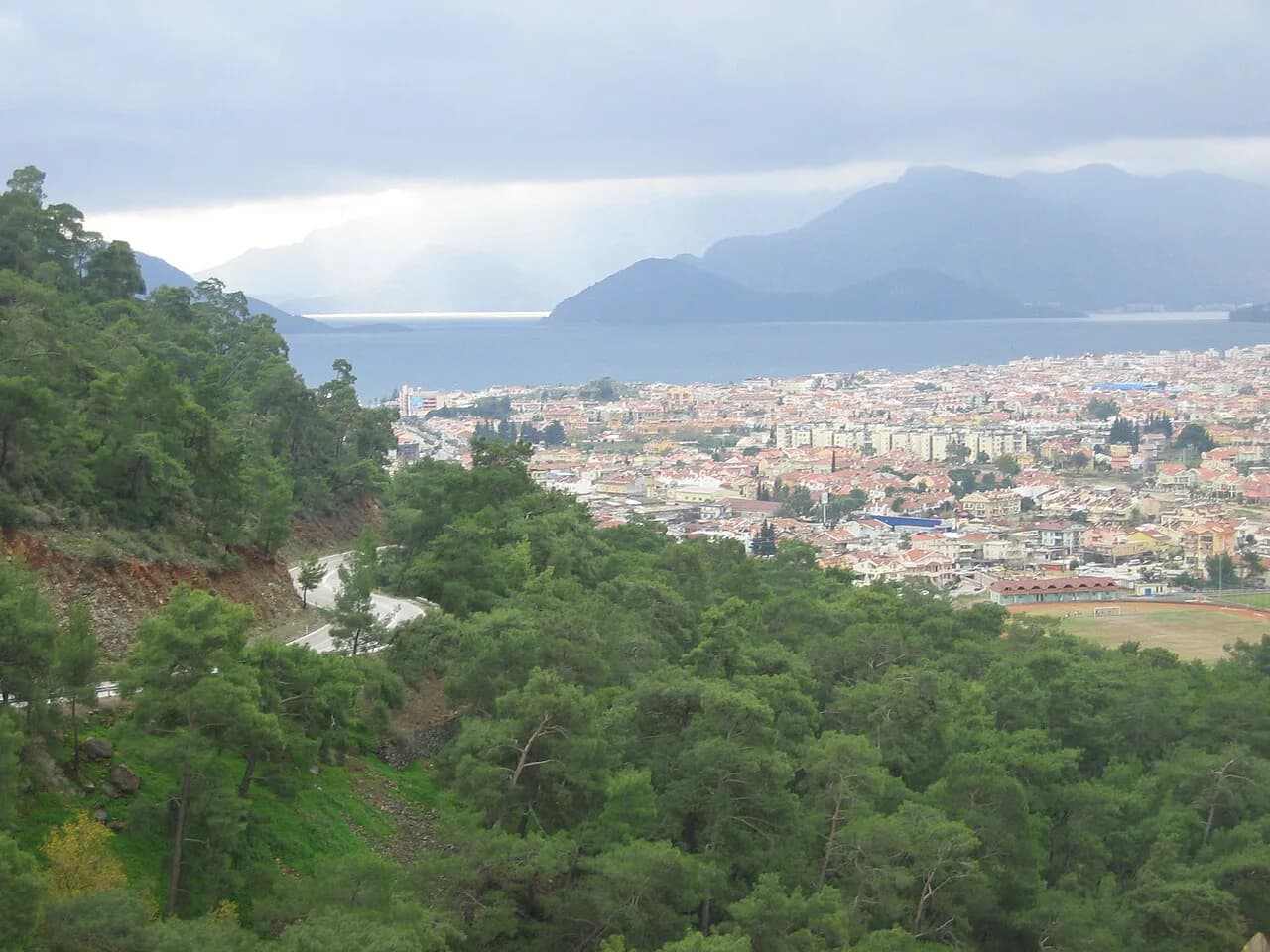
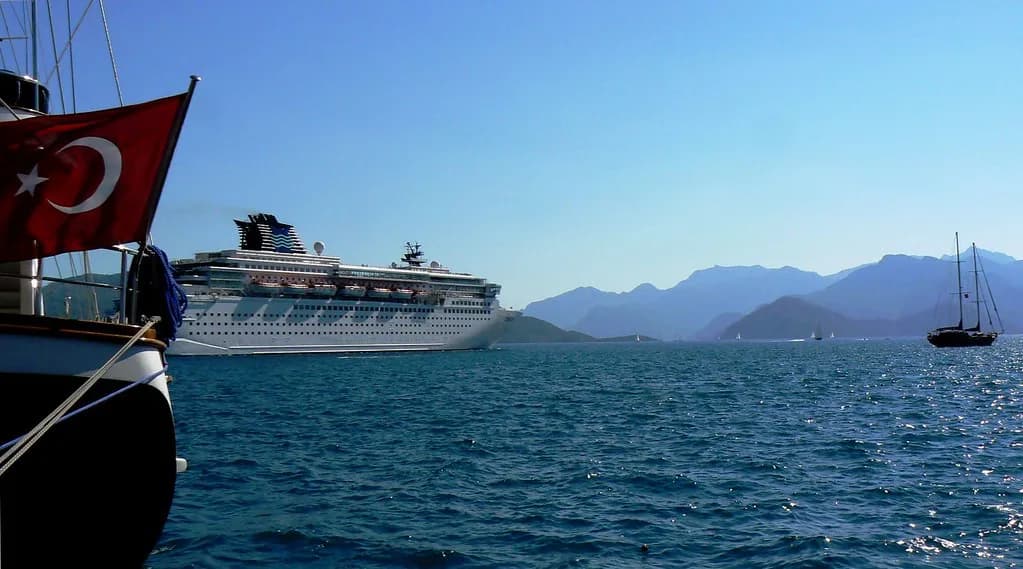
The old town is the historic core of Marmaris, gathered on the slope directly behind the yacht marina. Its pedestrianised narrow alleyways climb that small hill, lined with residential dwellings, holiday rentals, cafes, restaurants and a scattering of souvenir shops and markets. The setting explains a lot: a large sheltered bay of calm water, green pine-covered cliffs around it, and the town centre edged by Marmaris National Park.
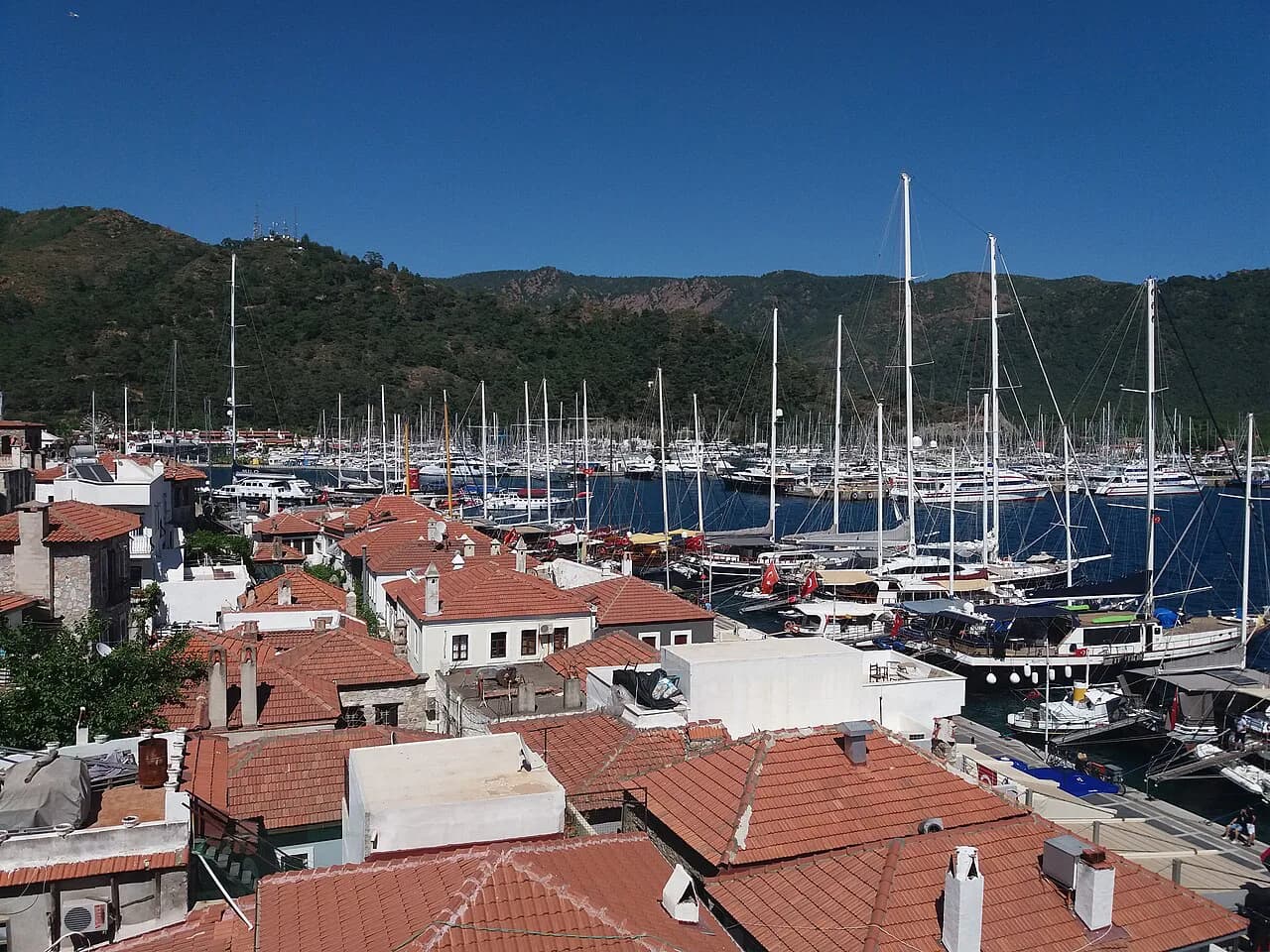
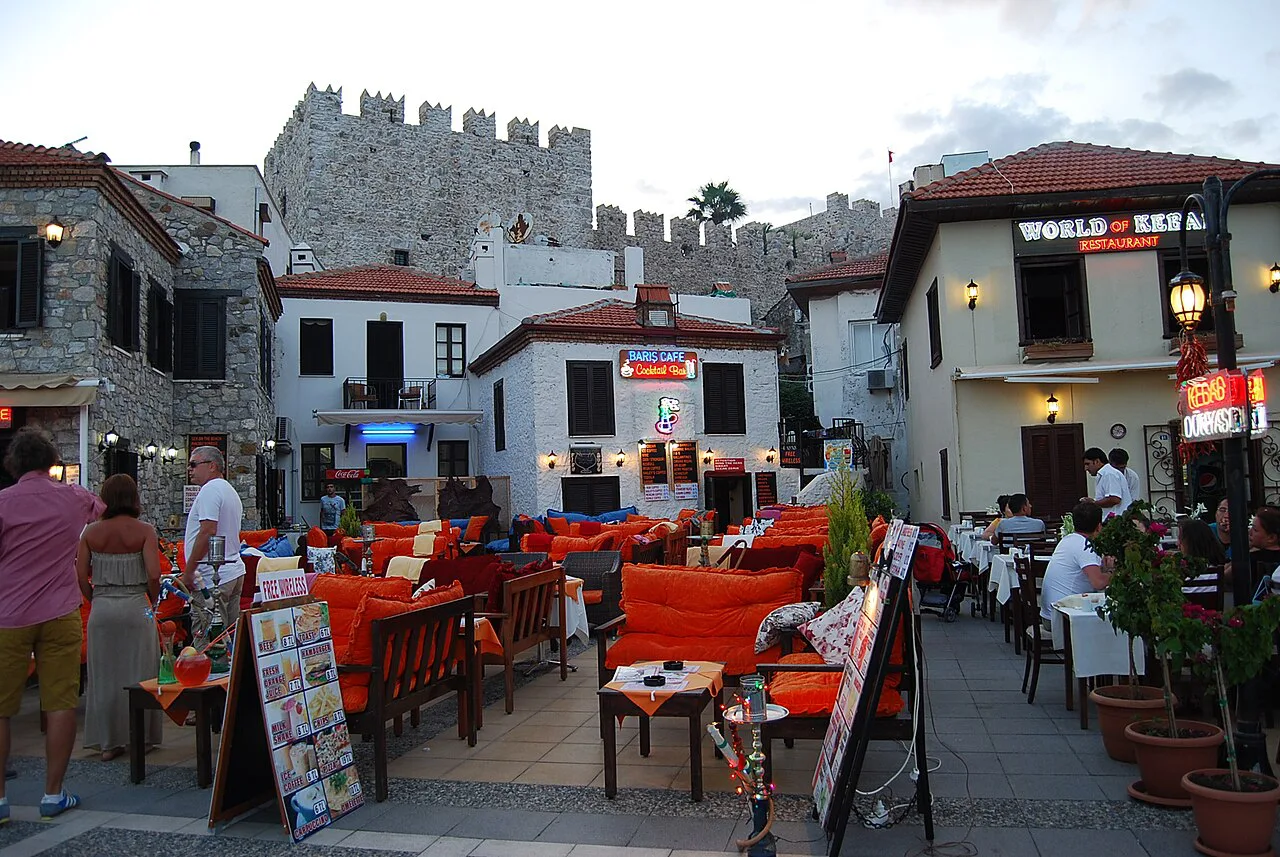
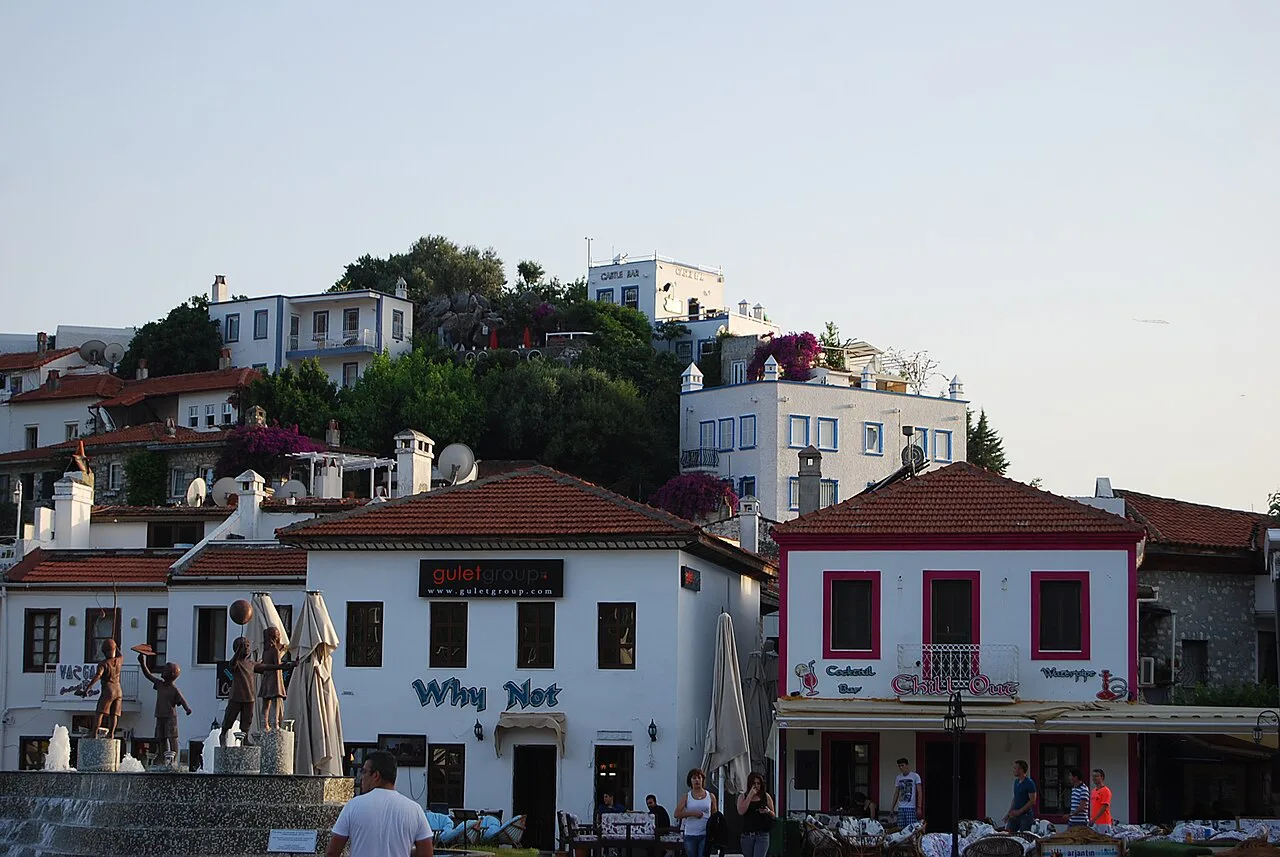
Whitewashed homes clustered around the base of the Ottoman castle give the quarter its look, and cobbled streets make up most of the walking. Treat it as a neighbourhood that people live in rather than a walled attraction, and you will read the lanes correctly: some are purely residential, others are cafe terraces, and a few are shopfronts aimed squarely at visitors.
For orientation, the old town and castle sit right behind the marina, so the waterfront is your landmark from any direction. That matters if you arrive by boat or on foot from the resort strip: aim for the marina first and the lanes will follow.
How the old town is laid out
Think of it as a wedge between two edges: the marina promenade along the water, and the castle hill at the top. Narrow inclines climb from the lower lanes towards the castle gates, and the higher you go the more the views open over the bay and the whitewashed rooftops below. Because the lanes are pedestrianised, the climb is on foot and gentle rather than punishing, but the cobbles reward flat shoes.
The bazaar and shopping streets sit at the lower, townward side, which is why they are easy to reach from the quay. Bar Street runs through the same old-town fabric, so a lane that is quiet at midday can be a different proposition on a summer night. Work out which of these three zones you are in and you will rarely be lost: waterside promenade, climbing residential lanes, or the commercial bazaar edge.
A walking route from the marina to the castle
Start on the marina promenade, which skirts the old town and is lined with coffee shops and restaurants. Walk along it to fix your bearings, then turn inland into the pedestrianised lanes and follow the inclines upwards; the route to the castle is simply a matter of climbing towards the fortifications that crown the hill. Pause where the alleys open out, as these gaps give the best views back over the marina and the bay.
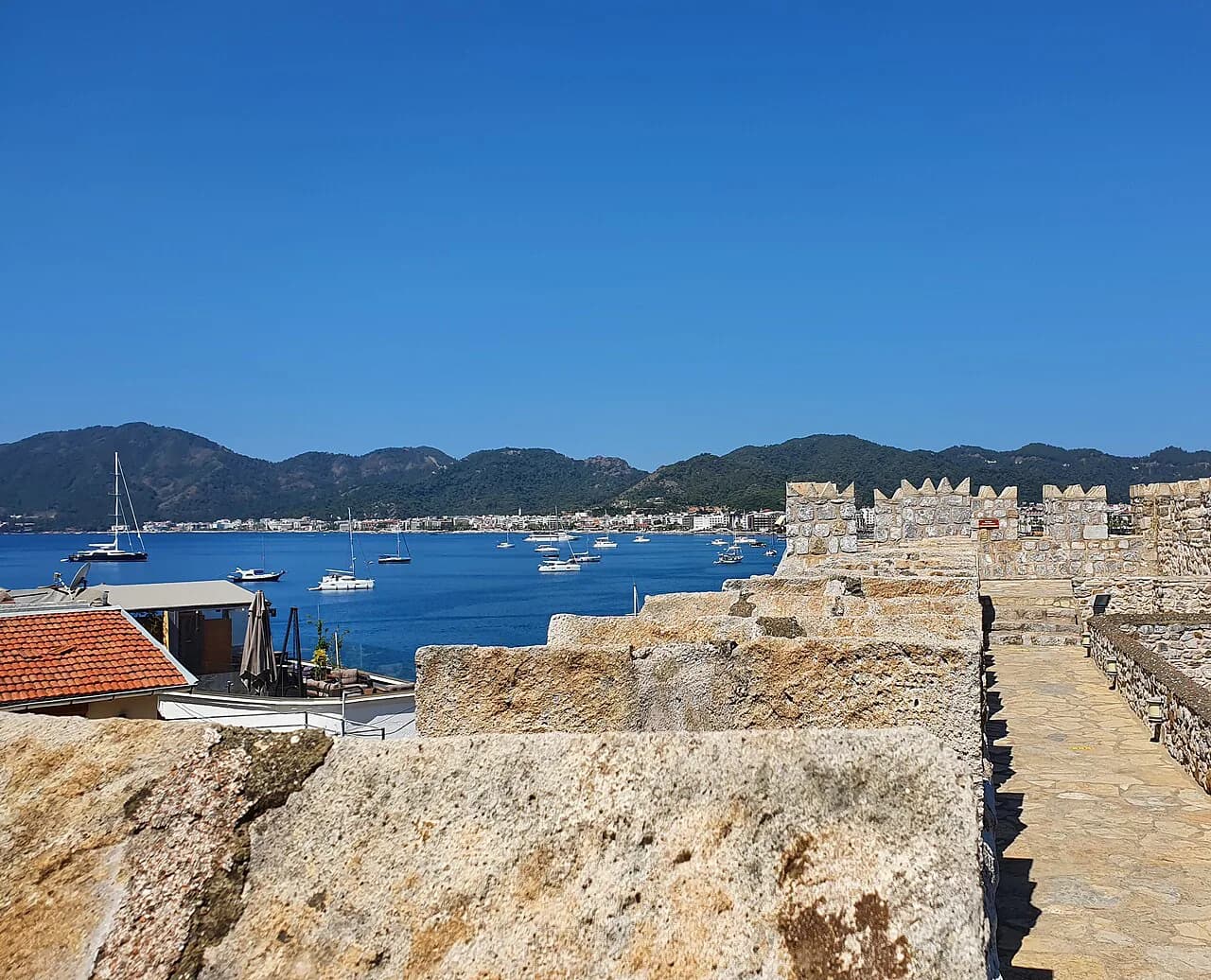
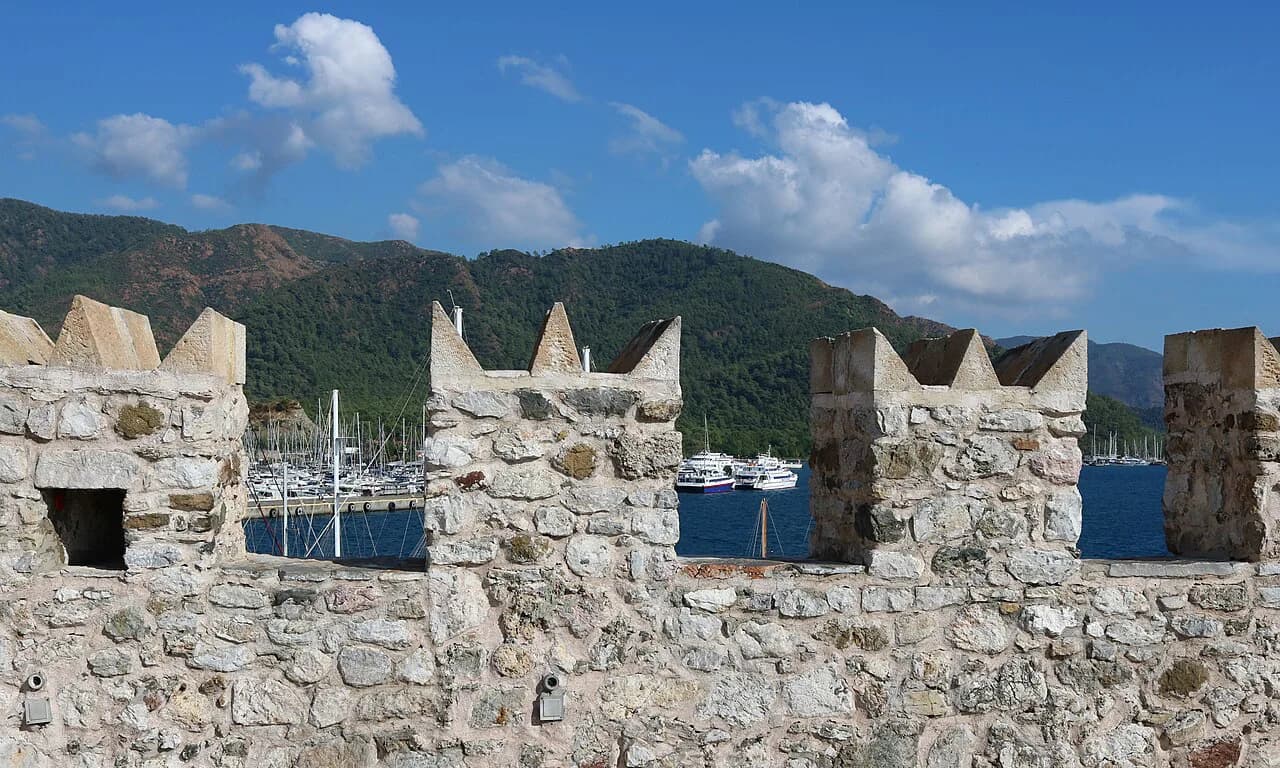
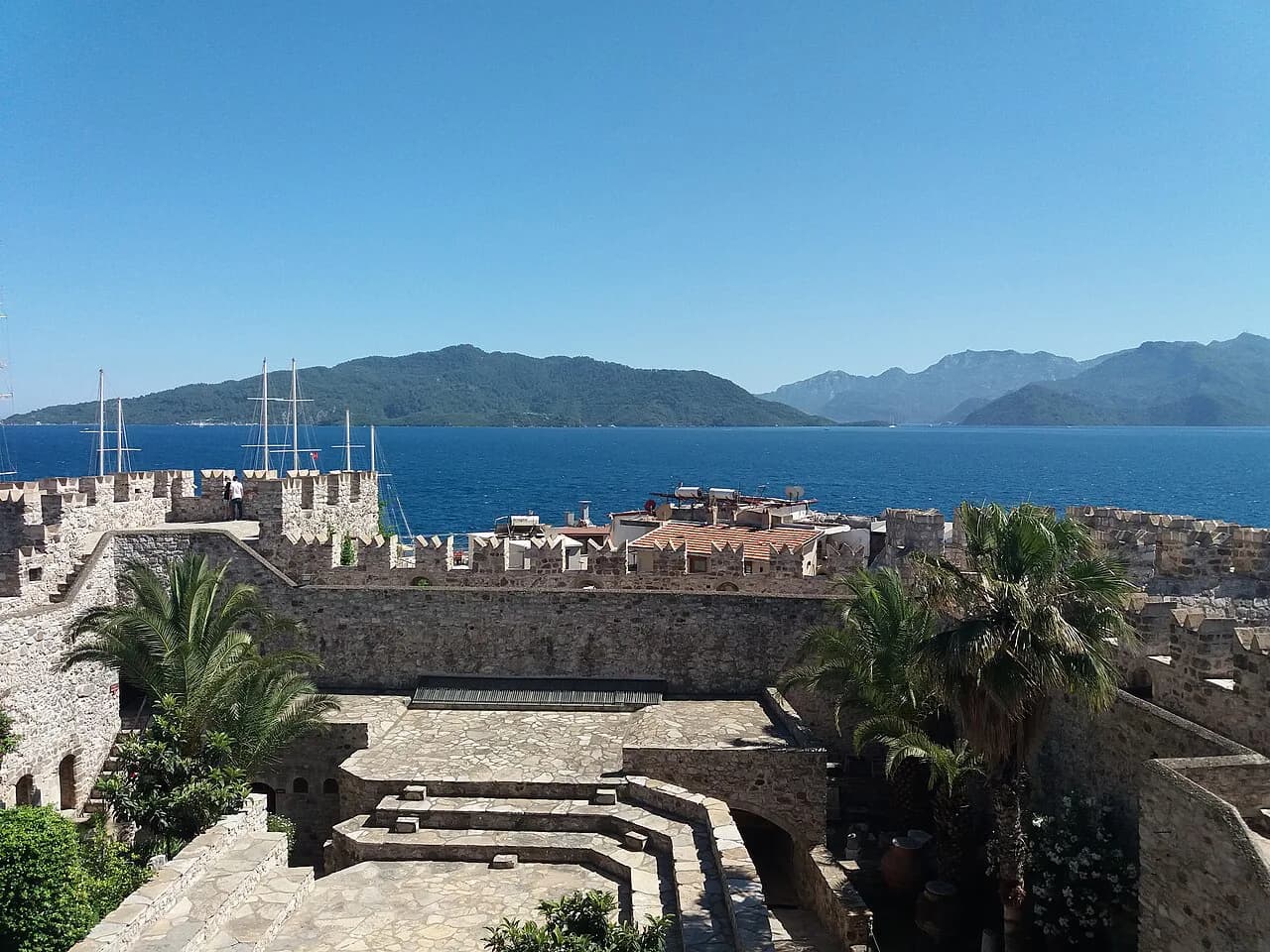
Near the top you reach the gates of the restored Marmaris castle, where you can climb the steps and follow the walls round for views over the marina and out to sea. On the far side, the turrets frame the whitewashed buildings climbing the hillside below. The lower castle gardens hold scattered ancient ruins, and dark room-like spaces around the perimeter display finds in glass cabinets, including material from ancient Knidos on the neighbouring Datça Peninsula.
Come down by a different lane rather than retracing your steps, aiming for the bazaar side so you finish among the shops. A short video walk-through of the old town and its castle is a useful preview before you go, particularly for judging the gradient and the cobbles.
Marmaris Castle and the museum inside its walls
The castle is both a fortification and a museum, which is why it deserves more than a quick photo stop. The Marmaris Archaeology Museum inside the walls holds archaeological finds from sites around the region, with the Knidos material from the Datça Peninsula as the headline collection. Reading the displays before you walk the walls gives the view a context beyond the harbour.
Much of what stands today dates from the rule of Ottoman Sultan Süleyman the Magnificent, who ordered the castle repaired as a military base in the 16th century; it was bombarded by French ships in 1914 and restored before opening to the public in 1991. The castle grounds are the calmest place in the old town to stop and look out, and the wall circuit is the reason to allow time at the top rather than turning straight back down.
Opening hours, ticket prices and any closing day are worth confirming before you plan your walk around the castle. If you want the castle as your main objective, go up early in the day and leave the bazaar and promenade for the cooler hours afterwards.
The bazaar, the shopping streets and what is sold
Marmaris Grand Bazaar is the concentrated shopping stop inside the old town, selling souvenirs, leather goods, jewellery, dried herbs and spices, and the inevitable replica goods. Haggling is part of the transaction there, so go in expecting to negotiate rather than accept the first figure. The bazaar has several marked entrances, one of them a couple of minutes' walk from the marina, which makes it the simplest place to start if you arrive by boat.
Beyond the bazaar, the streets behind it hold high-street-style shops, and the Blue Port Shopping Centre adds a covered option with a selection of eateries inside. That gives you three distinct shopping settings: the bargaining lanes of the bazaar, ordinary town streets, and one modern centre.
The marina promenade and Netsel Marina
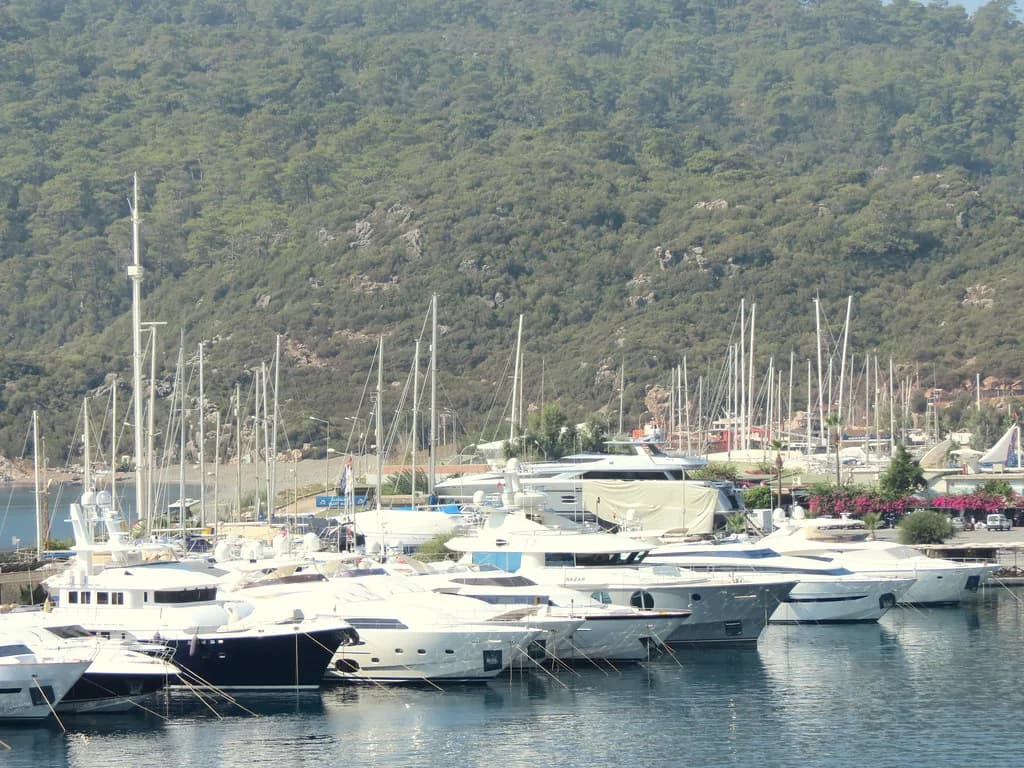
The yacht marina promenade edges the old town and is lined with coffee shops and a la carte restaurants, with prices around the waterfront that run lower than you might expect of a marina area. Follow the promenade east and you arrive at Marmaris Netsel Marina, which handles the high-speed ferries to Rhodes and, at times, Symi. The same waterfront is the embarkation and disembarkation point for the Fethiye Marmaris seabus.
Because the promenade links the old town, Netsel Marina and the ferry and seabus points, it works as the spine of a day on foot: arrive or leave by water, walk the lanes, and come back to the waterfront for a drink. No ferry or seabus timetable or fare appears on the published pages for the Fethiye Marmaris seabus or the Rhodes crossings from Netsel Marina, so confirm sailings directly before building your day around a crossing.
Bar Street: what it is and when to walk it
Bar Street lies within the old town, and its sheer size and sound systems are obvious even in daylight. Nightlife is not the reason to come to these lanes, but you should know where the street runs so you can either walk through it early or steer around it after dark. In the height of summer, 'vibrant' understates what the street becomes at night.
Walk it in the daytime if you are curious about the scale of the bars, then take one of the quieter residential lanes for the rest of your wandering. Anyone wanting a calm evening in the old town should simply keep clear of this one street once the sun goes down.
Getting to the old town and getting around on foot
The old town is reached on foot from the marina and the surrounding town centre, which means any arrival point near the waterfront puts you within a short walk of the lanes. If you come by boat or seabus, you are already at the edge of the old town and the bazaar entrances. For the wider town and Muğla Province beyond, work from the marina as your fixed point and ask locally about the dolmuş minibus stops and taxi ranks rather than guessing at routes.
Inside the old town, everything is done on foot: pedestrianised lanes, stair-streets and cobbles make wheels impractical. Wear shoes with grip, carry water in summer, and plan the climb to the castle for the part of the day when you are freshest. If you want to see the wider town, the Marmaris amphitheatre is an easy add-on, but leave it for after the old town rather than breaking the walk.
Places of worship sit within the wider town rather than on the castle hill, so if a Marmaris mosque is on your list, check dress and prayer-time expectations before you set out. Our Mosques in Marmaris guide covers the town's places of worship in more detail.
How long the old town needs
Allow two to three hours for the lanes, the castle and the bazaar at an unhurried pace, plus whatever time you want on the marina promenade afterwards. The climb is short, but the castle interior and its wall circuit take longer than the distance suggests. Anyone combining the old town with a ferry or seabus crossing should treat the walk as the fixed part of the day and check sailings separately.
If you only have an hour, cut straight to the castle through the lanes and come down via the bazaar, skipping the shopping streets behind it. With a full afternoon, add the promenade east to Netsel Marina and a slow drink on the waterfront.
Is Marmaris Old Town worth visiting?
Yes, for the walking and the castle. The old town is compact, free to wander, and gives you a side of Marmaris that the resort strip does not: whitewashed lanes, a hilltop fortification with a proper museum, and a bazaar within a couple of minutes of the marina. The trade-off is that Bar Street runs through the same quarter, so the atmosphere depends on the hour and the season.
Go up to the castle first, come down through the bazaar, and finish on the marina promenade walking east to Netsel Marina. Confirm entrance details and any ferry or seabus sailings before you set out, then let the lanes set the pace.
Explore more Marmaris guides
Frequently Asked Questions
Is Marmaris a party town?
Bar Street in the old town is a serious nightlife strip, and in high summer it is intense. That is one street within a much larger quarter of residential lanes, cafes, shops and the castle hill, so you can have a quiet day in the old town and simply avoid that lane after dark.
What day is the market in Marmaris?
The material available here names the Grand Bazaar and the shopping streets but gives no market day, so ask at your accommodation or check locally when you arrive. The bazaar entrances sit a couple of minutes from the marina, which makes it easy to fit around the rest of your walk.
Sources
Notes for your next Turkey trip
Optional updates when we add or correct a town guide.
You might also like
Continue reading
More guides you'll find useful