Antalya Old Town Guide: Streets, Harbour and Hadrian's Gate
Get your bearings in Antalya's old town, Kaleiçi: Hadrian's Gate, the harbour, the bazaar lanes and a walking route that starts at the top and ends at the sea.
On this page
Allow half a day for Antalya's old town, Kaleiçi, and walk it from the top down: enter at Hadrian's Gate, drift through the lanes behind it, then take the stone steps to the marina and climb back up slowly. The old town is the historic core of the city, wrapped around a small harbour and cut off from the modern streets by its walls and sea cliffs. This guide covers the layout, the gate, the bazaar streets, the quiet residential corners, the two viewpoints and a sensible order of walk.
What makes Kaleiçi easy to like is that the streets, the harbour and the cliff-top park are simply there to wander. What makes it easy to get wrong is the vertical geography, because the gate sits inland on the bluff while the boats sit at the bottom of a long flight of stone steps.
What and where Kaleiçi is
Kaleiçi is the old town of Antalya, the historic heart of a modern resort city on the Mediterranean coast. It sits on a bluff directly above its own harbour, so the neighbourhood reads as a dense knot of houses on top and a small bay of boats below. The city's origins belong to the second century BC, when Bergama King Attalos II founded it and gave it his name, as the old town's own account records.
For a visitor the practical consequence is simple: everything in Kaleiçi is walkable, but almost nothing is flat. Streets fold back on themselves, change direction and occasionally stop altogether, so a map helps less than a sense of whether you are heading up towards the gate or down towards the water.
How the old town is laid out
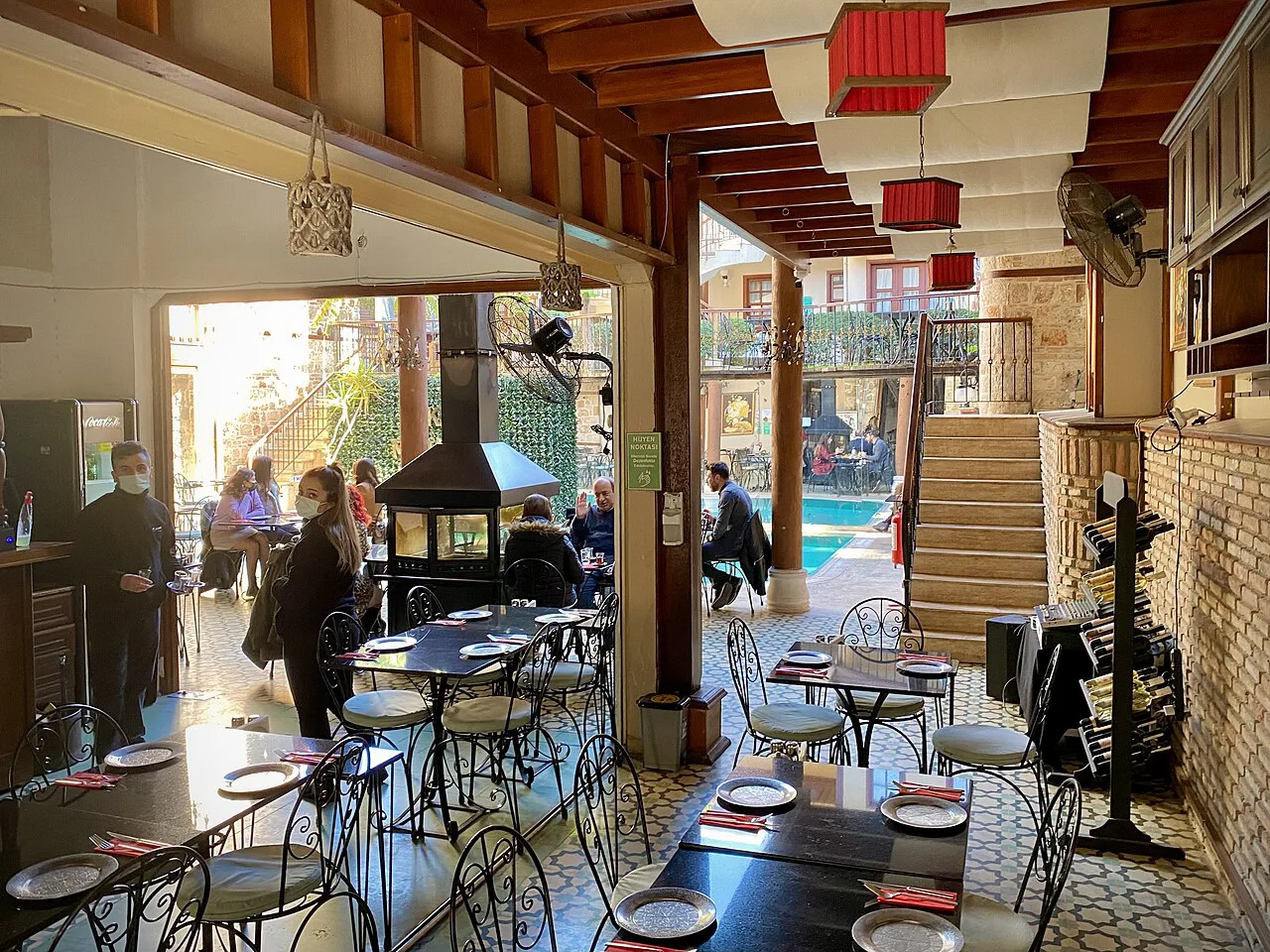
Think of Kaleiçi in three horizontal bands. At the top, inland, sits Hadrian's Gate and the modern city beyond it. In the middle is the residential and commercial tangle of Ottoman houses, carpet galleries, ceramics shops and tea gardens. At the bottom, reached by stone steps and terraces, is the marina where the old town spills down to the boats.
That layout means the direction of your walk matters more than the distance. Descending from the gate to the harbour is a gentle, stop-start wander through shops; coming back up at the end of a hot afternoon is the part that tires legs, so plan to climb when you still have energy or break the ascent with a tea stop.
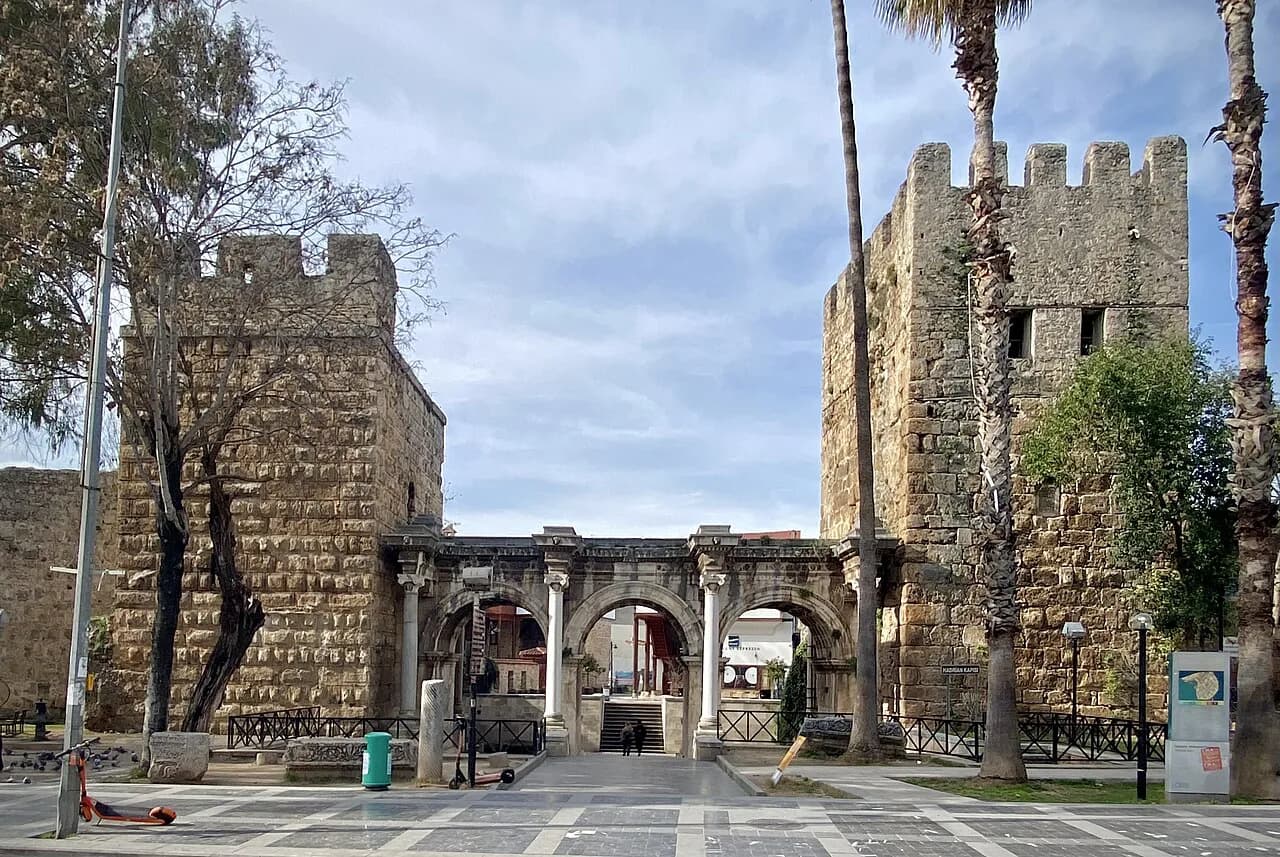
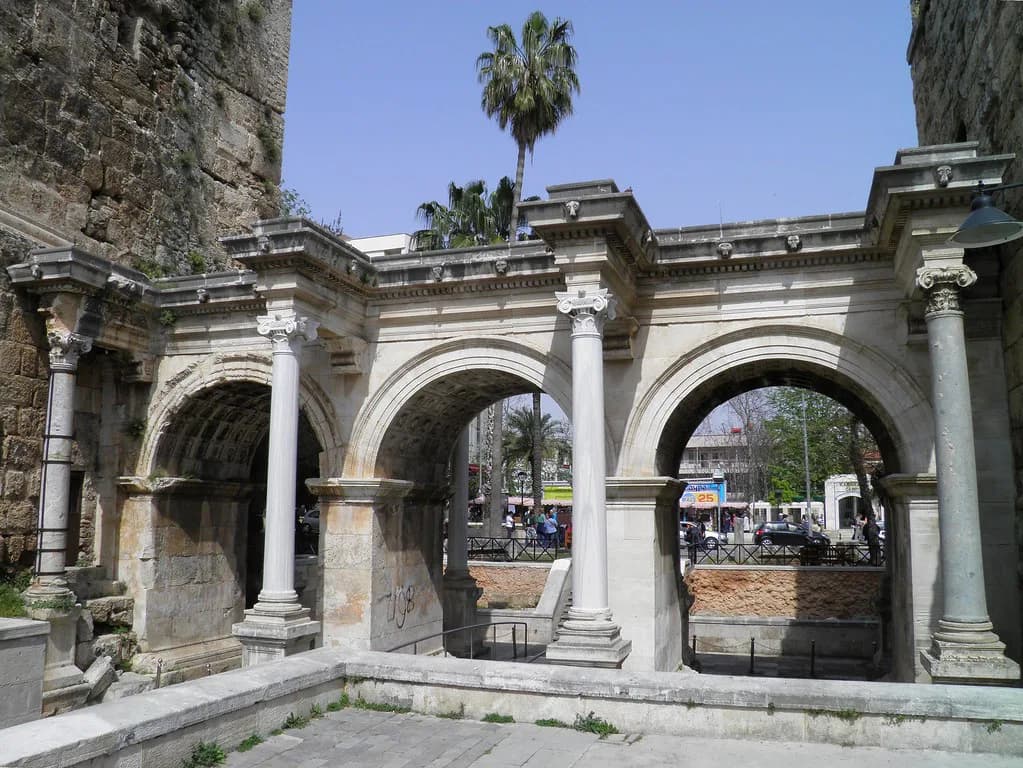
Hadrian's Gate is the most recognisable landmark in the old town, a Roman triumphal arch built in honour of the emperor. It works as a natural front door because the streets leading off it fan into the heart of Kaleiçi, and it is the point most visitors can find without difficulty.
Entering through Hadrian's Gate
Start at the gate rather than at the harbour. Passing through the arch puts you immediately among the old town's commercial lanes, where the density of shops is highest and the pull towards the marina begins. Because the gate is the fixed landmark, it also gives you a reliable way back if the lanes defeat you.
If you want the deeper story of the city around the gate and the walls, the background is worth reading before you arrive rather than while you stand in the street. For the wider picture of the ancient city and its Roman traces, our piece on Antalya history fills in what the arch is part of.
The streets themselves
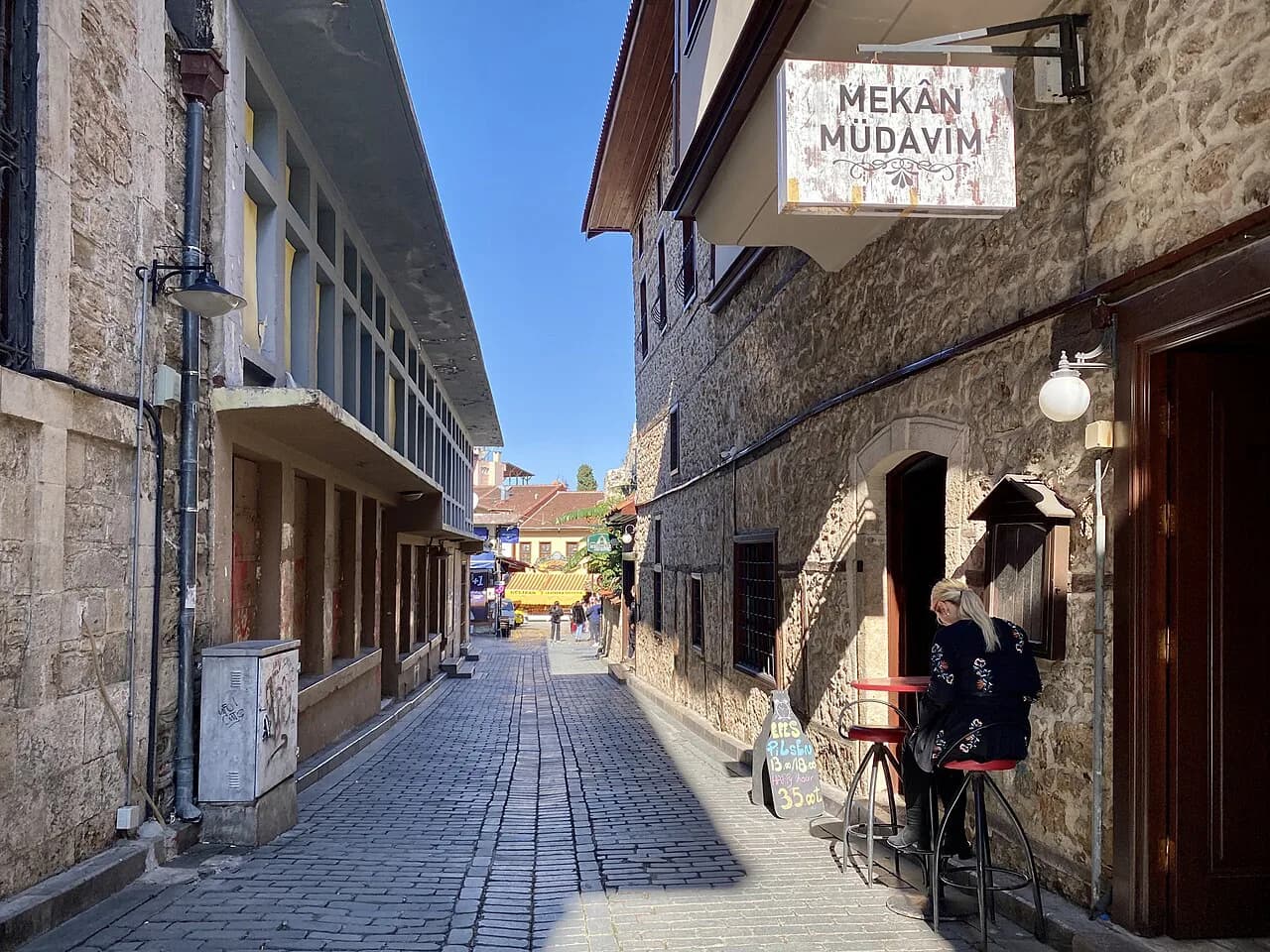
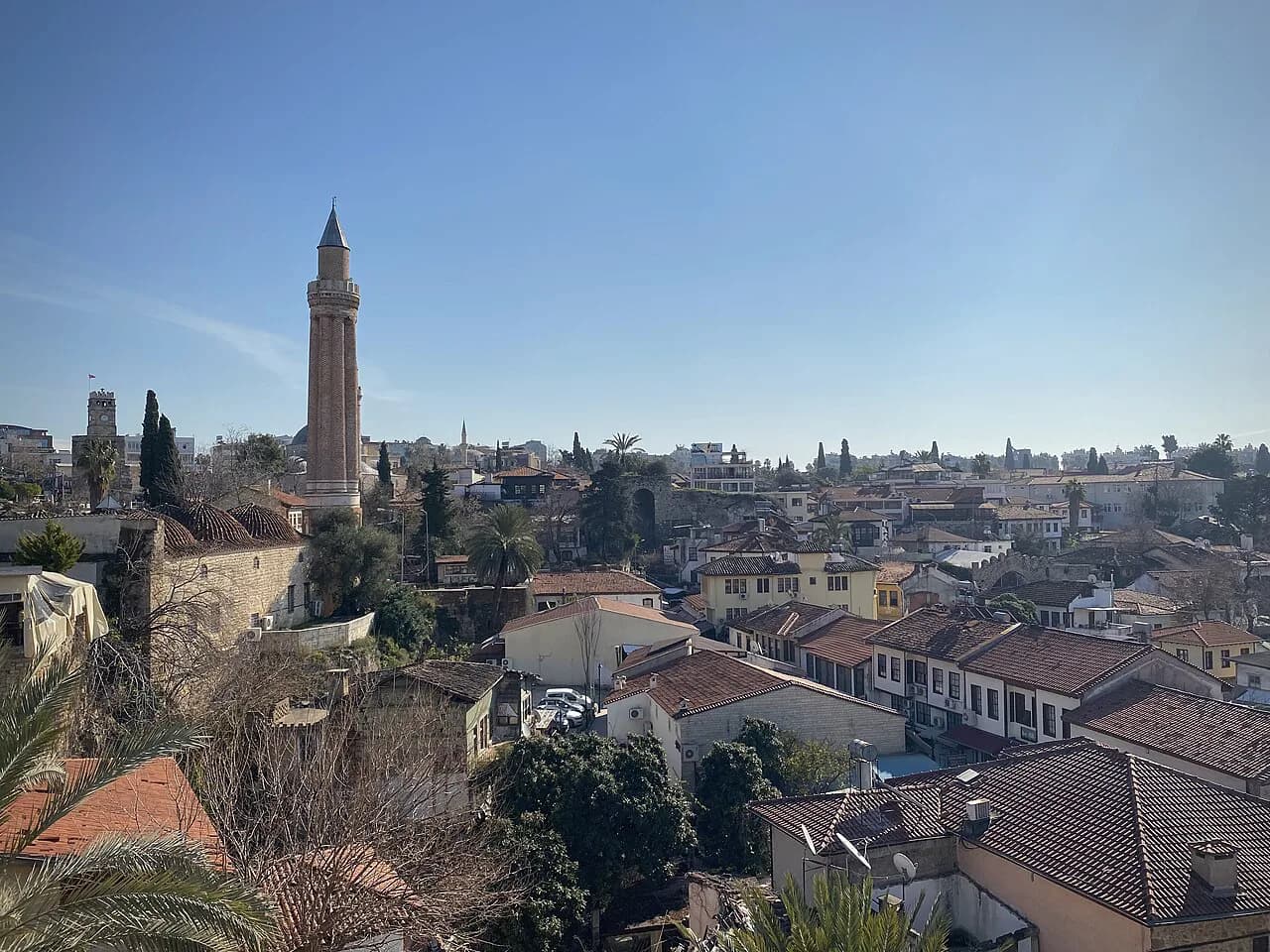
The lanes behind the gate are lined with Ottoman houses, many with projecting upper floors and painted woodwork, and hung with bougainvillea that spills over walls and doorways. This is where the old town's colour comes from: kilims draped over balconies and stone steps, stacks of ceramics, pyramids of Turkish delight and spice and tea stalls along the cobbles.
Kaleiçi also belongs to its cats, which lounge under potted plants and on the edges of ruins, and local volunteers have built small wooden shelters, food bowls and signs for them. The atmosphere shifts street by street: some lanes are hushed and residential, others are commercial and busy, and the further you go the more the sounds change, from street musicians to children in the small parks.
Small details do a lot of the work here: a stone fountain, benches tucked between orange trees, cured gourds hanging by a doorway and sudden glimpses of startlingly blue sea. Wander without a fixed route through this middle band, and save the purposeful shopping for the bazaar streets further on.
The marina and harbour
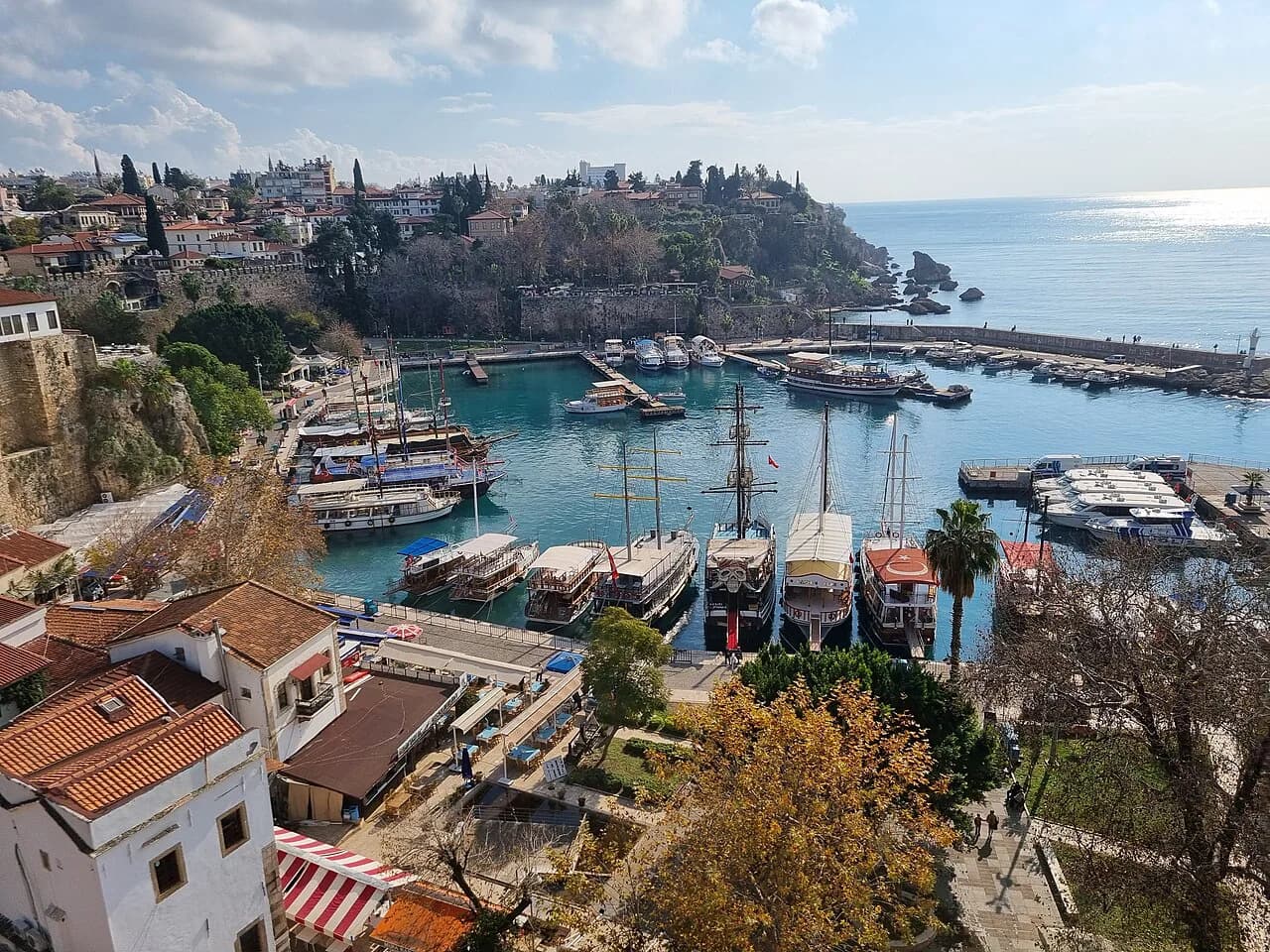
The Kaleiçi Marina is where the old town ends and the water begins, reached down stone steps and terraces that open onto moored boats below the cliffs. Some boats are set up for day tours and others simply sit for the look of the place; the harbour itself is open to walk around whatever you decide about a trip.
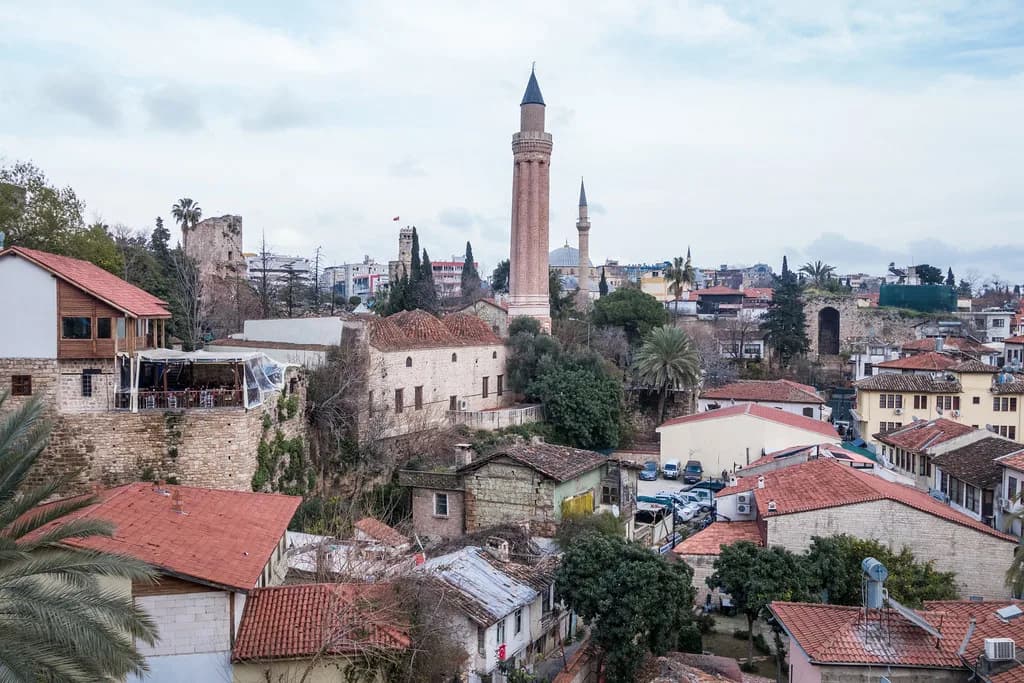
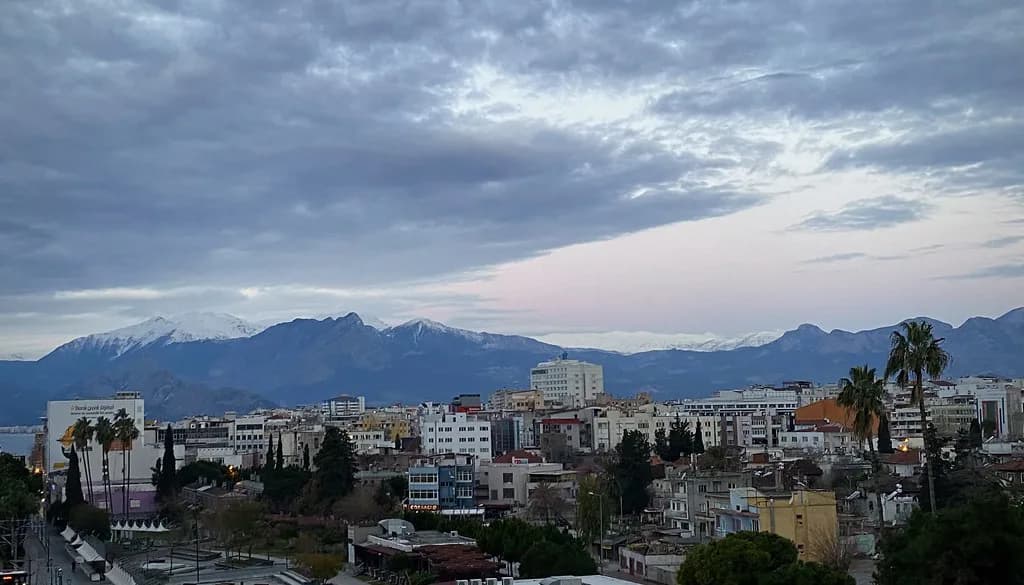
Treat the harbour as the floor of the old town rather than the finish line. Look back up and the whole shape of the place becomes clear: red roofs and minarets stacked above the cliffs, the sea immediately beyond, and the mountains behind. Our guide to the Antalya marina covers the waterfront in more detail.
Viewpoints above the harbour
There are two viewpoints worth building into the walk. The first is the steps and terraces just above the marina, where the rooftops of Kaleiçi angle down towards the Mediterranean. The second is the park at the top of the bluff, which gives the clearest sense of the old town's setting between the sea and the mountains. If you enjoy pairing a harbour climb with castle viewpoints, the Alanya old town guide follows a similar walk from water up to the walls.
Both are open ground rather than paid attractions, so timing is about light and heat. Go early or late for the flat colour on the red roofs, and use the cliff-top park as your rest stop before the climb back to the gate.
The bazaar streets: kilims, copper and ceramics
The shopping lanes are not a list of shops so much as a walk with a purpose. Kilims and carpets hang from nearly every vertical surface, from formal carpet galleries to casual displays draped over balconies, alongside copperwork, hand-painted ceramics and food stalls selling Turkish delight, spice and tea. Rug sellers often talk customers through the motifs and the weaving, so a purchase here is part conversation, part transaction.
Carpet galleries and rug displays reward browsing rather than rushing. Decide your budget and your limit before you get drawn into a long conversation about a particular piece, and treat any purchase as part of the afternoon rather than a quick stop.
Mosques and quiet corners
Between the commercial streets sit residential lanes, small parks and fountains, and the old town contains a historic masjid. If you plan to step inside a mosque, read up on etiquette first: shoulders and knees covered, shoes off at the entrance, and quiet voices during prayer. Our guide to Mosques in Antalya covers the city's main examples.
Add a tea garden to the route, where older men play backgammon under the trees, and you have the quiet half of Kaleiçi in one stop. These corners are also where you notice how much of the old town is lived in rather than staged, with cats on the ruins and washing on the balconies.
How long to allow and a walking route
A straightforward loop takes a couple of hours, and half a day lets you add shopping, a tea stop and both viewpoints. The order that suits the terrain is: Hadrian's Gate, the lanes behind it, the bazaar streets, the marina, the steps above the harbour, then the cliff-top park before climbing back to the gate.
If you want to slow the walk down, the old town rewards a second pass in the evening, when the commercial streets soften and the residential lanes are at their quietest. Walk the route once to learn the shape of it and again to enjoy it.
Getting there and getting around
Kaleiçi sits directly beside the modern city, so you arrive on foot from central Antalya rather than making a journey out of it. The sea cliffs and change in level separate the old town from the newer streets, which is why Hadrian's Gate makes such a useful reference point for finding your way in and out.
Inside the walls, everything is on foot, and the only real transport decision is how often you want to climb. Coworking Antalya sits just above the marina, which tells you how compact the old town is: a morning meeting and an afternoon swim are within a few minutes of each other.
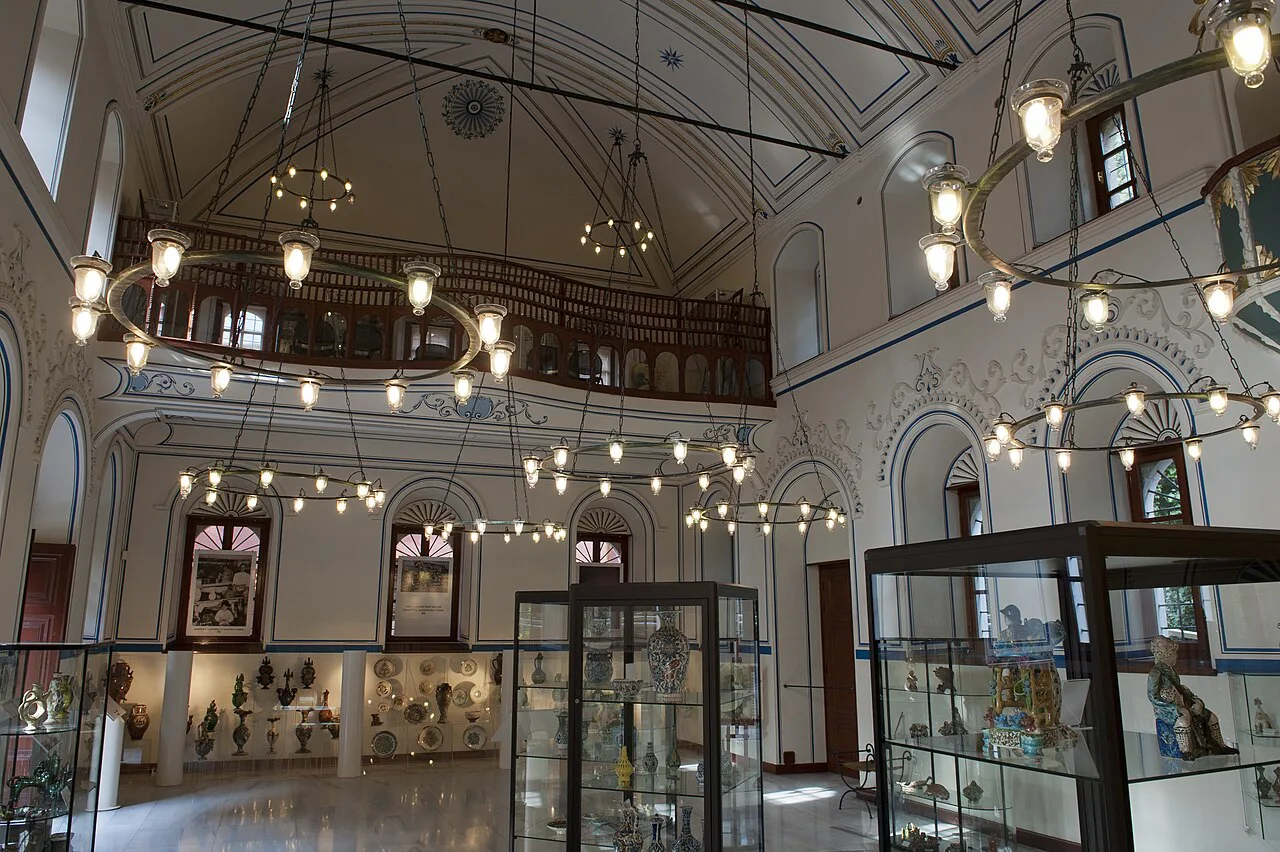
Beyond the gate, the modern city has the museums and civic sights that fill a second day. Our round-up of Museums in Antalya covers the collections worth your time so you can pick what suits the rest of your trip.
Which end of Kaleiçi should you start from?
Start at Hadrian's Gate and finish at the harbour. That direction matches the slope, puts the shops on your way down and leaves the climb for when you have had a tea and a look at the view.
If you only have an hour, skip the bazaar streets and go straight from the gate to the marina and the steps above it, which gives you the old town's shape in the shortest possible walk.
Explore more Antalya guides
Frequently Asked Questions
Is Antalya a city or a town?
Antalya is a city, and Kaleiçi is its historic core, the old quarter beside the harbour. Visitors treat the old town as a neighbourhood to walk rather than a separate destination, because it sits directly beside the modern centre.
Do you need tickets for Antalya's old town?
The streets and the harbour of Kaleiçi are open to walk through, and Hadrian's Gate is a public landmark you pass under. Individual sights inside or near the old town may have their own arrangements, so check on arrival if a particular building matters to you.
How do you get to Kaleiçi from the modern city?
You walk in. The old town sits alongside central Antalya, separated from the newer streets by the sea cliffs and change in level, with Hadrian's Gate a practical entrance. Once inside, everything is on foot.
Sources
Notes for your next Turkey trip
Optional updates when we add or correct a town guide.
You might also like
Continue reading
More guides you'll find useful