Mosques in Marmaris: What Visitors Can See and How to Visit
A visitor's guide to the mosques of Marmaris, including the Mosque of İbrahim Ağa in Tepe Mahallesi, prayer times, dress and what to expect inside.
On this page
The Mosque of İbrahim Ağa in Tepe Mahallesi on the Muğla coast is the old-town mosque visitors can look for, listed within walking distance of the bazaar and the lanes behind the waterfront. This guide covers where it is filed on the map, what to wear and how the five daily prayers set the rhythm of a short visit.
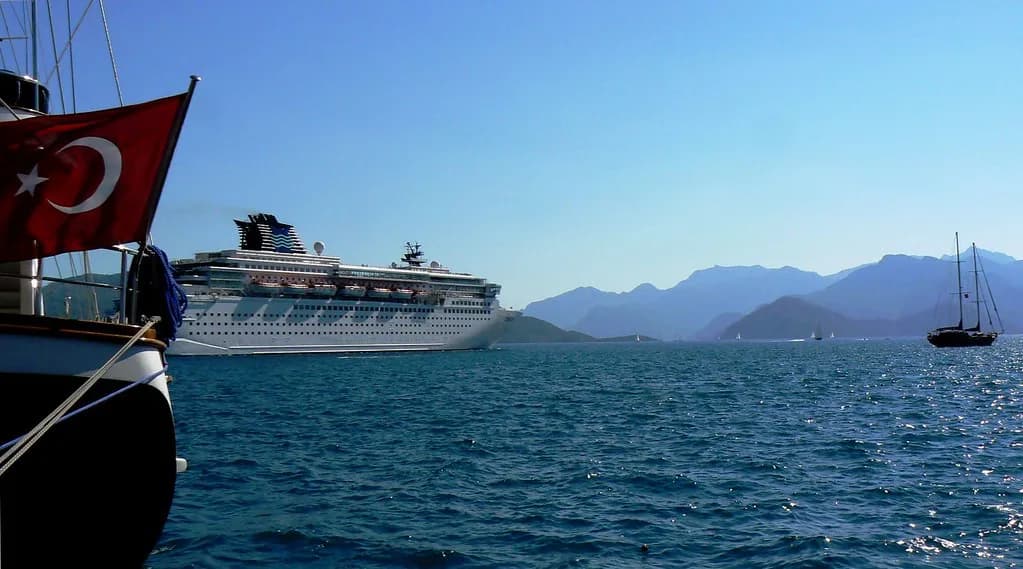
Marmaris is a harbour resort, so a mosque stop here is a modest half-hour errand rather than a sightseeing headline. Pair it with the castle and the lanes behind the waterfront, and treat the call to prayer as the clock that organises the rest of your morning.
What a Marmaris mosque visit involves
Expect a small, working neighbourhood mosque rather than a monument with ticket queues and coach groups. The point of the visit is the building, the courtyard and the quiet, and the etiquette that goes with a place of prayer. Keep your voice low, keep phone calls outside, and step around anyone who is praying.
The five daily prayers structure the day, so a working mosque is generally busiest around those times and quieter in between. If you want to look inside without disturbing anyone, aim for mid-morning or early afternoon rather than the half hour before a prayer.
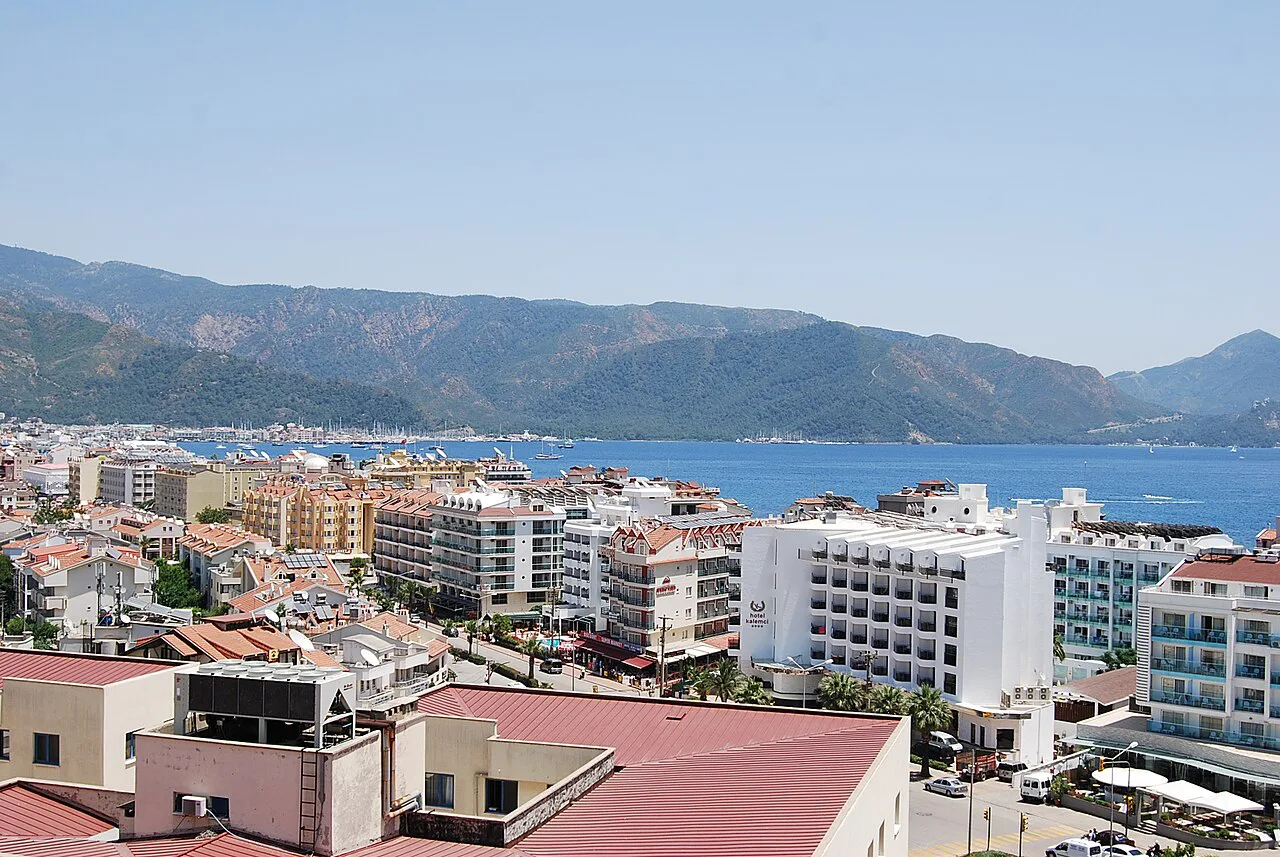
The Mosque of İbrahim Ağa in Tepe Mahallesi
The Mosque of İbrahim Ağa is listed at Tepe Mahallesi in Marmaris, in Muğla province. That address is the practical anchor: Tepe Mahallesi is the quarter behind the waterfront, so plan on a short walk up from the harbour rather than a flat stroll along the seafront.
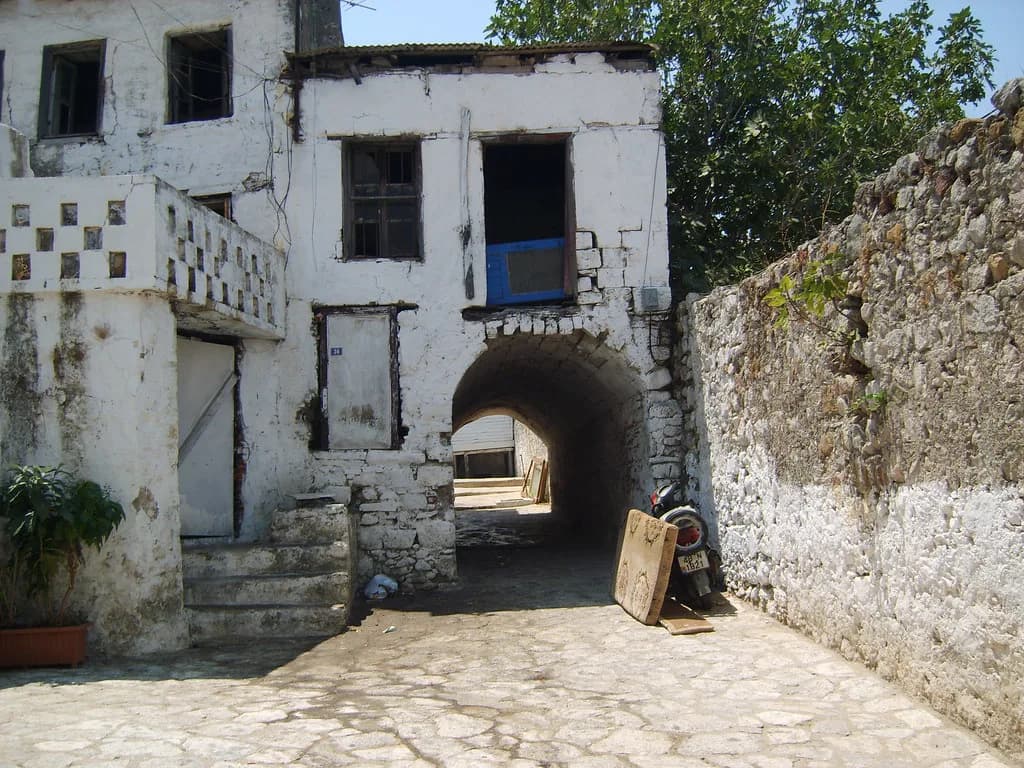
Use the bazaar and the old town lanes as your route. Walking up through the market streets keeps you close to the mosque and gives you an obvious landmark to aim for if the side streets start to feel alike.
Address details for Turkish mosques are often filed by neighbourhood rather than street number, so confirm the exact position on a map before you set off. If you cannot place it, ask at your hotel reception for Tepe Mahallesi and walk up from there.
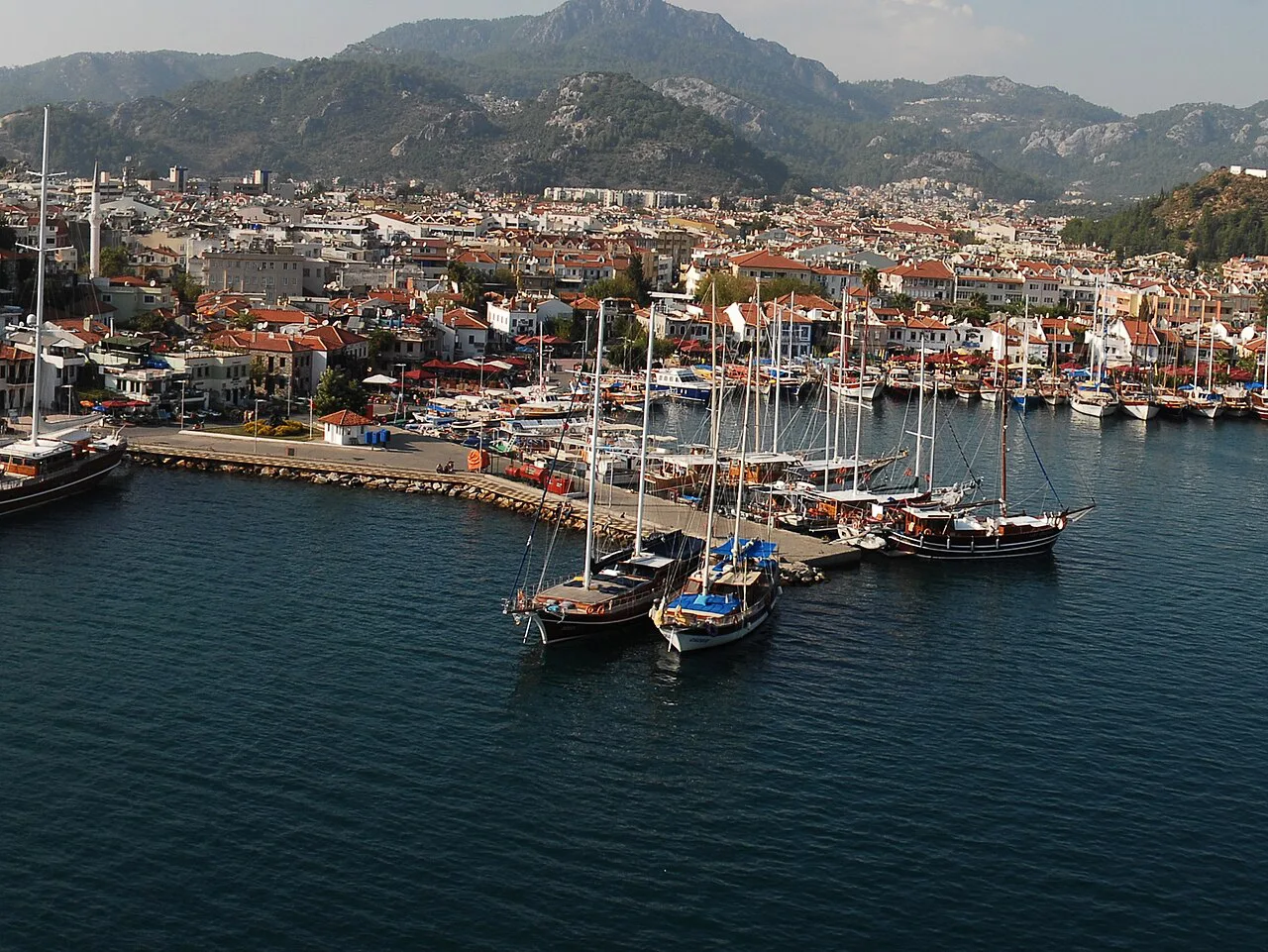
Dress and etiquette inside
Dress as you would for any working mosque in Turkey: shoulders and knees covered, nothing tight or see-through, and a scarf for women to cover the head. Where men and women pray in separate areas, follow the partition or sign you find rather than walking through the middle of the prayer space.
Shoes come off at the entrance, so carry a bag or use the rack at the door. If you have no scarf, a light jacket or long-sleeved top wrapped around the head does the job for a short look inside.
Non-Muslim visitors are generally welcome outside prayer times at Turkey's working mosques, but each building sets its own practice. If a door is closed or someone gestures you away, accept it without discussion and come back later.
Prayer times in Marmaris and timing your visit
Marmaris prayer times are published daily, and the five prayers run from before sunrise to after sunset. On 26 October 2026, for example, IslamicFinder lists Fajr at 05:59, Dhuhr at 12:52, Asr at 15:52, Maghrib at 18:18 and Isha at 19:39, while its Diyanet İşleri Başkanlığı method table uses Fajr 18° and Isha 17°.
Treat any published set as an example for its date, not a timetable you can reuse. Different calculation services give noticeably different minutes for the same city — one lists Fajr at 05:43 on the same day — so pick one source and stick to it for the day you are there.
Build your day around Dhuhr, the midday prayer, because that is the one most likely to catch you in the old town. A visit before it, then a coffee in the bazaar lanes while the mosque empties, keeps you out of the way at the busiest moment.
Why the timings shift through the year
Prayer times follow the sun, so they move steadily across the year as daylight lengthens and shortens. The same clock time that works for a morning visit in late October will not be a quiet window in midsummer, and Maghrib moves dramatically between the seasons.
That is why a fixed rule such as avoiding the mosque between twelve and one is not reliable. Check the times for your actual dates on the morning of your visit, then work out which gaps fall between prayers.
Combining the mosque with the old town and harbour in an hour
Start at the harbour, walk up through the bazaar to Tepe Mahallesi, and come back down through the old town lanes. Allow an hour at an unhurried pace, including a short look inside the mosque and a stop for tea.
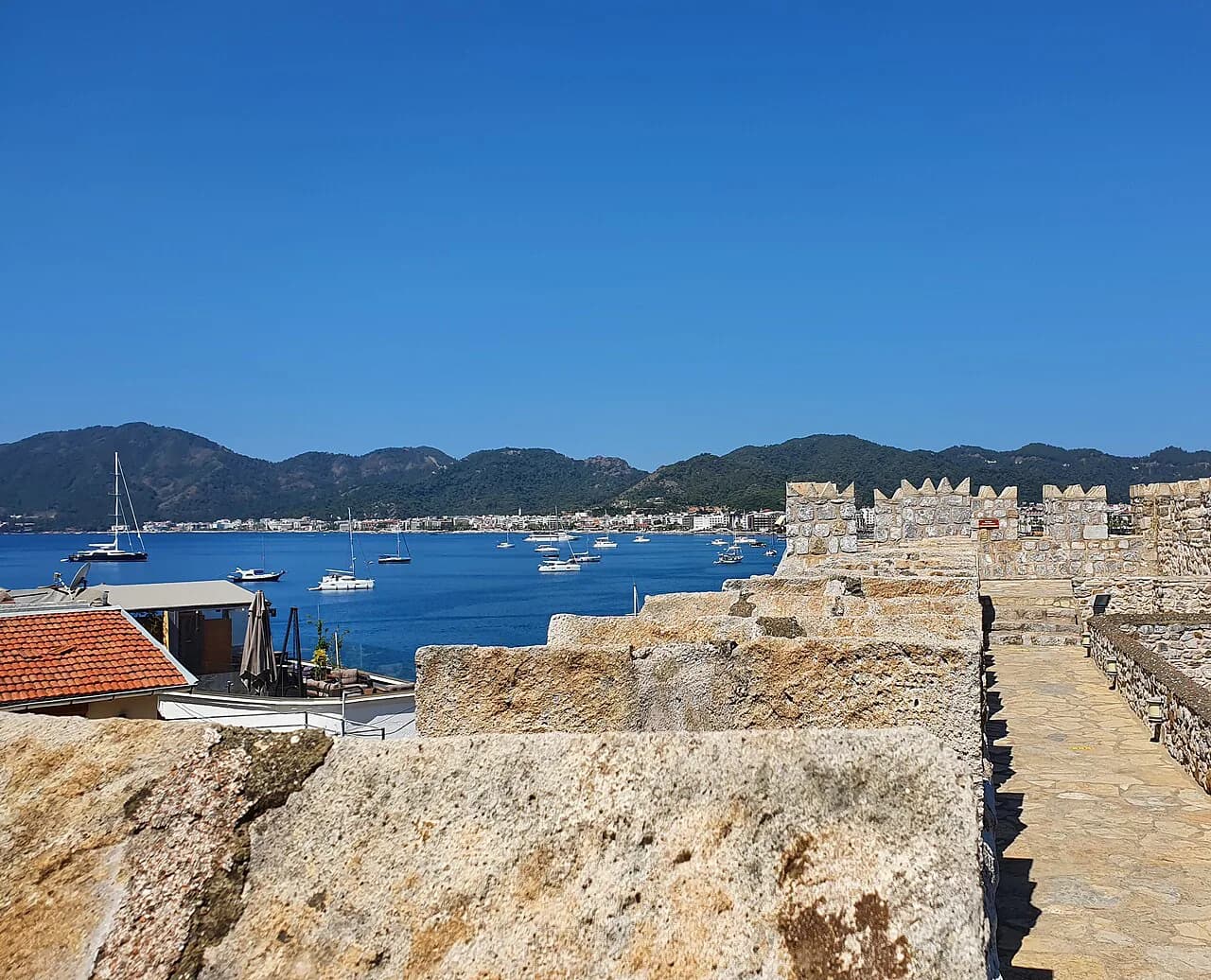
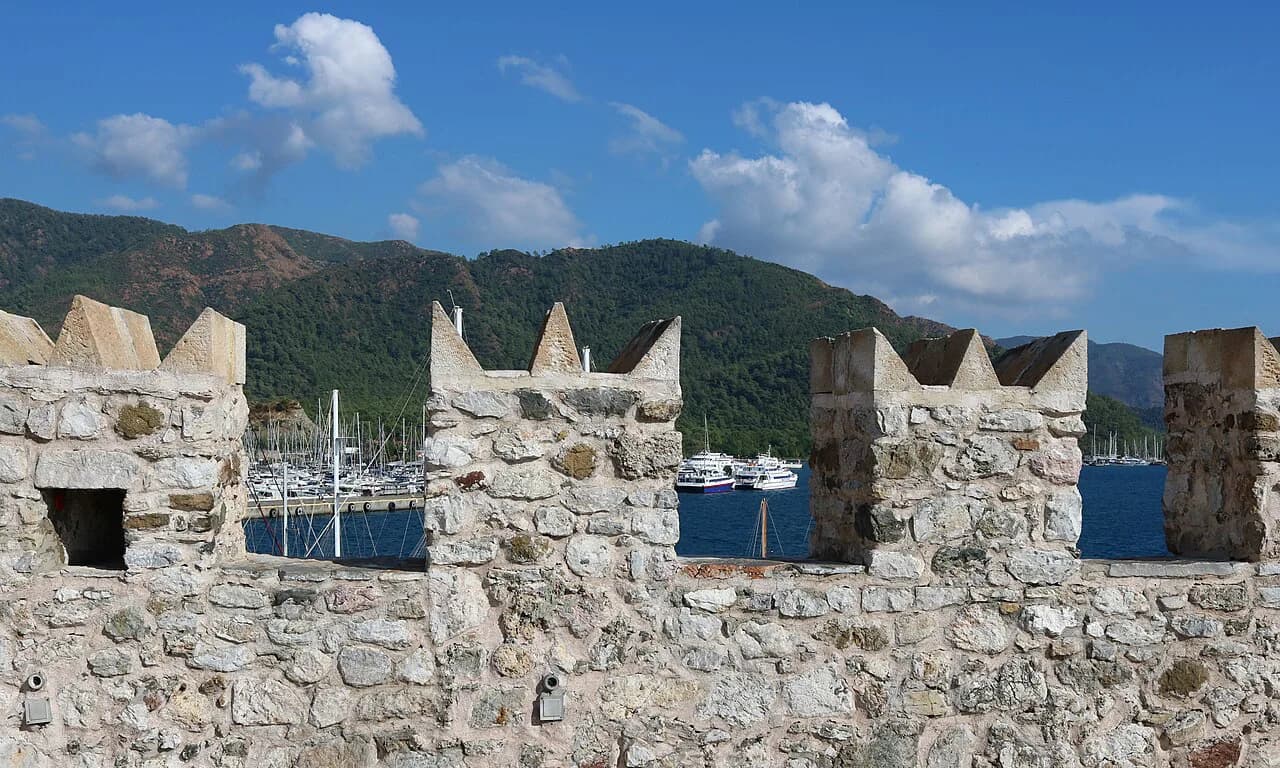
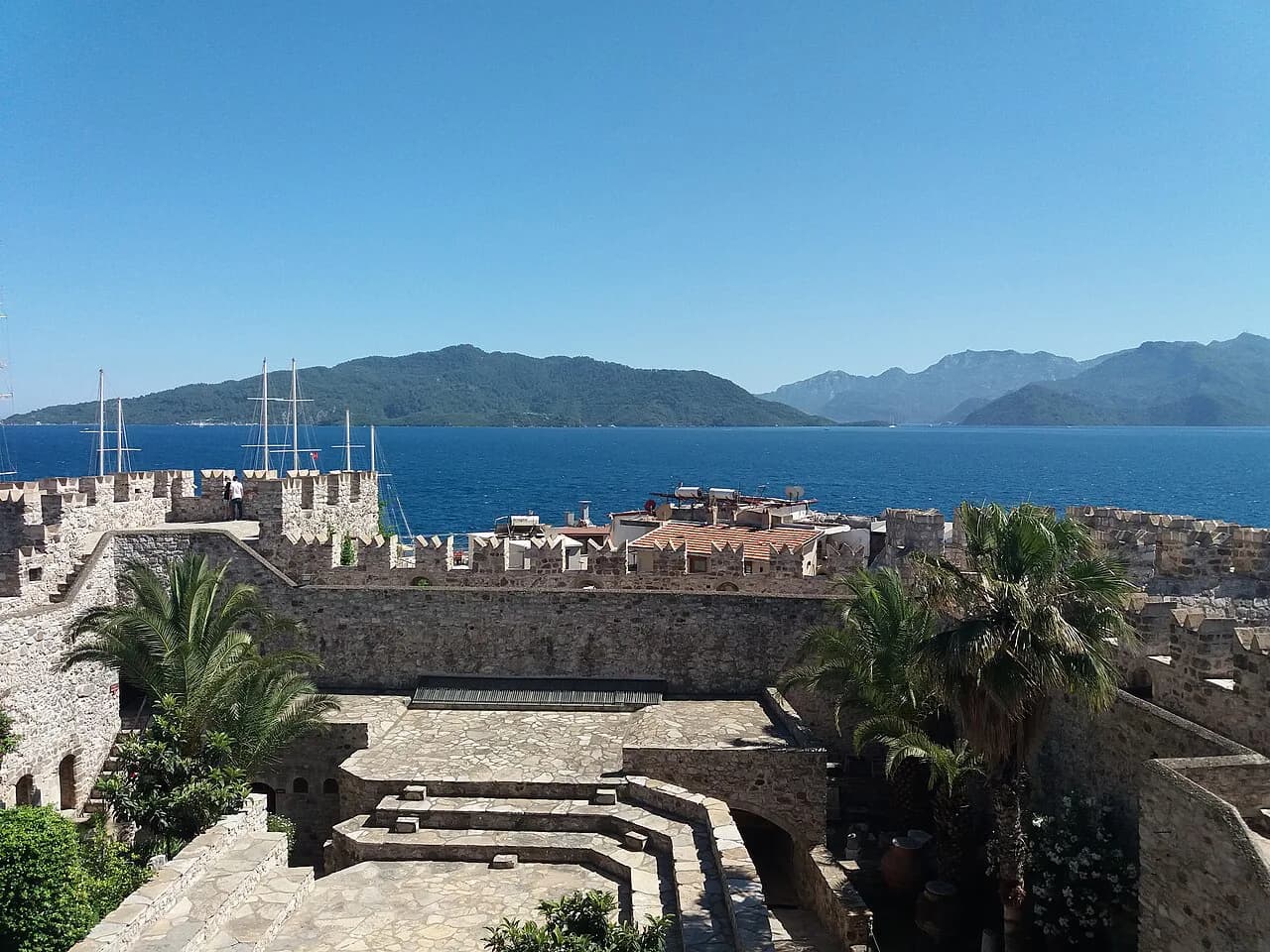
Marmaris Castle and Archaeology Museum sits above the old town and makes a natural second stop, with the archaeology collection filling in the region's earlier layers. From the castle walls the layout of the harbour, the marina and the streets below becomes obvious, which helps you find the mosque again on foot.
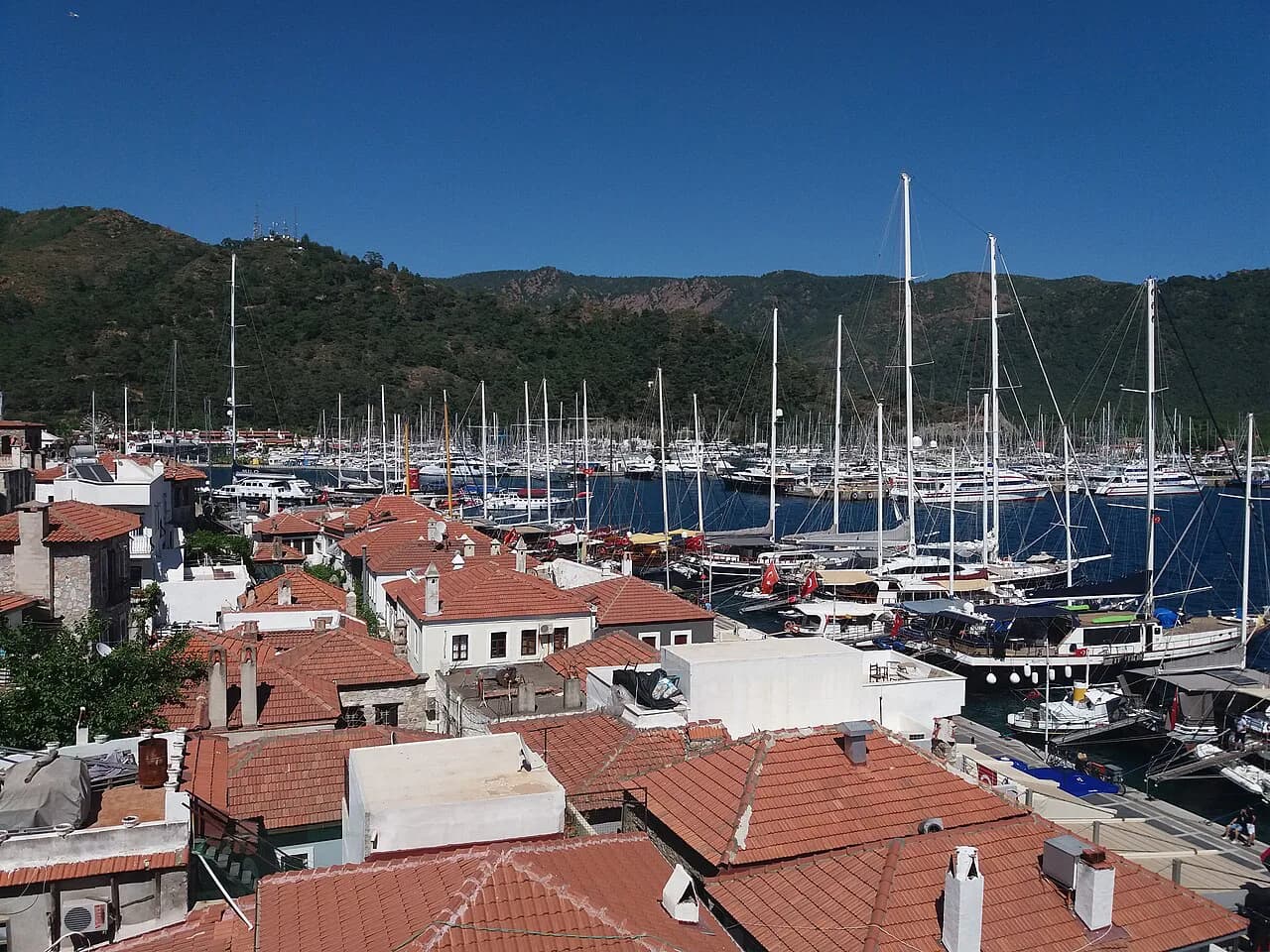
If you are looping back towards the water, the Marmaris marina end of the seafront gives you a flat finish and plenty of benches. It is also where you pick up the boat trips, so a mosque visit slots neatly into the morning before a harbour departure.
Is Marmaris a good base for a Turkish break?
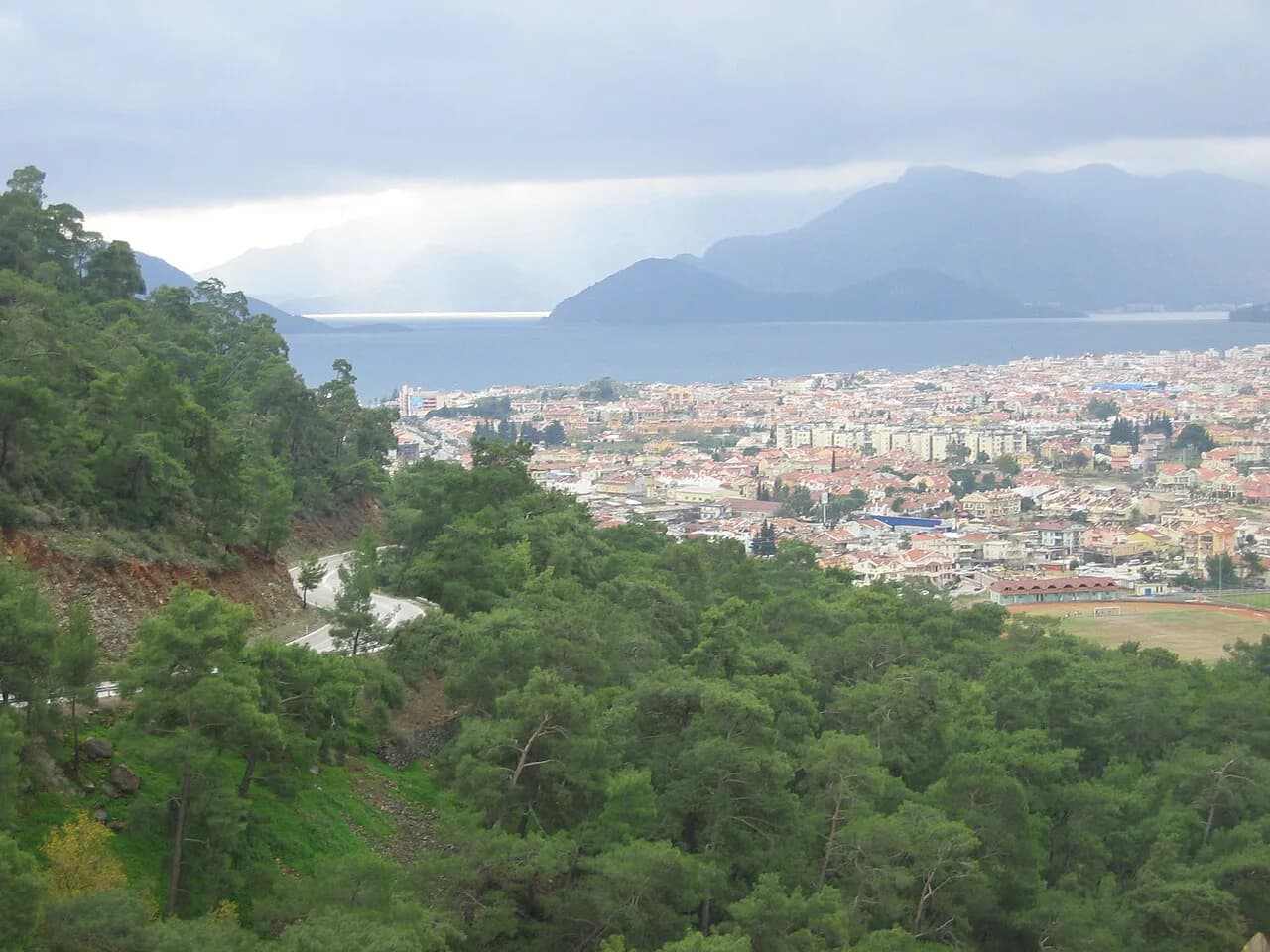
Marmaris works as a base because the old town, the harbour, the castle and the bazaar all sit within a short walk of each other, with the resort strip behind them. It is a resort first and a historic town second, so come for the convenience rather than for a deep Ottoman quarter.
Days out along the coast are the real reason to stay here, and the amphitheatre above town is a short detour if you want something beyond the harbour. Beyond that, the beaches and nightlife belong to other guides; this one keeps to the streets and the stones.
If you are weighing up how to spend a day, the castle and museum reward a couple of hours and make an easy swap-in when the heat or the crowds change your plans.
Is the old-town mosque worth the detour?
Yes, if you are already in the bazaar lanes and want twenty quiet minutes away from the harbour front. The Mosque of İbrahim Ağa is a working neighbourhood mosque in Tepe Mahallesi, so go for the atmosphere and the etiquette rather than for architecture on a grand scale.
Check the day's prayer times before you climb up, dress for a place of worship, and keep the visit short. Then walk back down through the old town and finish at the harbour, which is the most sensible shape for a morning in Marmaris.
Explore more Marmaris guides
Frequently Asked Questions
Can non-Muslims go inside the Mosque of İbrahim Ağa in Marmaris?
Working mosques in Turkey generally receive non-Muslim visitors outside prayer times, but each building follows its own practice. Approach quietly, dress modestly with shoulders and knees covered, remove your shoes at the door, and accept it if the door is closed or someone signals that the time is not right.
Do I need a headscarf to visit a mosque in Marmaris?
Women should cover their heads inside, and a light scarf or a long-sleeved top wrapped around the head is enough for a short visit. Bring your own rather than relying on borrowing one at the door.
How long does a mosque visit take in Marmaris old town?
Plan around twenty minutes inside and at the courtyard, plus the walk up from the bazaar. Folded into a loop with the castle and the harbour, the whole outing comfortably fits into an hour.
Where exactly is the Mosque of İbrahim Ağa?
It is listed at Tepe Mahallesi in Marmaris, the quarter behind the waterfront, a short walk up from the bazaar and harbour. Confirm the pin on a map before setting off, because mosque addresses are often filed by neighbourhood rather than by street number.
Sources
Notes for your next Turkey trip
Optional updates when we add or correct a town guide.
You might also like
Continue reading
More guides you'll find useful