
Bodrum Museum of Underwater Archaeology: A Visitor's Guide

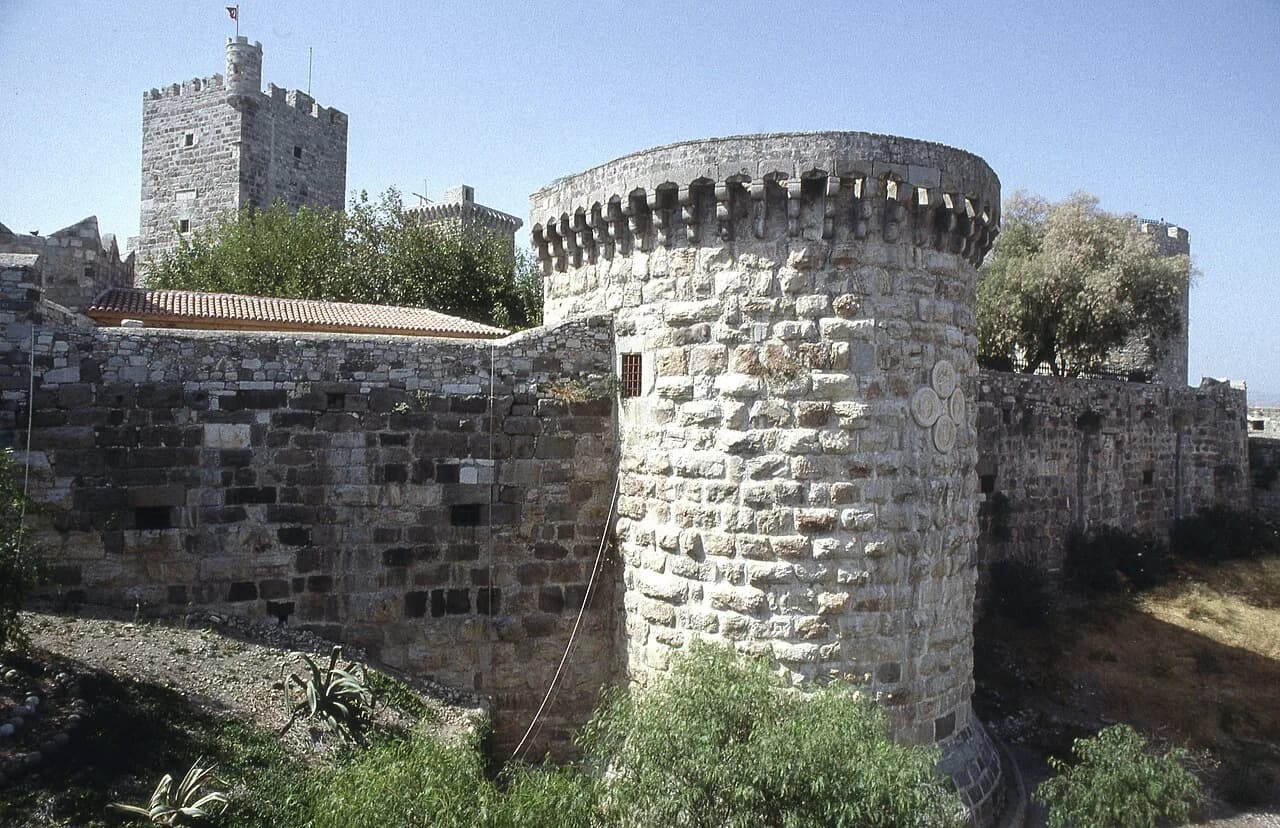
The Bodrum Museum of Underwater Archaeology is the reason to go inside Bodrum Castle: the fortress in the centre of town holds amphoras, ancient glass, bronze and clay objects raised from Aegean wrecks. The castle became a museum in 1961 to display finds from underwater excavations in the region, and most of what you see dates from work done after 1960. This guide covers what to prioritise inside, the order the halls and towers unfold in, and how long to set aside.
Treat the visit as one combined attraction rather than a museum bolted onto a ruin. You walk through a working castle, past towers, a dungeon and a planted garden, and the display halls sit within that route, so the building and the collection are experienced together.
A museum built out of shipwrecks
The collection grew from a run of underwater excavations along the Aegean and Mediterranean coasts. The Finike-Gelidonya wreck was dug in 1958 and 1959, the first underwater excavation in Turkey, and the Bodrum-Yassıada Byzantine wreck followed in 1961 to 1964 with roughly 900 amphoras aboard. Later work took in the Marmaris-Serçe harbour glass wreck, the Kaş-Uluburun wreck excavated from 1982 to 1995, and the Tektaş glass wreck between 1996 and 2001.
Because the material comes from cargoes rather than tombs or palaces, the museum leans towards the everyday and the technical: storage jars, ingots, glassware and the fittings of ships. The 1995 European Museum of the Year competition gave the museum a Certificate of Special Commendation, a past award rather than a current ranking.

Where the museum is and how to reach it
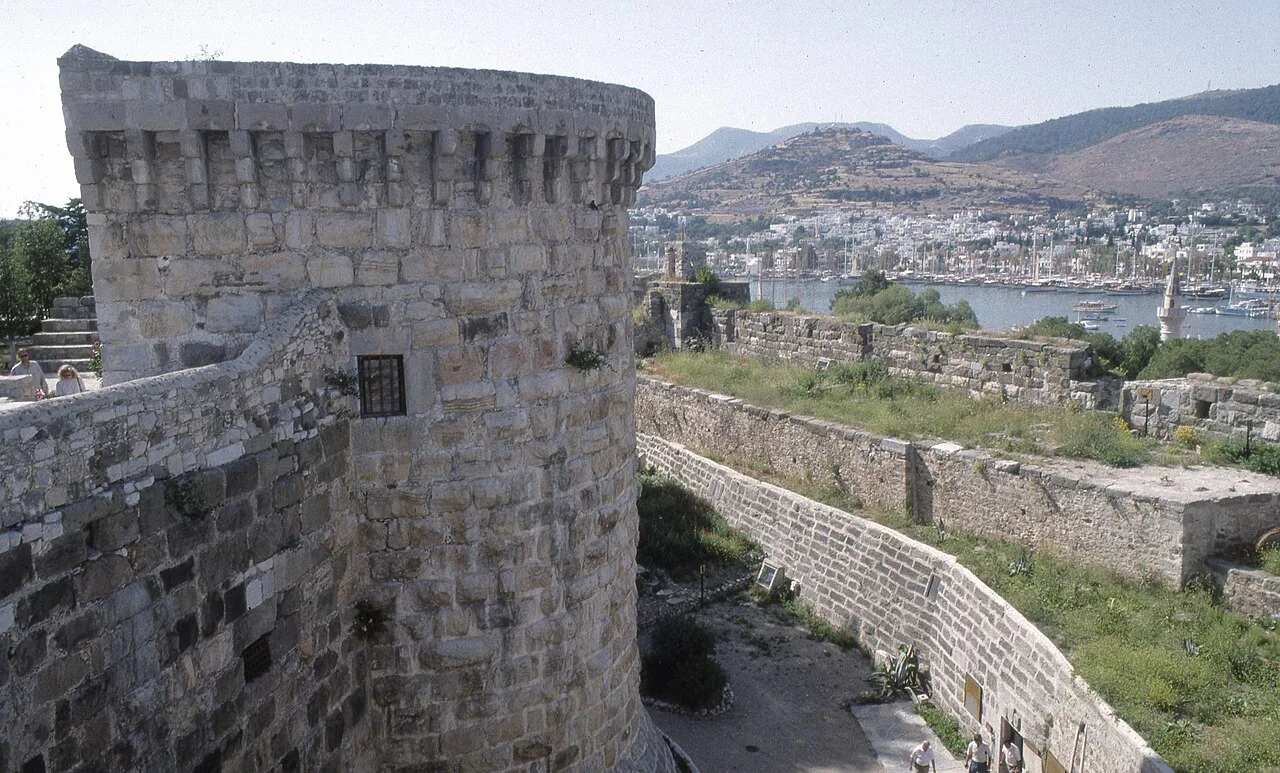
The museum occupies Bodrum Castle, also called Bodrum Kalesi, in the centre of town. From the harbour and bazaar area you reach the castle on foot; the ticket office is where opening times and admission are confirmed on the day.
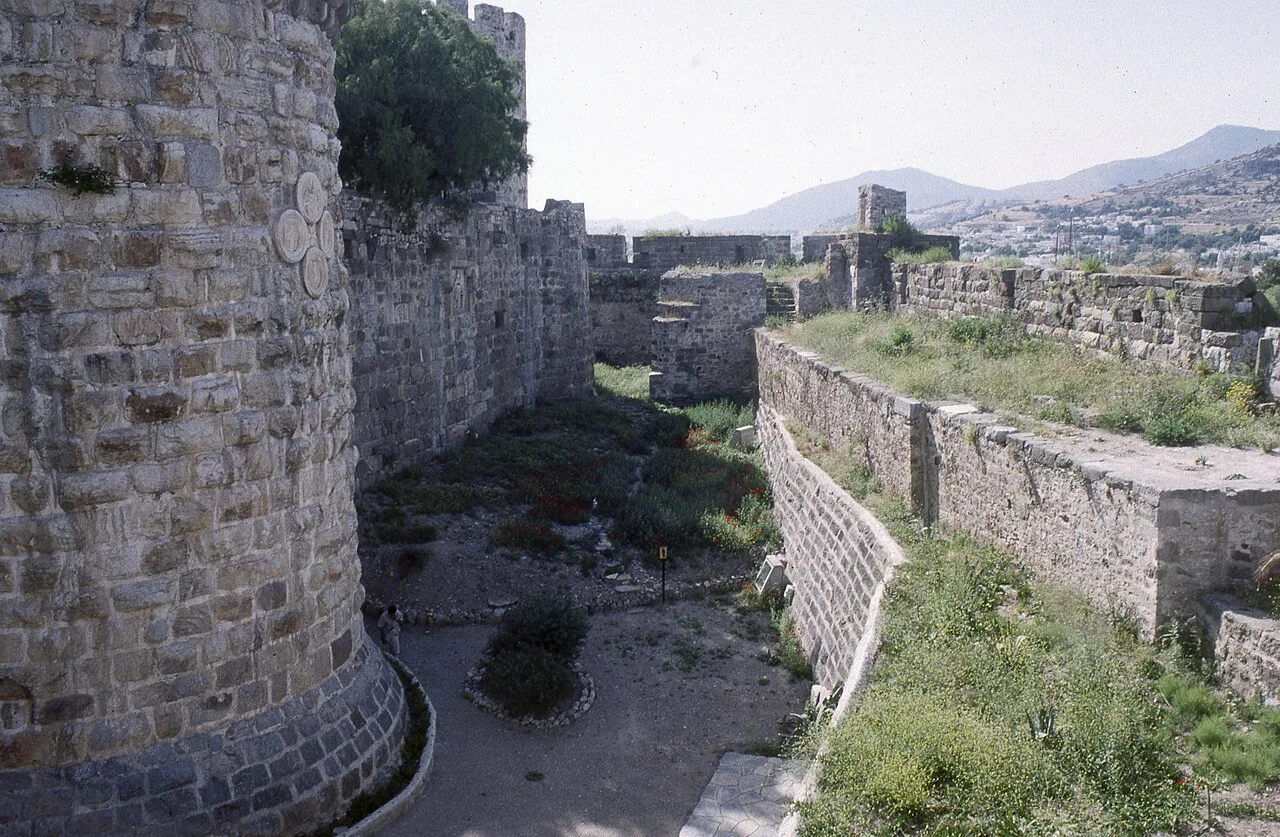
Allow for a climb rather than a stroll. The route through the castle runs over cobbles and up flights of stairs between towers and terraces, so the pace is set by the walls and steps as much as by the exhibits.
The halls to prioritise
Start with the amphora displays, which give the clearest thread through the collection: jars from different periods showing how shape and use developed across the Mediterranean. The former chapel holds vases and amphoras from the Mycenaean age, spanning the 14th to 12th centuries BC, alongside finds from around 2500 BC.
The glass collection is the part many visitors remember, drawn from wrecks including the Serçe harbour wreck with its Islamic glassware and the Tektaş glass wreck of the 5th century BC. If glass is your interest, give the Glasswreck Hall real time and treat the rest of the castle as a secondary loop.
The Italian Tower houses the Coin and Jewellery Hall, with coins spanning many centuries, while a separate room is given over to the tomb of a Carian princess who died between 360 and 325 BC. The Carian Princess Hall is entered through the Knights' Hall, and both displays are compact, so they work well as a pair before you move on to the ramparts.
Towers, dungeon and the secret museum
The castle's towers are woven into the route rather than set apart from it. The English Tower, the German Tower and the Commandant's Tower each hold displays or rooms along the way, and the Snake Tower contains a small secret museum. The dungeon is on the same circuit, so you pass through it rather than seeking it out.
The masonry carries its own story: the castle was built by the Knights of St. John, and the towers sit above the site of ancient Halicarnassus. Read the towers as part of the museum rather than as scenery between halls, because several of them hold the smaller exhibits that the main halls cannot fit.

The reconstructed ships
Two wrecks have been reconstructed inside the castle: the Fatımi ship, identified as having sunk 935 years before the exhibit was described, and the large Uluburun shipwreck from the 14th century BC. The Uluburun cargo is the showpiece, with around ten tons of Cypriot copper ingots, a ton of tin ingots, 150 glass ingots, Mycenaean pottery and Egyptian seals including one bearing the name of Nefertiti.
Seeing a hull rebuilt to scale changes how the amphora and ingot displays read, so leave the ships until after the halls if you can. Visitors who go straight to the ships often find the smaller cases flat by comparison.
The castle garden
The garden inside the castle walls collects plants and trees from across the Mediterranean, some chosen for their classical associations. Myrtle was dedicated to Aphrodite, and the plane tree was prized for shade and thought to strengthen health. It is a shaded pause between staircases, and a useful place to slow down if the heat is building.
How long to allow, and how the walls affect the pace
Budget a half day for the museum and castle together, and more if you read the display labels in the glass and amphora halls properly. The stairs and cobbles slow everything down, so a two-hour dash leaves you skipping the towers and the garden; three hours is a more comfortable shape.
Go early in the day if you want the terraces and ramparts without a crowd at your shoulder, and carry water because the climb is steady. The castle offers little flat walking, so anyone in the group who tires on steps should plan the shorter loop through the main halls and garden.
Tickets and opening hours
Admission and opening times are set by the museum, and the ticket office at the castle entrance is the place to ask. Rates, seasonal hours and whether a Müzekart is accepted change, so check the Bodrum Museum of Underwater Archaeology's own listings before you go rather than relying on an old figure.
The GoTürkiye account has described the lit castle as blurring the line between fantasy and reality, but the post is promotional and does not confirm a regular illumination schedule or public access at night. If an evening visit matters to you, check the Bodrum Museum of Underwater Archaeology's own listings before you go, as night entry is not otherwise advertised.
What is nearby for the rest of the day
The Mausoleum at Halicarnassus is a short walk inland from the harbour, and it pairs naturally with the castle because both belong to the same ancient city. The Bodrum windmills on the ridge above town give a view back over the harbours and the castle headland at the end of the afternoon.
Bodrum town itself is easy to cover on foot after the museum, with the bazaar streets behind the harbour and the two waterfronts on either side of the castle. If you have another day, the Myndos Gate on the western edge of the centre is the other substantial piece of ancient Halicarnassus in town.
Is the castle museum worth the climb?
Yes, if you treat it as a castle visit with a serious collection inside rather than a single gallery. Prioritise the amphoras, the glass halls, the Carian princess room and the Uluburun ship, then let the towers and garden fill the rest of the route at whatever pace the stairs allow.
Before you set out, confirm admission, opening times and Müzekart acceptance with the museum, and plan the Mausoleum or the windmills for afterwards so the day has a second stop.
Frequently Asked Questions
How much does it cost to enter Bodrum Castle and the museum?
Admission is charged at the castle ticket office; the museum is housed inside the castle, so plan on seeing both together. Rates change, so confirm the current figure with the museum before you go rather than relying on an earlier year's price.
How long should I spend at the Museum of Underwater Archaeology?
Allow around three hours to see the main halls, the towers, the reconstructed ships and the garden without rushing. The route involves cobbles and stairs between terraces, so a shorter visit means choosing between the glass and amphora halls and the ramparts.
Is the museum suitable for children?
The reconstructed ships, the dungeon and the towers tend to hold children's attention, and the route through the castle gives the visit a sense of exploration. The stairs are steep in places, so keep an eye on younger children on the ramparts.