Mosques in Kuşadası: Kaleiçi Camii and Visiting Etiquette
Kuşadası's old town mosque, Kaleiçi Camii, stands in the Camikebir quarter. Here is what visitors see inside and how prayer times shape a visit.
On this page
The old town mosque in Kuşadası's Camikebir quarter is the historic mosque to look for in the town centre: a 17th-century Ottoman building in the heart of the old town rather than a museum piece. Whether the doors are open to non-worshippers at any given moment depends on prayer times and the day, so treat a look inside as something to confirm on the spot rather than a guaranteed stop.
This guide places it in the old town, explains the naming so you recognise it on a map, and sets out dress and prayer-time behaviour for anyone who does go in. It ends with the İsa Bey Camii at Selçuk, a separate mosque about 20 km from Kuşadası, so the two are not confused.
Which mosques in Kuşadası can visitors see
The old town mosque stands in the Camikebir quarter, with the postcode 09400 Kuşadası/Aydın. Outside town, İsa Bey Camii sits at Selçuk, roughly 20 km away and close to the Basilica of St. John and Ephesus.
Treat the town mosque as part of a broader walk around the Kusadasi old town, where the bazaar streets, the harbour and the castle all sit within reach of the same morning or afternoon. That way a short stop inside does not become a special trip.
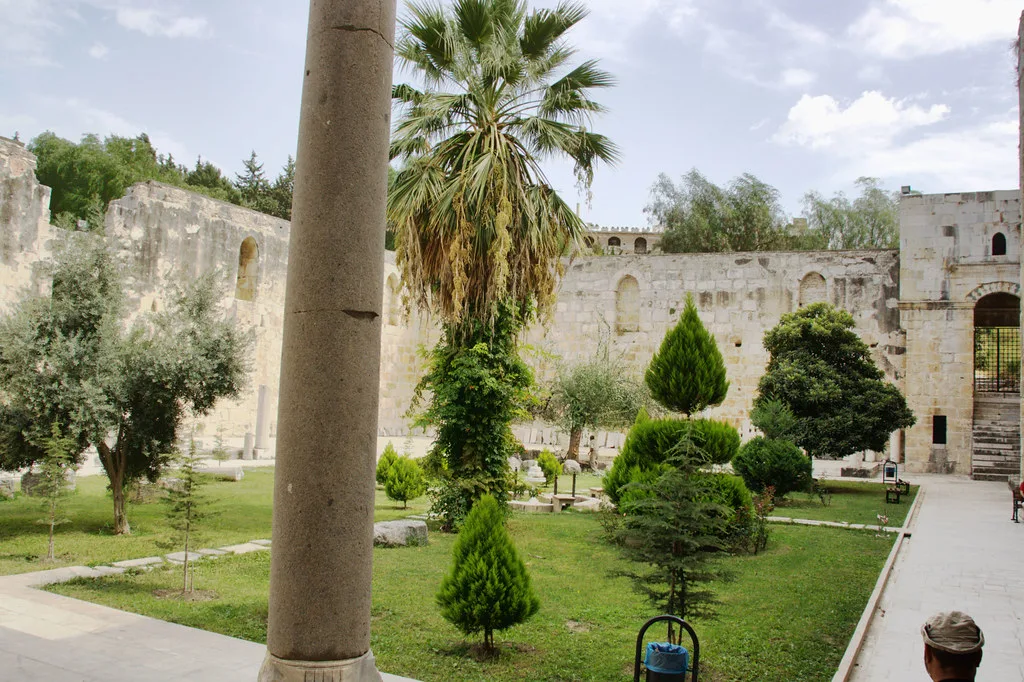
Kaleiçi Camii in the Camikebir quarter: where it is and how to find it
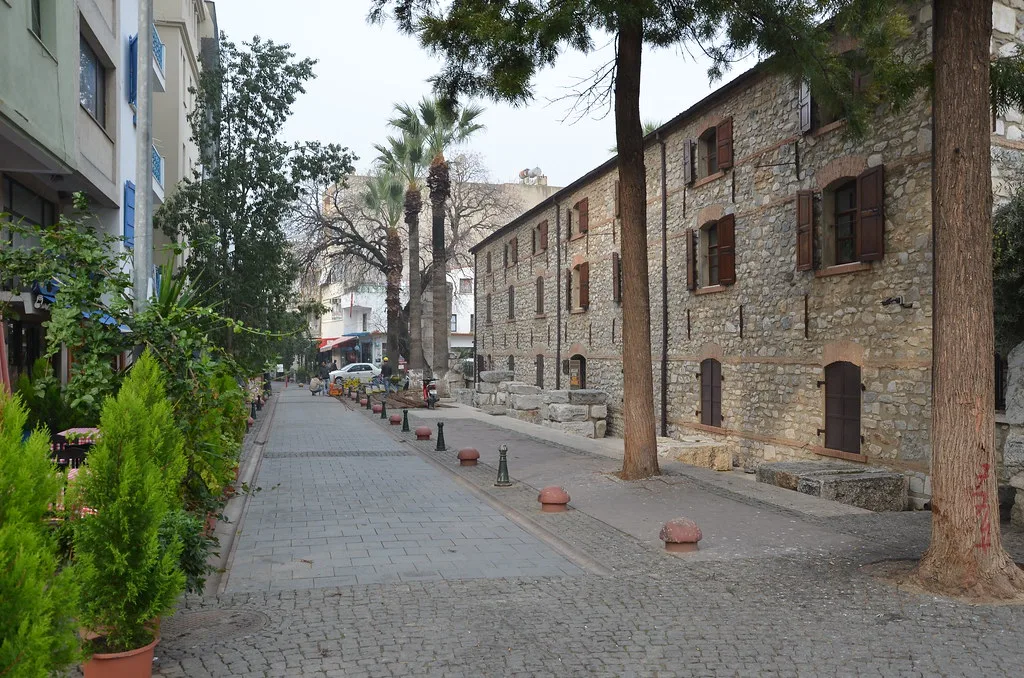
The building is best known as Kaleiçi Camii, and it also appears as Öküz Mehmet Paşa Camii, named for the Ottoman grand vizier. It is a 17th-century Ottoman mosque at the heart of the old town in the Camikebir quarter.
Names vary on maps and signs, so use the Camikebir address and the old town itself as your landmarks rather than relying on a single name. Note that the Fortress Mosque is listed separately by some travel sites, so do not assume any mosque bearing that name is the same building; check the address against the one you want.
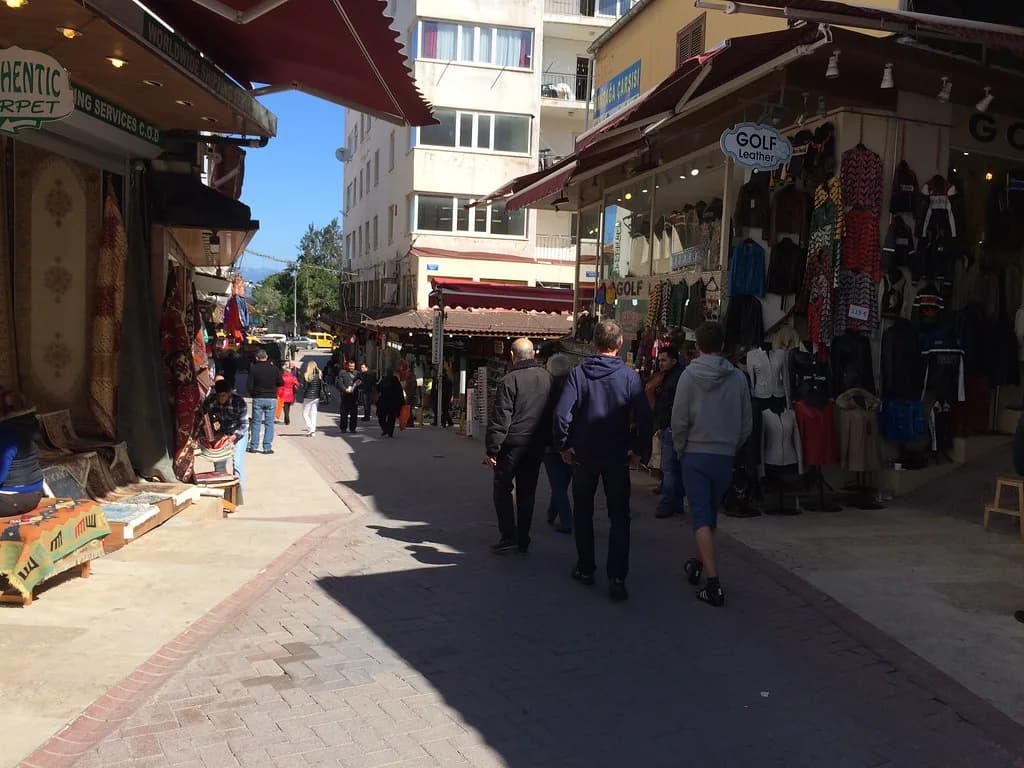
The surrounding quarter is the shoppers' end of the old town, with clothes stalls running through the streets around the mosque. Arrive on foot from the harbour side and you will pass the stalls before you see the courtyard wall.
The 17th-century mosque in the old town: what the building is known for
The Old Town Mosque is dated to the 17th century, which anchors the Ottoman-era core of Kuşadası around it. Read that as the historical period recorded for the mosque rather than a claim about every stone you see today.
Its setting is the reason to fold it into a walk: a place of prayer sitting directly among the bazaar stalls, so the transition from shopping noise to a quiet courtyard happens in a few steps. Plan it as a pause between the market and the harbour rather than a standalone sight.
Inside the mosque: mosaics, prayer space and the garden
Because it is a working place of worship rather than a monument, any look inside is on the community's terms: keep voices low, dress modestly and avoid walking across the area where people are praying. What you can see depends on whether visitors are being admitted at that moment.
The courtyard and the lanes around it are the easier part of a stop, letting you take in the atmosphere without entering the prayer hall. If the door is busy with worshippers, stay outside rather than walking through.
Dress and behaviour: what to wear and what to do at prayer time
Dress for a working mosque rather than a monument: cover shoulders and knees, avoid anything tight or revealing, and carry a scarf in case it is needed to cover the hair on entering the prayer area. Shoes come off at the threshold, so wear footwear you can slip on and off without fuss.
The five daily prayers structure the day, and visiting is normally fitted around them rather than through them. Check the times posted at the mosque door or ask at your accommodation on the day; opening and closing practices also vary, so confirm before setting out.
Keep phones silent, step around anyone praying rather than in front of them, and do not photograph people at prayer. A short, quiet visit is the appropriate register; this is not a building set up for guided tours.
Combining the mosque with the castle and the bazaar streets around it
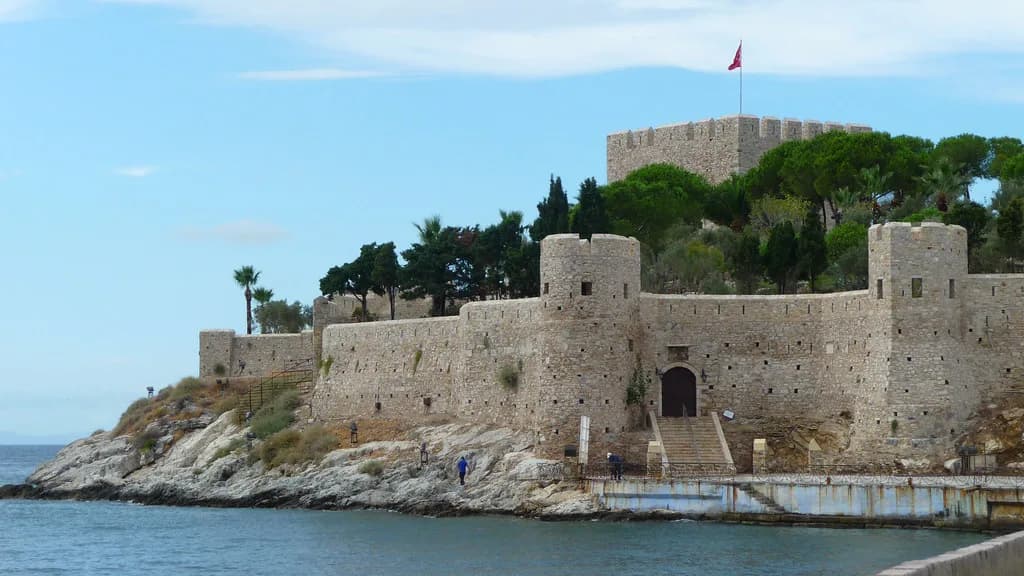
The mosque sits close enough to Kuşadası Castle (Güvercinada) to walk between the two, so pair the courtyard with the causeway out to the castle and the harbour views back across the bay. Allow the castle its own time rather than squeezing it in before the mosque.
The bazaar lanes around Camikebir are part of the visit, and this is where haggling is normal: ask the price, make a lower offer if you are serious, and walk away politely if it is not accepted. Fix on a figure you are happy with before you start, because the stallholders expect a short negotiation and not a long one.
From the mosque it is a short walk down to the Kuşadası Marina, where the boats and the waterfront cafés make a natural end to the loop. Do the mosque first, while the streets are quieter, then finish at the water.
The mosque at Selçuk: İsa Bey Camii, 20 km from Kuşadası
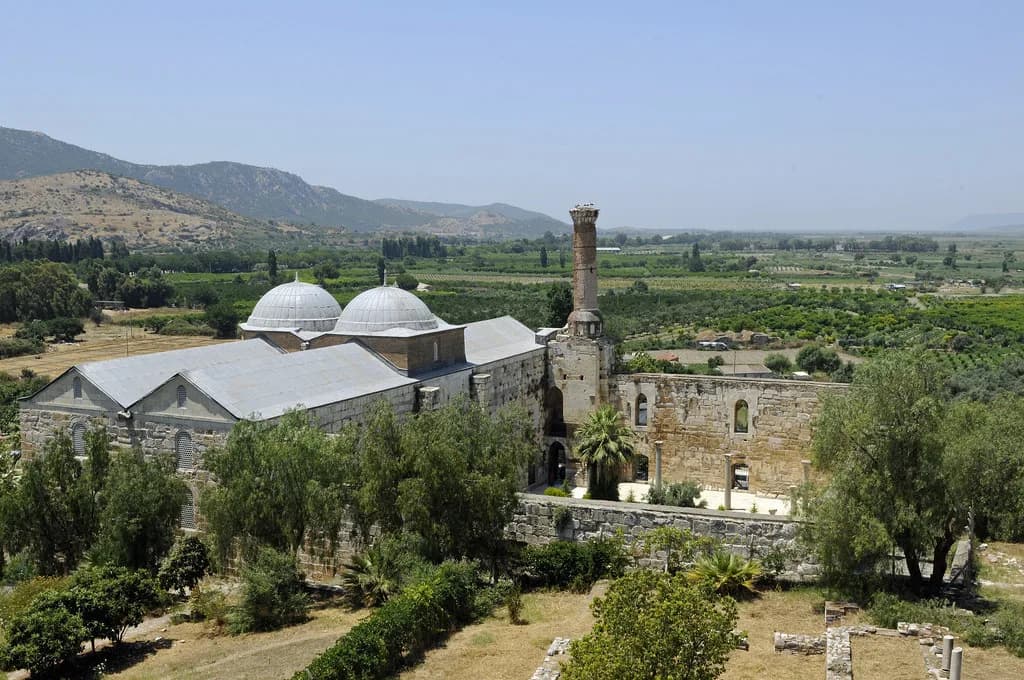
İsa Bey Camii is not in Kuşadası: it stands at Selçuk, about 20 km away and next to the Basilica of St. John and Ephesus. That makes it a day-trip companion to Ephesus rather than an afternoon stroll from the Kuşadası waterfront.
If Ephesus is on your list, put Selçuk and İsa Bey Camii on the same day and check the transport options locally: dolmuş services, tour coaches and taxis all cover the route, and the timetables change with the season. Check the day before rather than relying on a timetable you saw online.
Is the old town mosque worth a stop?
Yes, if you are already walking the old town: the mosque gives you a historic Ottoman building in the middle of the old-town lanes, and it costs you twenty minutes. It does not justify a trip on its own, and access depends on prayer times and the day.
Build it into a route that runs from the market lanes past the mosque and out to the castle, and keep the Selçuk mosque for an Ephesus day. Dress modestly, time your look around prayer, and the visit fits easily into a harbour morning.
Explore more Kusadasi guides
Frequently Asked Questions
Do I need a ticket to visit the old town mosque in Kuşadası?
No ticket arrangements are stated in any source for this working mosque, but access depends on prayer times and the day, so check at the entrance whether visitors are being admitted at that moment. Do not assume a museum-style ticket desk or fixed visiting hours.
Can non-Muslims go inside Kaleiçi Camii?
Whether non-Muslim visitors are admitted is not confirmed by the available sources; it depends on prayer times and the day. If you are let in, dress modestly, remove your shoes and keep quiet; if the door is busy with worshippers, wait outside rather than walking through the prayer hall.
Is the mosque in Kuşadası the same as the one at Selçuk?
No. Kaleiçi Camii is in Kuşadası's Camikebir quarter, while İsa Bey Camii is at Selçuk, about 20 km away near Ephesus and the Basilica of St. John. They are separate buildings and separate visits.
Sources
Notes for your next Turkey trip
Optional updates when we add or correct a town guide.
You might also like

Continue reading
More guides you'll find useful