Museums in Antalya: Which Ones Are Worth Your Time
Antalya's museums range from the Perge statues at the Antalya Museum to Ottoman mansions in Kaleiçi. Here is what each one holds and how to plan your visits.
On this page
Antalya has two museums you should build a day around: the Antalya Museum, with its Roman sculpture from Perge, and the Antalya Ethnography Museum, housed in two Ottoman mansions in Kaleiçi. The city also has smaller collections, including the Suna and İnan Kıraç Kaleiçi Museum, the Antalya Toy Museum and the Atatürk House Museum, all covered in the Turkish Airlines Blog's Antalya museum guide. This guide covers what each collection holds, where it sits and which visitor it suits.
The useful split is by subject, not by ranking. If you want monumental statues, sarcophagi and the Weary Herakles, head west along the Konyaaltı cliffs. If you want domestic Ottoman life, carpets, weapons and glazed tiles within walking distance of the harbour, stay inside the old town walls.
What museums can you visit in Antalya?
The Antalya Museum is the archaeological heavyweight, holding material excavated from the Hellenistic and Roman cities of the surrounding province, with Perge supplying much of the famous sculpture. It is the one museum in the city that rewards a half-day rather than a spare hour.
Inside Kaleiçi, the Antalya Ethnography Museum occupies two Ottoman-period mansions on Civelek Sokak in Muratpaşa, one arranged as a lower mansion and one as an upper mansion. The Turkish Airlines Blog's Antalya museum guide also covers the Suna and İnan Kıraç Kaleiçi Museum, the Antalya Toy Museum and the Atatürk House Museum among the city's smaller collections.
Beyond the city, the same Turkish Airlines Blog guide covers the museums at Side and Alanya as day-trip options from Antalya. Those are separate towns with their own archaeological collections, so treat them as part of a Side or Alanya itinerary rather than a city museum stop.
Antalya Museum: the Perge statues and the Weary Herakles
The Antalya Museum sits at the start of the Konyaaltı cliffs on the city's western edge, and its Perge sculptures and sarcophagi collection is the reason most visitors come. The marble Weary Herakles is the signature piece: its lower half was found in Turkey and the upper half was later returned from abroad and reunited with it.
Allow time for the Hall of Emperors, where the statues of Hadrian and Septimius Severus stand, and for the Sarcophagi Hall with its carved mythological scenes. The collection runs chronologically from the Paleolithic to the Ottoman period across 13 exhibition halls, with a garden outside and a children's section inside.
The Turkish Airlines Blog records that the museum received the Council of Europe Museum of the Year award in 1988, and its strength is Roman-period sculpture gathered from cities across the province. Many of the best pieces come from Perge, which is why the sculpture and sarcophagi rooms are the ones to plan around.
The Turkish Airlines Blog notes that the main building may occasionally close for restoration or technical reasons, so build some flexibility into the day you pick. The same guide mentions a plan for a new museum building, which would change the address if it goes ahead.
How long does the Antalya Museum take and how do you get there from Kaleiçi?
From Kaleiçi the museum is a 35-minute walk via Cumhuriyet Caddesi and Konyaaltı Caddesi, which is realistic in spring or autumn but a hot slog in high summer. By car it takes around 27 minutes via 100 Yıl Bulvarı, Konyaaltı Caddesi or Mevlana Caddesi, and roughly 15 minutes from the city centre along Adnan Menderes Bulvarı and 100 Yıl Bulvarı.
A taxi is the sensible option if you are visiting in July or August, when the walk along exposed boulevards costs more energy than the museum itself. The drive is short enough that you can pair the museum with the rest of your afternoon on the western side of the city.
Budget two to three hours inside if you read labels and linger over the sculpture halls, and less if you are travelling with young children who will gravitate to the children's section. The chronological layout means you can walk the halls in order without backtracking, which keeps a focused visit efficient.
Antalya Ethnography Museum: two Ottoman mansions in Kaleiçi
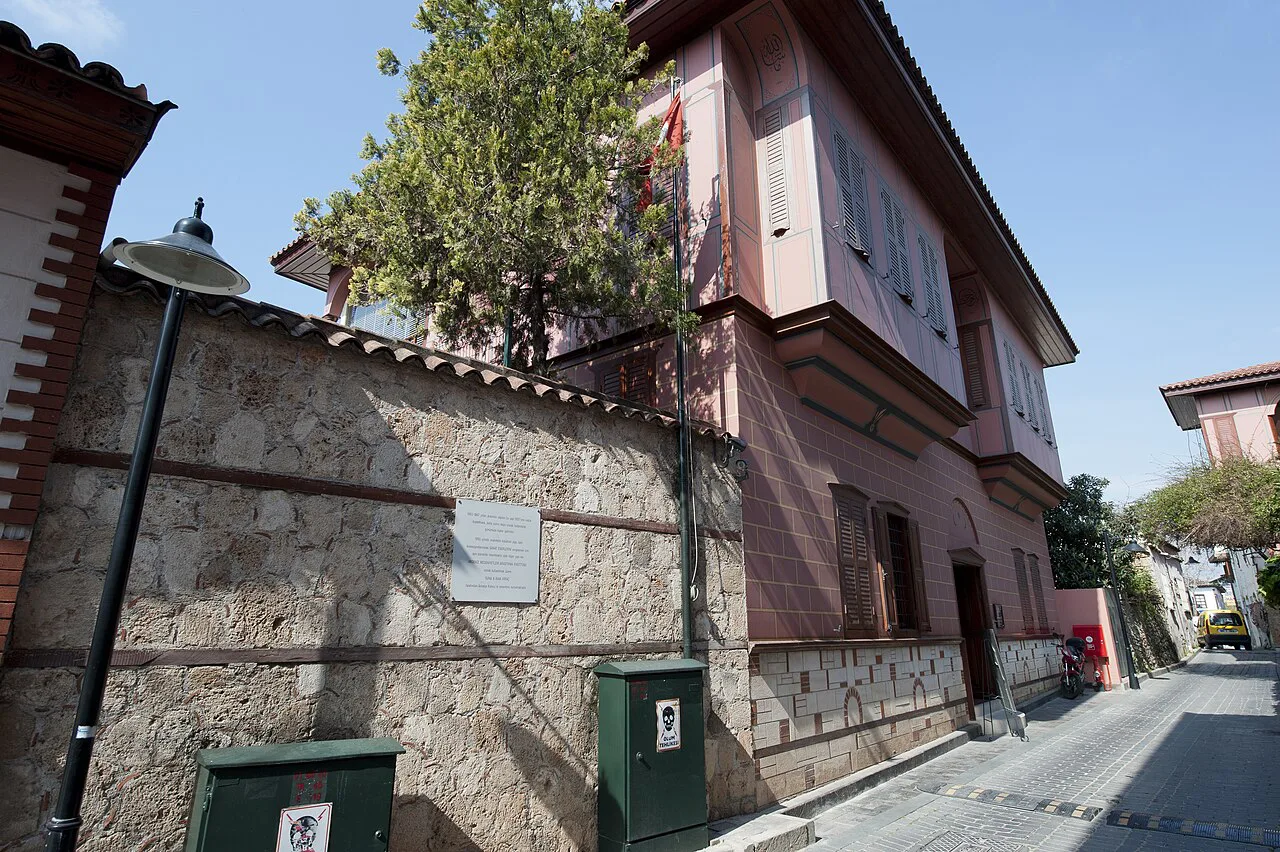
The Ethnography Museum is the easiest museum to fold into a morning in the old town, because it sits on Civelek Sokak in Kılınçarslan Mahallesi, Muratpaşa, inside the Kaleiçi quarter itself. It is formed from two Ottoman-period mansions, labelled the Lower Mansion and the Upper Mansion, each with a different emphasis.
The garden holds Seljuk and Ottoman epitaphs, cannons with their stone balls and grave stones, which makes it worth a few minutes before you go in. That combination of house interiors and open-air stonework is what distinguishes this museum from the archaeological collection across town.
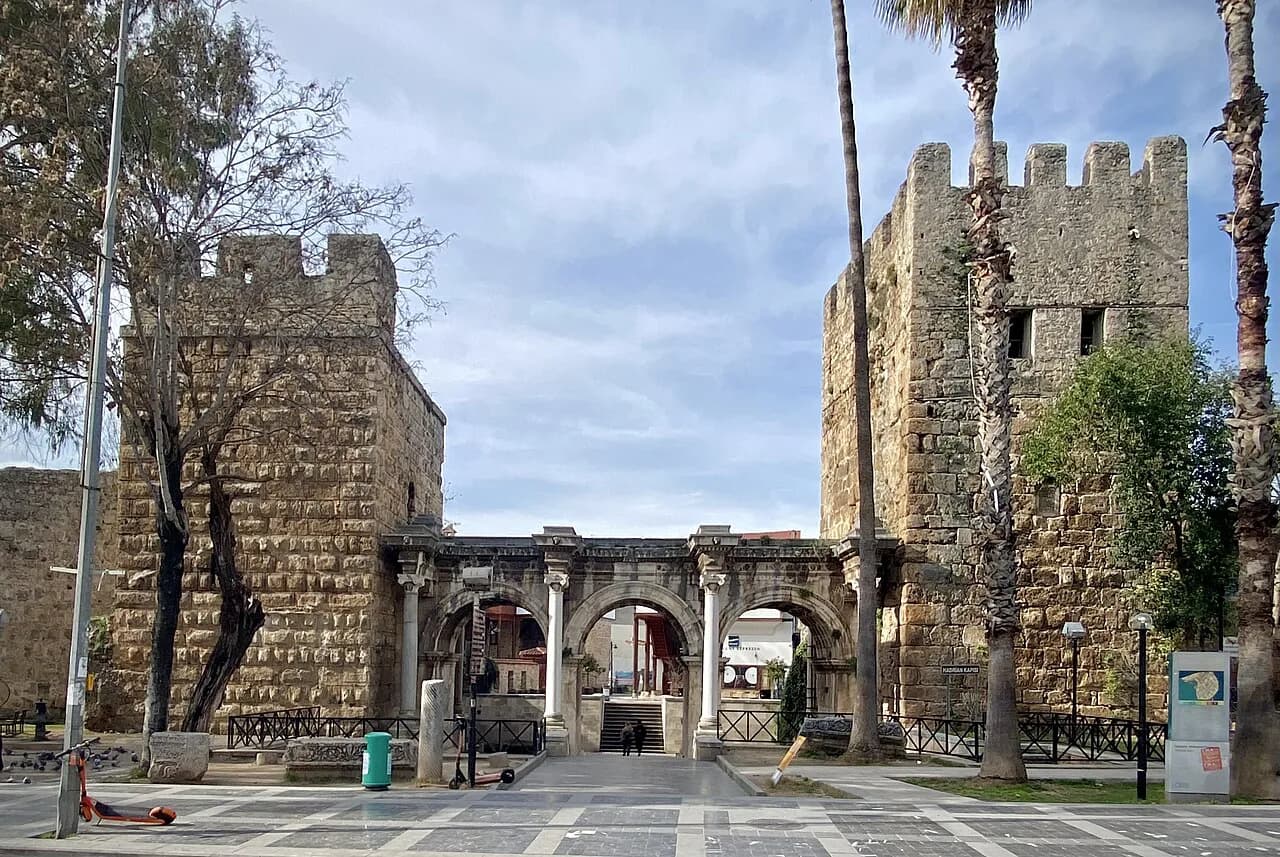
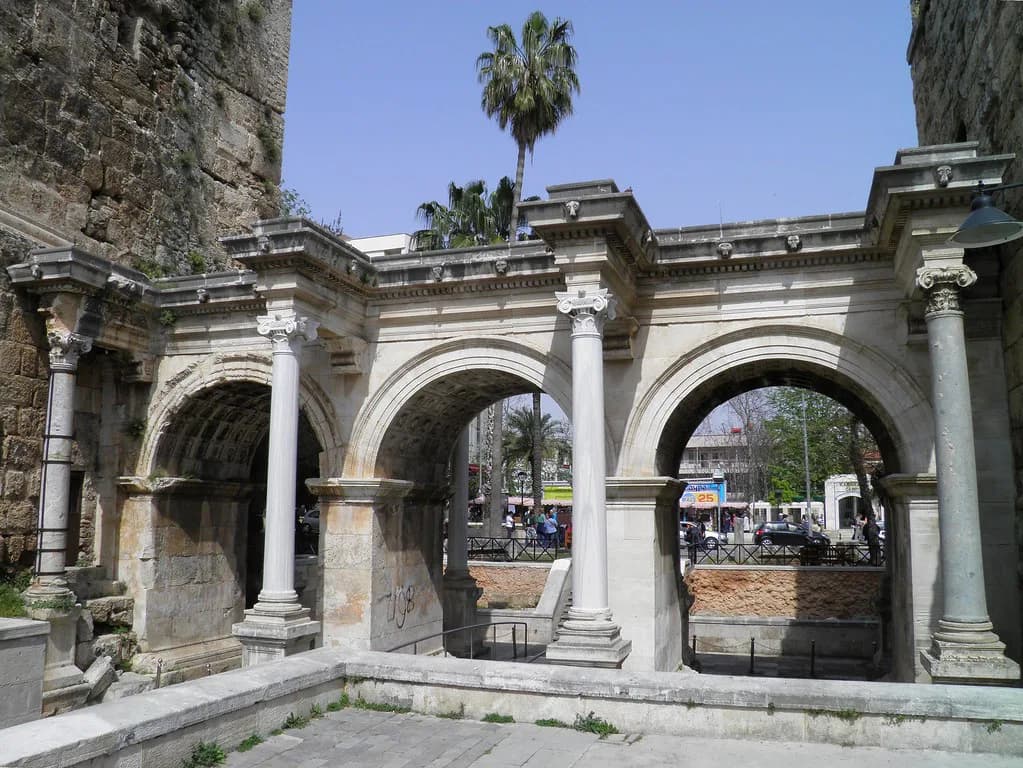
Because it is small and central, it works well as the second stop on a walk that takes in the harbour, Hadrian's Gate and the old town's mosques. Our guide to the mosques in Antalya makes a natural pairing if you want one morning covering religion, architecture and daily life.
What is inside the Ethnography Museum's lower and upper mansions?
The Lower Mansion holds Turkish-Islamic artefacts, with finds from the Kaleiçi excavations on the first floor alongside glazed tiles from the Aspendos Theater. Those tiles date from the period when the Seljuks used the theatre as a palace, which is why they are displayed here rather than at the site.
Also on the first floor are Ottoman ceramics from production centres such as İznik, Kütahya and Çanakkale, plus handmade glassware made for a range of everyday uses. The second floor shifts to weapons, domestic objects and examples of calligraphy from the Ottoman period.
The Upper Mansion is given over to daily life in Ottoman Antalya, with architectural remains on its first floor and rooms dressed with period-specific objects. Look for the Döşemealtı carpets produced in Antalya and the looms that show the stages of making them.
Visualisations carry much of the storytelling, including rooms staged to show domestic life and a section on Yörük culture as part of Antalya's heritage. If you have already walked the old town's streets, the upstairs rooms make sense of the houses you have been passing.
Ethnography Museum opening hours and tickets
Turkish Museums publishes a schedule from 1 to 31 October of 08:30 to 19:00, with the ticket desk closing at 18:30, and a winter schedule from 1 November to 30 April of 08:30 to 17:30 with the desk closing at 17:00. Confirm the day before you go, particularly around public holidays.
The same listing shows free entry for Turkish citizens, for non-Turkish adult visitors, for children, for students in art history, archaeology and museum departments, and for Turkish citizens aged 65 and over. Do not assume that free entry carries over to the Antalya Museum or the other Kaleiçi museums.
The museum has a restroom, and enquiries go through antalyamuzesi@kultur.gov.tr or +90 (242) 244-6401 if you need to check accessibility or group visits. The address for a taxi is Kılınçarslan Mahallesi, Civelek Sokak No:20, 07100 Muratpaşa.
Suna and İnan Kıraç Kaleiçi Museum
The Turkish Airlines Blog's Antalya museum guide lists the Suna and İnan Kıraç Kaleiçi Museum among the city's Kaleiçi museums. It is a small, central collection you visit on foot rather than a destination in its own right, and the guide covers it alongside the Antalya Museum, the Toy Museum and the Atatürk House Museum.
Treat it as a flexible filler for the hottest part of the afternoon, when the old town's lanes offer little shade. Check its opening days before walking over, since small Kaleiçi museums keep their own calendars.
Antalya Toy Museum and the Atatürk House Museum
The Antalya Toy Museum and the Atatürk House Museum are both covered in the Turkish Airlines Blog's guide to the city's museums. The Toy Museum is the obvious pick if you are travelling with children and need an indoor hour out of the sun.
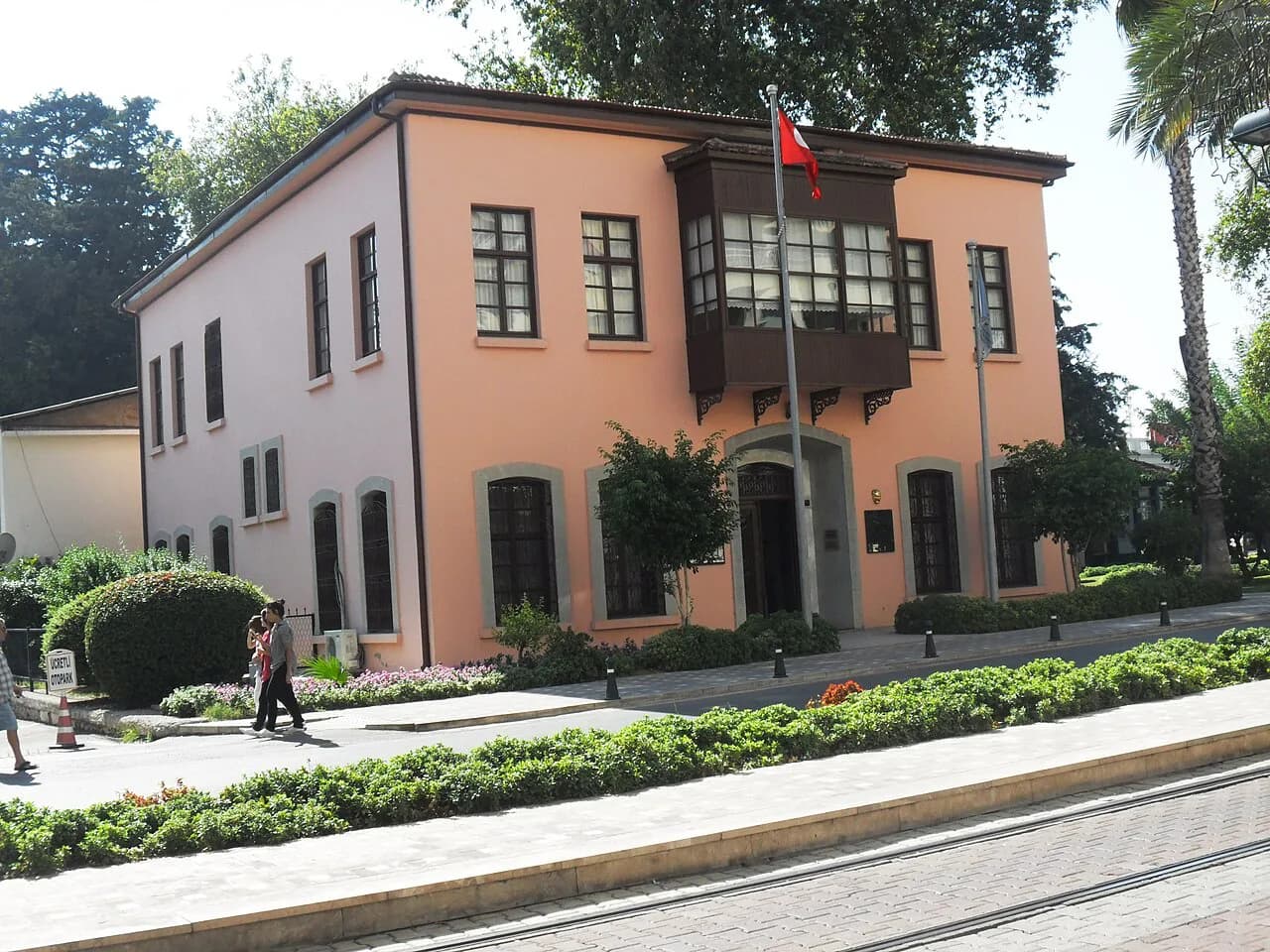
The Atatürk House Museum suits visitors with an interest in the early republican period and the city's modern history rather than archaeology. Neither is a substitute for the Antalya Museum if you have come for the Roman sculpture, so slot them in only when you have time to spare.
Side and Alanya museums within reach of Antalya
Side and Alanya each have their own museums, covered together with Antalya's in the Turkish Airlines Blog's guide to the region's collections. Both towns lie east of Antalya along the coast, so a museum visit there belongs to a full day out rather than a city morning.
If you are basing yourself in Antalya and weighing a day trip, Side and Alanya each combine a museum with a wider ancient or harbour setting. Decide by how much time you want in the car rather than by which collection sounds larger.
Which museum suits which visitor: archaeology, Ottoman life, or a rainy afternoon
Choose the Antalya Museum if Roman sculpture is the point of your trip, you are happy to take a taxi or drive west to the Konyaaltı cliffs, and you can give it two to three hours. Its Perge material and the Weary Herakles are the strongest single reason to spend a morning indoors in Antalya.
Choose the Ethnography Museum if you want Ottoman domestic life, tiles, carpets and weapons within a short walk of your Kaleiçi hotel, and you would rather see two restored mansions than a long gallery. It is also the better bet on a wet day when you want to stay inside the old town.
For a rainy afternoon with children, the Toy Museum is the practical answer, while anyone with an interest in the republican era should add the Atatürk House Museum. Pair whichever you choose with the harbour and the marina end of the old town so the walk itself earns the trip.
Practical points: tickets, Müzekart and checking hours
The Turkish Airlines Blog does not give a ticket price or fixed opening hours for the Antalya Museum, and it warns that the main building may occasionally close for restoration or technical reasons. Check the museum's own listing or ask at your hotel before travelling across town, and use a published figure for the year rather than an old guidebook.
The Ethnography Museum's published hours and free-entry categories are the most concrete details available for any Antalya museum, and they show how much the city's museums differ from one another. Read each museum's own listing rather than assuming one ticket or one timetable covers the group.
The Turkish Museums listing does not state whether a Müzekart is accepted at these Antalya museums, so ask at the ticket desk before you queue. The same desk can confirm whether the archaeological museum's main building is fully open on the day you visit.
Which museum should you book your morning for?
Give the Antalya Museum your best morning and the Ethnography Museum a spare hour in Kaleiçi, and you will have seen the two collections that justify the city's museum reputation. Add the Toy Museum or the Atatürk House Museum only if the weather turns or you have children to entertain.
Plan the archaeological visit around transport rather than opening times, since the drive or walk west is the part that eats into your day. Keep the old town museums for the hours when you are already wandering between the harbour, the clock tower and the bazaar streets.
Explore more Antalya guides
Frequently Asked Questions
Is there a museum in Antalya, Turkey?
Yes. The Antalya Museum on the Konyaaltı cliffs holds the city's archaeological collection, including Roman sculpture from Perge, and the Antalya Ethnography Museum occupies two Ottoman mansions in Kaleiçi. The Turkish Airlines Blog's museum guide also covers the Suna and İnan Kıraç Kaleiçi Museum, the Antalya Toy Museum and the Atatürk House Museum.
Why is the Antalya Archaeological Museum closed?
The Turkish Airlines Blog notes that the main building may occasionally close for restoration or technical reasons, but it does not give specific closure dates. Check the museum's own listing or ask at your hotel before making the trip west from Kaleiçi, and keep a backup plan in the old town in case the halls are shut.
How long does it take to walk from Kaleiçi to the Antalya Museum?
Allow about 35 minutes on foot via Cumhuriyet Caddesi and Konyaaltı Caddesi. By car the trip takes roughly 27 minutes via 100 Yıl Bulvarı, Konyaaltı Caddesi or Mevlana Caddesi, and about 15 minutes from the city centre. In summer the drive is the more comfortable choice.
Sources
Notes for your next Turkey trip
Optional updates when we add or correct a town guide.
You might also like

Continue reading
More guides you'll find useful