Olympos, Turkey: Ancient Ruins, Beach and Chimera Guide
Plan a visit to Olympos in Turkey: the Lycian ruins and beach, the walk through the site, the Chimera flame at Yanartaş and how to get there from the coast.
On this page
Olympos is worth a full day, not an afternoon: a Lycian city beside the sea with ruins on both sides of a river, a pebble beach you reach by walking through the ticketed site, and the Chimera flame at Yanartaş as a separate excursion. The main section of ruins took one visitor about 30 minutes to walk through, so the site itself is compact and the day is made by the beach, the wooded ruins near the water and the drive. This guide covers the layout, parking, what to bring, how long to allow and which nearby stops fit around it.
What Olympos is
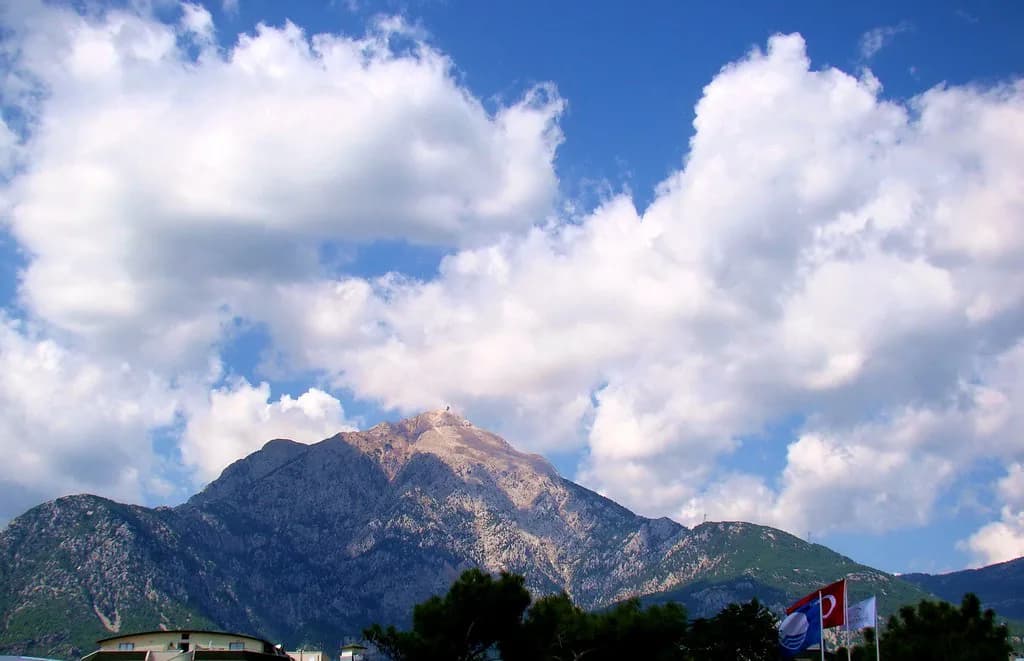
Olympos is an ancient Lycian city on the Mediterranean coast of Antalya Province, set beneath the Beydağları Mountains above the sea. It grew as a harbour city and was, according to the travel literature, one of the six primary members of the Lycian League — the frame that makes its ruins more than a scenic backdrop. Expect a ruins-and-water visit rather than a museum: the monuments are scattered through forest and beside a river.
The city lies close to the modern village of Çıralı, and the two are usually visited together because the beach and the ruins meet at the same point. Visitors staying in Olympos walk 5–10 minutes to the beach depending on where they are based, passing through the ancient city on the way. That single detail shapes the day: you buy a site ticket to reach the water, so the ruins are not an optional detour.
Where Olympos sits on the coast
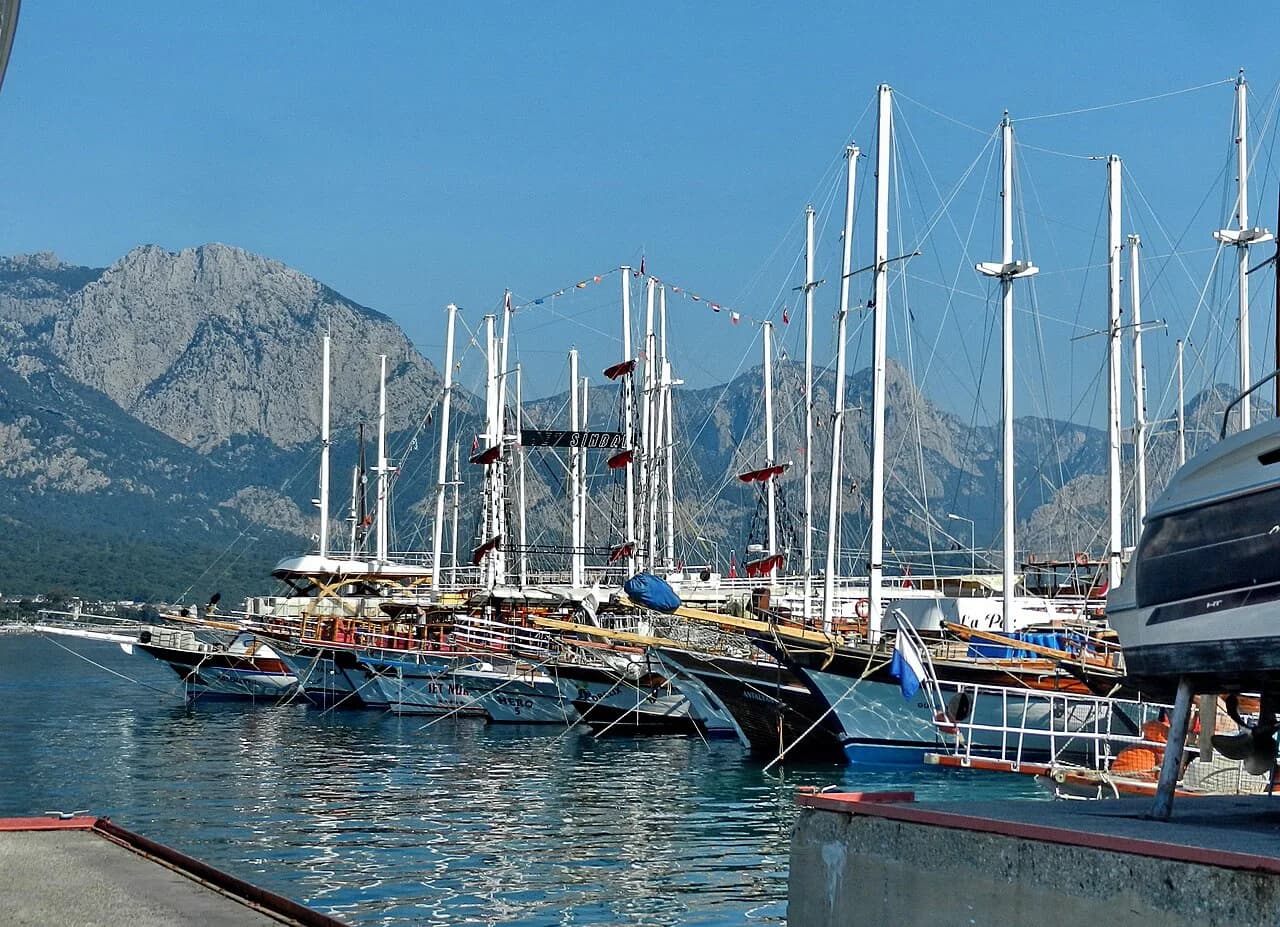
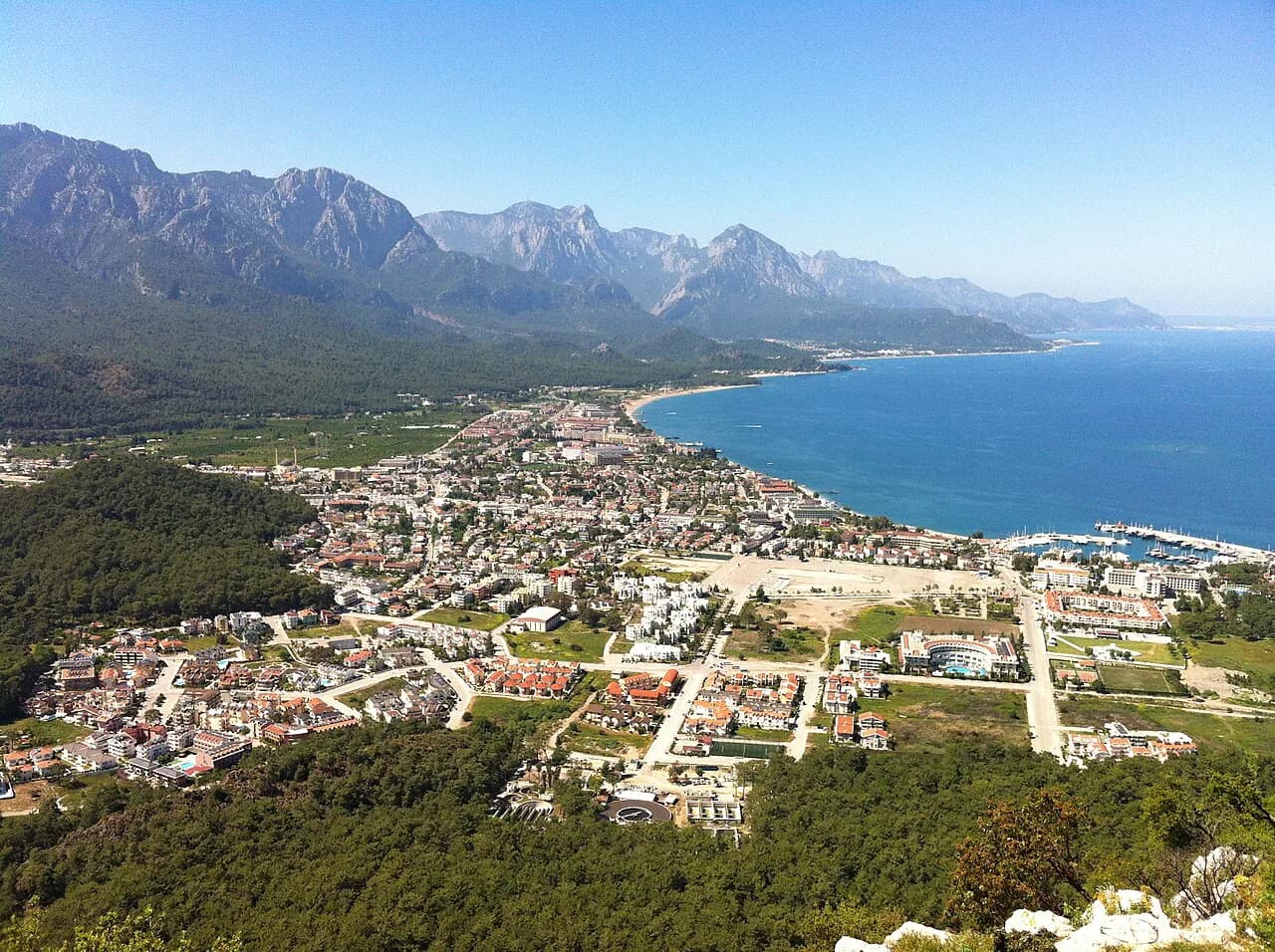
The site lies south of Kemer on the Lycian coast, reached from the D400 highway before the final descent down the mountains to the sea. Approach from the west and the last 20 minutes come down off the mountains, with a rough stretch into the valley and a crowded town to negotiate before the road ends at the Olympos car park. Plan your arrival time around that descent rather than treating the drive as motorway all the way, and if you would rather base yourself in the town, the things to do in Kemer make a convenient starting point.
Olympos pairs naturally with Çıralı on the same stretch of coast, and each suits a different kind of day: see Çıralı: A Guide to the Beach, Olympos and the Chimera Flames for the village side of that comparison. If you are based in Kemer, the site is a straightforward excursion rather than an overnight trip, and other things to do in Kemer fill the rest of the day.
How to get there and where to park
Coming from Kaş in the west on the D400, one traveller's drive took about two hours in total, including the last 20 minutes down to the coast — a specific journey from a western start point, not a figure to apply to every approach. If you drive, you will find parking on the right side after entering the museum.
Most visitors arrive by road, whether by hire car, dolmuş or an organised transfer, and the final stretch is the part that needs allowance. There are no airport-style facilities at the site entrance, so buy water and anything you need for shade before the last descent, not after. Because the walk to the beach passes through the ruins, luggage and beach gear have to be carried through the site rather than left in the car.
The main section of ruins
The main section is the first set of monuments you meet, and one visitor walked through it in about 30 minutes, with a few sections fenced off for restoration work at the time. That gives you a realistic core visit: a compact circuit rather than a sprawling archaeological park you could lose half a day in. Treat the 30 minutes as a walking time for the main section only, not for the whole site.
Among the named monuments is the Sarcophagus of Captain Eudemos, which carries two inscriptions in Greek below a head of Medusa. The necropolis area is the other set piece, with sarcophagi scattered through the trees.
The wooded half by the beach
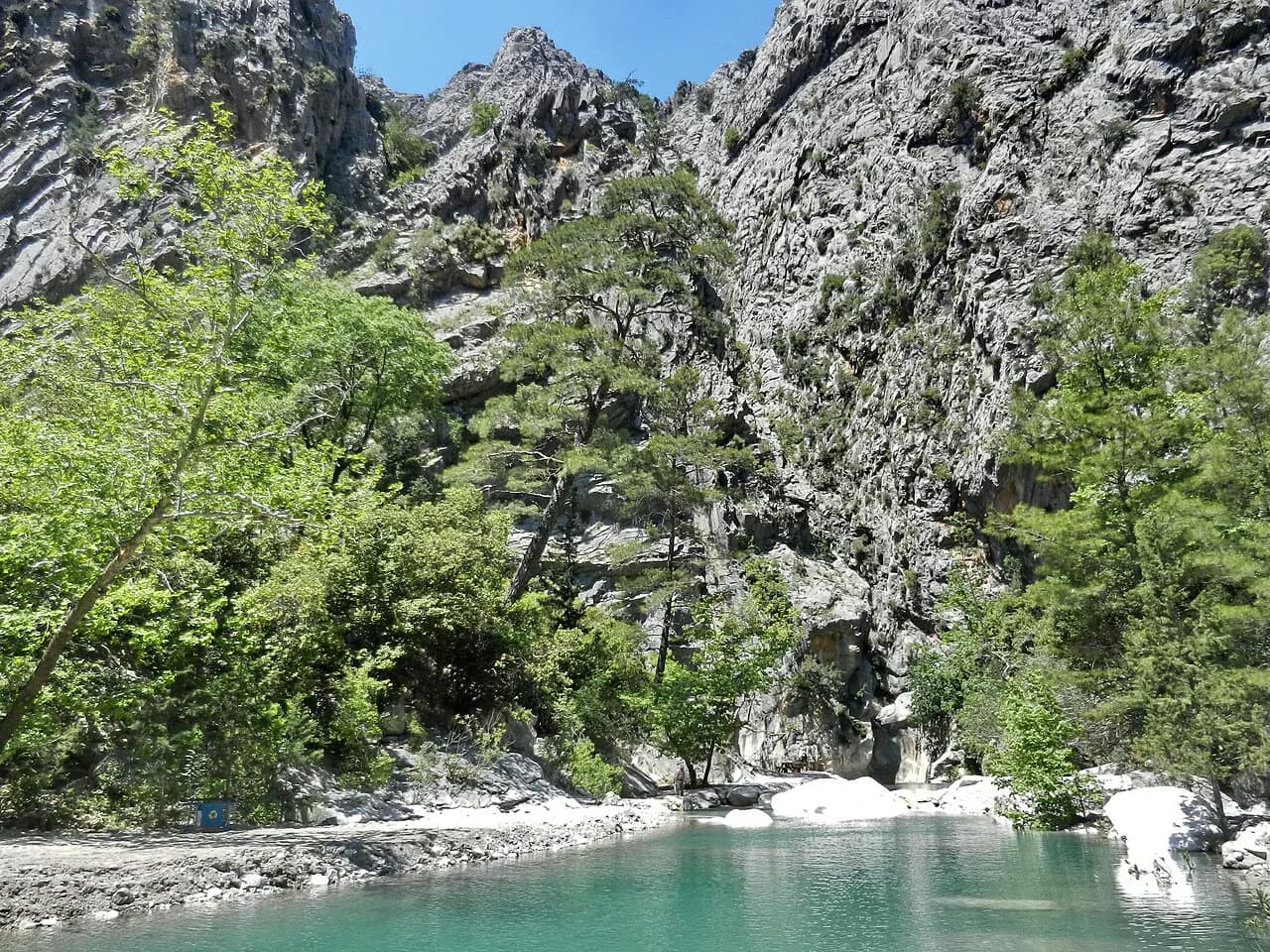
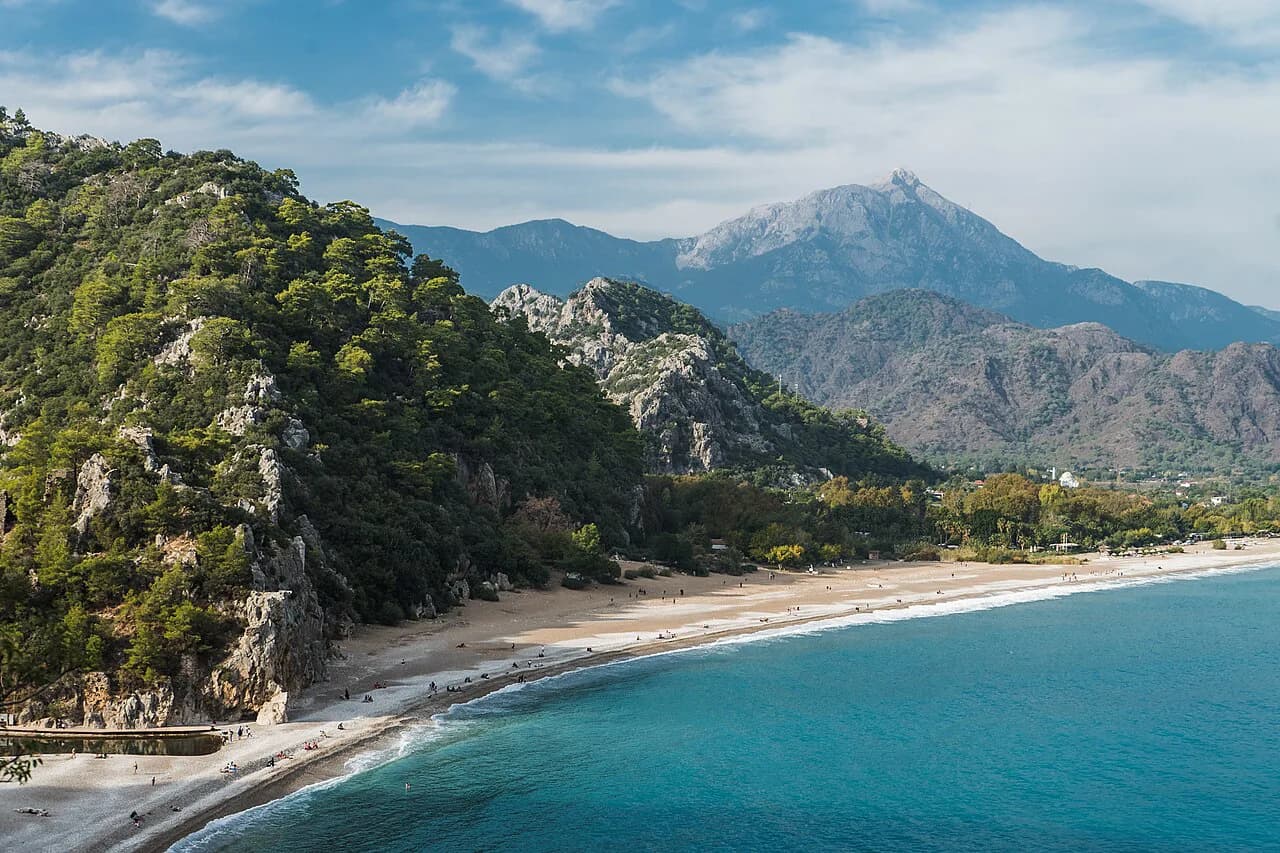
Nearer the water there is a second section of ruins in dense forest, and this is the part that catches people out. Getting through it means hopping over streams and low ruins, so it is slower and rougher underfoot than the main circuit, but it holds a further necropolis area and scattered monuments among the trees. Wear shoes you can step through water in, not just sandals for the pebbles.
Right by the beach, remains of a bathhouse and part of a bridge stand open to the sky, and the ruins frame the water from several angles. The ancient harbour city also had a theatre and other public monuments in its main section, but these are not the walk-through pieces the beach approach delivers. The effect is a swim with ancient masonry in view, which is the reason to give Olympos longer than a photo stop.
Olympos beach and the turtles
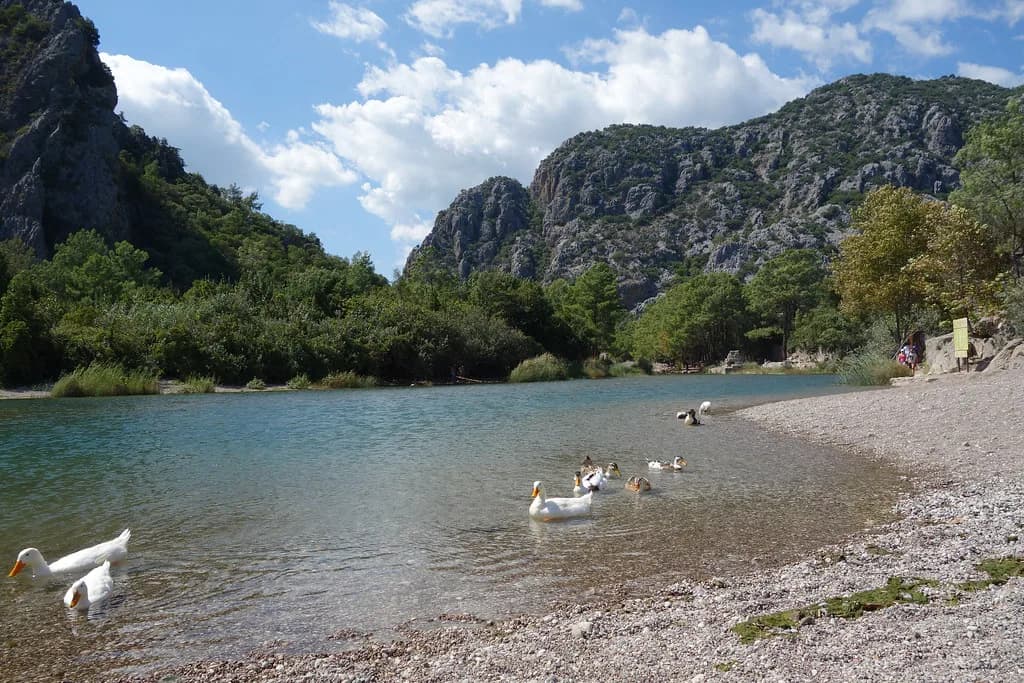
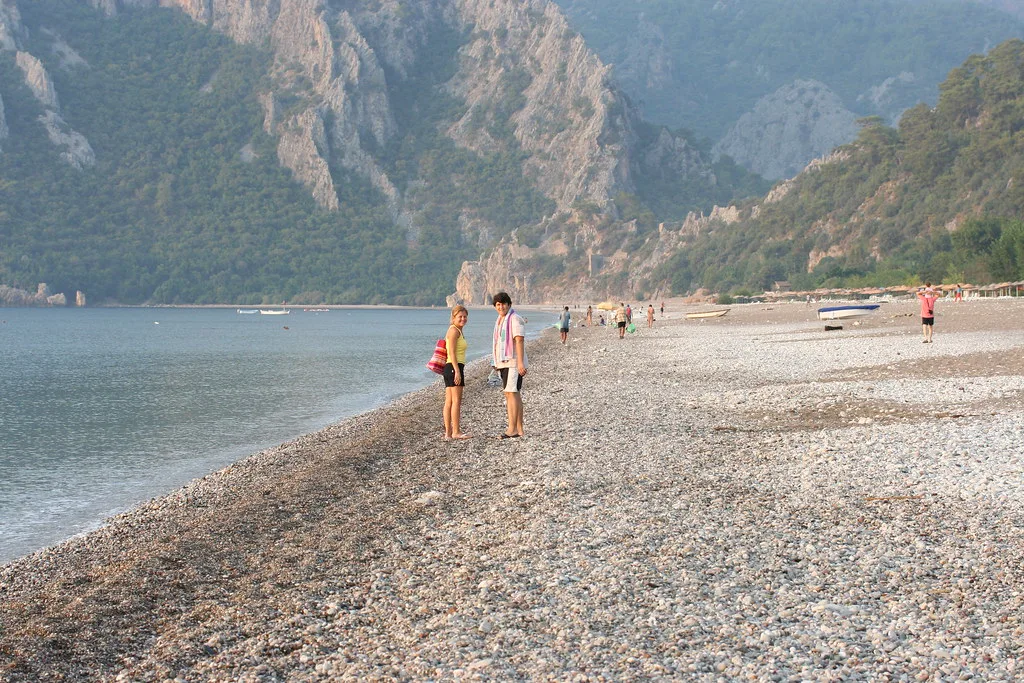
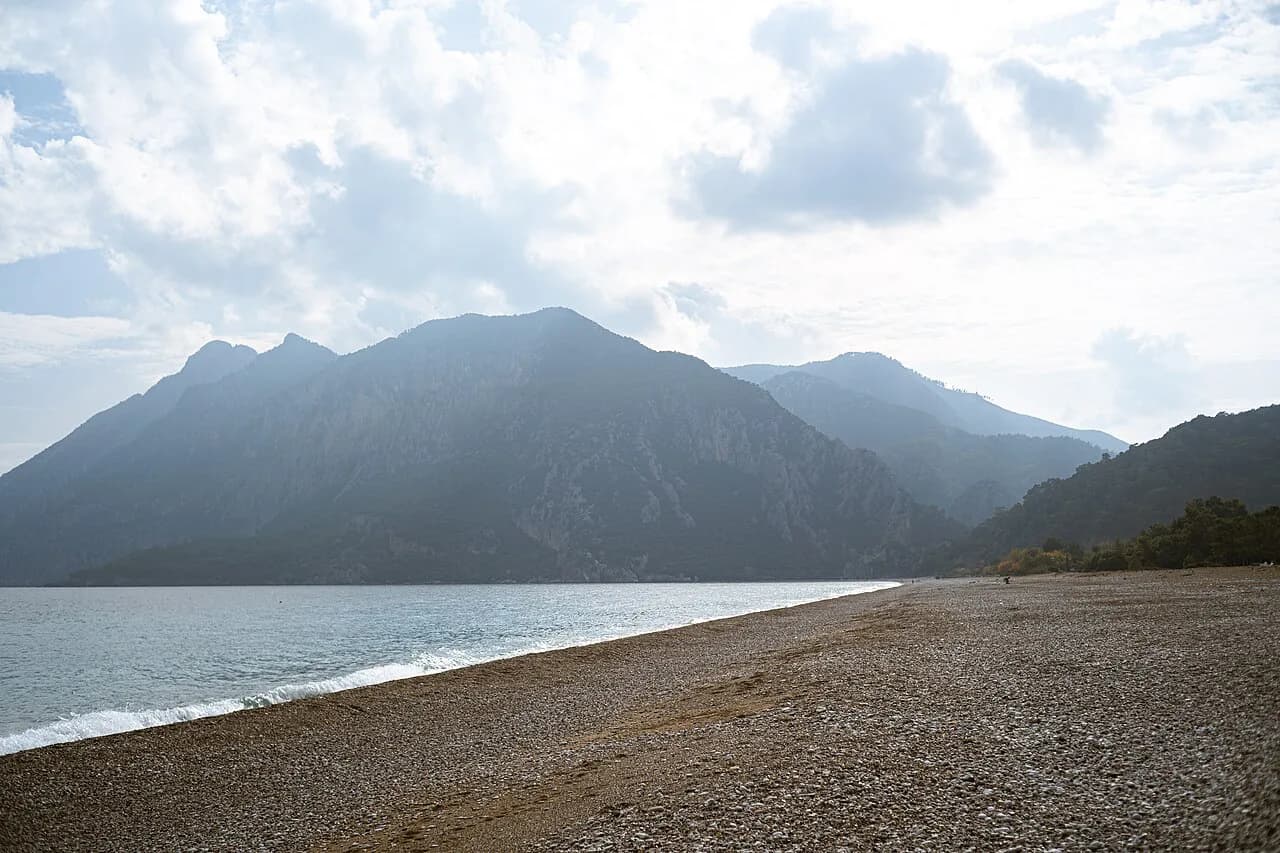
Olympos beach is pebbles and rocks rather than sand, with clear, sometimes icy water and a mountain backdrop, and there are no sunbeds or umbrellas — the ban protects loggerhead turtle eggs buried beneath the stones. There are no changing rooms or showers either, so bring a folding chair, sea shoes and your own shade. Do not dig into the pebbles with an umbrella or spade, and keep dogs on a lead.
Loggerheads bury their eggs for about two months and the hatchlings emerge at night, so behaviour after dark matters more than during the day. Keep voices and music low and avoid bright lights on the beach at night, because the hatchlings use light and direction to find the sea. This is a working nesting beach, so the rules are practical conditions of visiting rather than background colour.
How long the ruins and beach take
Give the ruins and the beach a single half-day at minimum and a full day comfortably: the main section walks in about 30 minutes, the wooded section and the beach add more, and the walk in and out through the site adds more again. The wider Olympos area is recommended for 2 to 4 days if you want diving, rock climbing and the Chimera as well — that is a suggestion for the area, not the time needed for the ruins.
If your priority is the beach, arrive early enough to walk through the site before the heat builds, and plan the ruins for the shaded wooded half later. If your priority is the archaeology, do the main circuit first while you are fresh and treat the beach as the reward. Either way, the return walk through the site is part of the timing.
Tickets and entry
The site ticket covers the walk through the ancient city to the beach, so budget for one admission per person rather than separate beach and ruins charges. One reviewer reported that a ticket for foreign visitors of any age, including a child, was 10 euros — a historical figure from an individual review, not a current rate. Check the ticket price at the gate or on the current ticket page before you set out.
Müzekart validity at Olympos is worth confirming at the gate rather than assumed from other sites on the coast. Opening hours and seasonal schedules are not published in the sources used here, so check them directly on the day you plan to go. Keep the ticket accessible, because the walk in and out passes the same access point.
The Chimera flame at Yanartaş
The Chimera is a natural gas flame burning from the mountainside at Yanartaş, reached on foot from the Olympos area, and it is best seen after dark. Seeing it properly means a few hours of hiking, which is why summer heat pushed one visitor to skip it — an honest trade-off rather than a reason to drop it from your plan. Treat it as its own evening excursion, not an add-on to the ruins walk.
Bring a torch, sturdy shoes and a layer for the walk back, and check the walking route before you commit in midsummer. Chimaera (Yanartaş) has the full picture of the Yanartaş site and the flame itself.
Tree houses and the backpacker side
Olympos became known in the 2000s largely through Kadir's Tree Houses, which is the name that put the village on the backpacker map. The area is protected, which is why the accommodation is small-scale shacks and tree houses rather than large hotels, and that remains the character of the place.
The wider area has named bars and cafes including Hangar Bar, Bull Bar, Orange Bar and Cafe Cactus, and stalls and shops selling handmade goods. It is a young, relaxed base for the ruins and the beach, not a polished resort strip.
Nearby places worth adding
Adrasan beach is about a 20-minute car ride from Olympos and is sandy rather than pebbly, with hotels, cafes and water sports along the front. It suits a second beach day if the pebbles at Olympos are not what you came for. The trade-off is a short drive each way rather than a walk.
Phaselis lies to the north and was, with Olympos, one of the two most important harbour cities in the region, so the pair makes a coherent ruins day with a car. Phaselis has its own coastal setting and Roman remains worth a separate stop. If you are weighing the two, Phaselis Ancient City has its own guide among the things to do in Kemer.
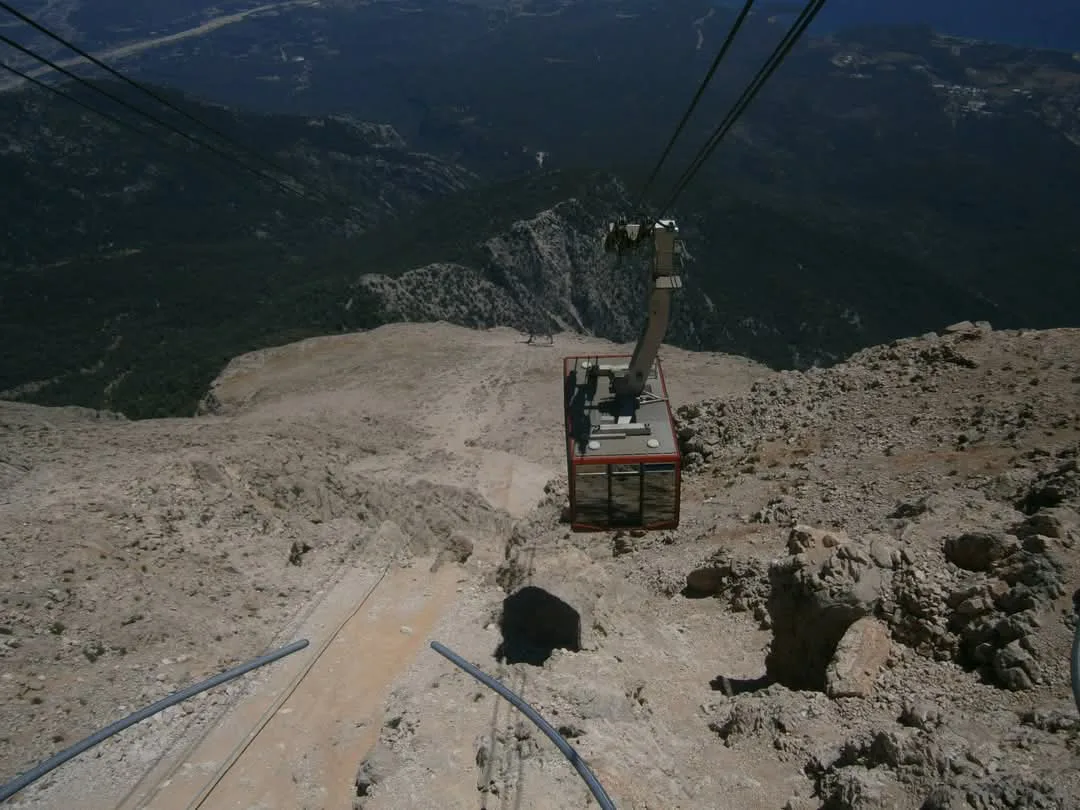
The Tahtalı Dağı cable car and paragliding launches sit above the coast nearby, and a cable car ride gives you the aerial view of the Beydağları shoreline without a hike. Add it on a clear morning rather than squeezing it in after the beach; Mount Tahtalı features among the things to do in Kemer if you want the cable car as a full half-day.
Olympos versus Çıralı
Olympos gives you the ruins and the beach in one walk, with tree house accommodation and a young crowd, but the beach is pebbly, shade-free and without facilities. Çıralı is the village alternative on the same coast, where you can stay on the quieter settlement side and reach the same beach and ruins on foot. Neither wins outright: choose Olympos for the ruins-and-swim pairing and Çıralı for a slower village base, then visit the other on foot or by a short drive.
What to bring and practical constraints
Pack sea shoes for the pebbles, your own umbrella or shade, drinking water and something to sit on, because the beach has no sunbeds, changing rooms or showers. A torch matters if you are doing the Chimera walk after dark. Bring cash for the gate and keep your ticket to hand.
Summer heat is the main constraint on the wooded section, where you hop over streams and ruins in dense forest, and restoration work can close individual monuments in the main section. The final road down into the valley is rough and busy, so allow extra time for the approach. Plan the ruins for the cooler part of the day and the beach for the middle.
Is Olympos worth the day?
Yes, if you want a Lycian city and a swim in the same walk: the main ruins take about 30 minutes, the wooded section and beach add the rest, and the ticket covers the whole route to the water. Skip it only if you need sand, sunbeds and showers, in which case Adrasan or the Çıralı side suits better.
Build the day around an early arrival, a car park at the entrance, sea shoes and your own shade, then decide separately whether the Chimera walk fits your evening. Confirm the ticket price and opening arrangements at the gate before you travel, because neither is fixed.
Explore more Kemer guides
Frequently Asked Questions
Is Olympos in Turkey or Greece?
Olympos is in Turkey, on the Mediterranean coast of Antalya Province near the village of Çıralı. It is an ancient Lycian city, with no connection to Mount Olympus in Greece.
Do you have to pay to reach Olympos beach?
The beach is reached by walking through the ticketed ancient city, so admission covers the route to the water. Buy your ticket at the entrance and keep it with you for the walk back.
Can you swim at Olympos beach?
Yes, and the water is clear, though it can be cold. There are no sunbeds, umbrellas, changing rooms or showers, and the beach is a loggerhead turtle nesting site, so avoid digging, keep lights and noise low at night and keep dogs on a lead.
How long does the Chimera walk take?
Allow a few hours on foot for the round trip to Yanartaş, and go after dark when the flame shows best. Check the route and conditions locally before setting out in summer heat.
Sources
Notes for your next Turkey trip
Optional updates when we add or correct a town guide.
You might also like
Continue reading
More guides you'll find useful