Antalya Turkish Bath Guide: What Happens, What to Bring
A practical guide to Turkish baths in Antalya: the steam, kese scrub and foam ritual, what to wear and bring, etiquette, and how sessions and prices vary.
On this page
A Turkish bath in Antalya is a paid session built around heat, scrubbing and washing rather than a quick shower: you sit in a steam or hot room, an attendant works off dead skin with a coarse glove, then rinses you under a foam wash before you rest. Most places in the city sell this as part of a package that also includes a massage. Expect to spend an hour and a half to two and a half hours once changing and resting are counted.
The baths cluster in two kinds of setting: family-run hammam and spa centres in central Antalya and towards Lara, and spas attached to hotels, which often feel more geared to holidaymakers. What follows covers the order of a session, what to wear and bring, how belongings work, etiquette in the hot room, health points to sort out before you go, and how to read prices against what a package includes.
What a Turkish bath in Antalya involves
The core ritual has four parts: heat, exfoliation, foam and rest. In the hot room, called the hararet, you sweat until your skin softens. Then an attendant scrubs you down with a kese, a rough mitt that lifts off dead skin, and follows it with a soapy foam wash that leaves you rinsed clean. A massage and a face mask often come next, and the session ends in a cooler relaxation room with a drink, usually tea.
Mega Hamam in the Lara-Güzeloba district describes itself as a traditional Turkish bath and sauna centre and lists the classic body polish, foam bath and steam bath alongside extras such as mud, seaweed and chocolate baths, facials and a salt room. It says it can take 30 people at once and welcomes individuals and groups, which matters if you are travelling as a family or a party.
Packages sold to visitors lean on the same sequence. One traditional bath experience offered in the Lara area runs a steam session, deep exfoliation, foam massage and a finishing oil massage in a hammam setting. Read the inclusions before you choose, because the difference between two packages is usually the length of the massage and the number of add-ons rather than the scrub itself.
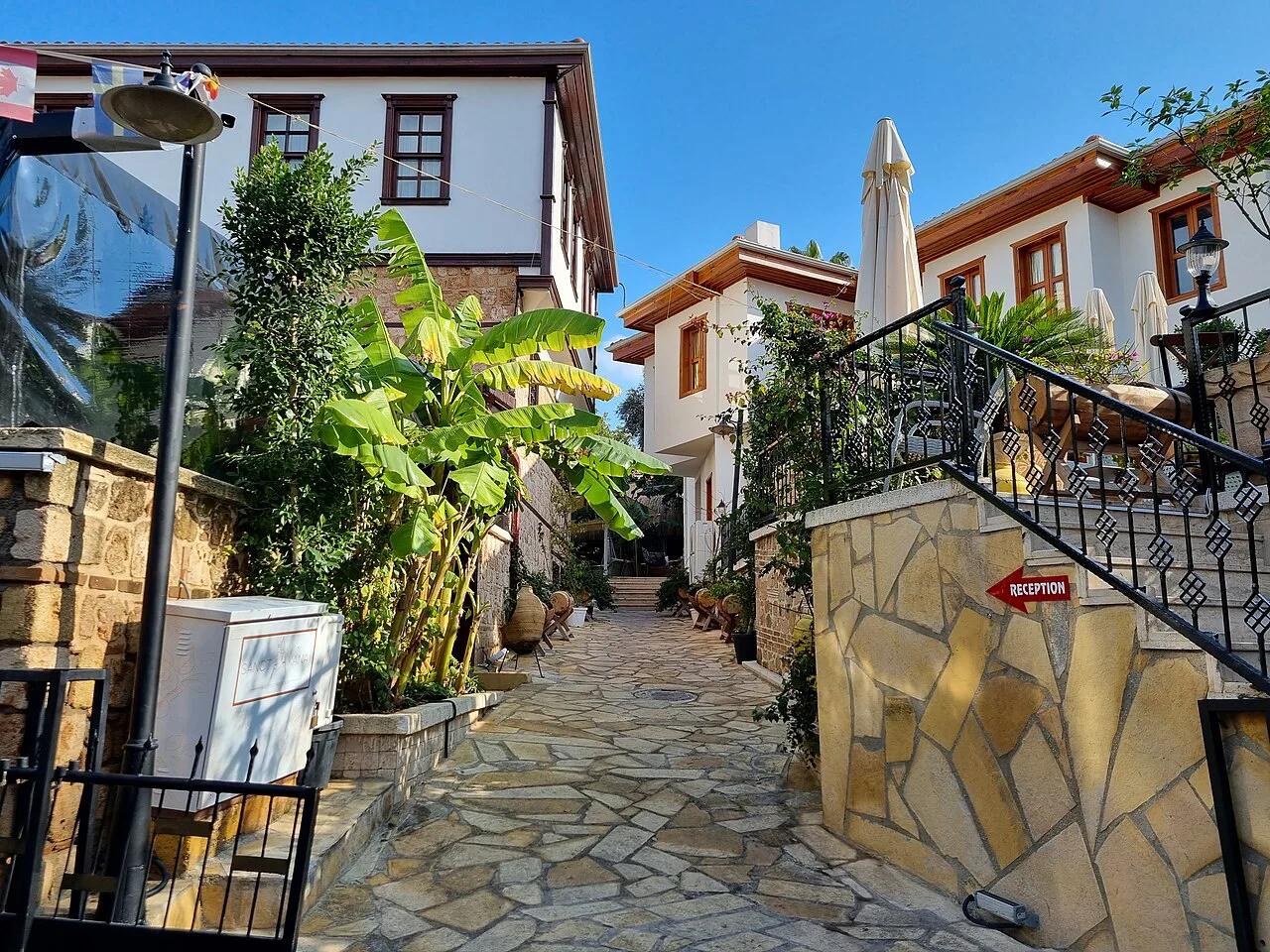
Where the baths are: Lara, the centre and hotel spas
For a named address, Mega Hamam gives 1306. Sk. No:35/A in the Haşim İşcan neighbourhood of Muratpaşa and also describes itself as serving the Lara-Güzeloba district; the same operator runs a separate Mega Luxury SPA in Side at 1132 Sokak No:1, Selimiye Mahallesi. That gives you a city-side option and a separate one if your trip reaches the Side coast.
Beyond that, the choice is between a stand-alone hammam, a city spa and a hotel-linked spa. Hotel spas tend to be smoother to book and easier to reach from a resort, while independent baths feel more like a local institution and often cost less for the basic ritual. Budget travellers and families usually get better value from the independent places; hotel guests who want a sauna, pool and long treatment menu may prefer to stay on site.
If your day already includes a coastal outing, keep the bath for the evening rather than squeezing it in before an Antalya boat trip, since you will want a shower and a lie-down afterwards.
The order of a session, room by room
You start in the changing area, where you leave most of your clothes and wrap yourself in a towel or pestemal. The first proper stop is the hot room or steam room, where you sit on the heated slab and let the heat open your pores. Attendants then move you to the washing area for the kese scrub and foam, before a massage room and finally a cooler lounge for tea and recovery.
Knowing the sequence helps you decide what to pay for. A basic bath covers heat, scrub, foam and rest; a longer package adds an oil or aromatherapy massage and possibly a face mask. If you only want the traditional scrub, say so at the desk, because walk-in packages often bundle a massage by default.
What to wear and what to bring
People do not go naked in a Turkish bath. Most bathers wear underwear or swimwear, and a spare pair is worth packing because whatever you wear in the hot room ends up soaked. Bring flip-flops or shower shoes for the wet floors, and take them off before the sauna if you use one. Leave jewellery and contact lenses behind, and bring your own soap if your skin is sensitive.
Towels and soap are usually supplied, but provision varies between venues, so confirm what is included when you book. Travel light: a small bag with a spare change of underwear, flip-flops and a hair tie covers most visits.
Lockers and belongings: travel with as little as possible
Do not treat a hammam as somewhere to store valuables. Lockers are not guaranteed, and bags may sit in open changing areas rather than a secure cupboard. Bring only what you need for the session: a little cash, your phone if you must, and your room key. Leave passports, cards you will not use and large amounts of cash at the hotel.
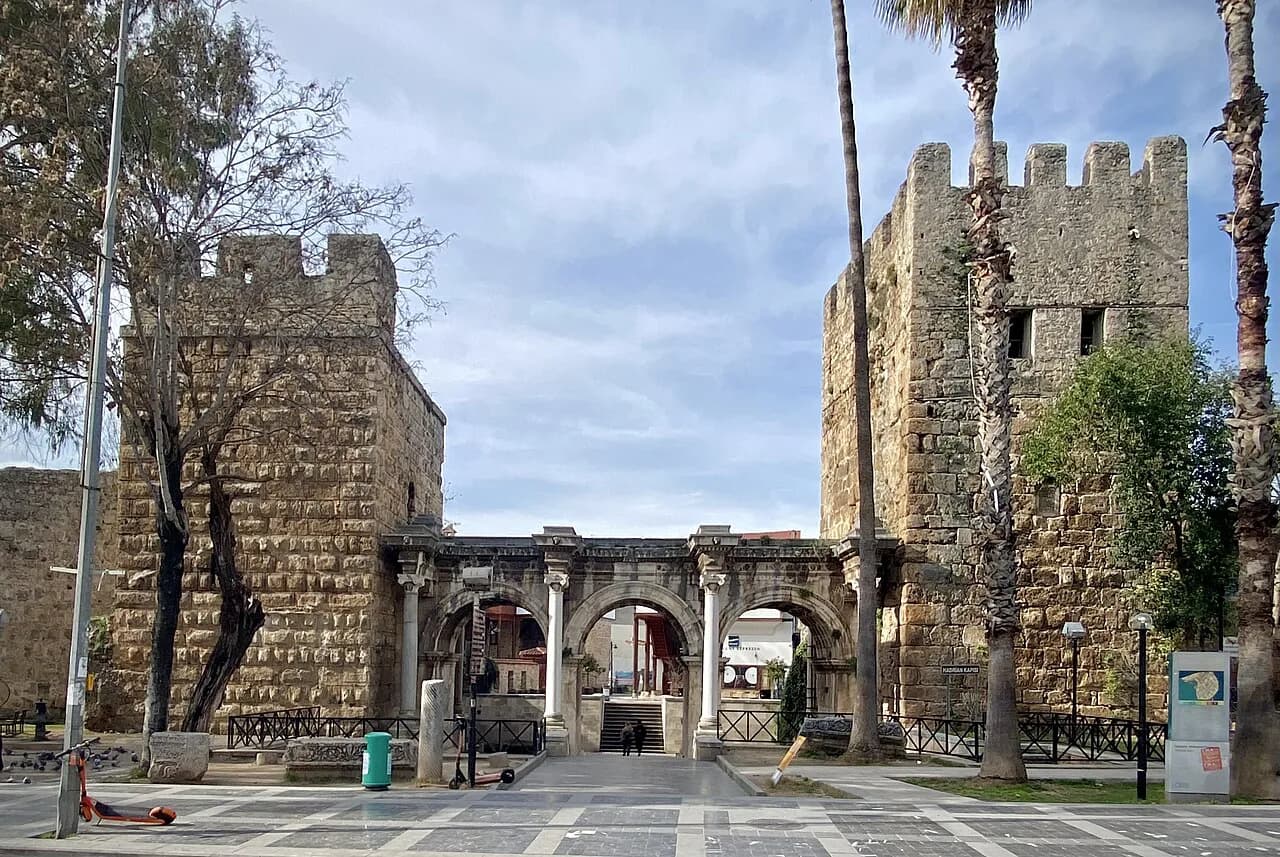
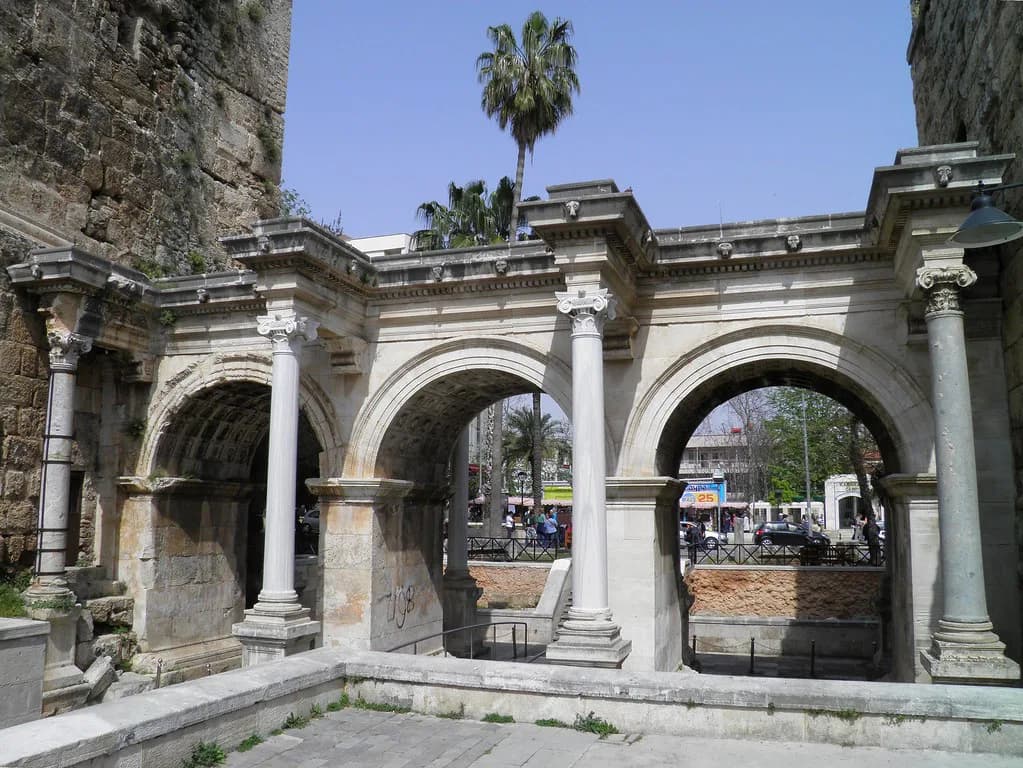
If you are coming straight from a day out, plan to drop your bag first, particularly if your outing took in Hadrian's Gate or a walk through Kaleiçi.
Etiquette in the hot room and shared spaces
The hot room is a quiet place, and the etiquette is simple: keep your voice down, keep your towel on as you move between areas, and do not disturb other bathers. Most baths separate men's and women's sessions or provide separate areas, so ask which arrangement applies when you book. Attendants are used to first-timers, so say if you want a gentler scrub or a cooler spot.
Off-peak slots make a real difference. Coming early in the morning or in the early afternoon usually means a quieter, more private session than the peak late-afternoon hours. Groups can book together, and larger venues such as Mega Hamam take parties of up to 30 at once.
Health and comfort before you go
Eat at least two hours before your session, and do not arrive either stuffed or completely empty, since heat and fluid loss can leave you faint or nauseous. Skip alcohol beforehand, as it reacts badly with the heat. Tell staff if you have low or high blood pressure or a heart condition, and let them place you in cooler sections or keep you away from the hottest rooms.
Between treatments, ask for water or a mineral-rich drink. If you wear contact lenses, remove them first, and leave glasses outside the steam. Bring a spare pair of underwear and expect to feel wobbly for a few minutes after the hot room.
How much a Turkish bath in Antalya costs, with 2023 price examples
Prices vary widely by venue and package, so compare what is included rather than chasing the cheapest headline. A published 2023 survey of Antalya spas gave Dao Spa programmes at 1000–1450 TL, BlueSpa at 1100 TL for a 2.5-hour experience, and Aura Spa at 800 TL for a 1.5-hour session. Treat those figures as 2023 examples, not current rates.
To judge value, divide the price by the session length and check what is bundled: scrub, foam, massage, face mask, sauna and refreshments all change the deal. A longer package that includes an oil massage is not necessarily worse value than a short scrub-only visit. Turkish lira prices move, so ask the venue for the current rate when you book.
Choosing between a traditional bath and a hotel spa
A traditional hammam gives you the scrub, foam and a simple room to rest in, usually for less money. A hotel or resort spa adds sauna, steam, pool, massage menu and sometimes nail treatments, and is easier to fit around a beach day. If the ritual itself is what you came for, choose the traditional bath. If you want a long, comfortable afternoon with several treatments, the spa wins.
Families and groups should check capacity and session arrangements before booking. Mega Hamam, for example, says it can host 30 people at once and welcomes groups, which makes it a simpler choice for a party than a small independent bath.
Booking and timing: off-peak slots and group visits
Book ahead in summer, when Antalya's visitor numbers peak, and ask for a morning or early-afternoon slot to avoid the rush. If you are combining the bath with other sightseeing, keep it for a rest day rather than a day that includes excursions. In the cooler months the bath is a good wet-weather option, since you are indoors anyway.
Some spas take bookings by phone or messaging apps. Mega Hamam, for example, lists a WhatsApp number for appointments, and its site describes online booking. Ask what to bring and whether towels are provided when you confirm.
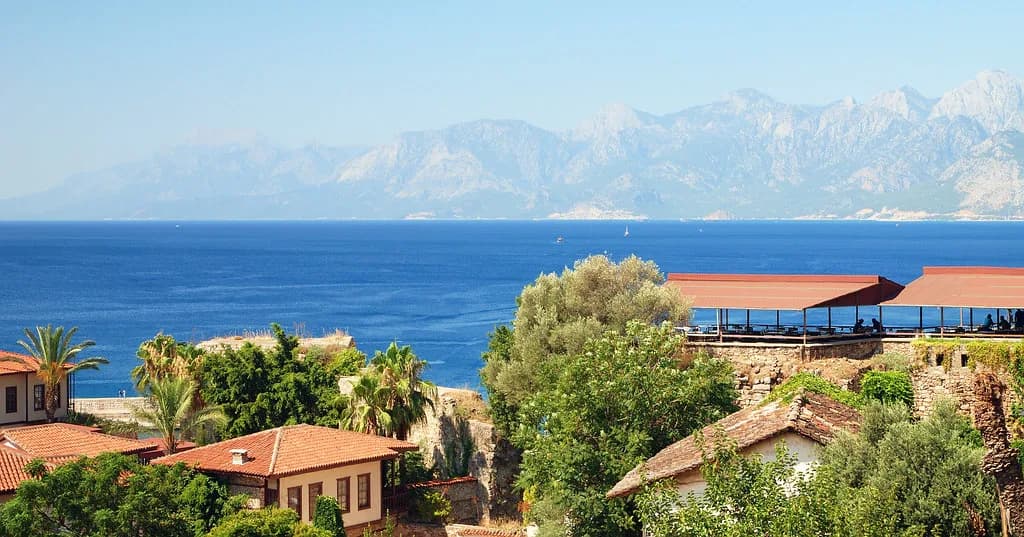
If you are planning a mixed week of boat trips, ruins and the Taurus Mountains, put the bath towards the end, when a slow afternoon with tea and a scrub is welcome.
Which bath should you book?
Choose a traditional hammam if you want the real scrub-and-foam ritual at a lower price, and a hotel or resort spa if you want a long treatment menu, sauna and pool in one place. In either case, book an off-peak slot, bring spare underwear and flip-flops, leave valuables behind, and ask the venue for its current price and what the package includes before you commit.
Frequently Asked Questions
What happens during a Turkish bath?
You sit in a hot or steam room until you sweat, then an attendant scrubs off dead skin with a kese mitt, washes you with foam, and may follow with a massage and face mask. The visit ends in a cooler room with a drink.
What do you wear in a hammam?
Most visitors wear underwear or swimwear under a towel, and a spare pair is worth packing because it will get wet. Bring flip-flops for the wet floors and leave jewellery and contact lenses behind.
Sources
Notes for your next Turkey trip
Optional updates when we add or correct a town guide.
You might also like
Continue reading
More guides you'll find useful