Antalya Bazaar: What to See, Buy and How to Haggle
The Antalya Bazaar is the old covered market by the clock tower and Kaleiçi. Here is what is sold, how the weekly markets differ and how to haggle fairly.
On this page
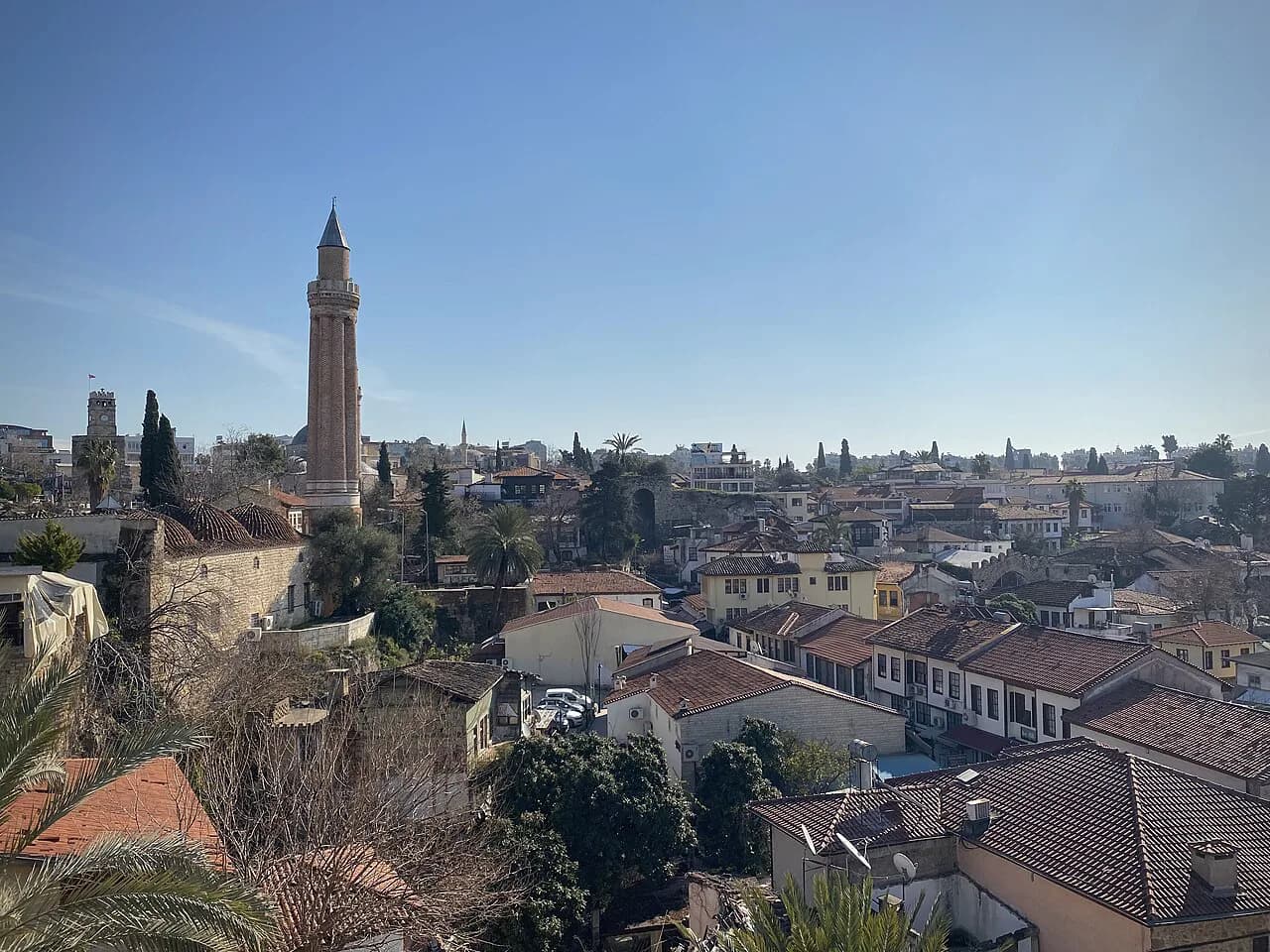
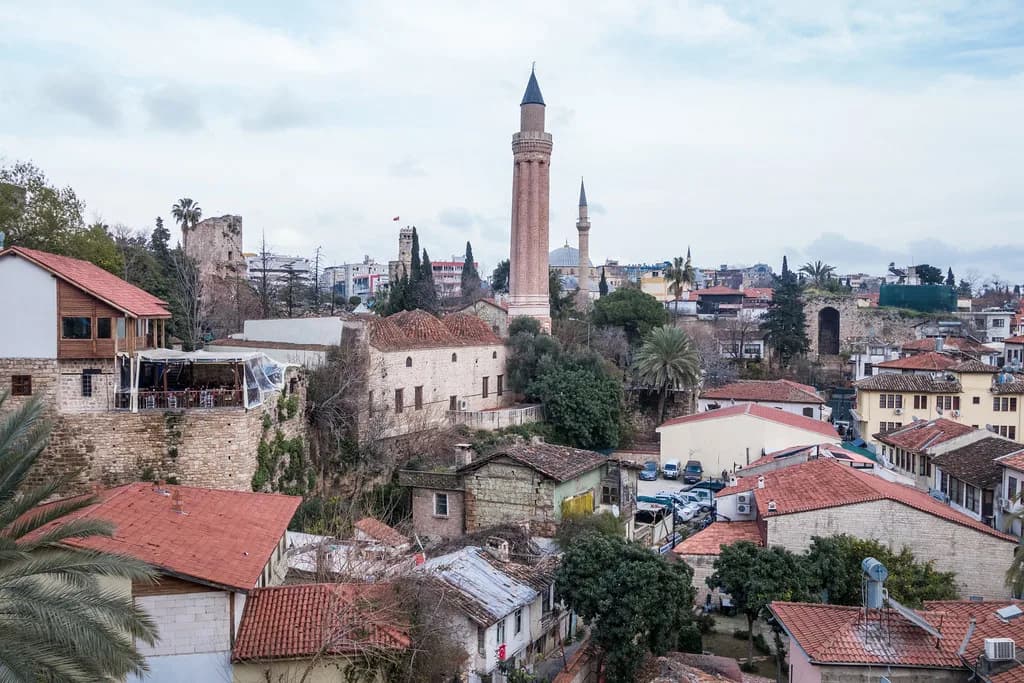
Treat the Antalya Bazaar as a half-day wander rather than a single stop: the covered bazaar near the clock tower, the long market streets around it and the souvenir lanes of Kaleiçi sit within walking distance of each other. Everything is sold within a compact old centre, so you can see the main market alleys, browse carpets and copperware, and still have the afternoon for the harbour. This guide covers what is sold where, how the fixed markets differ from the weekly farmers' markets, and how to haggle without being misled.
What the Antalya Bazaar is and where it sits
The covered bazaar near the clock tower is the market most visitors mean when they say Antalya Bazaar, and it sells the mix you would expect of it: souvenirs, honey, bags, clothing and spices. Its central position makes it the obvious first stop, and the covered sections give some relief from the sun. Expect noise and stallholders calling out their goods.
The wider Antalya Bazaar is open all week according to the city's market listings, so it is not a single-morning event you can miss. That said, treat any weekly pattern as a general guide rather than a timetable: confirm on the ground before you build a day around one stall. The same listings describe the market as partly covered and central, which is why it draws so many day visitors.
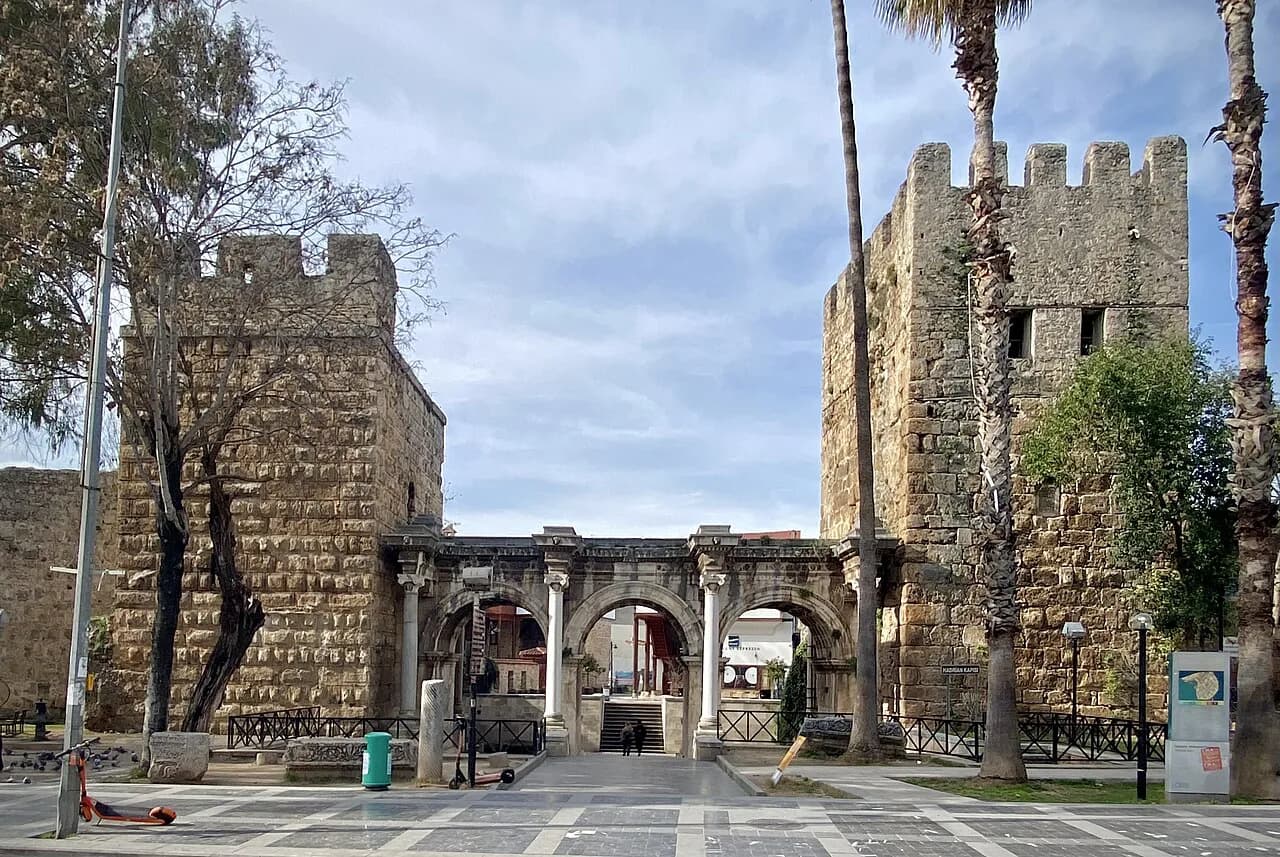
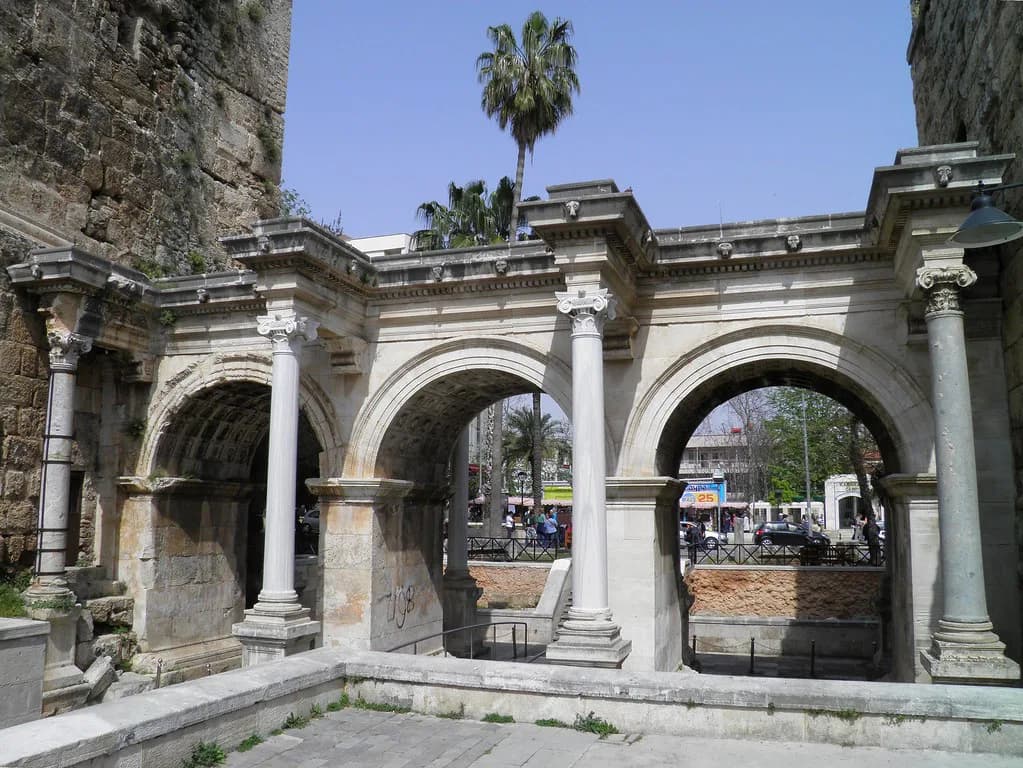
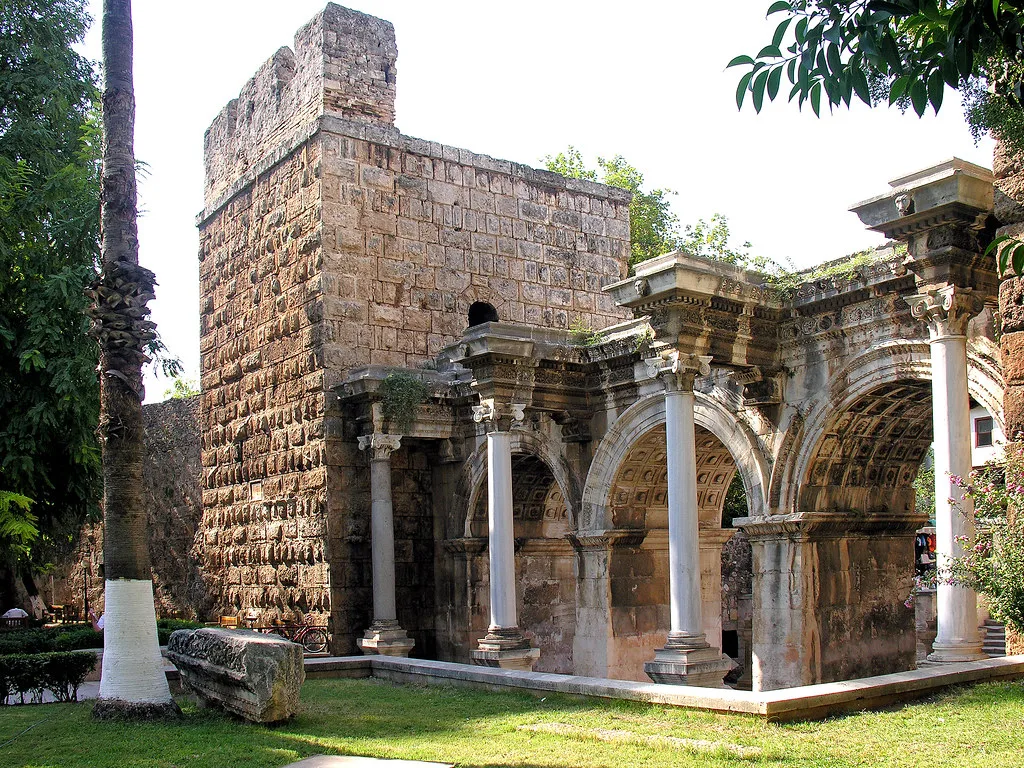
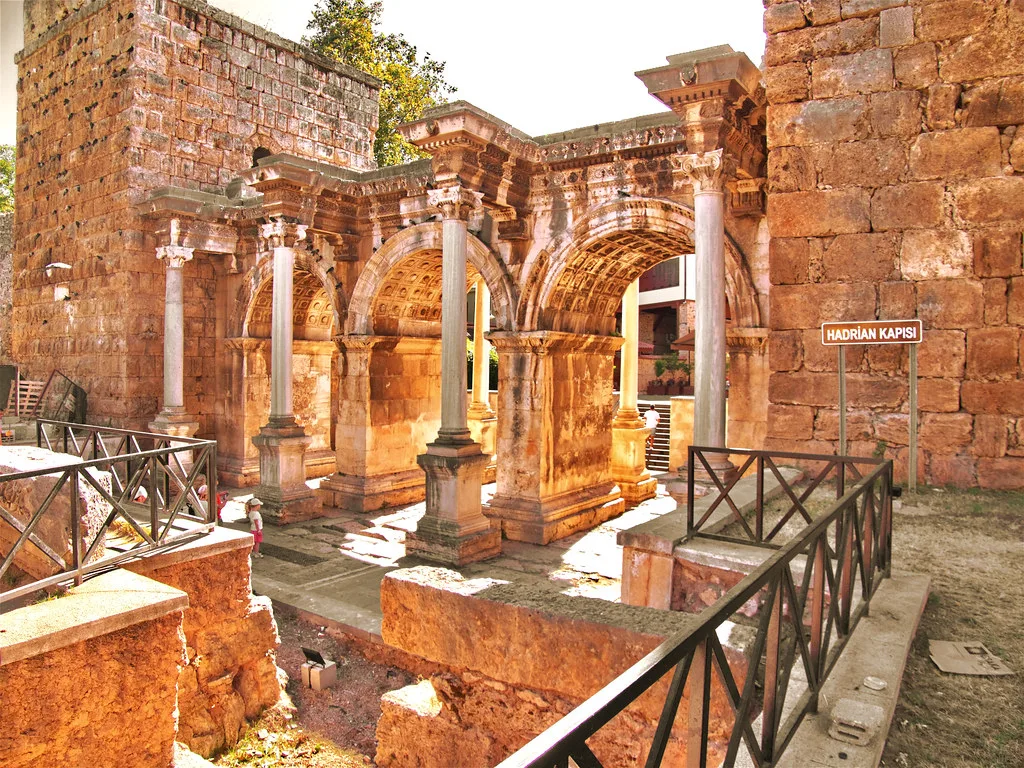
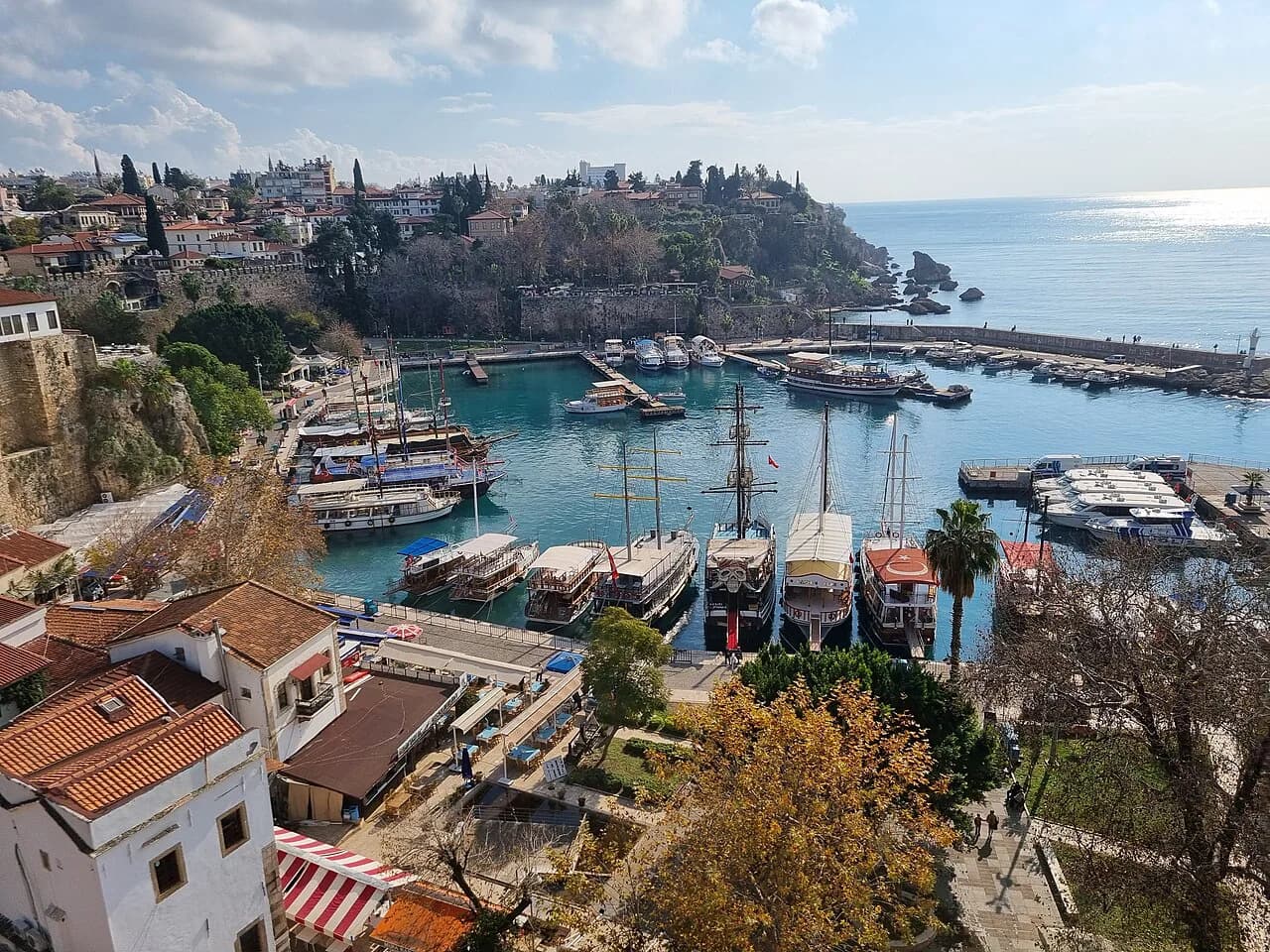
For orientation, the market alleys sit just inland from the old harbour and the Kaleiçi lanes, with Hadrian's Gate a short walk south. Plot the market, the gate and the harbour on an Antalya map before you set out so you can link them without doubling back. The area is compact enough to walk, but the cobbles are uneven in places.
Best time and days to visit the old bazaar
Because the main bazaar is listed as open all week, the choice is more about the hour than the day. Go early in the morning or in the late afternoon when the alleys are quieter and the heat is lower; midday in summer is the least comfortable time to be in a crowd of stalls.
The weekly markets are a different matter. The Saturday market in Lara is described as one of the largest clothing markets in the city, with fresh produce, cheese, spices and second-hand clothes alongside food stalls selling gözleme. From the bus stops at Sinanoğlu and İsmet Gökşen Caddesi it is about a five-minute walk.
If your visit falls on a Monday, the Çağlayan Bazaar in south-east Antalya is a farmers' market where local producers sell fruit, vegetables, fish, olives and herbs. It is roughly a three-minute walk from the Barınaklar bus stop and about seven minutes from Bülent Ecevit Bulvarı.
What's actually for sale in the covered bazaar
The covered market is strongest on small, portable things: souvenirs, Turkish honey, imitation bags, clothing and spices are all sold under the roof, and duplicates of well-known brands appear on the stalls. If you want branded goods at a genuine price, this is not the place to shop for them.
Leather goods, gifts, spices and clothing are the staples at the all-week Antalya Bazaar, and the listings note that plenty of inexpensive goods are on offer too. The dealers are usually happy to haggle over the price, and the market is a practical stop for a gift or a piece of leather rather than a place to hunt for high-end brands.
One small detour is the alley beside the market where coppersmiths still make and sell plates, pots and tea trays. It is easy to walk past, but it is the most distinctive thing in the immediate area and worth ten minutes even if you buy nothing.
What to buy in Kaleiçi's souvenir streets
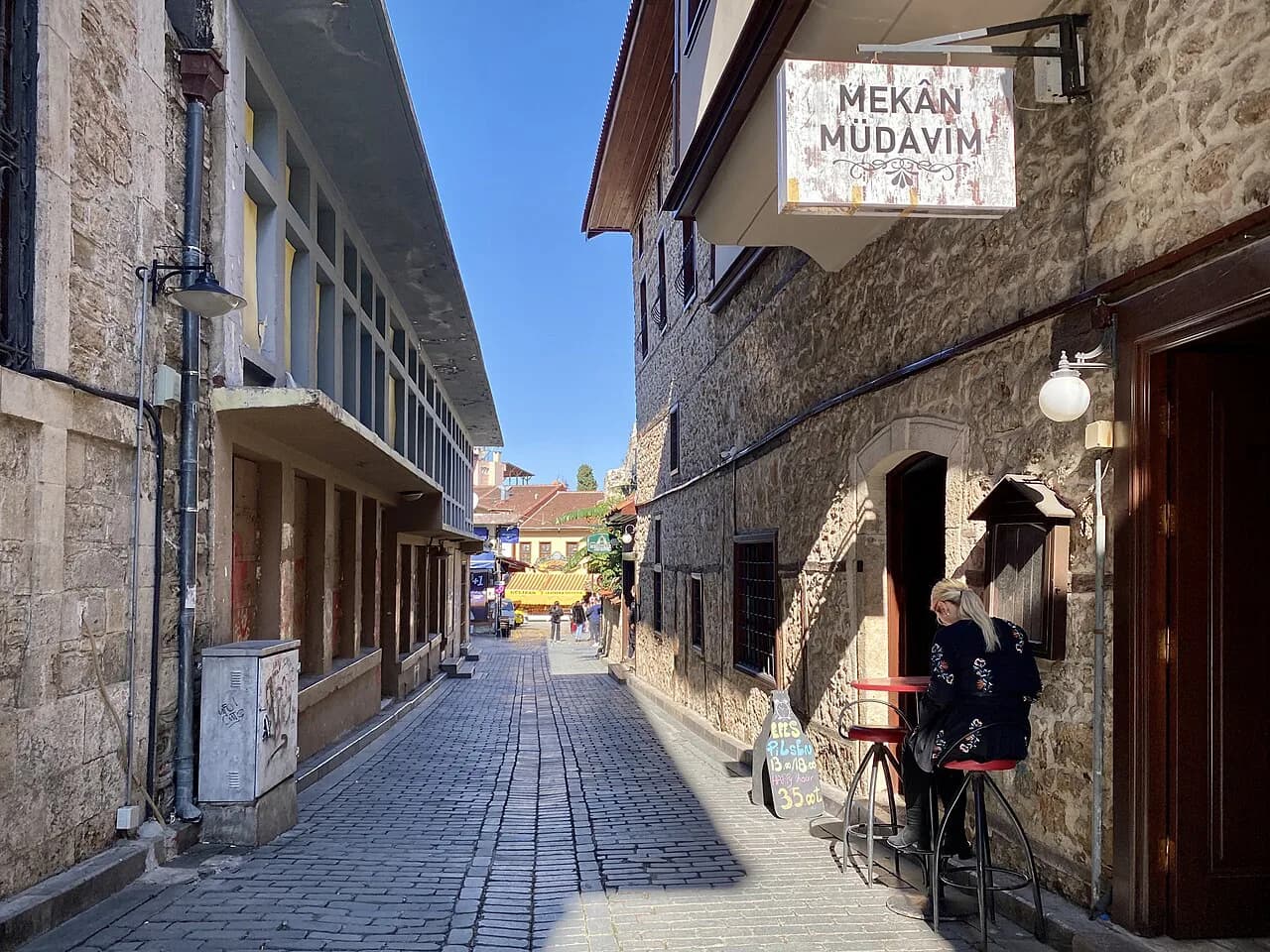
Kaleiçi is not a bazaar in the strict sense, but its narrow cobbled lanes hold one souvenir shop after another, and you will also find antiques, paintings and higher-quality carpets. The Ottoman-era houses along the same streets are part of the appeal, so slow down rather than treating it as a shopping corridor. For a wider look at where to buy what, see this guide to shopping in Antalya.
Carpets are the serious purchase here. The Orient Bazaar, not far from the Antalya Bazaar in the southern foothills of Kaleiçi, is a cluster of small shops rather than a single market, selling handcrafts and hand-knotted carpets valued by knots per square centimetre, plus woven kilims. Even if you are not buying, the atmosphere is the reason to go.
Souvenir buying is where most visitors overspend on things they do not need. Set a budget before you enter the lanes, compare at least three stalls for the same item, and remember that the like-for-like value of a small copper or kilim piece is easier to judge than a carpet you cannot assess.
Bargaining in the Antalya Bazaar: what's expected and what isn't
Haggling is accepted and even expected at the covered bazaar and the Clock Tower market, where traders are described as happy to negotiate and joke over the price. Ask the price, make a lower counter-offer, and be ready to walk away; that is the whole ritual.
The farmers' markets work differently. At Çağlayan on Mondays, the stalls are local producers and there is no haggling, so you pay what the seller asks. Keep the two modes separate in your head, and you will avoid annoying a grower by trying to bargain over a kilo of figs.
On imitation goods, the practical point is that they are openly sold in the covered bazaar and in the big Okurcalar market east of Alanya, and the price should reflect that they are copies. Do not let a stallholder imply you are getting the original, and do not expect a receipt to protect you later.
Markets worth a second visit: Lara, Çağlayan and Orient Bazaar
Three very different markets sit within reach of the old centre. Lara on a Saturday gives you the big clothing and flea-market experience with gözleme stalls; Çağlayan on a Monday is a working farmers' market with fixed prices; the Orient Bazaar is a permanent run of tiny carpet and craft shops rather than a market day.
Pick by what you actually want to bring home. Clothes and second-hand finds point to Lara, fresh produce and olives to Çağlayan, and carpets or kilims to the Orient Bazaar. Trying to do all three in one day is tiring, especially in summer heat. If you want a broader shortlist, these Antalya Markets are worth a look before you commit.
Plan transport around the market you choose rather than the other way round. Lara and Çağlayan are both a short walk from named bus stops, so a bus or the Antalya tram will get you close.
Manavgat Bazaar as a day trip from Antalya
Manavgat, east of Antalya near Side, holds a large bazaar in the town centre on Mondays and Thursdays, with traders starting around 08:00 and finishing around 17:00 in the listing. It sells clothing, souvenirs, groceries, fresh fruit, household goods, tea and spices, and there is a smaller daily market as well.
Getting there is the deciding factor. From Side, Kumköy and Evrenseki the dolmuş is the straightforward option, while visitors based in Antalya city, Belek, Avsallar or Alanya are steered towards an organised tour or a hire car. If you are staying in Belek and want a market closer to base, our Belek markets guide covers what's sold there and how to get to it. Work out your route before you commit a whole day to it.
Manavgat makes sense as a day trip if you are already staying on that stretch of coast, or if you pair it with Side's old town on the same peninsula. From central Antalya it is a long round trip for a market, so weigh it against the city's own bazaar, which costs you nothing in travel time.
Practicalities: walking, taxis and getting to the markets
The central bazaar, Kaleiçi and the harbour are best done on foot. Cobbles, narrow lanes and crowds make this slow going with a pushchair or in the heat of the afternoon, so plan a café stop in the middle rather than pushing straight through.
For the outlying markets, buses and the tram are the cheap option and taxis the easy one, especially if you are carrying purchases home. Sort out payment for public transport early in your stay so you are not caught without a ticket on the way to a market.
Bring cash in small notes and coins. Card readers are not guaranteed at every stall, and small change makes a negotiated price much easier to settle without awkwardness.
Is the Antalya Bazaar worth your morning?
Yes, if you treat it as part of a walk through the old centre rather than a shopping destination in its own right. The covered bazaar by the clock tower, the coppersmiths' alley and the Kaleiçi lanes together make a good few hours, and you can combine them with the harbour and Hadrian's Gate without any transport at all.
If your heart is set on a big market day, build the trip around Lara on a Saturday, Çağlayan on a Monday or Manavgat on a Monday or Thursday, and check the day locally before you travel. Then decide whether the city centre bazaar is enough or whether the day trip earns its journey.
Explore more Antalya guides
Frequently Asked Questions
On what days is the Antalya Bazaar open?
The main Antalya Bazaar near the clock tower is listed as open all week, so there is no single market day to plan around. Confirm the current pattern locally, since stallholder timings can shift with the season.
Is Antalya good for shopping?
Yes, within limits. The old centre gives you a covered bazaar, the Kaleiçi souvenir lanes and the Orient Bazaar carpet shops within walking distance, and the city also runs weekly markets such as Lara on Saturdays and Çağlayan on Mondays.
What souvenir should I buy in Antalya?
Small copper pieces from the coppersmiths' alley beside the main bazaar are the most distinctive buy, followed by spices, tea and honey from the covered stalls. Carpets and kilims are the serious purchase and deserve comparison across several shops in Kaleiçi before you commit.
Where can I buy cheap clothes in Antalya?
The Lara Saturday market is described as one of the city's largest clothing markets and includes second-hand clothes, while the covered bazaar sells inexpensive clothing and imitation branded goods. Bargain at both, and check stitching and sizing before you pay.
Sources
Notes for your next Turkey trip
Optional updates when we add or correct a town guide.
You might also like
Continue reading
More guides you'll find useful