Zeugma Mosaic Museum: What to See in Gaziantep
The Zeugma Mosaic Museum in Gaziantep holds Roman mosaics from ancient Zeugma, including the Gypsy Girl. Here is what to see and how long to allow.
On this page
Allow two to three hours for the Zeugma Mosaic Museum in Gaziantep, and go with a short list of mosaics to find rather than drifting from panel to panel. The collection comes from one Roman city on the Euphrates, so the galleries read as a single town's floors rather than a general archaeology display. This guide sets out the Gypsy Girl, the named mythological mosaics, the sculpture and fresco rooms, how to pace the visit, and how the museum fits alongside Göbekli Tepe, Harran and Balıklıgöl in a Şanlıurfa and Gaziantep trip.
What the Zeugma Mosaic Museum is and where it sits in Gaziantep
The museum is a purpose-built complex in Gaziantep covering 30,000 square metres across three buildings, housing mosaics taken from the ancient city of Zeugma. It is the city's headline collection and the reason many travellers build a night in Gaziantep into a southeastern Turkey route. The mosaics moved here from Gaziantep's Archaeological Museum in 2011, so older guidebooks may still send you to the wrong building.
Inside, the display is not a single hall but a run of galleries spread over more than one level, with the Gypsy Girl given a dedicated section upstairs. Treat it as a museum you walk through in stages, pausing on landings and in the courtyard, rather than a room you scan in one sweep. If you arrive with limited energy, head for the upper-floor special section first and work back down.
Why the mosaics matter: Roman Zeugma on the Euphrates
Zeugma was a Hellenistic and Roman city on the Euphrates, and its mosaics record the pictorial taste of a cosmopolitan eastern Roman town. That is why the floors are shown together: they were lifted from the same buried streets and houses rather than collected piecemeal across a region. UNESCO's tentative-list entry for the archaeological site describes the mosaics as a unique collection reflecting private taste in the Hellenistic and Roman East.
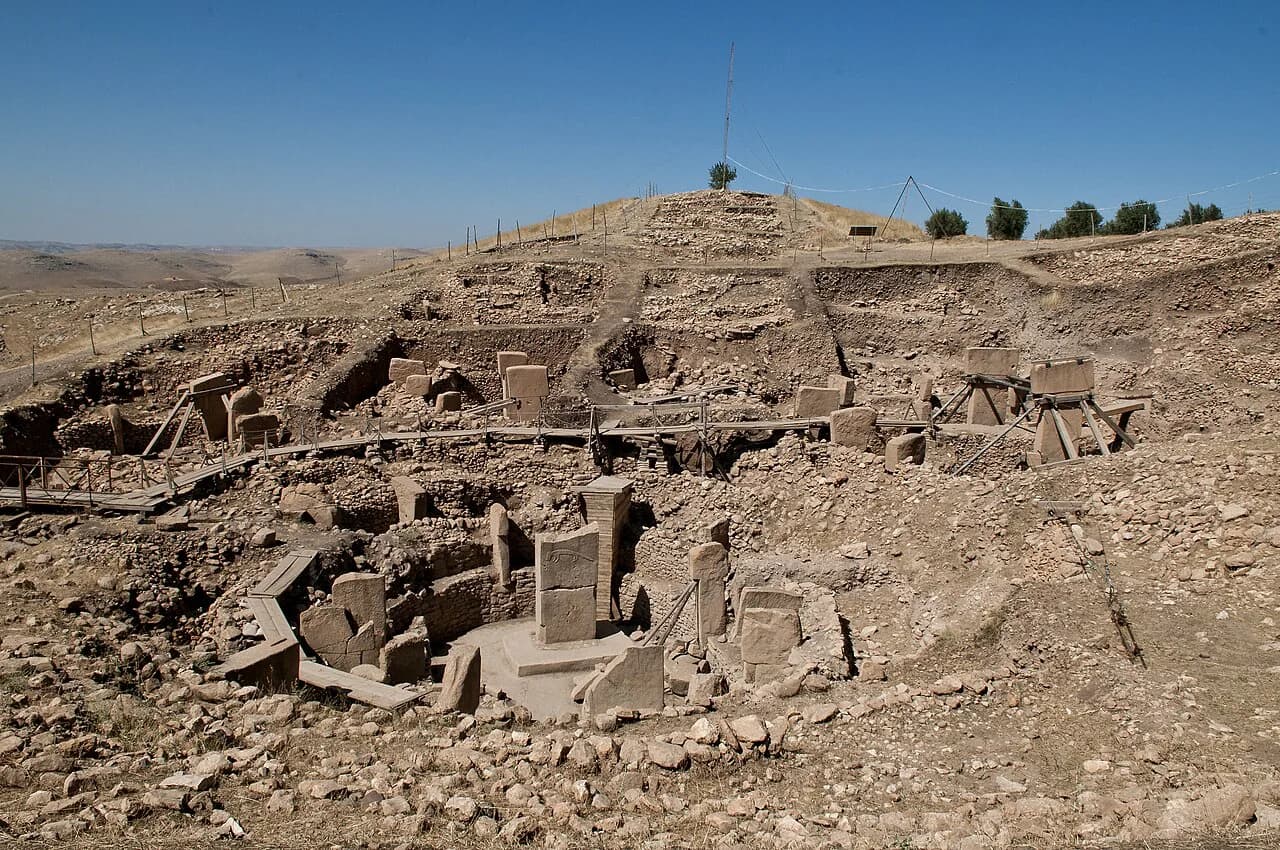
Roman mosaics turn up in museums all over Turkey, from Antakya to Gaziantep, but few collections are as tightly tied to one excavated city. That single-site origin is what makes the visit worth an afternoon: you are reading the floors of one place, not a survey of an empire. Set the museum against the wider story of the region with a day at Göbekli Tepe, the Neolithic enclosure in the Şanlıurfa hills.
The Gypsy Girl mosaic and where to find her
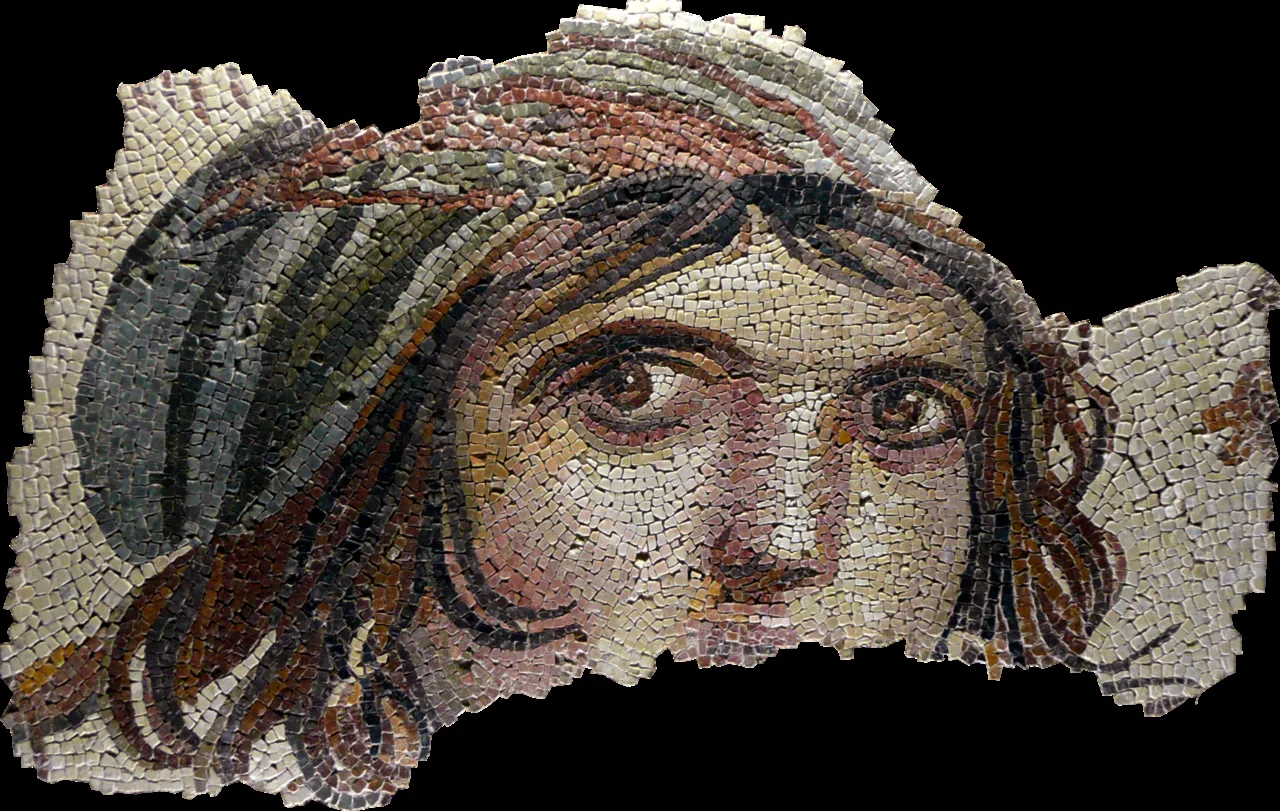
The Gypsy Girl is the museum's emblem and the image on half the city's postcards, and it is the main reason visitor numbers climb. Look for her on the second floor, where she is displayed in a special section rather than among the general galleries. The mosaic is the symbol of both Gaziantep and Zeugma, so the crowd tends to bunch here first; circle back later if you want a quieter look.
When the collection opened in its new home the sense of space improved markedly, and some mosaics are shown with fragments of the brickwork, pillars and frescoes that surrounded them. That reconstructed setting is worth a slow pass, because it shows how the floors sat inside rooms rather than floating on a white wall. The lighting comes from arrays of coloured spotlights, which can make some panels read unevenly.
Named mosaics to look for, from Achilles to the water gods
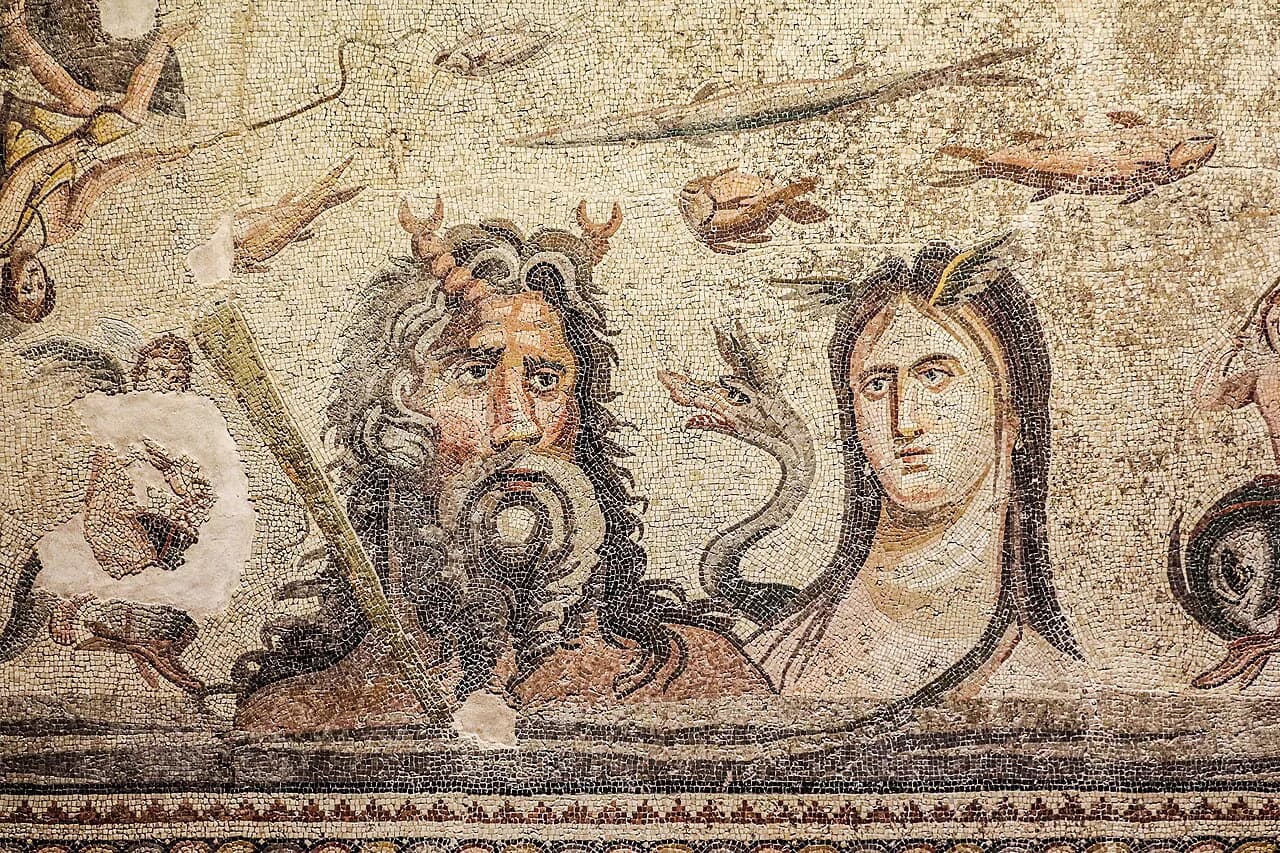
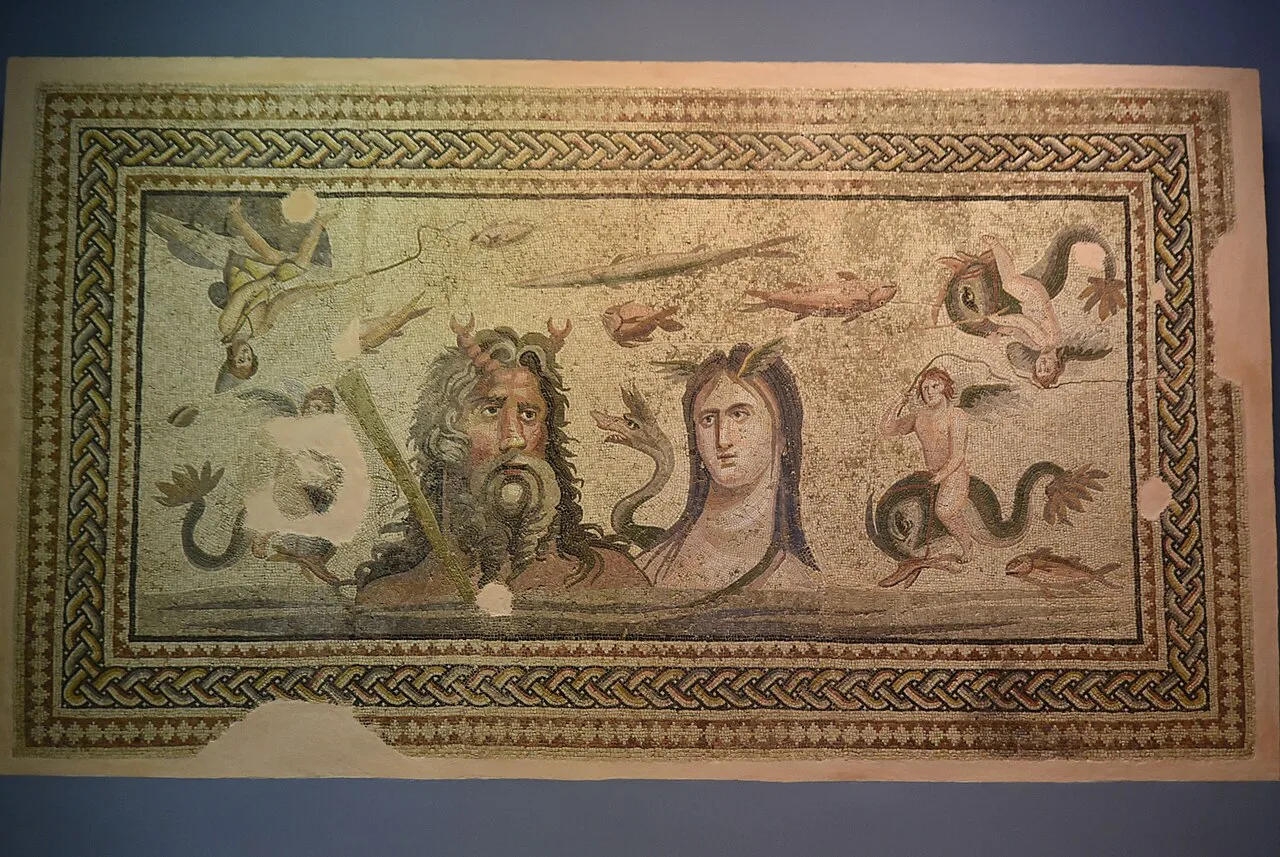
Go in with names to hunt and the galleries stop blurring. Among the subjects on display are Achilles, Acratos and Euphrosyne, Andromeda and Perseus, Antiope and Galatea, Aphrodite, Daedalus and Icarus, Dionysos with Skyrtos and Telete, Dionysos' marriage and triumph, Dionysos and Ariadne, Eros and Psyche, Gaia, Poseidon, Zeus and Europa, and Oceanus and Tethys. Several panels are grouped by the building or plot they came from, including the Aşağı Çardak, Çanakçı, Çerçili, Çörten, Hülümen, Ikizkuyu, Koçlu, Kurtaran, Menderes, Nusaybin, Oylum Höyük, Salkim, Soğutlu, Sulumağara and Yarımca-Bağtepe mosaics.
There is also a run of geometric mosaics and a courtyard example, which sound dull in a list and are quietly the most absorbing thing in the building once you start comparing them. Themes to watch for include the seasons, water gods and goddesses, animals, and a women-at-breakfast scene. Expect some panels to be labelled sparsely, so a notebook of names beats trying to remember them afterwards.
The Mars statue, frescoed rooms and sculpture
Sculpture and frescoes broaden the collection beyond floors. A bronze statue of the war god Mars is among the highlights on display, alongside Roman-era fountains and a room with frescos. Give this material its own pass rather than treating it as the filler between mosaic halls, because it is what tells you how the houses were furnished and painted.
Steles and smaller sculpted works sit in their own galleries, and the museum's exterior and interior architecture are worth a few minutes in their own right. If the mosaics have left your eyes tired, the sculpture rooms are a good reset before you head back to the crowded panels.
How long to allow and how to move through the galleries
Two to three hours covers the museum comfortably, and visitors who read every label can lose a morning. The complex includes seminar and conference rooms, administrative units, a library and exhibition space, so the mosaic route is only part of the building. Start on the upper floor with the Gypsy Girl, work through the mythological panels, then finish with the sculpture, frescoes and courtyard before leaving.
The museum draws heavy numbers, and in 2018 it recorded 123,170 visitors in the first half of the year, a 70 percent rise on the same period in 2017. Those figures are history rather than a forecast, but they explain why the Gypsy Girl corner can feel busy. Aim for the quieter hours around opening or late afternoon, and keep the sculpture rooms as a breather when the main galleries fill.
Tickets, opening hours and Müzekart
Ticket prices, opening hours, closing days and Müzekart validity are not fixed here. Check at the museum counter before you travel, and confirm whether a Müzekart is accepted at the door. Carry photo ID in case the ticket desk asks for it.
Getting there and fitting it into a Gaziantep day
The museum is in Gaziantep city, so it pairs well with the old bazaar and the city's food streets in a single day. Build the museum into the middle of the day rather than at the end, when tired legs make mosaics blur together.
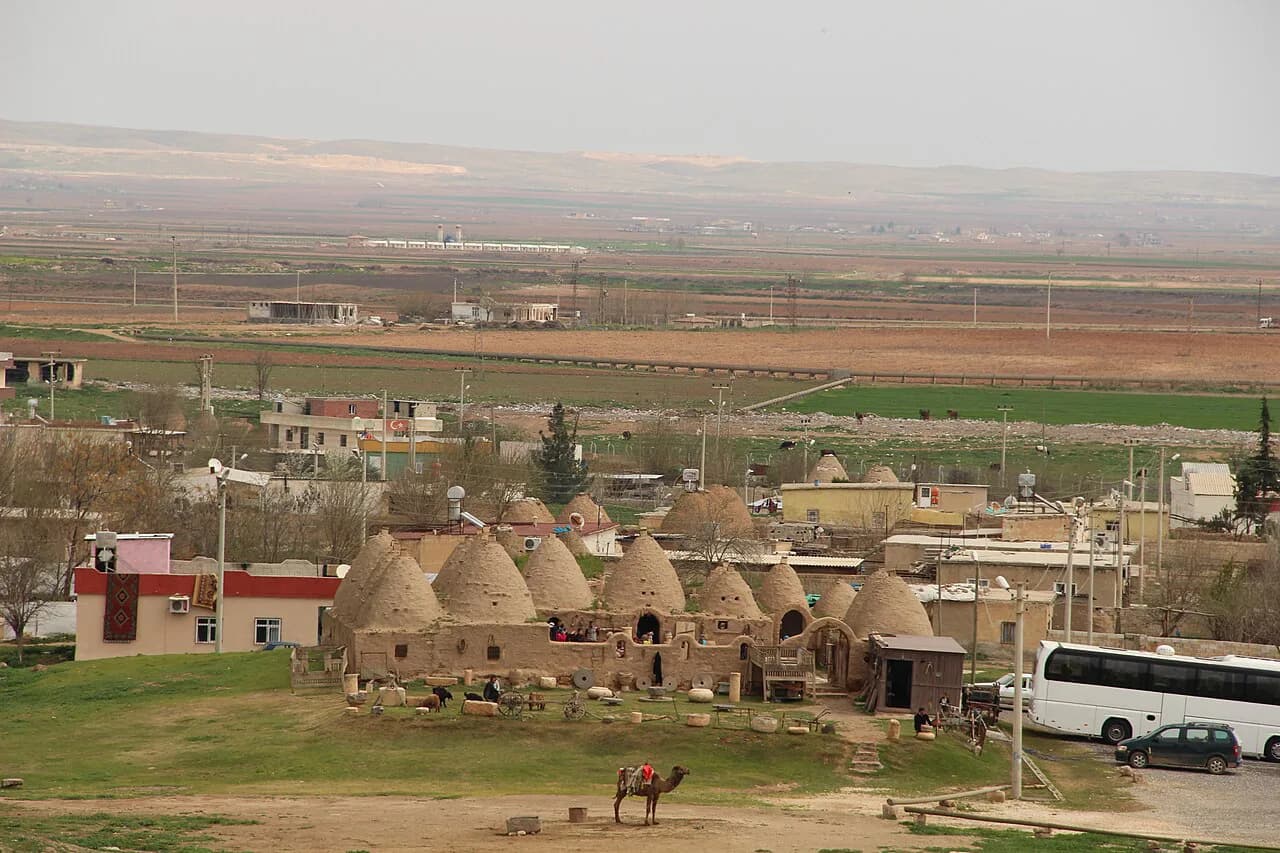
Gaziantep and Şanlıurfa sit within a few hours of each other, and many travellers combine the two. Add Harran's beehive houses to the Urfa leg, or carry on to the Neolithic site with our guide to Göbekli Tepe, which explains the archaeology and how to reach the enclosure.
Is the museum worth a day of your trip?
Yes, if you are already in Gaziantep or passing between Şanlıurfa and the Euphrates: the collection is one city's floors in one building, and a two- to three-hour visit tells you more about Roman domestic taste than a scattered survey would. Skip it only if mosaics do not move you and your time in the southeast is tight.
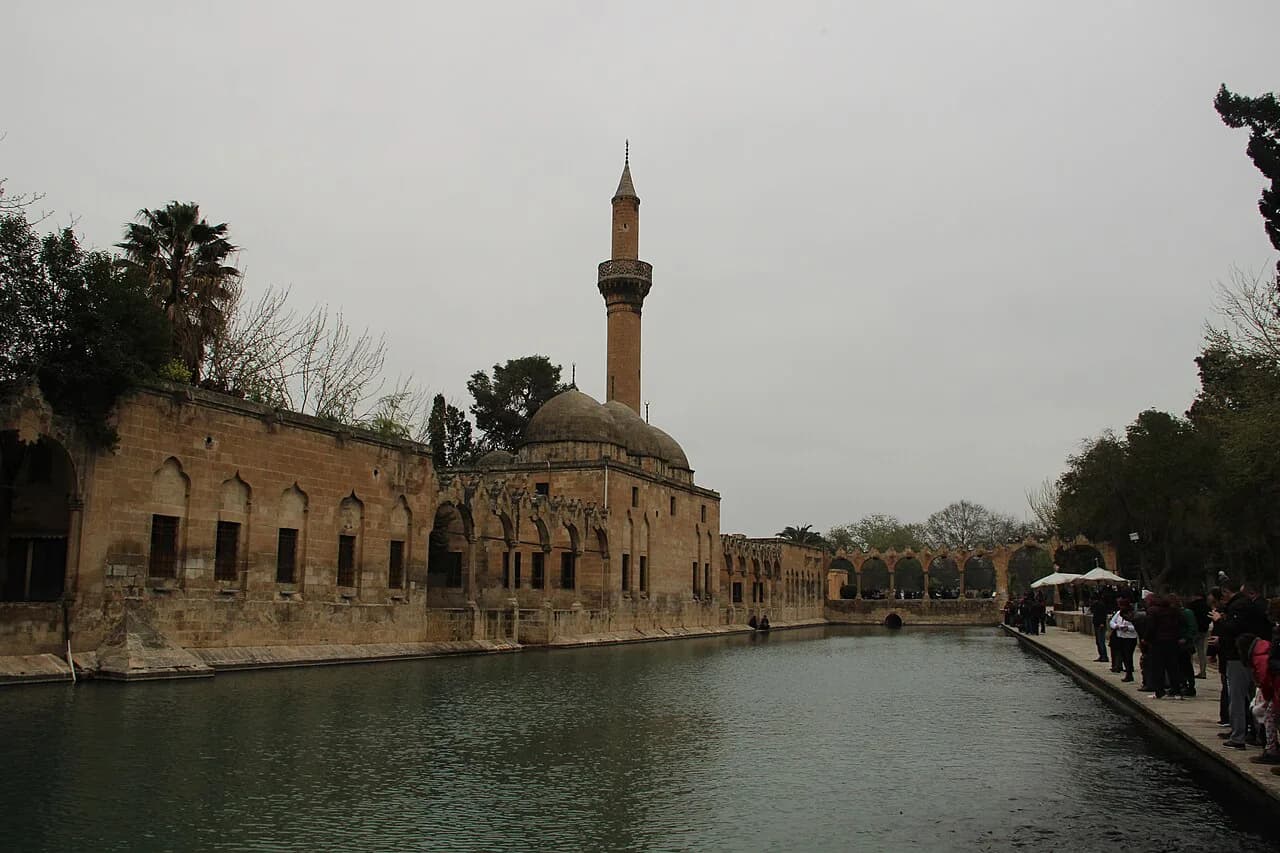
Plan around it: check tickets and hours before you set out, put the Gypsy Girl first, and use the sculpture rooms as a break. Add Harran and Balıklıgöl if you are basing yourself in Şanlıurfa.
Explore more Sanliurfa guides
Frequently Asked Questions
Where is Zeugma?
Zeugma was a Hellenistic and Roman city on the Euphrates, in southeastern Turkey. Its mosaics are now displayed in Gaziantep at the Zeugma Mosaic Museum, not at the riverside site itself, so plan for a city museum visit rather than ruins on the water.
Are there Roman mosaics elsewhere in Turkey?
Yes. Alongside the Zeugma collection, Roman mosaics are displayed in Antakya and in museums elsewhere in the country, and Gaziantep's own Archaeological Museum held the Zeugma panels before they moved in 2011.
Sources
Notes for your next Turkey trip
Optional updates when we add or correct a town guide.
You might also like
Continue reading
More guides you'll find useful