Göbekli Tepe: What to See and How to Get There
Plan a visit to Göbekli Tepe near Şanlıurfa: what the enclosures and carved pillars show, how the boardwalk works, how to get there and how long to allow.
On this page
Göbekli Tepe is a Neolithic temple complex of carved T-shaped limestone pillars on a ridge 15 km northeast of Şanlıurfa, and a visit means roughly an hour to ninety minutes on a railed boardwalk looking down into the excavated enclosures. The pillars were raised between about 9600 and 8200 BCE, some 11,500 years ago, before farming, pottery or the wheel. This guide covers what the enclosures show, how the viewing route works, the drive from Şanlıurfa and what to check before you set out.
What Göbekli Tepe is and how old the enclosures are
Hunter-gatherers built the complex on a limestone ridge in the Germüş range, at about 760 m, in the Pre-Pottery Neolithic. The Turkish name means 'potbelly hill'. UNESCO inscribed the site on the World Heritage List in 2018, describing it as one of the first manifestations of human-made monumental architecture. Excavation began after the German archaeologist Klaus Schmidt recognised the mound in 1994, work ran from 1995 to 2014, and Necmi Karul now leads the dig.
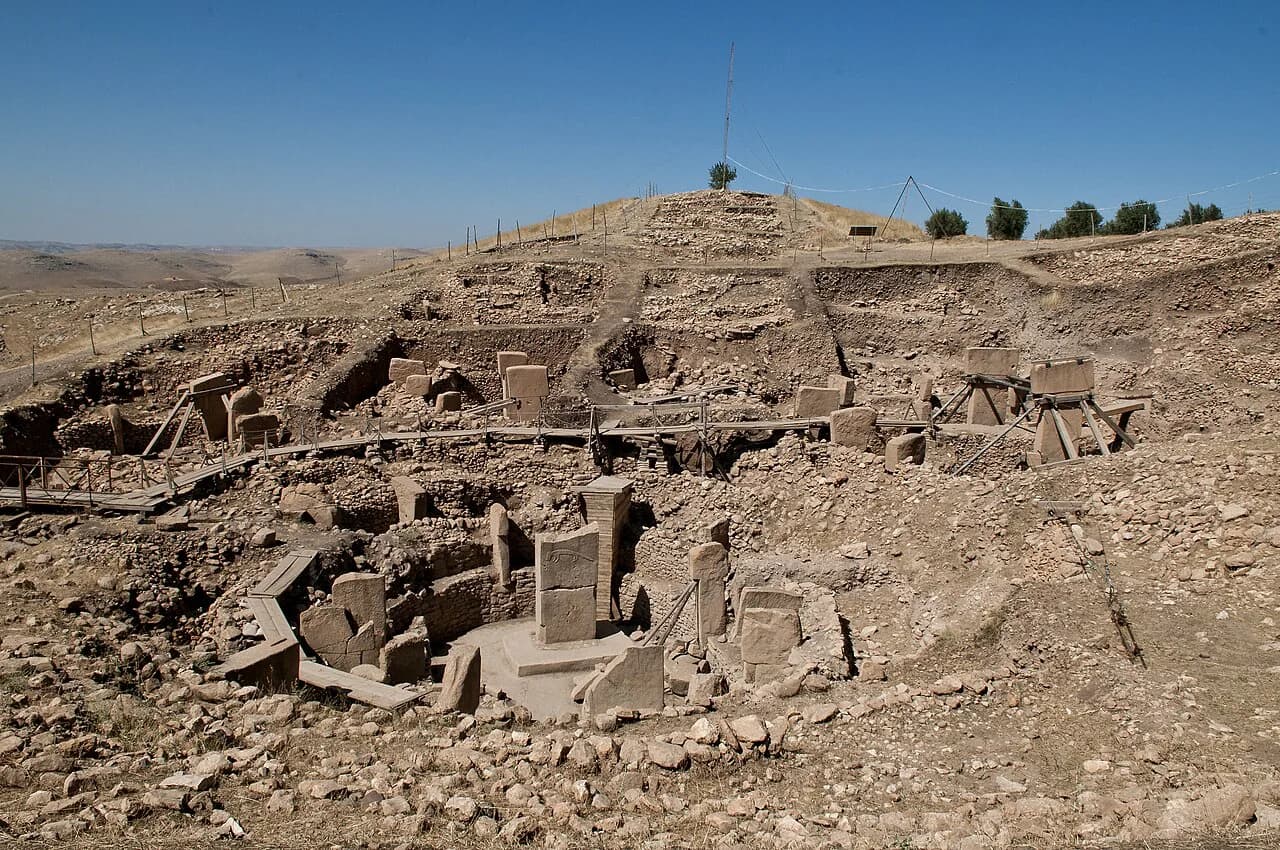
Four large enclosures are unearthed, while geomagnetic surveys suggest at least 20, and only 5–10% of the mound has been dug. That gap between what you see and what is detected is the honest measure of the site: a small opened window on a much larger Neolithic complex. Enclosures measure 10–30 m across, quarried from bedrock pits roughly 100 m from the hilltop, and unprocessed cut stones still lie on the plateau where the workers left them.
Pillar weights are usually given as a range rather than a single figure, from about 10–16 tonnes up to 40 tonnes in official Turkish descriptions. Central pillars rise up to 5.5 m. The German Archaeology Institute has dug here with the Turkish Culture and Tourism Ministry, and researchers have described the site as the oldest known sculptural workshop, with T-shaped stelae carved with bulls, snakes, foxes, lions and other animals.
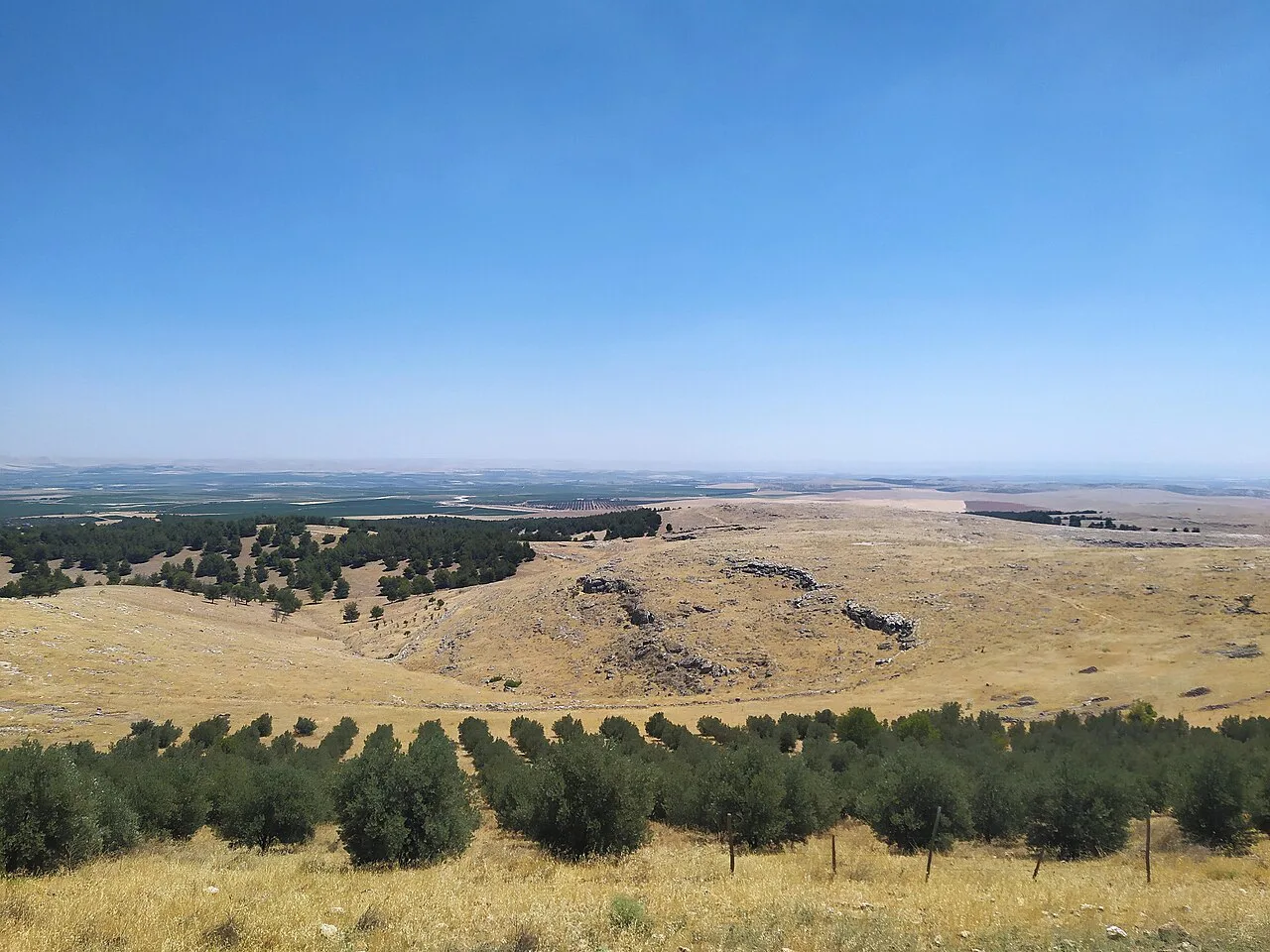
Where it sits: a ridge northeast of Şanlıurfa
The site occupies a rounded limestone rise 15 km northeast of Şanlıurfa, looking over the Harran Plain. It is close enough to the city for a half-day trip, but far enough that you need wheels: a car, a taxi or an organised tour rather than a stroll from the centre. Allow extra time if you combine it with the beehive houses and grand mosque at Harran, which lies out across the plain.
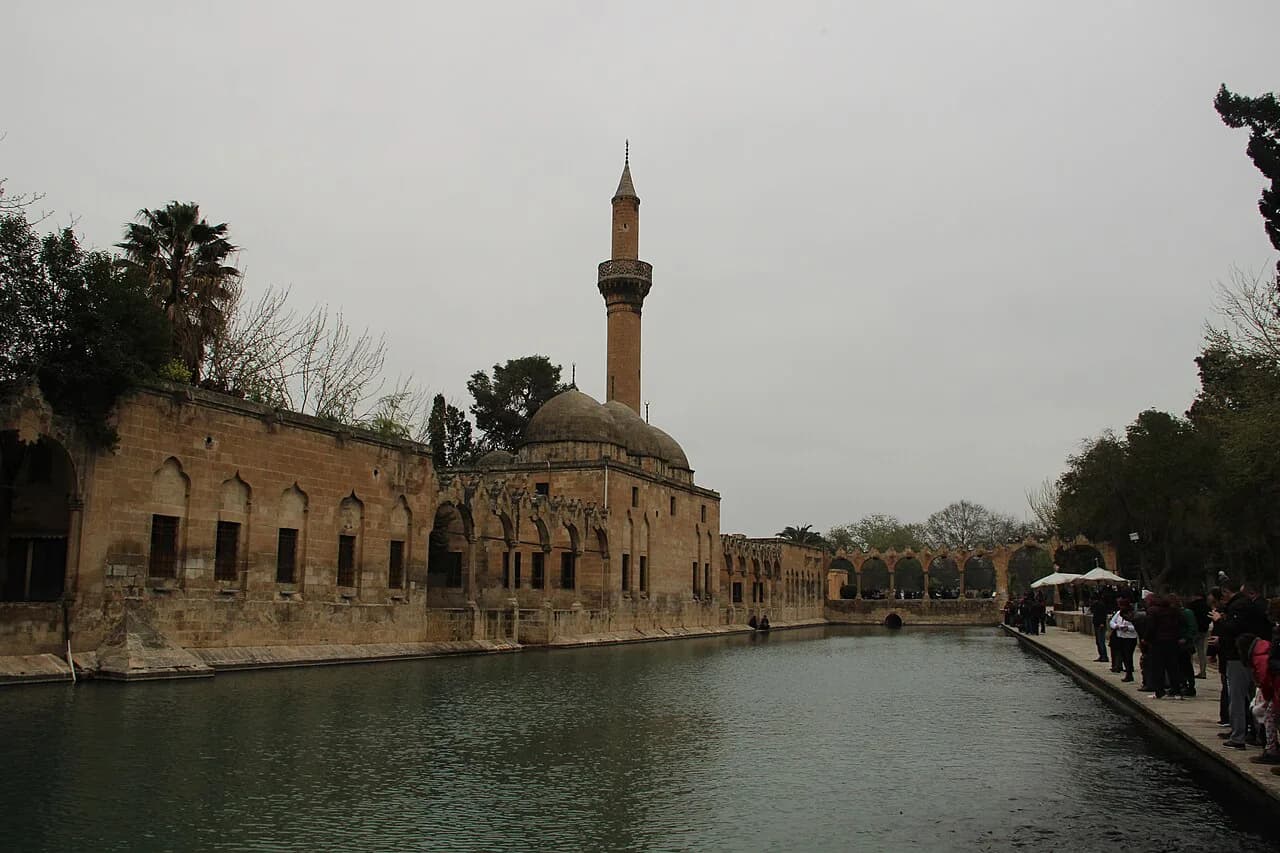
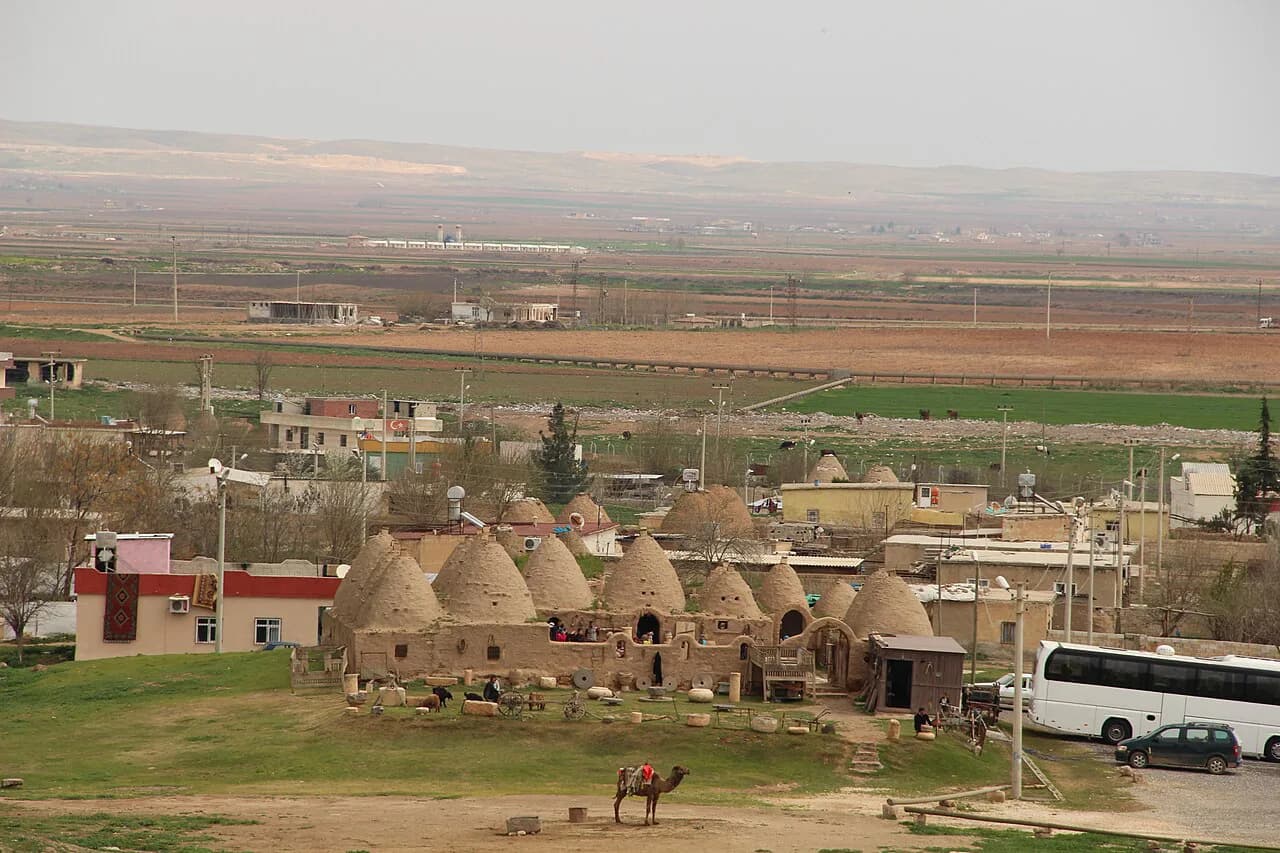
Şanlıurfa itself has its own draw in Balıklıgöl, the pool and mosque complex in the city centre, which pairs naturally with a morning or afternoon at the ridge, and the beehive houses and grand mosque at Harran: Beehive Houses, the Grand Mosque and Getting There from Şanlıurfa make a longer loop across the plain. Practical visits are best planned as a city base with one excursion out to Göbekli Tepe.
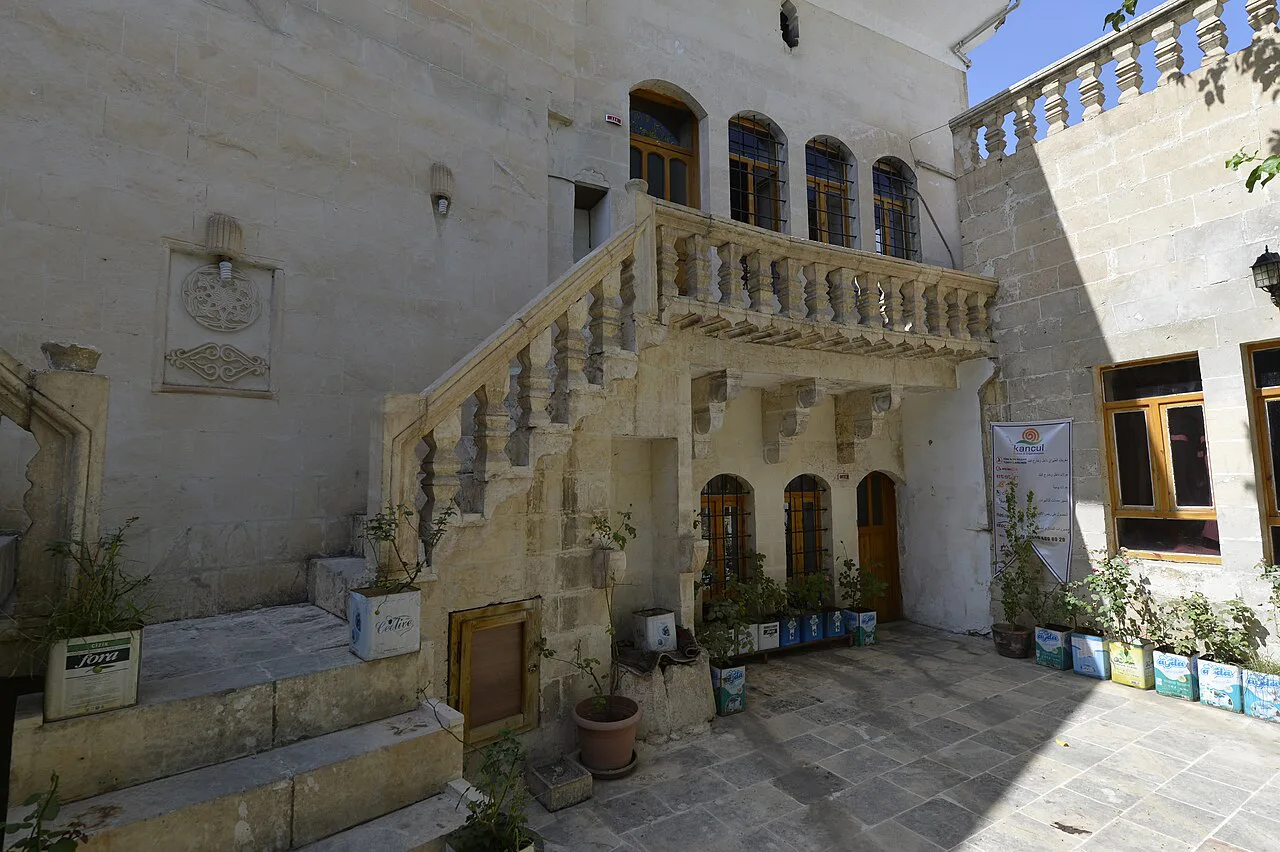
What you actually see: the boardwalk under the canopy
You do not walk among the pillars. A railed boardwalk runs beneath a protective canopy, and you look down on the round and rectangular enclosures the way archaeologists do. That arrangement shapes the whole visit: bring a camera with some zoom, and expect to spend your time at viewpoints rather than wandering between stones. The boardwalk also keeps the experience short and easy on the legs, with no rough ground to cross.
The reliefs are low and slow to read. Carvings of foxes, snakes, cranes and wild boar emerge gradually as your eyes adjust, so give each viewpoint a minute rather than moving on after a glance. A licensed guide earns their fee here by pointing out which marks are animals and which are the abstract human features.
Enclosure D and the twin central pillars
Enclosure D is the largest and best-preserved of the excavated circles, and the one to plan your viewing around. Its twin central T-pillars rise more than 5 m, ringed by monoliths carved with animals. From the railed viewpoint you see the full circle laid out below you, which is the clearest way to grasp the scale of the building.
The Vulture Stone and the carved animals
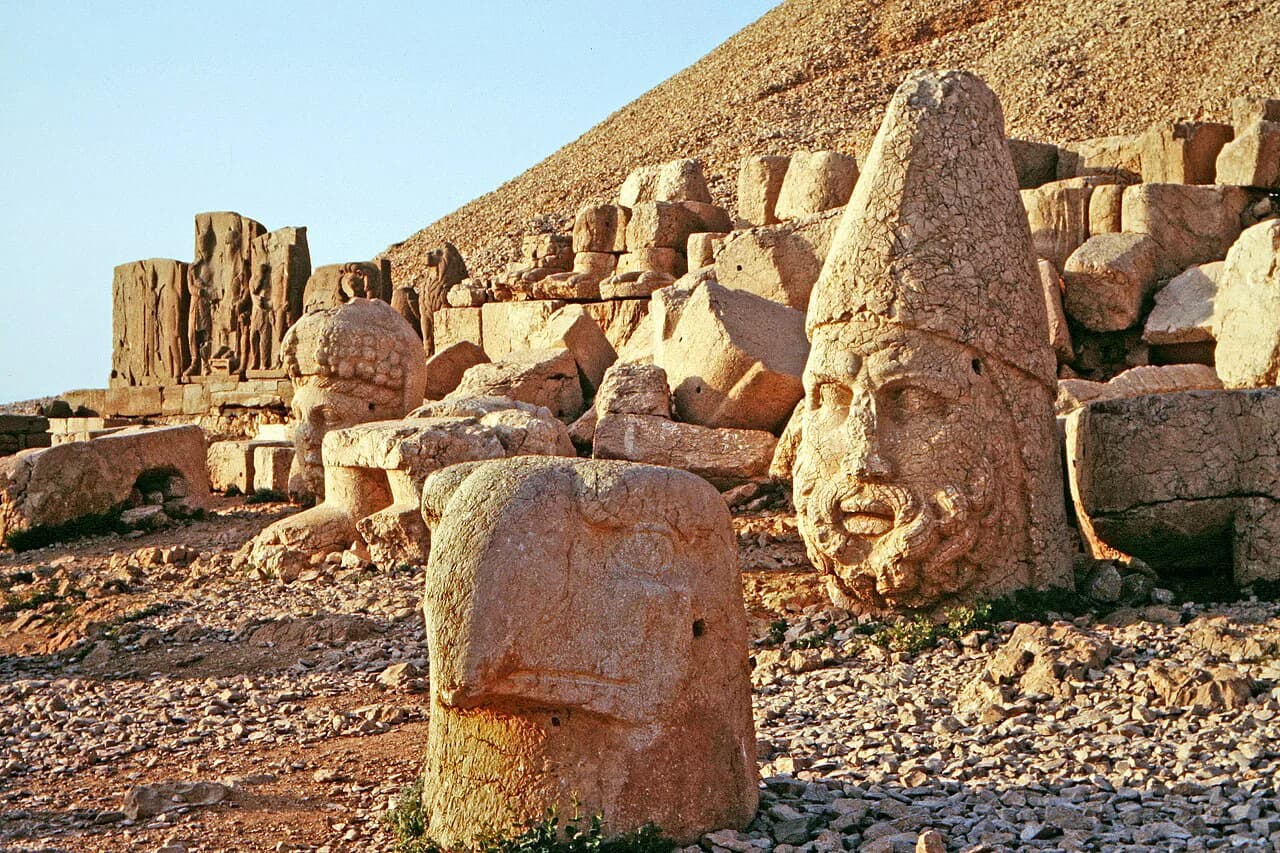
Pillar 43, the Vulture Stone, is the site's most discussed carving: vultures, a headless human figure, a scorpion and abstract symbols. Some scholars argue the imagery records an astronomical event, a reading that remains debated. Find it from the Enclosure D viewpoint and look at it closely, because the low relief does not announce itself.
The pillars as stone bodies
Several pillars carry low reliefs of arms, hands, belts and loincloths, so the T-shape reads as an abstract human body seen from the side. Official descriptions call these cubic beings figures from 'another dimension'. Once you know what to look for, the carved hands are the detail that changes how the whole site looks.
How long a visit takes and how much walking is involved
Budget about an hour to ninety minutes on site: enough for the boardwalk loop, the Enclosure D viewpoint and a slow look at the Vulture Stone. The walking is short and level along the railed route, which suits most visitors, but the ridge is exposed and there is little shade beyond the canopy. Add the drive each way from Şanlıurfa when planning a half-day.
Getting there from Şanlıurfa by car, taxi or tour
The straightforward options are a hire car, a taxi arranged for the round trip, or a guided tour from Şanlıurfa. Tours are also sold from Istanbul, including day trips by plane and multi-day itineraries that pair the site with Karahantepe or Mount Nemrut; those listings show what each package includes. Treat long-distance tours as a travel-time decision rather than a shortcut, since a flight-based day trip spends much of its hours in transit. For how Göbekli Tepe compares with the classical ruins further west, see our guide to ancient sites in Turkey.
Tours are sold from Istanbul and from Şanlıurfa, and the published listings range from a few hundred dollars for a site tour with private transport up to several thousand dollars for multi-day private itineraries from Istanbul. Those are the figures as published, not a rate to budget against, and quoted tour prices move with demand and season. Compare what each listing includes, particularly transport, guiding and cancellation terms, before choosing.
Tickets, opening hours and Müzekart
Entry has been published at €20, and gate prices in Turkish lira change, so confirm the current fee when you book rather than relying on a figure from an earlier year. The same applies to opening hours: published times shift with season, so check before you travel for the day you plan to visit.
When to come: light on the ridge
Early morning or late afternoon light turns the limestone pillars honey-gold and brings out the relief carving, and the light fades fast once the sun drops. The ridge sits at about 760 m and is exposed, so the middle of the day is bright and hot in summer with little natural shade. Carry water and sun protection whatever the season.
Nearby: Karahantepe and the Şanlıurfa museum
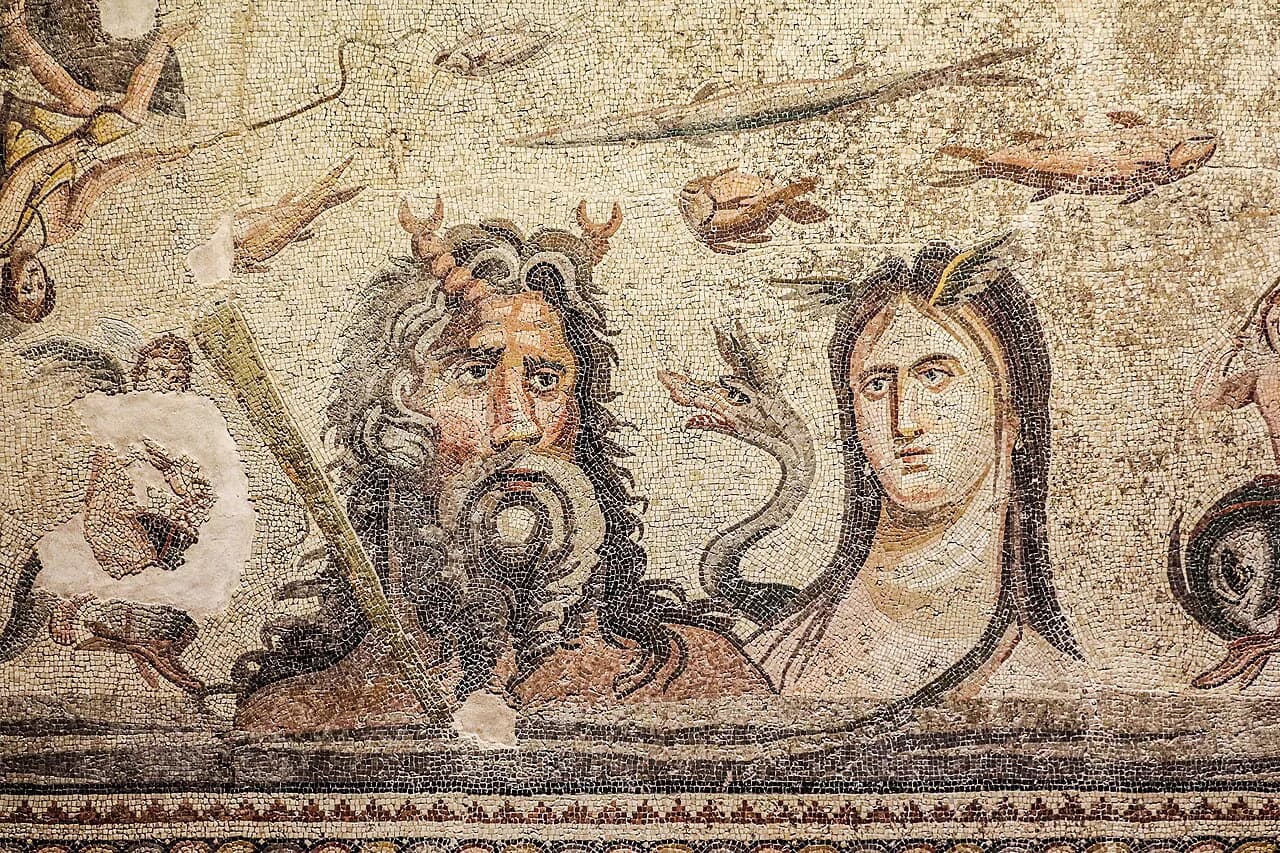
Karahantepe is the natural second stop for anyone following the Neolithic story, and several tour listings pair the two sites in one day. Şanlıurfa's Archaeology and Mosaic Museum is listed among the nearby attractions and makes a sensible wet- or hot-weather alternative to a second exposed ridge. If your trip continues east, the mosaics at the Zeugma Mosaic Museum in Gaziantep are a different but equally strong museum stop.
What is still buried and why the site keeps changing
With only 5–10% of the mound excavated and surveys pointing to at least 20 enclosures, Göbekli Tepe is a working dig rather than a finished monument. New finds and new enclosures can change what is on view and which parts of the boardwalk are open. Anyone planning a visit around a specific carving should check the current situation before travelling.
Is Göbekli Tepe worth the trip from Şanlıurfa?
Yes, if you accept it as a short, focused visit rather than a whole day out. The boardwalk gives you a clear look at Enclosure D, the Vulture Stone and the carved animal reliefs in about an hour to ninety minutes, and the drive from Şanlıurfa is straightforward by car, taxi or tour. Pair it with Balıklıgöl in the city or a longer loop out to Harran to fill the day.
Before you go, confirm the current entry fee and opening hours before travelling, and book any tour only after checking what transport and guiding it includes. Bring water, sun protection and a camera with zoom, and aim for early or late light if your schedule allows.
Explore more Sanliurfa guides
Frequently Asked Questions
Does the Bible mention Göbekli Tepe?
The site's published visitor material describes Göbekli Tepe as a Pre-Pottery Neolithic complex of carved T-shaped pillars built by hunter-gatherers between roughly 9600 and 8200 BCE, and makes no connection to the Bible. Treat biblical claims about it that you see online as separate from the site's archaeological interpretation.
Why is Göbekli Tepe controversial?
The debate is mainly about what the enclosures were for and who built them. The site shows monumental building before farming, which overturned the earlier assumption that agriculture came first, and scholars continue to argue over the purpose of the enclosures and the meaning of carvings such as the Vulture Stone.
Is there a site older than Göbekli Tepe?
Published material on Göbekli Tepe dates its enclosures to roughly 9600–8200 BCE. Claims for older monumental sites should be checked against the excavation reports for each site rather than taken from general summaries.
Sources
Notes for your next Turkey trip
Optional updates when we add or correct a town guide.
You might also like
Continue reading
More guides you'll find useful