Ankara Bazaar Guide: What to Buy at Ulus Markets
Ankara's bazaar life clusters in Ulus, where a restored 16th-century caravanserai, an antiques hill and a copper quarter sit within walking distance.
On this page
Ankara's bazaar life fits into a single morning or afternoon in Ulus, the old commercial quarter north of the modern centre, where four market stops sit within walking distance of each other. Start at Suluhan Çarşısı, work down to the antiques on Çıkrıkçılar Yokuşu, then browse Samanpazarı and the copper workshops around Bakırcılar Çarşısı. This guide covers how the stops relate, what is sold where, and how to handle bargaining and payment, and it sits alongside the wider list of things to do in Ankara once you leave the market streets.
Allow two to three hours for the bazaar circuit at browsing pace, and rather more if you are seriously hunting antiques or comparing copper pieces. Everything is on a slope, so plan the walk with that in mind and pair it with a nearby sight rather than treating it as a separate outing. Central Ankara is easy to place on an Ankara map before you set out, since the old quarter sits above and north of Kızılay.
Where Ankara's bazaar streets are: the Ulus neighbourhood
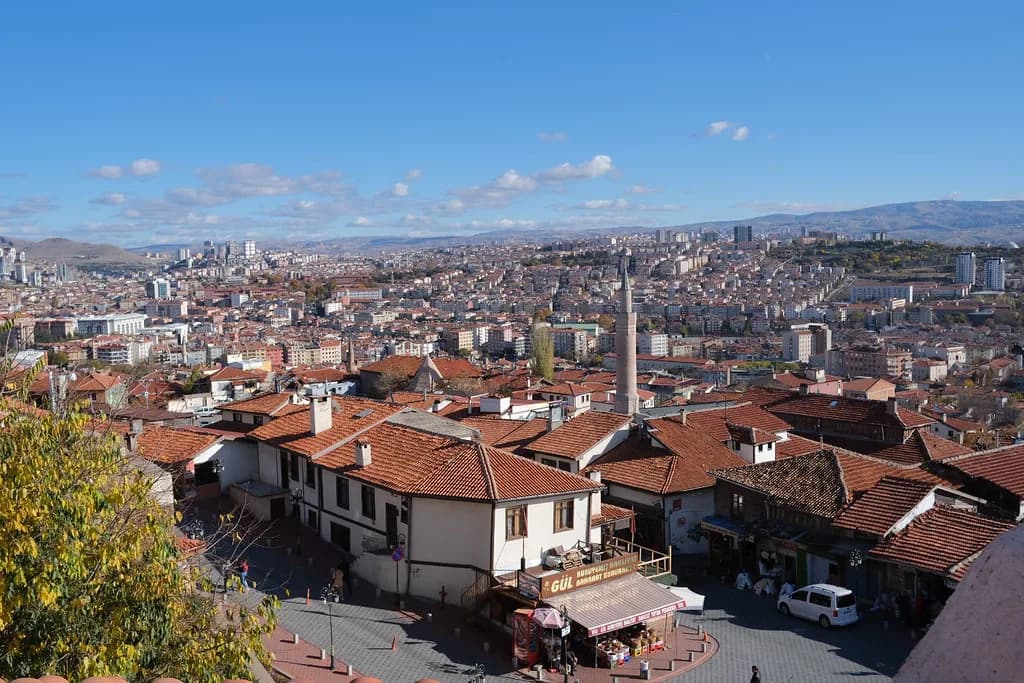
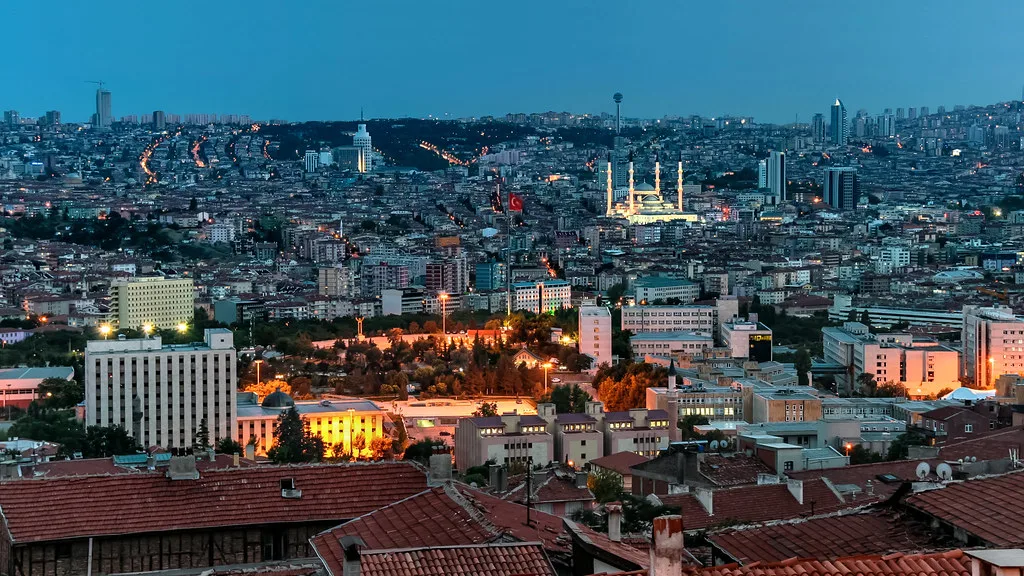
The market streets cluster in Ulus, the historic heart of the city, and the easiest way to picture them is as a rough triangle. Suluhan sits about 400 metres south-east of Ulus Square in the Hacıdoğan neighbourhood, and the antiques street of Çıkrıkçılar Yokuşu and the Samanpazarı quarter are neighbours of each other in the same district. Getting between them is a matter of minutes on foot rather than a taxi ride.
That compactness is what makes the bazaar worth a slot in a short Ankara trip. You can walk out of a sixteenth-century caravanserai courtyard, climb a cobbled hill of antique shops and end among coppersmiths without once thinking about transport. It also means the area rewards a slow wander more than a checklist, because the pleasure is in the passages and workshops between the named stops.
Suluhan Çarşısı: the caravanserai now used as a bazaar
Suluhan Çarşısı, also called Hasanpaşa Han, is the anchor of the circuit and the one building you should not skip. It was built between 1508 and 1511 by Hasan Pasha and is a two-storey structure with two courtyards ringed by arcades, holding 102 rooms that originally lodged merchants and their goods. Knowing that layout helps: you are walking into an enclosed han, not a linear street market, so look up at the galleries and down into the courtyards as you go.
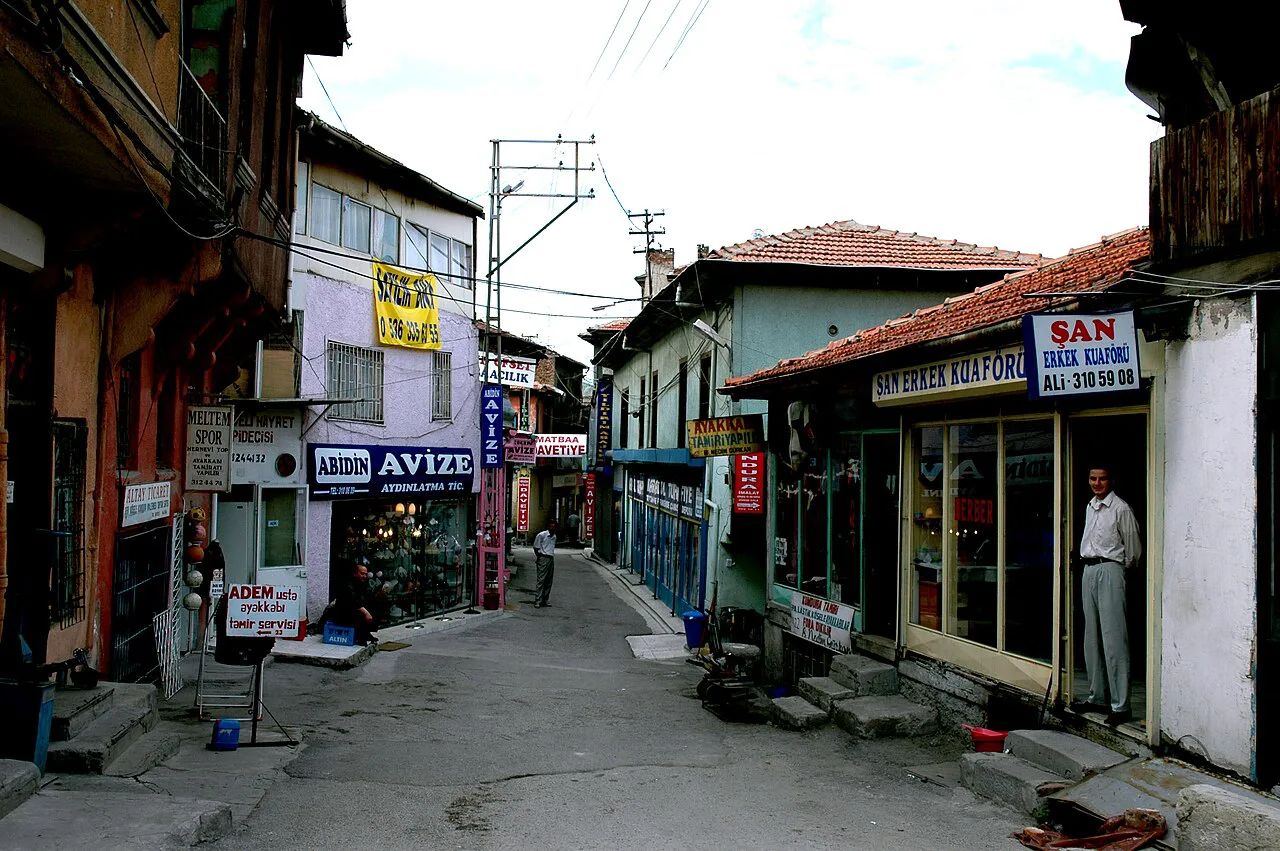
The restored han now holds small shops selling handicrafts, jewellery and textiles, with artisans working copper and silver in the corridors. It is also a working shopping building rather than a museum piece, so treat the workshops as places where people are busy and watch from a respectful distance before you ask about a piece. Reviews of the bazaar describe a traditional set-up where goods are often displayed without price tags, which sets the tone for how you buy here.
What is sold at Suluhan, and where you stop for tea
Inside Suluhan the stock leans towards things you can carry home: local handicrafts, jewellery and textiles, much of it made or finished in the small workshops on site. If you want a souvenir that is not a generic fridge magnet, the metal and textile pieces here are the stronger buy, and you can see how they are made before you commit.
Several cafés sit in the central courtyard serving traditional Turkish tea, which makes the han a natural halfway pause rather than a place to rush. Use it: order a tea, sit among the arcades and let the shopping slow down, then decide whether you actually want the item you were holding. It is also the obvious spot to regroup if you are shopping in a group with different interests.
Çıkrıkçılar Yokuşu: the steep antiques street
Çıkrıkçılar Yokuşu is a steep cobbled street in Ulus known as Ankara's antique hotspot, and its name means Weavers' Road, a reminder of the craft trades that once lined it. The shops deal in traditional carpets and kilims, Ottoman furniture, coins and rare books, so the browsing is slower and more deliberate than at a souvenir stall. Budget real time here if you collect anything, because the stock is the kind you have to look through rather than scan.
The slope is the practical catch. Anyone with limited mobility, a pushchair or a tired pair of legs will find this street harder work than Suluhan's courtyards, and the same applies to Samanpazarı next door. If that is a concern, treat the flat courtyard of the han as your main stop and dip into the hill streets only as far as comfortable.
Samanpazarı: the old hay market turned shopping quarter
Samanpazarı, adjacent to Çıkrıkçılar Yokuşu, was once the city's hay market and is now a shopping quarter where traditional and modern shops sit side by side. The cobbled streets hold textiles, ceramics and traditional musical instruments, so it is the stop for a gift that is neither jewellery nor copper. Its artisan workshops produce copper and brass items, and you can watch the hammering and shaping before you buy.
The quarter also has cafés and restaurants serving regional dishes, which makes it a sensible place to end the walk with lunch rather than doubling back to the centre. The steep slope is the one drawback, and it is worth deciding before you arrive whether you will cover the whole quarter or just the lower streets. Samanpazarı is the stop for Turkish jewellery, ceramics, carpets and antiques, while the neighbouring Çıkrıkçılar Yokuşu is where hand-woven textiles, leather accessories and gift items are found.
Bakırcılar Çarşısı: Ankara's copper quarter
Bakırcılar Çarşısı is the copper quarter in the heart of the city, where the metal trade that runs through Samanpazarı and Suluhan becomes the main event. Come here to watch rather than simply buy: the workshops are the attraction as much as the trays, pots and decorative pieces on display. Prices depend on weight, finish and handwork, so ask how a piece was made before you discuss cost.
Copper is heavy and awkward in a suitcase, which is the honest trade-off. If you are flying home with hand luggage only, a large tray is a poor purchase no matter how good it looks in the shop, and a small bowl or kitchen piece travels far better. Buy at the end of the walk rather than the start so you are not carrying metal up the hill.
Bargaining, cash and language in the bazaar
Bargaining is standard practice in these markets rather than an exception, and shopkeepers will generally move on price if you engage politely. The mechanics are simple: ask the price, make a counter-offer you would genuinely pay, and be ready to walk away if it is refused. What you should not do is haggle hard over a small item and then expect goodwill on a larger one later.
Carry cash, because not every shop takes cards, and keep small notes for tea stops and modest purchases. Cards are more likely to be accepted in the larger jewellery and textile shops than in a workshop selling a single copper tray. One visitor reports that English is not widely spoken around Suluhan, so a translation app on your phone is a useful backup when a number or a material needs spelling out.
A short Ulus bazaar walk: how long to allow
Treat the four stops as one loop: Suluhan first for orientation and tea, Çıkrıkçılar Yokuşu for antiques, Samanpazarı for crafts and lunch, and Bakırcılar Çarşısı for copper on the way back down. Two to three hours covers it at a browse, and half a day covers it properly with a meal and a serious look at the antiques.
Pair the walk with the sights immediately around Ulus rather than heading back across the city. The Museum of Anatolian Civilizations, the Hacı Bayram Mosque and the Temple of Augustus are all in this part of town, and the free things to do in Ankara list shows which nearby stops cost nothing to add. If you are weighing up whether the capital deserves a slot in your Turkey itinerary at all, the honest answer for shoppers is yes, and the question is Ankara worth visiting covers the rest.
Which Ulus stop to build your morning around
If you have one stop only, make it Suluhan Çarşısı: the courtyards, the workshops and the tea give you the whole flavour of Ankara's bazaar in a single building. Add Çıkrıkçılar Yokuşu if antiques interest you, and Bakırcılar Çarşısı if you want to watch metalwork being made rather than just sold.
Check the current opening pattern for individual shops and the han's cafés before you travel, since these vary by business and season. The four Ulus stops sit within a few minutes of each other, so a loose plan is enough, and the Ankara Attractions: 4 Visitor Guides hub shows what else is close by in the same quarter.
Frequently Asked Questions
Is Ankara's bazaar the same as Istanbul's Grand Bazaar?
No. Ankara's bazaar is a group of market streets and one restored caravanserai in the Ulus district, not a single covered market. Suluhan Çarşısı, Çıkrıkçılar Yokuşu, Samanpazarı and Bakırcılar Çarşısı are the stops to look for.
Do I need to speak Turkish to shop in Ankara's bazaars?
No, but a translation app helps when you need to confirm a material, a weight or a number. One visitor reports that English is not widely spoken around Suluhan, so have a translation app ready before you start negotiating.
Can I reach the Ulus bazaar on foot from central Ankara?
Ulus is north of the modern centre and the market stops are minutes apart once you are there, but the walk up from Kızılay is long. Most visitors take public transport or a taxi to Ulus Square and walk the circuit from there, starting at Suluhan about 400 metres south-east.
Sources
Notes for your next Turkey trip
Optional updates when we add or correct a town guide.
You might also like
Continue reading
More guides you'll find useful