Free Things to Do in Ankara: What to See and Skip
Free things to do in Ankara, from Anıtkabir and Hacı Bayram Mosque to Ankara Castle and Hamamönü, plus which paid sights are worth the fee.
On this page
Ankara's free sights cluster tightly in Ulus and around the citadel, so a full day of mausoleum, mosques, castle walls and Ottoman lanes costs nothing to enter. The paid stops are few and specific: the Museum of Anatolian Civilizations and the Roman Baths and Open Air Museum. This guide lists what costs nothing, groups it by neighbourhood and shows which paid sight deserves your lira.
The list below runs from Anıtkabir through Hacı Bayram Mosque and the Temple of Augustus area in Ulus, up to Ankara Castle and down into Hamamönü, then across to Kocatepe Mosque and Kuğulu Park in the modern city. Each stop names the specific building or street so you can find it on the day. Paid museums are handled separately, with the trade-off set out plainly.
What you can do in Ankara without paying
Anıtkabir, the Hacı Bayram Mosque complex, the Temple of Augustus, Ankara Castle, the Ottoman houses of Hamamönü, Kocatepe Mosque and Kuğulu Park make up the core of a visit. They span two distinct parts of the city: the historic Ulus and citadel area on one side, and the Kızılay and Tunalı Hilmi district on the other. Plan them as two clusters rather than criss-crossing the centre.
A walking tour can cover the historic centre at a set pace if you would rather follow a guide than navigate yourself. GuruWalk lists several walking tours in Ankara, including a historic-centre route and a longer Anatolia-themed walk, and the durations and start times on that page vary with bookings, so confirm them when you reserve. Budget for the tip or fee that the individual guide on GuruWalk asks for.
The national tourism board highlights the Museum of Anatolian Civilisations, the Roman Baths and Open Air Museum, Nallıhan, Salt Lake and Gordion as places to see in and around the capital, which reaches well beyond the city for a day out. Most of those are excursions rather than city-centre stops. Treat the central list above as the core and add outlying sites only if you have a car or a tour booked.
Anıtkabir: the mausoleum of Atatürk and its gardens
Anıtkabir is the monumental mausoleum of Mustafa Kemal Atatürk, founder of the modern Turkish republic, and it opens a day in Ankara with a strong dose of national history. The approach runs through formal gardens to a mausoleum that the itinerary source calls awe-inspiring, set in serene, meticulously maintained grounds. It is the one stop on this list that most itineraries put first, and the grounds themselves give you a calm walk before the busier bazaar streets.
The Museum of Anatolian Civilizations is the nearby paid stop worth pairing with this part of the city. The museum charges admission and the evidence here gives no current figures; check the ticket office or the museum's own site on the day. Give Anıtkabir the morning if you can, when the ceremonial route is at its clearest.
Hacı Bayram Mosque and the Temple of Augustus next door
Hacı Bayram Mosque is an Ottoman mosque in Ulus with domes, calligraphy and minarets, and the neighbouring Hacı Bayram Veli Complex holds the tomb of the Sufi saint the mosque is named for. The visit is a religious one as much as a sightseeing one: cover shoulders and legs, remove shoes at the entrance and keep noise down, especially around the tomb. Women should carry a scarf, and step aside when prayers begin.
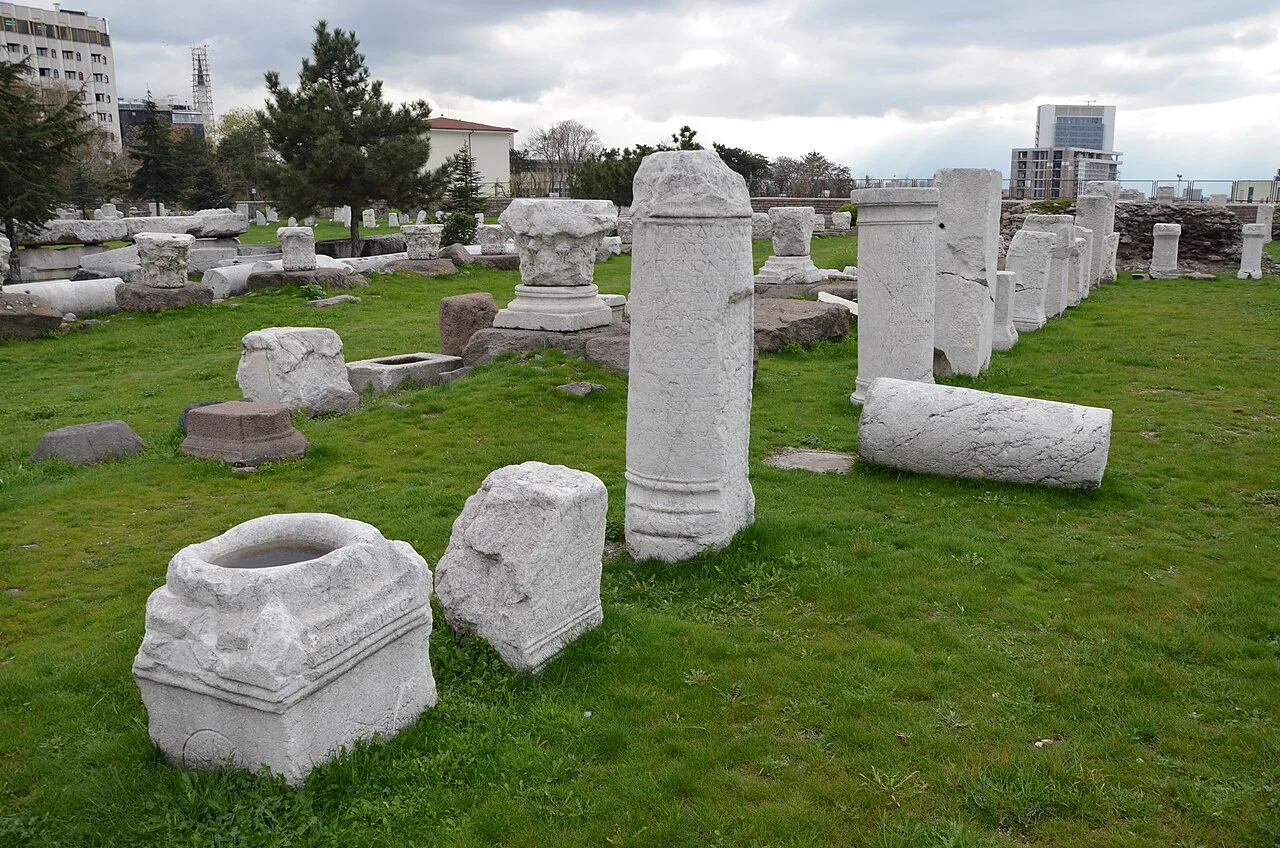
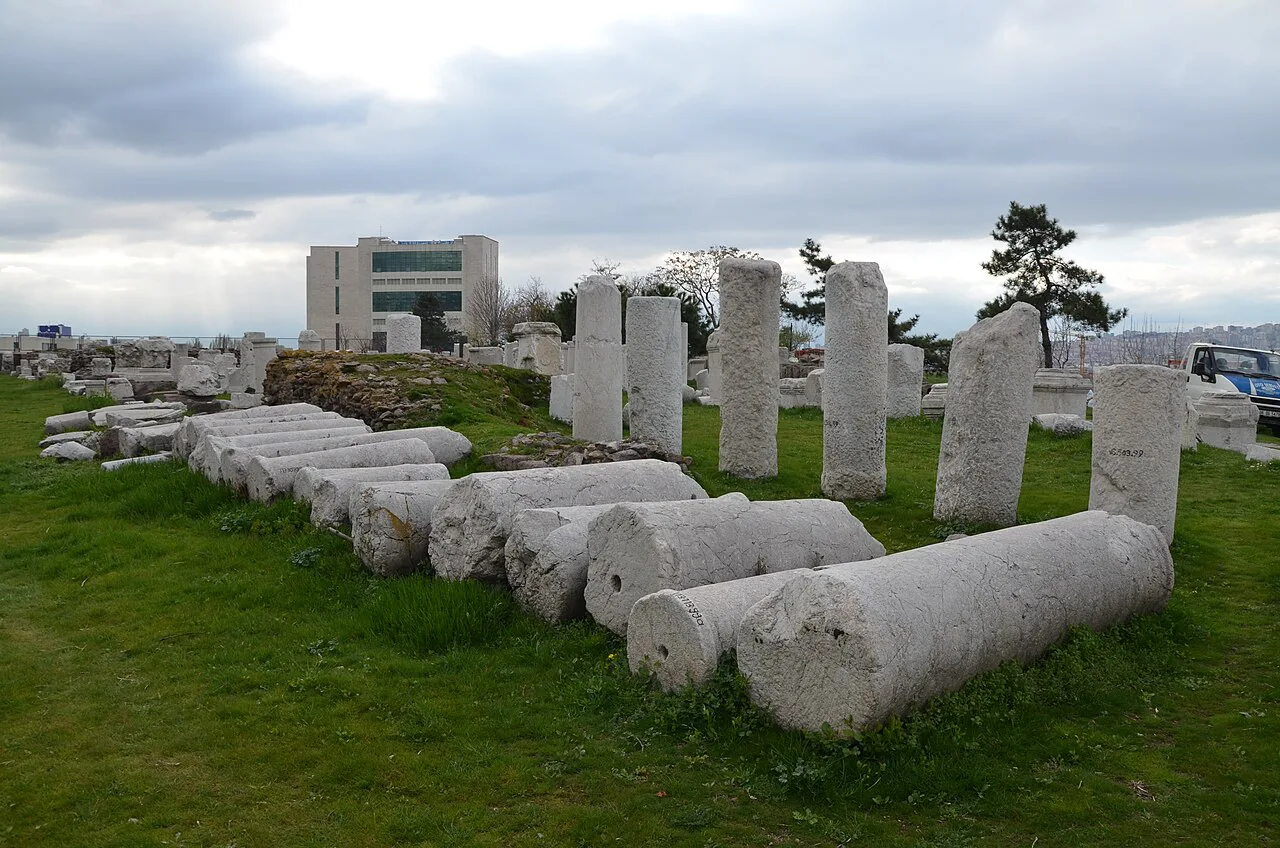
The Temple of Augustus, known for the Monumentum Ancyranum inscription of Augustus's achievements carved on its walls, stands in the same Ulus area and makes an odd and memorable contrast with the Ottoman architecture around it. See it as part of the same wander rather than a separate trip.
The surrounding Ulus neighbourhood has traditional Ottoman houses, cafés and local shops, so the mosque stop naturally spills into a wander. This is also the part of Ankara where the old bazaar streets begin, and it repays a slow walk on foot. Use an Ankara map to fix the mosque, temple and bazaar lanes before you set out.
Ankara Castle and the old streets below it
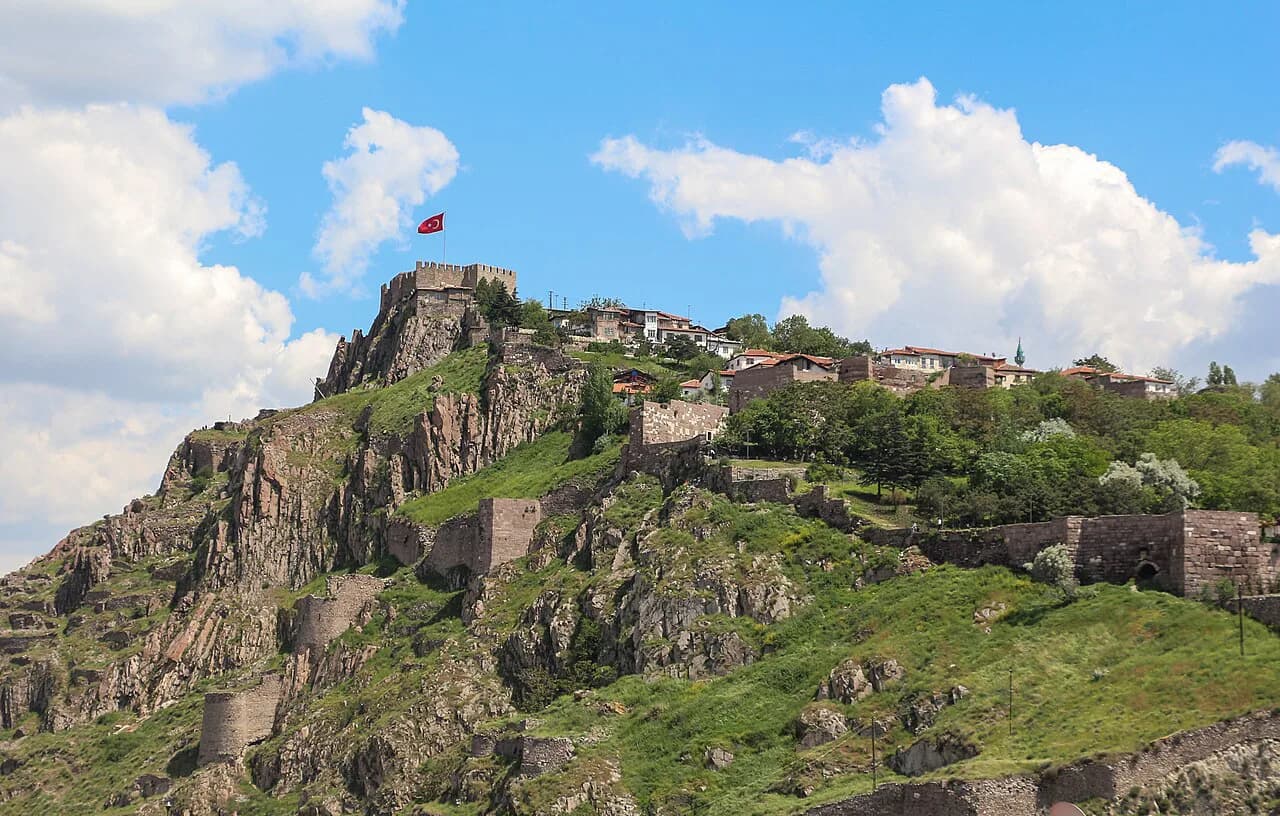
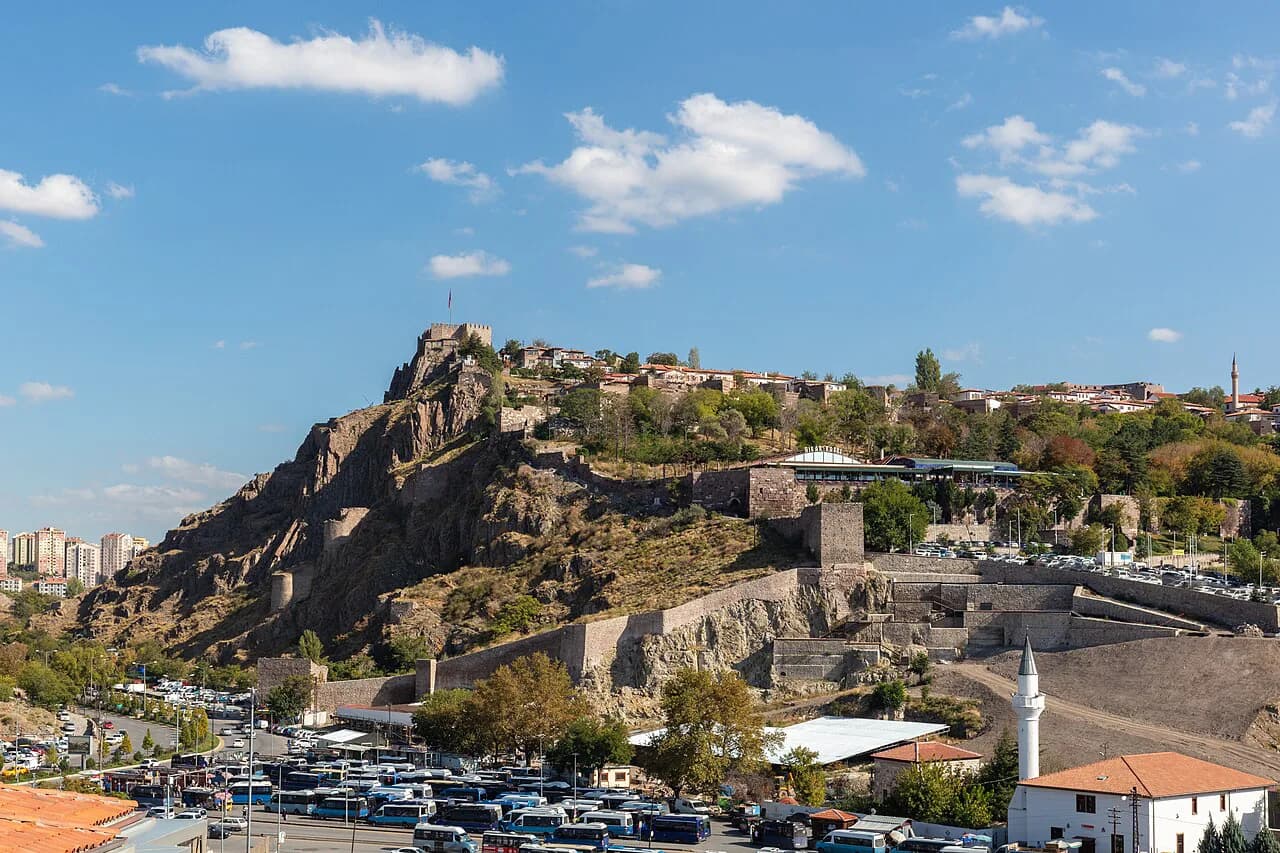
Ankara Castle, or Ankara Kalesi, sits on the hill above the old city and gives you the widest view over the capital. Viator's Ankara attraction list includes it alongside Anıtkabir, the Museum of Anatolian Civilizations and the Temple of Augustus and Rome, so it is a headline sight rather than a hidden corner. Admission terms for the castle are not stated in the sources used here; check the gate when you arrive.
The climb is the real test. The castle hill is exposed, and on a hot summer afternoon the walk up and the lack of shade make it a morning or late-afternoon visit. The old streets inside and below the walls are the reward, with Ottoman houses and small workshops in the lanes. Wear shoes with grip, since the paving is uneven and steep in places.
Hamamönü's Ottoman houses
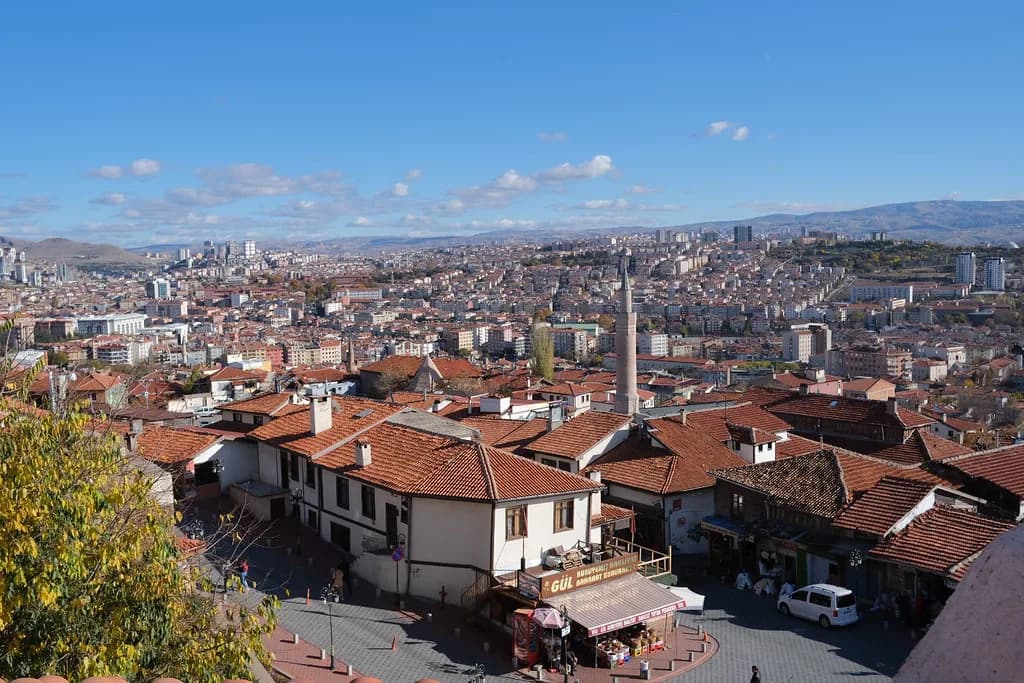
Hamamönü is the restored Ottoman quarter on the slope below the castle, and its draw is exactly what costs nothing: timber houses, narrow lanes and the atmosphere of an older Ankara. Restored houses line the streets, and the area has become a place to stroll rather than a single ticketed sight. It is the natural end of a castle walk, since you come down into it from the citadel side.
Some of the houses have been converted into cafés and small workshops, so a little money will go further here than at the free mosques. Even without spending, the lanes give you the photographs of Ankara that the modern city centre does not. Go before the light goes in winter, when the quarter empties quickly.
Kocatepe Mosque
Kocatepe Mosque is the large modern mosque in the Kızılay district, and the itinerary source puts it in the same day as the park and the shopping streets. Its scale and interior tiled space are the reason to go, and the central location makes it an easy stop between other sights. The same mosque etiquette applies: modest clothing, shoes off, quiet inside, and no walking across the prayer area during worship.
Kuğulu Park and Tunalı Hilmi Avenue
Kuğulu Park is a small central park that gives you a pause between the mosque and the shopping streets. The itinerary source pairs the evening here with a stroll, and Tunalı Hilmi Avenue is the natural companion walk, with its shops and cafés in the same district. Kızılay is the alternative for shopping, though it is the busier, more commercial choice.
The park and avenue make a good last hour of daylight, since they sit away from the castle hill and the Ulus lanes. If you have been walking the old town all morning, this side of the city gives you a change of scene and a flat promenade. Keep it loose: the point is to sit, not to tick off another sight.
The paid sights worth budgeting for: the Museum of Anatolian Civilizations and the Roman Baths
The Museum of Anatolian Civilizations is the one ticket most visitors should buy. The itinerary source calls it one of the finest museums in Turkey, with collections spanning thousands of years of Anatolian history, and it sits close to Anıtkabir and the Ulus sights. If you are choosing a single paid stop, this is the one to plan around, especially if the weather turns.
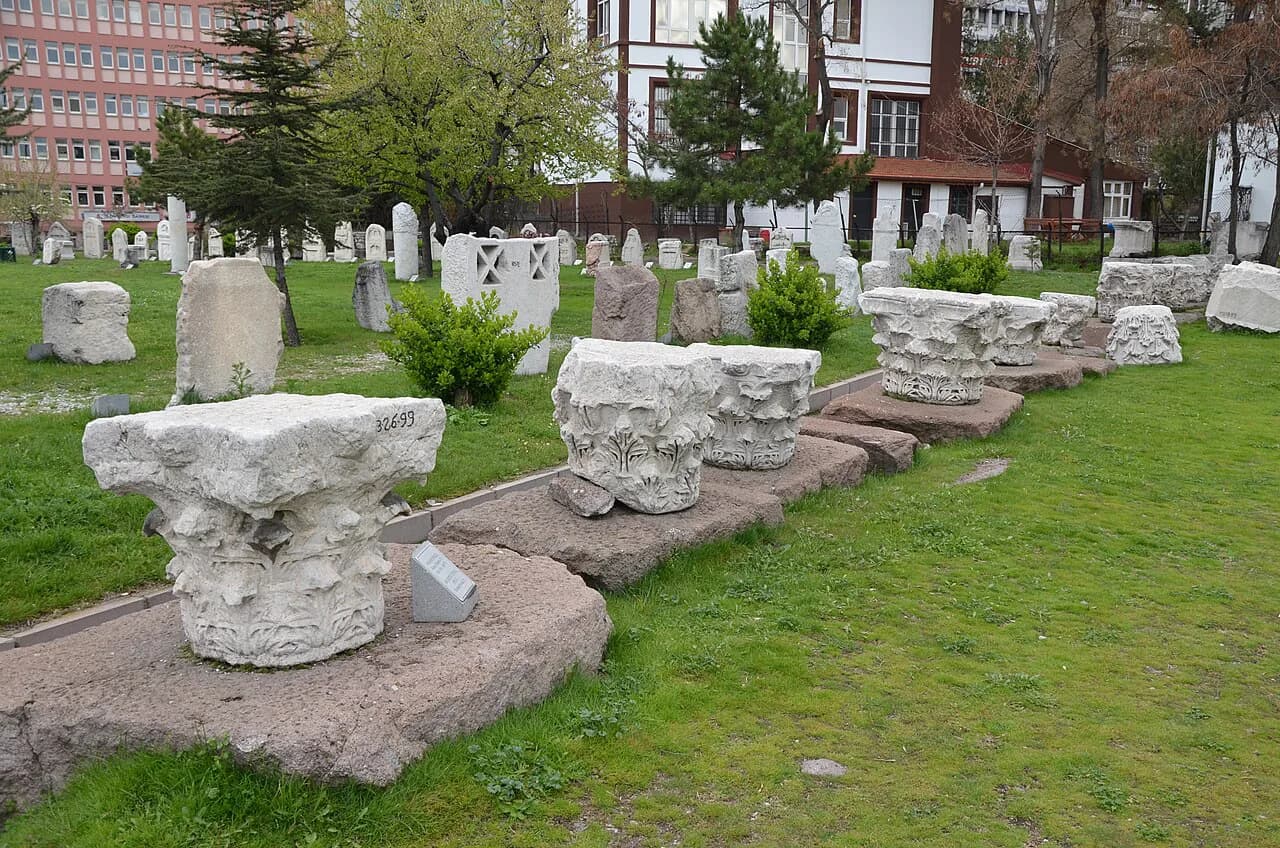
The Roman Baths and Open Air Museum is the other paid archaeological stop the tourism board highlights, an excavated bath complex in the city. It is a smaller visit than the museum, so treat it as an add-on if you have a spare hour in Ulus. Opening hours and admission change through the year; confirm them at the entrance rather than relying on an old guidebook.
A wider sightseeing list for the city, including Aslanhane and Hattusa, appears in commercial attraction listings. Hattusa, the Hittite capital, is a long day out from Ankara rather than an afternoon stop, so do not fold it into a city day. For the museums and sites inside the city, the Ankara attractions hub is the place to start.
Getting between these places on foot and by public transport
Anıtkabir, Hacı Bayram Mosque, the Temple of Augustus, Ankara Castle and Hamamönü all sit in the old core of Ankara, and the itinerary source links them in one day. Kocatepe Mosque, Kuğulu Park and Tunalı Hilmi Avenue form a second, flatter route around Kızılay. Wherever you start, arrange the day around the fact that the city is too large to cover comfortably on foot end to end.
Guide-led walks in the historic centre usually run a couple of hours, which fits the old core well. Confirm the meeting point and time when you book through the platform, and bring water for the castle climb. This guide has no reliable figures for bus or metro fares, so check them locally.
How to combine the free sights into one day
Start at Anıtkabir in the morning, then move to Hacı Bayram Mosque and the Temple of Augustus in Ulus. Continue uphill to Ankara Castle for the view, come down through Hamamönü, and finish in Kızılay at Kocatepe Mosque and Kuğulu Park. That order keeps the walking logical and puts the exposed castle climb before the afternoon heat peaks.
If you want one paid stop, insert the Museum of Anatolian Civilizations between Anıtkabir and Ulus, since it is close to both. That stretches the day into the late afternoon but keeps travel to a minimum. Drop the park and avenue if you run out of time, since they are the easiest to add at leisure on another day.
Practical notes: heat, crowds and mosque etiquette
Ankara's summers are hot and its winters cold with snow, so plan the exposed castle climb for the cooler ends of the day. Spring and autumn are the mildest months for walking between sights. Winter brings snow to the hill paths, which changes the castle visit considerably; keep an eye on the weather and shift to the museum if it turns.
For the mosques, dress modestly, remove shoes and keep voices low; women should carry a scarf. These are working places of worship, so step aside when prayers begin and do not walk in front of worshippers. No one source in this guide gives visitor rules beyond general etiquette, so follow the entrance signage.
Ankara's old lanes and citadel are worth a whole morning even without a ticket, and the city works as a stopover on the way to Cappadocia or an Anatolian loop. If you are weighing it against other Turkish stops, the broader Things to Do in Ankara guide covers the surrounding choices. For the other half of that decision, our Cappadocia verdict helps you judge whether the region earns a place on the same trip. That way you know what you are gaining and giving up.
Is Ankara worth a day of free sights?
Yes, if you want mausoleum, mosque, castle and Ottoman lanes in one compact day without spending on entry. The trade-off is the hill climb in summer and the fact that the museum you would most want to enter charges admission.
Build the day around the Ulus route and treat Kızılay as an evening add-on. That gives you the castle light, the mosque atmosphere and the old quarter in the right order, with the paid museum as the one sensible splurge.
Frequently Asked Questions
Is Ankara Castle free to enter?
The sources used here do not confirm the admission terms for Ankara Castle, so check the gate or the castle's own information when you arrive. The climb and the old streets around it are part of the visit either way.
What is Ankara famous for?
Ankara is known above all as Turkey's capital and for Anıtkabir, Atatürk's mausoleum, with its ceremonial gardens and plaza. The Museum of Anatolian Civilizations and the Ottoman quarter of Hamamönü are the other draws that come up most often.
Can I visit the mosques for free?
Hacı Bayram Mosque and Kocatepe Mosque are working places of worship rather than ticketed sights. Dress modestly, take your shoes off at the entrance and keep quiet inside, and avoid visiting during prayers or step aside when they begin.
Sources
- One day in Ankara, Turkey (Guide) - What to do in Ankara
- 4 Best Free Walking Tours in Ankara - GuruWalk
- Five must-visit places in Ankara, where history and nature unfold at their own pace. Each stop reveals a quieter side of the capital, inviting you to slow down and look closer. Keep exploring, keep wandering. 📍 Museum of Anatolian Civilisations 📍Nallıhan 📍Roman Baths and Open Air Museum 📍Salt Lake 📍
- TOP 15 Things To Do & Attractions in Ankara (October 2026)
- What to See & Do in Ankara, Turkey
Notes for your next Turkey trip
Optional updates when we add or correct a town guide.
You might also like

Continue reading
More guides you'll find useful