Is Ankara Worth Visiting? A Candid Guide for UK Travellers
Yes, Ankara rewards travellers who want Atatürk's mausoleum, a hilltop citadel and Anatolian archaeology. Here is who the Turkish capital suits and who it does not.
On this page
Yes, Ankara is worth visiting, provided you come for the republic, the citadel and the archaeology rather than for coastline or a resort strip. The capital packs Anıtkabir, Ankara Castle and the Museum of Anatolian Civilisations into one compact day, and the surrounding lanes of Ulus and Hamamönü give that day somewhere to breathe. This guide sets out what you actually see, who the city suits, and how to spend a short stop without wasting it.
Treat Ankara as a city of two halves. The historic half clusters around the castle hill and the Hacı Bayram mosque in Ulus, while Kızılay is the modern downtown of shops, cafés and transport connections. Knowing which half you are in on any given hour keeps a short break from turning into a series of taxi rides.
What you actually see in a day
A workable day starts at Anıtkabir, moves to Ankara Castle and finishes in the Museum of Anatolian Civilisations, which sits on the south side of the castle. That order keeps you walking downhill through the old quarter rather than climbing back up, and it lets you end with the museum's galleries when you are ready to slow down.
The practical case for the city rests on that cluster rather than on any single sight: the castle, the old houses beneath it and the museum form one continuous visit. Add Anıtkabir and you have a full day with two distinct halves. If you only have an afternoon, the castle and museum alone justify the stop. Keep our list of things to do handy for the sights that sit outside this core.
Why the capital catches people out
Visitors routinely assume Istanbul is the capital, when Ankara took that role in 1923. That mismatch explains most disappointed trips: people arrive expecting Ottoman waterfronts and find a working government city instead. Ankara rewards curiosity about the republic and about Anatolia as a whole, and offers little of the seaside holiday atmosphere that draws Brits to Antalya.
Anıtkabir: the ceremonial road, the cenotaph and the museum
Anıtkabir is the mausoleum of Mustafa Kemal Atatürk, founder of the Turkish Republic, and it deserves a half-day rather than a photo stop. You enter along a ceremonial road lined with neo-Hittite lion statues, cross a large courtyard, and reach a hall holding a cenotaph cut from a single block of marble, with the actual tomb beneath it. Build in time for the changing of the guards, which one property blog lists as a visitor highlight; confirm timings on arrival.
The museum inside the complex covers the War of Independence and the early republic, with Atatürk's personal items, letters, photographs and a wax figure, plus inscriptions from his 1932 speech engraved in gold at the entrance. Anıtkabir is listed as available with Museum Pass Turkey, so check the pass's current coverage before you buy one. Arrive early, particularly at weekends and on national holidays, when visitor numbers rise.
Ankara Castle and Kaleiçi: walls, Ottoman houses and the market squares
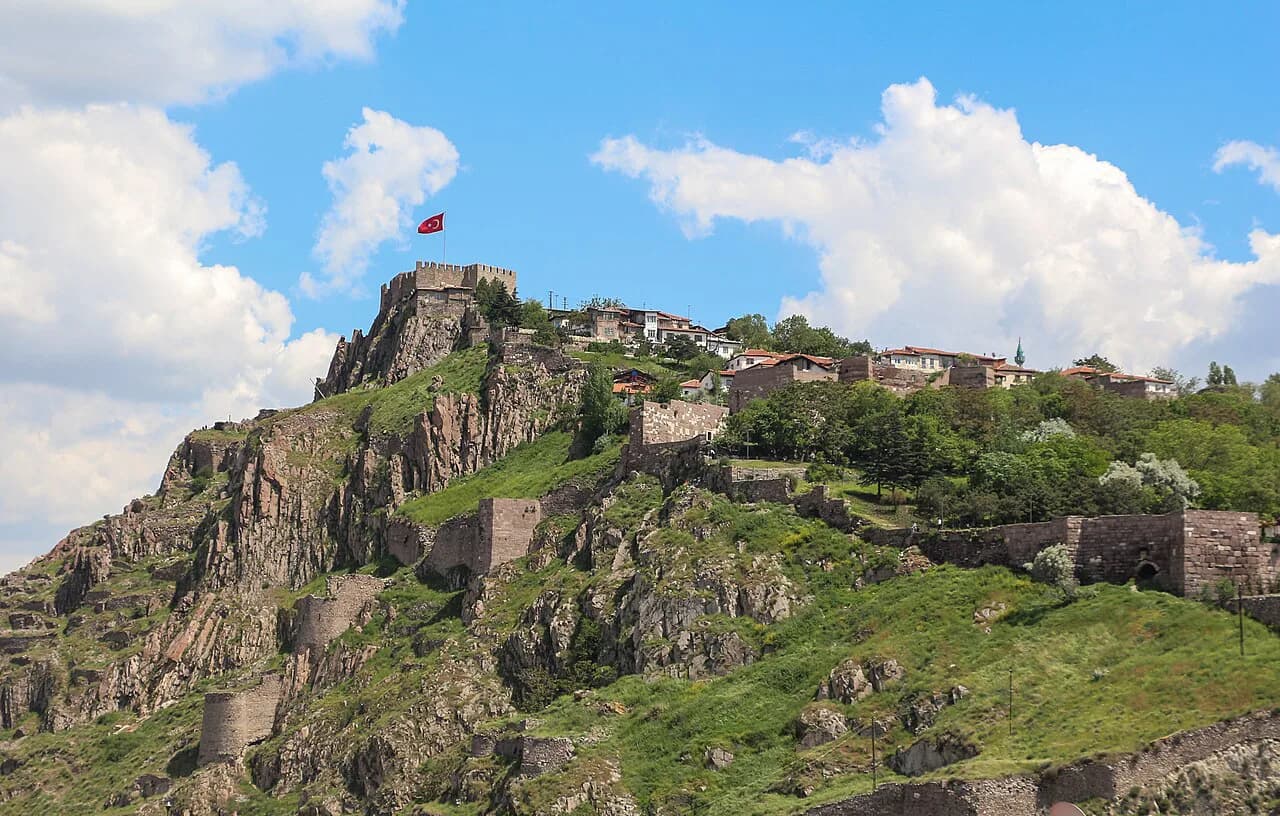
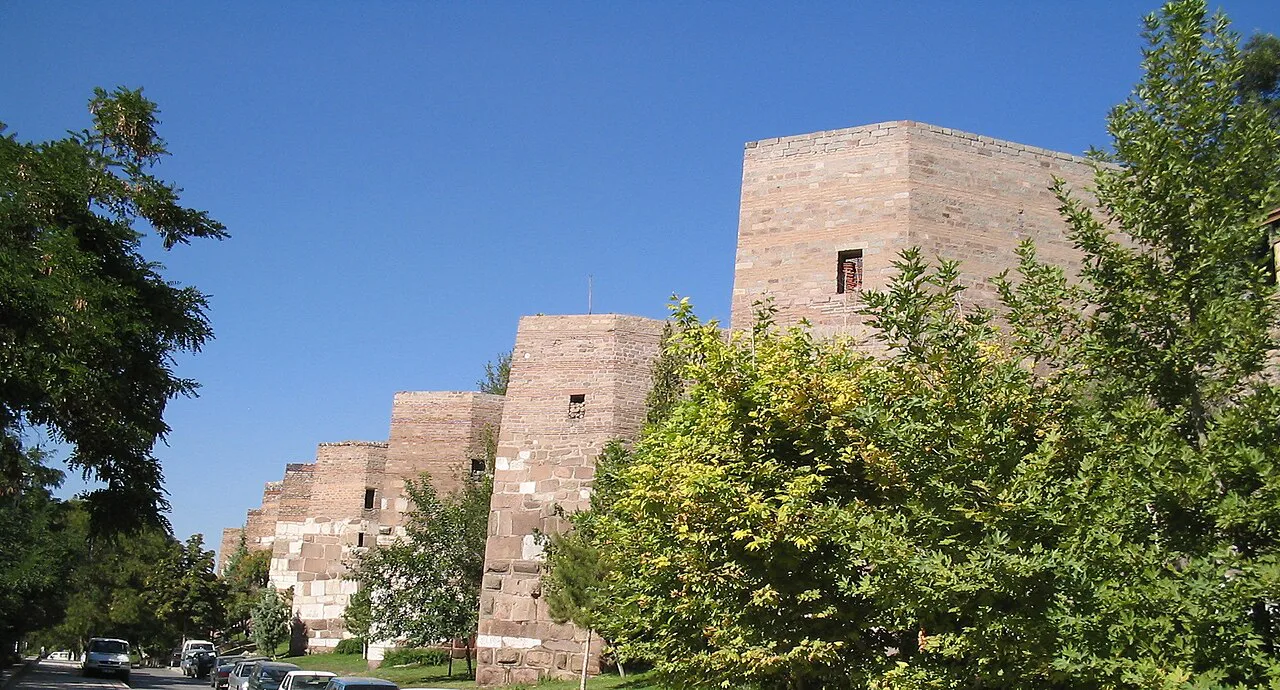
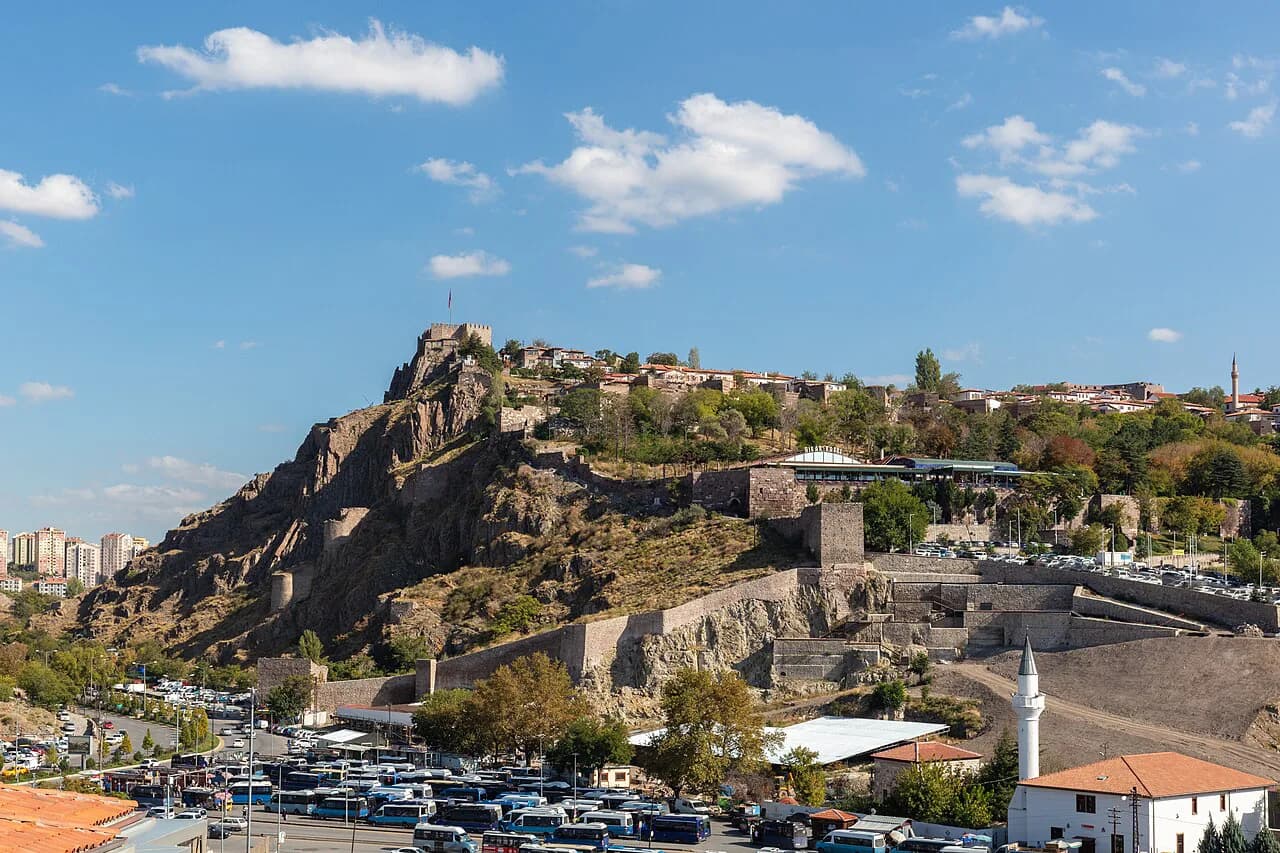
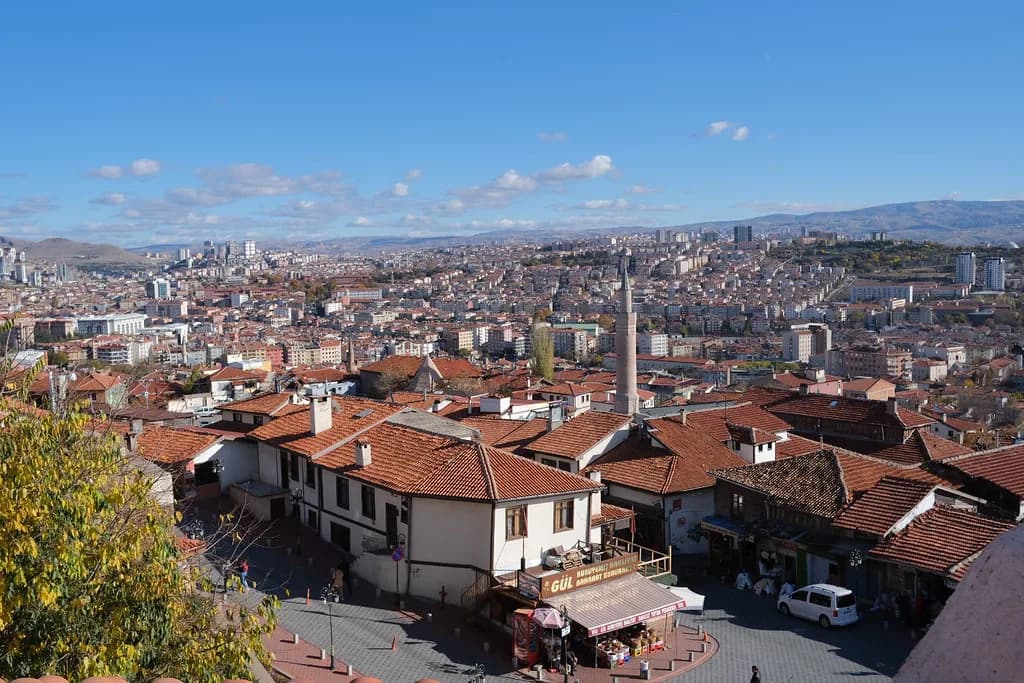
Ankara Castle sits in the Ulus Bentderesi district of the old quarter; one travel blog reports it as free to enter and explore, but check locally for current access. Climb for the panorama over the capital, then wander the Kaleiçi neighbourhood below, where two- and three-storey Ottoman houses with bay windows line cobbled lanes. The castle grounds themselves hold towers, mosques and trade inns, so give the hill a couple of hours on foot.
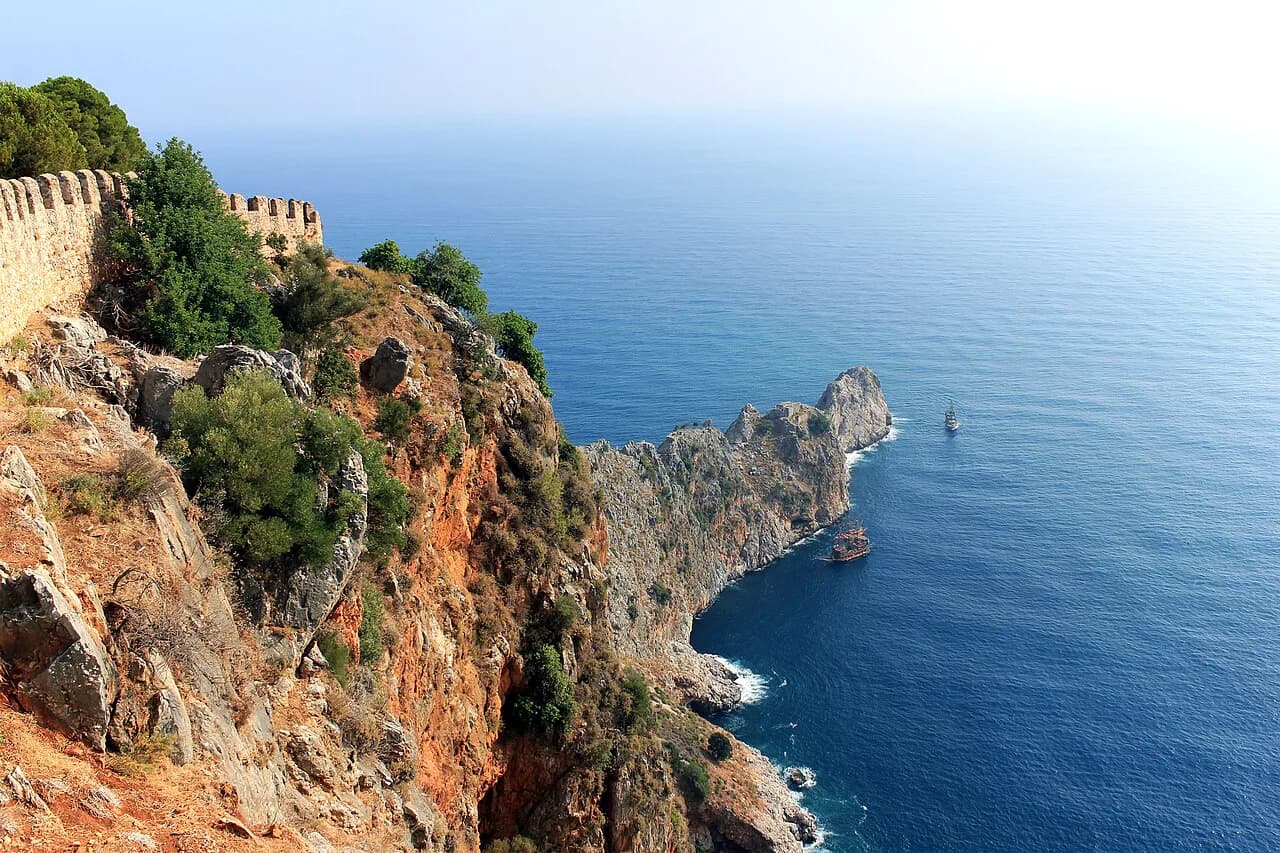
Watch your footing on the walls: some stretches have no barriers or handrails, and the drop is long. Historically, the outer walls enclosed squares that still operate as markets, among them Atpazarı, Samanpazarı and Koyunpazarı, where you can browse jewellery, textiles and water pipes. Expect to bargain in the shops. For a map of how these lanes connect to the rest of the city centre, use our Ankara map.
A note on names: Ankara's old quarter is also called Kaleiçi, the same word Antalya uses for its old town, so be clear which city you mean when you search for directions. Ask for Ankara Kalesi rather than 'the castle' if you are checking the route with anyone locally.
The Museum of Anatolian Civilisations
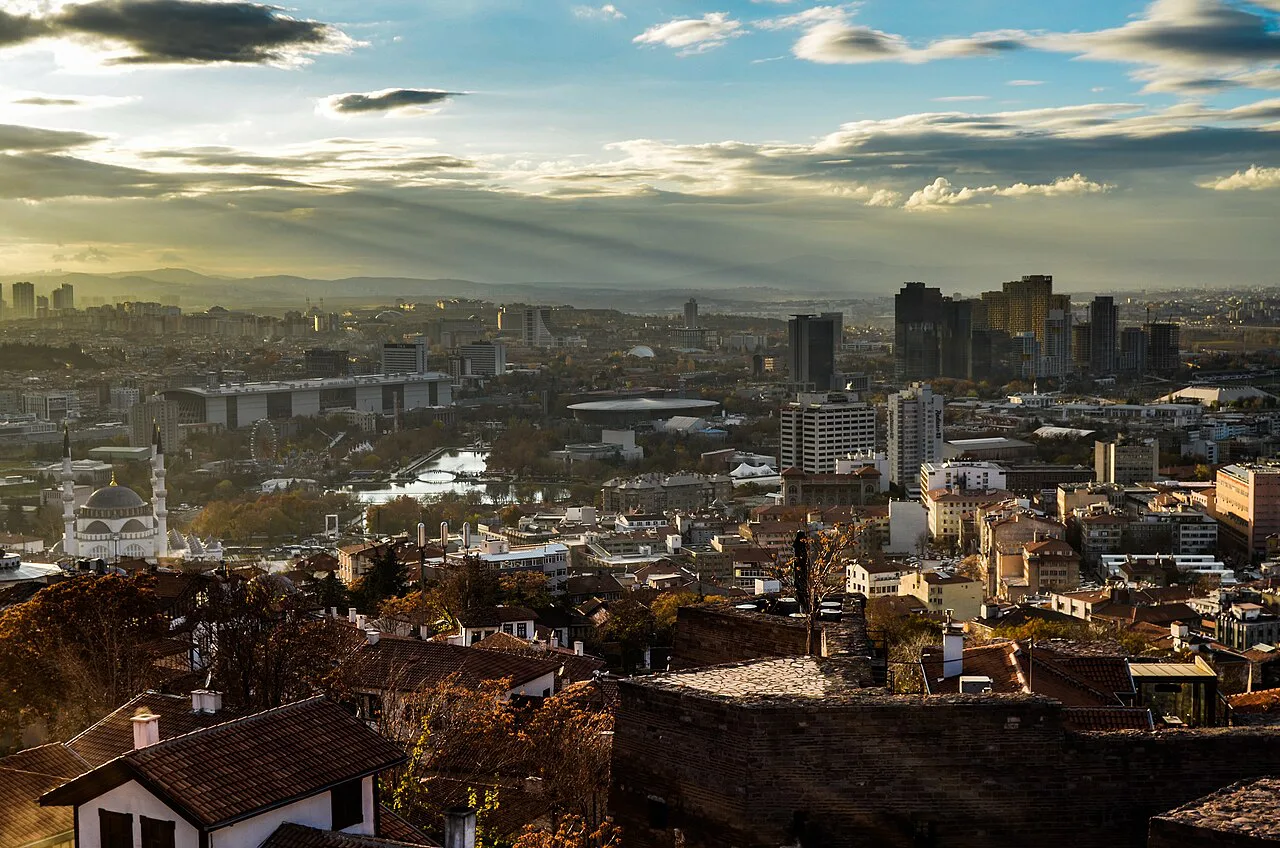
The museum occupies two restored 15th-century Ottoman buildings, the Mahmut Paşa Bedesteni and the Kurşunlu Han caravanserai, on the south side of Ankara Castle. Its exhibits run chronologically from the Palaeolithic to the Ottoman period, covering Hittite, Phrygian, Urartian and Neolithic cultures. The items to hunt out are the Çatalhöyük wall painting, the bronze tablet of Tudhaliya IV, and the statues of Kybele and King Mutallu.
If you are weighing up whether to make the trip at all, this is the collection that usually decides it: travellers interested in archaeology come to Ankara for it alone. Pair it with the castle in the same afternoon and you have covered the historic core without rushing.
Hacı Bayram Mosque and the Temple of Augustus and Rome
In Ulus, the 15th-century Hacı Bayram Mosque stands next to the Temple of Augustus and Rome, so you can see both in one stop. The mosque shows Ottoman work from the 17th and 18th centuries, with Kütahya tiles, Arabic calligraphy, an ornamental wooden ceiling and a decorated mimbar. The mausoleum of Hacı Bayram-ı Veli sits alongside it.
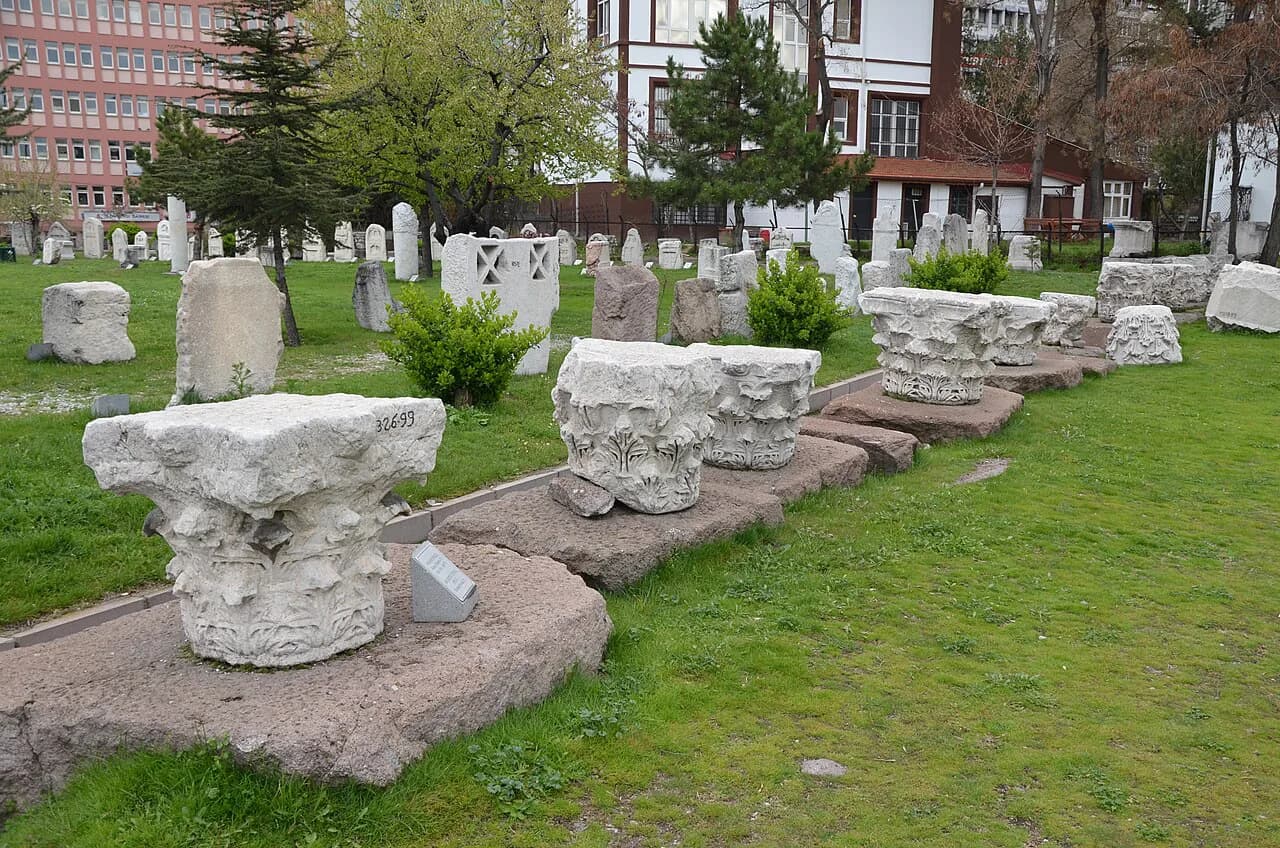
The temple next door was built in 25 BC and holds the Monumentum Ancyranum, the most complete surviving copy of the Res gestae divi Augusti, with Corinthian columns still standing. It later served as a Byzantine church and then a madrasah. Dress modestly for the mosque and time your visit outside prayer times rather than guessing at the door.
Hamamönü and Kızılay: Ottoman lanes versus the modern downtown
Hamamönü is a restored 19th-century Ottoman neighbourhood of cobbled streets, wooden houses and historic mansions, with craft shops, galleries and cafés serving Turkish coffee and traditional desserts. The 15th-century Karacabey Hamam still operates there, according to one tour-operator guide. It makes a calmer counterweight to the castle hill and works well after the morning at Anıtkabir.
Kızılay is the modern centre: a transport hub where metro and bus lines meet, hemmed by shops, department stores, restaurants and outdoor markets. In the evening the crowds of students and young professionals give you a sense of ordinary city life, and Atatürk Meydanı, Güven Park and the Grand National Assembly sit nearby.
For a view over both halves, head up Atakule Tower in the Çankaya district, which one blog describes as the city's highest viewpoint. Kocatepe Mosque, described by one travel blog as the largest place of worship in the city, ranks among Ankara's most impressive buildings and is a natural stop on the way. Both are easy to fold into an afternoon in the modern quarter.
Who Ankara suits, and who should skip it
Ankara suits travellers who want the modern republic, a hands-on old quarter and a first-class archaeology collection, and who are happy to spend a day in Ulus. It also suits anyone breaking a journey across central Anatolia. Families with younger children will find Gençlik Park useful for an afternoon break, with its lake, gardens, walking paths and small amusement attractions.
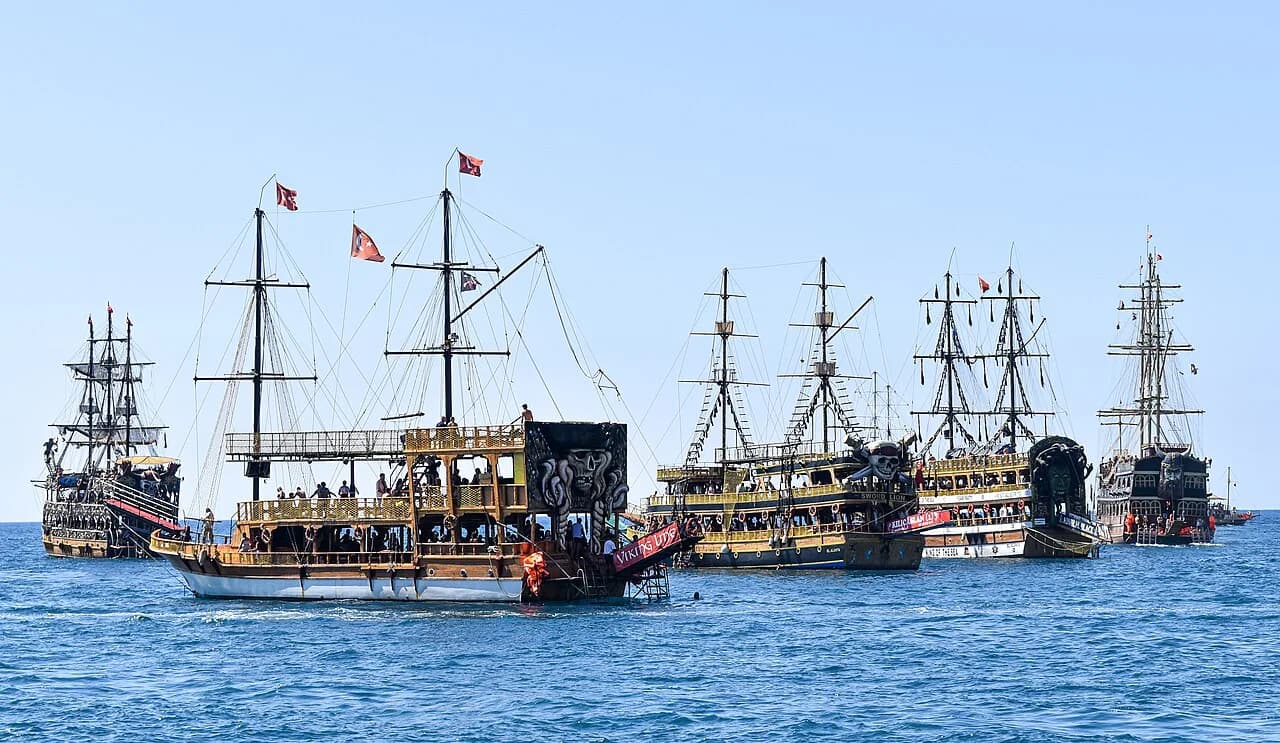
Skip Ankara if your short break is built around Ottoman waterfronts, boat trips or resort time, because the city offers none of that and will feel like the wrong destination. It is a capital of government offices and universities rather than a holiday town. Anyone wanting free sights will find the castle and the old quarter lanes the obvious first stops; our guide to free things to do in Ankara covers the rest.
Making Ankara work with limited time
With one day, begin at Anıtkabir before the crowds build, move to Ankara Castle and the old quarter, take lunch in Hamamönü, then finish with the Museum of Anatolian Civilisations. If you have a second day, add Hacı Bayram Mosque, the temple in Ulus and either Kızılay or Atakule. Beyond the city, Hattusa, Alacahöyük and Yazılıkaya make a long day trip, as does Gordion.
On the Museum Pass, confirm current validity and inclusions before buying; the evidence only confirms that Anıtkabir is available with Museum Pass Turkey. Check official pages for opening hours and ticket arrangements rather than relying on older trip reports. Use our Ankara Attractions: 4 Visitor Guides hub to plan which single sight gets the most of your time.
Should Ankara make your short break?
Book Ankara as a city break in its own right or as a deliberate stop on a wider Anatolian trip, and build the day around Ulus. Come for Anıtkabir, the castle and the museum, and the capital will hold its own against much more fashionable destinations. Come expecting Istanbul-on-a-hill and you will spend the day waiting for something that never arrives.
Sources
Notes for your next Turkey trip
Optional updates when we add or correct a town guide.
You might also like
Continue reading
More guides you'll find useful