Antalya Street Food: What to Eat and Where to Find It
Antalya street food from simit and börek to midye dolma, kokoreç and burnt ice cream, with the streets, markets and stalls where you actually find them.
On this page
Antalya street food is a walking day's worth of small eats: simit and börek in the morning, mussels stuffed with rice near the old harbour, a fried fish sandwich on Atatürk Caddesi, and burnt ice cream to finish. This guide sorts the snacks you eat standing up from the sit-down Antalya dishes, names the streets and market areas where each one clusters, and gives prices only where a figure is on record.
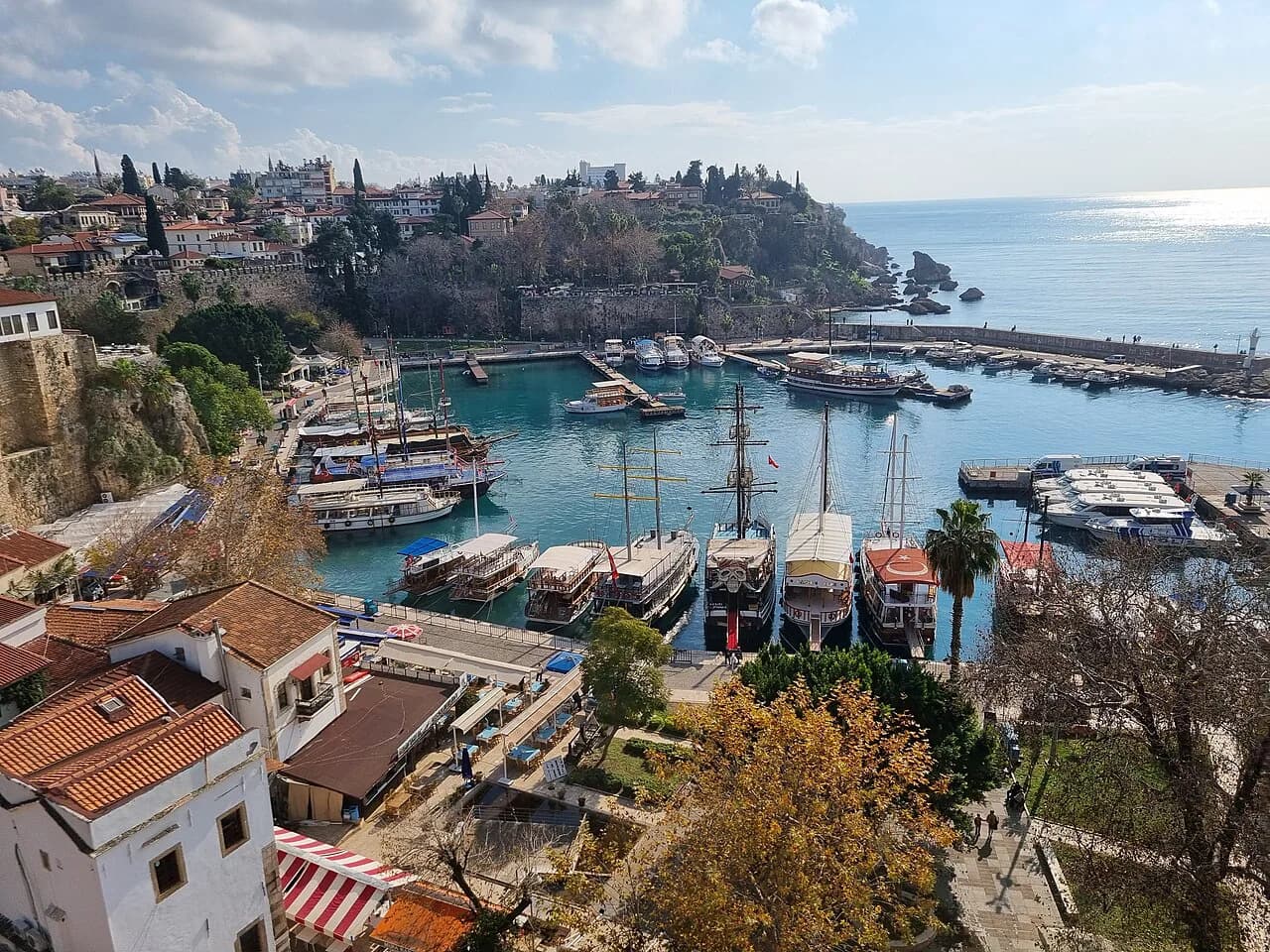
Almost all of it sits within reach of Kaleiçi and the old harbour, so you can work a route around the old town and the marina without planning transport. Most of the food on this page is bought from a counter or a cart, which means cash, a short wait and no booking.
The quick eats to look for first
Antalya's snack culture leans on a handful of things you will see everywhere: rings of sesame bread, flaky savoury pastries, döner carved off a spit, mussels sold by the shell, and grilled offal. The city's street food also includes a few items that are particular to Antalya, notably burnt ice cream and tirmis, the wet lupini-style snack sold from street carts.
Sit-down specialities are a separate matter. Köfte piyaz, the grilled meatball with a bean salad dressed with tahini, and kabak tatlısı, the warm pumpkin dessert, belong at a table rather than in your hand, and they are covered alongside the wider restaurant scene in our Best Restaurants in Antalya.
A useful way to plan is to match the food to the time of day: pastries and simit early, mussels and fish sandwiches at midday by the water, kokoreç and ice cream later. Carry water, because the salty snacks and the summer heat combine quickly.
Simit and börek: the morning staples
Simit is the sesame-covered ring bread sold from street-side counters, and börek is the flaky pastry that comes stuffed with meat, cheese or potato. In Antalya the two go together at breakfast, with tea, at places such as Cankaya Simitcisi, which has street-side seating and a local morning trade, and Tarihi Ankara Simit Fırını, where the pastries are the draw; see our Antalya breakfast guide for more morning options.
Both are quick, which makes them the right first stop before a morning in the old town. Prices at these places change, so read the board inside rather than relying on a figure quoted online.
Midye dolma from street vendors
Midye dolma are mussels packed with spiced rice, sold from trays on the street and finished with a squeeze of lemon. A 2022 account records them at 1.5 lira, about 10 cents, a mussel, bought in a pile and eaten on the pier; treat that as the price recorded then rather than today's.
Buying a dozen or so makes a light lunch that costs little, and the harbour and pier give you somewhere to stand and eat them. Vendors work from cool boxes, so pick one with a steady local queue and the shellfish kept cold.
Balık ekmek at Çitir Balık on Atatürk Caddesi
Balık ekmek is a fish sandwich: seabass or squid fried to order and pushed into a bun with salad on top. Çitir Balık on Atatürk Caddesi is named for doing exactly this, with a salad bar of toppings to add, at what the same 2022 account gives as around £2 each.
Atatürk Caddesi is the spine running through the modern centre towards Kaleiçi, so the sandwich fits neatly into a walk between the old town and the seafront. Eat it straight away, because the point is the contrast between hot crisp fish and cold salad. For more on local food, see our Antalya Food guide.
If you want a proper sit-down fish meal instead, the harbour area has more formal options; our guide to the Antalya fish market explains how buying and cooking fish works here.
Kokoreç: how it is served and where to find it
Kokoreç is seasoned lamb offal grilled on a spit, chopped fine and served in bread or on a plate, and it is the street food most associated with late afternoons and evenings in the city. It comes in variations: with tomato, with pepper, or plain with onion, and the chopped meat is usually finished on a hot griddle with herbs and spices before it reaches you.
Named kokoreç counters include Kokoreççi Hilmi, Kabuk Midye Kokoreç and Kokoreççi Asım Usta in Konyaaltı. The sandwich version is the easiest introduction if you have not tried it before.
Burnt ice cream and why Antalya's ice cream tastes different
Yanık dondurma, literally burnt ice cream, is Antalya's own dessert and it earns the name because the milk is lightly scorched while boiling. It is made with goat's milk, high in fat and dry matter, which gives it a denser texture than ordinary ice cream.
Shops named for it include Akdeniz Dondurma, Giliğ Dondurma, Zamora Pastanesi and Nur Pastanesi, and a scoop of the plain burnt base with a fruit flavour on top is the usual way to try it. Look for the pale, faintly caramel colour rather than a bright white scoop.
Ice cream also falls into the sit-down dessert category in some places, where you can add it to a plate of kabak tatlısı; our pick of the best restaurants covers where that is done well.
Tirmis and other snacks sold from carts
Tirmis is Antalya's wet snack, lupini beans sold from street carts and eaten by squeezing the bean out of its skin, with a texture and appearance that invites comparison with sweetcorn. It is a salty thing to buy while walking.
Gözleme, the flat pancake cooked on a domed griddle and filled with cheese, potato or herbs, turns up at markets and roadside stalls, and is best eaten hot with a glass of ayran, the salted yoghurt drink. Ayran is the standard partner to most of the savoury snacks on this page.
Markets and bağaça in Kalekapısı
The Liman Mahallesi Kapalı market runs on Tuesdays and is a covered market with gözleme cooked to order and ayran sold alongside, plus seasonal produce such as chestnuts and fresh sardines. Our Antalya food guide sets out how the market fits into a longer food day.
Bağaça is the local bun flavoured with cinnamon and tahini, eaten especially during Ramadan, and the cluster of 18 Bağaçaları shops in Kalekapısı is where to find it. Kalekapısı sits at the edge of Kaleiçi, so it is easy to fold into a walking route past the old town walls.
What street food costs
Where a figure is on record, it is old and should be read as history: mussels at about 1.5 lira each and a fish sandwich at around £2, both from 2022, and small plates at about £2 from the same source and year. Prices in Turkey move quickly, so check the board or ask before ordering rather than budgeting from a figure online.
Street snacks are a cheap way to eat in the city, and a breakfast of simit and tea or a lunch of mussels will usually cost less than a restaurant meal. Pay in Turkish lira and keep small notes for carts and stalls.
How street eating fits a Kaleiçi day
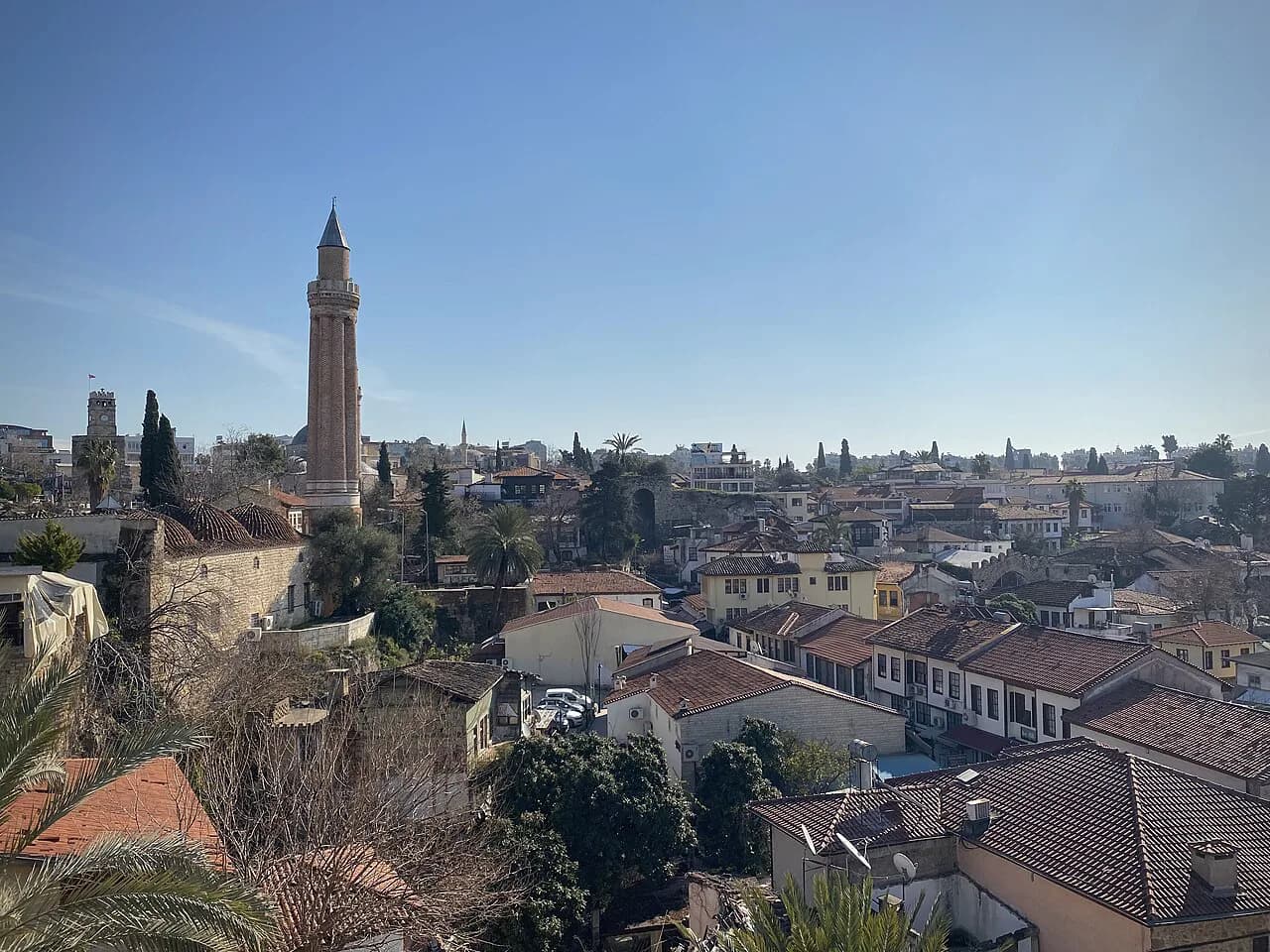
A sensible pattern is to start with simit or börek near the centre, walk through Kaleiçi's stone streets and down to the old harbour for mussels or a fish sandwich, then finish with burnt ice cream. The old town is compact and pedestrianised, with its own mosques, churches and museums, so you can graze as you go rather than committing to one address.
Haggling belongs in markets and bazaars rather than at food counters, where the price is the price. Carry water, wear shoes that cope with uneven stone, and keep an eye on how long food has been sitting out in the heat.
For a fuller picture of what Antalya cooks beyond snacks, from market produce to restaurant dishes, our Antalya Food guide sets out the local specialities worth building a meal around.
Which snack to chase first
Start with what is hardest to find elsewhere: a scoop of burnt ice cream made with goat's milk, a paper cone of tirmis from a cart, and a bag of bağaça from the Kalekapısı shops. Fill the rest of the day with simit, mussels and a Çitir Balık sandwich on Atatürk Caddesi, many of them within walking distance of Kaleiçi.
Ask at the counter for the current price before ordering, and if a stall looks quiet or the food has been out too long, walk on to the next one.
Frequently Asked Questions
What food is Antalya known for?
Antalya's own dishes include köfte piyaz, a grilled meatball with a tahini-dressed bean salad, kabak tatlısı, the warm pumpkin dessert, bağaça buns from Kalekapısı, and yanık dondurma, a burnt goat's-milk ice cream. Street carts sell tirmis, the wet lupini-style snack, and markets turn out gözleme with ayran.
What street food should I try in Antalya?
Look for simit, döner and balık ekmek, which are widely sold, plus kokoreç, which is served chopped in bread or on a plate with tomato, pepper or onion. Antalya also has its own burnt ice cream and tirmis from carts.
Is it expensive to eat out in Antalya?
Street eating keeps the bill low, with mussels, simit, börek and a fried fish sandwich all sold cheaply by the piece. Sit-down restaurants cost more, and the price depends on where you are and what you order, so ask at the counter before ordering.
Where do I find the Liman Mahallesi market?
The Liman Mahallesi Kapalı covered market runs on Tuesdays, with gözleme and ayran stalls alongside produce. Check locally for the current site and opening pattern before travelling out, since market arrangements can change.
Sources
Notes for your next Turkey trip
Optional updates when we add or correct a town guide.
You might also like
Continue reading
More guides you'll find useful