Antalya Ruins: Aspendos, Perge, Termessos and More
Antalya's ruins run from the Roman theatre at Aspendos to the mountain city of Termessos. Here is what survives at each site and how to reach it.
On this page
Three ruins justify a day of your Antalya break: Aspendos for its Roman theatre, Perge for its colonnaded streets and stadium, and Termessos for a Pisidian city high in the Taurus pines. Everything else depends on how much time and driving you will accept. This guide sorts the sites by what actually survives, how you reach each one, and which pairings work in a single day.
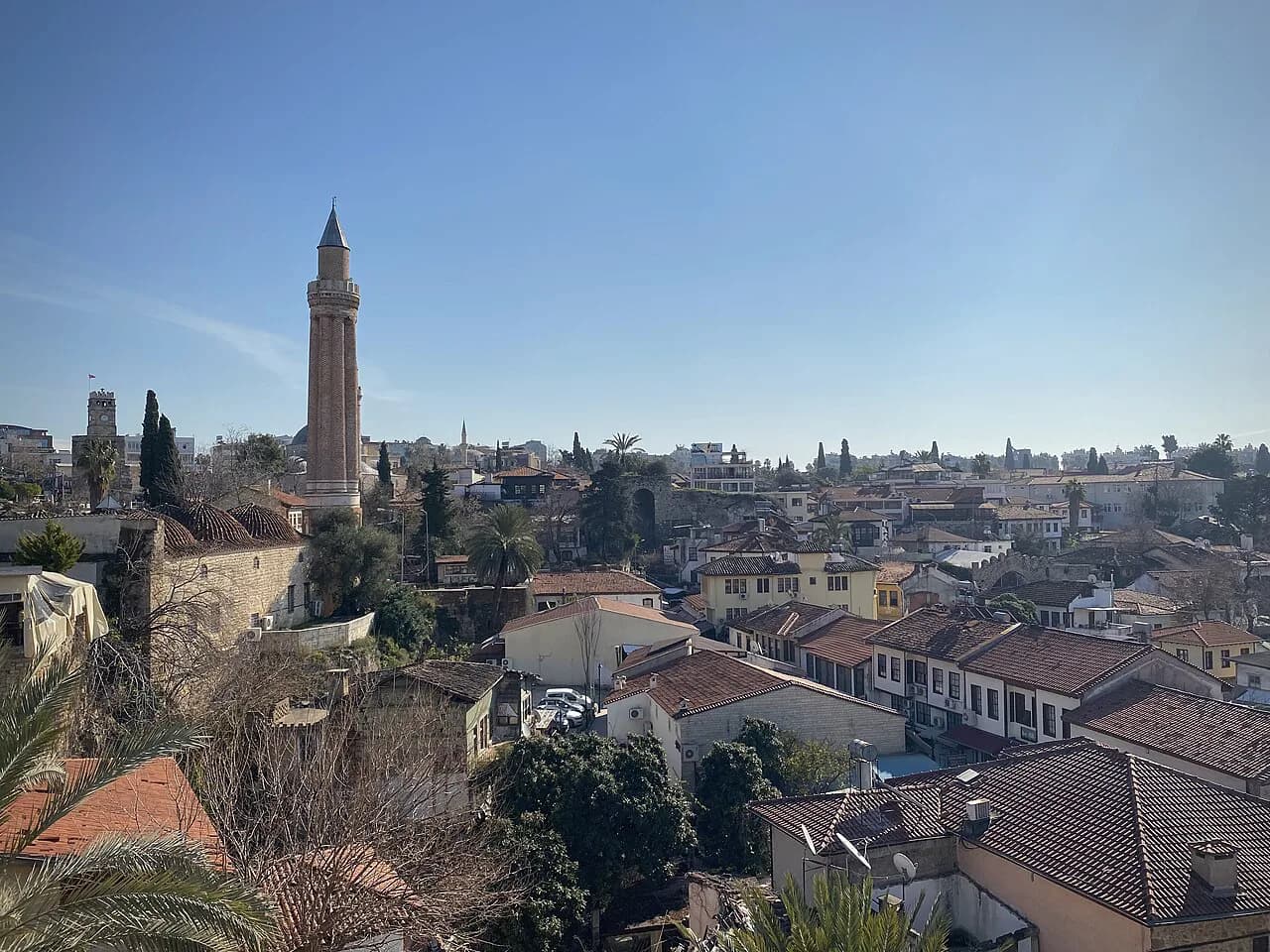
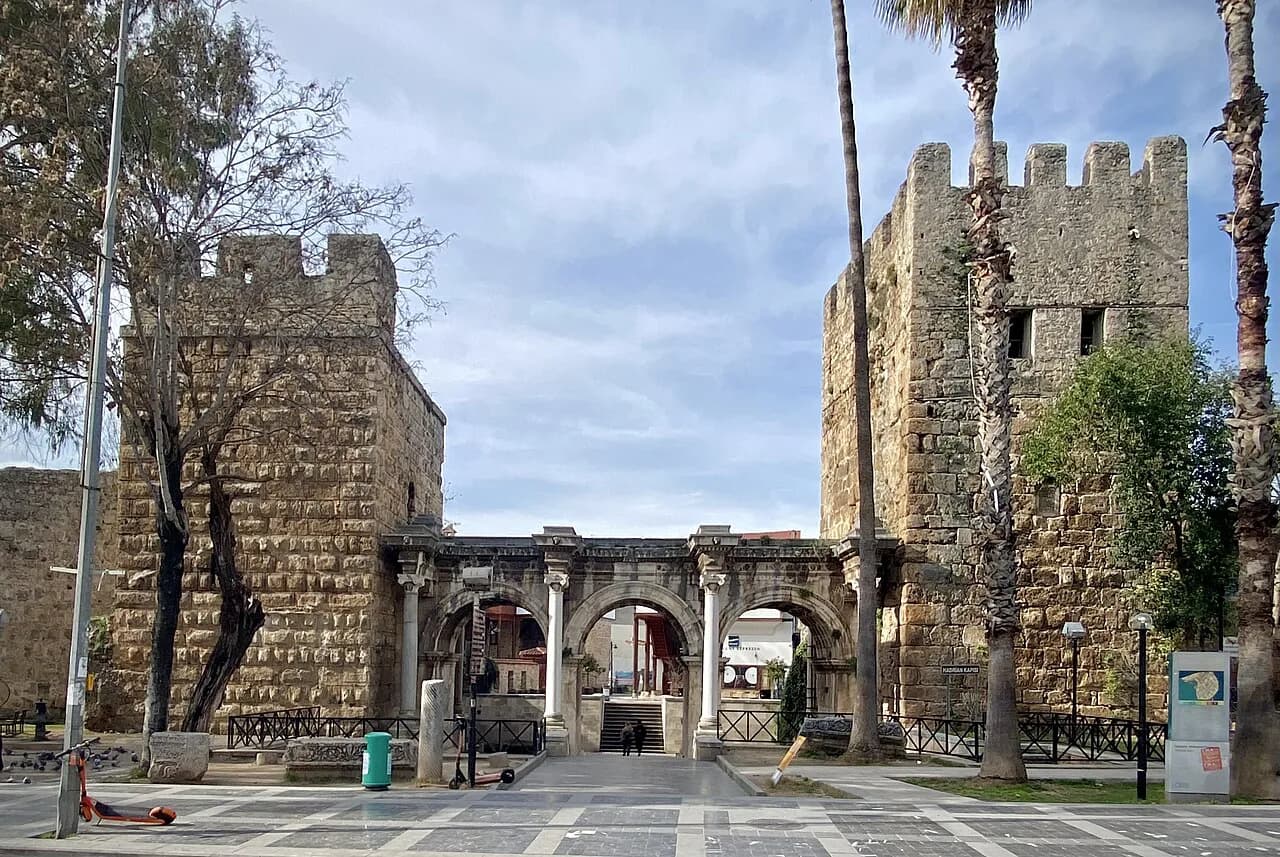
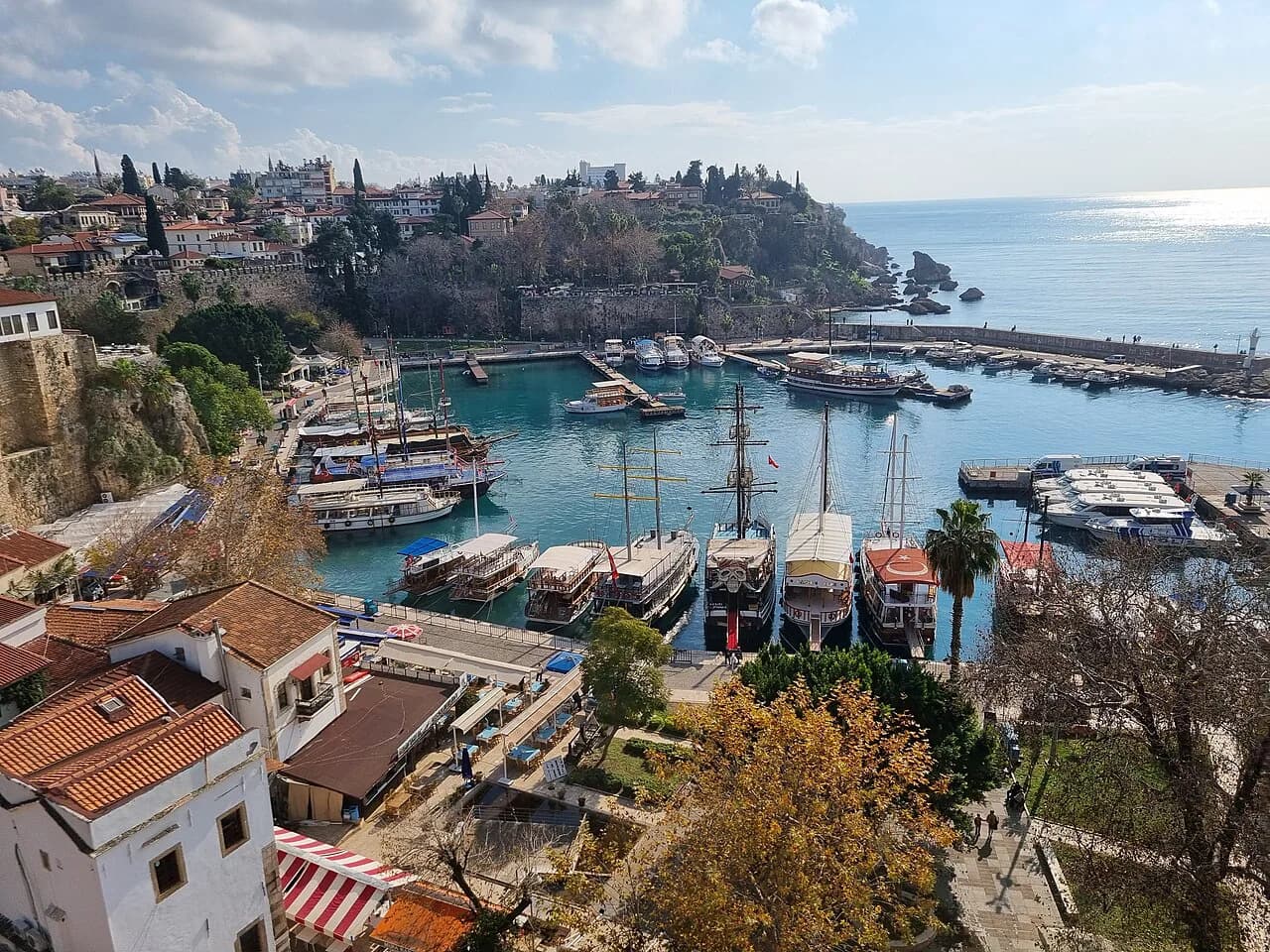
The city itself gives you ruins on foot: Hadrian's Gate marks the entrance to Kaleiçi, and the harbour below it sits inside the old walls. Beyond the city, the ancient sites spread east towards Side and Alanya, north into the mountains behind Antalya, and west along the Lycian coast towards Kaş and Fethiye.
What you can see of ancient Antalya in a short break
Antalya province holds Roman theatres, Lycian cities, hilltop fortresses and harbour towns, and the sources here group them into a manageable list rather than a full archaeological inventory. Aspendos, Perge and Termessos sit closest to the city and take the least planning. Side, Phaselis, Olympos and the Lycian coast sites need either a car or a full-day tour, and some sit well beyond the provincial core.
If you have two or three days beyond the beach, spend one on Aspendos and Side, one on Perge and Termessos, and keep Phaselis or Olympos for a day when you want ruins beside the sea. Travellers staying in Kaleiçi can add the city's own gates and walls without leaving the old town.
Aspendos: the Roman theatre, aqueduct and basilica
Aspendos sits about 40 kilometres east of Antalya and holds a Roman theatre built in the 2nd century CE under Marcus Aurelius, with seating that once reached up to 20,000 spectators. It is often described as one of the best-preserved Roman theatres anywhere, and the theatre continues to host performances.
Beyond the theatre, the site has a Roman aqueduct, a basilica and the remains of a marketplace, so allow more than a photo stop. Visitors who climb to the acropolis above the theatre get a wider view of the plain.
Aspendos pairs naturally with Side, which lies further east along the same coast road, and with Perge on the way back to the city. A tour can cover all three in a day with a set lunch, while drivers can set their own pace and stop at the aqueduct before the coach parties arrive.
Perge: colonnaded streets, baths, stadium and Hellenistic gates
Perge lies about 17 kilometres east of Antalya and spreads across a large site: a Hellenistic gate flanked by towers, Roman baths with mosaic floors, a colonnaded main street with a water channel down its centre, a theatre that seated 12,000 and a stadium among the largest in Anatolia. Budget at least two hours to walk the whole circuit.
The site repays slow walking rather than a quick circuit, because the street, the baths and the stadium sit at opposite ends of the plan. Visitors on a group tour often get free time after the guided section, which is the moment to walk the colonnaded street at your own pace.
Perge suits a half-day combined with Aspendos or with the Antalya museum, where many of the finds from the region are displayed. The museums in Antalya are worth a separate stop if you want context before visiting the sites themselves.
Termessos: the Pisidian stronghold above the Taurus pines
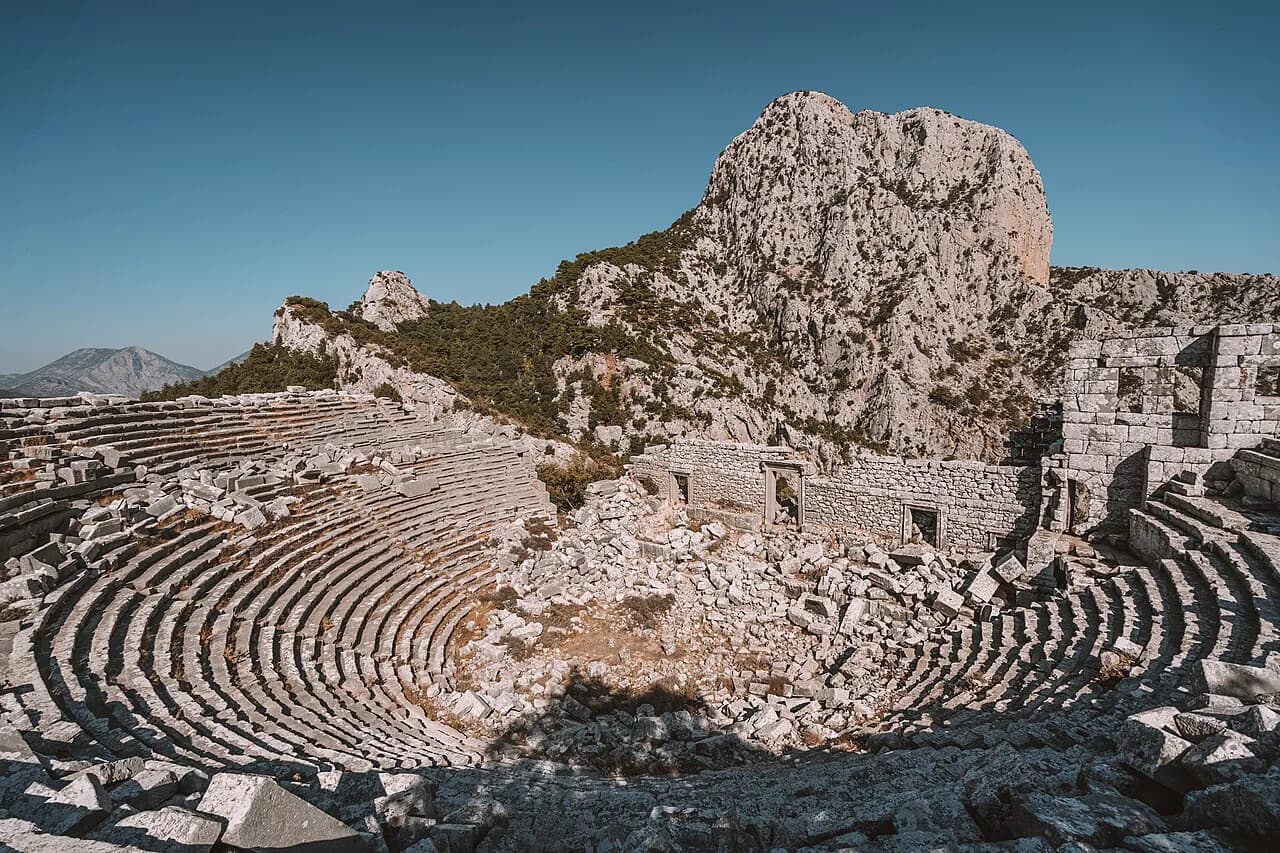
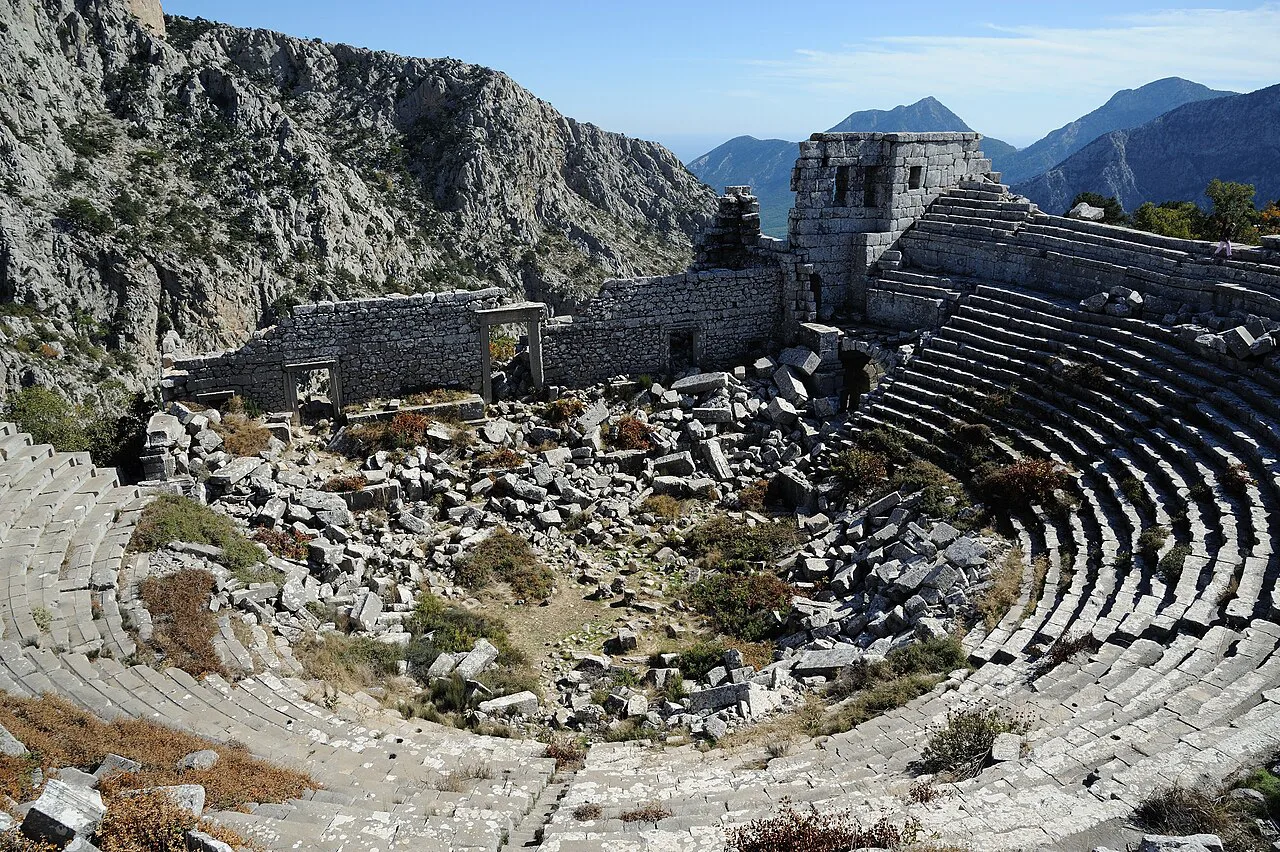
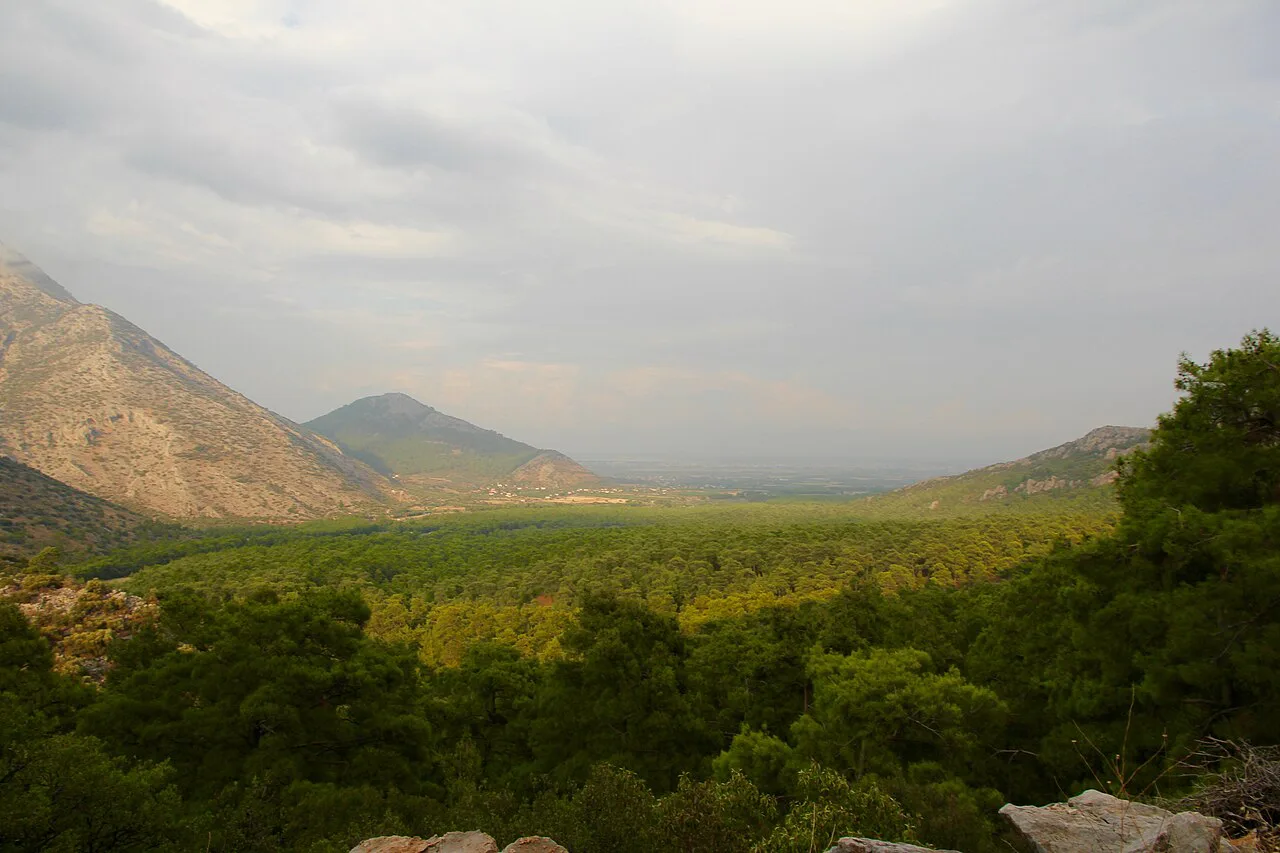
Termessos is the outlier: a Pisidian city, not a Greek or Roman foundation, set above 1,000 metres in the Taurus Mountains about 30 kilometres northwest of Antalya, inside Güllük-Termessos National Park. It resisted Alexander the Great in 333 BCE, largely because the terrain made it hard to attack.
The ruins remain largely unrestored, which is part of the appeal: a theatre carved into the mountainside with Taurus peaks behind it, and sarcophagi and tombs scattered through the pines. There are fewer visitors here than at Aspendos or Perge.
Getting there needs a car, and after parking you still hike a rugged path up to the ruins. Wear proper walking shoes, carry water and start early. The reward is a site that feels like a discovery rather than a visited monument.
Phaselis: harbour ruins between the pines and the sea
Phaselis was founded in the 7th century BCE and thrived as a port with three harbours, and today its Roman baths, aqueduct and theatre remains sit steps from the water between pine forest and the Mediterranean. It is the easiest site to combine with a swim, and it is quieter than Aspendos or Perge.
The site is reached most simply by car, which lets you link it with Olympos or Çıralı on the same coastal run south of Antalya. Allow a couple of hours for the ruins and longer if you plan to stay for the sea.
Side: the Temple of Apollo and Athena inside a resort town
Side puts its ruins inside a working resort town: the Temple of Apollo and the Temple of Athena stand near the water, and the old town's streets run between Roman remains and modern cafés. The history still rewards a slow walk.
Side is east of Antalya along the coast, close enough to pair with Aspendos in one day, and its old town merits the same wandering as Antalya's own.
Olympos and Çıralı: river-valley ruins below the beach
Olympos lies at the end of a river valley south of Çıralı, with bathhouse ruins, a necropolis church, a bishop's palace, a building with mosaics and a west theatre scattered among oleander and overgrowth. The ruins and the beach at Çıralı come together in one outing.
Çıralı itself is a village of bungalows and orchards where tourism has displaced some traditional farming, and it makes a calm base for the ruins. The vulnerable loggerhead sea turtle nests along this coast from mid-May into the autumn.
Xanthos, Letoon and Patara on the Lycian coast west of Antalya
West of Antalya, the Lycian coast holds Xanthos, near Kaş, and Letoon, once the religious centre of Lycia, which sits between Kaş and Fethiye. Patara combines its ruins with a famous beach, and Simena, now Kaleköy, can only be reached by boat.
These sites sit beyond the Antalya provincial core and need a car or a guided day from Kaş or Fethiye rather than a morning from the city. Pair Xanthos and Letoon in one run, and treat Patara and Kaleköy as separate outings.
Myra and the church of St Nicholas at Demre
Myra lies at Demre, west of Antalya, and its ruins sit close to the Church of St Nicholas, where the sarcophagus of Bishop Nicholas can be visited. Bishop Nicholas of Myra is the historic figure behind the Santa Claus stories.
Demre sits on the route towards Kaş and Fethiye, so it fits a driving day along the coast better than a quick return trip from Antalya. Allow time for both the ruins and the church, which are separate stops in the town.
Alanya Castle and Syedra on the eastern stretch
East of Antalya, Alanya Castle dominates the skyline and is reached with a climb or a drive up to the walls. Further along, the ruins of Syedra sit on a hilltop near Alanya, so the two can be combined in one day if you have a car.
Alanya also holds the Red Tower and the Selçuk shipyard, which make the town worth more than a quick stop, and the archaeology museum displays finds from the area. The drive from Antalya is long, so base yourself in Alanya or accept an early start.
Kaleiçi and Hadrian's Gate: ruins you can walk to in the city
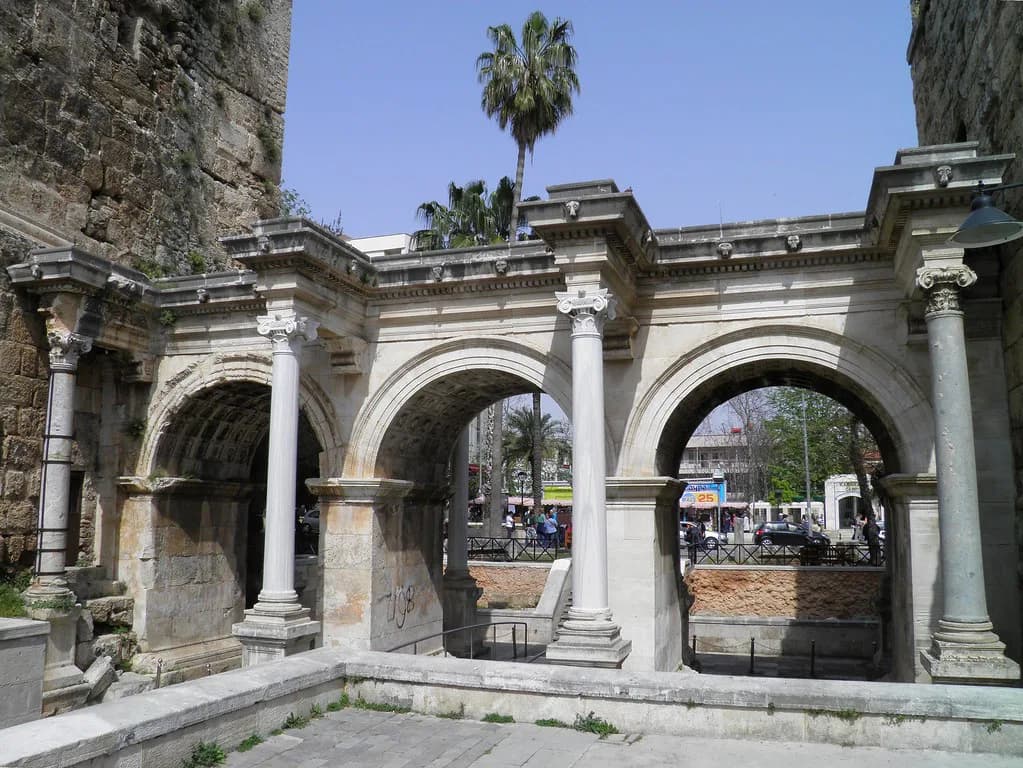
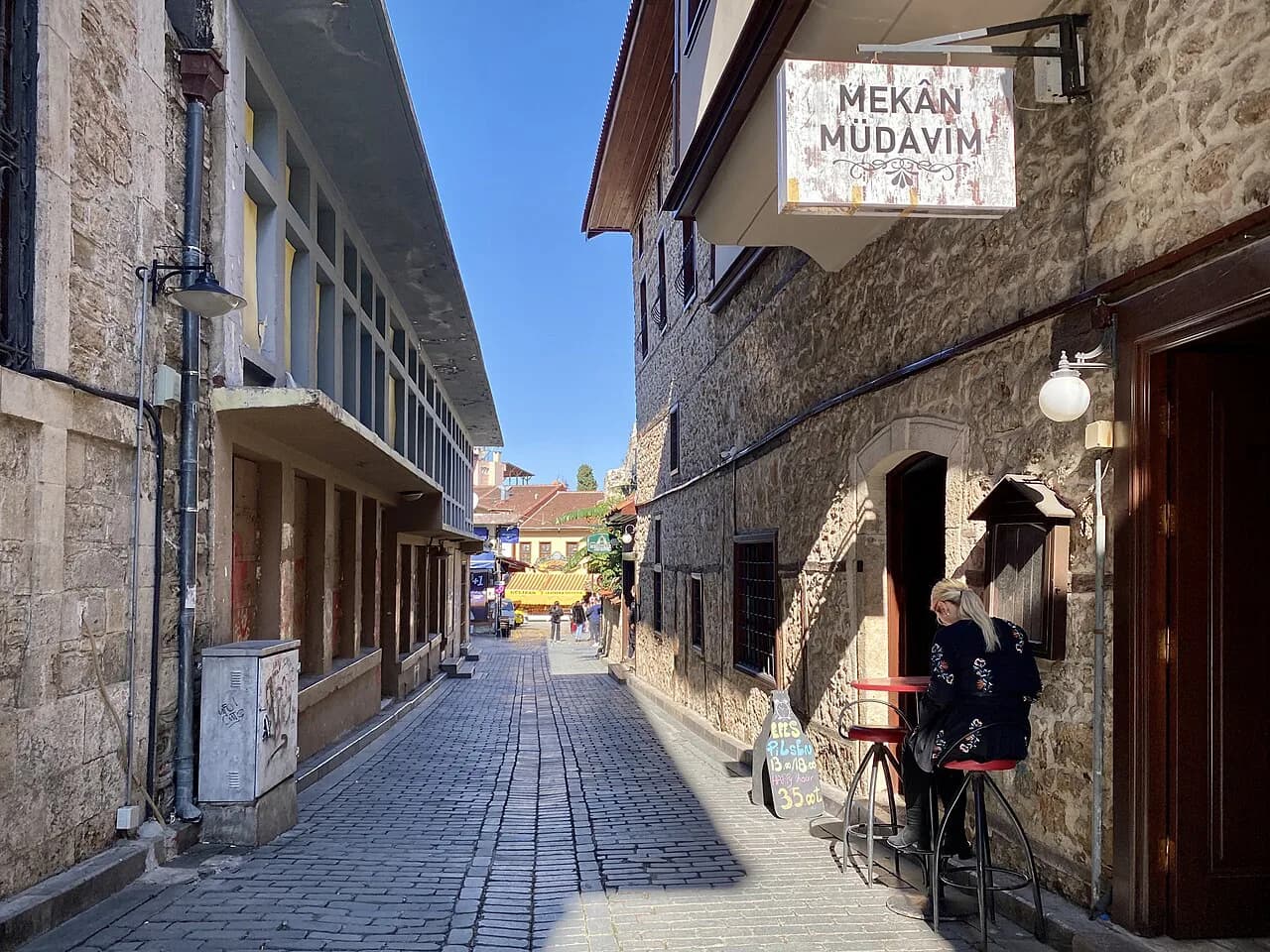
Hadrian's Gate marks the entrance into the Antalya Old Town, and walking through it puts you among the walls, houses and harbour of Kaleiçi without any transport at all. The gate and the old town make the easiest ruin visit in the city.
Within the old town, the Shehzade Korkut Mosque and the marina give the walk shape, and the clock tower marks the modern edge of the district. From the Kaleiçi Marina you can look back at the walls that once enclosed the harbour.
Getting around: car, tour or public transport to each site
There is no single transport solution for Antalya's ruins. Many sites lie in rugged terrain beyond the reach of public transport, so a rental car gives the most freedom and the best pace, while group tours cover Aspendos, Perge and Side in one all-day trip with a set lunch.
For sites inside the city, walking is enough: Hadrian's Gate and Kaleiçi need no vehicle. For Termessos, Aspendos, Perge and the Lycian coast sites, decide between a car and a tour before you arrive, because the choice shapes how many sites you can fit into a day.
How long each site takes and how to pair them in a day
Aspendos needs around two hours if you climb to the acropolis, Perge at least two hours, and Termessos most of a half-day once you count the drive and the hike. Side and Phaselis are half-days that stretch into a beach afternoon, and the Lycian coast sites are best done as a coastal driving day.
Good pairings are Aspendos with Side, Perge with Aspendos on the return leg, and Phaselis with Olympos on the coast road. Termessos deserves a day of its own because the mountain drive and the hike leave little time for a second site.
Side by side, Perge and Aspendos are both worth the trip: Aspendos has the better-preserved theatre, Perge the wider city to walk. Perge is the more rewarding site if you want to understand how a Roman city functioned, while Aspendos is the one to see if your time is short.
Summer heat, coach crowds and rough paths: honest trade-offs
Summer heat and coach crowds shape any ruins itinerary here. Aspendos and Perge draw the big groups, so go early and walk the far end of the site when the coaches arrive. Termessos has far fewer visitors but a rougher path and no shade on the climb.
Phaselis is the easiest major site to combine with swimming, while Side puts crowds and cafés beside the temples. Plan your days around the heat rather than the map, and carry water wherever you go.
Ticket prices and opening hours change often, so check the current information at each site or with a licensed tour operator before you set out.
Which ruins should you book first?
Book Aspendos and Side first if this is your only ruins day, because the pair covers a Roman theatre, a temple and a resort old town in one loop. If you have a second day, drive to Perge and walk the colonnaded street before climbing to Termessos for the mountain theatre.
Choose Phaselis or Olympos instead if you want ruins beside the sea, and save Xanthos, Letoon, Patara and Myra for a separate trip along the Lycian coast. Wherever you go, start early and carry water in the summer months.
Explore more Antalya guides
Frequently Asked Questions
Is Perge worth visiting?
Yes, if you want to see how a Roman city was laid out. Perge has a Hellenistic gate flanked by towers, Roman baths with mosaics, a colonnaded street with a water channel, a theatre and a stadium among the largest in Anatolia. Allow at least two hours, and pair it with Aspendos on the same day.
Do you need a car for Antalya's ruins?
For Termessos, Aspendos, Perge and the coastal sites, yes, or join a group tour. Many ruins lie in rugged terrain beyond the reach of public transport. Hadrian's Gate and Kaleiçi need no transport at all, and Side can be reached by car or a tour that pairs it with Aspendos.
Which Antalya ruins can you visit without leaving the city?
Hadrian's Gate and Kaleiçi, the old town inside the walls. Walking through the gate takes you among the old houses, the marina and the Shehzade Korkut Mosque, and the clock tower marks the modern edge of the district.
Can you combine ruins with a beach day?
Yes. Phaselis has its theatre, baths and aqueduct steps from the water, and Olympos pairs its river-valley ruins with the beach at Çıralı. Side also puts its temples beside the sea, though it is busier.
Sources
Notes for your next Turkey trip
Optional updates when we add or correct a town guide.
You might also like
Continue reading
More guides you'll find useful