Bursa Grand Bazaar Guide: What to See and Buy
Plan a wander through the Bursa Grand Bazaar and the old market streets: what is sold, how the covered lanes work, haggling and nearby Koza Han.
On this page
The Bursa Grand Bazaar is a large covered market in the Osmangazi district, and it rewards an unhurried hour rather than a tick-box stop. Come for textiles, shoes, bags and jewellery under cover, then step outside into the open market streets that connect it to Koza Han and the Grand Mosque. This guide covers the layout, what is sold, how to handle prices, and the honest trade-offs for shoppers who prefer sights to stalls.
The Bazaar in Osmangazi
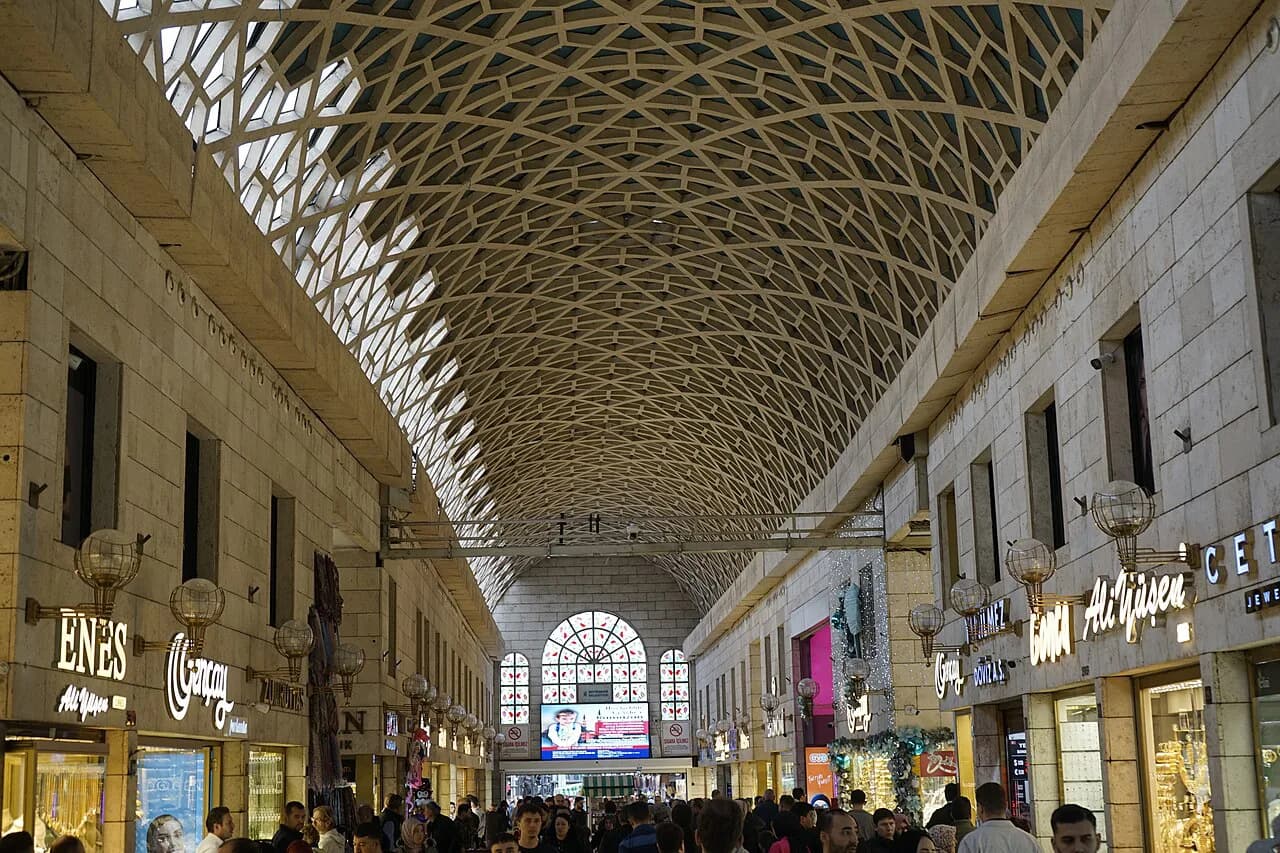
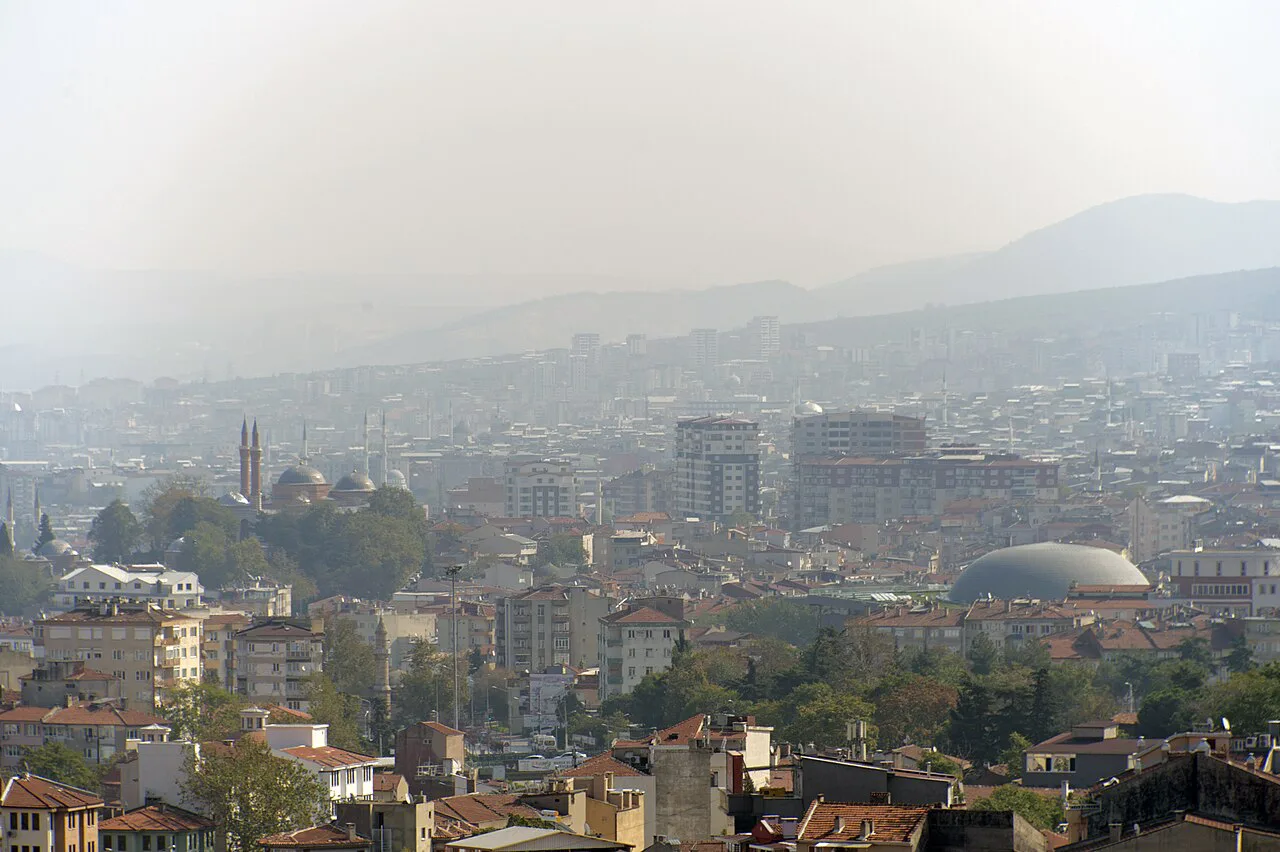
The bazaar sits in Osmangazi, the central district in Bursa's old core, and it spreads across both covered halls and the streets around them. A widely used description calls it a labyrinth of thousands of shops near Koza Park, which gives a fair sense of scale before you arrive. Treat the covered Kapalı Çarşı as the anchor and the surrounding lanes as part of the same market, not a separate errand.
Bursa's bazaars have been active since the fourteenth century, and that continuity is the reason to walk them rather than rush them. Admission costs nothing, so the only real spend is what you decide to buy. Plan the bazaar as one block of a wider day in the old centre rather than a standalone outing.
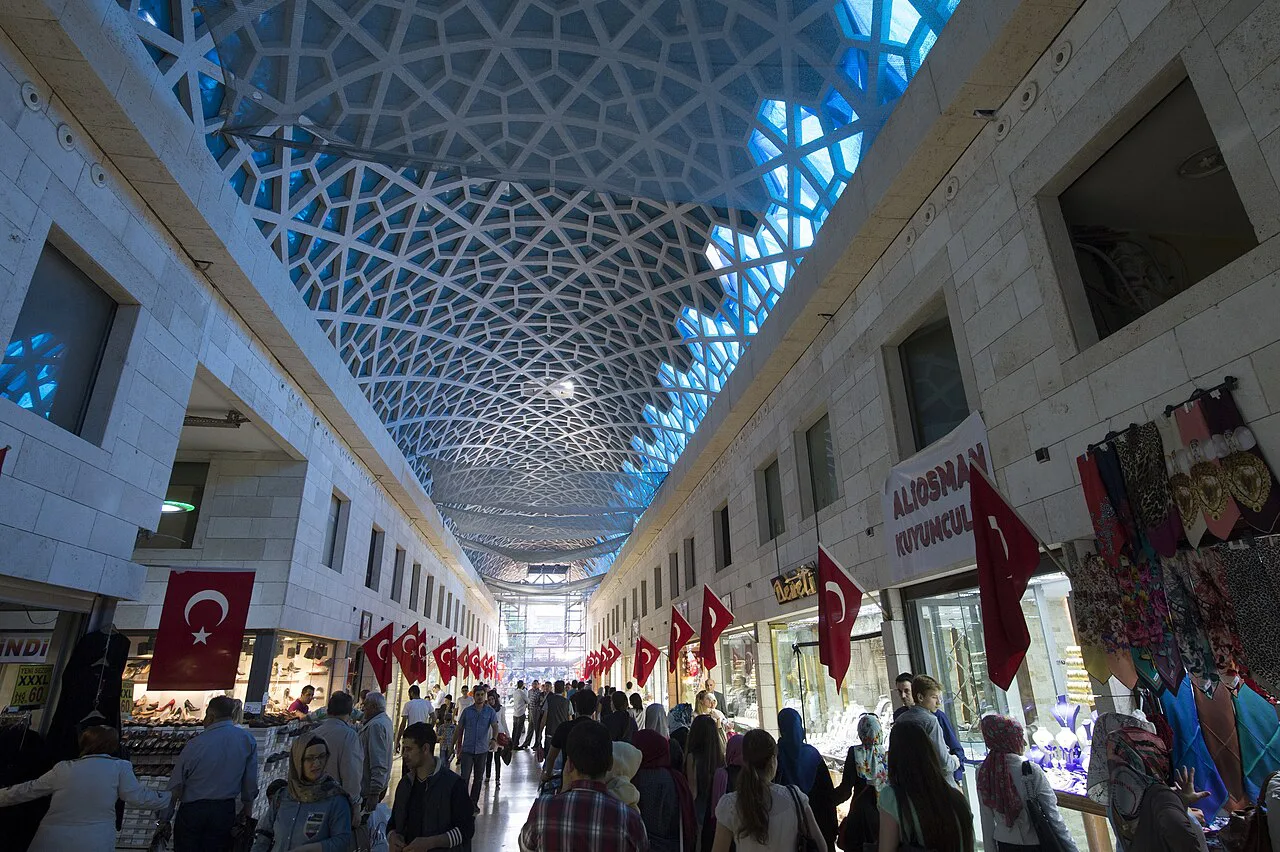
How the Covered Lanes and Open Streets Fit Together
Think of the bazaar in two layers. Under cover, the Kapalı Çarşı corridors are tightly packed with stalls, and they are where you find the densest concentration of shops. Outside, the market spills into open streets with fruit stalls, souvenir sellers and antique dealers, which is where a walking video of the area shows the bustle most clearly.
Use the covered lanes for browsing and the open streets for orientation, because daylight makes it easier to work out which way you are facing. Entrances are easy to miss and easy to exit by accident, so pick a landmark before you go in. Our Bursa map marks the old-centre landmarks so you can link the bazaar to the mosque and hans without guessing.
What Is Sold: Textiles, Shoes, Bags, Jewellery and Souvenirs
Textiles dominate. Shoes, bags and clothes are the most common goods on offer, with jewellery, glassware and handmade souvenirs filling the gaps between them. There is also a food and spice presence in the wider market, so a non-shopper can still find something worth carrying home.
Quality varies enormously from stall to stall, so handle anything before you commit: check seams on bags, flex the soles on shoes and look at how jewellery clasps are finished. If you want a shortlist of what else the city does well, our guide to things to do in Bursa puts the bazaar alongside the tombs, mosques and museums within walking distance.
Koza Han and the Silk Trade
Koza Han is the bazaar's most rewarding detour: a calm courtyard where you can sit with a tea between shopping rounds. Pair it with the covered lanes rather than treating it as a separate trip, since it sits within the same old market network. Our Bursa itinerary builds the han, the bazaar and the Grand Mosque into a single walkable half-day.
If you are buying textiles, ask stallholders directly about the origin and weight of what they are selling. The han's courtyard is also the natural place to pause, compare notes on what you have been quoted and decide whether to go back for a second look.
Haggling and Buying: How to Handle Prices
Haggling is normal in the bazaar, but it is a conversation, not a confrontation. Ask the price, respond with a lower figure you would genuinely pay, and be ready to walk away politely if it is refused; a smile and a thank-you costs nothing.
For British and Irish shoppers unused to quoting a price back, decide your ceiling before you ask and stick to it. Cash in Turkish lira gives you the clearest sense of what you are spending. Never quote a discount figure you have read somewhere as a rule; every stall and every item is different.
Opening Pattern and When It Is Quietest
The bazaar is a daytime market, and one listing gives hours of 8:30 am to 7:00 pm, which is a reasonable planning guide rather than a guarantee. Confirm the day's hours locally before a long trip across the city. Early morning and the last hour before closing are generally calmer than the middle of the day.
Public and religious holidays can affect the rhythm of the old centre, so build flexibility into the day rather than pinning the visit on one narrow window. If you only have an afternoon, go to Koza Han first and work back through the covered lanes as the stalls thin out.
Getting There and Walking Between the Bazaar, Koza Han and the Grand Mosque
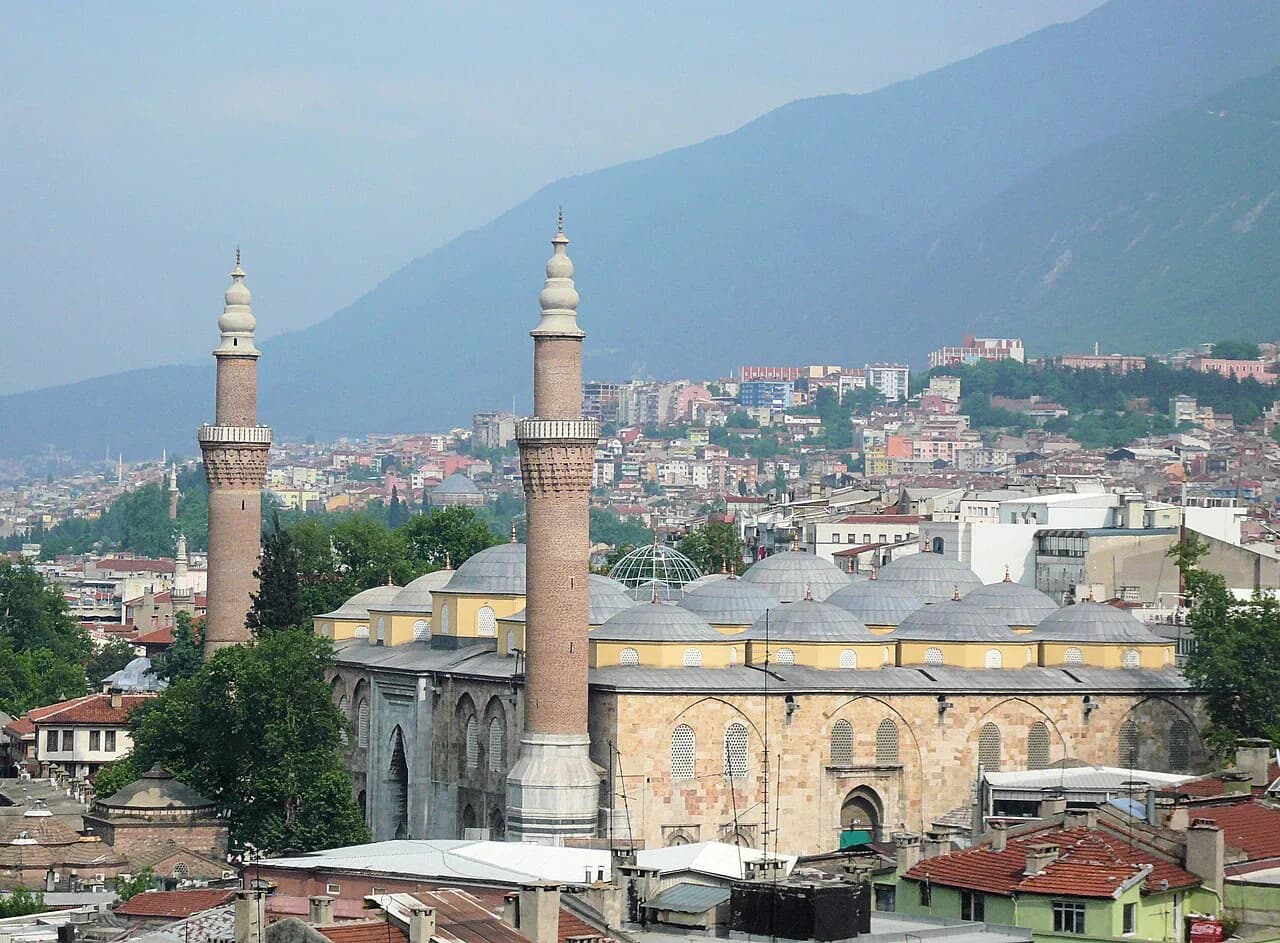
All three sit within the Osmangazi old core, close enough to walk between in a single loop. Start at the Grand Mosque, cross to Koza Han for the courtyard, then finish in the covered bazaar, which keeps the shopping at the end of the walk. Comfortable shoes matter more than any transport tip here, because the lanes are uneven.
Taxis and local minibuses serve the old centre, but traffic in central Bursa is slow, so walking between the mosque, han and bazaar is usually the faster option once you are in the district. Allow a half-day for the loop if you want to shop properly, or ninety minutes if you are only browsing. Our candid answer to is Bursa worth visiting sets out what you gain and what you give up.
Who the Bazaar Suits and Who Should Skip It
The bazaar suits travellers who enjoy browsing textiles and jewellery, and anyone who wants a lived-in counterpoint to Bursa's formal monuments. Most of the interesting lanes are covered, so a wet afternoon is not wasted. Come with a loose list and you will leave with something better than a fridge magnet.
Skip it, or cut it to twenty minutes, if crowded shopping streets wear you down or if you are in Bursa purely for Ottoman architecture and tombs. Those travellers will get more from the Muradiye Complex and the mosque courtyards, and can treat the bazaar as a pass-through on the way to Koza Han.
Fold the bazaar into an old-town walk
The Bursa Grand Bazaar is worth an hour or two if you treat it as part of a walk through Osmangazi, with Koza Han and the Grand Mosque as the fixed points around which the shopping happens. Go early or late in the day, decide your ceiling before you haggle, and keep cash in lira.
Check the day's opening hours locally before setting out, since market hours can shift around holidays. If shopping is not your thing, skip the covered lanes and spend the time in the hans and mosque courtyards instead; the bazaar will still be there on your next trip.
Frequently Asked Questions
Is the Bursa Grand Bazaar free to enter?
Bursa's bazaars are generally free to walk, on the travel-blog evidence available, and the only money you spend is on what you choose to buy. Individual stalls set their own prices, so treat any quoted figure as a starting point for negotiation rather than a fixed rate.
Is the Bursa Grand Bazaar closed on any particular day?
No closure day is confirmed here, so check locally or with your accommodation before making a special journey. The bazaar is a daytime market with an early-morning to early-evening pattern, and holidays can affect opening in the old centre.
How long should I spend at the bazaar?
Allow about ninety minutes if you are browsing and up to half a day if you want to shop seriously and include Koza Han and the Grand Mosque. The three sit within walking distance in Osmangazi, so the walking itself takes very little time.
Can I pay by card in the bazaar?
Carry Turkish lira notes as a fallback, because card acceptance varies by shop and by the size of your purchase. Ask before you commit to an item.
Sources
Notes for your next Turkey trip
Optional updates when we add or correct a town guide.
You might also like
Continue reading
More guides you'll find useful