Things to Do in Bursa: Ottoman Sights, Bazaars and Uludağ
Plan your days in Bursa with the Grand Mosque, Green Complex, Koza Han bazaars, Irgandı Bridge, the Teleferik to Uludağ and the Ottoman village of Cumalıkızık.
On this page
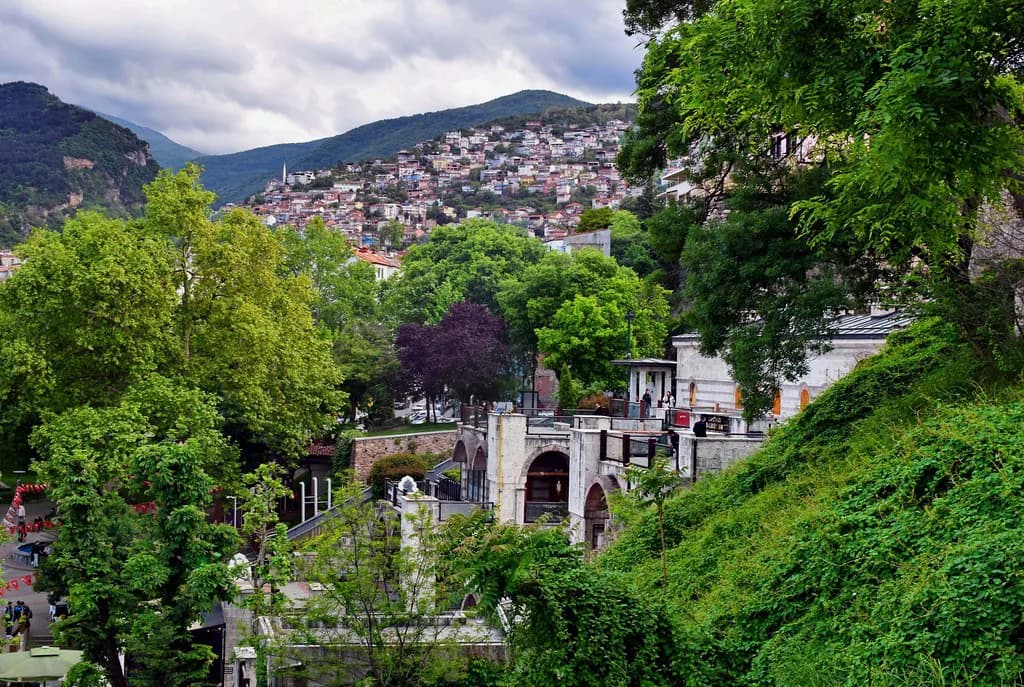
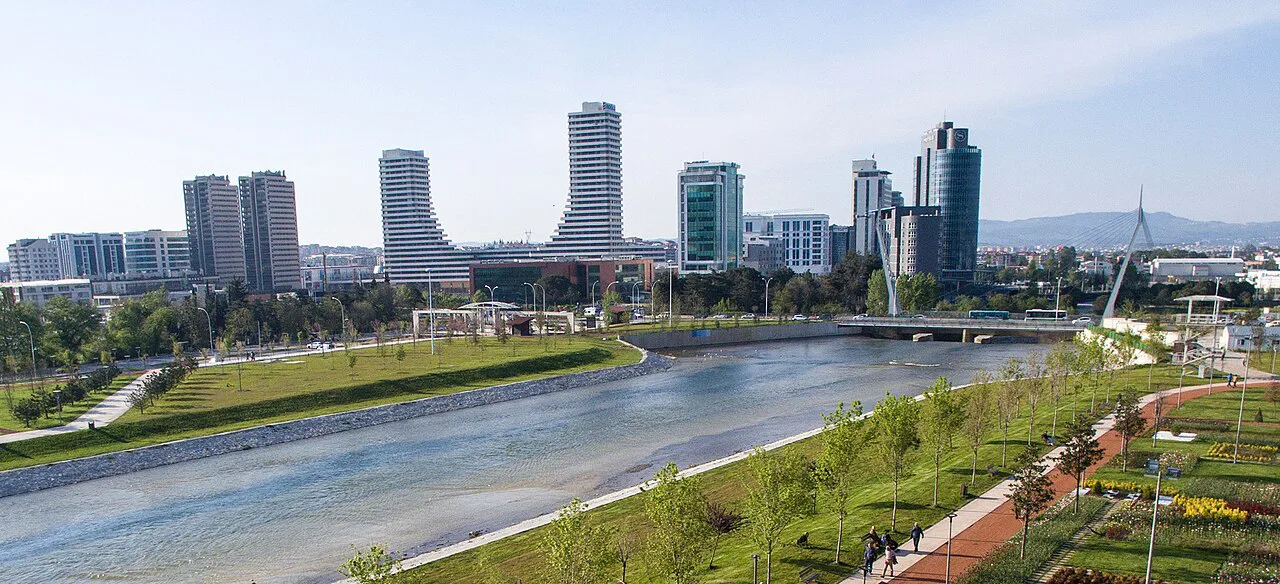
Two full days cover Bursa's core, with a third if you want the cable car up Uludağ or the Ottoman village of Cumalıkızık in the foothills. The big set pieces — the Grand Mosque, the Green Complex, the bazaars and Tophane Park — sit within walking distance of each other in Osmangazi, the historic heart. This guide groups the sights by area, notes which entries are free, and covers the mountain, the museums and the practicalities of arriving from Istanbul.
Bursa was the first Ottoman capital and is now Turkey's fourth-largest city, which explains why imperial tombs, mosque complexes and covered markets sit side by side with ordinary city traffic. The result is a working Turkish city rather than a museum town, and the sights reward a slower pace than a coach tour allows.
How long Bursa needs and how the sights group together
One day lets you tick off the Grand Mosque, the Green Complex and the bazaars, but you will be moving briskly and skipping the museums. Two days give you Tophane Park, Koza Han at leisure, Irgandı Bridge and at least one museum; three days add either the Bursa Teleferik up Uludağ or time in Cumalıkızık. Build each day around a single cluster so you are not crossing the city twice, and keep the paid mountain trip for the morning when the weather is clearest. Our Bursa Itinerary that sticks to this grouping saves a surprising amount of walking.
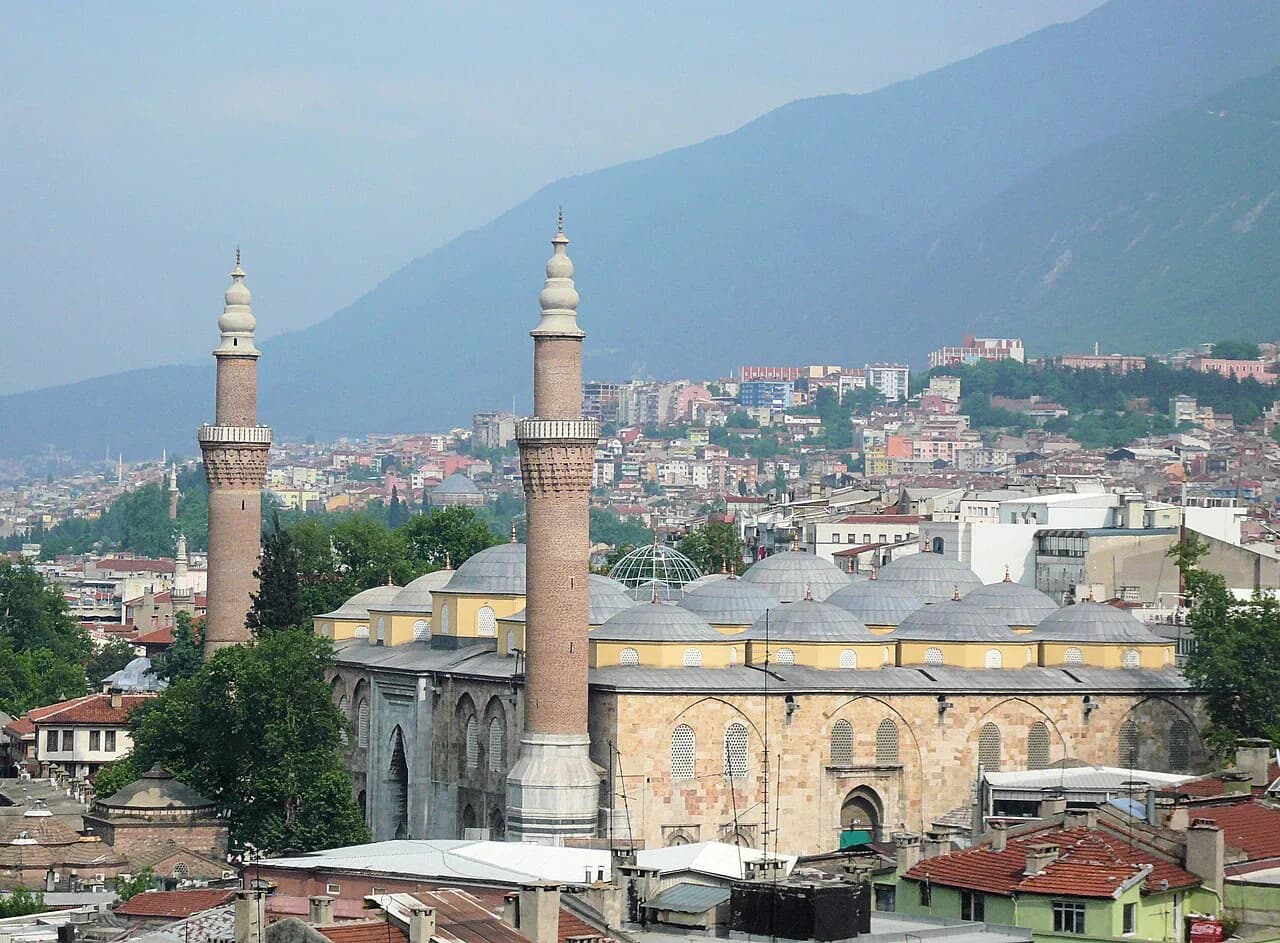
Grand Mosque (Ulu Cami): 20 domes and the indoor fountain
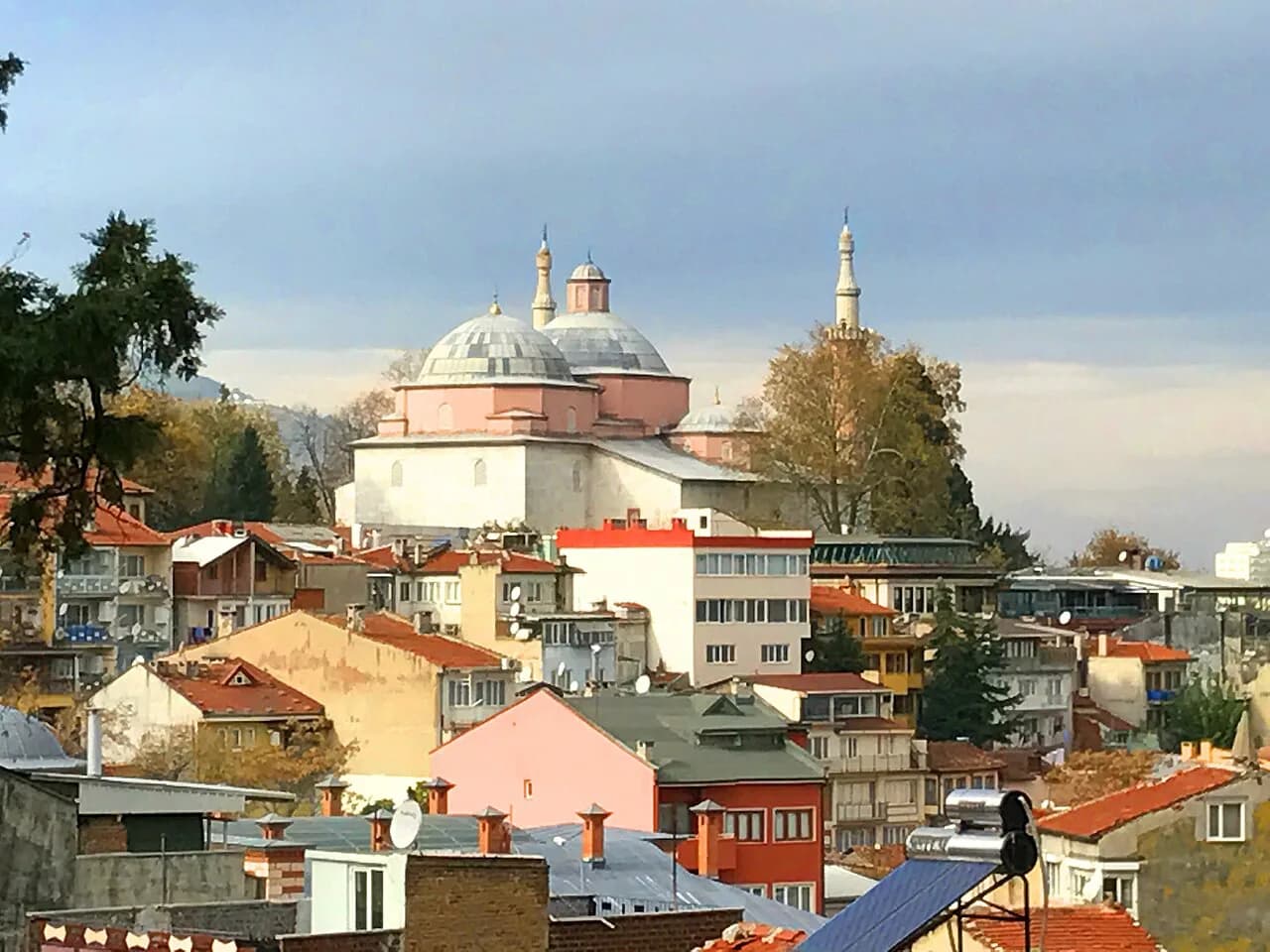
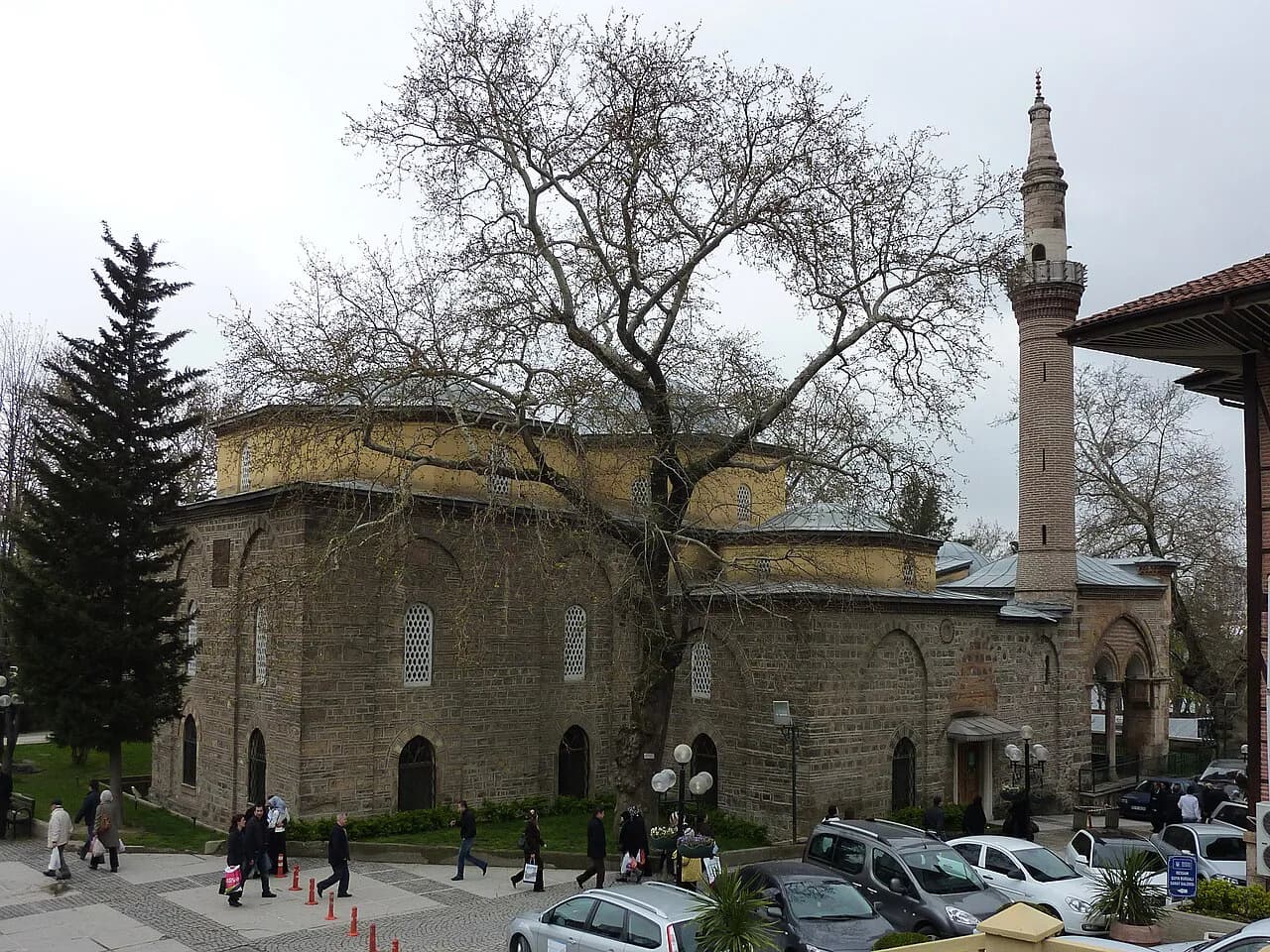
The Grand Mosque is the sight most visitors see first, and its layout is the reason to linger. Sultan Bayezid I promised twenty mosques if he won the Battle of Nicopolis in 1396, then built one building with twenty domes instead, and the mosque was completed in 1399. The other detail to look for is the fountain inside the prayer hall rather than in an outside courtyard — unusual enough that it is worth walking a full circuit to see how the space works around it.
It remains an active place of worship, with capacity reported at around 5,000 people inside and 2,000 more outside on a busy Friday. Dress modestly, women should carry a headscarf, and time your visit outside prayer times; don't simply assume the doors are open whenever you arrive. Taking photos inside is allowed, but keep out of the way of anyone praying.
The Green Complex: Green Mosque, Green Tomb and Muradiye
The Green Mosque and the Green Tomb stand next to each other on a hill a short walk from the city centre, and together they make the most decorative stop in Bursa. The mosque was built with Persian craftsmen, which shows in the blue and green Iznik tiles inside and the white marble outside; it is UNESCO-listed and still functions as a working mosque. The tomb was completed in 1421 for Sultan Mehmed I and holds eight tombs in total, with tiled walls and ceiling and its original wooden door and floor. Entry to the tomb is free.
The Muradiye Complex, a UNESCO-listed group of early Ottoman mausoleums set in gardens, is quieter and less visited, and entry is free there too. Walk through for the Iznik tilework and the calm rather than for scale. If you want a hammam afterwards, Murad II's original hammam stands across the street.
Osmangazi tombs and Tophane Park for the view
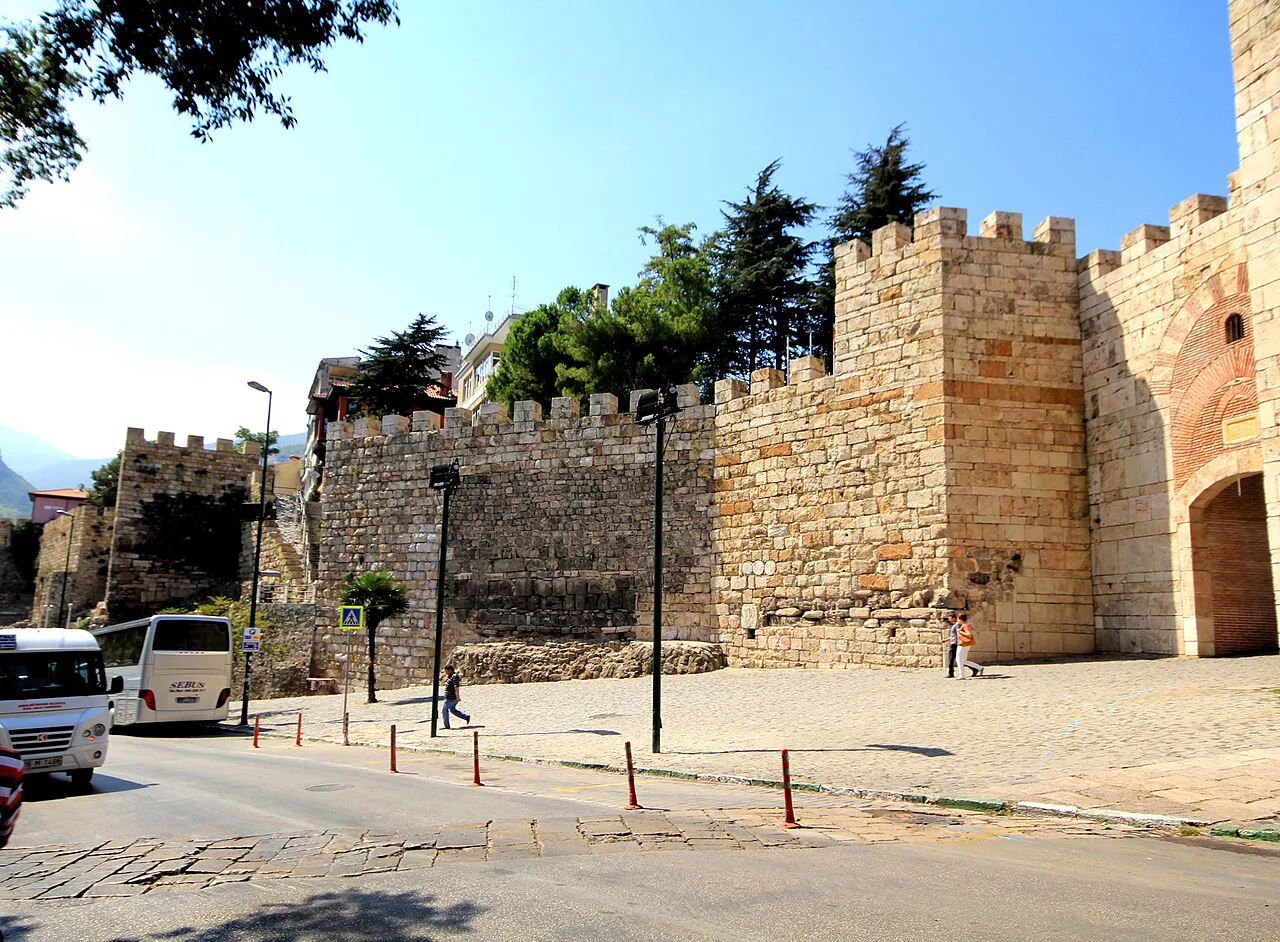
Tophane Park holds the tombs of Osman Gazi, the founder of the Ottoman Empire, and his son Orhan Gazi, and there is no admission fee. The real draw is the view: the park sits above the city, and sunset is the time to be there. Pair it with a walk along Kale Street nearby, where 18th-century two-storey Ottoman houses with colourful façades and bay windows line the road.
Koza Han, the Covered Bazaar and Tuz Pazarı
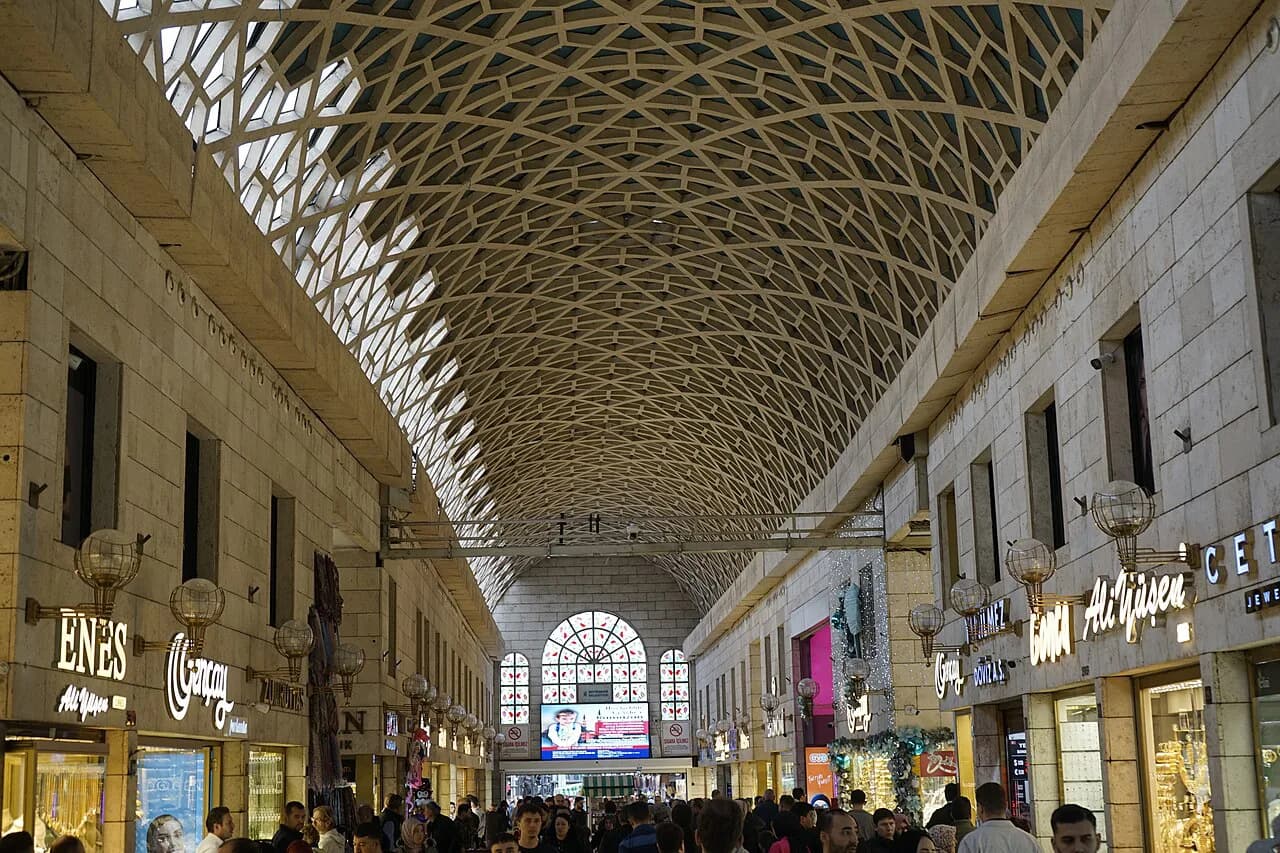
Koza Han was once the Silk Road's trade centre, and silk textiles are still sold from boutiques under its vaulted arches. The Covered Bazaar and the Salt Market nearby fill with spices, antiques and local crafts, and this is where Bursa's market character comes through most clearly. Bring small-denomination lira notes, since many stalls prefer cash and may struggle to change a large bill, and expect to bargain rather than accept the first price.
If silk is the point of your visit, the Silk House is the named shop to head for, and Koza Han covers the historic setting. The bazaar alleys are easy to get lost in, which is part of the pleasure — allow an hour without a fixed route.
Irgandı Bridge and its artisan workshops over the Gökdere
Irgandı Bridge is one of very few bridges in the world with shops built onto it, and its small studios hold artisans weaving textiles and hand-painting ceramics. It crosses the Gökdere. Come here for craft shopping rather than for a monument, and give the workshops enough time to watch a piece being made.
Bursa's museums: knives, carriages and shadow puppets
The Bursa City Museum (Bursa Kent Müzesi) has a section on Bursa knives, a local craft with more than 700 years of history, and entrance is free. Afterwards, walk the nostalgic tram line along Cumhuriyet Street. The Tofaş Museum of Anatolian Carriages covers 2,600 years of transport history from wooden wheels to Tofaş cars, housed in a restored silk-weaving mill, and works well with children.
Two more museums suit a mixed group: the Panorama 1326 Conquest Museum, which reconstructs the city's capture, and the Karagöz Museum, devoted to Turkish shadow puppetry. Opening hours at both museums vary by season and by day, so look them up directly with each museum before setting out.
Bursa Teleferik up Uludağ
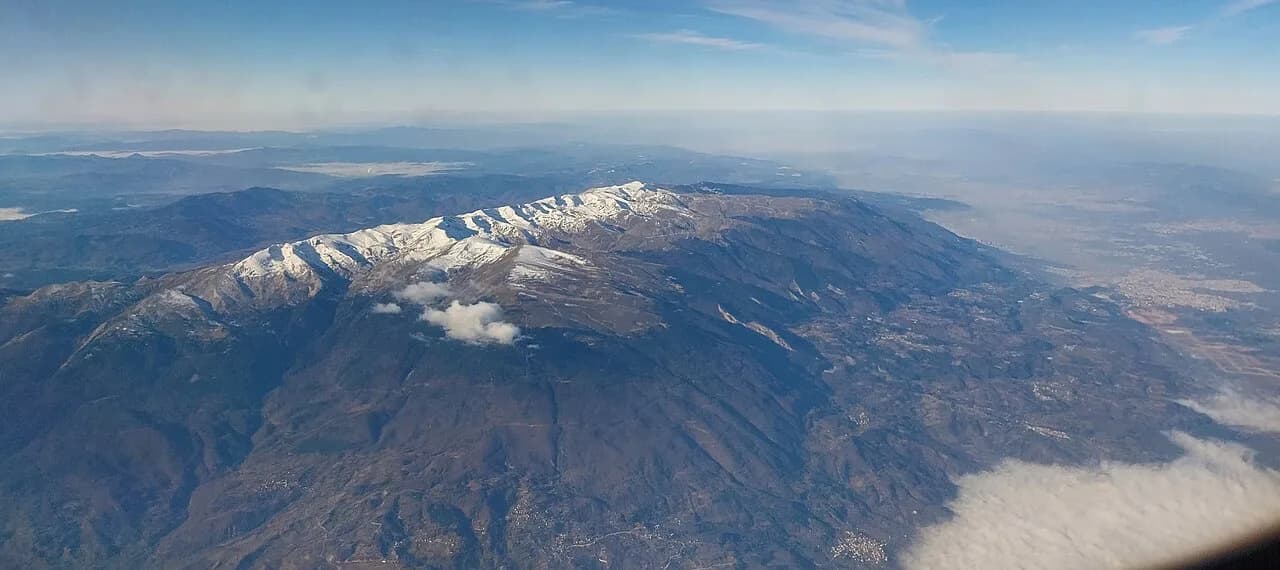
The Bursa Teleferik climbs from near the city centre to Uludağ, which stands more than 2,500 metres above Bursa. The two connecting gondolas total almost 10 kilometres, reported as one of the longest cable car rides in the world, and the ride itself takes around 40 minutes. Treat the mountain as a half-day commitment rather than a quick detour, and go in the morning when the views are least likely to be clouded in.
Cumalıkızık: the Ottoman village in the foothills
Cumalıkızık is a preserved Ottoman village in the foothills of Uludağ and a UNESCO World Heritage site, one of the most rewarding outings from the city and a popular spot for a traditional breakfast. Come for the old houses and the pace rather than for a checklist of sights. It is a village people live in, so keep noise down and respect closed doors.
A hammam stop and where İskender kebab comes in
Bursa is the home of İskender kebab, and Kayhan is the street food area to head for when you want it. Kayhan Döner Safrası is the named spot for İskender, and Kayhan Köftecisi covers the Balkan restaurant side if you fancy something other than meat on bread. Eski Kaplıca Hamamı, described as the city's oldest bathhouse, is the traditional hot-spring scrub-and-soak stop. Confirm prices and hours at the door, since neither is fixed year-round.
Getting to Bursa from Istanbul by bus or ferry
Bursa sits roughly two hours by road from Istanbul, and a ferry across the Sea of Marmara makes an alternative approach. Buses run from Istanbul's otogars, including Alibeyköy on the European side, and the journey is usually quoted at about three hours depending on traffic. Buy tickets through a platform that accepts international cards, as some local booking sites reject them.
Ferries between Istanbul and Bursa run daily with several operators, and travelling by ferry is often faster and cheaper than the bus for a day trip. Schedules and fares change by season, so check the ferry company's own timetable for your date. Once in Bursa, the old centre is compact enough to cover on foot, with a nostalgic tram along Cumhuriyet Street for longer hops — pin the key stops on a Bursa Map before you set out.
Day trips: İznik, Tirilye and Gölyazı
İznik is the ceramics town to visit if you want to see Ottoman tile-making and try a ceramic workshop, and a religious heritage hub besides. Tirilye is a seaside village on the Marmara coast, and Gölyazı sits on a lake island reachable as a day out from the city. All three work best with your own transport or a booked tour, since public connections are slower than the map suggests.
If you are weighing Bursa against a coastal resort stop, be clear about the trade: Bursa gives you Ottoman architecture and a working Turkish city, but no beach and no resort strip. Our candid guide to whether Bursa is worth visiting sets out what you gain and what you give up. Travellers building a wider Turkey route often pair it with the capital — see our things to do in Ankara for the contrast between Ottoman Bursa and republican Ankara, including the Monumentum Ancyranum.
Which Bursa sights fit your days?
Build one day around Osmangazi on foot — Grand Mosque, Tophane Park, Koza Han and the Covered Bazaar, finishing at Irgandı Bridge — then give the second day to the Green Complex, the Muradiye mausoleums and one museum. Add the Teleferik or Cumalıkızık only if you have a third day, and keep the mountain morning free of other plans. Check current opening hours with each mosque and museum before you go, and carry small lira notes for the bazaars.
Explore more Bursa guides
Frequently Asked Questions
Is Bursa worth visiting?
Yes, if you want Ottoman architecture, bazaars and a walkable historic centre rather than a beach resort. Two days cover the core sights on foot; add a third for the Teleferik to Uludağ or the village of Cumalıkızık.
Why is Bursa famous?
Bursa was the first Ottoman capital, and its imperial heritage survives in the Grand Mosque, the Green Complex, the Muradiye mausoleums and the tombs at Tophane Park. It is also known for its silk trade at Koza Han and for İskender kebab.
How long does it take to get from Istanbul to Bursa?
By road Bursa is roughly two hours from Istanbul, though buses from the city's otogars are commonly quoted at about three hours depending on traffic. A ferry across the Sea of Marmara is an alternative approach; crossing times vary by route, so check the schedule for your date.
How much is the cable car in Bursa?
Fares for the Bursa Teleferik change with the season, so check the price at the ticket office. The ride takes around 40 minutes and climbs to over 2,500 metres.
Sources
Notes for your next Turkey trip
Optional updates when we add or correct a town guide.
You might also like
Continue reading
More guides you'll find useful