Is Bursa Worth Visiting? A Candid Guide for Travellers
Yes, Bursa is worth visiting for most travellers: a compact Ottoman core with a free-to-enter Grand Mosque, silk hans and tombs, all within a short walk.
On this page
Yes, Bursa is worth visiting for most travellers, and the case rests on a compact old core that costs nothing to enter. The Grand Mosque, the silk hans and the Ottoman tombs sit within a short walk of each other in Osmangazi, so a single long day already delivers the main sights. This guide sets out what you actually see, how long to allow, and which travellers should spend their time elsewhere.
The trade is real. Bursa is a working city of three million people rather than a preserved museum quarter, and the approach through modern suburbs can look unremarkable before the old centre appears.
What makes Bursa special
Bursa was the first capital of the Ottoman Empire, and its oldest quarter still carries that century in its stone. The Grand Mosque (Ulu Cami), the covered silk market at Koza Han and the tombs of Osman and Orhan stand close enough to cover on foot in a morning. That density is the reason to come: you are not travelling between scattered sights.
The wider city holds more than the core, from the Green Complex uphill to the cable car at the foot of Uludağ. Treat the clustered centre as your anchor and the rest as add-ons rather than a checklist. Our guide to the things to do in Bursa sorts them by how far they sit from the mosque.
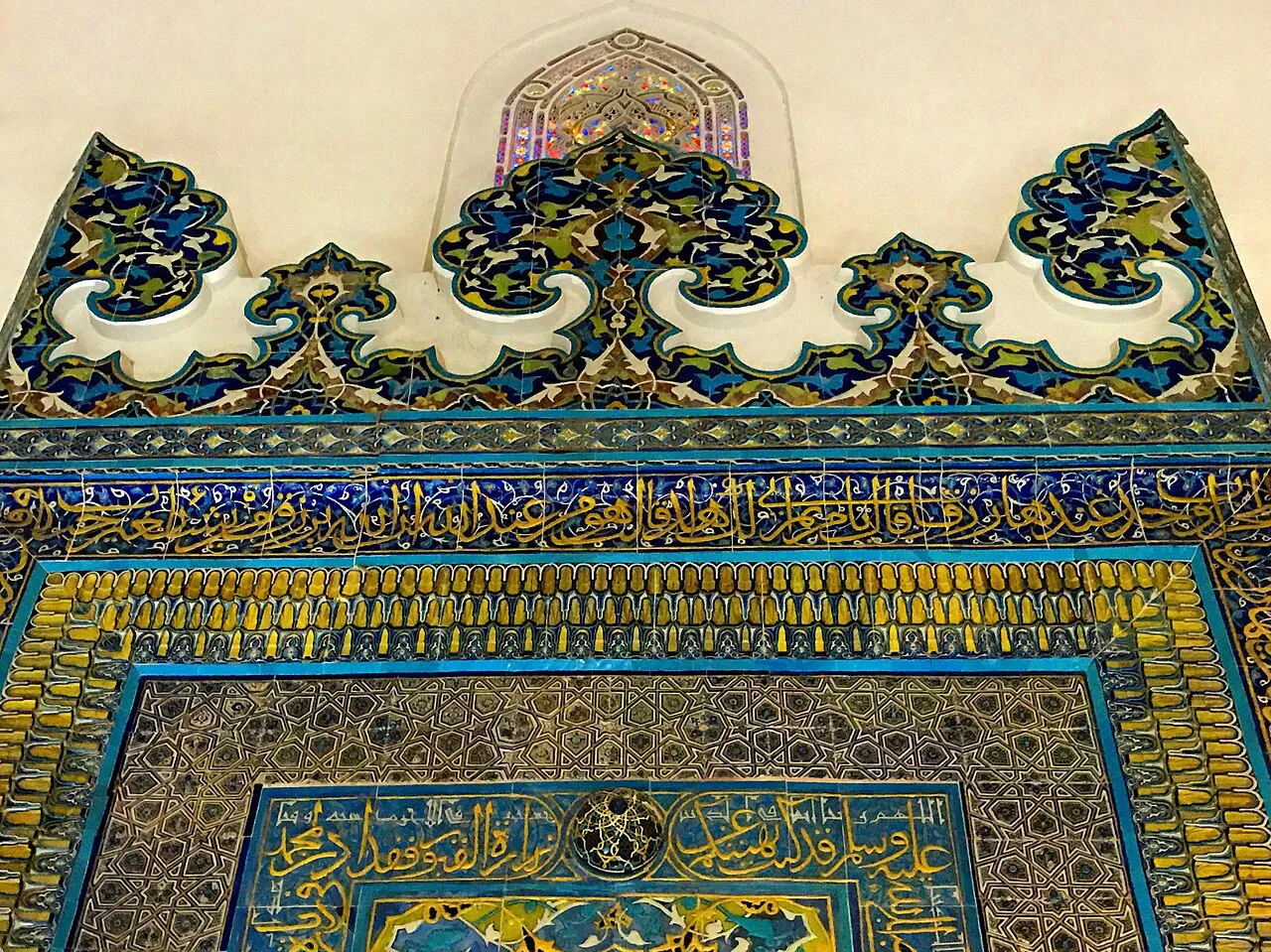
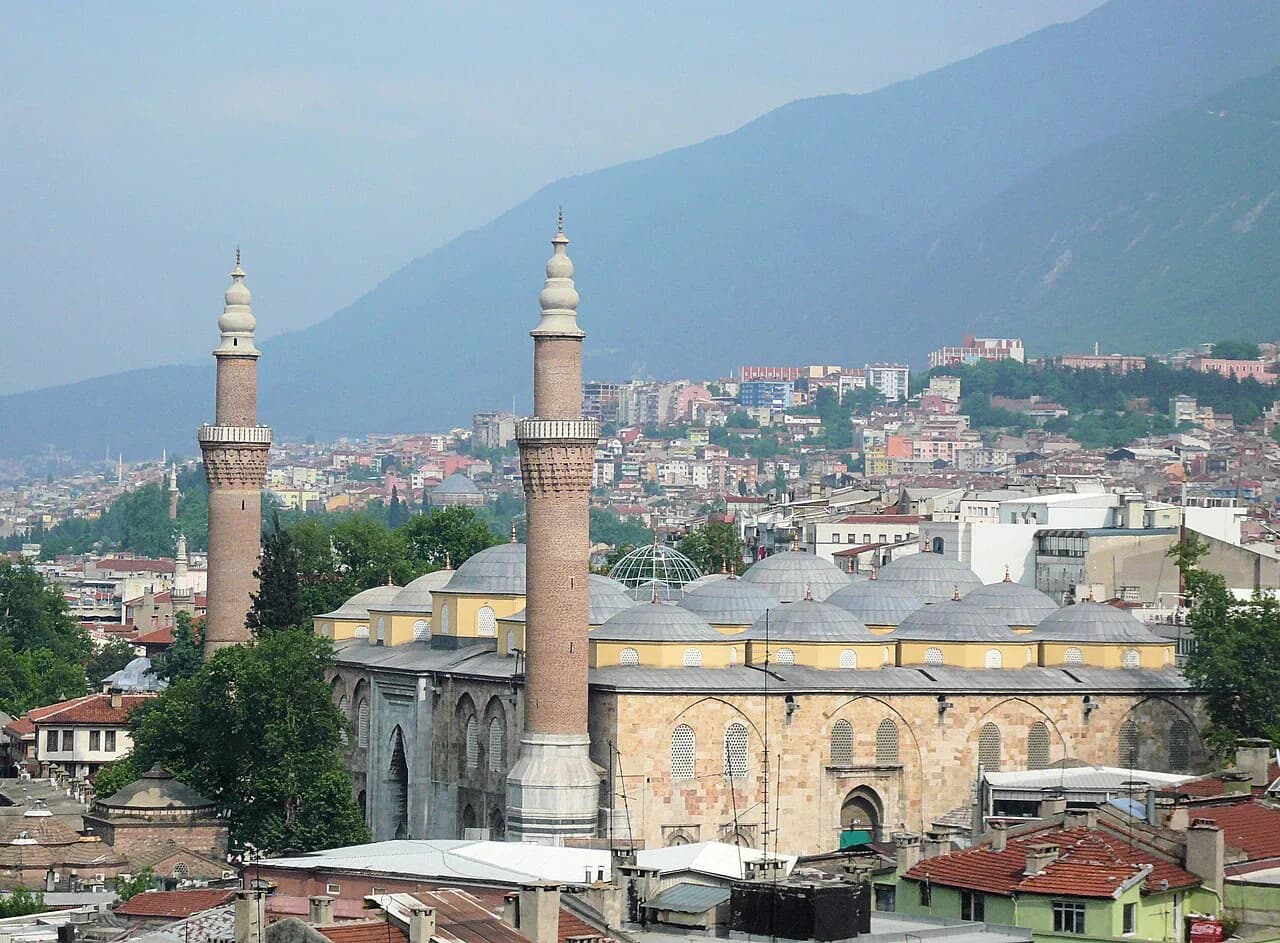
Ulu Cami, the Grand Mosque
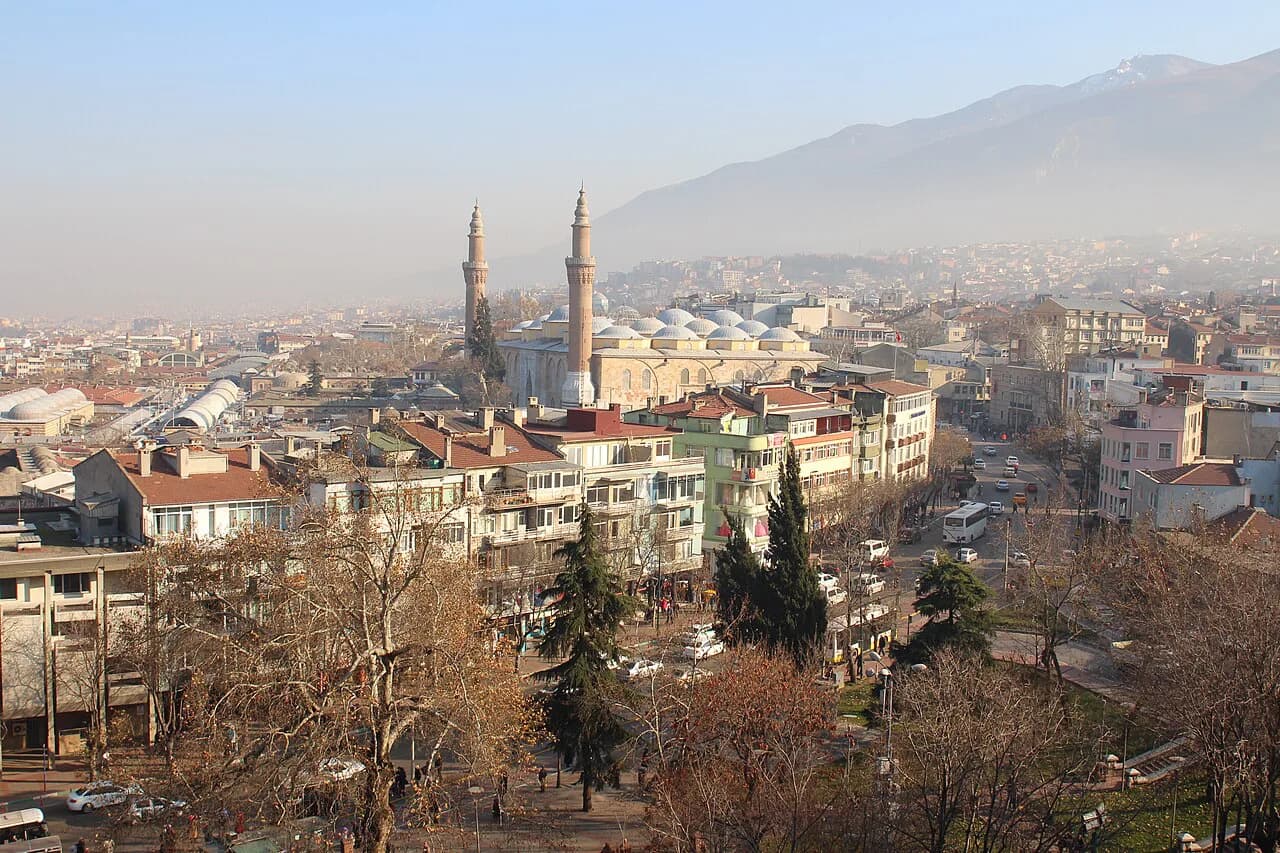
Ulu Cami sits on Ulucami Caddesi in Osmangazi, and entry is free for all visitors. The building carries twenty domes and a fountain set indoors at its centre, a şadırvan placed inside the prayer hall rather than out in a courtyard. Its walls and piers hold 192 pieces of calligraphy, one of the largest collections of its kind still in place inside a working Ottoman building.
Arrive between 08:00 and 10:00 to avoid the middle of the day and the busiest prayer times. Dress modestly: shoes come off at the door, shoulders and knees are covered, and women should carry a scarf. Prayer times briefly close the hall to sightseeing five times a day, which is the strongest argument for the early window.
The mosque rewards a slow twenty minutes rather than a photo stop, because the interior light and the calligraphy panels are the point. Photography inside is allowed, but keep out of the way of anyone praying.
Koza Han and the Covered Bazaar
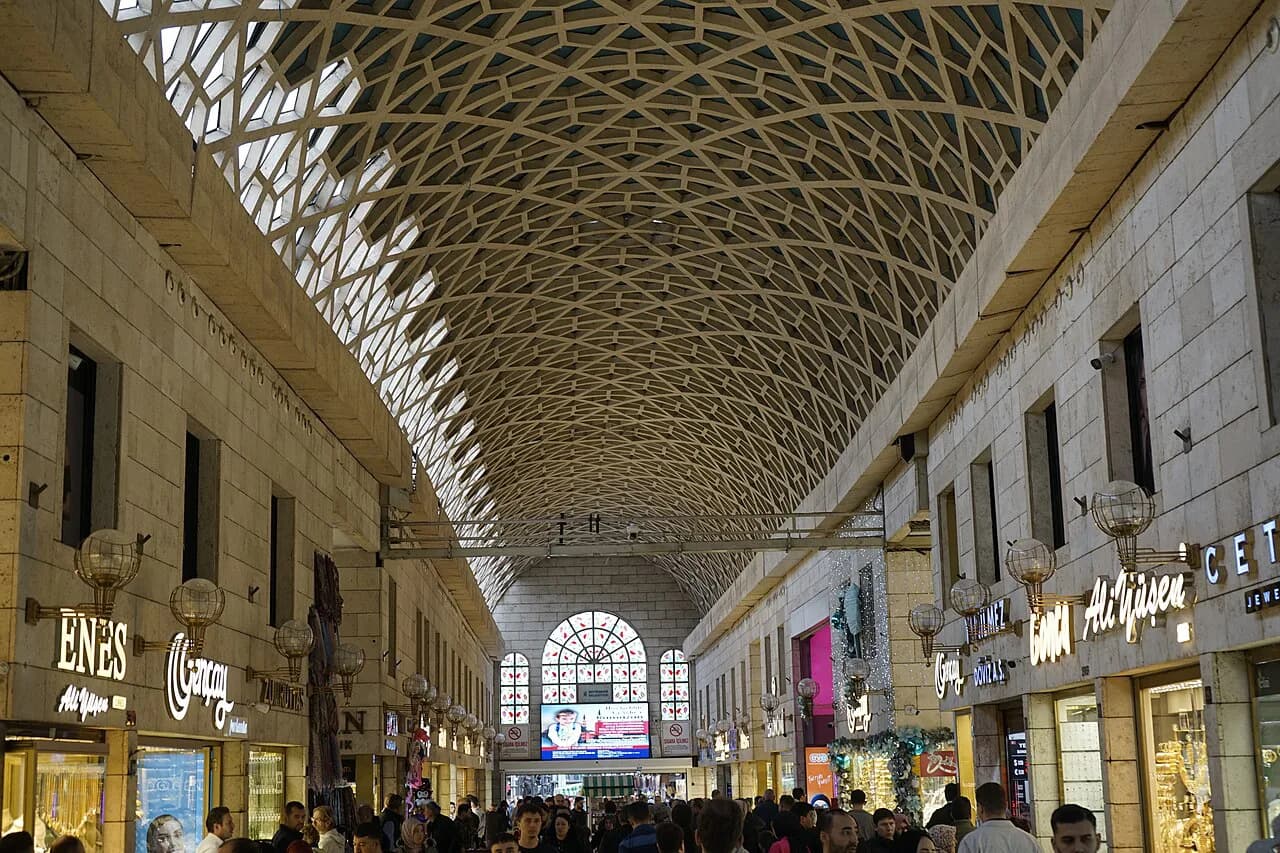
Koza Han began as a Silk Road trading centre, and vendors still sell silk textiles from boutiques under its vaulted arches around a two-storey arcaded courtyard. Twenty to thirty minutes covers the circuit unless you stop to browse, and it pairs naturally with the mosque next door. Our Bursa itinerary slots the courtyard straight after Ulu Cami for that reason.
From Koza Han, walk through the lanes of the Kapalı Çarşı, the Covered Bazaar, and the adjoining Emir Han; the whole quarter is compact and flat, so an hour covers it without rushing. Carry small-denomination Turkish lira notes, because many traders do not accept cards or cannot change large bills, and bargaining is normal.
If bazaars are a priority rather than a detour, work through our Bursa grand bazaar guide before you go so you know which lanes to aim for and which trades to look for under the vaults.
Tombs, the Green Complex and Muradiye
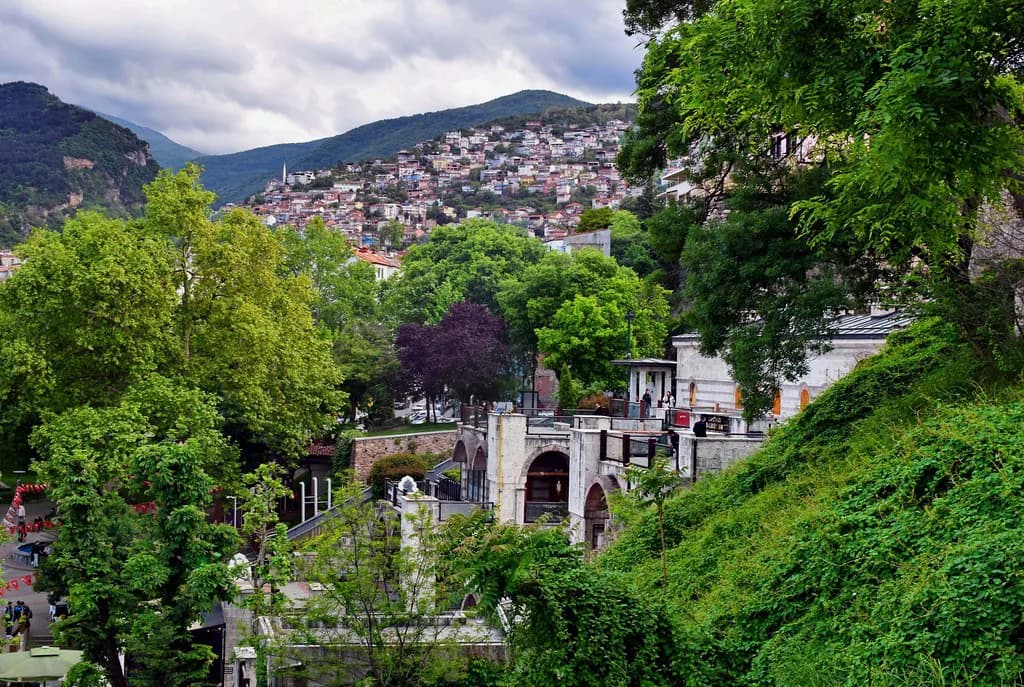
Walk uphill from the bazaar to Tophane Park, where the tombs of Osman and Orhan sit and the ground falls away in a view over the city; there is no admission fee. Time a late-afternoon arrival for the light over the rooftops as well as the tombs themselves.
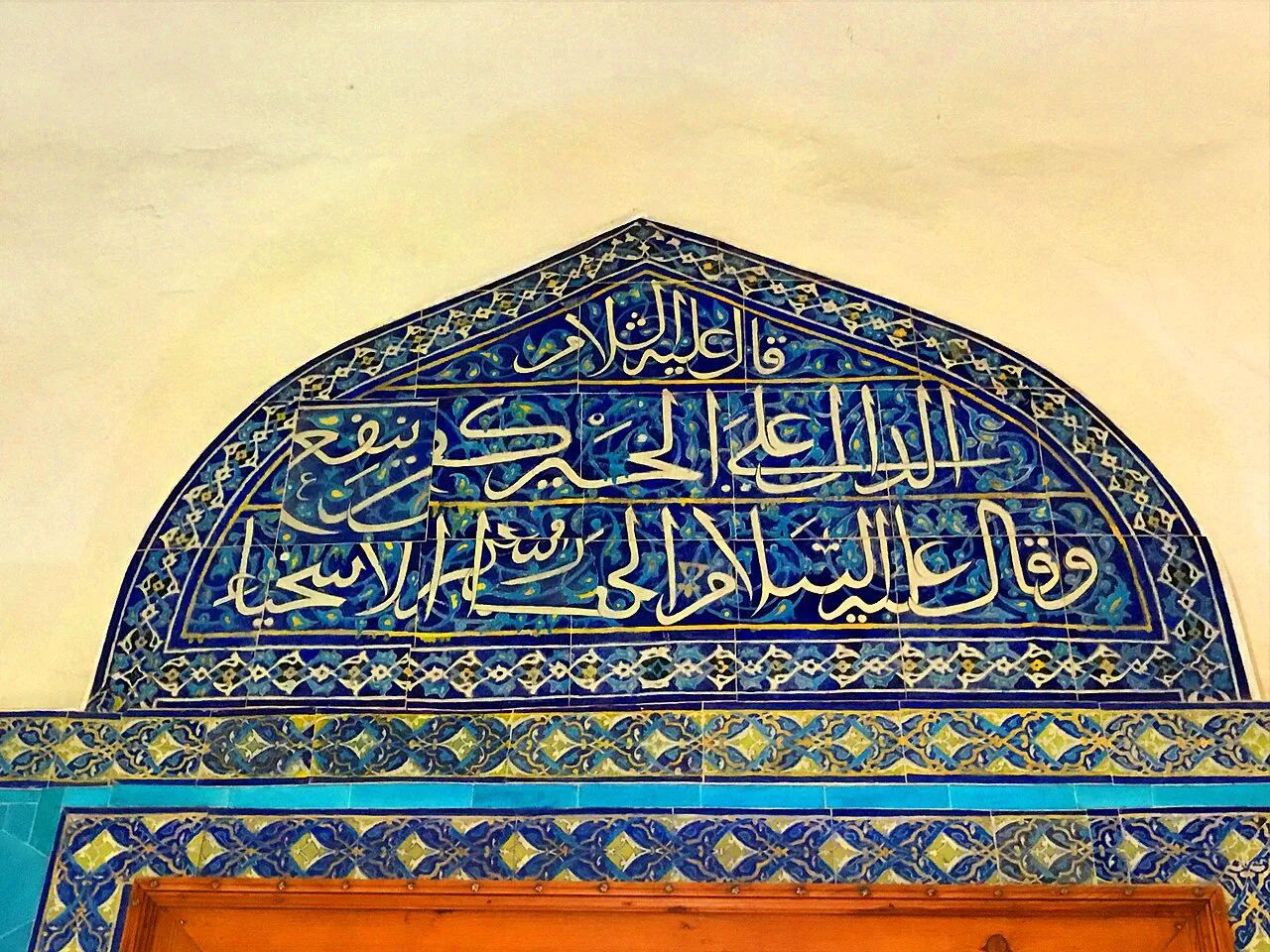
The Green Complex uphill holds the Green Tomb (Yeşil Türbe) of Mehmed I, decorated inside with colourful tiles, with the sultan's tomb at its centre and seven others around it; the original wooden door from when it was built in 1421 still hangs on the tomb. The Green Mosque beside it, built in 1412, is part of Bursa's historic Ottoman core and carries far more detailed tilework than the Grand Mosque, worked with Persian artists from the East. Entry to the mausoleum is free.
The Muradiye Complex gathers the tombs of early Ottoman sultans and their families in quiet gardens with İznik tiles, and entry is free. Allow around two hours for the walk from Tophane up to the site and back down. The Muradiye Complex entry in our things-to-do guide covers the layout in more detail.
How long Bursa needs
The mosque, one han and one tomb complex fit a single long day out of Istanbul, with roughly four hours of the day spent on the return journey. If you plan it that way, leave early and fix your return leg in your mind before you start. Our Bursa itinerary sets out a full day in that shape, from the morning crossing to the evening return.
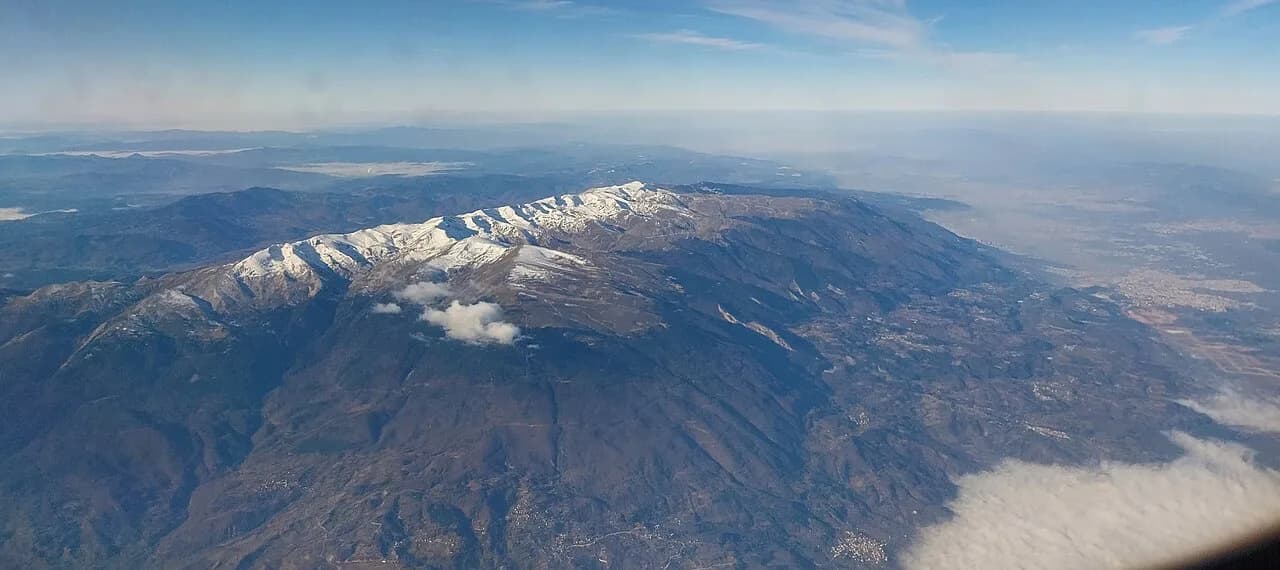
Add the Bursa Teleferik cable car up Uludağ, the UNESCO-listed village of Cumalıkızık or the thermal baths at Çekirge and you should stay overnight instead. The cable car runs in two connecting gondolas over almost ten kilometres, one of the longest cable car rides in the world, and takes about 40 minutes to reach the top of Uludağ, which stands more than 2,500 metres above the city.
Uludağ or Cumalıkızık: pick one
Treat the afternoon add-ons as one or the other. The cable car suits anyone who wants mountain air and the ride itself; Cumalıkızık, a UNESCO World Heritage village, suits anyone who would rather walk a preserved Ottoman settlement. Doing both in an afternoon leaves no margin for the return journey.
Keep the old core in the morning while the mosque is open to sightseeing and the bazaar is still waking up. The suburbs beyond Osmangazi are spread out, and the nostalgic tram along Cumhuriyet Caddesi is a practical way to link the city museum back to the centre after a visit.
The trade-offs
Bursa is not a resort in the Mediterranean sense. The appeal of its centre is architectural and urban rather than seaside, and travellers who want a beach-and-pool base will find the coast resorts better suited, with Bursa as a cultural detour at most. Bursa does have a coastal face: Mudanya, on the Sea of Marmara, offers a shoreline lifestyle if you want sea air alongside the old city.
It is also not a headline ancient-site destination. Travellers who want Ephesus, Hierapolis at Pamukkale or the Lycian coast ruins should build the trip around those instead, because Bursa's strength is Ottoman rather than classical.
Getting there from Istanbul
The two routes are bus and ferry across the Sea of Marmara. The road journey takes around two hours in light traffic and can run considerably longer when it is busy, while the ferry crossing is generally the quicker option for a day trip.
Buses leave from the Istanbul otogars, and from the European side Alibeyköy is a strategic departure point, roughly 15 to 20 minutes by road from Beyoğlu. Tickets can be bought online, though some international cards are rejected by local booking platforms, so have a backup payment method.
Ferry operators run the Istanbul to Bursa route daily, and the crossing is often both faster and cheaper than the bus for a day trip. Check sailing times for your date before committing, since timetables shift with the season.
Once you arrive, the old core is walkable, and a Bursa map helps you see how tightly the mosque, hans and tombs cluster around Ulucami Caddesi and Atatürk Caddesi before you start walking.
Who should skip Bursa on a short first trip
On a first week in Turkey, Bursa competes badly with the coast and with the classical sites. If your shortlist already includes Ephesus, Pamukkale and a few days on the Aegean or Mediterranean, adding a two-hour-each-way city trip costs you a day you could spend elsewhere.
Give Bursa two days if Ottoman architecture is why you came to Turkey. That allows the mosque and bazaars at an unhurried pace, one mountain or village afternoon, and a hammam or the Çekirge springs without cutting anything. A single day is enough to see the first Ottoman capital properly, but it leaves no room for depth.
Is Bursa your kind of city?
Book Bursa if you want Ottoman mosques, silk hans and sultan's tombs in a compact, inexpensive old core, and you are happy to trade polish for a working Turkish city. Skip it if your trip is built on beaches, resort hotels or classical ruins, where other bases do the job better. The deciding factor is whether a morning under twenty domes appeals more than an afternoon on the water.
Before travelling, check the mosque's opening arrangements and ferry sailing times for your dates, since both shift with the season and the religious calendar.
Frequently Asked Questions
How long is the ferry ride from Istanbul to Bursa?
Ferry operators run the Istanbul to Bursa route daily, and for a day trip the crossing is generally quicker than going by road. Sailing times vary by operator and season, so check the timetable for your travel date.
How far is Bursa from Istanbul?
By road it is about two hours in light traffic, though the bus journey can run to around three hours door to door once city traffic is counted. The ferry across the Sea of Marmara is generally the quicker option for a day trip.
Is Bursa a good day trip from Istanbul?
Yes, if you anchor the day on the Ulu Cami quarter, where the mosque, Koza Han and the surrounding bazaar lanes sit within walking distance. Adding the cable car, Cumalıkızık or the Çekirge baths needs an overnight instead.
Sources
Notes for your next Turkey trip
Optional updates when we add or correct a town guide.
You might also like
Continue reading
More guides you'll find useful