Fethiye Street Food: Gözleme, Kumru, Midye and More
Fethiye street food means gözleme, kumru, stuffed mussels and market snacks. Here is what each one is and where visitors find them in the town.
On this page
Fethiye street food comes down to four things worth seeking out: gözleme and katmer pancakes, kumru sandwiches, stuffed mussels and the sweets and nuts sold from bazaar stalls. The best single place to try several at once is the weekly Tuesday market, where village producers sell produce along the canals and a separate row of stalls cooks gözleme and katmer to order. This guide covers what each item is, where in town you find it and how to order without guesswork.
What counts as street food in Fethiye
Street food here means food bought and eaten without a restaurant table: pancakes off a griddle, sandwiches from a counter, stuffed mussels from a tray, snacks from market stalls. Fethiye sits where the Aegean meets the Mediterranean, and the everyday food reflects that mix of olive oil, herbs and fresh seafood. Expect small stalls and family businesses rather than a formal street-food scene, with the market and the old town doing most of the work.
Gözleme and katmer: the market pancakes
Gözleme and katmer are the same family of hand-rolled flatbread, cooked on a domed griddle and folded around a filling. The usual choices are spinach, cheese or minced meat, and you watch the dough being rolled and baked in front of you. At Fethiye's Tuesday market, groups of women run temporary stalls doing exactly this, and you sit down with a tea while you wait.
Treat the naming as loose rather than as a strict menu. Gözleme is the savoury stuffed flatbread most visitors mean, while katmer can also describe a sweeter layered pastry, so point at what you want and confirm the filling before it goes on the griddle. Portions are designed as a snack or a light meal, which makes them a sensible stop between sights rather than a full lunch.
Kumru: the local sandwich to know
Kumru is the quick eat to order if you want something portable: a warm, pressed sandwich-style bun, the sort of filling snack that turns up among the street foods listed for Fethiye alongside gözleme and stuffed mussels. Buy one when you are moving between the harbour and the old town and do not want to sit down for a full meal.
Stuffed mussels and quick seafood bites
Midye dolma, mussels stuffed with spiced rice, are sold from trays as a standing snack and are the easiest way to eat seafood without committing to a fish restaurant. Fethiye's coastal position means fish landed in the morning reaches kitchens the same day, so sea bass, sea bream, grouper and red mullet are the staples when you do sit down. Shrimp, calamari and octopus fill out the seafood menus if you want a plate rather than a bite.
For a proper seafood meal, the market area and harbour are where the day's catch is sold and cooked, and a fish market where you choose the fish and have it prepared is part of the routine. Our guide to the Fethiye fish market explains how that arrangement works and what to expect when you sit down.
Lokum, dried fruit and nuts from the bazaar stalls
The sweet side of Fethiye street food is the stall trade: towers of lokum in every colour, boxes of dried figs and apricots, and nuts sold by the scoop. At the Tuesday market you find apricots in two shades depending on how they were dried, alongside raisins, dates, strawberries and crystallised ginger. Sesame-coated peanuts, caramelised hazelnuts, salted almonds, cashews and pistachios make a useful bag for a day out.
Stalls also sell cones of spices and dried herbs, olive oil and several kinds of peynir, the Turkish cheese that ranges from dry and salty crumbs to soft, crumbly chunks. Buying a little of each is how the market is meant to be used, and it gives you a picnic without a restaurant stop.
The Tuesday market: canals, food court stalls and what to expect
Fethiye's weekly market runs on Tuesdays along the narrow canals, with farmers from surrounding villages laying out produce on stalls and cloths. One side is the shopping: vegetables, olives, cheese, herbs, nuts and lokum, with vendors calling out prices and offering tastes. The other side is the eating: a run of temporary stalls where women cook gözleme and katmer, tables with jars of pickles, and vendors working carts of breads, pastries and corn on the cob.
Think of it as a morning of browsing with a snack in the middle rather than a quick in-and-out. It is also where local life carries on around you, with tea drinkers, shoes being mended and friends meeting between the stands.
Around Paspatur and the harbour: snacking between sights
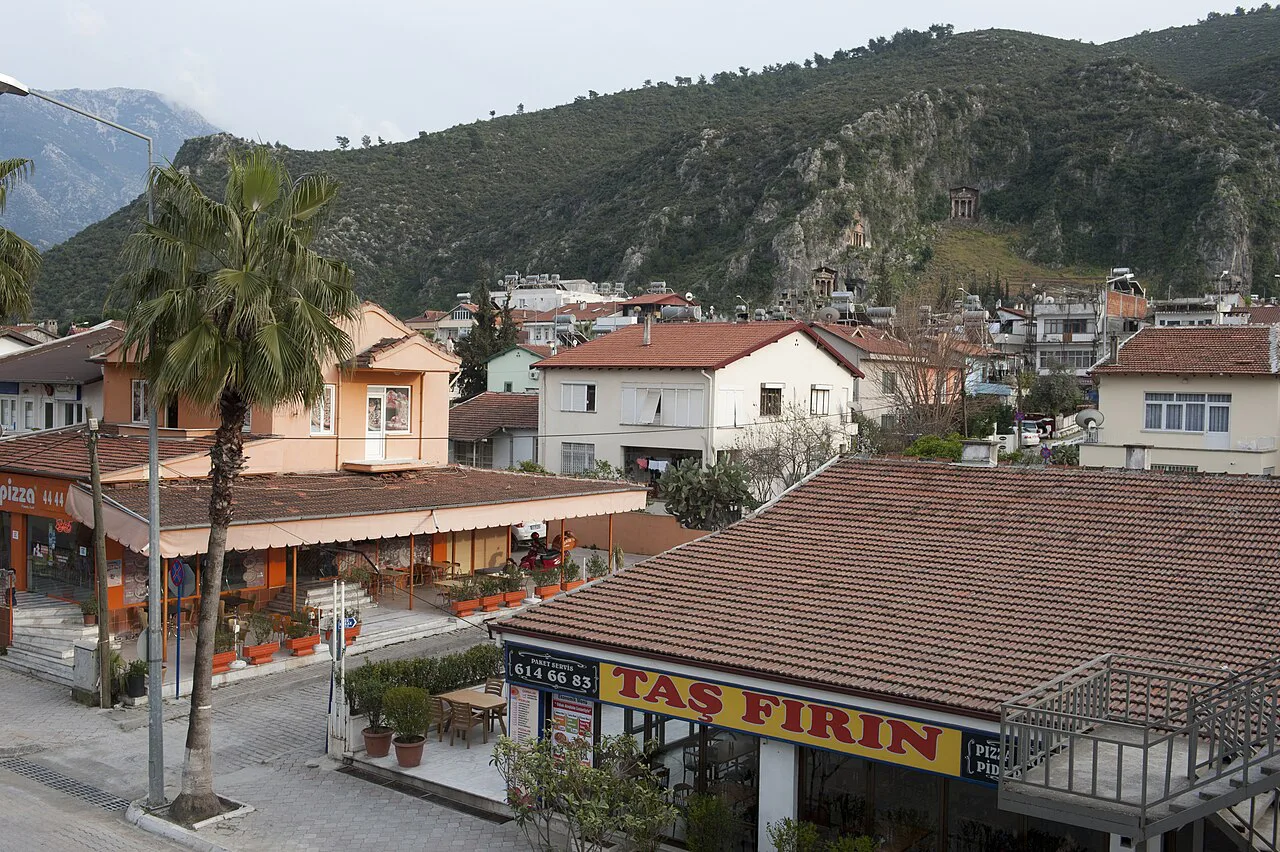
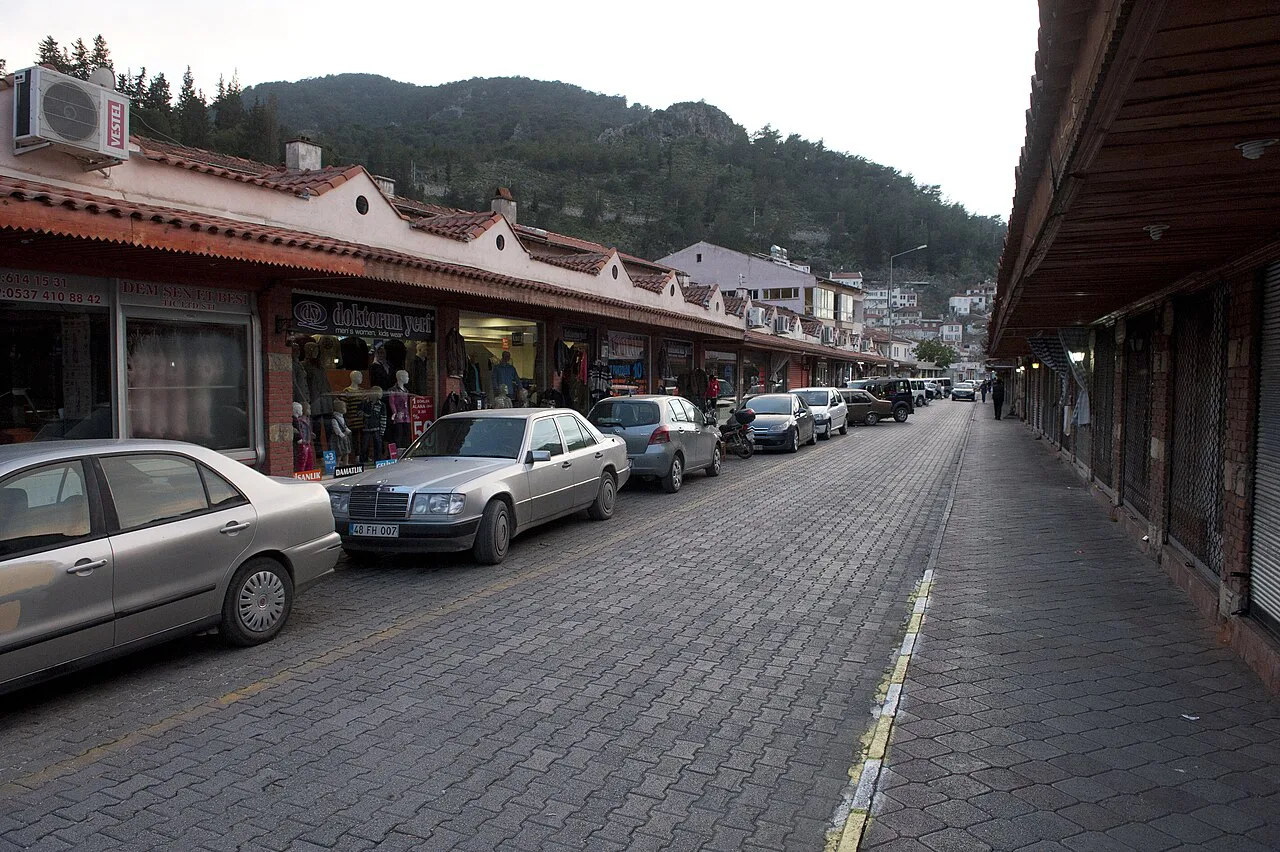
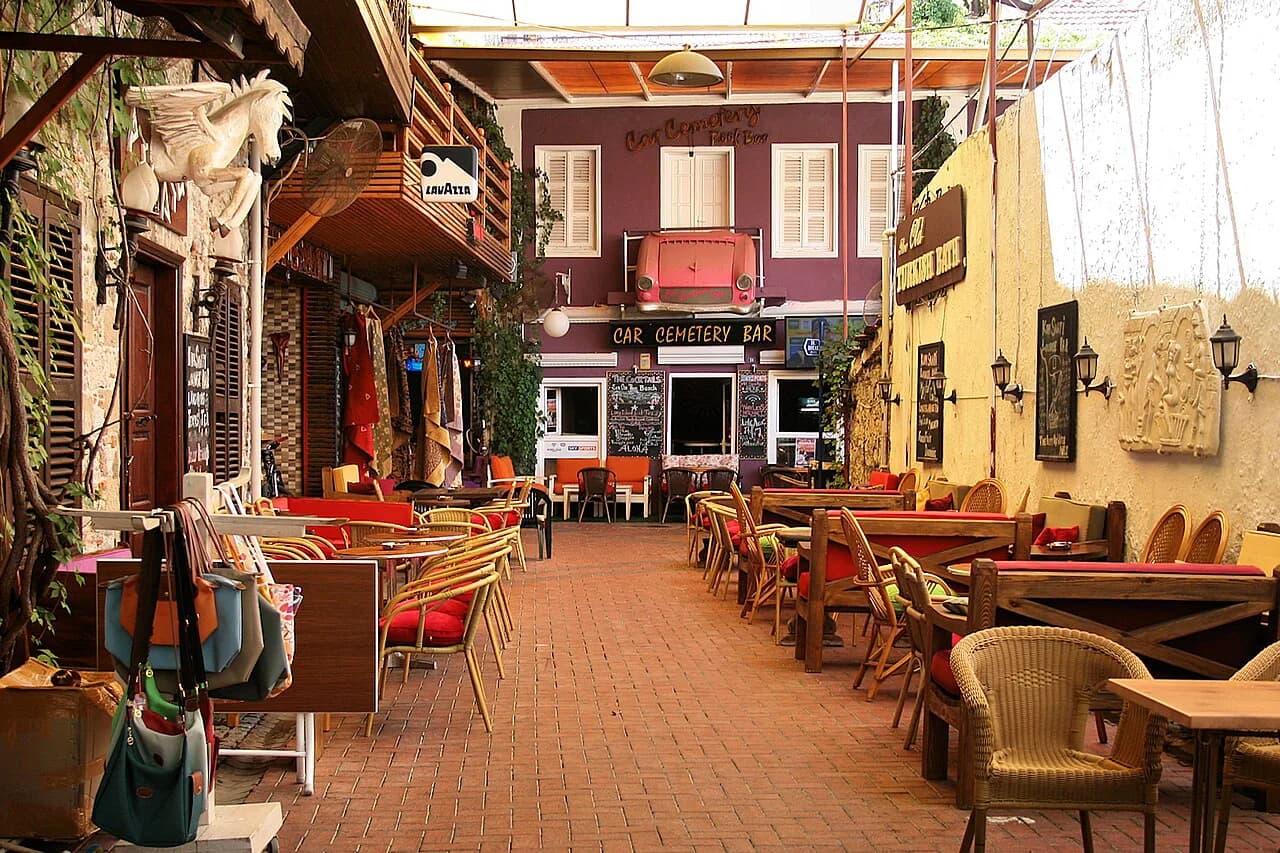
Paspatur, the old town, sits minutes from the harbour between Atatürk Caddesi and Çarşı Caddesi, with small pedestrian streets of shops, cafés and restaurants. Its shaded alleys make it a good place to escape the summer heat and the obvious route between the marina and the rock tombs above. Browse here for spices, herbs, lokum and sweets, and eat here when you want a table rather than a stall.
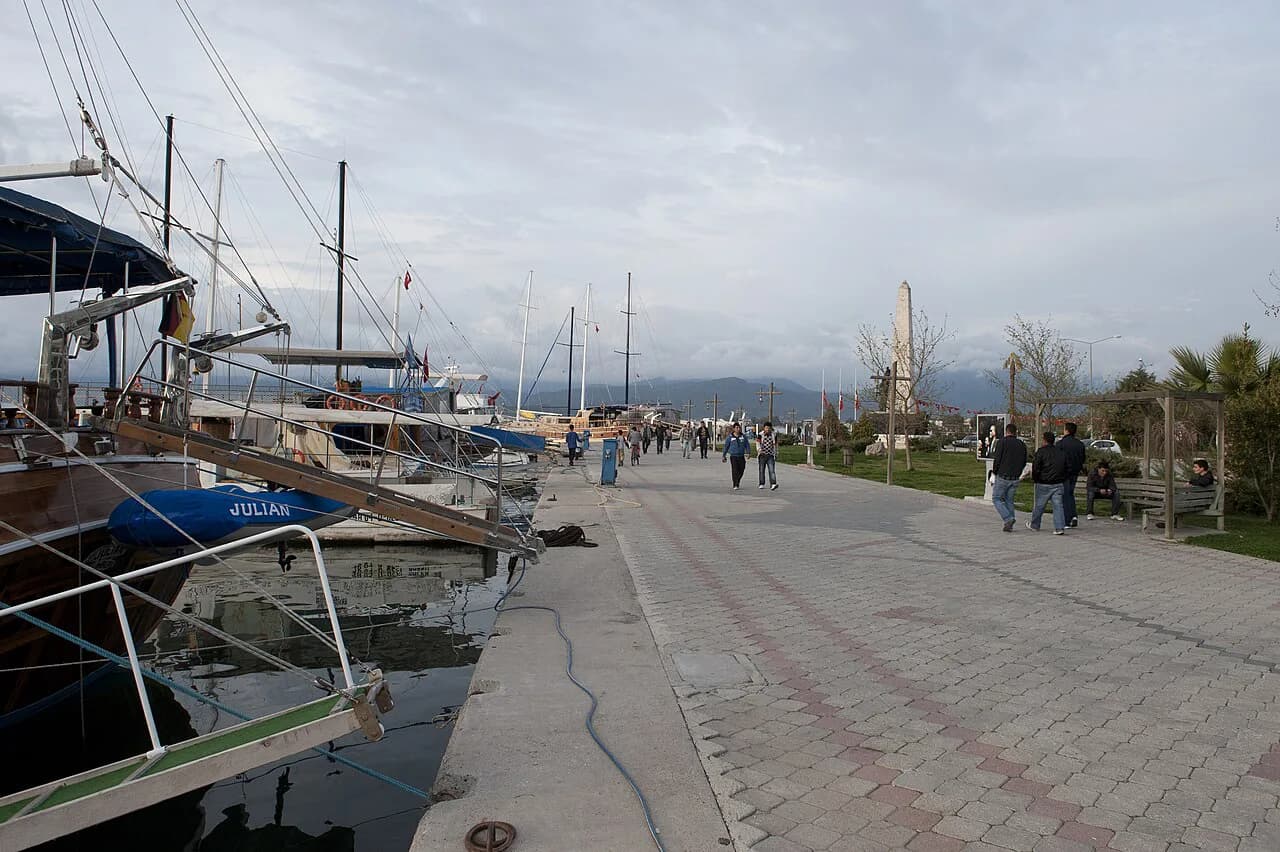
The harbour itself is where the day boats and fishing boats tie up, so a snack by the water fits naturally before or after a boat trip. The walk up to the Tomb of Amyntas, the largest of the Lycian rock tombs cut into the cliff, is steep but short, and an ice-cold drink on the way back down is part of the routine.
Eating street food with children or a fussy eater
Gözleme with cheese is the safest bet for children, since it is plain flatbread and comes off the griddle hot. Kumru works for anyone who will eat a toasted sandwich, and a bag of dried fruit and nuts covers the gaps between meals. If your group wants a proper sit-down instead, Best Restaurants in Fethiye covers the full range of tables across the area.
Fethiye's breakfast spread of village cheeses, homemade jams, olives and fresh bread is a separate pleasure, and venues in Kayaköy and Faralya serve it in the countryside. Our Fethiye breakfast guide is the place to start if you want that instead of a pancake on the go.
Local dishes such as Fethiye meatballs and keşkek belong to the sit-down side of the local menu, and the meatballs in particular are often what children end up ordering. Our Fethiye Food guide explains where these sit in a normal meal.
Practical points: cash, portions and hygiene common sense
Market and stall food comes in snack portions rather than full meals, so plan two or three small stops instead of one large one. Carry small notes and coins in Turkish lira, as change at a busy stall is easier with cash. Prices for gözleme, kumru and midye vary by stall and season, so check the board or ask before ordering.
Food cooked to order in front of you is the safest choice at any stall. Beyond preferring freshly cooked food and clean handling, Fethiye's market food needs no special caution.
Which Fethiye street food should you try first?
Start with gözleme at the Tuesday market, since it is cooked in front of you, cheap to try and easy to share. Then work through kumru for a portable lunch and stuffed mussels for a seafood bite by the water. Keep the bazaar stalls for lokum, nuts and dried fruit to carry with you between sights.
Frequently Asked Questions
Is there a market in Çalış as well as Fethiye?
This guide covers the Tuesday market in Fethiye town, along the canals. For any market in Çalış, ask at your accommodation, as no market day or location there is confirmed in the sources used here.
How expensive is street food in Fethiye?
Stall prices change with the season and are not published in advance, so treat any figure you see as a rough guide rather than a promise. Check the price at the stall before ordering, and carry cash in Turkish lira for small purchases.
Where can I find gözleme outside the Tuesday market?
Gözleme also appears on café and restaurant menus around Paspatur and the harbour, where you order it as a sit-down dish rather than from a griddle. The market version is the cheaper, faster option when it is running.
Sources
Notes for your next Turkey trip
Optional updates when we add or correct a town guide.
You might also like
Continue reading
More guides you'll find useful