House of the Virgin Mary, Ephesus: A Visitor's Guide
A practical guide to the House of the Virgin Mary above Ephesus: what the shrine is, what you will see, how to get there and how long to allow for the visit.
On this page
The House of the Virgin Mary takes about an hour of your day, plus the drive, and pairs naturally with Ephesus. It is a small stone house on Mount Bülbül above the ancient city, visited by Christian and Muslim pilgrims as the place where Mary is believed to have spent her last years. This guide covers what you actually see there, the dress code, the two ways in from Selçuk and Kuşadası, and the sights worth adding on the same outing.
What the House of the Virgin Mary is
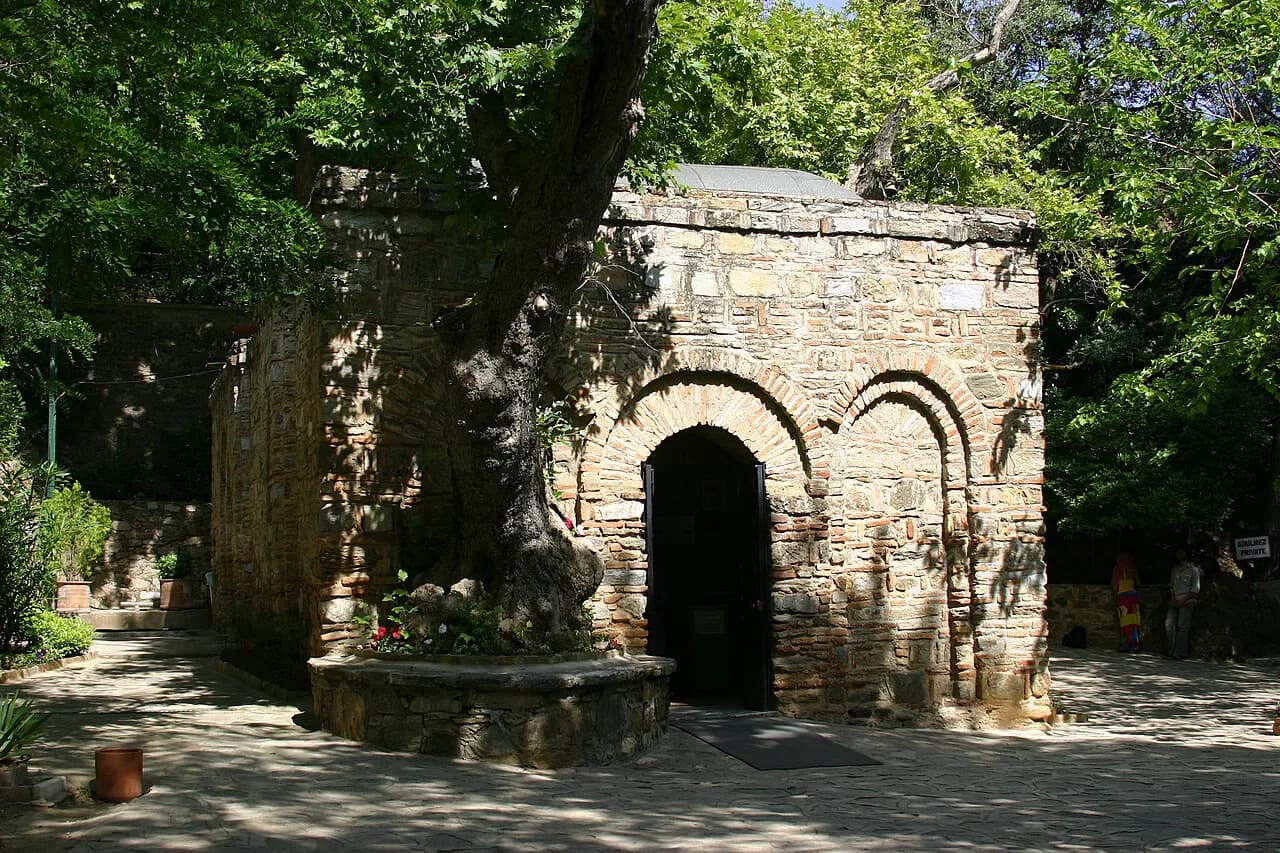
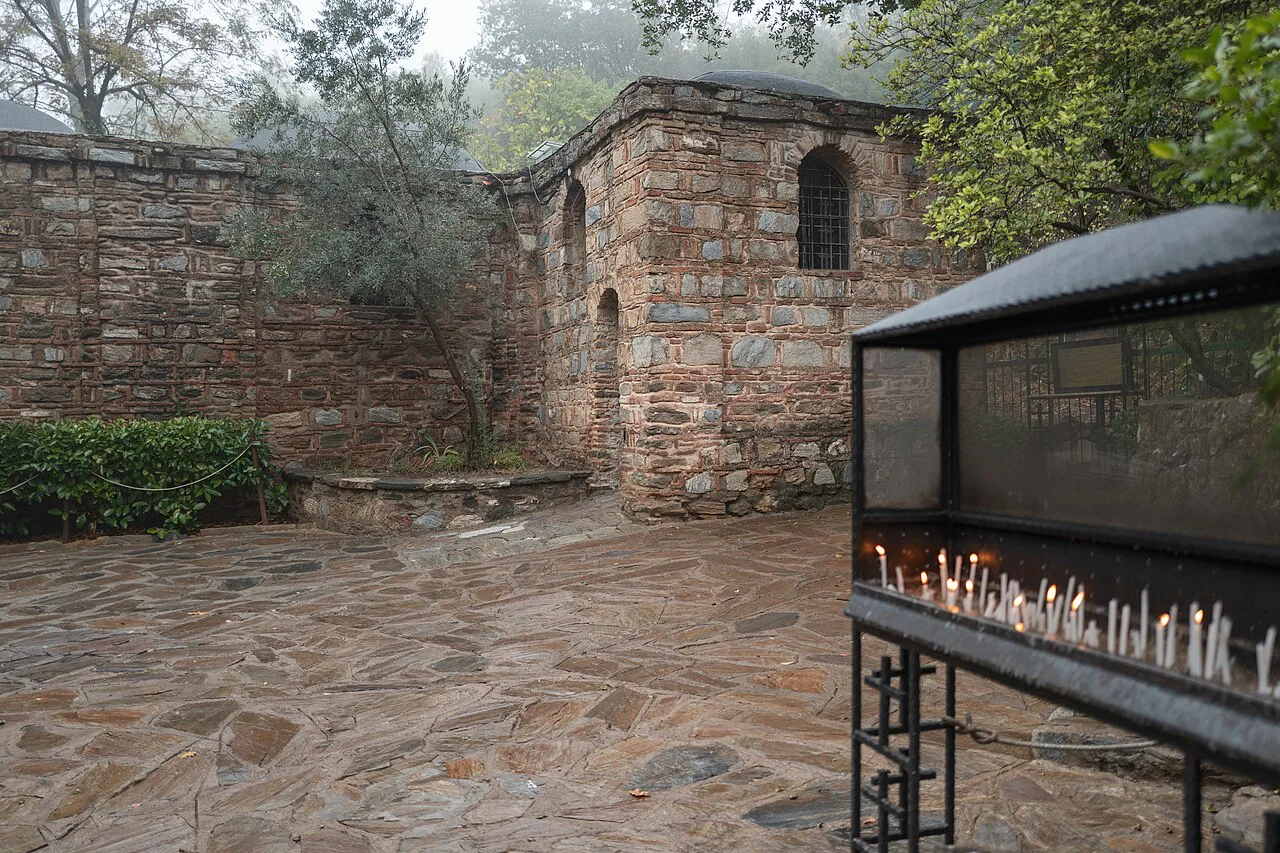
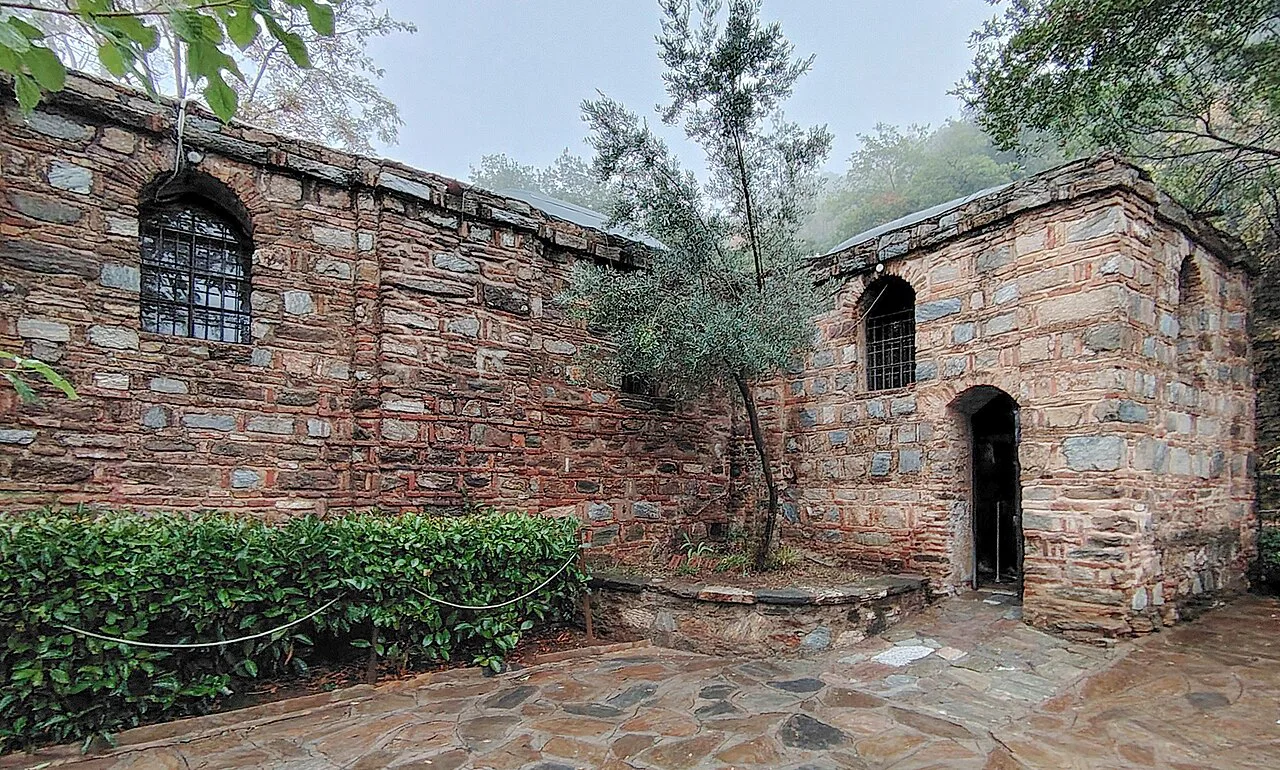
Meryem Ana Evi, as it is signed in Turkish, sits on Mount Bülbül — Bülbüldağ, the Mount of the Nightingales — in the hills above the Roman city. The site is a tiny stone house in a wooded, secluded spot, a short drive from Ephesus and closer still to Selçuk. Christians and Muslims both come here because Mary is revered in Islam as the mother of the prophet Jesus, and pilgrims treat the house as a place of prayer, healing and contemplation.
The house you see is not from Mary's lifetime; it was built on the site later, and a small pool close by has been dated to the Apostolic age. The setting matters as much as the building: dry hillside soil, fig and olive trees, and a quiet that contrasts sharply with the coach parks at Ephesus below.
Why the site matters, and what the evidence supports
The tradition rests on St John bringing Mary to Ephesus after the crucifixion, into the care entrusted to him at the cross. Written hints appear much later than the first century, and no archaeological find confirms that Mary lived in the house. The site's modern fame owes more to the visions of the German nun Anne Catherine Emmerich, who never visited Turkey, and to the French priest Abbé Julien Gouyet, who located the house in 1881 following her account.
The Catholic Church has not formally recognised the house as Mary's home, though Popes John Paul II and Benedict XVI both visited and blessed it. Arguments for Ephesus include the city's Church of St Mary, the first Christian temple dedicated to her, and the choice of Ephesus for the Council of 431. Against it, the tomb of Mary has a much stronger claim in Jerusalem, where the Church of the Dormition stands over the traditional site.
Visit as a place of belief rather than a proven residence and the site makes sense. The pilgrim experience is the point: the chapel, the quiet, and the sense of continuity with the earlier cults of Kybele and Artemis on the same hillside.
What you actually see on site
The visit is short and simple. You walk to the small stone house, which serves as a chapel, and visitors queue briefly to look inside. Outside, the Wishing Wall is where people write prayers and wishes and hang them up, one of the most memorable details for many visitors.
A spring near the house is treated as holy water, and pilgrims fill bottles to take away. The wooded hillside gives shade and birdsong, and the small pool connected with the early Christian community lies close to the house. Allow time to sit rather than rush through, because the atmosphere is the main attraction.
Dress code and behaviour
This is a religious site, so dress modestly: shoulders and knees covered is the safe standard for both men and women. Keep voices low inside the chapel area and avoid photography where people are praying. A light scarf in your bag covers most situations, and it doubles as sun protection on the exposed walk from the car park.
How to get there from Selçuk and Kuşadası
From Selçuk the house is about 9 km away, reached by car or public transport. From Kuşadası it is roughly 25 km, a journey of about 35 minutes by taxi, hire car or guided tour. If you are based in Selçuk, the visit slots easily into a morning before or after Ephesus; from Kuşadası it works as a half-day outing.
The road climbs through the hills, so a taxi or tour saves you the navigation and the parking. Dolmuş minibuses run in the Selçuk area, but confirm the current route and stop locally before relying on one. Guided tours from Kuşadası and Selçuk typically combine the house with Ephesus and, often, Şirince.
How long to allow and when to go
Plan on around an hour at the house itself, plus travel. Mornings are calmer, and spring and autumn — April to June and September to November — bring milder weather and fewer visitors than high summer. Set off early if you are combining the house with Ephesus, because the ancient city takes far longer and the midday heat is fierce in July and August.
Tickets and opening hours
Entrance is ticketed and hours can shift with the season, so buy on arrival or through your tour operator and confirm the day's opening before you set out. This is one of the few places on an Ephesus itinerary where a short, fixed visit makes sense.
What to pair it with
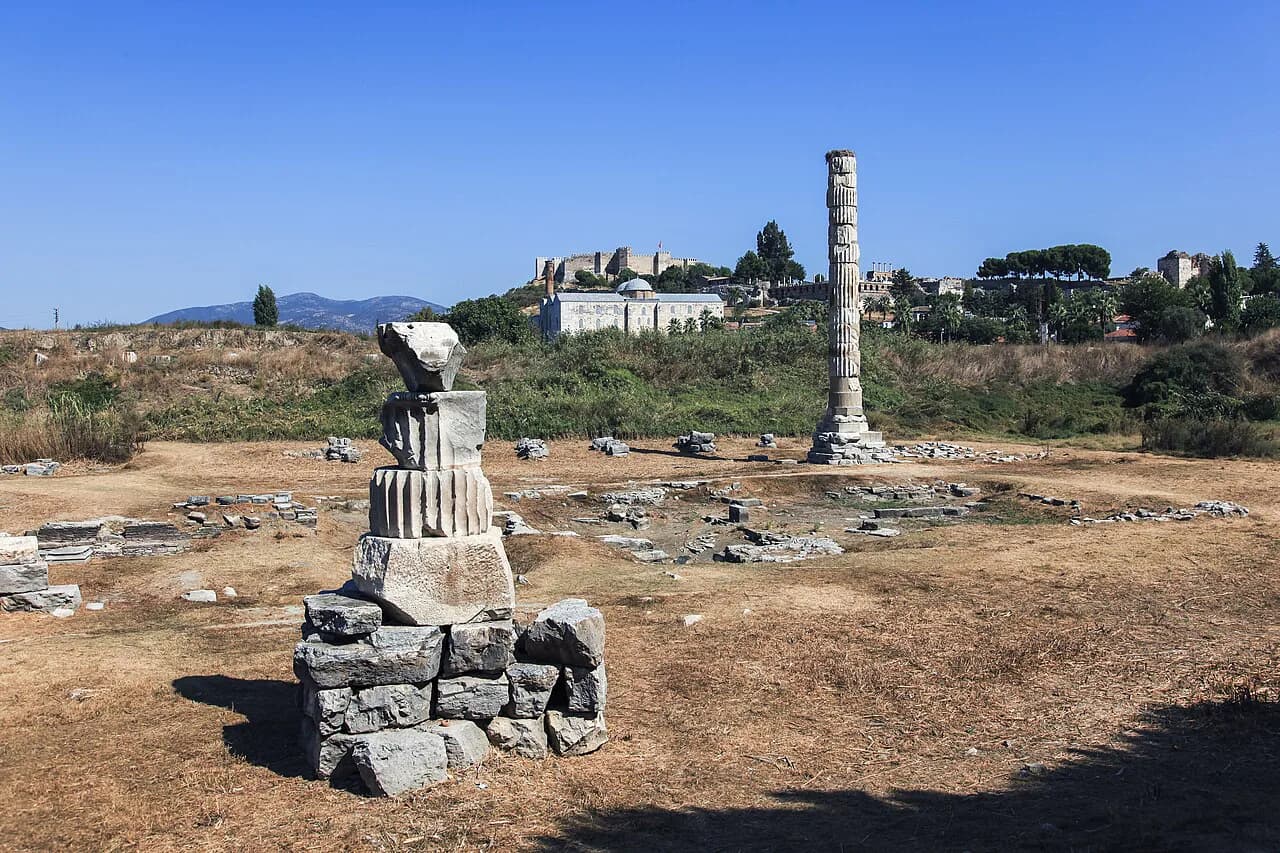
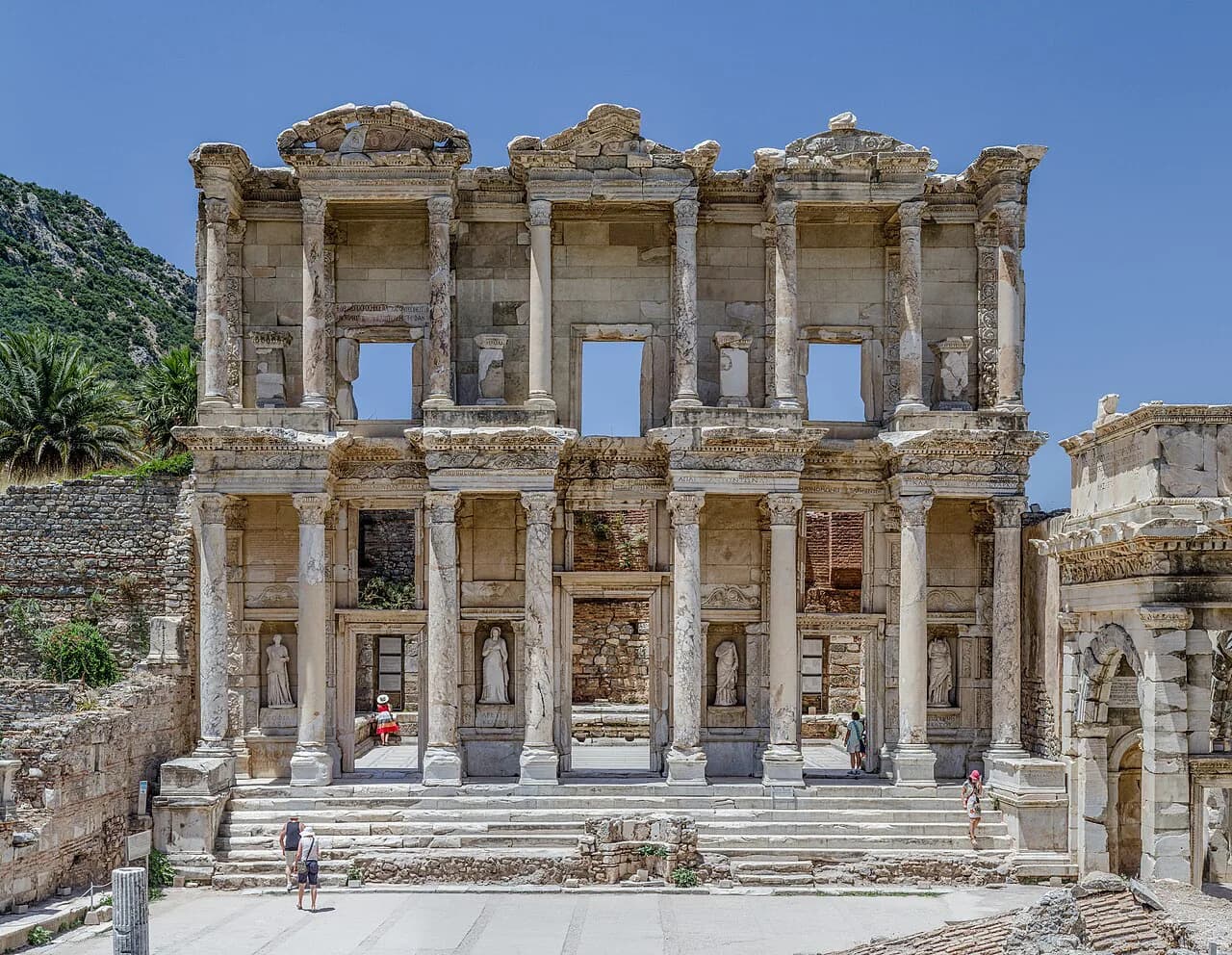
Ephesus itself is the obvious companion: the Library of Celsus, the Great Theatre and the Temple of Artemis are all within a short drive. In Selçuk, the Ephesus Museum and İsa Bey Mosque fill an afternoon, and the market stalls sell local handicrafts.
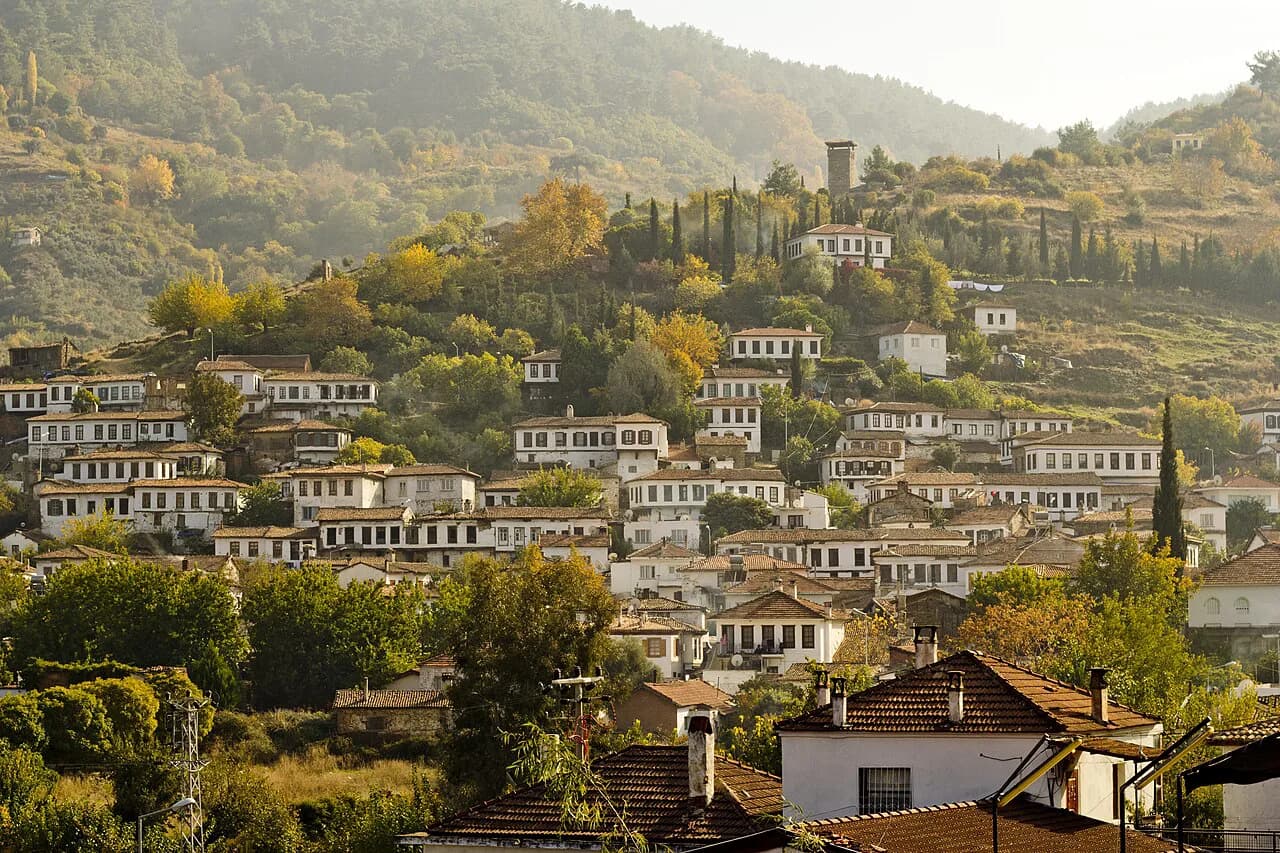
Şirince village, up in the hills beyond Selçuk, is known for boutique wines and rural landscapes and makes a good end to the day. Its Greek inhabitants once made pilgrimages to a place called Panaya Kapulu for the Dormition of the Virgin, which links the village to the same tradition.
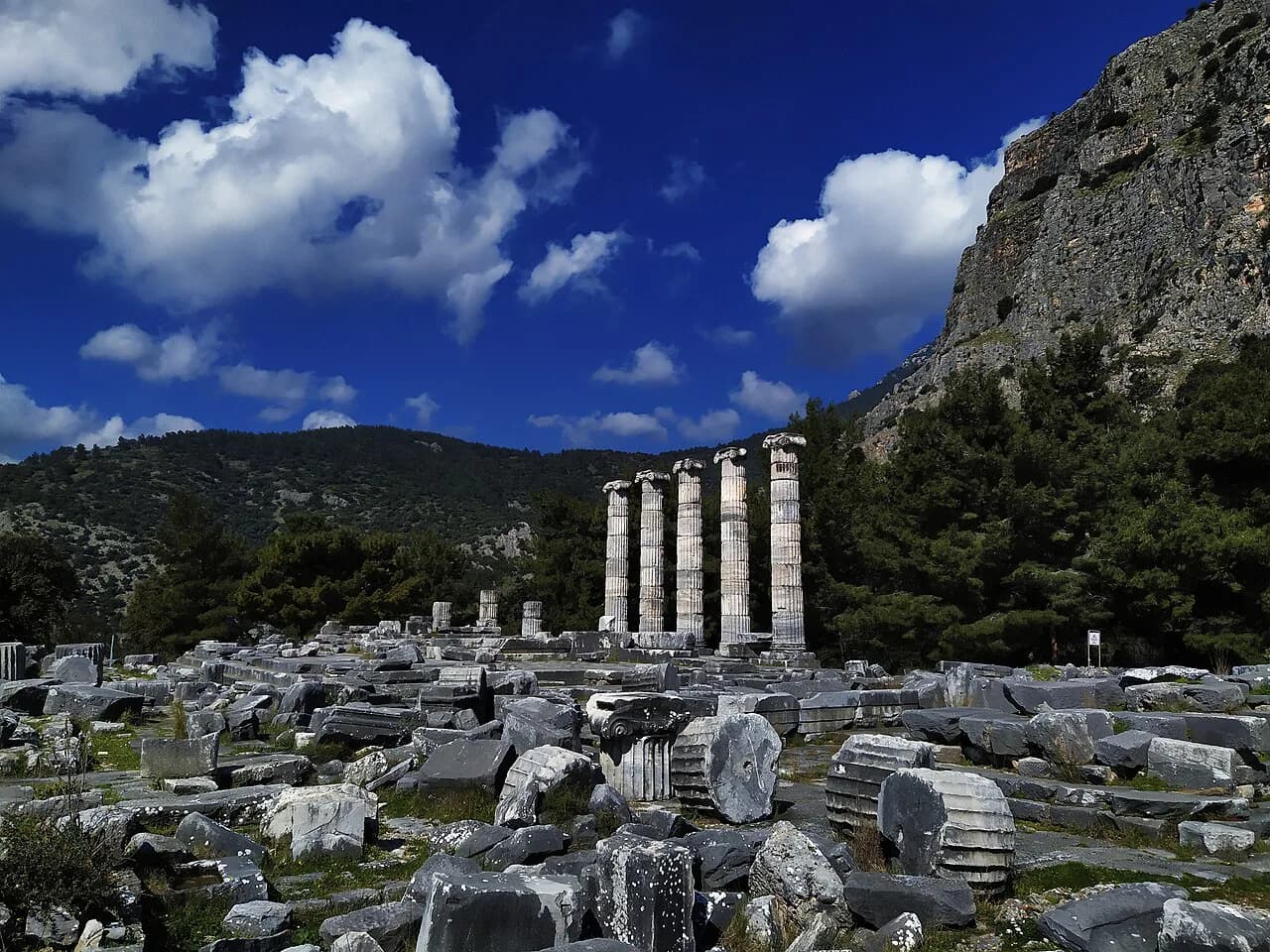
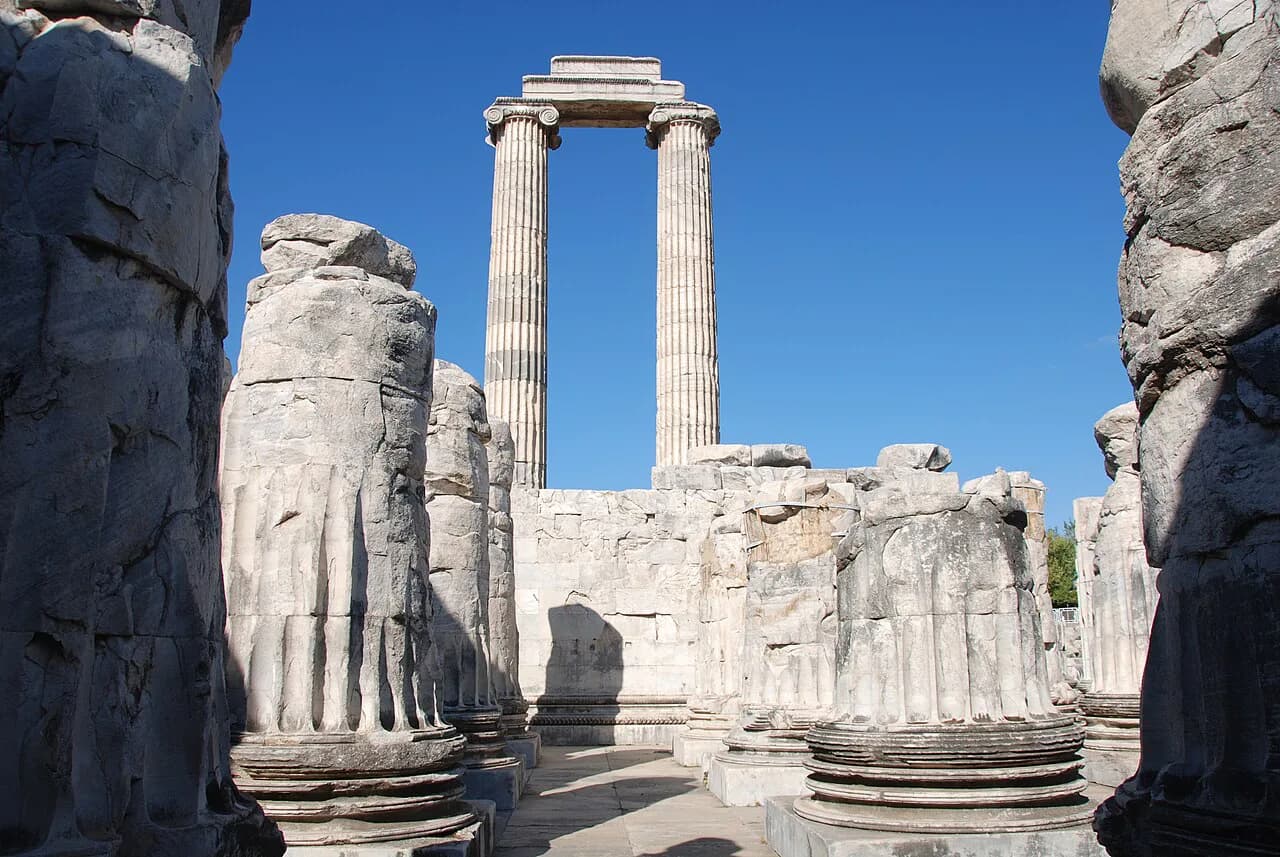
If you have a car and another day, the Ionian sites south of Kuşadası reward the drive: Priene on its hillside terrace, Miletus with its theatre and Baths of Faustina, and the Temple of Apollo at Didyma. Each is quieter than Ephesus and easily combined in one loop.
Is the House of the Virgin Mary worth the detour?
Yes, if you treat it as a short pilgrimage stop rather than a standalone sight. An hour on the hillside, a moment at the wishing wall and a bottle of spring water make a moving counterpoint to the marble crowds at Ephesus, and the drive from Selçuk is brief.
Skip it if your day is already tight and you want maximum time among the ruins; the house adds travel and a ticketed stop for a very small building. For everyone else, combine it with Ephesus and Şirince and start early.
Frequently Asked Questions
Is Mary's house in Ephesus real?
No source proves it. The tradition that St John brought Mary to Ephesus rests on later written hints, and the house was located in 1881 after the visions of Anne Catherine Emmerich, who never visited Turkey. The Catholic Church has not formally recognised the site, though two popes have visited and blessed it.
Is the Virgin Mary buried in Turkey?
The site does not claim a tomb. The stronger tradition places Mary's tomb in Jerusalem, where the Church of the Dormition stands over the traditional spot. The Ephesus site is presented as the house where she is believed to have lived her last years, not her burial place.
Can I visit the House of the Virgin Mary from Kuşadası?
Yes. It is about 25 km from Kuşadası, a journey of roughly 35 minutes by taxi, hire car or guided tour. From Selçuk the house is about 9 km away, reachable by car or public transport, and easy to combine with Ephesus in a morning.
What should I wear to the House of the Virgin Mary?
Cover your shoulders and knees, since this is a religious site used for prayer. Carry a light scarf for extra coverage, keep voices low around the chapel, and be discreet with photography while people are praying.
Sources
Notes for your next Turkey trip
Optional updates when we add or correct a town guide.
You might also like
Continue reading
More guides you'll find useful