Didyma: Temple of Apollo Guide for Visitors
Didyma is a sacred sanctuary of Miletus, not a city, and its Temple of Apollo is the main sight. Plan what to see, how long it takes and ticket categories.
On this page
Didyma is a place of worship rather than a city: the sanctuary of Miletus, built around the Temple of Apollo, and the temple itself is the reason to visit. Allow about an hour on site, more if you read the notices, and treat it as a half-day stop combined with Miletus and Priene rather than a destination in its own right. This guide covers what you see, the ticket categories the museum listing publishes, and how the site sits in Didim.
The town around it is Didim, in Aydın province on the northern shore of Güllük Bay, facing the Bodrum peninsula across the water. The temple stands in the town centre on Özgürlük Caddesi, so you do not need a car to reach the gate once you are in Didim.
What Didyma was: a sanctuary, not a city
Didyma served Miletus as a holy place, and pilgrims came for the oracle rather than for shops, streets or civic buildings. The site was never a large settlement, which is why you walk into a single monument and a garden rather than a spread-out ruined town. Set your expectations by that: there is no theatre, agora or housing block to wander through.
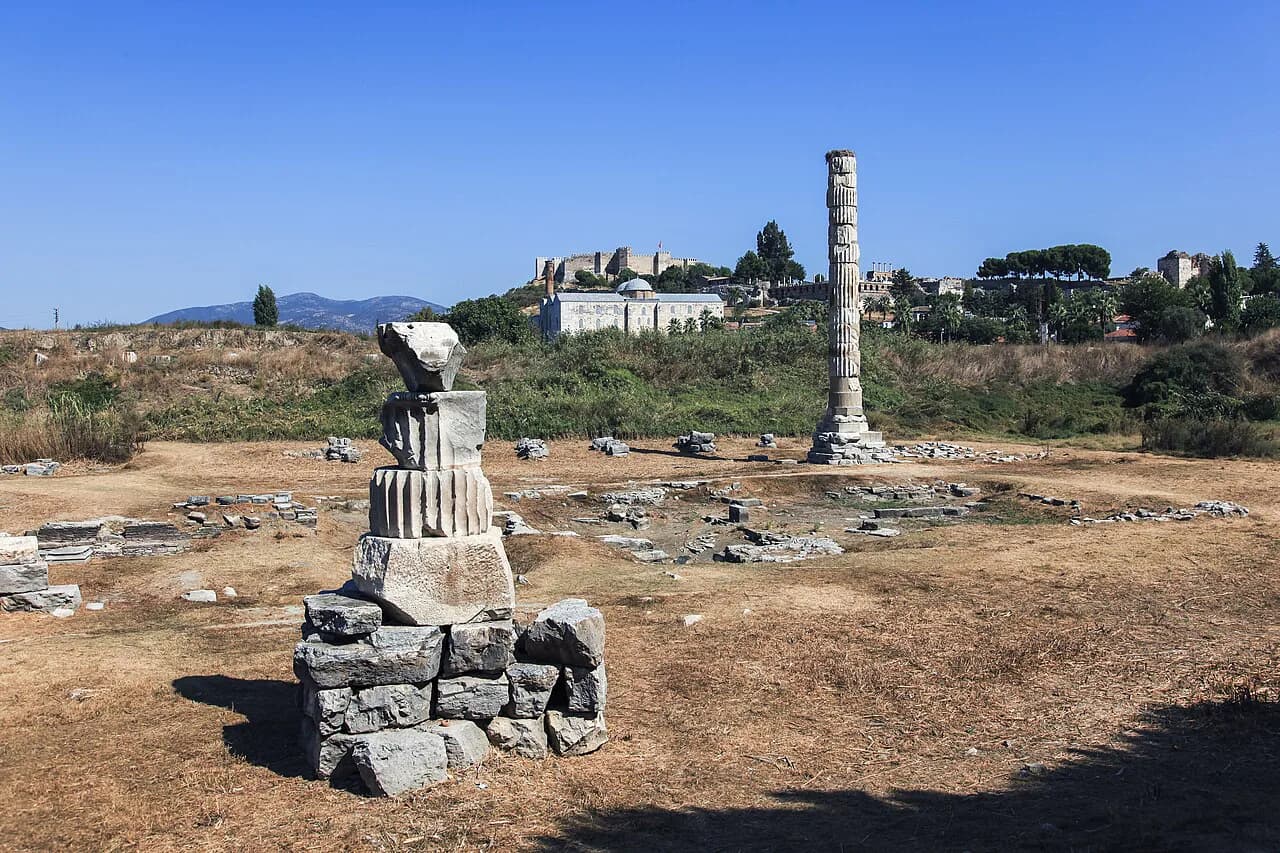
The temple stood second in size only to the Artemision of Ephesus, and its oracle was counted second in influence after Delphi, which explains the scale of what survives. If you have already seen the single standing column at the Artemision, Didyma gives you far more masonry for the same short stop.
The sanctuary was managed by the Branchidae, the priestly family who claimed descent from Branchos and who interpreted the oracle's utterances. The Persian destruction of the archaic temple and the later Hellenistic rebuilding are the two facts that make sense of the ruins you see, and the site notices walk you through them.
Why the Temple of Apollo is known
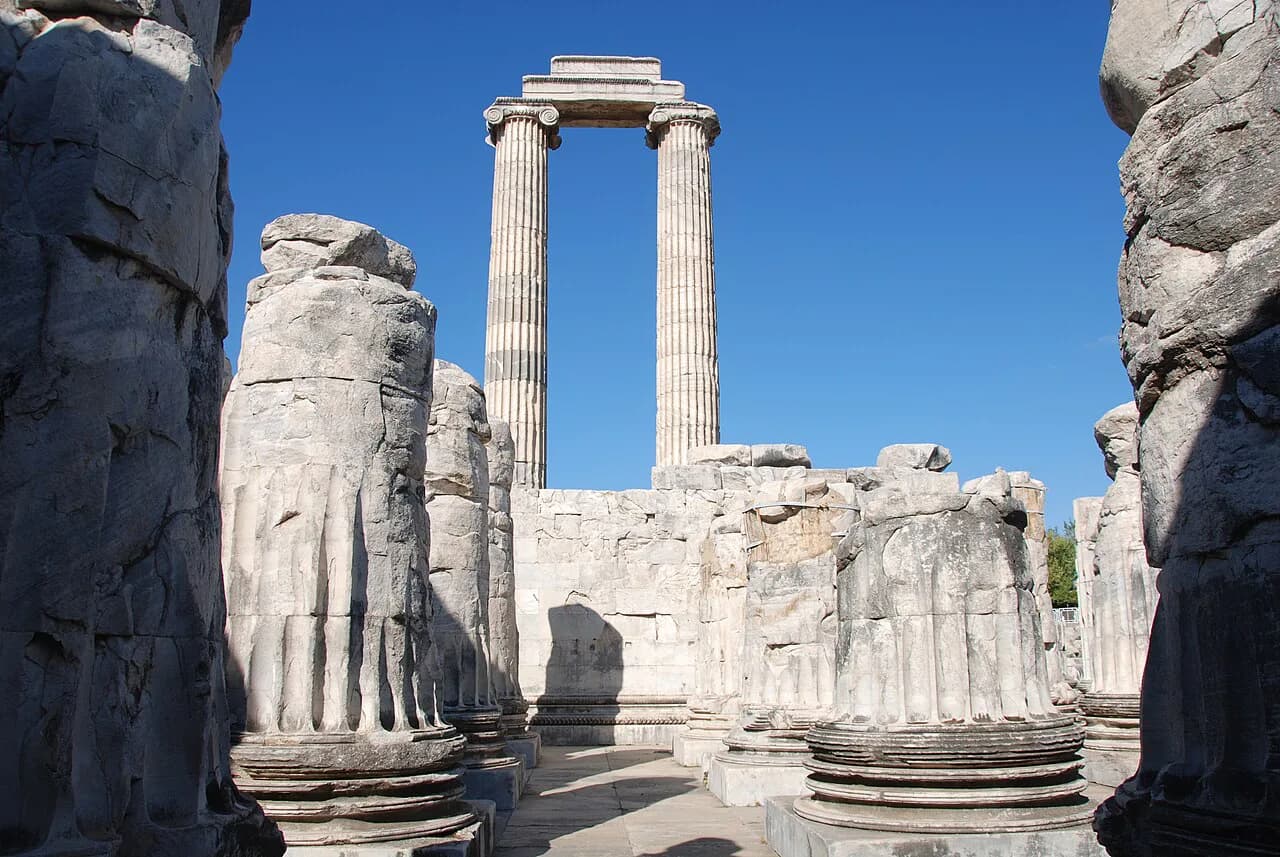
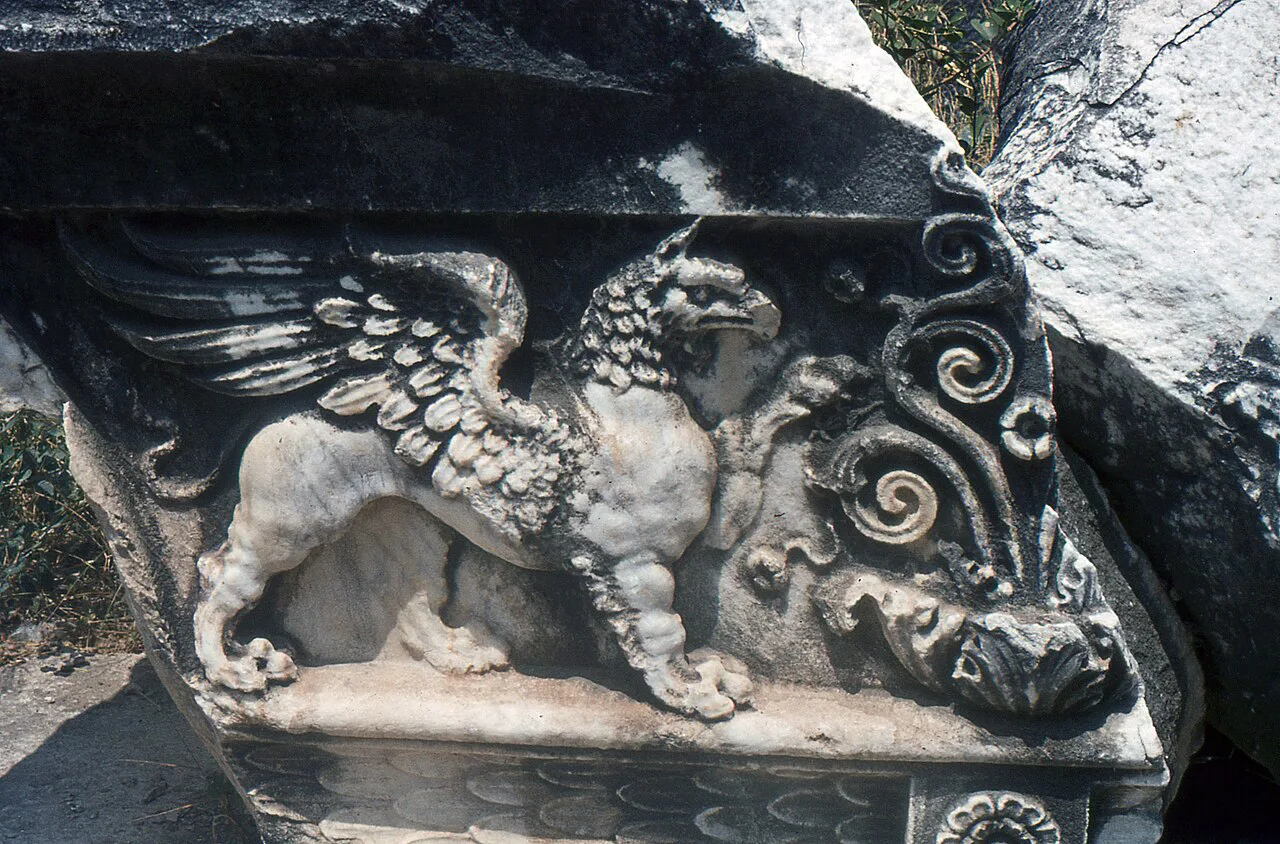
The oracle made Didyma famous across the Greek world, and the Hellenistic temple was built on a scale to match: roughly 109 by 51 metres, with the inner sacred space measuring about 53 by 21 metres. Column counts vary between accounts, so read the figures on the information boards at the site rather than relying on a single number.
Construction of the Hellenistic temple ran into the middle of the second century AD and was never fully finished, which is part of why the building reads as unusually open inside. The Persians destroyed the earlier temple after the Ionian defeat at Lade, and rebuilding began once Alexander the Great took the region from Persian rule.
What you actually see, in visiting order
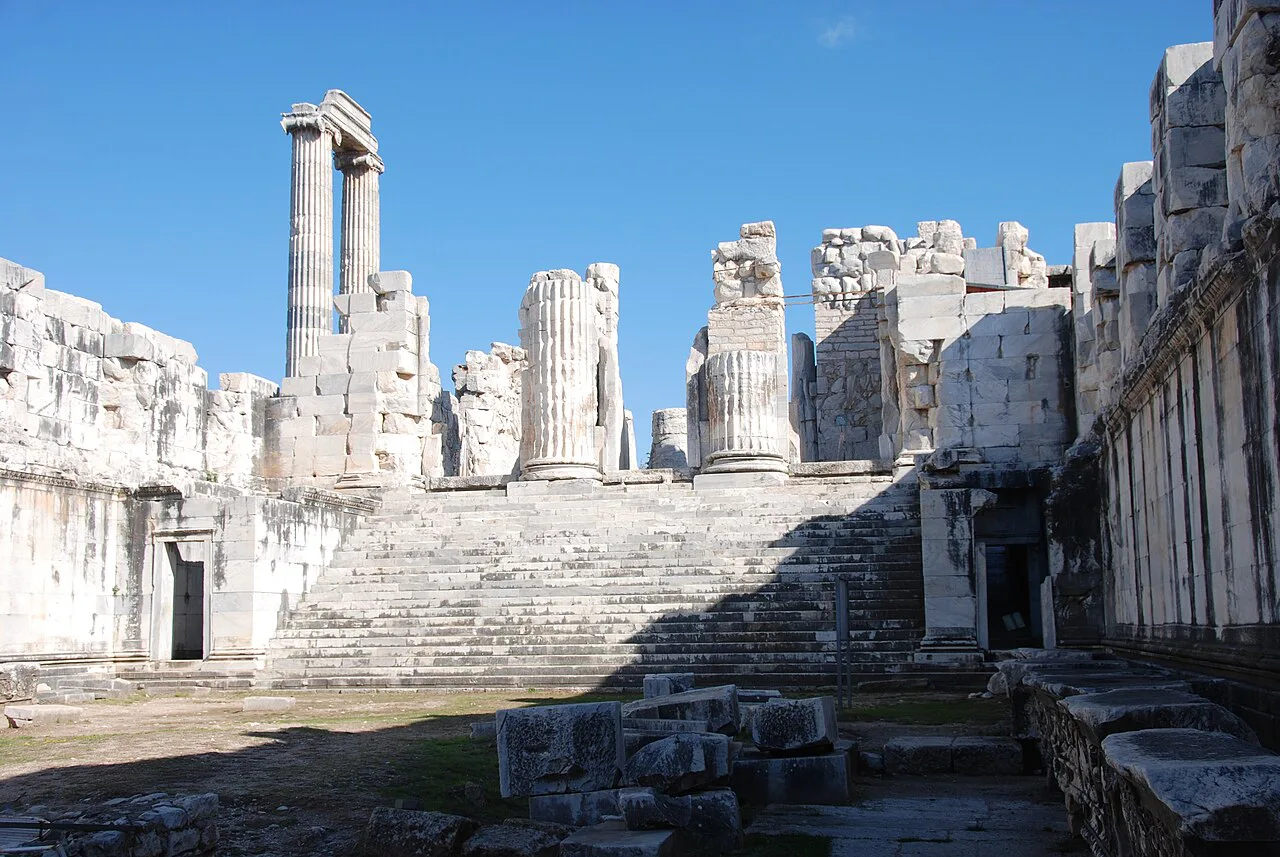
You enter from slightly raised ground and look down on the temple platform, a stepped base that can be climbed on all four sides. Two Medusa figures stand at the entrance to the temple garden, and one of them is widely read as a portrait of Alexander the Great.
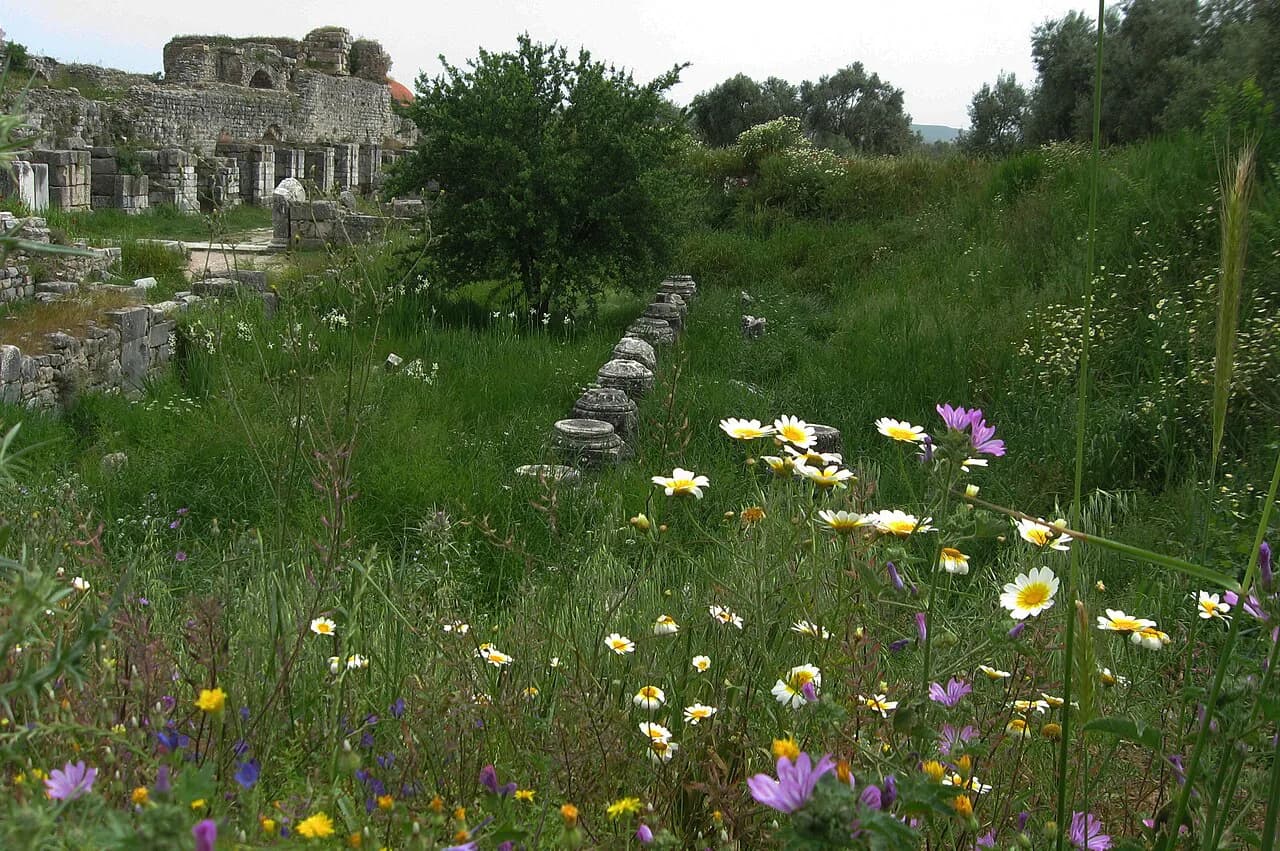
From the entrance you descend to ground level, where fallen columns and sculpture lie among the ruins, and the scale of the standing columns becomes obvious against people standing beside them. Walk the perimeter before going into the middle; the best sense of the building's height comes from the outer colonnade.
The sella, the inner sacred space at the centre of the building, is the part that stays with most visitors, and it now hosts concerts and art events. If an event is scheduled, parts of the site may be in use, so check the museum listing before a late-afternoon visit.
The site is exposed, with little shade across the platform and the garden, so go early or late in the day in summer and carry water. The same open layout makes it quick to see in poor weather, since there is no long circuit to walk.
The Sacred Way to Miletus
The Sacred Way ran about 16 km, or 11 miles, between Didyma and Miletus, and pilgrims walked it to reach the oracle. It was the processional route that tied the sanctuary to the city that controlled it.
Pairing the two sites in one day follows the pilgrims' logic: see the sanctuary at Didyma, then the city that controlled it at Miletus. Visiting Miletus afterwards puts the temple in context, because the harbour city supplied the wealth and the priesthood behind the oracle.
How long Didyma needs, and what to combine with it
Budget around an hour for the temple and garden, and up to two hours if you read every panel and sit with the sella. The visit is short enough that a day combining Didyma, Miletus and Priene works comfortably by car, with Priene's hillside setting taking the most time of the three.
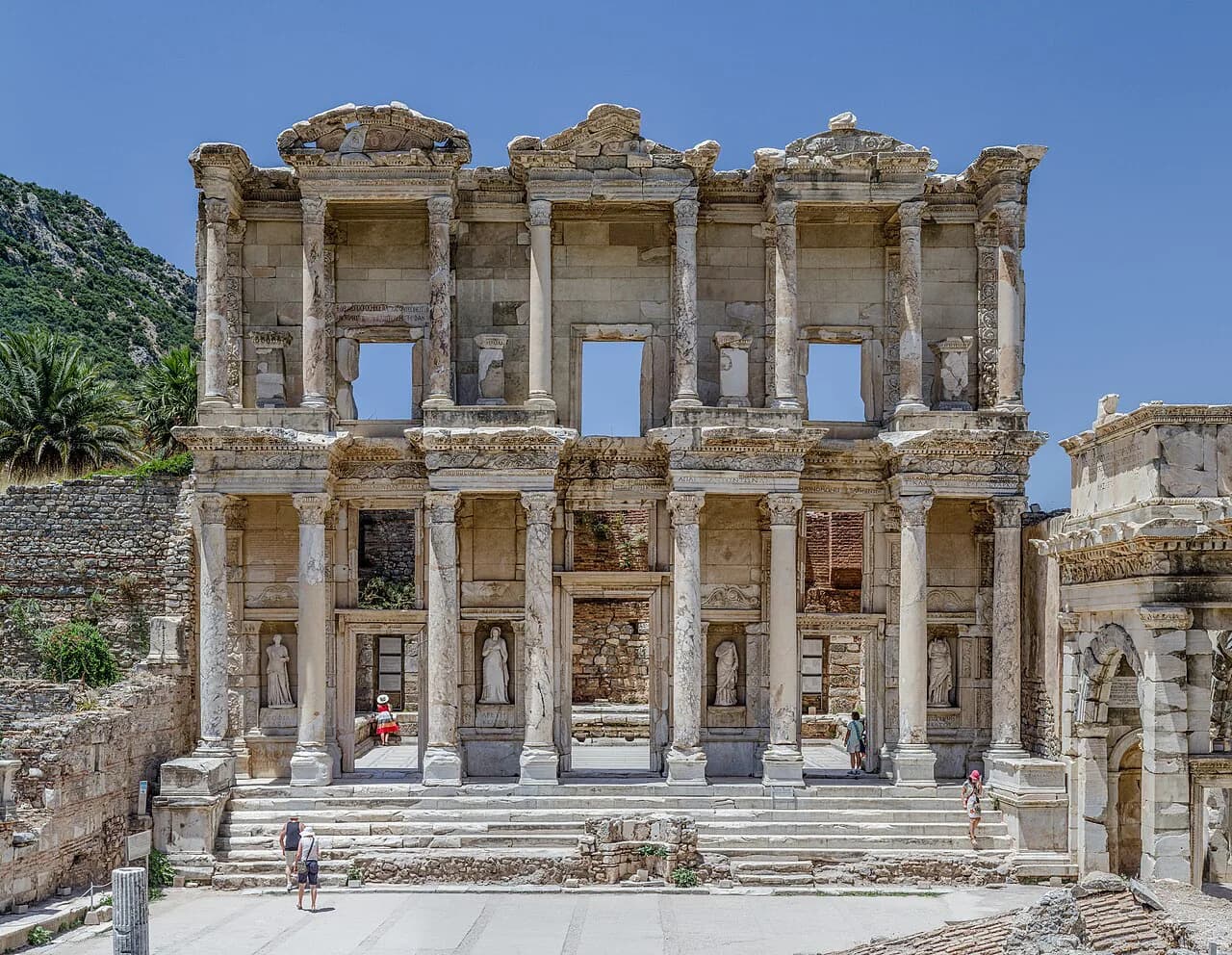
Coming from the north, Didyma fits a route out of Kuşadası or Selçuk, and the drive inland from the coast passes through the Miletus plain. From Selçuk, the bigger draw nearby is Ephesus, which deserves its own half-day rather than being squeezed in after Didyma.
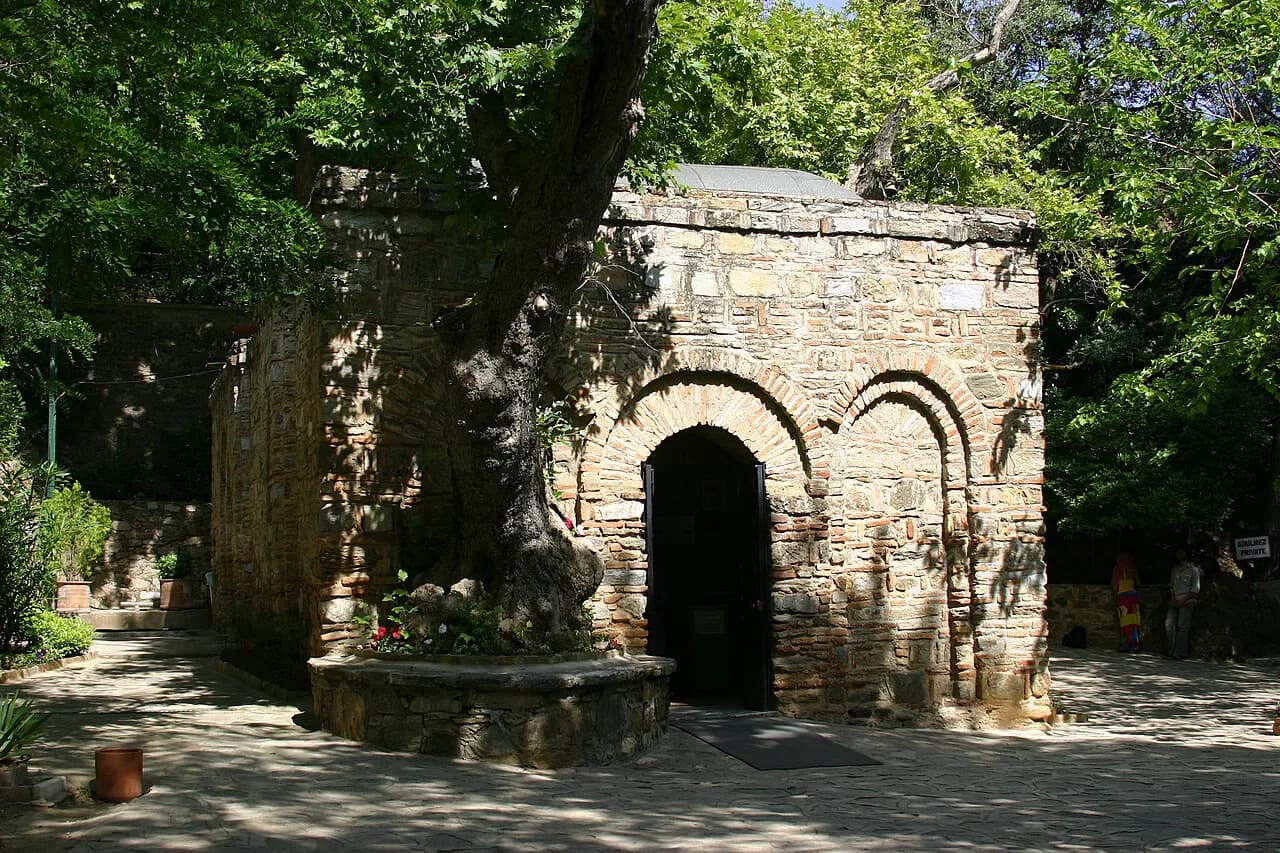
If you are based in Selçuk for several days, the House of the Virgin Mary makes an easy short stop on a separate morning, and it pairs naturally with Ephesus rather than with the Miletus run.
Tickets and free entry as the museum listing publishes them
The Turkish Museums listing for the Aydın Apollo Temple of Didyma gives non-Turkish adult admission at 6.00€ and Turkish adult admission at 200.00TL, and these are the figures as published, not a guarantee of what you will pay. Buy at the gate or through the museum listing rather than from a reseller.
The same listing makes entry free for children, for students of art history, archaeology and museum departments at university, and for Turkish citizens aged 65 and over. Non-Turkish children under eight are also free, and Turkish citizens aged 18 and under are free. Bring student identification if you intend to use the student category.
The listing's opening-hours block shows placeholder times rather than a reliable daily schedule, so confirm the day's hours at the gate or on the listing before you travel out to Didim. Do not build a day around a fixed opening time taken from a third-party site.
Getting to Didyma
Didyma sits in the centre of Didim, on the northern shore of Güllük Bay opposite the Bodrum peninsula, in Aydın province. Because the temple is in town rather than out in the countryside, a dolmuş, taxi or hire car drops you within a short walk of the gate.
From the Bodrum side, the crossing is by road around the head of the gulf, which makes Didim a sensible stop on the way north or south along the coast. From Selçuk and Kuşadası the approach is inland via Söke, which is also the point where you turn for Priene.
Miletus lies on the same inland run, so a driver can take in the theatre and baths there before or after the temple. Allow extra time at Miletus if you are combining the two.
What the town adds
The approach into Didim's centre passes an unusual Atatürk monument on the main boulevard, one that only resolves into a figure from certain angles. It is a two-minute stop rather than a sight in itself, but it marks the point where you have arrived in the town.
Didim's districts carry the names Altınkum, Gümüşkum and Sarıkum, a reminder that the town's economy runs on summer tourism as well as on wheat and cotton. The resort side of Didim is a separate matter from the sanctuary; the temple is the reason to build a day around the town.
Where Didyma sits among the İzmir and Kuşadası sites
Among the ancient sites within reach of İzmir and Kuşadası, Didyma is the smallest in extent and the most concentrated in impact: one building, seen close up. Ephesus is the big set-piece with streets and terraced houses, Priene the hillside city, and Miletus the harbour site, so Didyma works best as the quiet counterpoint.
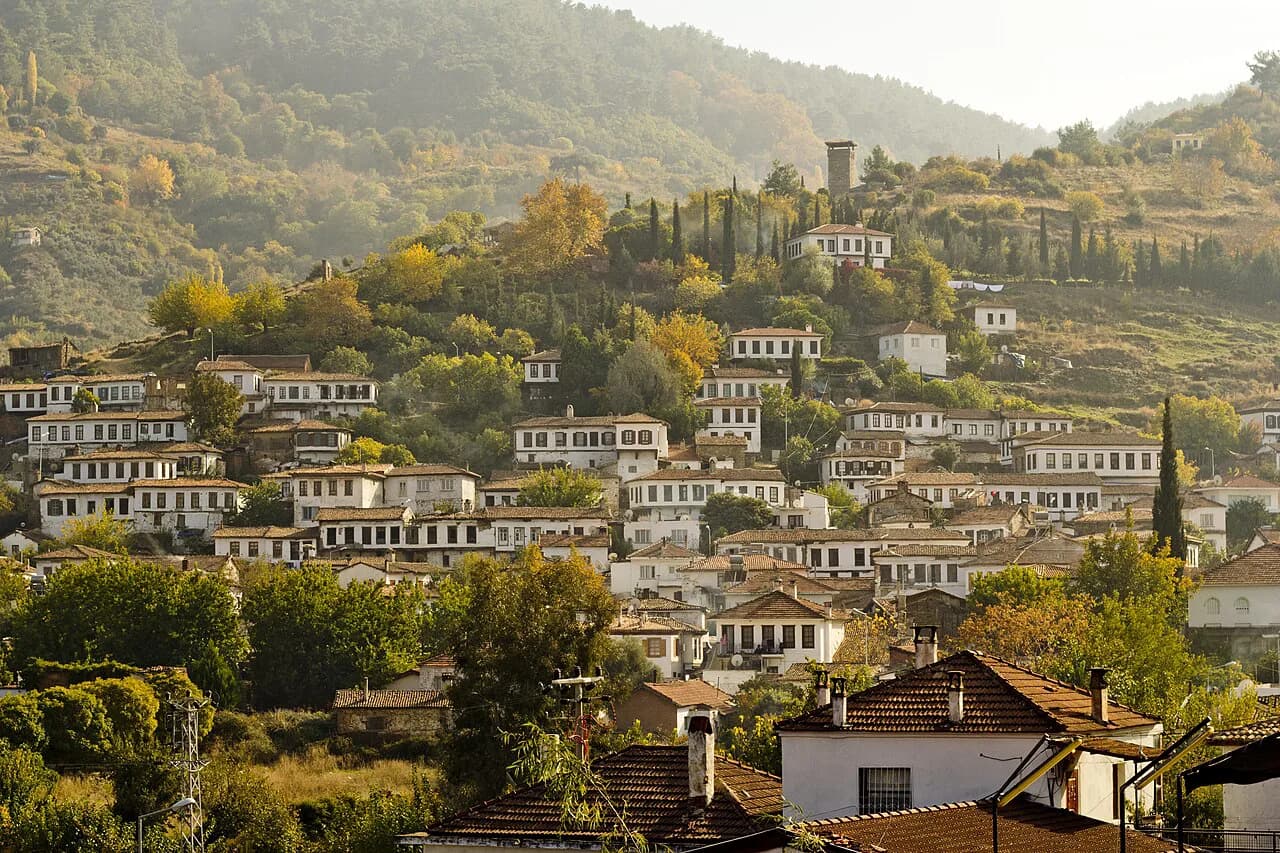
If you have a spare afternoon in Selçuk, Şirince village is a short drive into the hills and a change of pace from stone and columns. It suits a rest day between temple visits rather than a same-day add-on to the Miletus run.
Travellers who want the Ephesus area in full often split it across two days, with the House of the Virgin Mary (Meryem Ana Evi) and the basilica site on one and the ancient city on the other. Didyma then becomes a third, separate excursion south towards Söke.
Is Didyma worth the detour?
Yes, if you are already driving the Miletus and Priene circuit: an hour at Didyma adds the oracle and the largest surviving temple interior on this stretch of coast. No, if you are choosing one ancient site from a Kuşadası base, because Ephesus covers more ground and Didyma's impact depends on seeing it up close.
Go early in the day for shade and quiet, check the day's hours on the museum listing before setting out, and carry the published adult prices only as a planning figure rather than a fixed cost.
Explore more Selcuk guides
Frequently Asked Questions
What was the Temple of Apollo at Didyma known for?
It was the home of an oracle of Apollo, managed by the priestly family called the Branchidae, and the Hellenistic temple built around it was one of the largest in the Greek world. Pilgrims came for prophecy rather than for a city, because Didyma was a sanctuary of Miletus.
Where was Didyma located?
Didyma lies in the centre of Didim, in Aydın province on the northern shore of Güllük Bay, facing the Bodrum peninsula. It was connected to Miletus by the Sacred Way, a road of about 16 km.
What destroyed the Temple of Apollo at Didyma?
The Persians destroyed the archaic temple after the Ionian defeat, and the priests were expelled. Rebuilding of the Hellenistic temple began after Alexander the Great took the region, and that construction was never fully completed.
Can you visit Didyma and Miletus in one day?
Yes. The two sites are linked by the line of the Sacred Way, and Priene can be added if you start early, since Didyma itself takes about an hour. A car or organised tour makes the combination straightforward.
Sources
Notes for your next Turkey trip
Optional updates when we add or correct a town guide.
You might also like
Continue reading
More guides you'll find useful