Temple of Artemis at Ephesus: What You Actually See
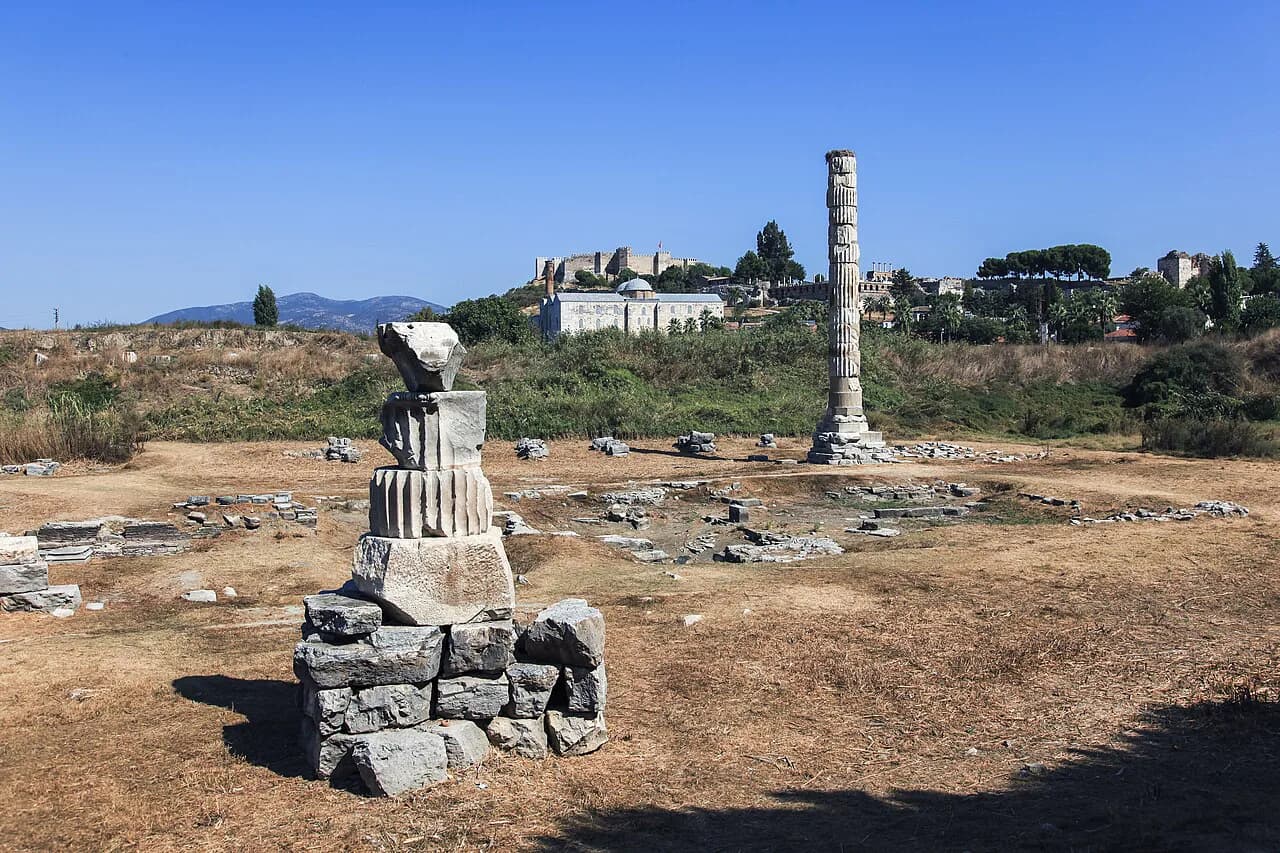
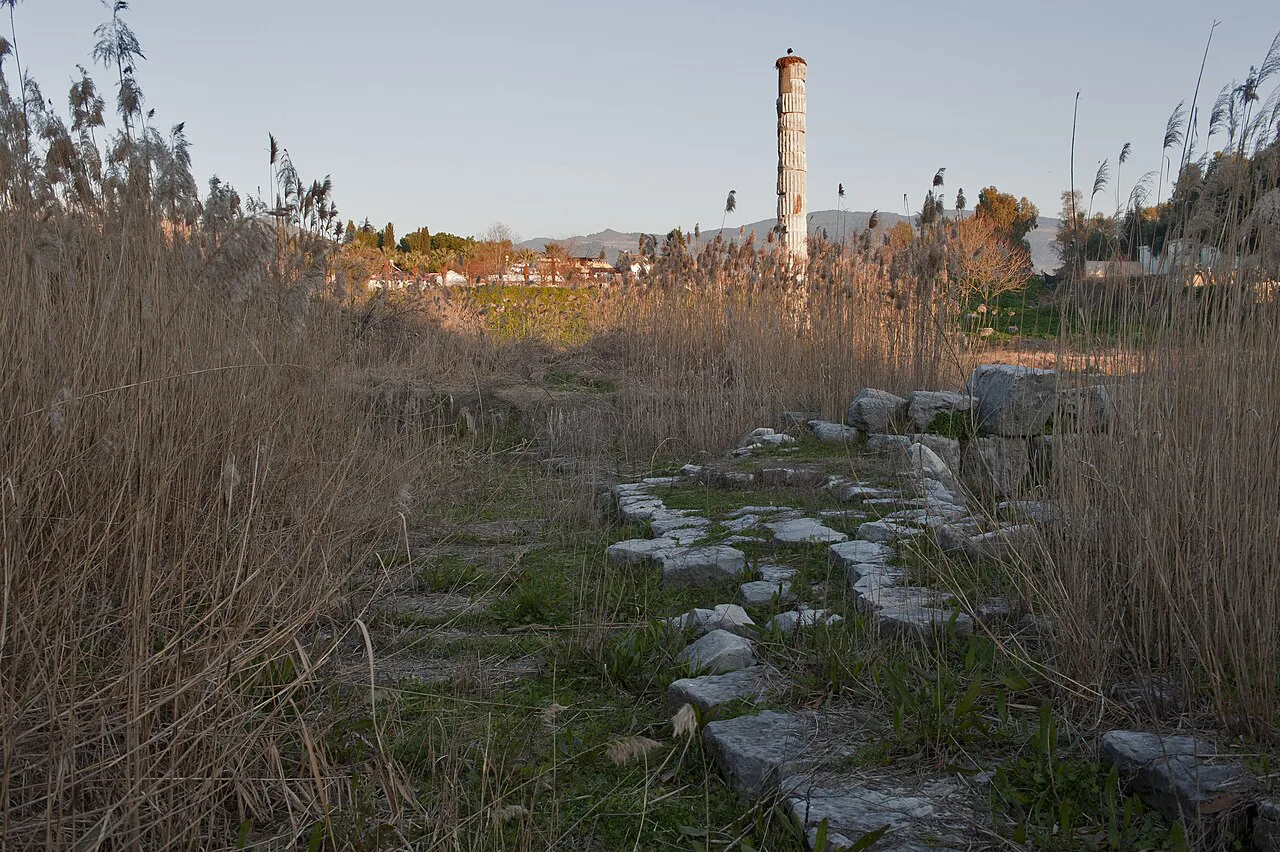
The Temple of Artemis at Ephesus is one reconstructed column and pillar stubs in a marshy hollow near Selçuk, with the sculpture held in museums elsewhere.
On this page
The Temple of Artemis is one reconstructed column, stubs of pillars and a sunken area in a marshy hollow near Selçuk, and it takes minutes rather than hours to see. Treat it as a short stop in an Ephesus day, not a half-day on its own, and pair it with the Basilica of St John and the Ephesus Museum to make sense of what once stood here. This guide covers what survives, where it sits, how to reach it and what to do with the time you save.
What is left of the Temple of Artemis today
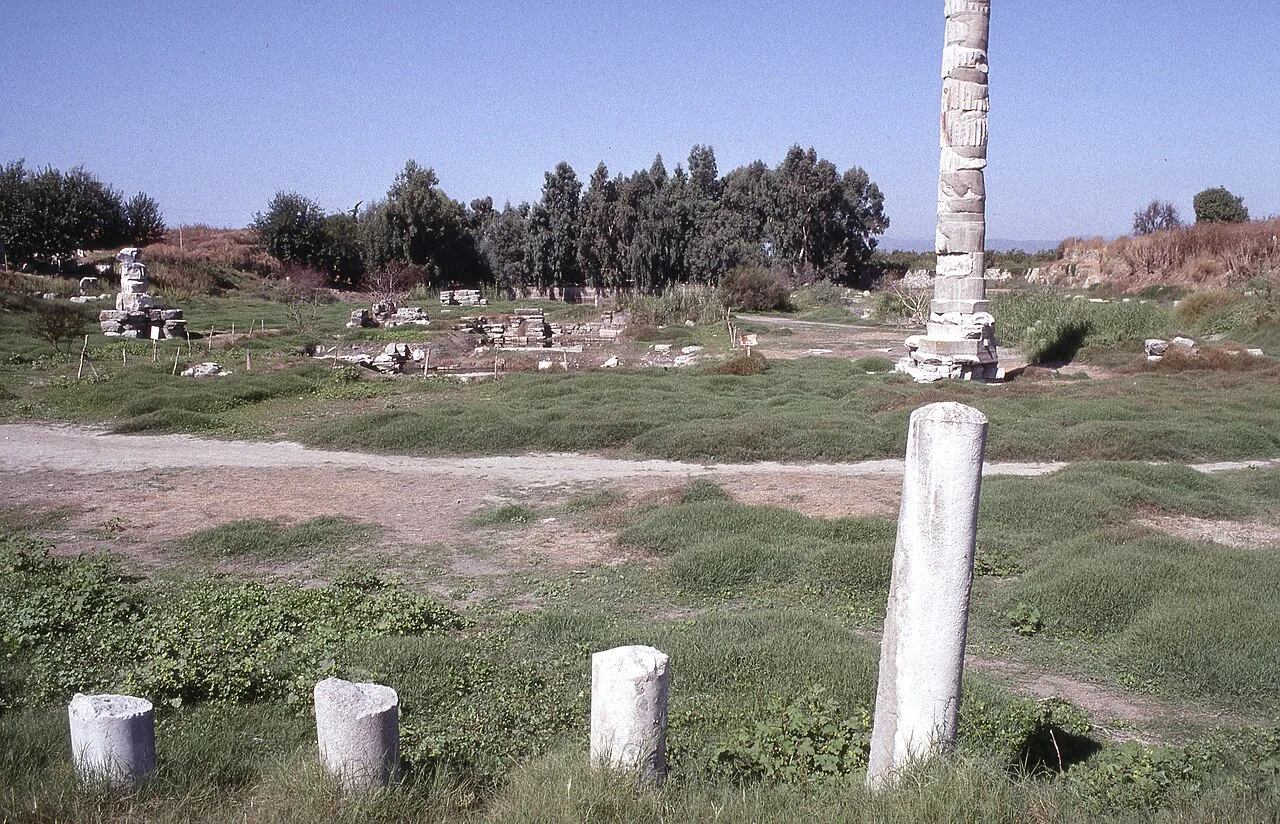
Today the site shows part of one lonely reconstructed column still standing, stubs of pillars and a sunken area that may have been a pool or fountain, all set in rather unimpressive-looking swampy ground. The single column was pieced together from fallen pieces, and the originals were taller than what you see now.
Nothing here reads as a wonder of the ancient world at first glance, so go in expecting a bare archaeological site rather than a rebuilt façade. The payoff comes from knowing the scale of what was lost, then seeing the temple's sculpture and the Artemis statues in the museums that hold them.
Where the site sits and how it relates to Ephesus and Selçuk
The temple site lies near Selçuk, close to the Basilica of St John, and it is a separate location from the main Ephesus ancient city rather than a stop inside it. That matters for planning: Ephesus is the larger site with the streets, theatre and Library of Celsus, while the Artemision is a brief look on the way or on the way back.
Because the two are distinct, do not expect your Ephesus walking route to carry you through the temple precinct. Build the temple into the drive between Selçuk and Ephesus, and confirm locally what, if anything, is charged at the Artemision itself before you set out.
How to get there: dolmuş, taxi or on the way to Ephesus
The temple sits in a low hollow beside the road near Selçuk, a short hop from the town centre and the Basilica of St John. Treat it as a brief pause in an Ephesus day: see the Ephesus: A Practical Guide to the Ancient City for how the main site is organised, and slot the Artemision in before or after.
The site sits in a low hollow, so it works best as a ten- to fifteen-minute pause en route rather than a destination you build a day around. Sort your Ephesus transport first and slot this in on the way.
How long you need at the site
Allow a short stop, not a half-day. One column, pillar bases and a sunken area cover a small footprint, and there is no circuit of streets or halls to walk.
The better use of your time is to shift the bulk of the day to Ephesus and the Ephesus Museum, where the temple's story is actually legible. If you are travelling with people who need a big visual payoff, the Artemision is the stop to shorten.
The one reconstructed column and the sunken area
Pieces from collapsed columns were used to recreate a single column, and the originals were much taller than the reconstruction, which gives a rough scale of the building's height rather than its full size. The sunken area at the site is identified only tentatively as a pool or fountain, so read it as an unexplained piece of the precinct rather than a labelled feature.
Walk the perimeter, look at the column bases and the surviving stone, then move on. There is no need to linger: the site rewards a few minutes of looking, not an hour of study, and the labels and context you want are in the museums.
Where the temple's sculpture and finds are now: the Ephesus Museum and the British Museum
The British Museum holds remains and objects associated with the Temple of Artemis at Ephesus, so a London trip can complete the picture if you are not returning to Turkey soon. Check the British Museum's own collection records before you go to see what is on display.
In Selçuk, the Ephesus Museum holds a model of the Temple of Artemis, two statues of Artemis found in the Prytaneion and the inscribed column pieces naming the Curetes, the priests who maintained the temple. Seeing the model first makes the bare site outside far easier to read.
Museum opening hours and ticket prices change, so check the Ephesus Museum and British Museum directly for the day you plan to visit. Do the same for the Artemision itself if you want certainty about access before travelling.
Pairing it with the Basilica of St John and the Ephesus upper city
The Basilica of St John in Selçuk offers a view down over the ancient temple site, which makes it a natural pairing: see the basilica and the view, then drop to the temple in the hollow below. In the upper city at Ephesus, the Prytaneion was a civic building, and the Curetes, the priests who also maintained the Artemis temple, were associated with it; the two Artemis statues now in the museum were found in its ruins.
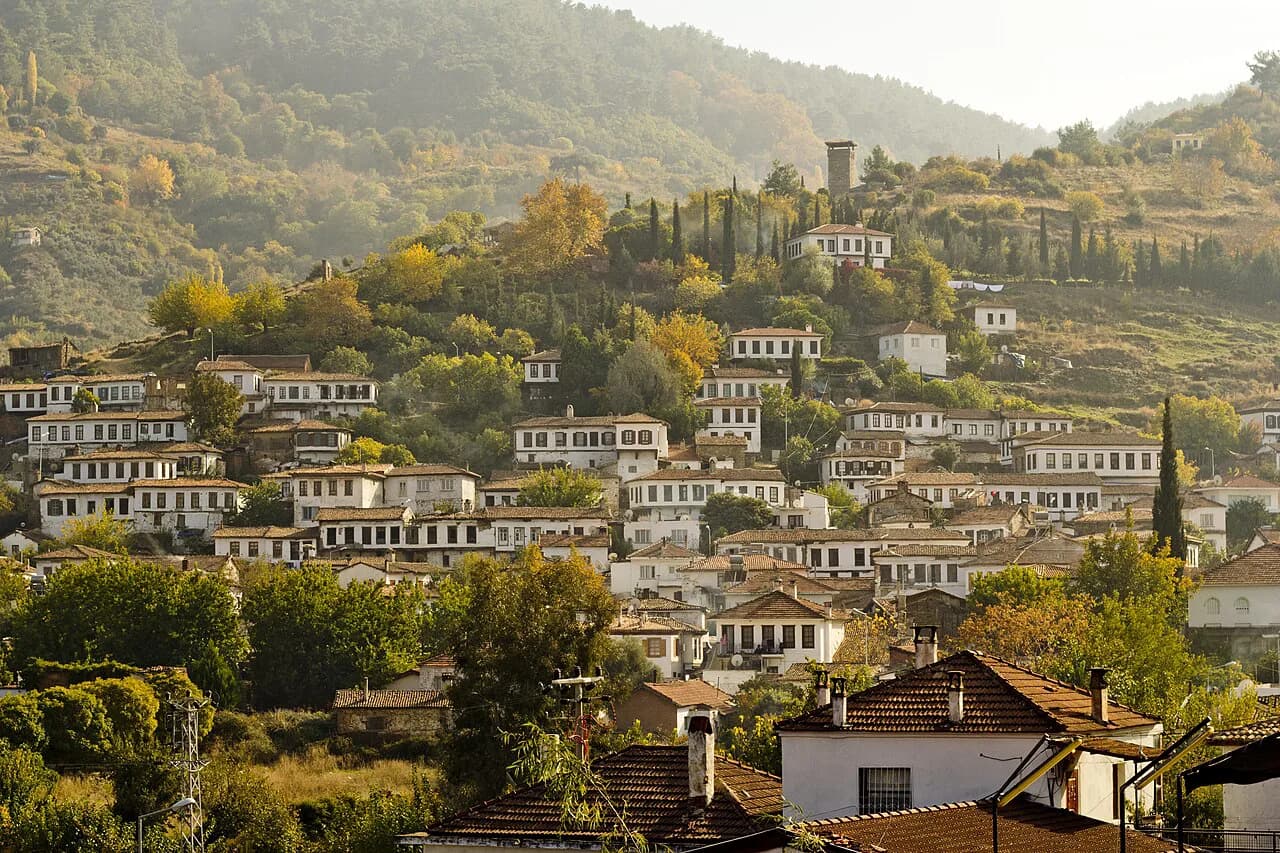
If you have a car or a driver for the day, Selçuk's other sights fold in easily. Şirince Village sits inland from Selçuk and makes a relaxed counterpoint to the ruins, and the House of the Virgin Mary (Meryem Ana Evi) is a short drive up the hill from the Ephesus upper gate.
What the temple was: size, columns and the Artemis cult
The grand temple was first constructed in 550 BC by Croesus, king of Lydia, then destroyed by arson and rebuilt in its grandest form from 323 BC, larger than the Parthenon in Athens and with 127 marble columns. That version served as a place of pilgrimage, banking, refuge and record-keeping, and grand processions started and ended at the temple.
Artemis here was the Greek goddess of the hunt, nature, wildlife and childbirth, shown with bow and deer, and the Ephesian version wears a breastplate of oval objects described variously as breasts, gourds, bull testicles or jewellery. Grand processions started and ended at the temple, which gives a sense of how central it was to the city's religious life.
The scale is the striking part: the rebuilt temple was larger than the Parthenon in Athens and carried 127 marble columns, which is why its near-total loss leaves so little to read on the ground today.
Artemis in the Ephesus Museum: the Beautiful Artemis and the Great Artemis
The Ephesus Museum holds two standout statues: the Beautiful Artemis, a second-century AD figure with winged beasts kneeling at either side of her head and six rows of animals on her skirt, found in the Prytaneion, and the Great Artemis, whose headdress depicts the temple with two further rows showing the city and a belt of bees. Look for the deer standing at the Beautiful Artemis's sides.
A replica of an Artemis statue also stands in a niche near the commercial agora at Ephesus, so you may meet her image on site before you reach the museum. Both statues and the temple model together are what turn a sparse field into a coherent story.
Is it worth stopping for?
Yes, if you are already in Selçuk or heading to Ephesus and want the full picture, but only as a short stop. The site's honesty is the point: you see how little of a famous wonder survives, and the museum pieces fill in the rest.
Skip it if your day is tight and you have not planned the Ephesus Museum, because the bare site alone will not carry the visit. Build your Ephesus time first, then decide whether the column and the basilica view justify the detour.
Build the temple into your Ephesus day
The Temple of Artemis works as a brief, low-expectation stop that gains meaning from the Ephesus Museum and the Basilica of St John. Plan Ephesus as the main event, add the temple on the way, and check access and museum hours before you travel.
Explore more Selcuk guides
Frequently Asked Questions
What does the Temple of Artemis look like today?
It is one reconstructed column, stubs of pillars and a sunken area in a marshy hollow. The column was assembled from fallen pieces and is shorter than the originals. Nothing stands as a complete temple, so expect a bare archaeological site rather than a rebuilt ruin.
Where are the statues of Artemis kept?
The Beautiful Artemis and the Great Artemis are both in the Ephesus Museum in Selçuk, along with a model of the temple. Some remains from the temple site are in the British Museum in London. Check each museum's own listings for what is on display when you visit.
Was the Temple of Artemis bigger than the Parthenon?
The rebuilt temple from 323 BC was larger than the Parthenon in Athens and had 127 marble columns, according to the site descriptions. That scale is exactly what makes the single surviving column so striking. The temple was first built in 550 BC under Croesus of Lydia.
Sources
Notes for your next Turkey trip
Optional updates when we add or correct a town guide.
You might also like
Continue reading
More guides you'll find useful