Is Bodrum Worth Visiting? An Honest Guide for UK Travellers
Is Bodrum worth visiting? See what the castle, Mausoleum, windmills and gulet trips add up to, how the resort feels, and which travellers it suits best.
On this page
Bodrum is worth visiting if you want ancient ruins, a harbour and a boat day within easy reach of each other. The town packs a castle museum, the remains of the Mausoleum and twin bays into a compact centre. This guide sets out what you actually do in a day, how the resort feels, and who should look elsewhere.
The trade-off is character. Bodrum is a bigger resort that draws visitors across the budget range but leans towards the moneyed end at the top, which shapes what the harbour and waterfront feel like. If you want a quiet village, the peninsula has other options; if you want sights with your swimming, it delivers.
What there is to see: Bodrum Castle and the Museum of Underwater Archaeology
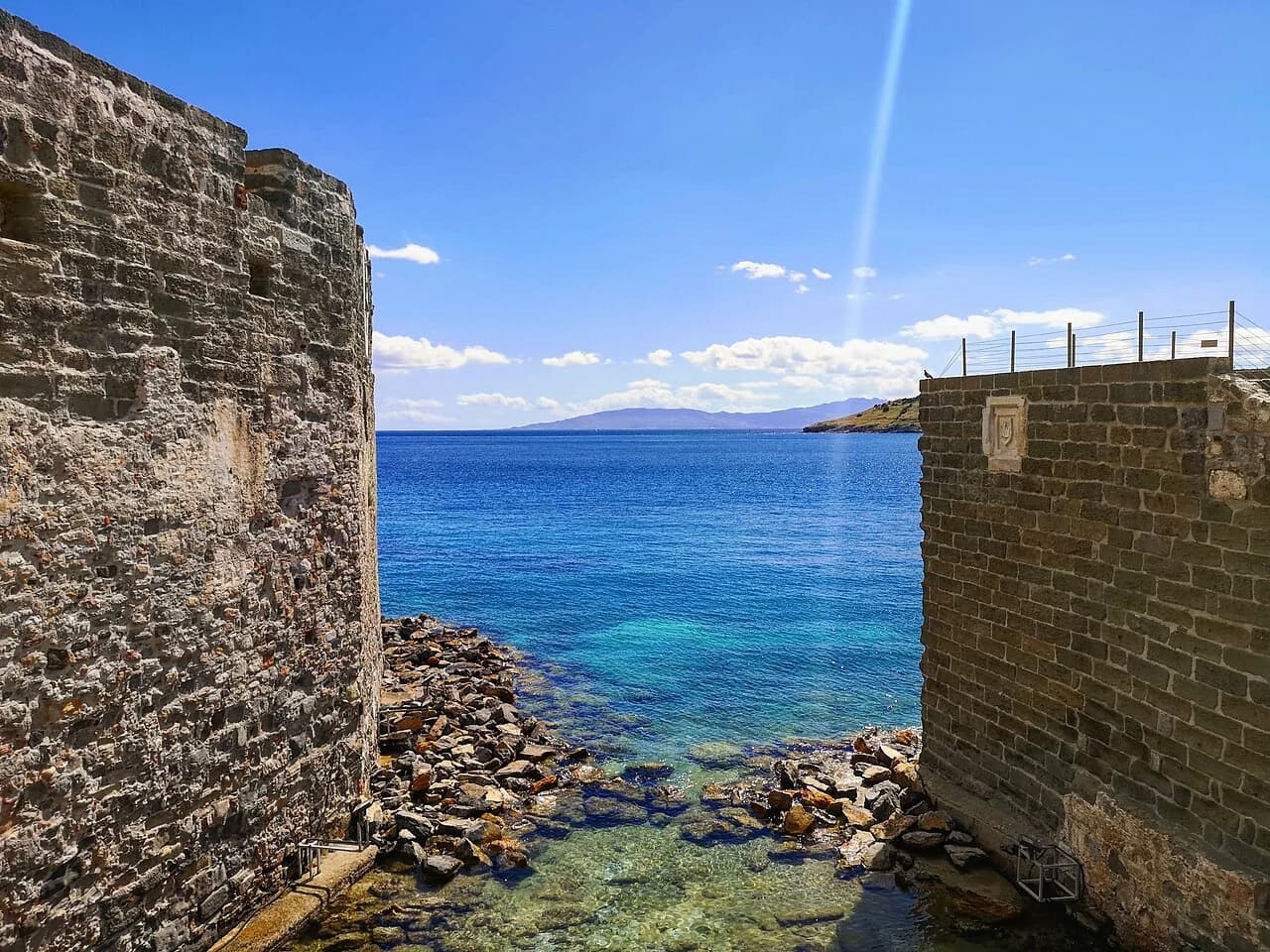
Bodrum Castle sits at the heart of the town and was built from 1402 onwards by the Knights of St John. It now houses the Museum of Underwater Archaeology, with wrecks recovered from the Aegean and the objects found aboard them. Allow a morning for the castle grounds and the museum rooms rather than treating it as a photo stop.
The castle is the anchor sight of the town, and its position means you pass it every time you walk the harbour. Pair it with the waterfront rather than trying to fit it around a boat departure, so you have time to see it properly.
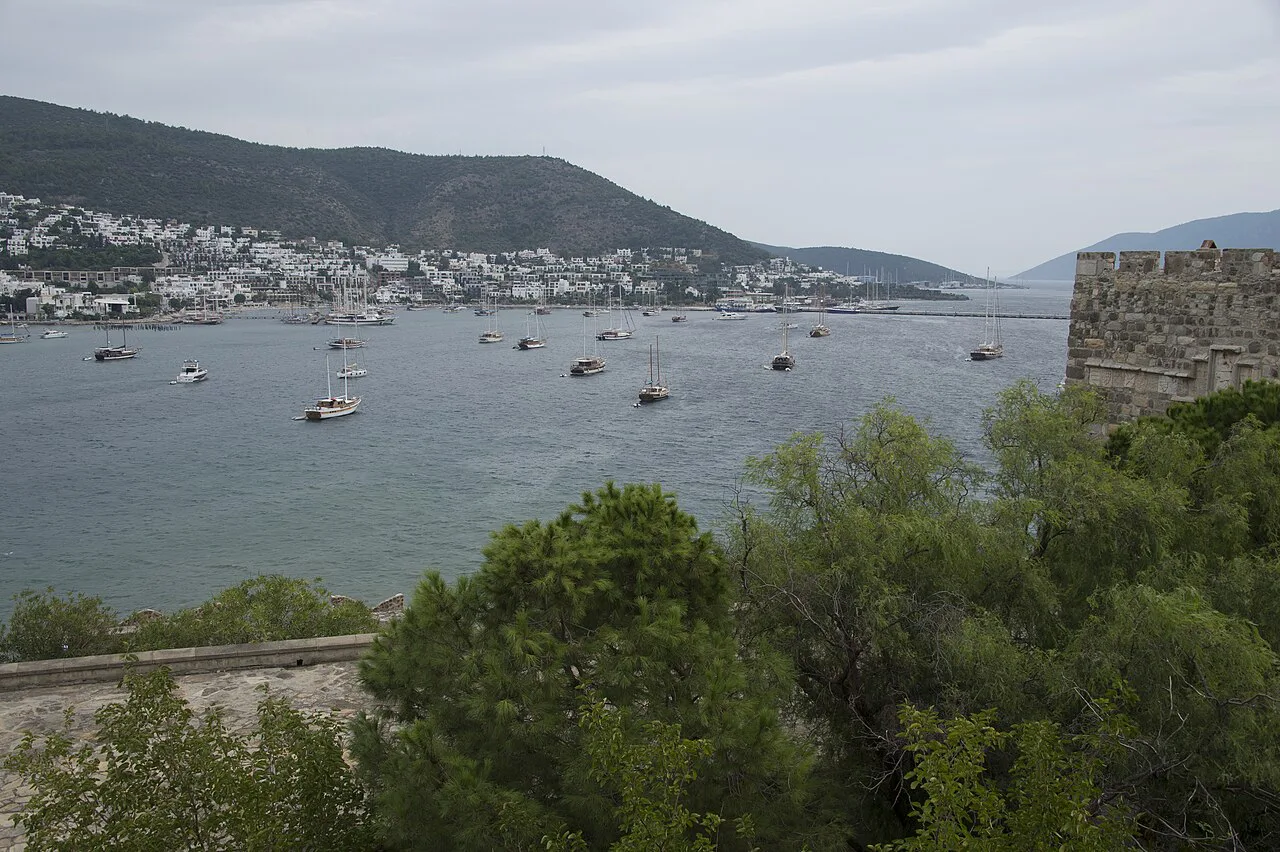
Halicarnassus on the ground: Myndos Gate and the Mausoleum
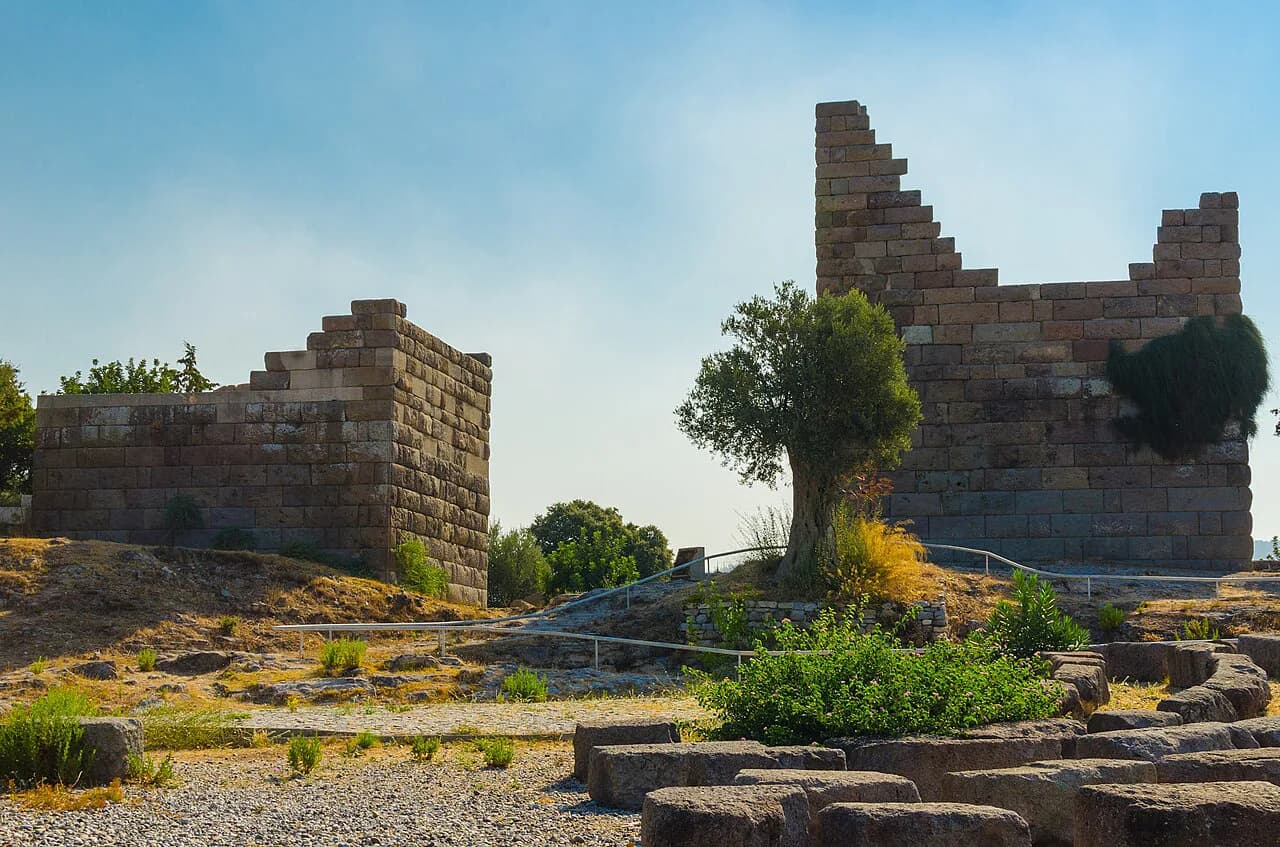
The centre of Bodrum was once the walled city of Halicarnassus, entered through the Mylasa and Myndos gates. Myndos Gate was destroyed in 334 BC when Alexander the Great attacked the city, and part of it has been restored so you can walk among the huge stones. It is a short stop rather than an afternoon out.
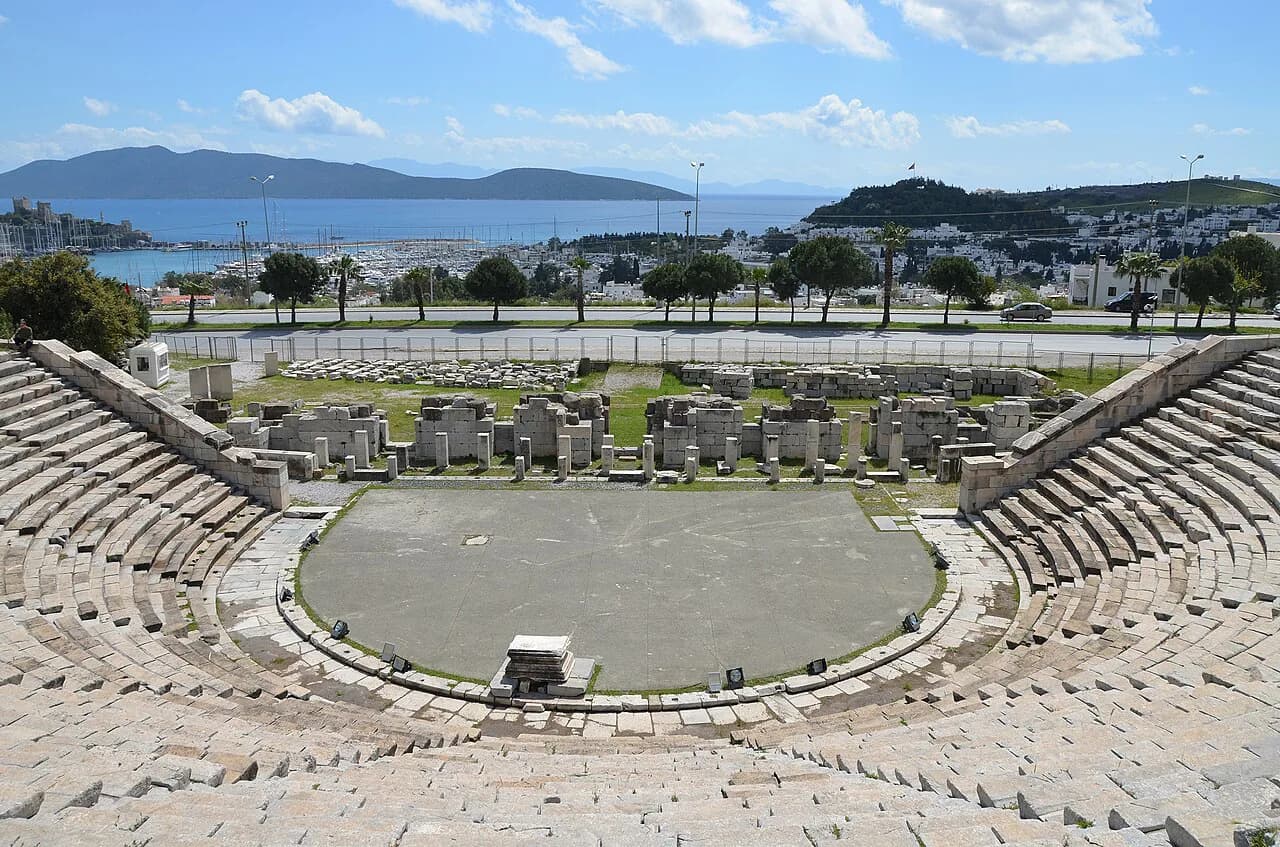
The Mausoleum at Halicarnassus was built around 353 BC for Mausolus, a satrap of the Persian Empire, and his wife, designed by Greek architects in marble and standing roughly 45 metres high. What remains is ruins rather than a standing monument, so go with the story in mind. The name Mausolus became the root of the word for stately tombs.
Myndos Gate and the Mausoleum are open-air sites you can visit on foot, which changes the arithmetic of a day here: the ruins cost you time, while the castle museum is the indoor stop. Build a loop that takes in Myndos Gate and the Mausoleum, then finishes at the castle. The Bodrum attractions guide covers each site in more detail.
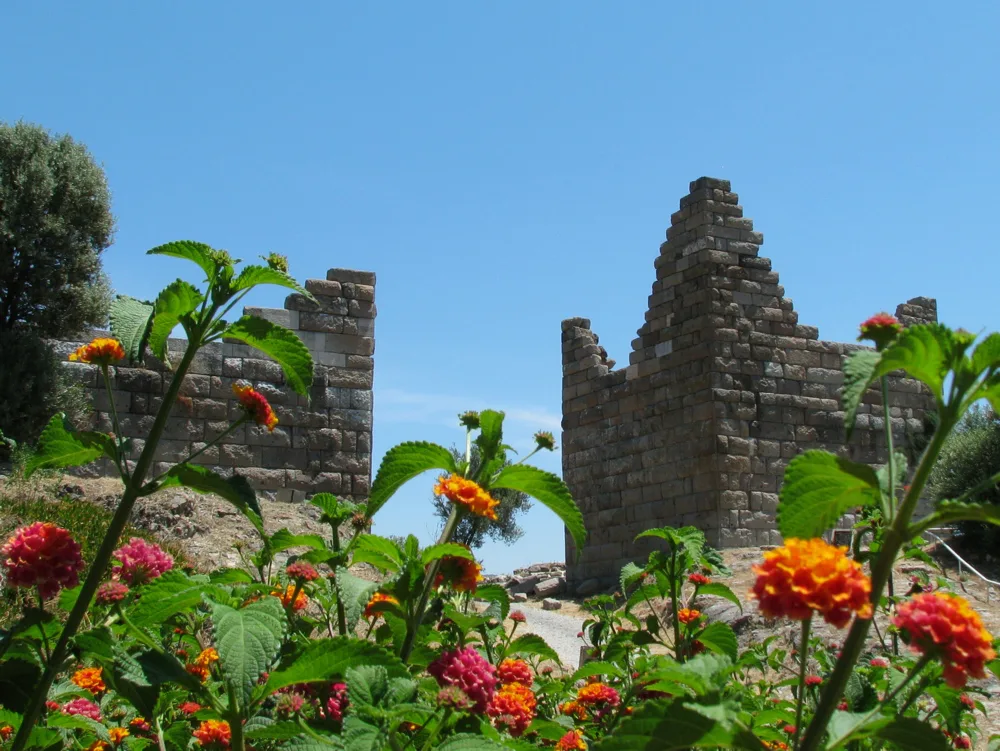
The windmills on the hill between Bodrum and Gümbet
Seven windmills stand on the hills between Bodrum and nearby Gümbet, built by local residents in the 18th century and used until the 1970s. Most are now ruins and one has been restored. The hill gives you Bodrum on one side and Gümbet on the other, with wide views across the peninsula.
Treat the climb up to the windmills as a short detour rather than a sight in its own right, and go early or late to avoid the midday heat. The Bodrum map shows how the ridge sits between the two bays.
Boat trips from the harbour: what a gulet day out involves
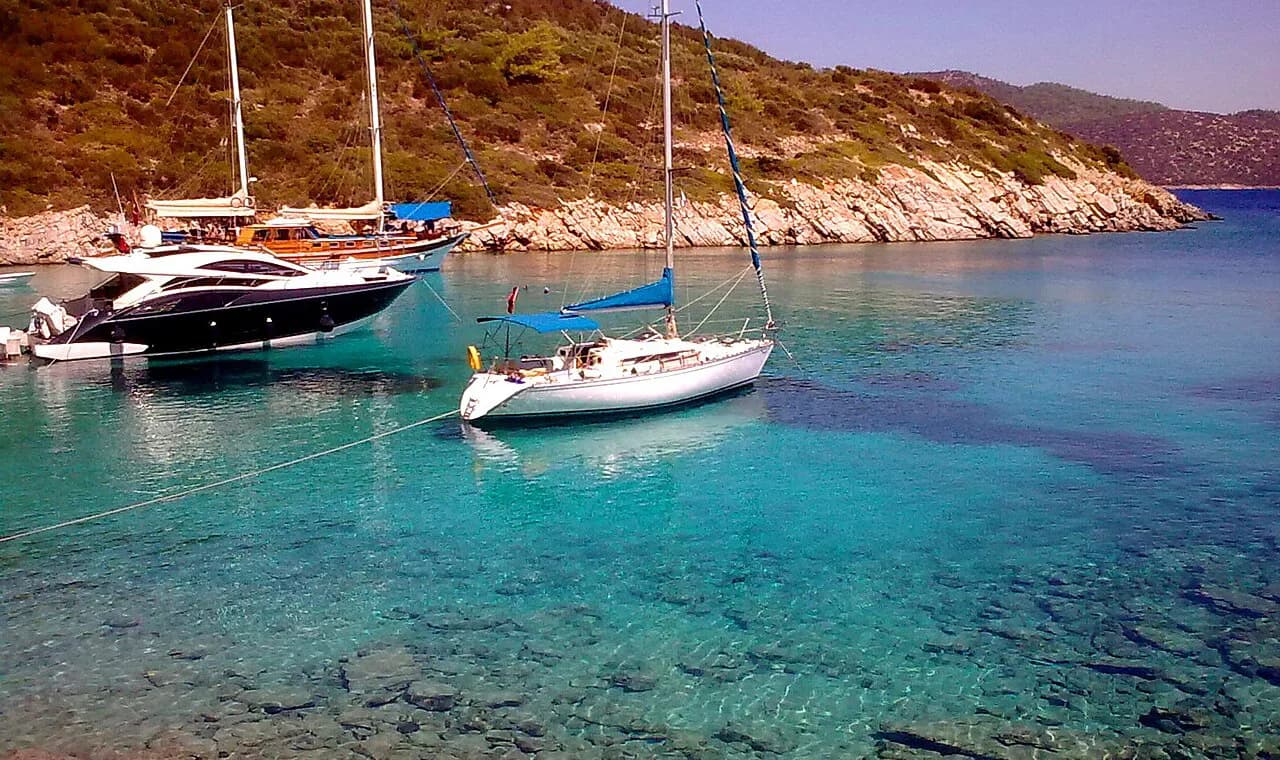
Gulets leave from the harbour, pass the castle and anchor at bays around the peninsula. A typical day described by one traveller ran to Black Island for a swim, then Rabbit Bay after lunch, with snorkels, masks, fins and kayaks on board and a crew-prepared meal of salads, kebabs and pasta. That is one boat's itinerary rather than a standard across the fleet, so check what a specific gulet includes when you book.
Bodrum also hosts the annual Bodrum Cup sailing event and has a sailing culture behind the day trips, with some operators running longer Aegean itineraries. For a one-week holiday, a single gulet day is usually plenty.
What Bodrum is like as a resort: two bays, low white houses and a busy harbour
Bodrum occupies twin bays on the Bodrum peninsula, stretching along Turkey's southern coast into the Aegean Sea, with the castle overlooking the town. It has kept its traditional look in the houses that are white with flat roofs and blue doors and window frames, and no building can go above two storeys without permission.
Summer temperatures average between 32°C and 35°C, which is manageable on the water and punishing on the windmill ridge at midday. Plan sightseeing for the morning and the boat or the harbour for the afternoon. The Bodrum: a Practical Guide to the Town and Peninsula explains how the old town and the marina fit together.
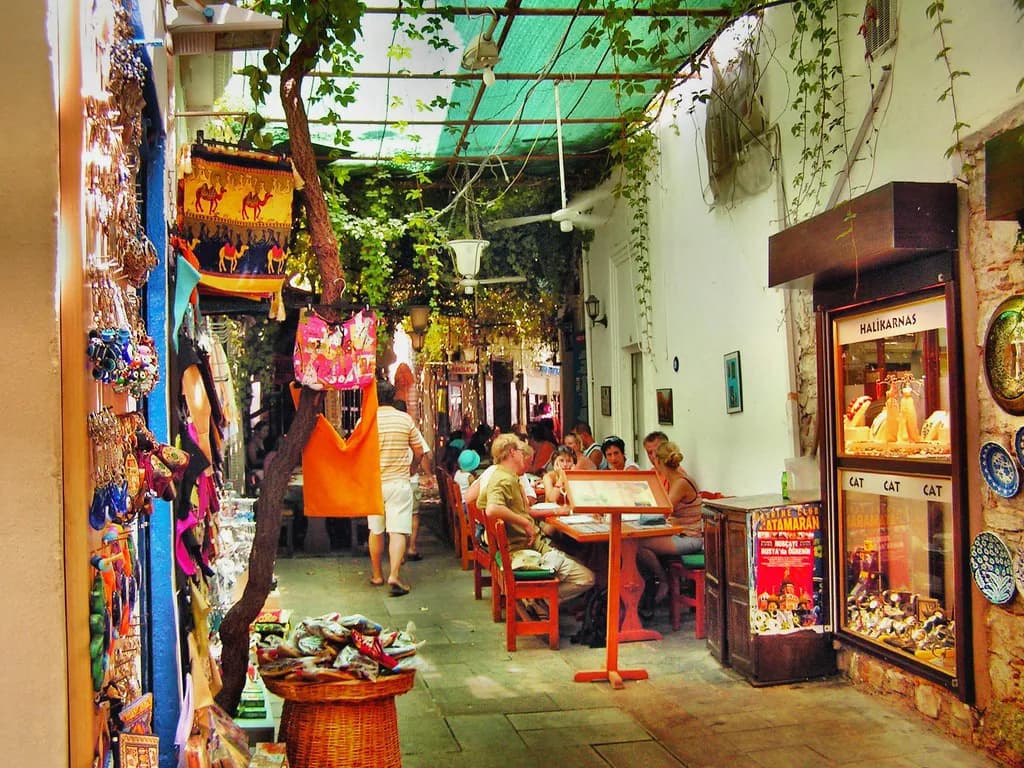
The harbour is the social centre of the town, and it is where the resort's character shows most clearly. At the upper end Bodrum leans towards wealthier visitors, so expect waterfront dining and a marina to set the tone rather than bargain prices. If you want a scruffier old town, this is the wrong pick; if you want a polished harbour with ruins behind it, it is right.
Who Bodrum suits, and who it does not
Bodrum suits travellers who want history and swimming in the same day, couples who will use the harbour restaurants, and anyone basing themselves somewhere with ruins on the doorstep.
It suits you less if you want a small, quiet village or a cheap resort strip. Look at Gümüşlük or Yalıkavak on the peninsula if you want whitewashed houses and windmills without the harbour bustle.
Getting around the peninsula and beyond without a car
Bodrum has ferries and water taxis along the coast, car ferries for drivers, and a bus network with minibuses and coaches covering the peninsula. You can rent a car, and the network makes it easy to reach Gümüşlük, Yalıkavak and Gümbet.
For the town itself, walk. The castle, harbour, Myndos Gate and Mausoleum sit within a loop you can cover on foot, and the windmills are a short climb from the Gümbet side. Keep a taxi for late nights and boat-departure mornings when you are carrying gear.
How many days Bodrum needs
Two full days cover the essentials: one for the castle museum, Myndos Gate and the Mausoleum, and one for a gulet day out. Add a third for the windmills, the old town and a slow harbour evening. A week works if you plan to use Bodrum as a base for the peninsula rather than a place to tick off.
If you are passing through on a day trip, pick the castle or the boat, not both, because each takes half a day. The Bodrum: a Practical Guide to the Town and Peninsula sets out the same two-day core with a suggested walking route between stops.
Should you book Bodrum or look elsewhere?
Book Bodrum if you want a castle museum, ancient ruins and a gulet day out from the same harbour, and you are happy with a polished, moneyed resort around them. Look elsewhere on the peninsula if you want a village, a cheap strip or a beach-first holiday.
Explore more Bodrum guides
Frequently Asked Questions
Is Bodrum a nice part of Turkey?
It is a port city on the Aegean with twin bays, white flat-roofed houses, a castle housing the Museum of Underwater Archaeology, and the remains of the Mausoleum at Halicarnassus. Whether it feels nice depends on whether you want ruins and a harbour or a quiet village.
Is Bodrum expensive?
The resort draws visitors across the budget range, but at the upper end it is focused on wealthier travellers, so harbour-side dining and the marina set the tone. Check current prices locally before you commit to a waterfront table.
Is Bodrum safe for holidaymakers?
Take the usual precautions you would in any busy resort: watch bags in the harbour crowds, use licensed boats for gulet trips and agree taxi fares before you set off.
What is there to do in Bodrum on a rainy day?
The Museum of Underwater Archaeology inside Bodrum Castle is the obvious wet-weather option, since it is central and housed within the castle. Allow time to wander the castle grounds when the weather turns.
Sources
Notes for your next Turkey trip
Optional updates when we add or correct a town guide.
You might also like
Continue reading
More guides you'll find useful