Kemer Market: Market Days, Stalls and How to Haggle
Plan a visit to the Kemer bazaar and its stalls: what is sold, how haggling works, where the market sits in town, and how to fit it into a Kemer day.
On this page
Kemer market has two sides: a bazaar in the town centre that mixes small indoor shops with street stalls, and a weekly pazar held on a day traders advertise as Thursday. The bazaar is your everyday stop for souvenirs, textiles, leather, jewellery, spices and local food, while the pazar adds clothing, produce and household goods. This guide covers what each sells, where to find them, how to haggle, and how to pair shopping with the rest of the resort.
The town-centre bazaar and the weekly pazar
Treat the two as different outings. The bazaar is a cluster of small indoor shops plus street stalls in the centre of Kemer. The weekly pazar is a recurring market day, and one hotel in town advertises it as a Thursday event. If a Thursday fits your stay, ask at your hotel or at the bazaar whether it is running that week; otherwise the bazaar covers the core souvenirs, textiles and leather.
For a full picture of what else is around, our guide to things to do in Kemer puts the market alongside the marina, the harbour and the ancient sites within reach. The market works best as a half-day slot rather than a whole day: you can shop in the morning and still have the afternoon free.
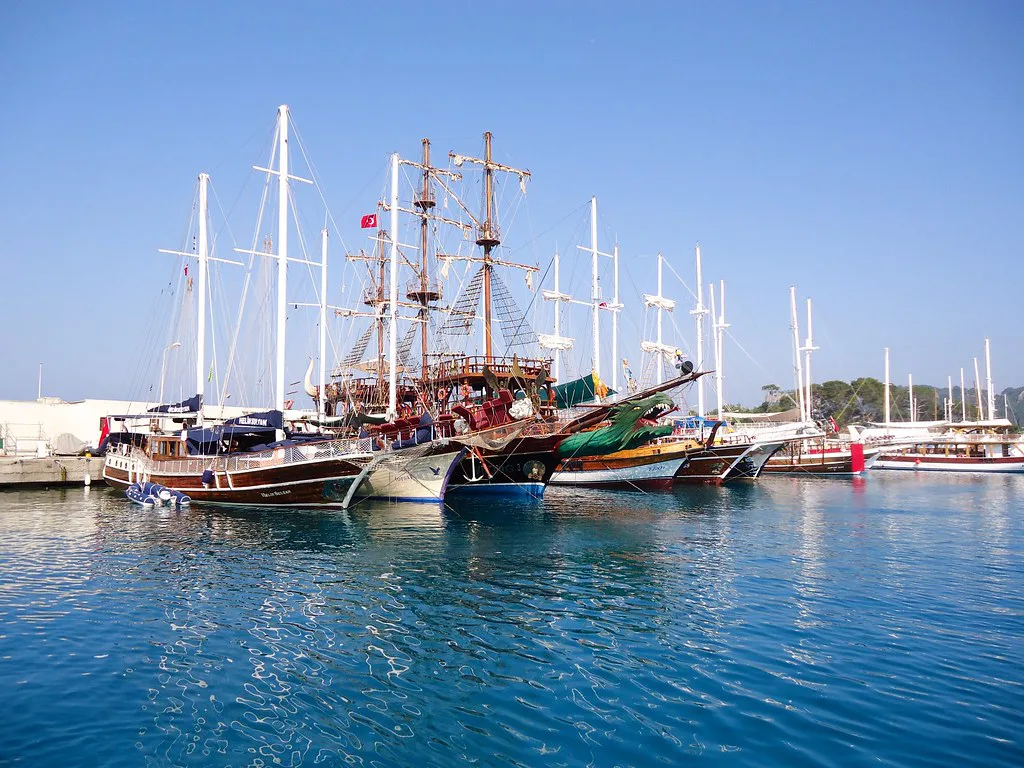
What the bazaar stalls sell
The bazaar is a mix of small indoor shops and street stalls. The listing that covers it describes souvenirs alongside textiles, leather goods, jewellery, spices and local food items. If you want a single stop that covers gifts for family back home and a few edible treats, this is it.
Leather and carpets are the purchases to slow down for. They are high-value, easy to get wrong on quality, and hard to return once you are home. Judge stitching, lining and weight on leather, and ask for the fibre and knot count on a carpet. If the stall is busy, arrange to come back later rather than buying on the spot.
What the weekly market adds
The hotel advertising the weekly pazar calls it a huge spread of market goods, which for a visitor means more clothing and household items alongside the everyday bazaar's gifts and food. Because the day is advertised rather than officially published, confirm the current market day at your hotel or at the bazaar before you build a day around it.
Where the market sits in Kemer and how to reach it
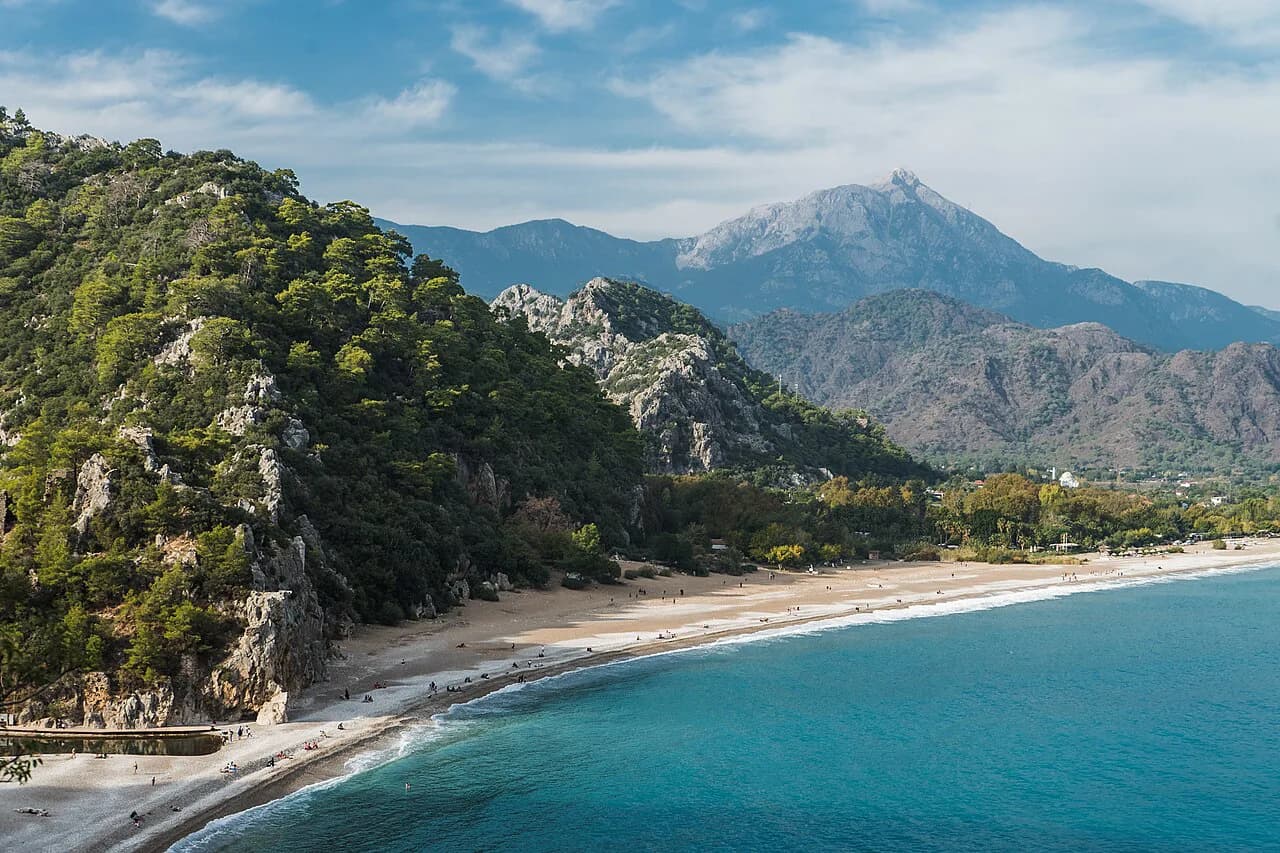
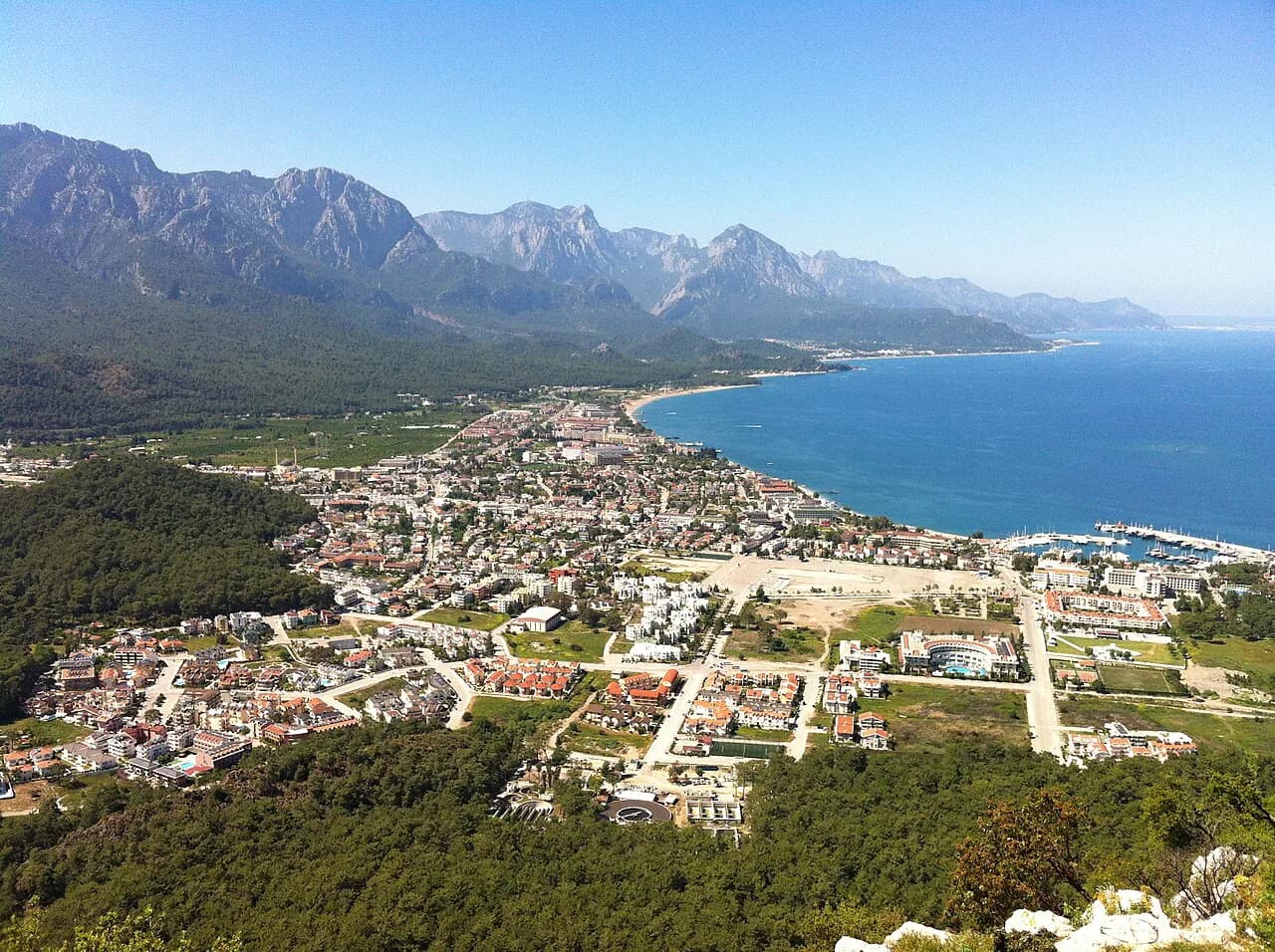
Kemer is a resort on the coast about 43 kilometres from Antalya, with a chain of neighbourhoods from Beldibi through Göynük, central Kemer, Kiriş, Çamyuva and Tekirova. The market sits in the centre, so if you are staying in one of the outlying villages you will need a dolmuş minibus or taxi into town. Our Kemer Map shows how the centre, the beachfront and the marina connect.
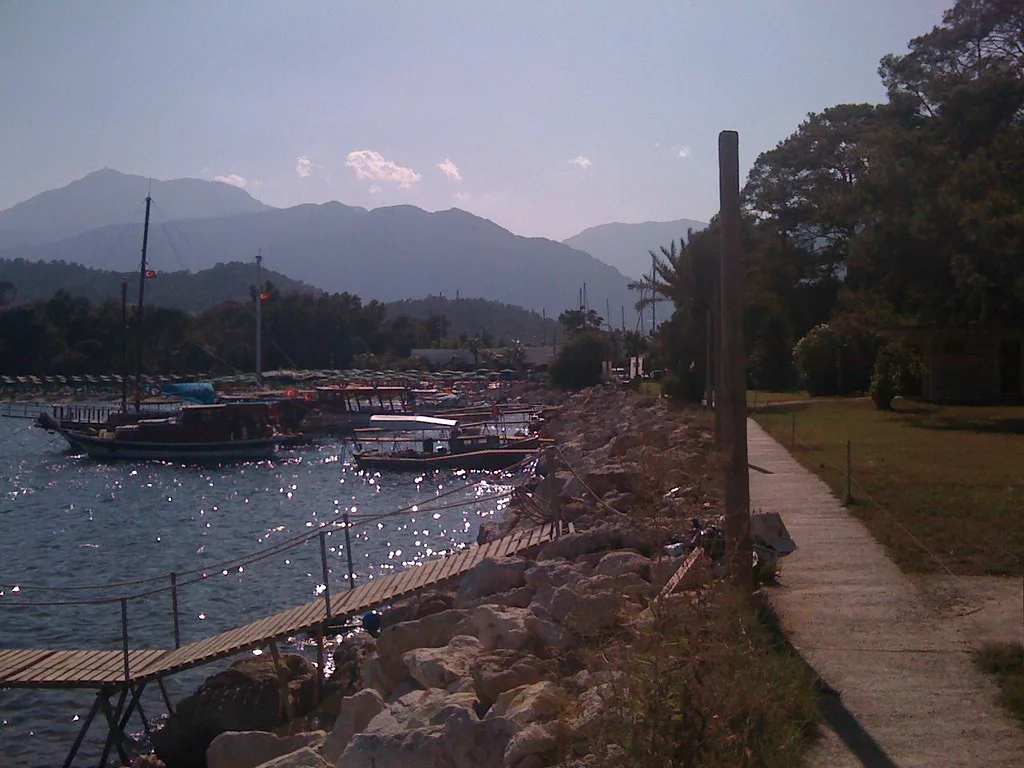
Walking is the simple approach from the central hotels and the beach. The bazaar sits close enough to combine with a stroll along the seafront and the marina later in the day. If you are based at the far end of the strip, plan a single taxi run into town rather than several short hops.
Haggling at stalls and fixed-price shops
Haggling works at street stalls and small bazaar shops where there is no price tag; fixed-price shops and chain stores expect you to pay the label. The script is simple. Ask the price, offer a bit lower, and be ready to walk if the number does not move; most stallholders will counter. Keep it friendly and quick, because a long negotiation over a small item wastes both sides' time.
Decide your ceiling before you start and hold it. If a leather jacket or a carpet is the goal, look at several stalls before naming a price so you know what the range looks like. Ask which currency a trader prefers before you agree on a number.
Clothes, leather and souvenirs: judging quality
Souvenirs are easy: look for even printing, straight seams and intact fittings. Leather is the one to test. Rub the surface, check the lining, look at how the stitching sits, and try it on rather than buying to fit later. If a stall cannot tell you where leather was made, that is your clue to keep looking.
Carpets and textiles reward patience. Ask how a piece was made, what the material is, and whether the colour will hold in British light. A shop that answers plainly and lets you handle the goods is a better bet than one that rushes a decision. There is no need to buy on the first visit; the market will still be there tomorrow.
Timing your visit
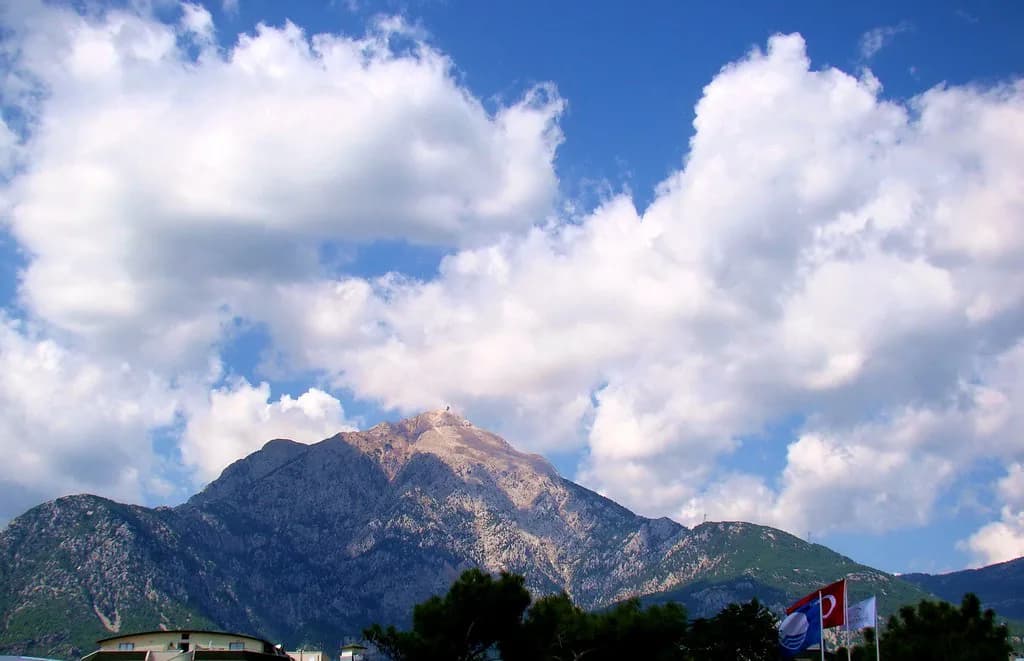
Mornings are kinder. Kemer sits between the sea and the Taurus Mountains, and the daytime heat builds through the afternoon, so shopping early means a cooler walk through the stalls and a better chance of unhurried service. If a market day fits your stay, arrive near the start of the day if you want space. Exact opening and closing times are not published, so ask locally when you arrive.
Avoid stacking the market onto a heavy sightseeing day. Kemer is a base for day trips such as Phaselis Ancient City, the ancient harbour town about 16 kilometres west of Kemer in the Bey Dağları coastal national park, known for its three harbours and aqueduct. Give the market a separate morning so you are not rushing a leather purchase at the end of a long coach day.
Pairing the market with the rest of Kemer
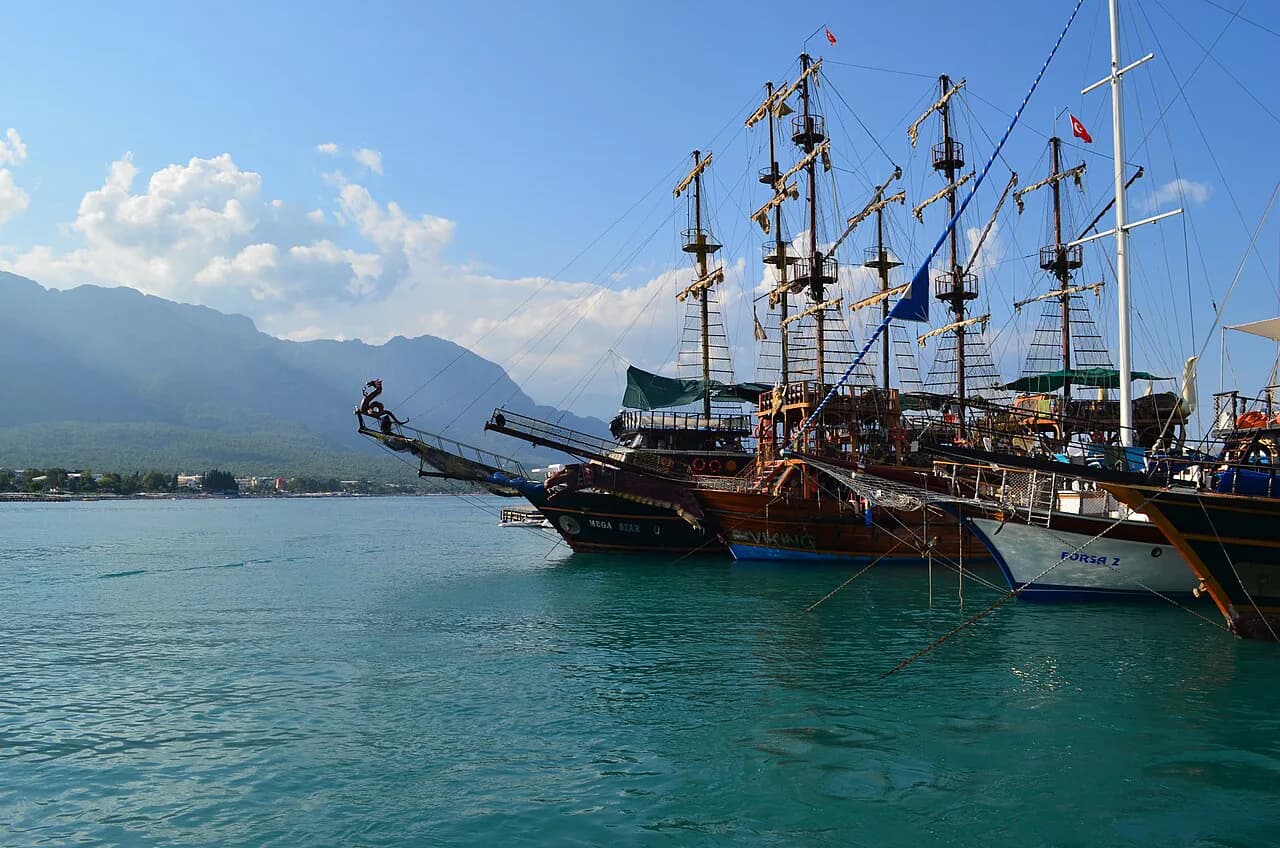
Market done, head for the waterfront. Moon Light Park is one listed attraction on the Kemer seafront, and the marina gives you a slower walk with boats in view. The harbour area suits a late lunch and a rest before the evening. This is the natural route: shop in the centre, walk down to the sea, then loop back through the marina.
If you want a longer stroll along the shops and cafés, our shopping in Kemer guide lists the specific shops and markets worth knowing. Keep the marina as your turning point and you will cover the centre without doubling back.
Cash, bags and getting purchases home
Bring cash in Turkish lira for stalls and small shops, and ask before assuming any trader takes another currency. Agree the price and the currency before anything is wrapped, so there is no confusion at the end.
For leather, carpets or bulky ceramics, ask the shop to pack the item for a flight, and check the airline's baggage rules before you commit. Keep receipts for anything valuable, and photograph the item at the stall so you have a record. Compare in person rather than trusting any price you find online.
Should the market be in your Kemer plan?
Yes, but as a half-day rather than a headline. The bazaar covers everyday souvenirs, textiles, leather, jewellery and spices, and the weekly pazar adds clothing and produce if its advertised day fits your trip. Go in the morning, haggle only where there is no price tag, and keep expensive leather and carpets for a considered second visit.
Explore more Kemer guides
Frequently Asked Questions
Is the Kemer market open every day?
The town-centre bazaar, with its indoor shops and street stalls, is described as a cluster through the centre of Kemer rather than a single ticketed venue. The weekly pazar is a separate market day, and one hotel advertises it as a Thursday. Opening and closing times are not published, so check the current day and hours at your hotel or at the bazaar when you arrive.
How do I get to the Kemer market from my hotel?
If you are staying in central Kemer or near the beach, walk into the centre. From the outlying neighbourhoods along the coast, such as Beldibi, Göynük, Kiriş, Çamyuva or Tekirova, take a dolmuş minibus or a taxi. The centre is compact enough to cover the bazaar and the seafront on foot in one morning.
What should I buy at the Kemer bazaar?
The bazaar's listed goods are souvenirs, textiles, leather, jewellery, spices and local food items. Souvenirs are easy to judge; leather and carpets are not, so check stitching, lining and material before you commit. Give yourself time to compare several shops before deciding.
Can I pay by card at the market?
Bring Turkish lira in cash for stalls and small shops, and ask before assuming any trader takes card or another currency. Agree the price and the currency before the item is wrapped.
Sources
Notes for your next Turkey trip
Optional updates when we add or correct a town guide.
You might also like
Continue reading
More guides you'll find useful