Bodrum Markets: Market Days, Stalls and How to Haggle
Bodrum has no single covered bazaar: the peninsula's best-documented weekly market is the outdoor one at Gültürkbükü. What to expect and how to plan around it.
On this page
Bodrum does not have one central covered bazaar where the whole peninsula shops; the settlement pattern spreads across a peninsula roughly 15km long and 5km wide, with a mountainous centre that pushes most movement onto the coast roads. The clearest documented weekly market is the outdoor one at Gültürkbükü on the north side. This guide covers how the geography shapes your choice, how to reach the villages without a car, and how to approach paying and haggling.
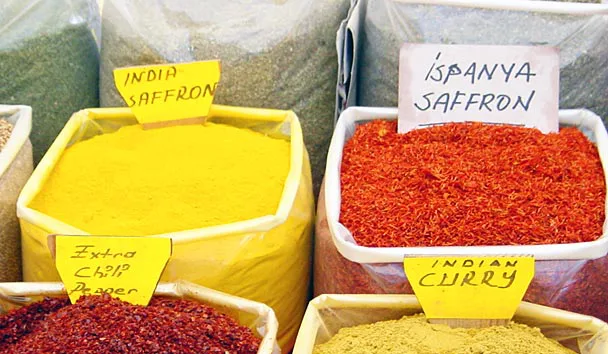
What you can buy at a Bodrum market
Bodrum Municipality lists local markets among the town's civic assets alongside the castle, the Mausoleum and the ancient sites, which shows they are treated as part of ordinary local life rather than as a visitor attraction. The municipality does not publish stall-by-stall detail, so treat any market as a local food-and-household errand first and a sight second.
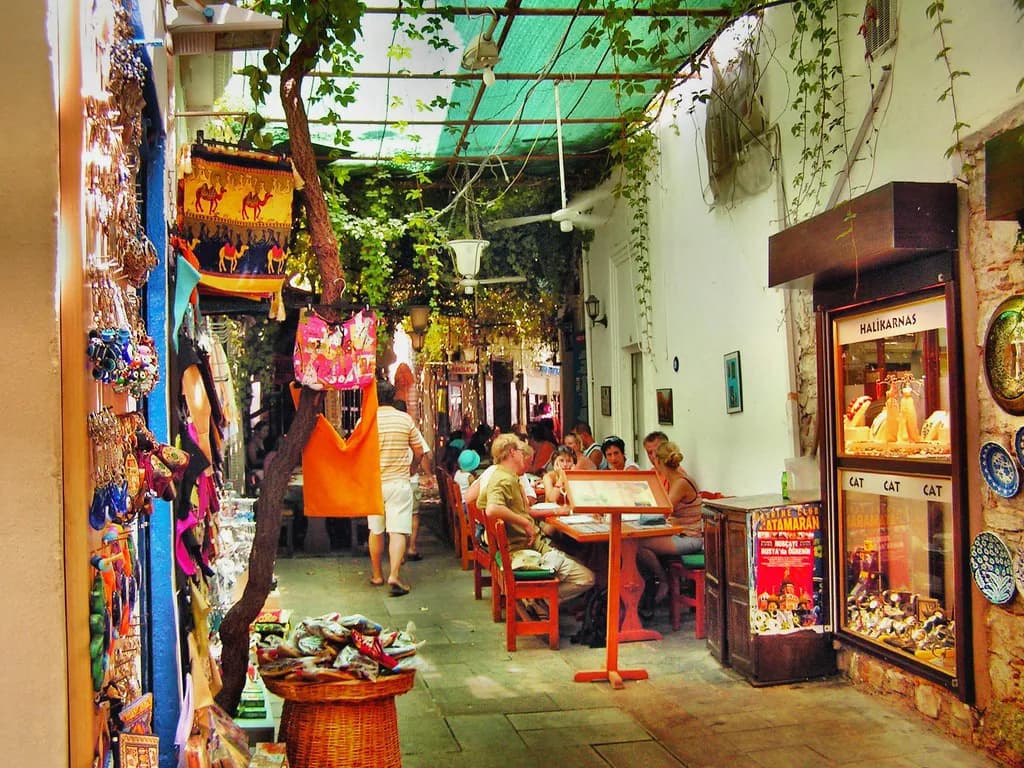
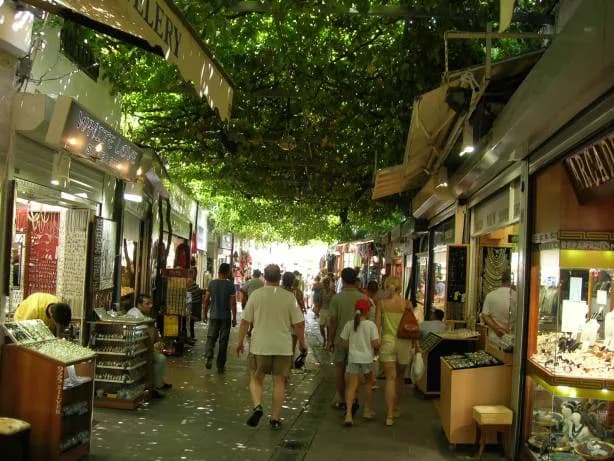
For clothing, leather, jewellery and souvenirs, look to the shops in central Bodrum rather than expecting a covered bazaar. Keep the two ideas separate: a market morning and an afternoon in the town's shops are different trips that happen to sit on the same peninsula.
Bodrum's local markets and where they sit in the peninsula
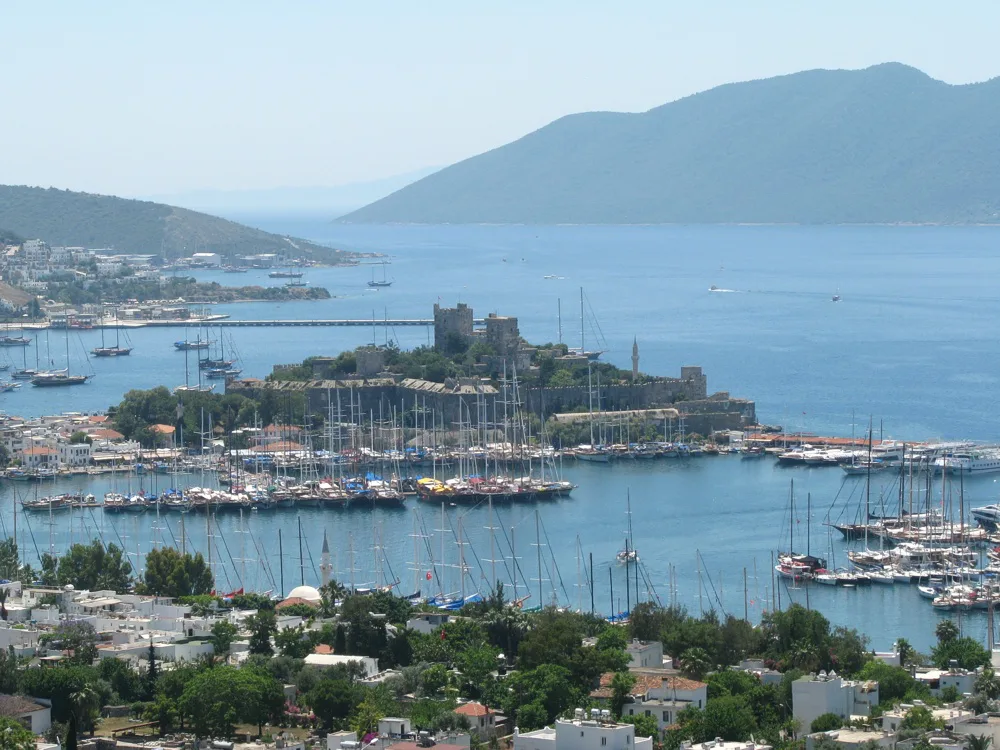
Think of Bodrum as a ring of coastal settlements around a mountain, not a single grid of streets. Gültürkbükü sits on the north coast; Yalıkavak and Gümüşlük lie further west on the same side; Turgutreis occupies the western tip; Bodrum town itself faces south towards the castle and marina. The coastal road between them is scenic but slow, and secondary roads can be narrow with patchy signage, so a short distance on the map can take longer than you expect.
Choose your base by which coast you are staying on. If you are based in Bodrum town, Gümüşlük or Turgutreis, the north-coast villages are a half-day out by road rather than a walk. If you are staying in Gültürkbükü or Yalıkavak, the north-coast market morning is on your doorstep and the town-centre shopping is the excursion.
Do not plan around a market day you have seen on a poster or a search result without confirming it locally. The municipality publishes announcements and a city guide on its website, and your hotel or the local muhtarlık can confirm which day the market sets up in the village nearest you.
The weekly market at Gültürkbükü
Gültürkbükü is a north-coast town large enough to have most services, including a once-weekly outdoor market, while remaining quieter than the bigger resort towns. The market is a practical reason to build a morning around the village rather than a staged attraction.
The exact market day is not something to guess at. Ask your accommodation the day before, and plan to arrive in the morning when the stalls are fully set up and the day is coolest.
Yalıkavak and the north coast
Yalıkavak sits further west along the north coast and is best known for its marina, which draws a well-dressed crowd and a cluster of restaurants and shops. The town has a settled, upmarket feel, and the marina area is where most visitors spend their money.
If you are in Yalıkavak, combine a walk around the marina with a look at the surrounding peninsula villages. Treat Yalıkavak as a half-day by car rather than a quick stop between two other places on the same afternoon.
Getting to the markets without a car
Dolmuş minibuses are the backbone of local transport on the peninsula. The municipality publishes bus schedules on its website, so check the route and frequency for the village you plan to visit before you set out, since services thin out late in the day.
A car gives you more flexibility, especially if you want to combine a market with a stop at Gümüşlük or the Myndos Gate on the same day. Carry a phone with mobile data for navigation; secondary roads are manageable but signage is thin, and you will want a map app when a turn is not marked.
Taxis are the easy fallback if you are staying in a village with a limited dolmuş timetable. Agree the fare before you get in, and remember that the return trip from a small village market may be harder to find than the outward one.
What a market morning costs and how to pay
Carry Turkish lira in small notes and coins. Stalls may not take cards, and a village market is not the place to discover your card reader is not accepted.
Budget separately for the market itself and for whatever you do afterwards. Bodrum's top-end beach clubs and marina restaurants set minimum spends well beyond a market shopping basket, so keep your evening plans in a different mental budget from your morning produce run.
If you are eating out later, restaurant listings grouped by Bodrum neighbourhood and marina give a sense of the range, but book those separately from the market trip.
Haggling at a Bodrum market: what is fair
Haggle at souvenir and textile stalls, not at the produce stand where a kilo of tomatoes has a fixed price and the seller's margin is thin. At a food market, the fair exchange is paying what is asked and being polite; at a craft or clothing stall, a friendly question about the price is normal.
Walk away if the price does not suit you; that is a normal move in a Turkish market, not an insult. Do not haggle over small amounts you would not miss, and never open a negotiation you do not intend to finish if the seller meets your offer.
Market etiquette and practical points
Dress for a working market, not a resort promenade: flat shoes, a hat, water and a bag that leaves your hands free. Many stalls are open to the sun, and the peninsula's heat builds through the morning.
Ask before photographing people or stalls, and keep your bag zipped in the crush around popular tables. If you are buying meat, cheese or olives, bring a cool bag if you have a long drive back.
If a market visit is your main reason for being in the area, read up on is Bodrum worth visiting to judge whether the peninsula as a whole suits you. A market morning pairs well with a castle visit or a harbour walk, but it does not replace them.
Combining a market with the sights nearby
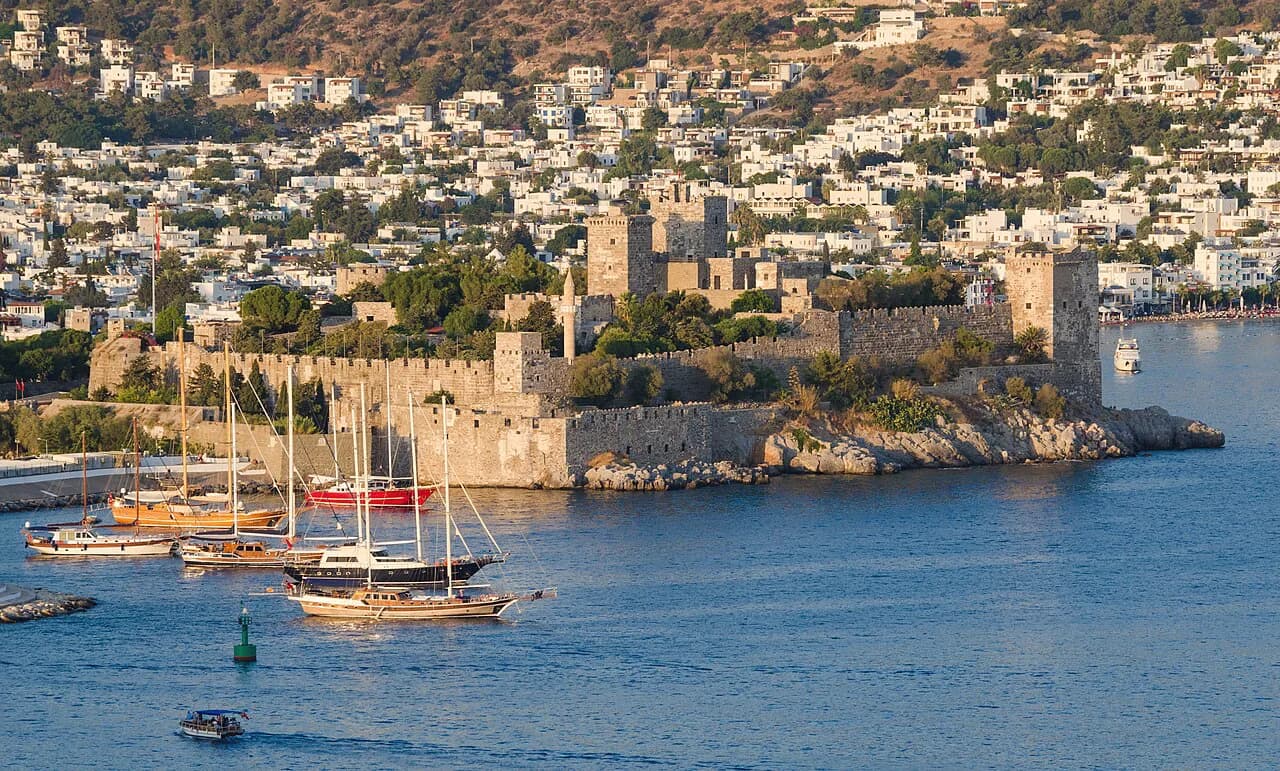
Bodrum Castle anchors the town end of the peninsula, and a market morning in Gültürkbükü or Yalıkavak leaves the afternoon free for the castle, the Mausoleum of Halicarnassus or the Myndos Gate. The castle is a natural pairing because it sits in the old town, within walking distance of the harbour and the shopping streets.
If you are making a full day of it, end with a walk along the harbour and a sunset drink; Bodrum's west-facing coast gives you a long, slow evening. Check opening times for the castle and museum on the municipality's site before you commit to a late start.
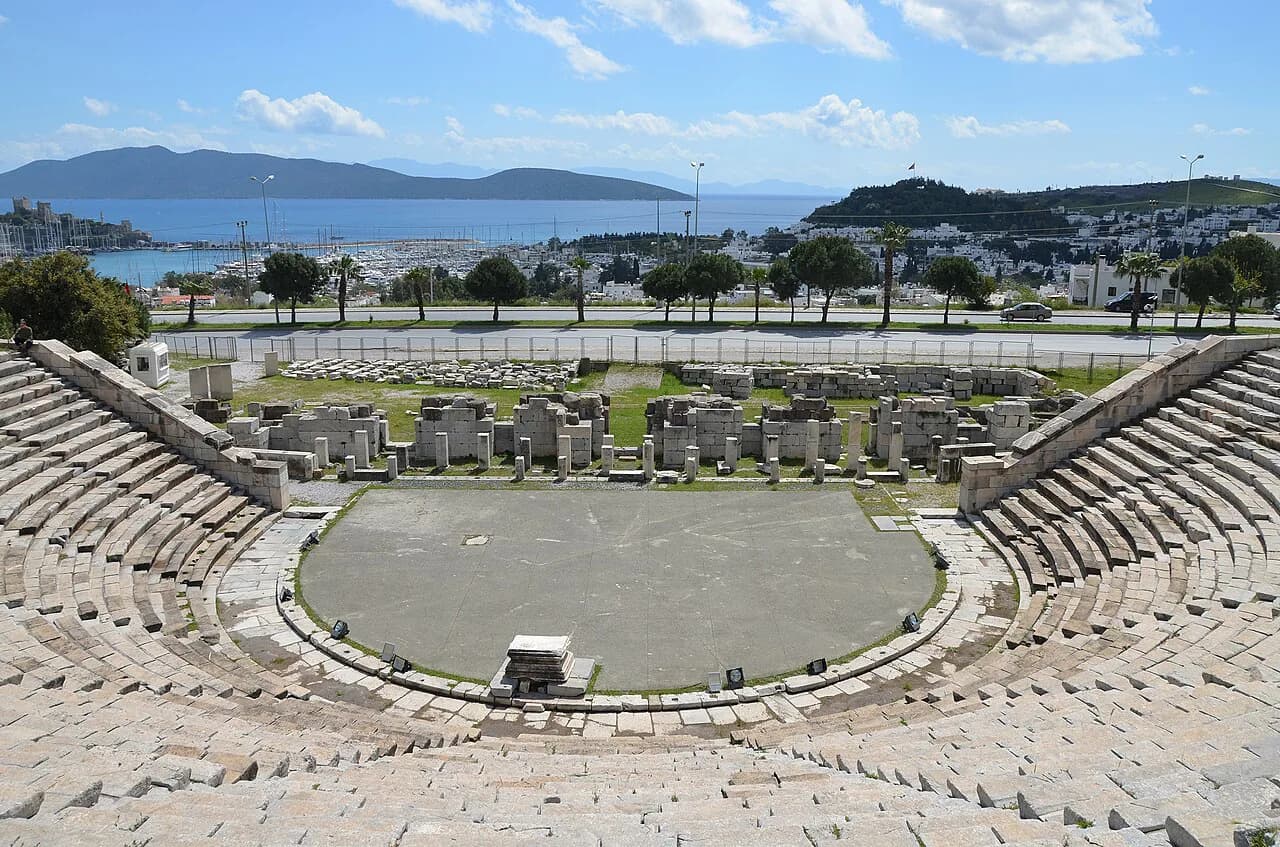
For a wider list of what to see around the town, the Bodrum Attractions guides cover the castle, the Mausoleum, the ancient theatre and the Myndos Gate in more detail.
Which Bodrum market should you build your morning around?
Base your choice on the coast you are staying on. If you are in Gültürkbükü or Yalıkavak, plan a morning at the once-weekly Gültürkbükü market and keep the afternoon for the marina or the castle. If you are in Bodrum town, Gümüşlük or Turgutreis, treat the north-coast market as a half-day trip by dolmuş or car and confirm the day with your accommodation before you set out.
Carry lira in small notes, arrive in the morning and pay the marked price at food stalls. Save your negotiating for the craft and clothing stalls, where a friendly question and a willingness to walk away are all you need.
Explore more Bodrum guides
Frequently Asked Questions
Is there a Grand Bazaar in Bodrum?
No. Bodrum's market tradition is made up of local produce markets spread across the peninsula, with the once-weekly outdoor market at Gültürkbükü as the clearest documented example, rather than one central covered bazaar. For souvenirs and clothing, the town-centre shopping streets are the place to look.
What day is the Bodrum market?
Market days vary by village and the available sources do not pin down a specific day. The Gültürkbükü market is described as once-weekly, so ask your accommodation or the local muhtarlık the day before you plan to go.
What can I buy at a Bodrum market?
The municipality lists local markets among the town's ordinary civic assets rather than as visitor attractions, so plan around a food-and-household market rather than a staged souvenir bazaar. For clothing and gifts, look to the shops in central Bodrum.
Can I get to the markets without a car?
Yes. Dolmuş minibuses run on the peninsula, and the municipality publishes bus schedules on its website. Check the timetable for the village you plan to visit and allow for a slower return in the late afternoon.
Sources
Notes for your next Turkey trip
Optional updates when we add or correct a town guide.
You might also like
Continue reading
More guides you'll find useful