Fethiye Map: Old Town, Harbour and Nearby Resorts
A visitor's map of Fethiye: what to pin in the old town and harbour, and which resort strips and ruins need a dolmuş, taxi or car.
On this page
Fethiye works as one walkable centre plus a scatter of resort strips and ruins: the old town, museum, market, rock tombs and harbour sit together, while Çalış, Ölüdeniz, Hisarönü, Kayaköy and the Lycian sites are separate trips. A tourist map of the town lists Fethiye Old Town, the Amyntas Rock Tombs, the Lycian Rock Tombs, Fethiye Museum, Fethiye Market, Downtown Fethiye and Çalış Beach as separate pins, which tells you straight away that the place spreads out. This guide lays the map out area by area so you can decide what to walk and what to ride.
What a Fethiye map shows at a glance
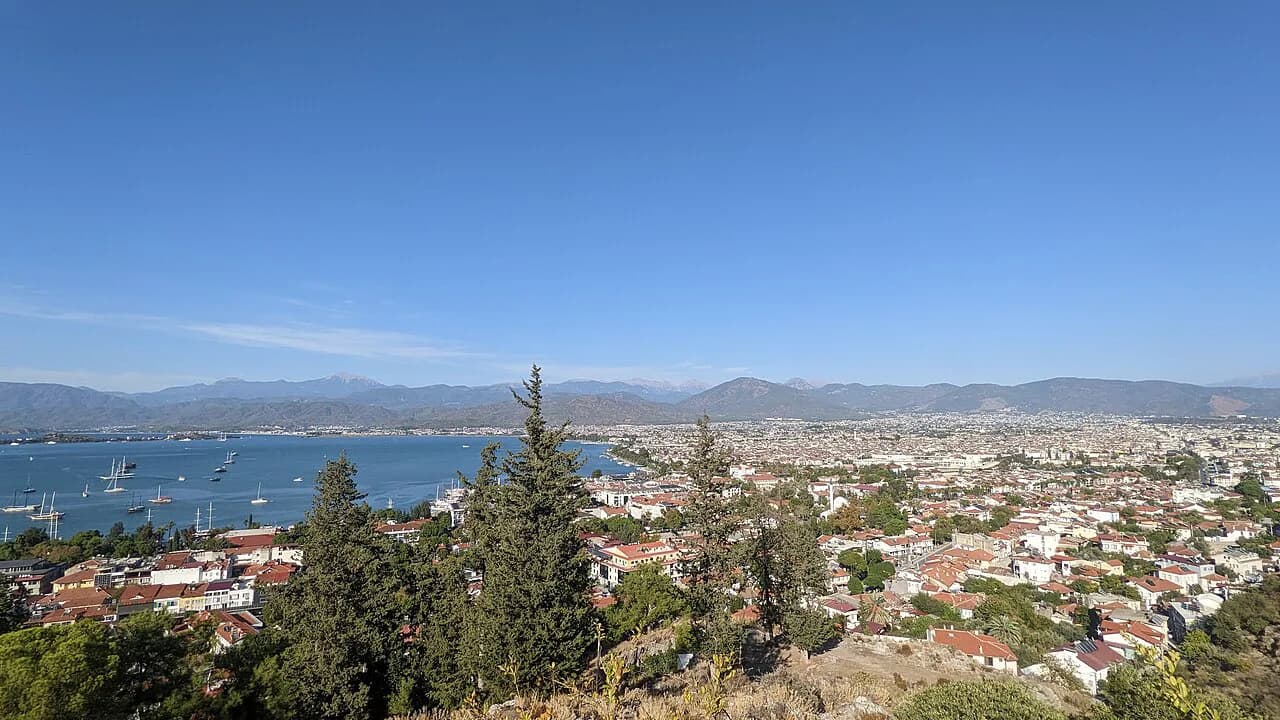
Pin the centre first and the rest falls into place. Fethiye sits between the Mediterranean and the Aegean, and the town's tourism body presents it as a holiday base built on climate, nature and historical remains. On a tourist map the centre holds the old town, museum, market and downtown streets, with the harbour and Çalış Beach marked as further pins.
Read it as two rings rather than one. The inner ring is the central cluster: old town, museum, market, downtown streets and the rock tombs above. The outer ring is Çalış Beach, Butterfly Valley, Gemiler Island, Kayaköy, Saklıkent Gorge, Ölüdeniz Beach and the ruins at Xanthos, Patara and Tlos, all listed as Fethiye attractions on the same tourist map but reached by road or boat.
The old town in the centre: Kaleiçi and the harbour
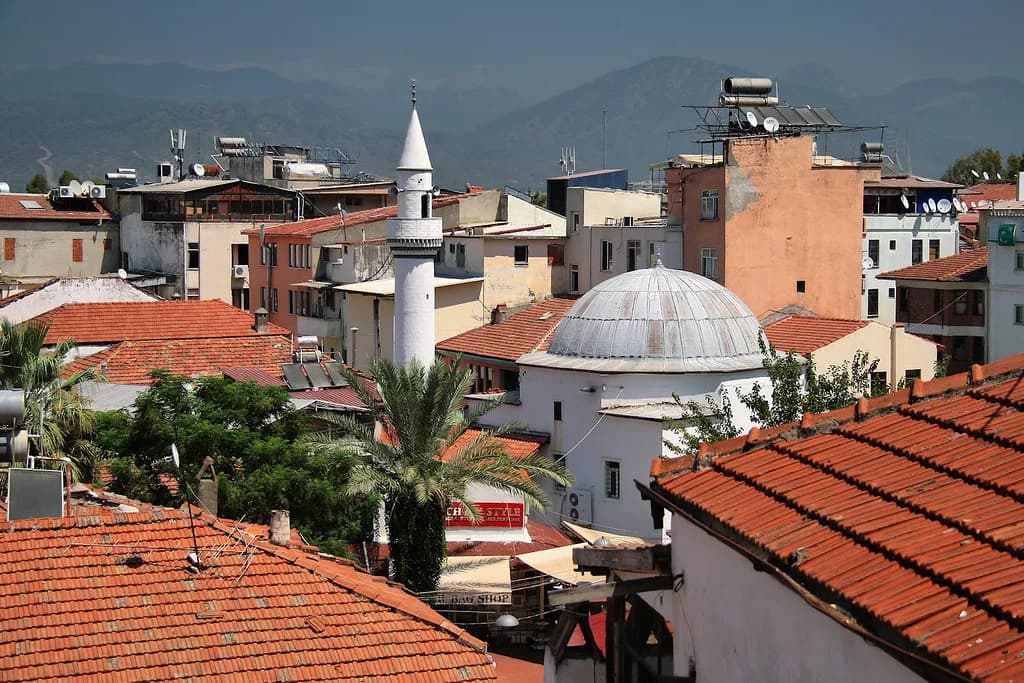
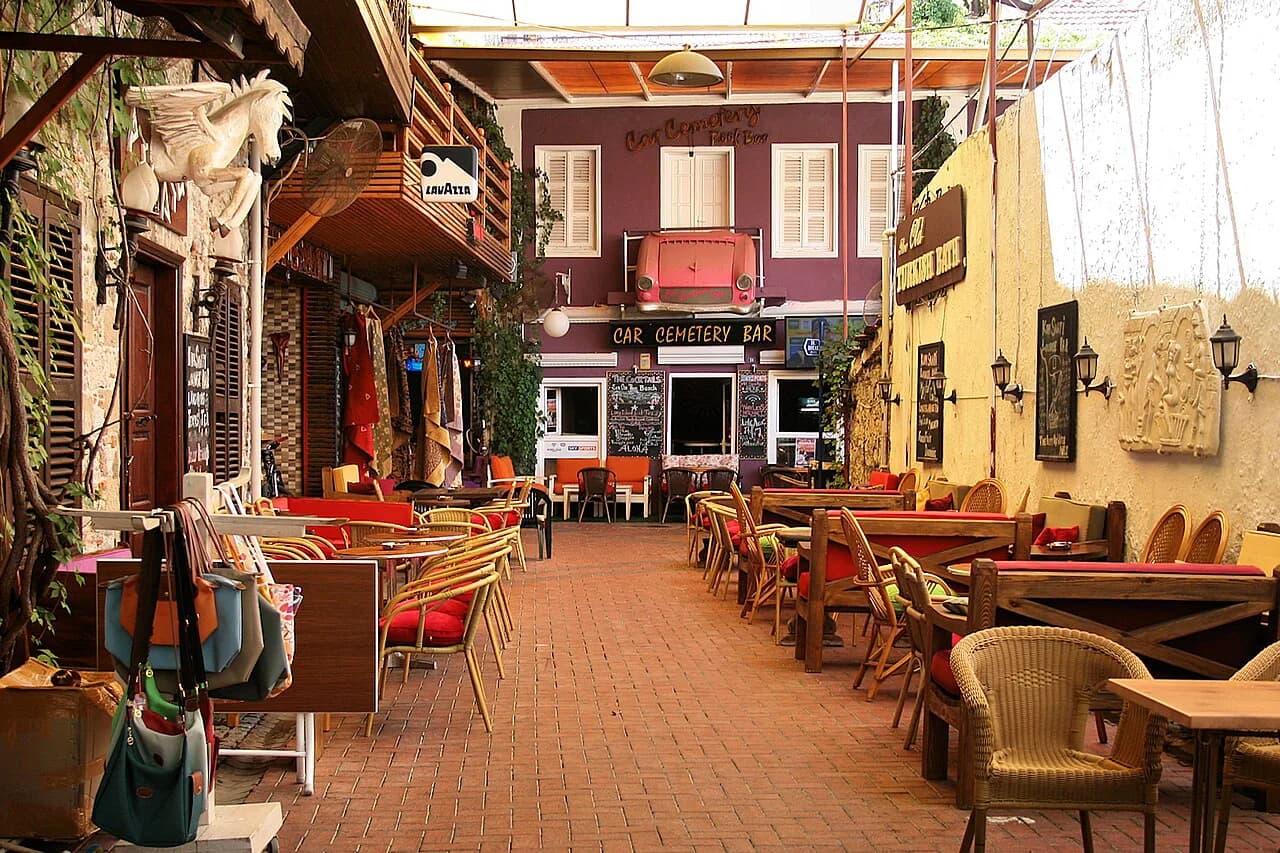
Fethiye Old Town, or Kaleiçi, is the pin to start from, and it sits in the same central cluster as the harbour, so you can wander the lanes and reach the waterfront on foot. Keep it as your walking base and everything central stays within one outing. If you want to know what the shops specialise in before you go, our guide to shopping in Fethiye covers the old-town streets and the Paspatur bazaar.
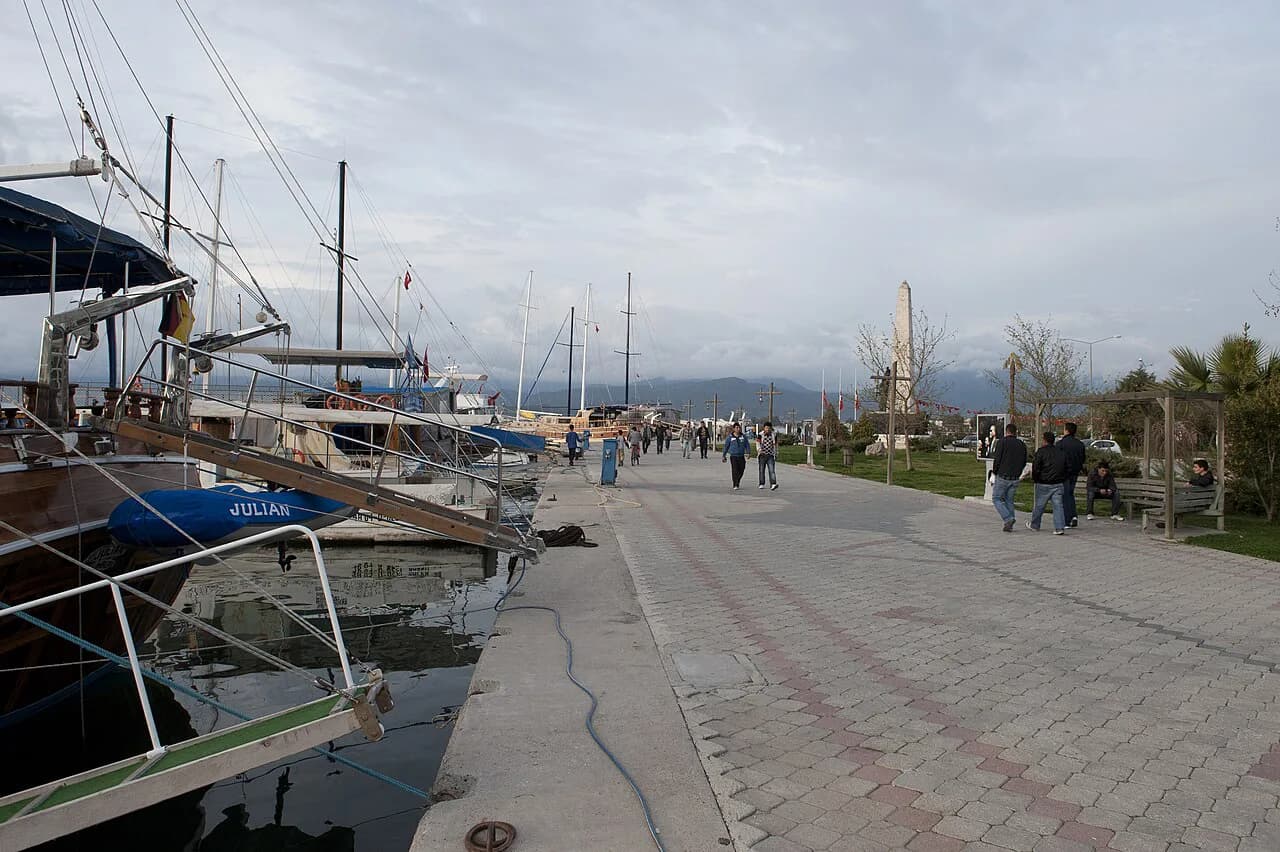
The harbour is the second anchor and the place to look for boat trips, with the tourist map flagging yacht trips among the things to do in Fethiye. Landings and departure days change with the season, so confirm them at the waterfront before you commit a day to a boat.
Amyntas Rock Tombs and the Lycian rock tombs on the hillside
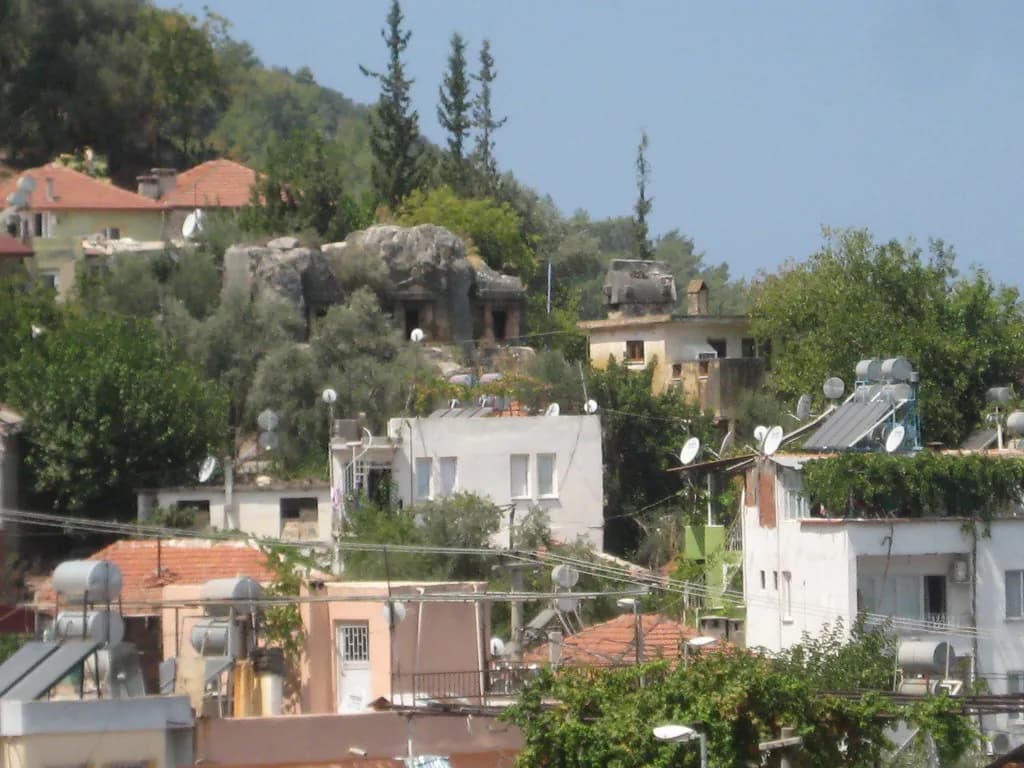
The rock tombs are the feature you spot on the hillside above town before you find them on paper. A tourist map of Fethiye lists the Amyntas Rock Tombs and the Lycian Rock Tombs as two separate attractions, so plan them as a climb rather than a stroll through the lanes. Take them on in a cooler part of the day and wear shoes that cope with stone steps.
Fethiye Museum and Downtown Fethiye
Fethiye Museum and Downtown Fethiye are the other central pair to pin before you walk, both marked on the tourist map. Downtown is where you find everyday shops, banks and cafés rather than resort strips, and the museum is a separate stop in the same cluster.
A sensible order is museum, downtown streets, then old town and harbour, because all four sit in the central cluster; that keeps you off the midday heat in the lanes and puts you at the waterfront for the evening. Check the museum's opening hours at the door before you build a day around it.
Fethiye Market: the central marker for market day
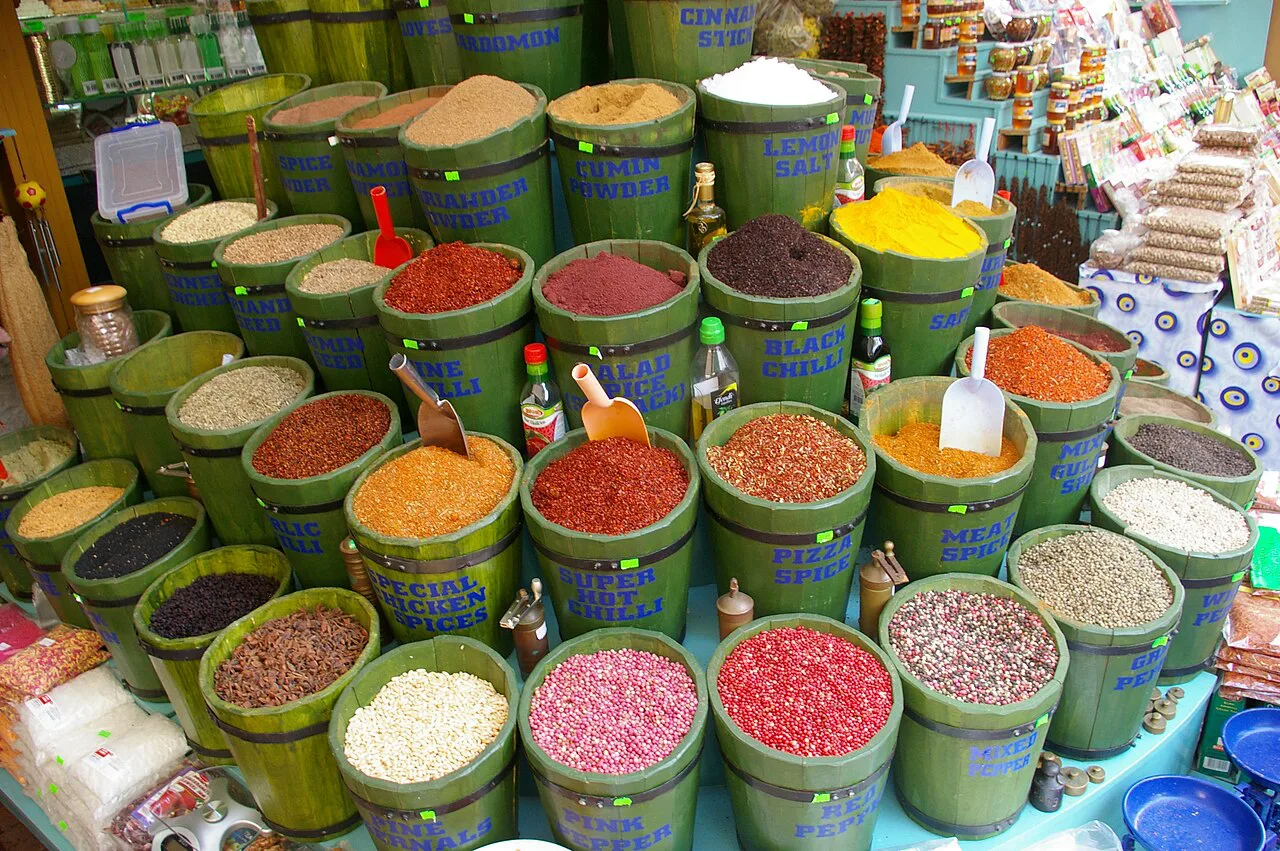
Fethiye Market is pinned in the centre, which makes it easy to fold into a town day rather than a separate excursion. For the layout and which parts to target, our guide to the Fethiye market sets out the stalls and streets, with the Fethiyespor football stadium as a useful landmark nearby.
Market days and hours change, so confirm the day with your accommodation or the local council before you go. Arrive in the morning for the calmest browsing, and carry small notes, since you will be buying from individual traders rather than a single checkout.
Çalış Beach and the strip out from the centre
Çalış Beach is a separate pin on the tourist map, and the strip running out from town is where many visitors base themselves. Town in the morning and Çalış in the afternoon makes a workable split, but do not assume you can walk it.
The beach strip has its own restaurants and shops, so you can eat there without returning to the centre. Dolmuş minibuses run the coastal roads; ask your accommodation which stop is nearest before you set out.
South of town: Ölüdeniz Beach, Belcekız and the Blue Lagoon
Ölüdeniz Beach is the lagoon beach south of Fethiye, listed on the tourist map as a headline attraction alongside the old town and the rock tombs. The beach itself, the Belcekız strip behind it and the Blue Lagoon beyond all sit at Ölüdeniz, so pin the resort first and work outwards. Our guide to things to do in Fethiye covers the Blue Lagoon and the surrounding coast in more detail.
Ölüdeniz is not a walk from the centre, so plan a dolmuş, taxi or car. The road winds, and the strip is busy in high summer, so an early start buys space and shade.
Inland from Ölüdeniz: Hisarönü
Hisarönü sits inland from Ölüdeniz and appears on area guides for this coast as its own resort, close enough to the lagoon to feel connected but far enough to need a short ride, and the hillside setting means a steep walk if you go on foot. Many visitors base themselves in Hisarönü and drop down to the beach for the day.
The hill position brings cooler evenings and a different feel from the beach strip. Walking down is easy; walking back up in the heat is not, so ask your accommodation how often the dolmuş runs to Ölüdeniz and where it stops.
Farther out and worth pinning: Kayaköy, Saklıkent, Butterfly Valley and Gemiler Island
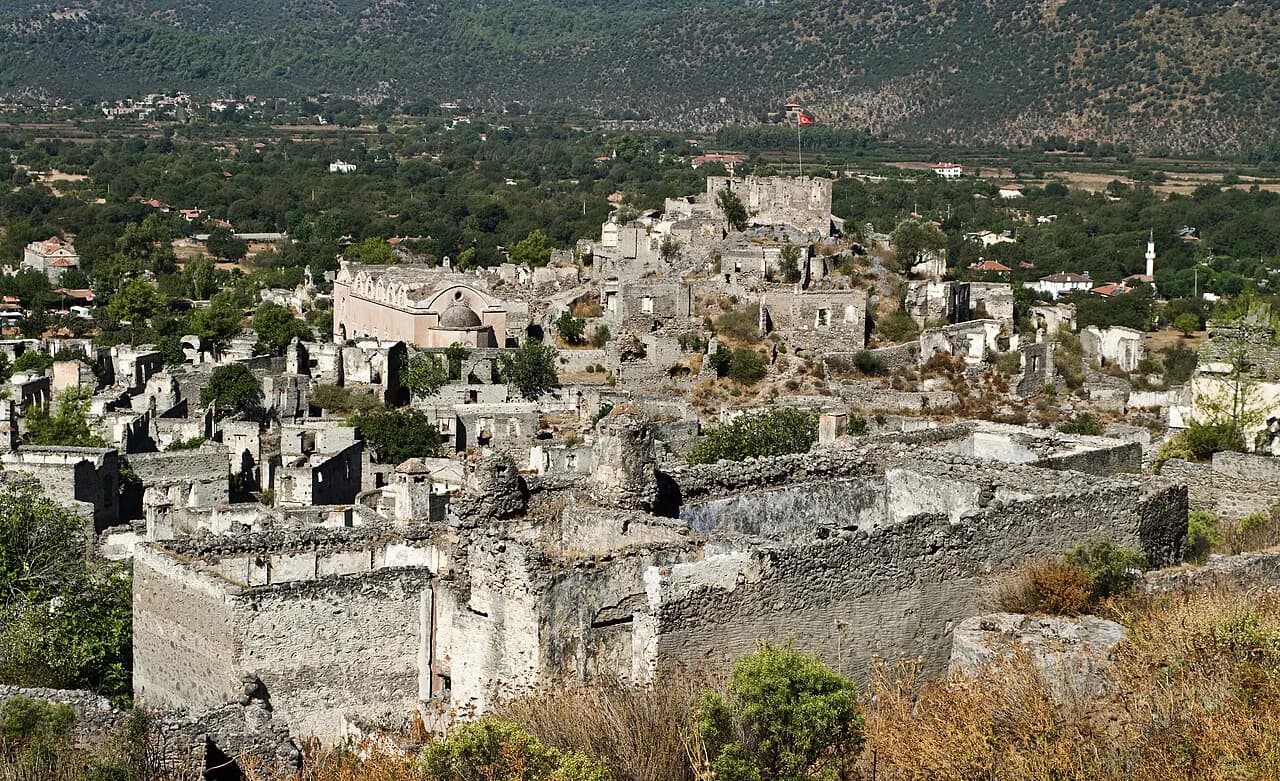
Beyond the resorts, the tourist map lists Kayaköy, Saklıkent Gorge, Butterfly Valley and Gemiler Island as Fethiye attractions, and each needs its own transport plan. Kayaköy is the abandoned village beyond Ölüdeniz, Saklıkent is the gorge further out, and Butterfly Valley and Gemiler Island are reached by boat. Treat all four as half-day or full-day outings, not add-ons to a town walk.
For the boat-accessible sites, ask at the harbour in Fethiye or Ölüdeniz which trips include them and how long you get ashore, since seasonal services vary. For Kayaköy and Saklıkent, a car or an organised tour is the practical option, as neither sits on the town's walking map.
Ancient sites within reach on the same map: Xanthos, Patara and Tlos
Xanthos, Patara Beach and Tlos Ruins appear on the same tourist map as Fethiye but sit well outside town, needing a car, a tour or a long day on the road, and Tlos is the inland one. If ruins are the point of your trip, group two into one loop rather than trying to see all three between beach days.
Check site opening hours and ticket arrangements on the official museum-pass pages the day before you drive, since these shift through the year. Carry cash for car parks and small admission charges, and take sun protection for Patara, where beach and ruins are both exposed.
Getting around: dolmuş minibuses, taxis and the roads
The dolmuş is the workhorse of the Fethiye area, running between the centre, Çalış, Ölüdeniz and Hisarönü, with taxis filling the evening gaps and covering trips like Kayaköy or Saklıkent. Ask at your accommodation for the nearest stop and the current route pattern, because services change with the season.
Fares and timetables are not fixed for the year, so treat any figure you hear as a guide and confirm on the day. Keep coins and small notes for the dolmuş, since drivers may not have change for large notes. For longer runs like Xanthos or Patara, hiring a car for the day usually beats stringing together minibuses.
Fethiye, Marmaris or Bodrum: which layout suits a short break
Fethiye, Marmaris and Bodrum are all harbour towns with old quarters and a resort ring, but their maps differ in how much you can walk. Fethiye's centre packs the old town, museum, market and rock tombs into one cluster, with the harbour and Çalış as further pins that need transport.
Choose Fethiye if you want a walkable old town with ruins, a market and a lagoon a short ride away. Our list of things to do sets out the full spread of sights so you can weigh the town against the alternatives.
Which airport to use for Fethiye
Dalaman is the airport most visitors use for Fethiye, with Antalya a longer alternative. Flights and operators vary by season, so check the airport's own site and your airline before booking.
Some travellers fly into Antalya and drive west along the coast. Confirm your transfer before you land, since options thin out late at night and outside the summer season.
What to pin first on your Fethiye map
Pin Fethiye Old Town, Fethiye Museum, Downtown Fethiye and Fethiye Market first, because those make up your walking day, and add the harbour as the fifth stop. Add the Amyntas Rock Tombs and the Lycian Rock Tombs for the hillside climb, then ring the map with Çalış, Ölüdeniz, Hisarönü, Kayaköy, Saklıkent, Butterfly Valley, Gemiler Island and the ruins at Xanthos, Patara and Tlos. Inner cluster on foot, the ring by dolmuş or car, and the map stops feeling overwhelming.
Explore more Fethiye guides
Frequently Asked Questions
What should I pin first on a Fethiye map?
Start with the central cluster: Fethiye Old Town, Fethiye Museum, Fethiye Market and Downtown Fethiye, with the harbour as the waterfront stop. Add the Amyntas Rock Tombs and the Lycian Rock Tombs above town, then treat Çalış, Ölüdeniz, Hisarönü, Kayaköy, Saklıkent, Butterfly Valley, Gemiler Island and the ruins at Xanthos, Patara and Tlos as separate trips by dolmuş, car or boat.
Is Fethiye a nice part of Turkey?
It is a harbour town with a walkable old quarter, a market, Lycian rock tombs on the hillside and a ring of resorts and ruins around it. The coast here sits between the Mediterranean and the Aegean, so the landscape shifts as you travel along the shore. Whether it suits you depends on whether you want one compact centre or a beach strip as your base.
Sources
Notes for your next Turkey trip
Optional updates when we add or correct a town guide.
You might also like
Continue reading
More guides you'll find useful